The journey to a stronger, more resilient physique is often paved with dedication, sweat, and smart choices. As fitness enthusiasts, we’re constantly seeking ways to optimize our training, push past plateaus, and recover effectively. In this pursuit, one supplement consistently rises to the top, backed by an overwhelming body of scientific evidence: creatine.
Far from being solely the domain of elite athletes or competitive bodybuilders, creatine is a powerful, naturally occurring compound that offers profound benefits for anyone committed to improving their physical performance, accelerating muscle growth, and enhancing recovery. Whether you’re a beginner taking your first steps into strength training or an intermediate lifter striving for new personal bests, understanding and strategically incorporating creatine can be a game-changer.
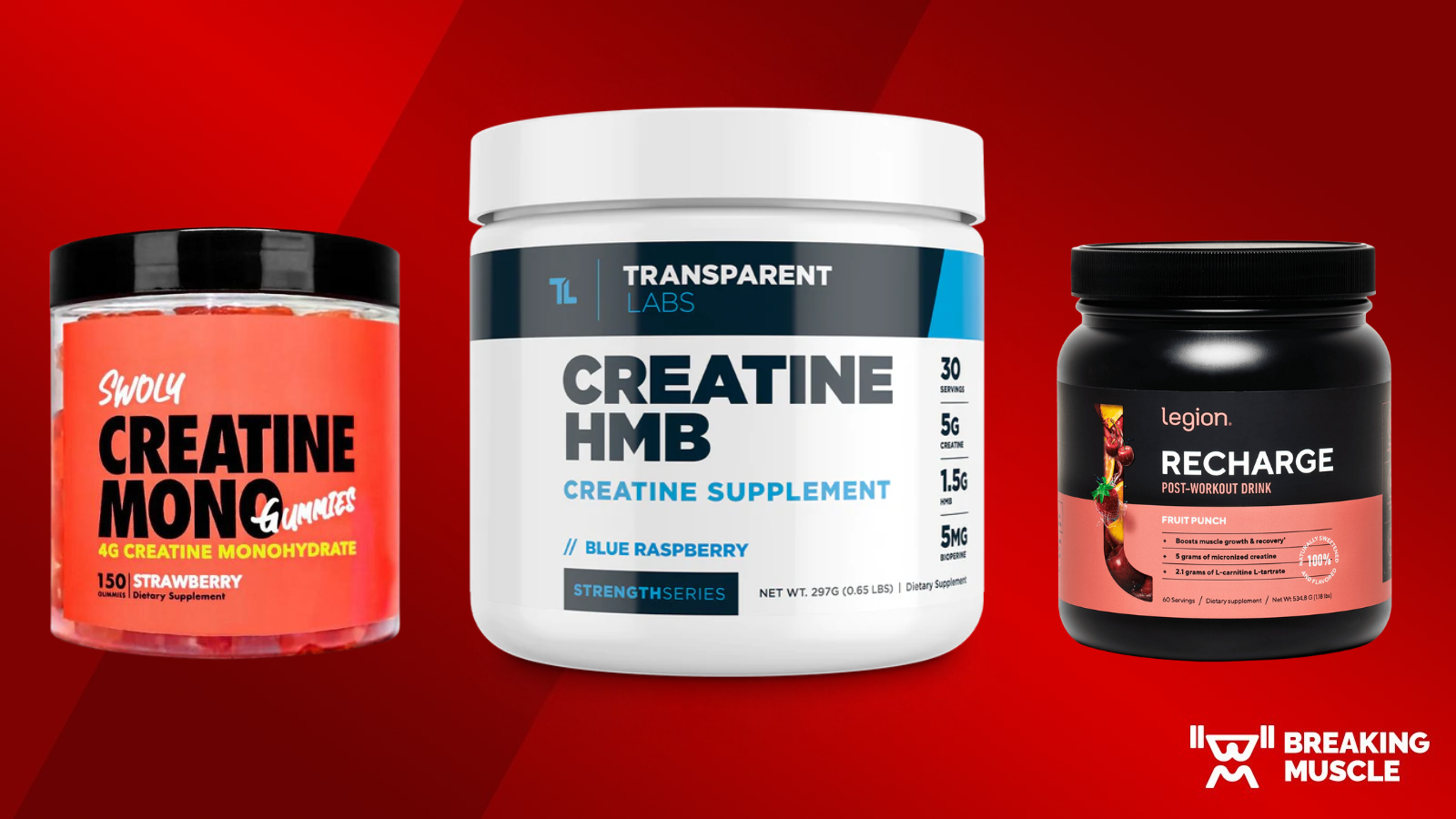
This comprehensive guide will demystify creatine, exploring its science-backed mechanisms, a myriad of benefits, optimal usage strategies, and crucial safety considerations. Prepare to unlock a new level of potential in your fitness journey.
The Powerhouse Within: Understanding Creatine
Before we dive into how creatine can transform your workouts, let’s understand what it is and its fundamental role in your body’s energy systems.
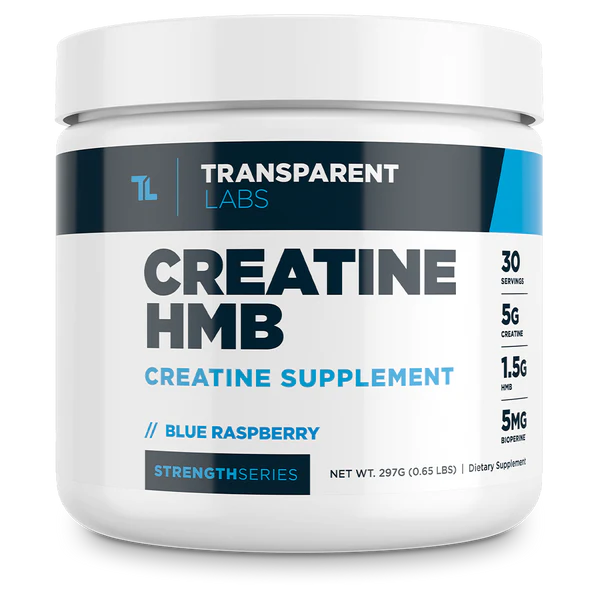
What is Creatine?
Creatine is a nitrogenous organic acid that occurs naturally in vertebrates. It’s synthesized primarily in the liver, kidneys, and pancreas from three amino acids: arginine, glycine, and methionine. Once produced, approximately 95% of the body’s creatine stores are found in skeletal muscle, with smaller amounts in the brain and testes.
While your body produces creatine, you also obtain it through your diet, predominantly from red meat and seafood. However, dietary intake alone might not be sufficient to fully saturate your muscle creatine stores, especially for active individuals. This is where supplementation becomes highly beneficial.
How Creatine Fuels Your Workouts
Creatine’s primary function revolves around energy production, specifically for high-intensity, short-burst activities. It acts as a critical component of the phosphocreatine (PCr) system, which is essential for rapidly regenerating adenosine triphosphate (ATP) – the direct energy currency of your cells.
Here’s a simplified breakdown of how it works:
- ATP Depletion: During intense exercise (like lifting heavy weights, sprinting, or jumping), your muscles rapidly consume ATP for energy.
- ADP Formation: As ATP is used, it loses a phosphate molecule and becomes adenosine diphosphate (ADP). ADP is an energy-depleted molecule.
- Creatine’s Role: This is where creatine phosphate (the stored form of creatine in muscles) steps in. Creatine phosphate donates its phosphate group to ADP, quickly regenerating ATP.
- Sustained Power: This rapid ATP regeneration allows your muscles to sustain high-intensity contractions for longer periods, delaying fatigue and enabling you to perform more reps, lift heavier loads, or sprint faster.
Think of your muscle cells as having a small, readily available "emergency fuel tank" for explosive movements. Creatine increases the capacity of this tank, allowing for more immediate, powerful energy output when you need it most.
Beyond Strength: Comprehensive Benefits of Creatine Supplementation
The scientific community has extensively studied creatine, making it one of the most research-backed supplements available. Its benefits extend far beyond just brute strength.
Enhanced Athletic Performance
The most widely recognized benefit of creatine is its ability to significantly improve performance in high-intensity exercise.
- Increased Strength and Power: By boosting ATP availability, creatine allows you to generate more force and power. This translates to lifting heavier weights, performing more explosive jumps, or throwing with greater velocity.
- Improved High-Intensity Exercise Capacity: Creatine helps you perform more work during short, intense activities. For instance, you might find yourself completing an extra rep or two in your weightlifting sets, or sustaining a sprint for a slightly longer duration.
- Real-Life Impact: Athletes in sports requiring repeated bursts of speed or power, such as football, basketball, rugby, and track & field, often report noticeable improvements in their game. For the gym-goer, it means more productive training sessions and faster progress.
Accelerated Muscle Growth
Creatine is a powerful ally for anyone looking to build muscle mass.
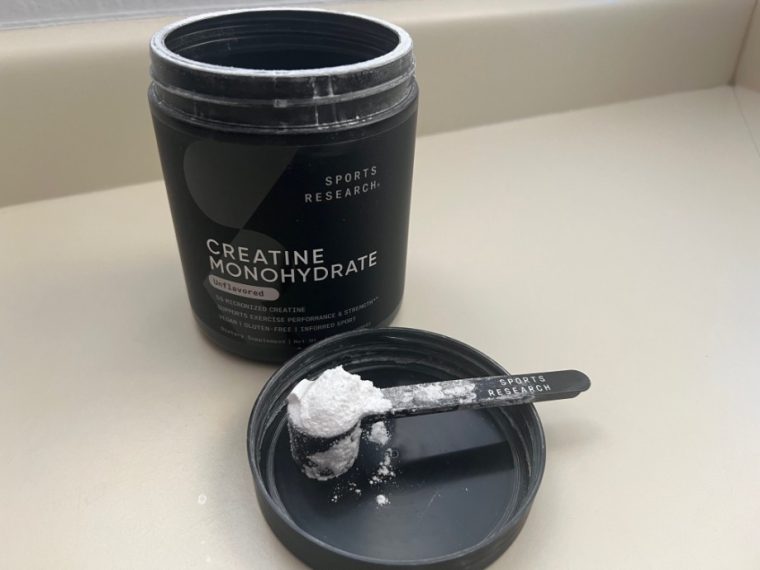
- Cell Volumization Effect: Creatine draws more water into your muscle cells. This "cell volumization" creates a hydrated environment that some research suggests can signal muscle protein synthesis, the process by which muscles grow.
- Stimulation of Muscle Protein Synthesis: While not a direct trigger like protein, creatine can indirectly enhance muscle protein synthesis by allowing for greater training volume and intensity, which are potent hypertrophic signals.
- Synergy with Resistance Training: When combined with consistent resistance training and adequate protein intake, creatine supplementation has been shown to significantly amplify gains in lean muscle mass and strength compared to training alone. It’s a force multiplier for your efforts.
- Practical Tip: Remember that creatine is a supplement; it works best when your training and nutrition foundations are solid. Consistency in your workout routine and a protein-rich diet are paramount.
Faster Recovery and Reduced Muscle Soreness
Recovery is just as crucial as the workout itself. Creatine can play a vital role here.
- Reduced Muscle Damage and Inflammation: Studies indicate that creatine supplementation may help reduce muscle cell damage and inflammation markers that occur after intense exercise.
- Quicker Glycogen Resynthesis: Creatine has been shown to assist with muscle glycogen resynthesis, helping replenish your energy stores faster after a demanding workout.
- Improved Consistency: By promoting quicker recovery and reducing post-exercise soreness, creatine enables you to return to your next training session feeling more refreshed and ready to perform, leading to greater training consistency and long-term progress.
- Actionable Advice: Don’t rely solely on creatine for recovery. Prioritize adequate sleep (7-9 hours), consume nutrient-dense foods, and incorporate active recovery techniques like stretching or light cardio.
Cognitive Boost and Brain Health
The benefits of creatine aren’t limited to physical performance; your brain can also reap rewards.
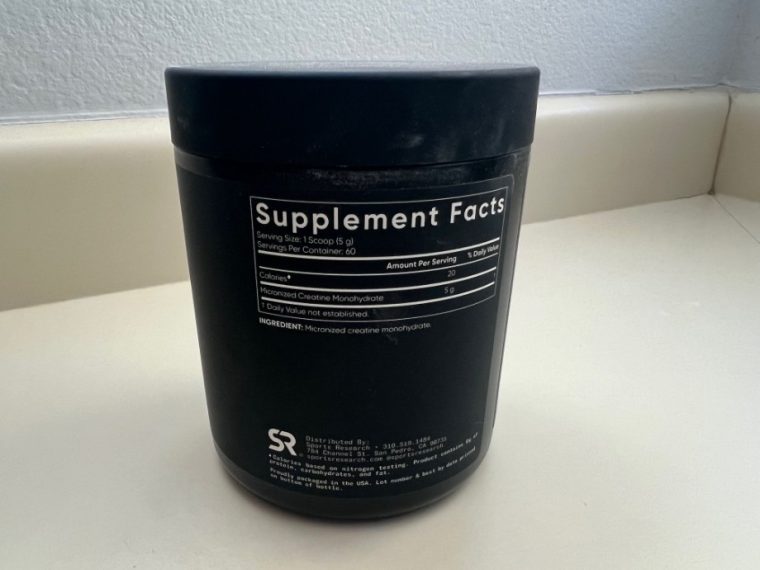
- Brain’s Energy Demands: Similar to muscles, the brain requires a significant amount of ATP for optimal function. Creatine plays a role in brain energy metabolism.
- Impact on Cognition: Research suggests creatine supplementation may enhance cognitive function, particularly in tasks requiring speed of processing, memory, and quick thinking, especially under conditions of stress or sleep deprivation.
- Long-Term Brain Health: Emerging research is exploring creatine’s potential neuroprotective effects and its role in supporting overall brain health, particularly as we age.
Bone Health and Anti-Aging Effects
As we age, maintaining muscle and bone density becomes increasingly important. Creatine offers support in these areas.
- Support for Muscle and Bone Density: Studies, particularly in older adults, have shown that long-term creatine supplementation combined with resistance training can have favorable effects on bone mineral density and muscle mass, contributing to overall health and functional independence in later life.
- Broader Health Implications: These effects underscore creatine’s role not just in performance but also in promoting general wellness and mitigating age-related decline in musculoskeletal health.
Navigating the Creatine Landscape: Forms and Usage
With various forms of creatine available, it can be confusing to know which one is right for you. Let’s break down the most common types and how to use them effectively.
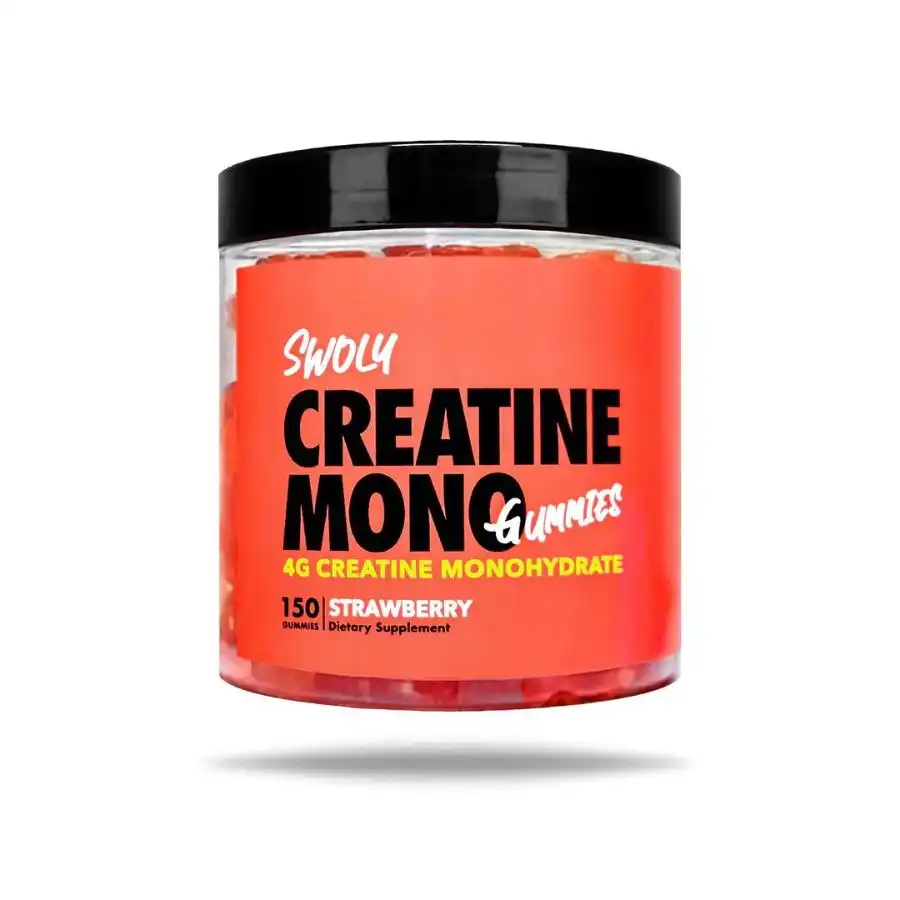
The Gold Standard: Creatine Monohydrate
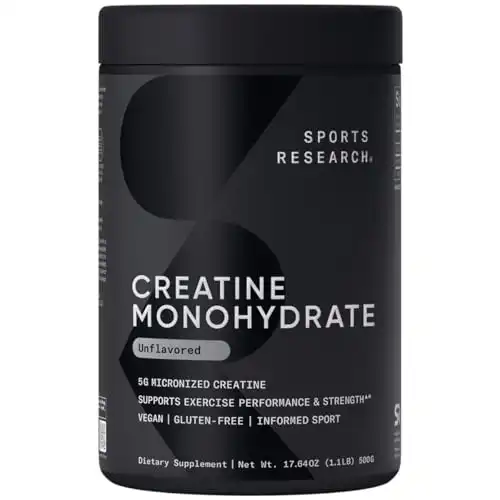
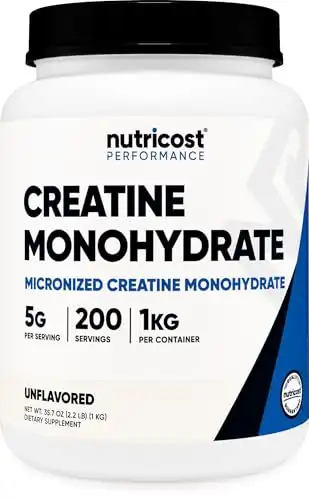
When it comes to creatine, creatine monohydrate is unequivocally the most researched, effective, and cost-efficient form. It has been the subject of thousands of studies over several decades, consistently demonstrating its benefits for strength, power, muscle growth, and recovery.
- Why it’s Recommended: Its efficacy is proven, it’s widely available, and it’s generally well-tolerated. For the vast majority of individuals, creatine monohydrate is the best choice and often the only form you need.
Exploring Other Forms
While creatine monohydrate remains supreme, you might encounter other forms:
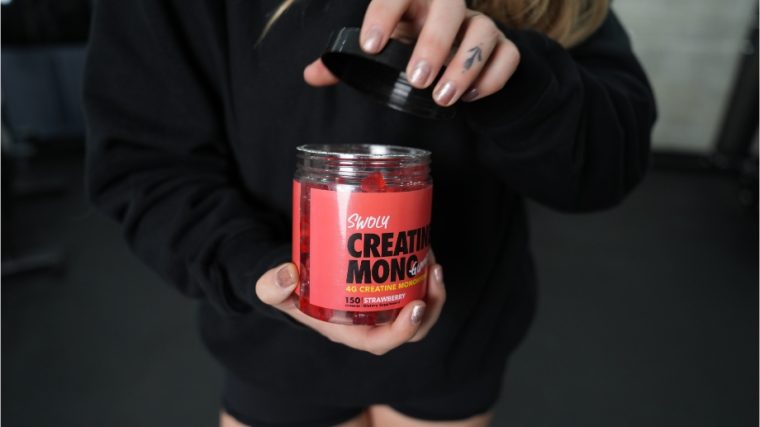
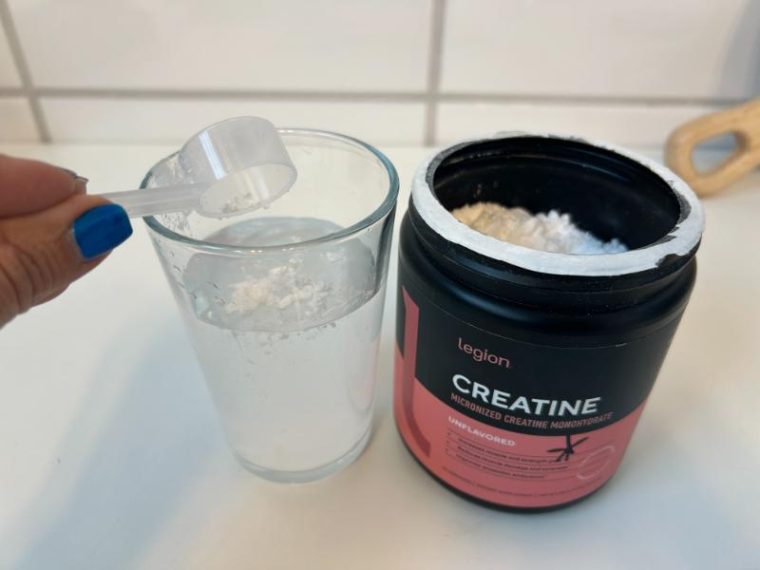
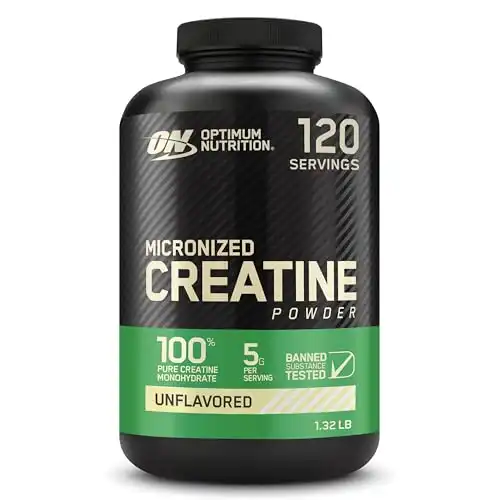
- Micronized Creatine Monohydrate: This is simply creatine monohydrate that has been processed into finer particles. The main advantage is improved solubility in water, which can lead to easier mixing and potentially less stomach discomfort for some. However, research does not show it to be more bioavailable or effective than standard creatine monohydrate.
- Creatine Ethyl Ester (CEE): Marketed for superior absorption, studies have shown CEE to be less effective than creatine monohydrate, with some research indicating it may even be degraded into creatinine (a waste product) more rapidly in the digestive system.
- Creatine Nitrate: This form combines creatine with a nitrate molecule. Some claim enhanced solubility and bioavailability, but research results are mixed, and its effectiveness compared to monohydrate is not definitively established. Regulatory bodies often limit the daily dosage due to the nitrate component.
- Buffered Creatine (e.g., Kre-Alkalyn): This type is manufactured with added alkaline to achieve a higher pH, purportedly to reduce conversion to creatinine and improve absorption. However, research has largely shown no significant difference in effectiveness or side effects compared to creatine monohydrate.
Key takeaway: While other forms exist, creatine monohydrate continues to be the most reliable and recommended option due to its extensive scientific backing and proven track record. Don’t fall for marketing hype surrounding newer, often more expensive, forms without solid, independent research to support their claims.
Dosage and Timing: Maximizing Your Intake
Getting the most out of creatine involves consistent, appropriate dosing.
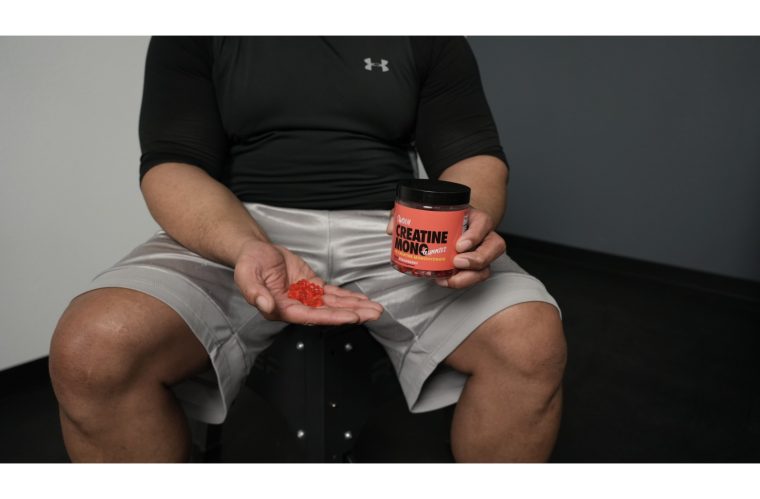
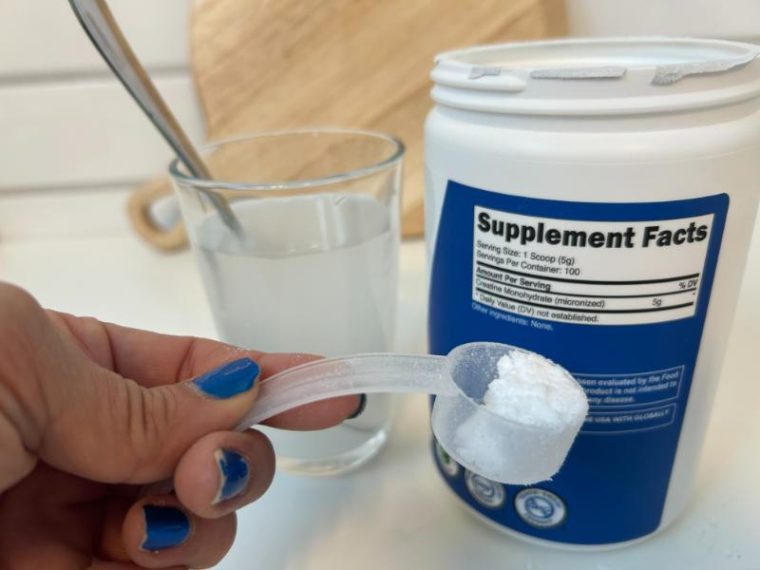
- Standard Daily Dose: For most individuals, a daily dose of 3 to 5 grams of creatine monohydrate is sufficient to saturate muscle stores and elicit maximum benefits.
- Body Weight Considerations: For larger individuals, a more precise recommendation is approximately 0.1 grams of creatine per kilogram of body weight. For example, a 100 kg (220 lb) person might aim for around 10 grams per day.
- Importance of Consistency: The key to creatine’s effectiveness is daily, consistent intake. It’s about saturating and maintaining high creatine stores in your muscles over time, not just taking it immediately before a workout.
- Timing: While consistency is paramount, taking creatine post-workout with a meal or shake containing carbohydrates and protein may be marginally more beneficial. The insulin response triggered by carbs and protein can help facilitate creatine uptake into muscle cells, and increased blood flow to muscles after exercise can also aid absorption. However, if this timing isn’t convenient, simply taking it any time of day is perfectly fine, as long as it’s consistent.
The "Loading Phase" Debate
A "creatine loading phase" is a common strategy, but is it necessary?
- Explanation: A loading phase typically involves taking a higher dose, usually 20 to 25 grams per day (divided into 4-5 smaller doses of 5g each), for 5 to 7 days. After this initial phase, you drop down to the standard maintenance dose of 3-5 grams per day.
- Pros: A loading phase can help to rapidly saturate your muscle creatine stores, potentially allowing you to experience the benefits (e.g., increased strength, muscle fullness) a few days sooner.
- Cons: Some individuals may experience mild gastrointestinal discomfort (bloating, stomach upset) during the loading phase due to the higher intake.
- Recommendation: While a loading phase can accelerate results, it is not strictly necessary. Long-term studies show that consistently taking a daily maintenance dose (3-5g) will achieve the same muscle saturation and benefits over approximately 3-4 weeks, just at a slightly slower pace. The choice depends on your preference for speed versus minimizing potential initial discomfort. For those prone to GI issues, skipping the loading phase and going straight to 3-5g/day is a perfectly valid and effective approach.
Safety First: Dispelling Myths and Understanding Precautions
Despite its popularity and extensive research, creatine is still sometimes shrouded in myths. Let’s address its safety and important considerations.
Is Creatine Safe?
Yes, for healthy individuals, creatine supplementation is incredibly safe. Decades of research, including short-term and long-term studies (up to five years), have consistently demonstrated its safety and lack of detrimental effects on kidney, liver, or heart function in healthy individuals. The International Society of Sports Nutrition (ISSN) strongly supports creatine’s safety and efficacy.
Dispelling Common Myths:
- Kidney or Liver Damage: This is the most persistent myth. Extensive research has debunked this, showing no adverse effects on kidney or liver function in healthy individuals, even with high doses.
- Dehydration or Cramping: Studies have not found a link between creatine supplementation and increased risk of dehydration, muscle cramps, or heat-related illness. In fact, some research suggests it may even improve thermoregulation.
- Hair Loss: There is currently no definitive scientific evidence linking creatine supplementation directly to hair loss.
- Water Retention: While creatine does draw water into muscle cells (which is beneficial for muscle growth), this is intramuscular water, not subcutaneous bloat. Any initial weight gain is primarily due to this increased muscle cell hydration and, over time, increased lean muscle mass. It does not cause the "puffy" look some people associate with water retention.
Important Considerations and Who Should Avoid Creatine
While generally safe, a few precautions and specific populations should exercise caution:
- Hydration is Key: While creatine doesn’t cause dehydration, maintaining adequate hydration is always important for overall health and optimal athletic performance, especially when supplementing with creatine.
- Pre-existing Kidney or Liver Conditions: Individuals with pre-existing kidney or liver disease or impaired function should avoid creatine supplementation or consult with a qualified medical professional before use. This is because creatine is metabolized by these organs, and adding exogenous creatine could potentially exacerbate existing issues.
- Medication Interactions: If you are taking any medications that affect kidney function (e.g., certain blood pressure medications, non-steroidal anti-inflammatory drugs (NSAIDs) on a regular basis), it is crucial to consult your doctor before taking creatine.
- Adolescents: While some research suggests creatine may be safe for adolescents involved in supervised sports, most experts advise against routine supplementation for those under 18. This is primarily due to a lack of long-term studies specifically on this age group and the importance of focusing on fundamental training and nutrition first.
- Always Consult a Healthcare Professional: When in doubt, especially if you have any underlying health conditions or are taking medications, always consult with a doctor or a registered dietitian before starting any new supplement regimen.
Integrating Creatine into Your Fitness Journey
Incorporating creatine into your routine is straightforward, but a thoughtful approach will maximize its benefits.
-
For Beginners:
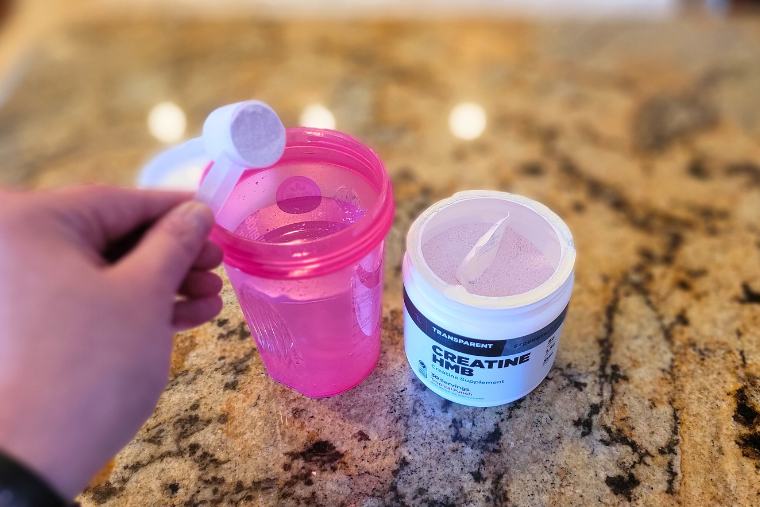
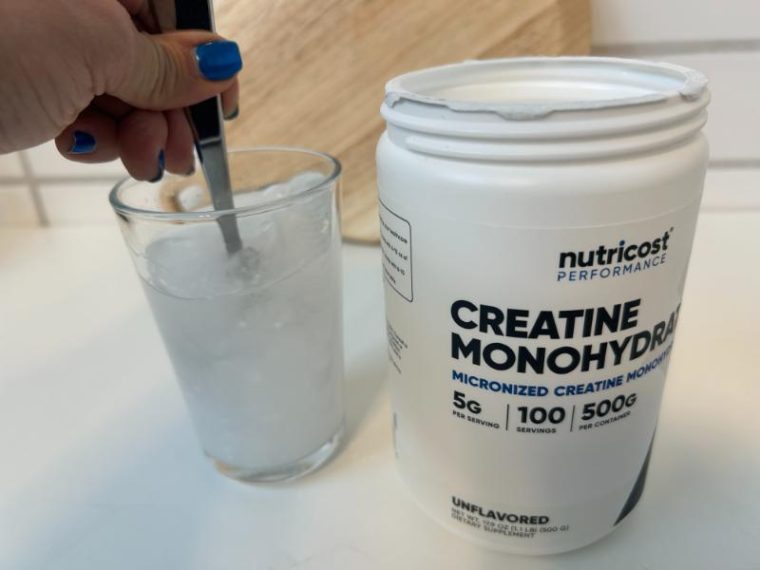
- Start Simple: Begin with 3-5 grams of unflavored creatine monohydrate daily. Mix it with water, juice, or your post-workout shake.
- Focus on Consistency: Don’t miss doses. Make it a habit, perhaps by taking it with your largest meal or post-workout.
- Monitor Your Response: Pay attention to how your body feels. You might notice increased strength, fuller muscles, or improved recovery within a few weeks.
- Prioritize Fundamentals: Remember, creatine is a supplement. It works best when paired with consistent, progressive resistance training, adequate protein intake, sufficient calories, and quality sleep. It won’t work miracles if your core habits are lacking.
-
For Intermediate Enthusiasts:

- Fine-Tune Timing: Experiment with taking creatine post-workout alongside a carb and protein shake to see if you feel any additional benefits in uptake.
- Assess the Loading Phase: If you haven’t done a loading phase before and want to see if it makes a difference for you, try it once. If you experience discomfort, revert to the standard daily dose.
- Combine Strategically: Consider how creatine fits into your overall supplement stack. For example, it pairs well with protein powder for muscle growth and recovery.
- Listen to Your Body: While creatine is safe, be mindful of any unusual symptoms. Ensure you’re staying well-hydrated, especially during intense training cycles.
Creatine is not a magic bullet, but it’s arguably the closest thing we have in the world of sports nutrition. It amplifies your efforts, allowing you to train harder, recover faster, and build muscle more efficiently. It’s a powerful tool in your arsenal, but like any tool, its effectiveness depends on how you use it.
Conclusion
In the dynamic world of fitness, few supplements stand the test of time and scientific scrutiny like creatine. Its proven ability to enhance athletic performance, accelerate muscle growth, speed up recovery, and even offer cognitive and bone health benefits makes it an invaluable asset for any individual dedicated to improving their physical capabilities.

From beginners seeking an edge to intermediate enthusiasts pushing their limits, creatine offers a safe, effective, and accessible pathway to unlocking greater strength, power, and overall physical potential. By understanding its mechanisms, adhering to recommended dosages, and prioritizing consistency, you can confidently integrate this powerhouse compound into your regimen.
Remember, supplementation is merely one facet of a holistic fitness journey. Pair your creatine intake with diligent training, balanced nutrition, and adequate rest, and you’ll create a synergistic effect that propels you towards your goals. Embrace the science, commit to the process, and embark on a path of enhanced performance and profound self-improvement. Your peak potential awaits.
FAQs
What is micronized creatine?
Micronized creatine is a form of creatine monohydrate that has been processed into much finer particles. This processing primarily improves its solubility in water, making it mix more easily and potentially reducing stomach discomfort for some users. However, research indicates that micronized creatine monohydrate is not significantly more bioavailable or effective than standard creatine monohydrate.
When is the best time to take creatine?
While consistency is the most critical factor, many experts suggest taking creatine post-workout. Research indicates that muscle uptake of creatine may be marginally higher during this period due to increased blood flow to muscle tissue and the potential for an insulin response when consumed with carbohydrates and protein. If post-workout isn’t feasible, taking it at any consistent time of day, ideally with a meal, will still yield full benefits over time.
Is creatine bad for you?
In short, no. Extensive scientific research spanning decades has consistently demonstrated that creatine supplementation is safe for healthy individuals, both in the short and long term (up to five years of continuous use). It has been shown to have no detrimental effects on kidney, liver, or other organ function in healthy populations.
How much creatine should I take?
For most individuals, a daily maintenance dose of 3 to 5 grams of creatine monohydrate is recommended to effectively saturate muscle stores. For larger individuals, a more precise dose of approximately 0.1 grams of creatine per kilogram of body weight may be appropriate. Consistency in daily intake is more important than the exact timing.
Does creatine lead to weight gain?
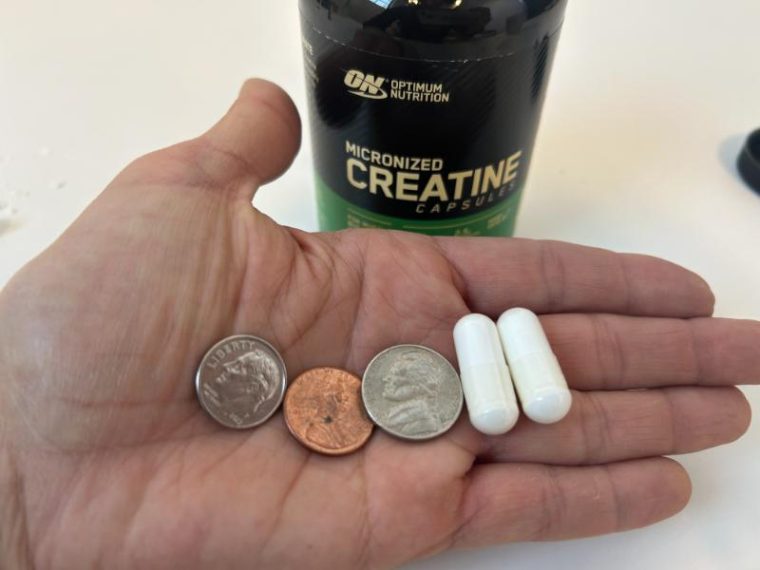
Creatine can lead to an increase in body weight, primarily due to an increase in lean skeletal muscle mass and intramuscular water retention (water drawn into muscle cells). This is a beneficial effect for performance and muscle growth. Creatine supplementation does not directly increase fat mass; in fact, it can improve body composition by promoting muscle gain.