The journey to a stronger, healthier self is one of the most rewarding paths you can embark on. It’s a path paved not just with visible muscle, but with enhanced resilience, unwavering confidence, and a profound sense of accomplishment. For beginners and intermediate fitness enthusiasts alike, understanding and implementing effective strength training is the cornerstone of this transformation. It’s the unseen power that underpins every physical challenge, every daily movement, and every long-term health goal.
This comprehensive guide is designed to empower you with the knowledge and actionable strategies to build a robust foundation of strength. We’ll demystify the process, highlight the unparalleled benefits, and equip you with the tools to construct a sustainable and progressive training regimen, whether you’re stepping into the gym for the first time or looking to elevate your current routine. Prepare to unlock your full potential and forge a stronger, more resilient you.
The Unseen Power: Why Strength Training is Your Fitness Cornerstone
Strength training is far more than just lifting weights; it’s a fundamental investment in your overall health and well-being. While the aesthetic benefits are often the most visible, the true power of resistance training lies in its profound impact on your internal systems, functional capabilities, and mental fortitude.
Beyond Aesthetics: A Deeper Dive into Benefits
Imagine a fitness regimen that not only sculpts your physique but also fortifies your bones, sharpens your mind, and shields you from injury. That’s the promise of consistent strength training.
- Boosted Metabolism and Fat Loss: Muscle tissue is metabolically active, meaning it burns more calories at rest than fat tissue. Building and maintaining muscle mass effectively turns your body into a more efficient fat-burning machine, even when you’re not actively exercising. This metabolic boost is a game-changer for sustainable weight management.
- Enhanced Bone Density: As we age, bone density naturally declines, increasing the risk of osteoporosis and fractures. Strength training places beneficial stress on your bones, stimulating them to become denser and stronger. This is a critical, often overlooked, benefit for long-term health and mobility.
- Injury Prevention and Joint Health: Strong muscles act as natural shock absorbers and stabilizers for your joints. By strengthening the muscles surrounding key joints like your knees, hips, and shoulders, you create a protective shield, significantly reducing your risk of common injuries, both in and out of the gym. It also improves joint stability and range of motion.
- Improved Functional Movement: Functional strength is the ability to perform everyday activities with ease and efficiency – lifting groceries, climbing stairs, playing with children, or simply maintaining good posture. Strength training directly translates to improved functional movement, making daily life feel less strenuous and more enjoyable.
- Mental Resilience and Stress Reduction: The discipline, focus, and challenge inherent in strength training cultivate mental toughness. Overcoming physical hurdles in the gym builds self-efficacy and confidence that spills over into other areas of your life. Furthermore, physical activity, including strength training, is a proven stress reliever, releasing endorphins that uplift mood and reduce anxiety.
- Better Sleep Quality: Regular physical activity, particularly strength training, can significantly improve sleep patterns. A well-trained body is often a body that sleeps more soundly, leading to better recovery, increased energy, and improved cognitive function.
Demystifying Strength: It’s Not Just for Bodybuilders
A common misconception, especially among beginners, is that strength training is exclusively for competitive bodybuilders or powerlifters aiming for extreme muscle mass. This couldn’t be further from the truth. Strength training is for everyone, regardless of age, gender, or current fitness level.
- For Beginners: Starting with resistance training helps establish foundational movement patterns, builds initial strength, and prepares the body for more intense activity. It’s about learning control and connecting with your body.
- For Intermediate Enthusiasts: This is where you refine techniques, explore new variations, and strategically increase the challenge to continue progressing. It’s about optimizing your efforts and breaking through plateaus.
The goal isn’t necessarily to become a competitive lifter, but rather to become a stronger, healthier, and more capable version of yourself. Embrace the process, and you’ll discover a newfound appreciation for what your body can achieve.
Laying the Groundwork: Essential Principles for Beginners
Embarking on your strength training journey requires a thoughtful approach. Like constructing a sturdy building, you need a solid foundation built on fundamental principles. Ignoring these can lead to frustration, injury, and stalled progress.
Start Smart: Prioritizing Form Over Weight
This is perhaps the single most crucial piece of advice for anyone new to strength training. Your ego might tempt you to lift heavy, but your body will thank you for prioritizing impeccable form.
- The Golden Rule: Always choose a weight that allows you to complete your target repetitions with perfect technique. If your form breaks down, reduce the weight.
- Why Form Matters:
- Injury Prevention: Incorrect form places undue stress on joints, ligaments, and tendons, significantly increasing the risk of injury.
- Muscle Activation: Proper form ensures you’re targeting the intended muscles effectively, maximizing your gains. Poor form often leads to other muscles compensating, reducing the effectiveness of the exercise.
- Long-Term Progress: Building a strong movement pattern from the start creates a stable base for safely increasing weight and intensity down the line.
- Actionable Tip:
- Video Yourself: Use your phone to record your sets. Watching yourself back can highlight subtle form errors you might not feel.
- Mirror Check: If training in front of a mirror, use it to check your posture and movement.
- Seek Guidance: Don’t hesitate to consult a certified personal trainer, even for a few sessions, to learn proper technique for core movements. They can provide invaluable feedback.
- Master Bodyweight First: For many exercises (squats, push-ups, lunges), master the bodyweight version before adding external resistance.
Progressive Overload: The Engine of Growth
Your muscles adapt to the demands placed upon them. To continue growing stronger, you must continually challenge them with progressively greater demands. This is the principle of progressive overload, and it’s the fundamental driver of all strength gains.
- What is it? It means gradually increasing the stress placed on your muscles over time. Without it, your muscles have no reason to adapt and grow.
- How to Achieve Progressive Overload:
- Increase Weight: The most common method. Once you can comfortably complete your target reps and sets with perfect form, it’s time to slightly increase the weight.
- Increase Repetitions: If increasing weight isn’t feasible, try adding 1-2 more repetitions to each set.
- Increase Sets: Add an extra set to an exercise.
- Decrease Rest Time: Shortening the rest periods between sets increases the density of your workout.
- Increase Frequency: Train a muscle group more often (e.g., from twice a week to three times).
- Improve Form/Control: Performing an exercise with stricter form, a slower eccentric (lowering) phase, or a longer isometric hold increases the challenge.
- Advanced Techniques: For intermediate lifters, drop sets, supersets, or forced reps can be incorporated.
- Real-Life Example: Imagine you’re squatting 100 pounds for 3 sets of 8 reps. Once you can perform all 24 reps with excellent form and feel you have a couple of reps left in the tank, your next session, try 105 pounds for 3 sets of 8. If you can’t hit 8 on the last set, that’s okay; try to hit it next time. The key is the attempt to increase the load or volume.
Consistency is King (and Queen): Building a Routine That Sticks
The most perfectly designed workout program is useless if you don’t adhere to it. Consistency is the non-negotiable bedrock of long-term progress.
- Schedule It: Treat your workouts like important appointments. Block out specific times in your calendar.
- Start Small: Don’t aim for five intense sessions a week if you’re new. Two to three full-body workouts are a fantastic starting point. It’s better to consistently do less than sporadically attempt too much.
- Find Your "Why": Remind yourself of your motivations – better health, more energy, fitting into clothes, chasing a personal goal.
- Make it Enjoyable: Discover exercises you genuinely like. Vary your routine to keep it fresh. Listen to your favorite music or podcasts while you train.
- Celebrate Small Wins: Acknowledge every workout completed, every extra rep, every slight increase in weight. These small victories fuel motivation.
- Be Flexible, Not Fragile: Life happens. If you miss a workout, don’t throw in the towel for the week. Adjust, reschedule, and get back on track.
Crafting Your Strength Sanctuary: The Home Gym Advantage
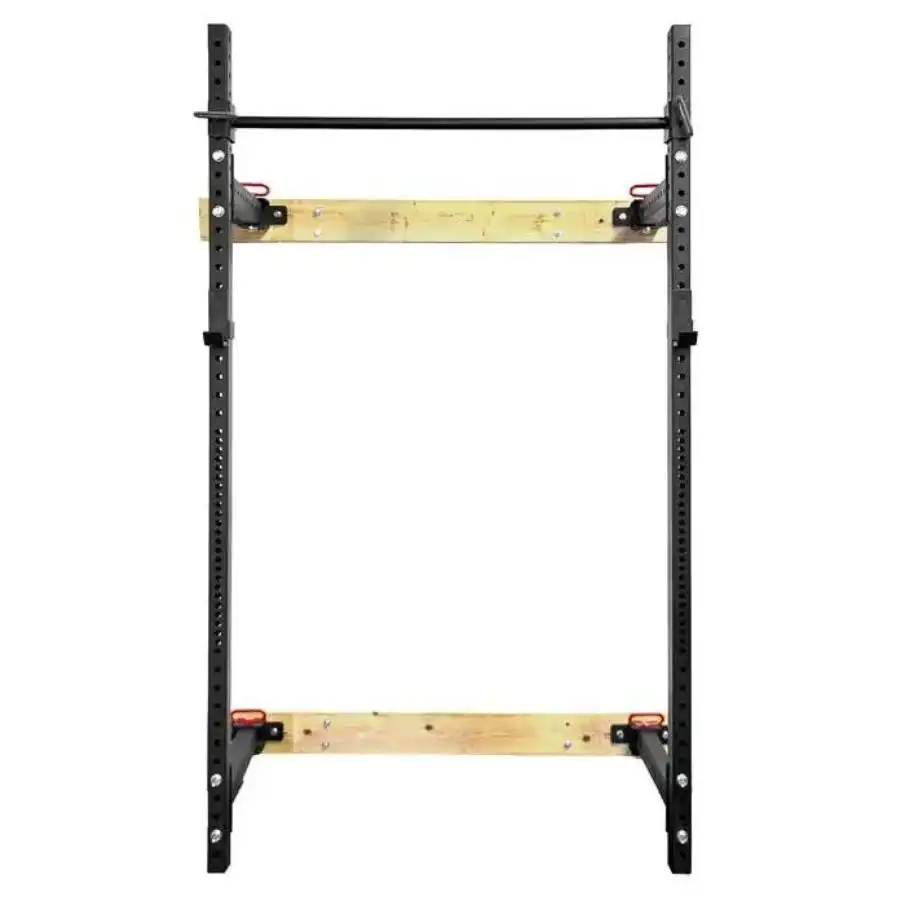
The convenience and privacy of a home gym can be a powerful catalyst for consistent strength training. You eliminate commute times, avoid crowded facilities, and have complete control over your environment. Even with limited space, strategic equipment choices can create an incredibly effective training zone.
Maximizing Limited Space: Smart Equipment Choices
You don’t need a sprawling commercial gym in your basement. A few versatile pieces of equipment can provide a full-body workout.
- Adjustable Dumbbells: These are fantastic space-savers, offering a wide range of weights in a compact footprint. They are incredibly versatile for presses, rows, lunges, curls, and more.
- Resistance Bands: Lightweight, portable, and surprisingly effective, resistance bands can add challenge to bodyweight exercises, assist with pull-ups, or provide a full workout on their own. They’re perfect for warm-ups, cool-downs, and targeted muscle activation.
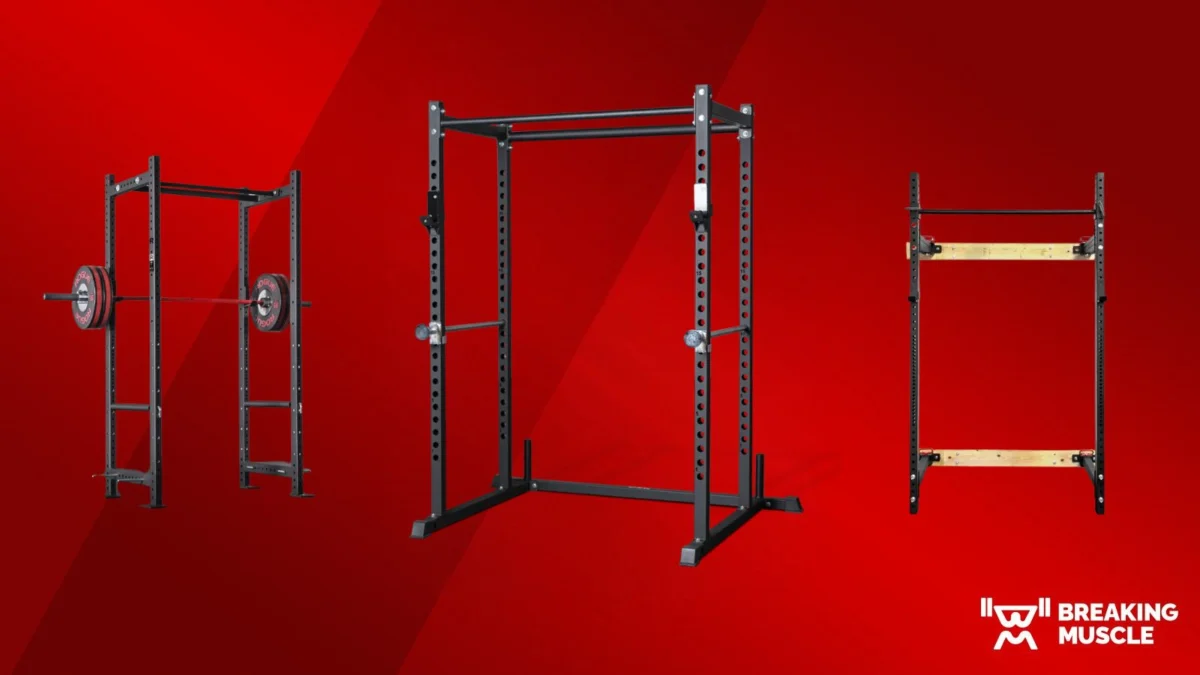
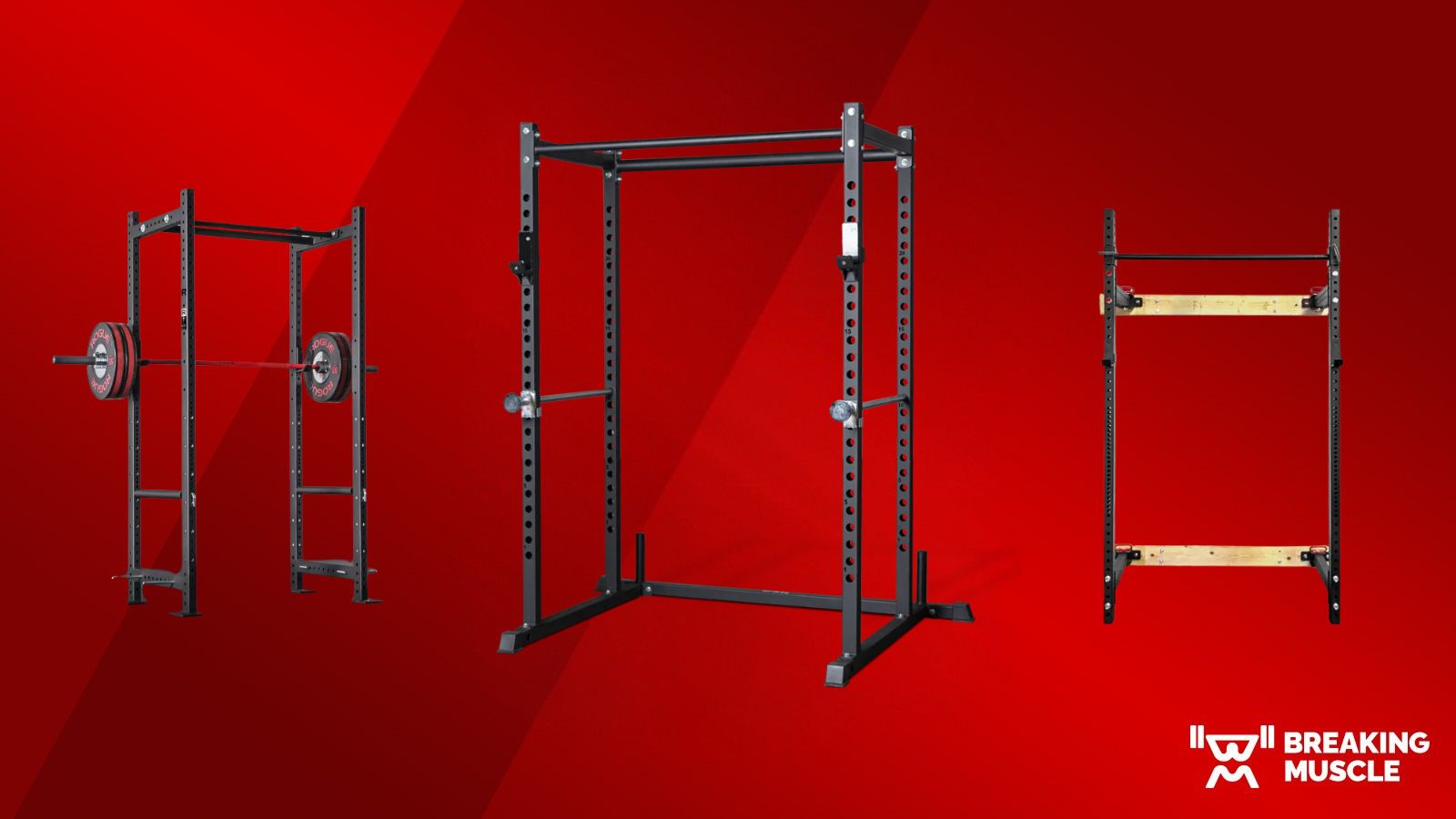
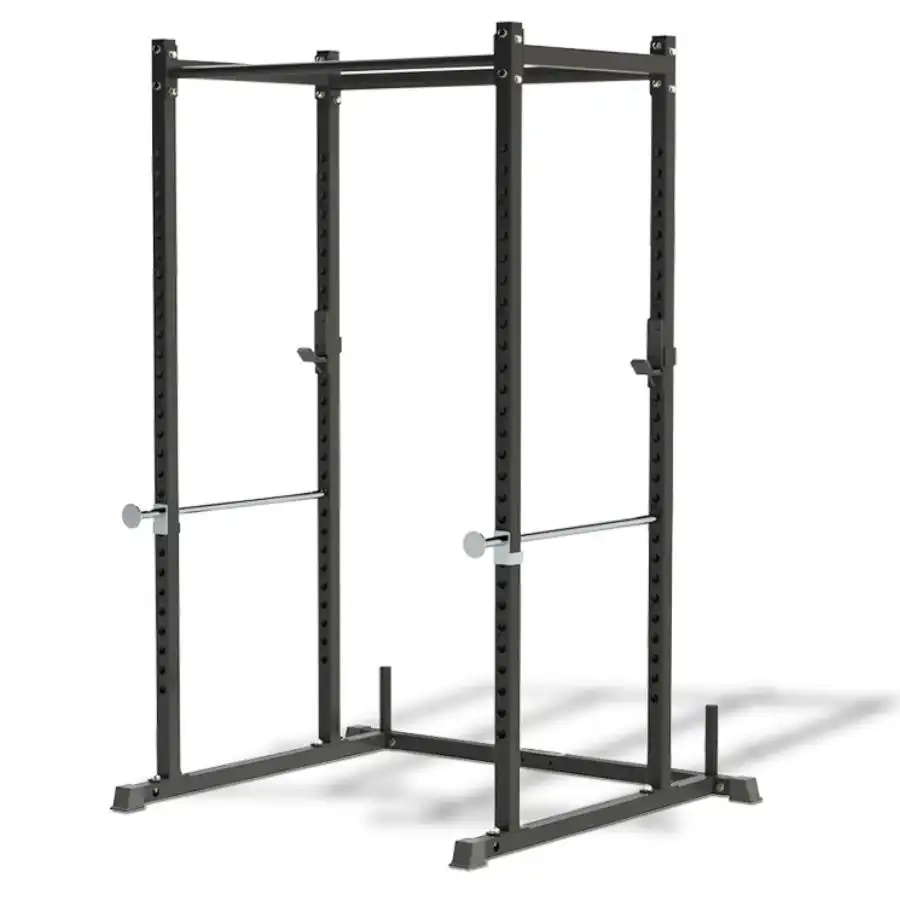
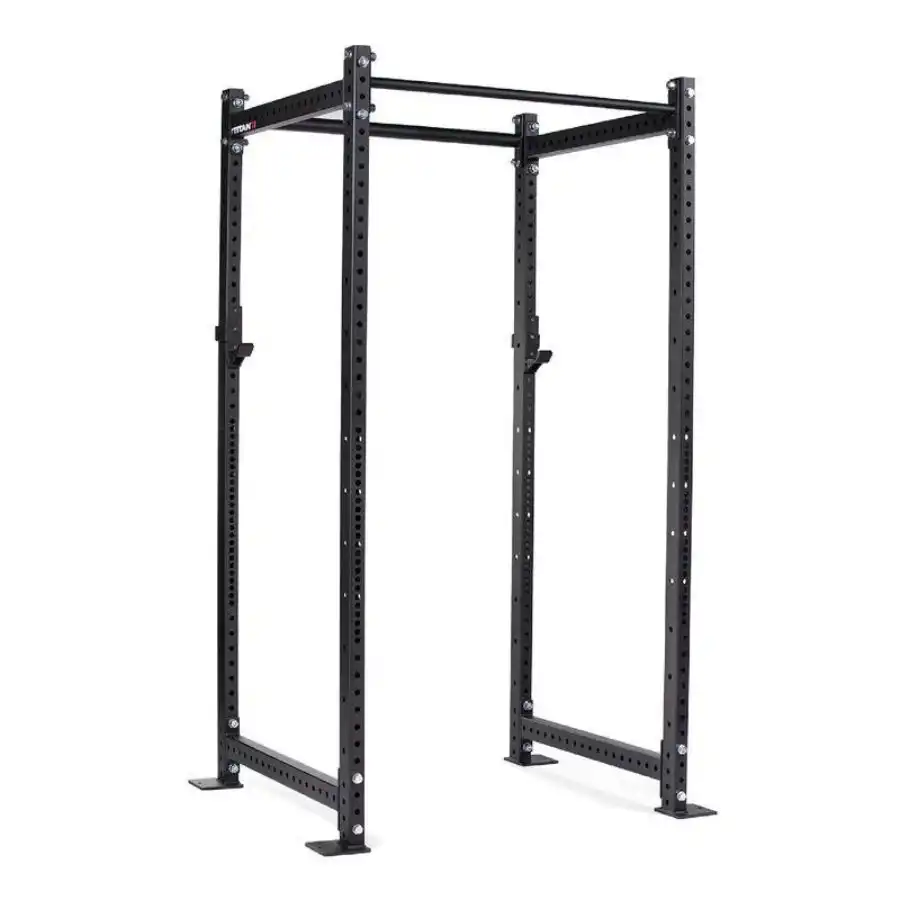
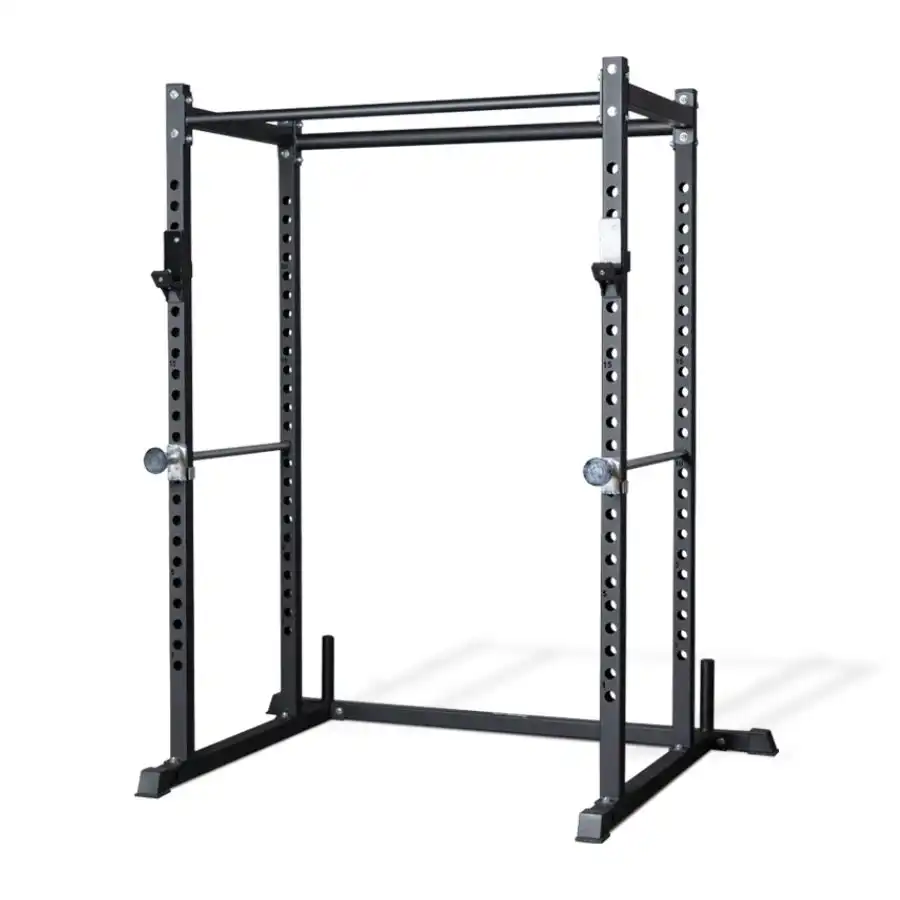
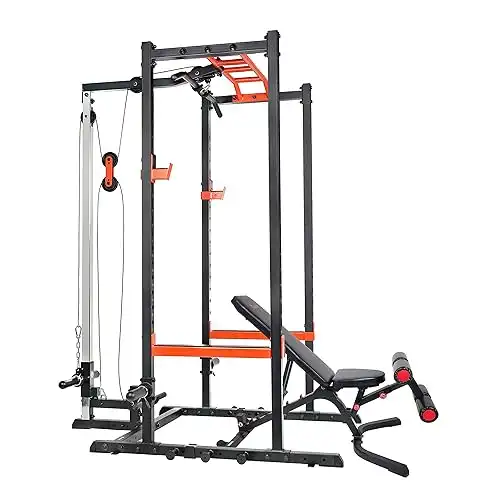
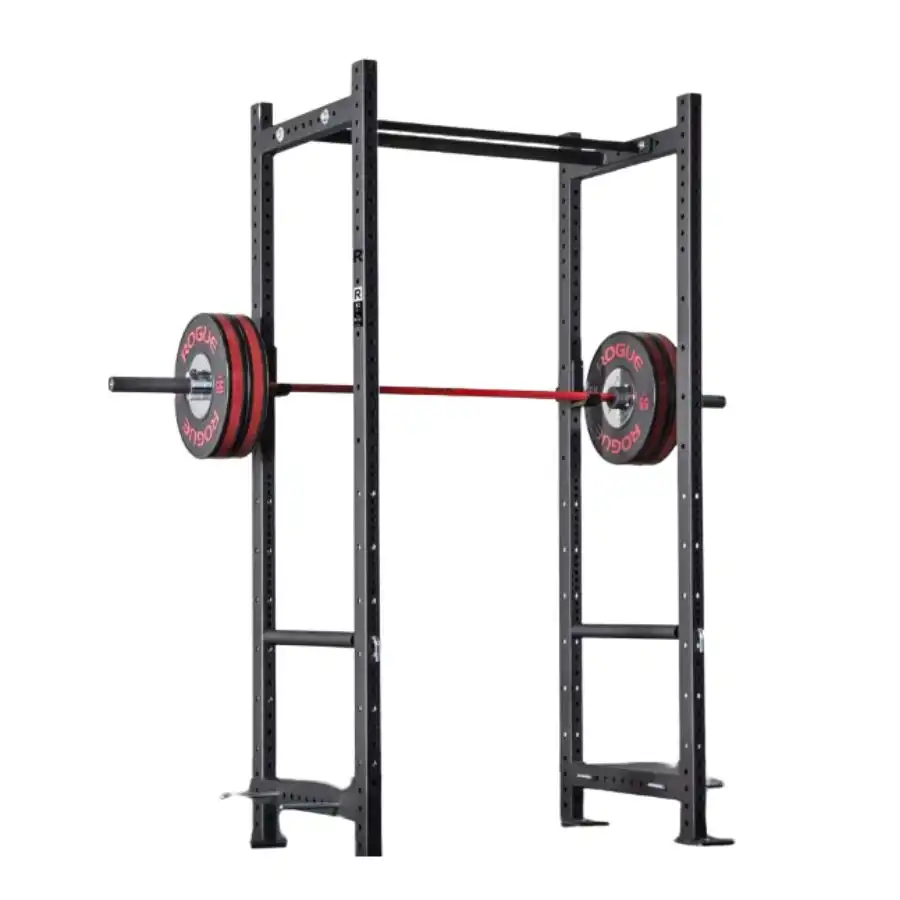
- A Sturdy Rack System (Power Cage or Squat Stand): If space and budget allow, this is a game-changer. A well-designed power cage or squat stand offers:
- Safety: Integrated spotter arms or safety straps allow you to push your limits on squats and presses without needing a spotter, catching the bar if you fail a lift.
- Versatility: It serves as a base for squats, bench presses, overhead presses, and often includes a pull-up bar for bodyweight work. Many models also accommodate attachments like dip stations or landmine units.
- Stability: A robust structure provides a stable environment for heavy lifting.
- Adjustable Weight Bench: Essential for various pressing movements (flat, incline, decline) and can also be used for step-ups, box squats, or core work.
- Barbell and Weight Plates: If you opt for a rack system, a good quality Olympic barbell and a selection of weight plates (bumper plates for dropping, or iron plates for general lifting) are crucial.
When selecting equipment, prioritize quality and safety over excessive features. A few solid pieces will serve you better than many flimsy ones.
Safety First: Non-Negotiables for Home Training
Training alone at home demands an even greater emphasis on safety. Without a spotter, you are your own last line of defense.
- Understand and Utilize Safeties: If you have a rack system, the safety pins, straps, or spotter arms are your best friends. Learn how to set them correctly for each exercise.
- For Squats: Set the safeties just below your lowest squat position. If you fail, you can simply sit down onto the bars.
- For Bench Press: Set the safeties slightly above your chest when lying on the bench. This prevents the bar from pinning you.
- Clear Your Space: Ensure the area around your workout equipment is free of clutter, tripping hazards, or anything that could impede movement or cause injury. You need ample space to move freely and, if necessary, to bail out of a lift safely.
- Know Your Limits: While progressive overload is key, understand when to back off. Don’t attempt a maximal lift when training alone unless you have a highly secure setup and are experienced.
- Proper Warm-up: Never skip your warm-up. It prepares your muscles, joints, and nervous system for the work ahead, significantly reducing injury risk.
- Listen to Your Body: Distinguish between muscle fatigue and pain. If something feels sharp or persistently uncomfortable, stop the exercise. Pushing through pain is a recipe for injury.
- Real-Life Example: Imagine you’re doing a heavy set of squats in your home gym. Your form is perfect for the first few reps, but on the last rep, you feel your legs giving out. Instead of struggling and risking a fall or serious injury, you simply let the barbell descend onto the safety pins, step out from under it, and regroup. This scenario, prevented by properly set safeties, highlights their critical role in safe solo training.
Your Workout Arsenal: Fundamental Exercises for Total Body Strength
Effective strength training revolves around compound exercises – movements that engage multiple muscle groups and joints simultaneously. These movements are efficient, highly effective for building overall strength, and form the backbone of any good program.
Lower Body Powerhouses
Your legs are the foundation of your strength and mobility. Training them vigorously contributes to higher calorie burn, hormone release, and functional power.
- Squats (Back Squat, Front Squat, Goblet Squat): Often called the "king of exercises," squats work your quads, hamstrings, glutes, and core.
- Tips: Maintain a neutral spine, drive through your heels, and aim for depth while keeping your chest up. Start with goblet squats for beginners to master the movement pattern.
- Deadlifts (Conventional, Romanian Deadlift – RDL): A full-body strength builder, particularly targeting the posterior chain (hamstrings, glutes, lower back).
- Tips: Focus on hinging at the hips, keeping the bar close to your body, and maintaining a flat back. Start with Romanian Deadlifts (RDLs) to practice the hip hinge with lighter weight.
- Lunges (Forward, Reverse, Walking): Excellent for unilateral (one-sided) strength, improving balance and identifying muscular imbalances. Work quads, glutes, and hamstrings.
- Tips: Step far enough to create a 90-degree angle at both knees, keeping your torso upright.
Upper Body Builders
Developing upper body strength is crucial for daily tasks, posture, and a balanced physique.
- Presses (Bench Press, Overhead Press):
- Bench Press: Targets chest, shoulders, and triceps.
- Tips: Maintain a slight arch in your lower back, keep your elbows at a 45-degree angle to your body, and drive your feet into the floor.
- Overhead Press (Standing/Seated): Targets shoulders, triceps, and core.
- Tips: Keep your core tight, press the bar directly overhead, and avoid excessive leaning back.
- Bench Press: Targets chest, shoulders, and triceps.
- Rows (Bent-Over Row, Seated Cable Row, Dumbbell Row): Essential for back thickness, improving posture, and counteracting all the pushing movements.
- Tips: Squeeze your shoulder blades together at the top of the movement, keep your back straight, and pull with your lats.
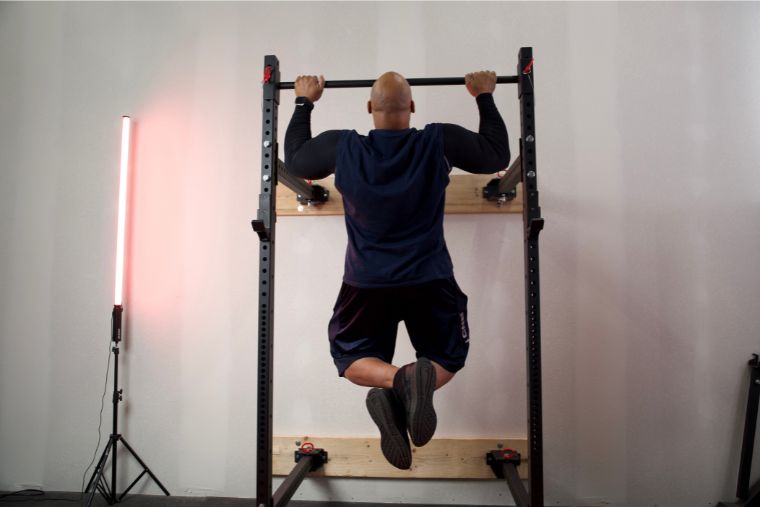
- Pull-ups / Chin-ups (or Lat Pulldowns, Inverted Rows as alternatives): Excellent for back width and biceps. Pull-ups use an overhand grip, chin-ups an underhand grip.
- Tips: Focus on pulling your chest towards the bar, initiating the movement with your back muscles. If you can’t do full pull-ups, use assistance bands, a lat pulldown machine, or inverted rows.
- Push-ups: A fundamental bodyweight exercise for chest, shoulders, and triceps.
- Tips: Keep your body in a straight line from head to heels, lower your chest almost to the floor, and press up powerfully.
Core Strength & Stability
A strong core is vital for transferring power between your upper and lower body, preventing injury, and maintaining good posture.
- Planks (Standard, Side Plank): Builds isometric strength in the entire core.
- Tips: Maintain a straight line from head to heels, brace your abs, and avoid sagging hips.
- Leg Raises (Hanging, Lying): Targets the lower abs.
- Tips: Focus on controlled movement, avoiding swinging, and engaging your core throughout.
- Russian Twists: Works the obliques.
- Tips: Keep your core engaged and rotate from your torso, not just your arms.
Integrate core exercises into your main workouts or perform them on separate days. A strong core will enhance every other lift you perform.
Structuring Your Training: Programs for Progress
A well-structured program is your roadmap to consistent progress. It ensures you’re hitting all major muscle groups, applying progressive overload, and allowing for adequate recovery.
Full-Body Routines: Ideal for Beginners
For those new to strength training or returning after a break, full-body workouts are highly effective and efficient.
- Explanation: You train all major muscle groups in each session.
- Benefits:
- Higher Frequency: Each muscle group is stimulated multiple times per week, which is excellent for muscle protein synthesis and skill acquisition.
- Time-Efficient: Often requires only 2-3 sessions per week.
- Enhanced Recovery: Allows for more rest days between training sessions for each muscle group.
- Sample Structure (3 days/week, e.g., Mon/Wed/Fri):
- Workout A:
- Squats: 3 sets of 5-8 reps
- Bench Press: 3 sets of 5-8 reps
- Bent-Over Rows: 3 sets of 8-12 reps
- Overhead Press: 2 sets of 8-12 reps
- Plank: 3 sets (hold for 30-60 seconds)
- Workout B:
- Deadlifts (or RDLs): 3 sets of 5-8 reps
- Overhead Press: 3 sets of 5-8 reps
- Pull-ups/Lat Pulldowns: 3 sets of 6-10 reps
- Dumbbell Lunges: 2 sets of 8-12 reps per leg
- Side Plank: 3 sets (hold for 30-60 seconds per side)
- Alternate Workout A and B each session.
- Workout A:
Upper/Lower Splits: Stepping Up Your Game
Once you’ve built a solid foundation and are comfortable with the basic movements, an upper/lower split can be a great way to increase volume and focus.
- Explanation: You dedicate separate days to upper body and lower body exercises.
- Benefits:
- Increased Volume: Allows for more exercises and sets per muscle group per session, promoting greater hypertrophy (muscle growth).
- Focused Training: You can dedicate more energy to specific muscle groups.
- Sample Structure (4 days/week, e.g., Mon/Tues – Upper/Lower, Thurs/Fri – Upper/Lower):
- Day 1: Upper Body
- Bench Press: 3 sets of 6-10 reps
- Bent-Over Rows: 3 sets of 8-12 reps
- Overhead Press: 3 sets of 8-12 reps
- Dumbbell Bicep Curls: 3 sets of 10-15 reps
- Triceps Extensions: 3 sets of 10-15 reps
- Day 2: Lower Body
- Squats: 4 sets of 6-10 reps
- Romanian Deadlifts: 3 sets of 8-12 reps
- Leg Press (if available) or Goblet Squats: 3 sets of 10-15 reps
- Calf Raises: 3 sets of 15-20 reps
- Core work
- Day 3: Rest/Active Recovery
- Day 4: Upper Body (Different exercises or variations)
- Incline Dumbbell Press: 3 sets of 8-12 reps
- Pull-ups/Lat Pulldowns: 3 sets of 8-12 reps
- Dumbbell Shoulder Press: 3 sets of 10-15 reps
- Face Pulls: 3 sets of 12-15 reps
- Push-ups: 3 sets to failure
- Day 5: Lower Body (Different exercises or variations)
- Deadlifts: 3 sets of 3-6 reps
- Lunges: 3 sets of 10-15 reps per leg
- Glute Bridges: 3 sets of 12-15 reps
- Hamstring Curls (if available) or Glute-Ham Raises: 3 sets of 10-15 reps
- Core work
- Day 6 & 7: Rest/Active Recovery
- Day 1: Upper Body
Periodization Principles: Planning for Long-Term Gains
For intermediate lifters looking to avoid plateaus and optimize long-term progress, a basic understanding of periodization can be highly beneficial.
- What is it? Periodization involves systematically varying your training volume, intensity, and exercise selection over specific cycles (e.g., weeks or months).
- Why use it?
- Prevents Plateaus: Your body adapts. Varying the stimulus keeps it guessing and forces continued adaptation.
- Optimizes Recovery: Incorporating lighter weeks or deloads helps manage fatigue and prevents overtraining.
- Peak Performance: Allows you to strategically build up to periods of higher intensity or specific strength goals.
- Simple Application: You might spend 4-6 weeks focusing on higher reps (e.g., 10-15) for muscle growth, followed by 4-6 weeks focusing on lower reps (e.g., 3-6) for pure strength, then incorporate a lighter "deload" week before starting a new cycle. This keeps your training fresh and effective.
Fueling Your Progress: Nutrition and Recovery
Your efforts in the gym are only half the equation. What you do outside of your training sessions – how you fuel and recover – is equally, if not more, important for building strength and achieving your fitness goals.
The Building Blocks: Protein, Carbs, and Healthy Fats
Nutrition provides the raw materials for muscle repair, growth, and energy.
- Protein: The cornerstone of muscle repair and growth. Aim for a sufficient intake, typically around 0.7-1 gram per pound of body weight, spread throughout the day.
- Sources: Lean meats (chicken, turkey, beef), fish, eggs, dairy (Greek yogurt, cottage cheese), legumes, tofu, protein powder.
- Carbohydrates: Your body’s primary energy source, especially for intense strength training. They replenish glycogen stores in your muscles, crucial for performance and recovery.
- Sources: Whole grains (oats, brown rice, quinoa), fruits, vegetables, potatoes, sweet potatoes.
- Healthy Fats: Essential for hormone production, nutrient absorption, and overall health. They also provide a dense energy source.
- Sources: Avocados, nuts, seeds, olive oil, fatty fish (salmon, mackerel).
Focus on whole, unprocessed foods. Hydration is also key; drink plenty of water throughout the day.
Hydration and Sleep: The Unsung Heroes
These two elements are often overlooked but have a profound impact on your strength gains, recovery, and overall well-being.
- Hydration: Water is involved in almost every bodily function, including nutrient transport, temperature regulation, and joint lubrication. Dehydration can severely impair performance and delay recovery.
- Actionable Tip: Carry a water bottle and sip throughout the day. Aim for clear urine as an indicator of adequate hydration.
- Sleep: This is when your body truly recovers and rebuilds. During deep sleep, growth hormone is released, aiding muscle repair and fat metabolism. Chronic sleep deprivation can lead to decreased performance, increased injury risk, and impaired judgment.
- Actionable Tip: Prioritize 7-9 hours of quality sleep per night. Establish a consistent sleep schedule, create a dark and cool sleep environment, and limit screen time before bed.
Active Recovery & Mobility: Keeping Your Body Primed
Recovery isn’t just about resting; it’s also about actively promoting healing and maintaining flexibility.
- Active Recovery: Light activities that increase blood flow without adding significant stress.
- Examples: Walking, light cycling, swimming, gentle yoga on rest days.
- Mobility Work & Stretching: Improves range of motion, reduces muscle soreness, and prevents stiffness.
- Examples: Dynamic stretches before workouts (leg swings, arm circles), static stretches after workouts (holding stretches for 20-30 seconds), foam rolling to release tight muscles.
Incorporating these recovery strategies will help you feel better, perform better, and stay injury-free for the long haul.
Conclusion: Embrace the Journey, Celebrate Your Strength
You now have a strategic blueprint to embark on or advance your strength training journey. From understanding the profound benefits that extend far beyond aesthetics, to mastering fundamental movements with impeccable form, to fueling your body for optimal performance and recovery – every piece of this puzzle contributes to a stronger, more resilient you.
Remember, fitness is a journey, not a destination. There will be days of triumph and days of challenge, but consistency, patience, and a commitment to progressive overload will always yield results. Don’t compare your beginning to someone else’s middle. Celebrate every small victory, every extra rep, every ounce of strength gained.
Your body is an incredible machine, capable of remarkable adaptation. By embracing the principles outlined here, you’re not just building muscle; you’re building confidence, discipline, and a healthier future. So, take that first step, or that next step, with conviction. Your strongest self awaits. Forge your foundation, embrace the process, and watch as you transform, inside and out.
This content is meant to be informative, but should not be taken as medical advice. It is not intended for use as diagnosis, prevention, or treatment of health problems. Always speak with your doctor or a qualified fitness professional before starting any new exercise regimen.