The allure of the trail is undeniable. The crisp air, the panoramic vistas, the quiet satisfaction of conquering a challenging ascent – these are the rewards that draw us to the great outdoors. But what if that ascent, that feeling of accomplishment, could be amplified? What if a silent, technological partner could help you push your boundaries, not by diminishing the effort, but by optimizing it? This is the realm we enter when we consider the integration of robotic assistance into our outdoor adventures.
For many fitness enthusiasts, the inherent challenge of a hike is precisely its appeal. We embrace the burn in our legs, the increased heart rate, the mental fortitude required to push through fatigue. It’s a fundamental aspect of what makes hiking so rewarding. However, as we advance in our fitness journeys, or even as we simply age, the gap between what we want to do and what our bodies are able to do can begin to widen. This is where innovative technologies, designed not to replace our effort but to augment it, come into play.
Understanding the Mechanical Ally: How Robotic Assistance Works
Imagine stepping onto a trail, not with the familiar resistance of gravity and terrain, but with a subtle, almost imperceptible boost. This is the promise of leg exoskeletons, devices that are moving beyond their origins in rehabilitation and clinical settings to enter the consumer performance gear market.
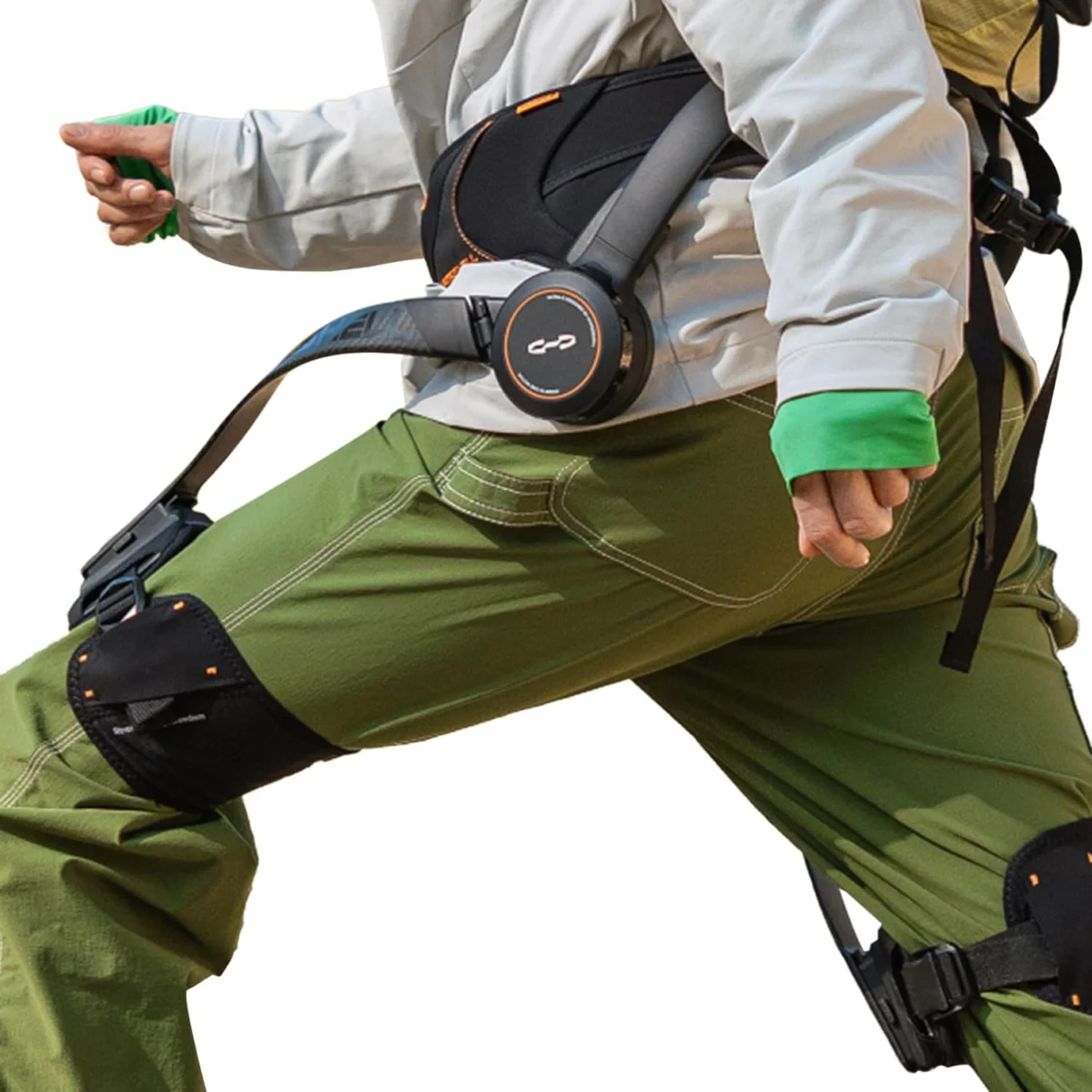
At its core, these robotic aids function through a sophisticated interplay of sensors, motors, and intelligent algorithms. Here’s a breakdown of the typical mechanics:
- Sensors and Gait Analysis: The device is equipped with sensors that meticulously track your natural gait in real-time. This includes monitoring hip rotation, foot strike, and the precise moment your leg begins to lift off the ground.
- Motorized Assistance: Based on the data from the sensors, small, precisely calibrated motors engage at key points in your stride. These motors are typically located at the hip joints and are connected to articulated braces that extend down your thighs and shins.
- Targeted Torque Application: Instead of continuously providing power, the exoskeleton applies a small burst of torque precisely when your muscles would normally be working hardest to lift your leg. This isn’t about dragging you forward; it’s about reducing the perceived effort of each step.
- App-Controlled Customization: Many of these devices come with companion apps that allow you to fine-tune the level of assistance. You can often switch between different modes:
- Eco Mode: Offers a gentle, subtle boost, ideal for longer excursions where preserving energy is key.
- Hyper Mode: Provides a more pronounced level of assistance, allowing for steeper climbs and faster ascents.
- Fitness Mode: This mode is particularly intriguing, as it flips the script. Instead of reducing resistance, it adds resistance, effectively turning the exoskeleton into a training tool. This mode can simulate walking through water or uphill on a much steeper incline than the actual terrain, providing a robust cardiovascular and muscular workout.
The experience of using such a device is often described as uncanny. The initial sensation is one of surprise. The familiar friction of lifting your body against gravity is lessened, creating a feeling of effortless momentum. It’s not a dramatic, cartoonish propulsion, but a subtle, almost dreamlike ease that allows your brain to pause and recalibrate. The device hums softly, a subtle reminder of the technology at work, adding a touch of futuristic charm to the natural environment.
Beyond the Novelty: Practical Applications for Hikers
The initial thought for many seasoned hikers might be: why would I want a machine to make my hike easier? The very essence of hiking, for some, lies in the struggle, the earned exhaustion, the feeling of pushing one’s physical limits. And indeed, for those who are already at peak fitness and seeking the ultimate challenge, a robotic exoskeleton might seem counterintuitive.

However, the applications extend far beyond simply "cheating" the climb. Consider these scenarios:
- Extending Your Reach: For individuals who might otherwise be limited by fatigue or joint discomfort, these devices can open up new possibilities. They can enable longer hikes, allow access to more challenging terrain, and increase the overall enjoyment of the outdoors.
- Enhanced Recovery and Reduced Strain: On demanding multi-day treks or particularly strenuous ascents, the reduced strain on your legs can lead to faster recovery and less post-hike soreness. This means you can enjoy your adventures more consistently.
- Therapeutic Benefits: The technology’s roots in rehabilitation are significant. For individuals recovering from injuries or managing chronic conditions that affect mobility, exoskeletons can provide crucial support, allowing them to participate in activities they once thought impossible.
- A Training Tool in Disguise: As mentioned with the "Fitness Mode," these devices can be repurposed as advanced training aids. By increasing resistance, they can provide a highly effective workout that targets leg strength and cardiovascular endurance in a controlled environment. This can be particularly beneficial for athletes looking to build specific muscle groups or improve their stamina for demanding activities.
- Conquering the Downhill: The assistance doesn’t stop at the ascent. Specialized downhill modes can provide subtle braking force, offering greater stability and control on steep descents. This can be invaluable for preventing stumbles and reducing the impact on your knees.
Real-World Experience: A Hike Up Bear Mountain
To truly understand the impact of such technology, a hands-on experience is essential. The rugged terrain of Bear Mountain, with its steep, rocky ascents and demanding scrambles, provides an excellent proving ground.
The Initial Steps: On flatter, less demanding terrain, like a paved path or a gentle dirt trail, the initial effect of the exoskeleton is subtle. While it does make walking slightly easier, the true transformative power of the device is revealed when the gradient increases and the technical demands of the trail escalate.
The Ascent: As the trail pitches upward and transitions to rocky sections requiring the use of hands for balance and propulsion, the exoskeleton begins to demonstrate its value. In a higher assist mode, the device takes over the repetitive, demanding work of lifting the legs. This frees up cognitive load, allowing the hiker to focus on other crucial aspects of climbing:
- Upper Body Engagement: With less concern about leg fatigue, the focus shifts to upper body strength, balance, and finding optimal handholds.
- Problem-Solving: Each step becomes less about brute force and more about strategic placement of feet and hands, navigating the natural obstacles of the trail.
- Reduced Perceived Exertion: The feeling of "grinding" through each step is lessened, replaced by a smoother, more fluid motion. The internal dialogue shifts from "Can I lift my leg?" to "Where is the best place to put my foot?"
Reaching the Summit: The experience of reaching the summit with the assistance of the exoskeleton is not one of overwhelming euphoria born from sheer struggle, but rather a feeling of accomplishment without debilitating fatigue. The quads might feel the exertion, but the familiar, all-consuming burn is absent. The calves might have that pleasant tightness of a good climb, but not the crippling soreness that can sometimes follow. It’s an objectively easier ascent, which, for those who value the experience over the pure physical challenge, is precisely the point.
The Descent: The downhill mode offers a different kind of assistance. Instead of propelling you forward, the braces provide a gentle, controlled braking force. This helps to prevent pitching forward on steeper sections, offering a feeling of steadiness and control. It’s less about safety for an average hiker and more about maintaining composure and avoiding an ungraceful tumble.

The Future of Hiking: Augmentation, Not Replacement
The conversation around robotic exoskeletons in outdoor activities often circles back to a fundamental question: does it diminish the authenticity of the experience? For some, the answer will always be yes. The struggle, the sweat, the raw exertion are integral to the hiking experience.
However, for a growing segment of the population, the equation is shifting. As we age, our bodies may not always keep pace with our desire for adventure. The gap between aspiration and physical capability can be disheartening. In this space, technologies like the leg exoskeleton offer a bridge. They don’t replace the desire to hike, but rather facilitate it. They don’t negate the beauty of nature, but they can help more people experience it.
These devices are not designed to turn you into a superhuman hiker overnight. They won’t magically imbue you with the endurance of a seasoned ultrarunner or the technical skill of a professional climber. What they can do, however, is enhance your perceived ability. They can make challenging hikes more accessible, longer treks more manageable, and the overall experience more enjoyable.
Embracing the Optimized Hike
The integration of robotic assistance into hiking is not about abandoning the core principles of physical exertion. It’s about a thoughtful application of technology to augment our capabilities and expand our horizons. It’s about finding ways to continue pursuing our passions, even as our bodies evolve.
Whether you’re an experienced hiker looking to extend your season, someone recovering from an injury, or simply curious about the possibilities of human-machine collaboration, the world of robotic leg assistance offers a compelling glimpse into the future of outdoor recreation.
So, what happens when you let a robot help you hike? You might find yourself reaching higher peaks, exploring further trails, and rediscovering the joy of the outdoors with a renewed sense of possibility. It’s about optimizing your journey, not by eliminating the effort, but by intelligently supporting it. The trail awaits, and with a little technological ingenuity, it might just feel more accessible than ever before. Embrace the innovation, and let your next adventure be one of empowered exploration.