In a world saturated with quick-fix diets and 30-day challenges, it’s easy to get caught in a cycle of intense effort followed by burnout. Many embark on their fitness journey with admirable enthusiasm, only to find their motivation wane as the initial excitement fades. But what if fitness wasn’t a temporary sprint, but a lifelong expedition? What if you could build habits that not only transformed your body but also enriched your life with sustained energy, unwavering strength, and profound vitality?
This article isn’t about the fastest way to achieve a six-pack or the most brutal workout routine. Instead, it’s a comprehensive guide for beginners and intermediate fitness enthusiasts on how to cultivate a truly sustainable fitness lifestyle – one that thrives on consistency, adapts to life’s demands, and genuinely makes you feel better, stronger, and more alive for years to come. We’ll explore the mindset shifts, practical strategies, and foundational principles that will empower you to move beyond fleeting motivation and build an unshakeable commitment to your well-being. Your journey to lasting strength and vitality begins not with a burst of effort, but with a blueprint for endurance.
The Pitfalls of Short-Term Thinking: Why Quick Fixes Fail
The allure of rapid results is powerful. Advertisements promise dramatic transformations in weeks, and social media showcases seemingly overnight success stories. While these approaches can deliver initial changes, they often neglect the fundamental components of long-term health and well-being. Understanding why these short-term strategies falter is the first step towards building something truly sustainable.
- Unsustainable Intensity: Many quick-fix programs demand extreme levels of exercise or drastic dietary restrictions that are simply not maintainable for most people. This leads to physical exhaustion, mental fatigue, and an increased risk of injury.
- Lack of Habit Formation: True fitness is built on consistent habits. Short-term challenges often don’t provide enough time for new behaviors to become ingrained routines. Once the challenge ends, old habits quickly resurface.
- Focus on Deprivation: Restrictive diets and punishing workouts often frame fitness as a form of suffering or deprivation. This negative association makes it difficult to enjoy the process and fosters a rebellious attitude once the "rules" are lifted.
- Ignoring Individual Needs: Generic programs rarely account for individual differences in fitness levels, body types, preferences, or lifestyle constraints. What works for one person might be entirely inappropriate or even harmful for another.
- The "All or Nothing" Trap: When people can’t adhere perfectly to an intense plan, they often give up entirely, feeling like a failure. This black-and-white thinking prevents flexibility and adaptation, which are crucial for a sustainable journey.
The goal isn’t to reach a finish line, but to enjoy the journey and continuously evolve. By recognizing these common pitfalls, you can consciously steer clear of them and lay a foundation for enduring success.
Pillars of a Sustainable Fitness Lifestyle
Building an enduring fitness journey requires more than just showing up to the gym. It involves a holistic approach that integrates physical activity, nutrition, recovery, and a resilient mindset. Here are the core pillars that will support your lasting transformation:
1. Mindset Shift: From Chore to Habit
Perhaps the most critical step is changing how you perceive exercise. If it feels like a punishment or a dreaded chore, you’ll constantly battle your own resistance.
- Reframe your perspective: Instead of "I have to work out," try "I get to move my body and feel strong." Focus on the immediate benefits: reduced stress, increased energy, better mood, improved sleep.
- Connect to deeper values: Why is fitness important to you? Is it to play with your kids without getting winded, to feel confident, to prevent health issues, or to achieve a personal challenge? Tapping into these deeper motivations provides intrinsic drive.
- Embrace small victories: Celebrate showing up, completing a few extra reps, or making a healthier food choice. These small wins build momentum and reinforce positive behavior.
2. Setting Realistic, Achievable Goals
Ambitious goals are inspiring, but unrealistic ones are demotivating. For a sustainable journey, your goals must be both challenging and attainable.
- Start small and build up: If you currently exercise once a week, aiming for seven days might be too much. Start with three consistent days, and once that feels routine, consider adding another.
- Focus on process goals: Instead of solely focusing on outcome goals (e.g., "lose 10 pounds"), set process goals (e.g., "exercise for 30 minutes, 4 times a week" or "eat a serving of vegetables with every meal"). Process goals are within your direct control and build the habits that lead to desired outcomes.
- Make them SMART: Specific, Measurable, Achievable, Relevant, Time-bound. For example, "I will walk for 30 minutes after dinner on Monday, Wednesday, and Friday for the next four weeks."
3. Finding Your Movement Joy: Beyond the Gym
Fitness doesn’t have to mean hours on a treadmill or complex weightlifting. The most sustainable activity is one you genuinely enjoy.
- Explore diverse activities: Don’t limit yourself to traditional gym workouts. Try hiking, dancing, cycling, swimming, martial arts, team sports, yoga, Pilates, or even active video games.
- Mix it up: Incorporate different types of movement into your week to keep things fresh and challenge your body in new ways. This also reduces the risk of overuse injuries.
- Make it social: Exercising with friends or joining a group class can provide accountability and make working out more fun.
4. The Power of Consistency Over Intensity
Many beginners make the mistake of going too hard, too fast, leading to burnout or injury. Slow and steady truly wins the race in fitness.
- Prioritize regularity: Showing up consistently, even for shorter, less intense workouts, yields far greater long-term results than sporadic, grueling sessions.
- Listen to your body: Some days you’ll have more energy than others. It’s okay to scale back a workout if you’re feeling tired or sore. A modified workout is always better than no workout.
- Build momentum: Each consistent session reinforces the habit, making it easier to show up the next time. Focus on making fitness a non-negotiable part of your routine.
5. Nutrition as Fuel: A Balanced Approach
Exercise and nutrition are two sides of the same coin. You can’t out-train a poor diet, and optimal performance requires proper fueling.
- Focus on whole foods: Prioritize fruits, vegetables, lean proteins, whole grains, and healthy fats. These provide the essential nutrients your body needs to perform and recover.
- Hydration is key: Drink plenty of water throughout the day. Dehydration can impair performance, reduce energy levels, and impact overall health.
- Understand portion control: Learn to recognize appropriate serving sizes to manage energy intake without feeling deprived.
- Avoid restrictive diets: Extreme diets are often unsustainable and can lead to nutrient deficiencies and rebound weight gain. Aim for balanced eating patterns that you can maintain indefinitely.
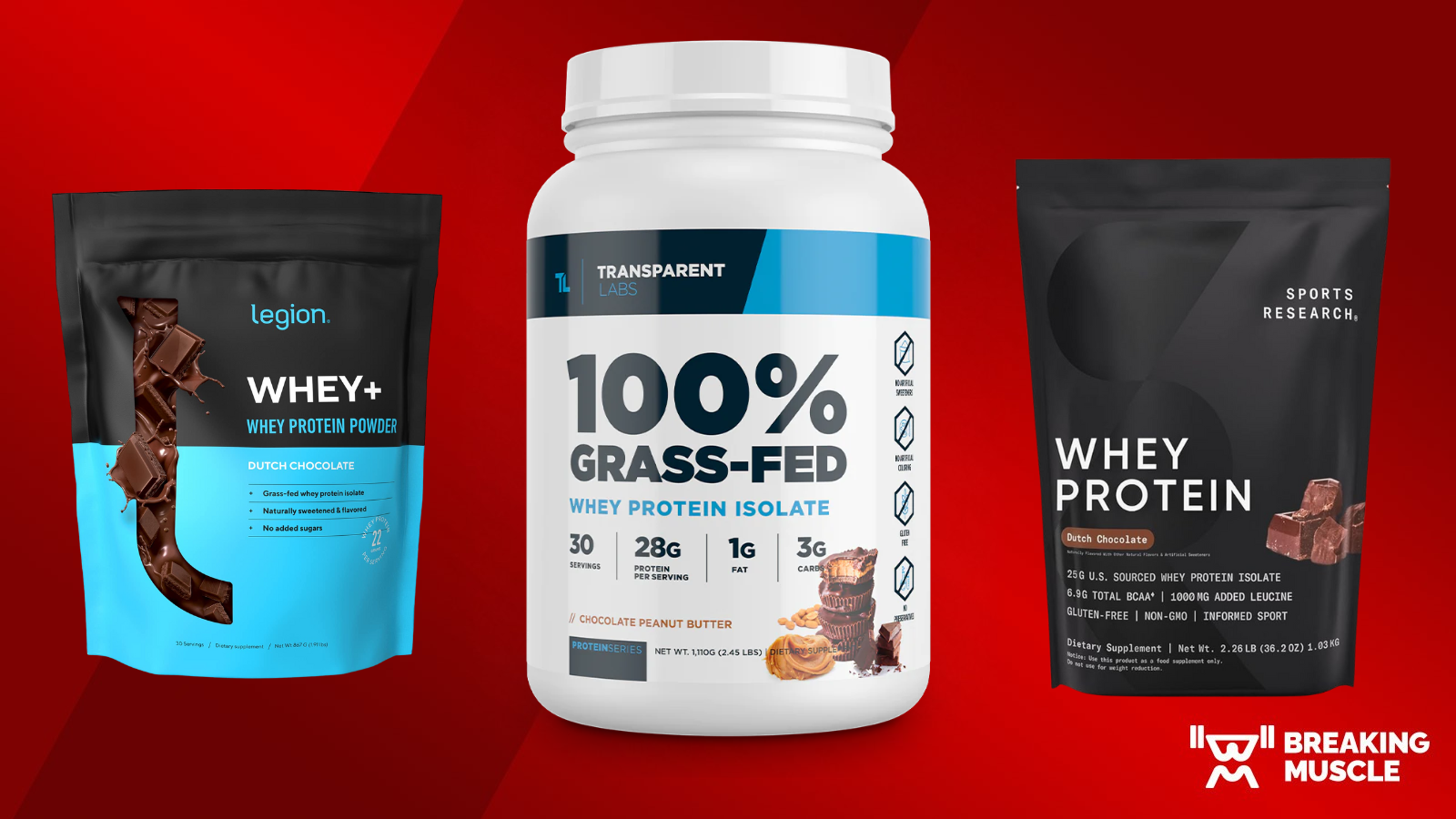
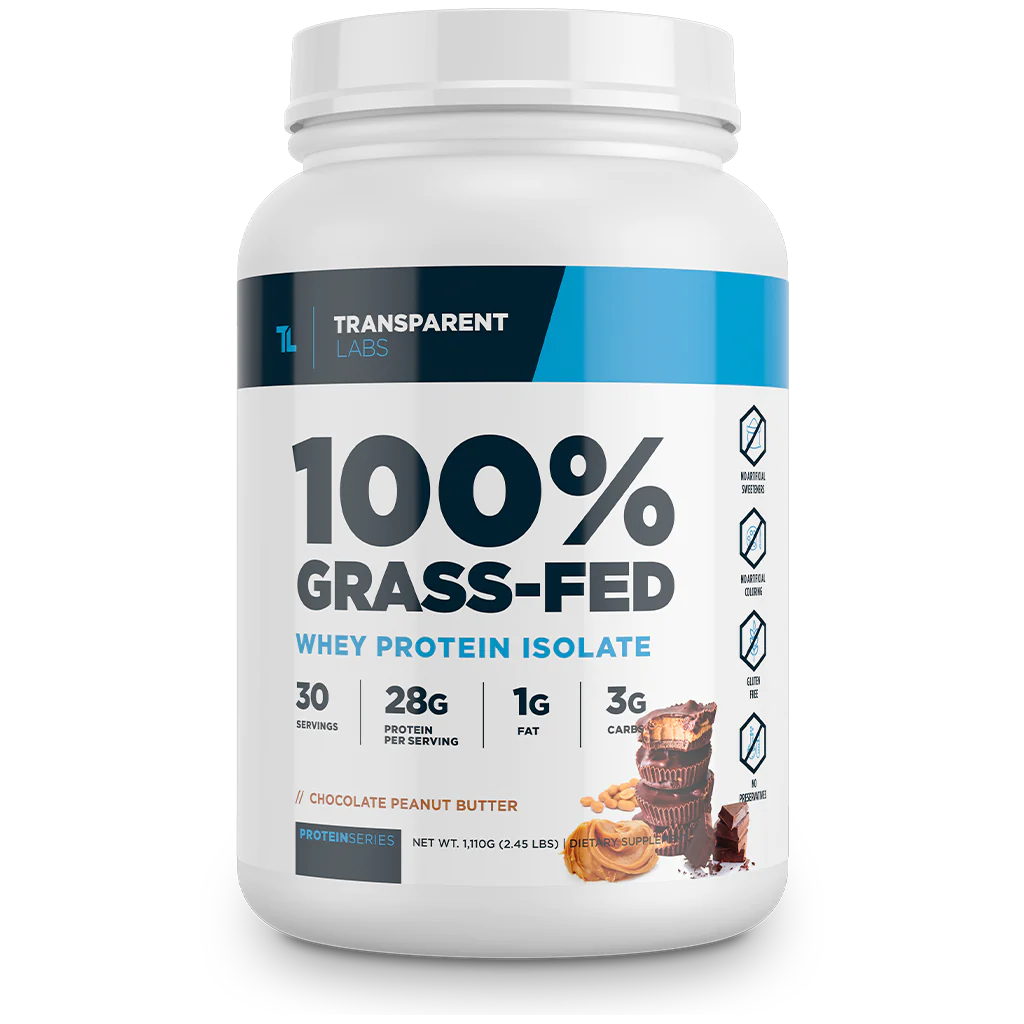
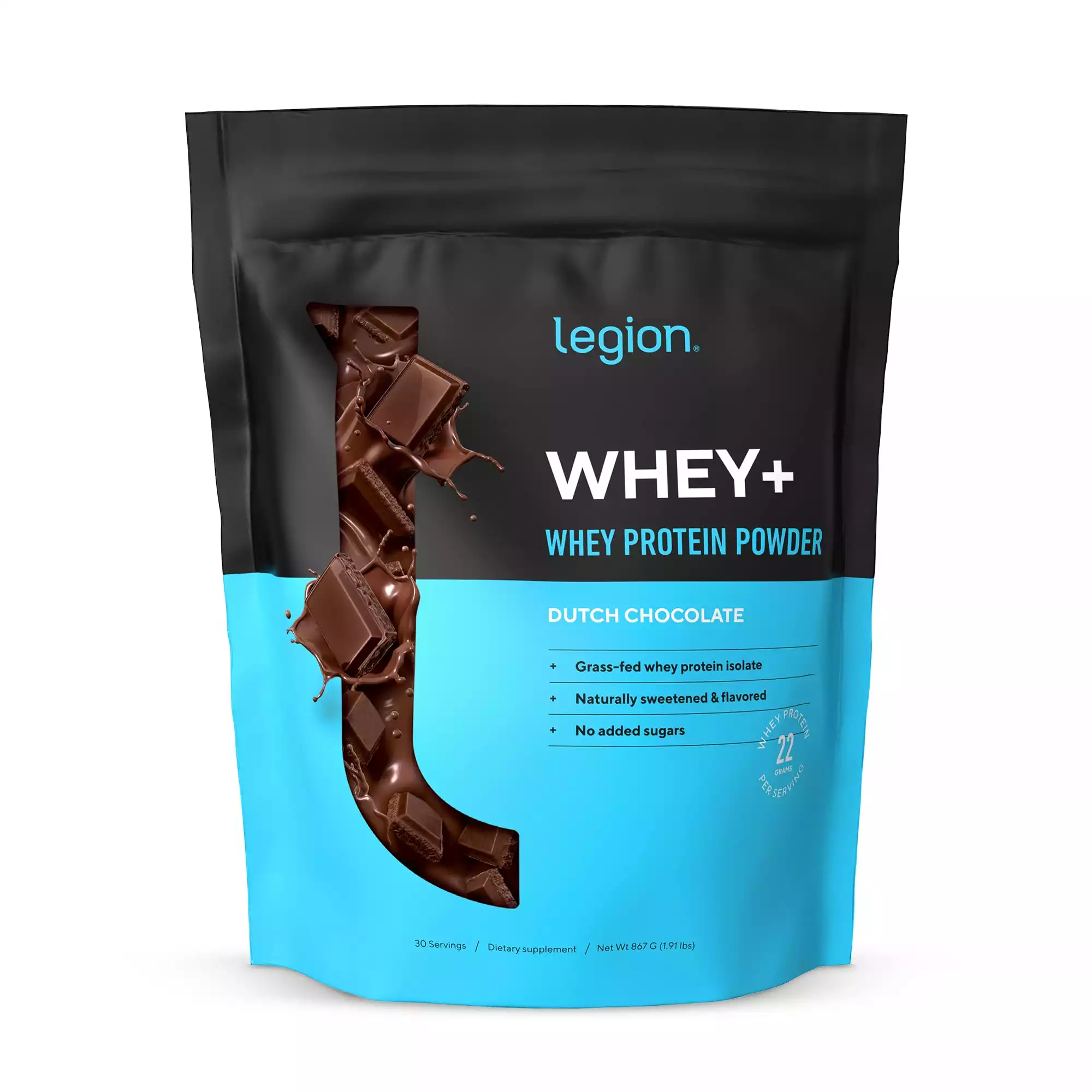
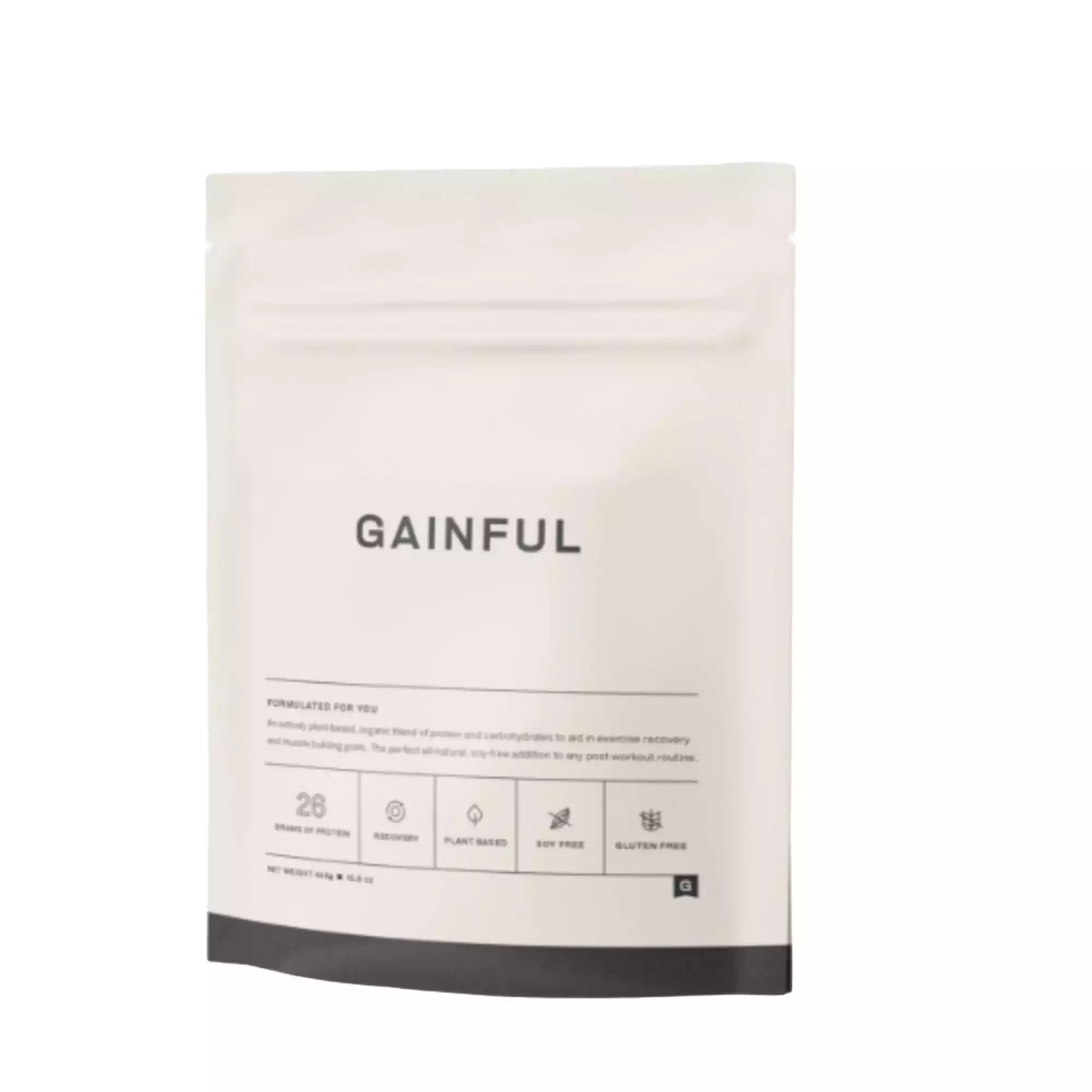
- Strategic protein intake: Ensure adequate protein for muscle repair and growth, especially after workouts. For beginners to intermediate, aiming for 0.7-1 gram of protein per pound of body weight can be a good target. This could mean adding a lean protein source like chicken breast, fish, eggs, or lentils to each meal.
6. Rest, Recovery, and Rejuvenation
This pillar is often overlooked but is absolutely vital for long-term progress and injury prevention. Your muscles don’t grow during your workout; they grow and repair during rest.
- Prioritize sleep: Aim for 7-9 hours of quality sleep per night. Sleep is when your body undergoes essential repair processes, hormone regulation, and mental restoration.
- Incorporate active recovery: Light activities like walking, stretching, or yoga on rest days can improve blood flow and aid muscle recovery without stressing the body.
- Schedule rest days: Don’t train intensely every single day. Give your body time to recuperate. Overtraining can lead to fatigue, plateaus, and increased injury risk.
- Stress management: Chronic stress elevates cortisol levels, which can hinder recovery and muscle growth. Incorporate stress-reducing activities like meditation, deep breathing, or hobbies.
7. Listening to Your Body: Injury Prevention
Pushing through pain is often glorified in fitness culture, but it’s a dangerous path to unsustainability.
- Distinguish between discomfort and pain: Muscle soreness is normal; sharp, localized pain is a warning sign. Learn to differentiate.
- Proper form over heavy weights: Always prioritize correct technique to effectively target muscles and avoid injury. If your form breaks down, lighten the load.
- Warm-up and cool-down: Prepare your body for activity with dynamic stretches and bring it back to a relaxed state with static stretches.
- Address niggles early: Don’t ignore persistent aches or pains. Consult a professional (physiotherapist, doctor) if something doesn’t feel right. Early intervention can prevent minor issues from becoming major setbacks.
8. Embracing Progress, Not Perfection
The pursuit of perfection in fitness is a recipe for frustration. Life happens, and your fitness journey will have ups and downs.
- Focus on effort and consistency: Not every workout will be your best, and not every meal will be perfectly healthy. What matters is your overall trajectory and commitment.
- Learn from setbacks: View missed workouts or less-than-ideal food choices not as failures, but as opportunities to learn and adjust your strategy.
- Celebrate non-scale victories: Notice improvements in your energy levels, strength, mood, sleep, clothing fit, or ability to perform daily tasks. These are powerful indicators of progress beyond the numbers on a scale.
Crafting Your Personalized Fitness Blueprint
With the pillars in place, it’s time to design a practical, personalized plan that fits your life. This isn’t a rigid schedule but a flexible blueprint that evolves with you.
1. Assessing Your Starting Point
Before you build, you need to know where you stand.

- Current activity level: How much do you move currently? Be honest.
- Time availability: How many hours per week can you realistically dedicate to fitness, including travel and changing?
- Preferences: What activities do you enjoy? What do you absolutely dread?
- Physical limitations/injuries: Are there any movements you should avoid or modify?
- Equipment access: Do you have a gym membership, home equipment, or relying on bodyweight?
Actionable Tip: Spend 15 minutes writing down your answers to these questions. This self-assessment is crucial for a realistic plan.
2. Designing Your Weekly Routine: The Balanced Mix
A well-rounded fitness plan incorporates various types of training.
- Strength Training (2-3 times/week): Essential for building muscle, boosting metabolism, and improving bone density. Focus on compound movements (squats, deadlifts/hinges, presses, rows) that work multiple muscle groups.
- Example for Beginners: 2-3 full-body workouts per week, focusing on mastering basic movements with light weights or bodyweight.
- Example for Intermediate: 3-4 split routines (e.g., upper/lower, push/pull/legs) with progressive overload.
- Cardiovascular Training (2-4 times/week): Improves heart health, endurance, and can aid in fat loss. This can be anything from brisk walking to running, cycling, or swimming.
- Example: 30-45 minutes of moderate-intensity cardio, 3 times a week.
- Flexibility & Mobility (Daily or 3-5 times/week): Improves range of motion, prevents stiffness, and aids recovery. Incorporate stretching, yoga, or mobility drills.
- Example: 10-15 minutes of stretching post-workout or a dedicated yoga session once a week.
Practical Example:
- Monday: Strength (Full Body A)
- Tuesday: Brisk Walk/Jog (30 min) + Stretching
- Wednesday: Strength (Full Body B)
- Thursday: Active Recovery (Yoga/Mobility)
- Friday: Strength (Full Body C)
- Saturday: Hike or Leisurely Cycle
- Sunday: Rest
3. Smart Goal Setting for Your Blueprint
Apply the SMART principle to your workout plan.
- Specific: "I will do 3 strength training sessions and 2 cardio sessions per week."
- Measurable: "Each strength session will be 45 minutes, and each cardio session will be 30 minutes."
- Achievable: "I’ll start with bodyweight exercises for strength and brisk walking for cardio, gradually increasing intensity."
- Relevant: "This will help me build strength, improve my endurance, and feel more energetic for daily activities."
- Time-bound: "I will stick to this routine for the next 8 weeks."
4. Tracking Progress and Adjusting
A blueprint isn’t set in stone; it’s a living document.

- Keep a workout journal: Log your exercises, sets, reps, and weights for strength training. Note duration and intensity for cardio. This allows you to see tangible progress and apply progressive overload.
- Monitor non-scale metrics: How do your clothes fit? How are your energy levels? Are you sleeping better? Can you lift groceries more easily?
- Be flexible and adapt: Life happens. If you miss a workout, don’t throw in the towel. Just get back on track with the next scheduled session. If a routine isn’t working, don’t be afraid to change it. Your body and circumstances will evolve, and your plan should too.
Overcoming Common Obstacles
Even with the best intentions, you’ll encounter hurdles. Knowing how to navigate them is key to maintaining consistency.
1. Lack of Motivation
This is the most common roadblock.
- Find your "why": Reconnect with your deeper motivations.
- Schedule it: Treat workouts like non-negotiable appointments.
- Lay out your clothes: Reduce friction by preparing the night before.
- Buddy up: Work out with a friend for accountability and fun.
- Reward yourself (non-food): A new workout top, a massage, or an hour with a good book.
- Just start: Often, the hardest part is beginning. Tell yourself you’ll do just 10 minutes; often, you’ll continue.
2. Time Constraints
"No time" is often a feeling, not a fact.
- Micro-workouts: Break up your exercise into shorter segments throughout the day (e.g., 10 minutes in the morning, 10 at lunch, 10 in the evening).
- Efficiency: Focus on compound exercises that work multiple muscles in less time.
- Integrate movement: Take the stairs, walk during phone calls, park further away.
- Prioritize: Look at your schedule and identify areas where you can genuinely carve out time. Is there something you can temporarily reduce (e.g., TV time) to make space for your health?
3. Dealing with Setbacks
Injuries, illness, or major life events can derail even the most committed.
- Be kind to yourself: Don’t beat yourself up. Acknowledge the setback, then focus on what you can do.
- Modify, don’t stop: If injured, work around it (e.g., upper body if leg injured, or focus on mobility). If ill, rest completely.
- Re-evaluate and restart: Once you’re able, gently ease back into your routine. It’s okay to start lighter than before. The key is to resume, not to wait for perfection.
4. Social Support and Accountability
Surrounding yourself with positive influences can make a huge difference.
- Share your goals: Tell trusted friends or family about your fitness aspirations.
- Join a community: Group fitness classes, online forums, or local running clubs can provide a sense of belonging and shared purpose.
- Consider a coach: A personal trainer or fitness coach can provide expert guidance, personalized plans, and crucial accountability.
Real-Life Integration Strategies
Fitness isn’t just about structured workouts; it’s about weaving movement into the fabric of your daily life.
1. Micro-Workouts
Short bursts of activity add up significantly over time.
- Morning Wake-Up: 5-10 minutes of bodyweight squats, push-ups (on knees or wall if needed), planks, and lunges before breakfast.
- Desk Breaks: Every hour, stand up and do 1-2 minutes of calf raises, shoulder rolls, or stretches.
- Commercial Break Bursts: During TV commercials, do a set of jumping jacks, crunches, or wall sits.
2. Active Commuting
Transform your travel time into active time.
- Walk or Cycle: If feasible, walk or cycle to work, school, or errands.
- Park Further Away: If driving, park at the furthest end of the lot.
- Public Transport Power-Up: Get off a stop or two earlier and walk the rest of the way. Take the stairs instead of escalators.
3. Family Fitness
Make movement a fun, shared experience.
- Play Actively: Instead of just watching, join your kids in playing tag, throwing a ball, or running around the park.
- Family Walks/Hikes: Explore local trails or parks together.
- Active Vacations: Choose destinations or activities that encourage movement, like hiking, swimming, or exploring on foot.
Conclusion: Your Enduring Legacy of Strength
The journey to lasting strength and vitality is not a race to be won, but a lifestyle to be embraced. It’s about building a foundation that supports you through every season of life, allowing you to not just exist, but to thrive. By shifting your mindset, setting realistic goals, finding joy in movement, prioritizing consistency and recovery, fueling your body wisely, and listening to its wisdom, you are not just exercising; you are investing in your future self.
Remember, fitness is a deeply personal odyssey. There will be days when motivation wanes, when life throws unexpected curveballs, or when progress feels slow. These moments are not failures; they are opportunities to practice resilience, adapt your approach, and reaffirm your commitment. Celebrate every small victory, learn from every setback, and always treat your body with the respect and care it deserves.
You have the power within you to cultivate an enduring fitness journey – one that transcends the fleeting burn and leaves you with a legacy of strength, vitality, and unwavering well-being. Start today, with intention, patience, and a promise to yourself that this time, it’s for life. Embrace the process, enjoy the transformation, and step into a future where you are stronger, healthier, and more vibrant than ever before.