In the landscape of modern fitness, few pieces of equipment evoke as much debate and intrigue as the Smith machine. Often found nestled amongst free weight racks and cable stations, this robust apparatus is a staple in commercial gyms and an increasingly popular addition to home setups. For some, it’s a symbol of limited movement, but for a growing number of fitness enthusiasts, particularly those just embarking on their strength journey or seeking specific muscle isolation, the Smith machine is a powerful, versatile tool waiting to be fully utilized.
Far from being a mere "easier" alternative to free weights, the Smith machine offers unique advantages that can accelerate progress, enhance safety, and diversify your workout routine. Its guided bar path and integrated safety mechanisms provide a level of security that allows you to push your limits with confidence, even when training solo. This article will cut through the noise, offering beginners and intermediate lifters a definitive guide to leveraging the Smith machine for effective, safe, and dynamic workouts. We’ll explore its core benefits, break down essential exercises, share crucial tips for optimal performance, and show you how to integrate it intelligently into your overall fitness regimen. Get ready to unlock new levels of strength and muscle development, all while maintaining impeccable form and peace of mind.
The Smith Machine Demystified: More Than Just a Safety Net
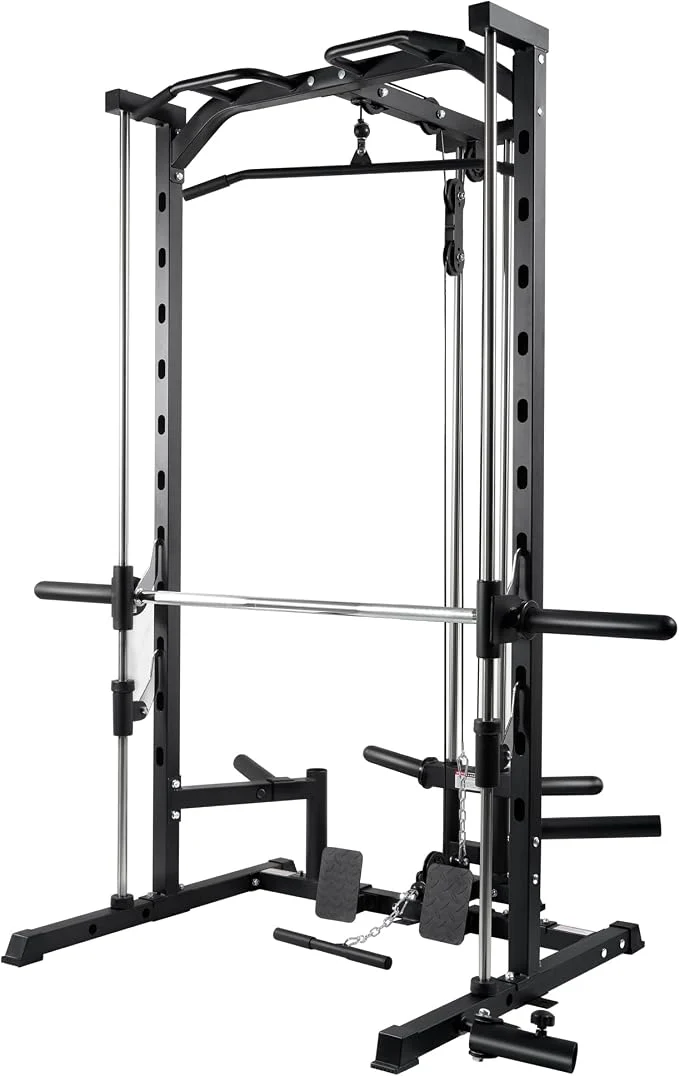
At its core, a Smith machine is a weight training apparatus consisting of a barbell fixed within a steel frame, allowing it to move only vertically or, in some designs, along a slightly angled path. The barbell is equipped with hooks that can be engaged with a series of slots along the uprights, enabling you to rack the weight at any point during an exercise. This simple yet ingenious design provides a unique training environment.
Unlike free weights, where you must actively stabilize the barbell in all planes of motion, the Smith machine handles the horizontal stabilization for you. This fixed path significantly reduces the need for complex coordination and balance, allowing you to channel your focus entirely into the target muscles and the mechanics of the movement itself. It’s this inherent stability and safety net that makes the Smith machine an invaluable asset, especially when you’re learning new exercises, lifting heavier than usual, or training without a spotter. Understanding this fundamental difference is the first step toward appreciating its true potential in your fitness journey.
Why Embrace the Smith Machine? Core Benefits for Every Fitness Journey
The Smith machine often gets a bad rap, but its distinct advantages make it an excellent addition to any well-rounded training program. For beginners, it’s a gateway to learning fundamental movement patterns safely. For intermediate lifters, it offers novel ways to challenge muscles and break through plateaus.
Enhanced Safety and Confidence
This is arguably the most compelling benefit of the Smith machine. The integrated safety catches and the ability to rack the bar at any point mean you can train to muscular failure without the fear of being pinned under the weight.
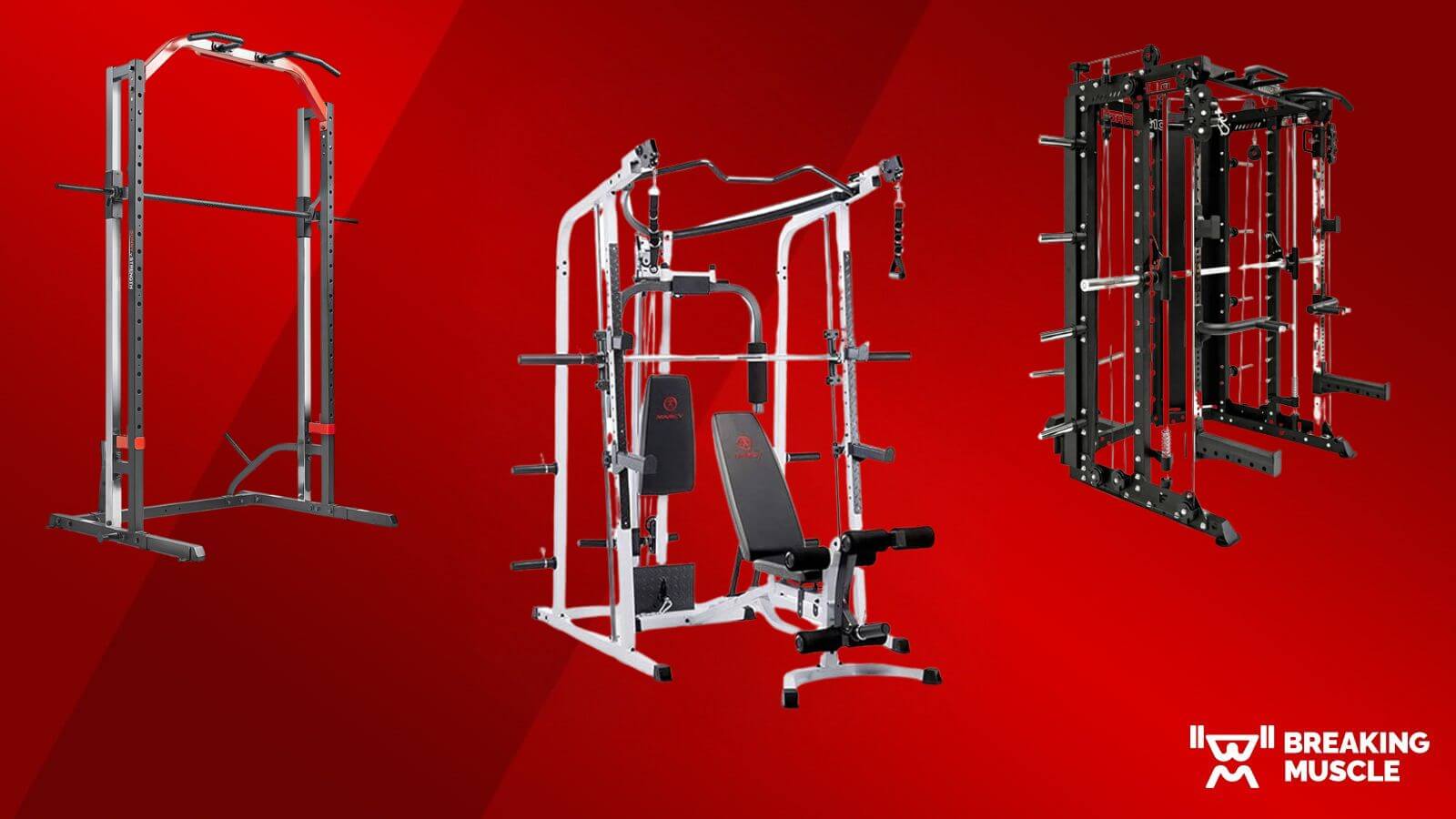
- No Spotter Required: Whether you train in a home gym or a commercial facility, relying on a spotter isn’t always feasible. The Smith machine acts as your constant, reliable spotter, allowing you to push your limits on exercises like bench presses and squats with complete peace of mind.
- Easy Re-racking: A quick twist of the wrist is all it takes to re-rack the barbell, making it incredibly simple to bail out of a lift if you find yourself struggling. This ease of use encourages you to attempt heavier weights or higher repetitions than you might with free weights, knowing you can safely abort the lift at any moment.
- Reduced Risk of Injury: By eliminating the need for horizontal stabilization, the Smith machine can help reduce the risk of injury, especially from losing balance or dropping the weight. This is particularly beneficial when performing movements that require significant balance, such as lunges.
Form Refinement and Muscle Isolation
The fixed bar path of the Smith machine, while sometimes criticized, is precisely what makes it exceptional for honing form and isolating specific muscle groups.
- Learning Movement Patterns: For beginners, understanding the correct biomechanics of exercises like squats or presses can be challenging. The Smith machine guides the movement, allowing you to focus on the sensation of the muscles working and the correct range of motion without worrying about the bar drifting off-plane.
- Targeted Muscle Activation: Because the stabilizing muscles aren’t working as hard, you can achieve a deeper, more focused contraction in the primary muscles you’re trying to train. This can be particularly effective for exercises designed to isolate specific areas, such as glute bridges or specific chest press angles. For example, during a Smith machine bench press, you can concentrate solely on squeezing your pecs, rather than simultaneously managing bar balance.
- Addressing Weak Links: If certain stabilizer muscles are lagging, they might limit your performance on free-weight exercises. The Smith machine allows you to strengthen the primary movers directly, helping to build foundational strength that can later transfer to free-weight lifts.
Versatility Beyond Expectations
Many assume the Smith machine is only good for squats and bench presses, but its application extends far beyond these staples. With a little creativity and an adjustable bench, it transforms into a multi-functional powerhouse.
- Wide Exercise Selection: From upper body presses and rows to lower body squats, lunges, and calf raises, and even core-focused movements, the Smith machine can accommodate a comprehensive full-body workout. Its adaptability means you can hit every major muscle group effectively.
- Complementary Training Tool: Instead of viewing it as a replacement for free weights, consider the Smith machine a complementary tool. It allows you to introduce variations of familiar exercises, offering a different stimulus to your muscles and preventing training plateaus.
- Creative Angles and Setups: The fixed bar path opens up possibilities for exercises that are difficult or impossible with free weights, such as reverse hack squats or specific decline presses that might otherwise require complex setups or specialized machines.
Rehabilitation and Progressive Overload
For those recovering from injury or focused on consistent strength gains, the Smith machine provides a safe and structured environment.
- Controlled Movements for Recovery: The guided motion and inherent stability make the Smith machine an excellent tool for injury rehabilitation. It allows individuals to perform strength-building exercises with reduced stress on joints and improved control, gradually rebuilding strength and confidence before transitioning back to more dynamic movements. Always consult a medical professional or physical therapist for guidance in these situations.
- Seamless Progressive Overload: Progressive overload—gradually increasing the demands on your muscles—is fundamental for muscle growth and strength. The Smith machine facilitates this by allowing you to easily add weight or reps, or even increase time under tension, without the added complexity of maintaining perfect balance. The safety mechanisms mean you can test new weight increments with less apprehension, ensuring consistent challenge and adaptation.
Navigating Your First Workouts: Essential Smith Machine Exercises
Ready to incorporate the Smith machine into your routine? Here are some foundational exercises, along with tips to maximize their effectiveness and safety. Remember to always warm up thoroughly before starting your working sets.
Lower Body Power
The Smith machine offers excellent opportunities to build powerful legs and glutes with controlled movements.
- Smith Machine Squats:
- Foot Placement: This is crucial. Unlike free-weight squats where the bar sits directly over your mid-foot, the Smith machine’s vertical path means you need to adjust your foot position. Experiment by placing your feet slightly forward of the bar. This allows your torso to remain more upright, engaging the quads more effectively, and reducing stress on your lower back.
- Depth: Aim for at least parallel thighs to the floor, or deeper if your mobility allows. Focus on controlled descents and powerful ascents.
- Safety: Always set the safety catches just below your lowest squat point.
- Smith Machine Lunges/Split Squats:
- Stability for Balance Challenges: If you struggle with balance during traditional lunges, the Smith machine is a game-changer. Position the bar across your upper back. Step one foot forward or backward into a lunge position. The fixed bar helps maintain stability, allowing you to focus entirely on the leg drive and glute activation.
- Focus: Drive through the heel of your front foot, keeping your chest up and core engaged.
- Smith Machine Glute Bridges/Hip Thrusts:
- Glute Isolation: This exercise is fantastic for targeting the glutes. Position a bench behind you. Sit on the floor with your upper back against the bench. Roll the bar over your hips (use a pad for comfort). Drive through your heels, lifting your hips towards the ceiling, squeezing your glutes at the top. The fixed bar ensures consistent tension on the glutes.
Upper Body Strength
Build a strong chest, shoulders, and back with the controlled environment of the Smith machine.

- Smith Machine Bench Press (Incline/Flat/Decline):
- Safe Pressing: Set up an adjustable bench underneath the bar. For a flat press, lie with your eyes directly under the bar. For incline/decline, adjust the bench angle. Grip the bar slightly wider than shoulder-width. Lower the bar to your chest in a controlled manner, then press it back up.
- Confidence: The safety catches allow you to push heavier loads without a spotter, perfect for building chest strength.
- Smith Machine Overhead Press:
- Stability for Shoulder Development: Sit or stand directly under the bar. For standing, unrack the bar at shoulder height, then press it straight overhead. The fixed path helps you maintain a stable base, allowing for focused shoulder work.
- Focus: Keep your core tight to prevent arching your lower back.
- Smith Machine Bent-Over Rows:
- Back Engagement: Stand with the bar over your feet. Hinge at your hips, keeping your back straight, and grab the bar with an overhand grip. Pull the bar towards your lower abdomen, squeezing your shoulder blades together.
- Control: The fixed path helps maintain the proper angle throughout the row, ensuring consistent tension on your back muscles.
Core and Accessory Work
Don’t overlook the Smith machine for smaller muscle groups and core engagement.
- Smith Machine Calf Raises:
- Stand with the bar on your upper back. Place the balls of your feet on a raised platform (like a weight plate) with your heels hanging off. Lower your heels for a deep stretch, then push up onto your toes for a full contraction.
- Smith Machine Shrugs:
- Stand under the bar, holding it with an overhand grip, hands shoulder-width apart. Keeping your arms straight, shrug your shoulders up towards your ears, focusing on contracting your traps.
Mastering the Mechanics: Tips for Optimal Performance and Safety
To truly harness the power of the Smith machine, attention to detail in technique and safety is paramount. These tips will help you maximize your workouts and minimize risk.
Foot Placement is Key (Especially for Lower Body)
The fixed bar path means you can’t adjust your balance mid-lift as you would with free weights. For squats, lunges, and deadlifts, your foot position dictates which muscles are emphasized and how comfortable the movement feels.
- Experimentation: Spend time without weight to find the sweet spot. For squats, try placing your feet slightly forward of the bar. This allows for a more natural squat pattern without feeling restricted.
- Targeted Activation: Moving your feet forward will generally emphasize the quadriceps, while keeping them more directly under the bar might target the glutes and hamstrings more (though it can feel less natural). Listen to your body and adjust until you feel the primary target muscles working effectively.
Embrace the Safety Catches
The Smith machine’s safety features are its greatest asset – use them!
- Always Set Them: Before every set, especially for heavy lifts, set the safety catches to a height that will prevent the bar from trapping you if you fail. For squats, this is typically just below your lowest comfortable squat depth. For bench press, it’s just above your chest.
- Practice Bailing Out: Mentally and physically rehearse what you would do if you fail a lift. Knowing you can simply twist the bar to re-rack it or lower it onto the safeties builds immense confidence.
Warm-Up and Cool-Down Thoroughly
This fundamental fitness principle applies to all training, including Smith machine workouts.
- Dynamic Warm-Up: Before starting, perform 5-10 minutes of light cardio and dynamic stretches that mimic the movements you’re about to perform. For leg day, include leg swings and bodyweight squats. For upper body, arm circles and thoracic rotations.
- Progressive Loading: Start with an empty bar or very light weight for your first set to further warm up the specific muscles and practice the movement pattern. Gradually increase the weight over subsequent sets.
- Static Cool-Down: After your workout, dedicate 5-10 minutes to static stretches, holding each stretch for 20-30 seconds, focusing on the muscles you’ve just worked.
Focus on the Muscle-Mind Connection
With reduced need for stabilization, you have a unique opportunity to enhance your muscle-mind connection.

- Intentional Contraction: Instead of just moving the weight, consciously squeeze and contract the target muscle throughout the entire range of motion. For example, during a Smith machine bench press, actively think about pushing with your chest muscles.
- Controlled Tempo: Avoid rushing your reps. Use a controlled tempo (e.g., 2 seconds down, a brief pause, 2 seconds up) to maximize time under tension and feel the muscle working.
Don’t Forget Free Weights (The Smith Machine is a Tool, Not a Replacement)
While powerful, the Smith machine should ideally be part of a broader fitness strategy.
- Stabilizer Muscles: Free weights (barbells, dumbbells, kettlebells) are crucial for developing overall functional strength, coordination, and engaging the smaller, often overlooked stabilizer muscles. These muscles are vital for everyday movements and preventing injury.
- Balance and Proprioception: Free-weight exercises significantly improve your balance and proprioception (your body’s awareness in space).
- Integrate Both: For intermediate lifters, using the Smith machine for accessory work or to isolate specific muscles after your main free-weight compound lifts can be highly effective. For beginners, it can be a stepping stone to build confidence before transitioning to free weights.
Listen to Your Body
Always prioritize how your body feels over arbitrary weight or rep targets.
- Avoid Discomfort: If a specific movement on the Smith machine causes joint pain or unnatural discomfort, re-evaluate your form, foot placement, or even consider if that exercise is right for you on this machine.
- Adjust and Adapt: Fitness is a journey of continuous learning. Be willing to adjust your technique, exercise selection, or weight to ensure safety and effectiveness.
Common Pitfalls and How to Avoid Them
Even with its benefits, the Smith machine has potential downsides if not used thoughtfully. Awareness of these common pitfalls will help you maximize your results and maintain a balanced approach to strength training.
Over-Reliance on the Fixed Path
One of the Smith machine’s greatest strengths can also become a weakness if it leads to over-reliance. The fixed bar path means that your body doesn’t need to engage stabilizer muscles as much as it would with free weights.
- The Pitfall: Neglecting free-weight exercises entirely can lead to underdeveloped stabilizer muscles, potentially increasing injury risk in real-world scenarios or when you eventually transition to free weights. It can also lead to a somewhat unnatural movement pattern if your body is forced into a path that doesn’t perfectly align with its natural biomechanics.
- How to Avoid: View the Smith machine as a valuable tool within your broader training arsenal, not the only tool. Incorporate free-weight compound exercises (like barbell squats, deadlifts, and overhead presses) into your routine. Use the Smith machine for accessory work, specific muscle isolation, or for pushing intensity safely, but ensure a significant portion of your training involves dynamic, free-moving resistance.
Improper Form Due to Perceived Safety
The safety features of the Smith machine can sometimes lead to a false sense of security, causing users to neglect proper form.
- The Pitfall: Believing the machine will "fix" your form, or that you don’t need to be as meticulous because the bar is guided. This can result in excessive weight being lifted with poor mechanics, leading to joint strain or injury despite the inherent safety. For instance, excessively leaning back during a Smith machine squat to shift emphasis can put undue stress on the lower back.
- How to Avoid: Treat every lift on the Smith machine with the same respect and attention to form as you would a free-weight exercise. Prioritize perfect technique over heavy weight. Watch instructional videos, consider recording yourself to check your form, and if possible, get feedback from a qualified fitness professional. The goal is controlled, purposeful movement, not just moving the bar from point A to point B.
Neglecting Full Range of Motion
The ease of racking the bar can sometimes tempt lifters to shorten their range of motion (ROM), especially during squats or presses.

- The Pitfall: Consistently performing partial reps limits muscle development and strength gains. Full ROM is crucial for stimulating muscle fibers throughout their entire length and for improving joint mobility.
- How to Avoid: Always strive for a full and controlled range of motion that is appropriate for your mobility. For squats, this means reaching at least parallel (thighs parallel to the floor). For presses, it means lowering the bar to a point just above your chest (or a comfortable depth for incline/decline). If you can’t complete a full ROM with a certain weight, it’s a sign to reduce the load until your strength improves. Use the safety catches to help you practice and build confidence in achieving full depth.
Integrating the Smith Machine into Your Training Routine
Understanding how to use the Smith machine is one thing, but knowing when and why to use it within your overall fitness plan is equally important.
For Beginners: Building Confidence and Learning Movement Patterns
If you’re new to strength training, the Smith machine can be an invaluable starting point.
- Primary Tool (Initially): Begin by using the Smith machine for your main compound movements (squats, bench press, overhead press). Its stability will allow you to focus on learning the basic movement patterns without the added challenge of balancing a free bar.
- Form First: Prioritize perfect form over heavy weight. The guided path provides immediate feedback if your movement deviates.
- Progressive Introduction: Once you feel confident with the Smith machine variations and have built some foundational strength, gradually introduce free-weight alternatives to further challenge your body and develop stabilizer muscles.
For Intermediate Lifters: Enhancing Isolation and Pushing Intensity
As you advance, the Smith machine shifts from a primary learning tool to a powerful accessory and intensity booster.
- Accessory Work: Use it after your main free-weight lifts to isolate specific muscle groups. For example, after free-weight barbell squats, perform Smith machine lunges to really target each leg, or glute bridges for glute activation.
- Safe Intensity Boosters: The inherent safety allows you to experiment with advanced training techniques without a spotter.
- Drop Sets: Perform a set to failure, then quickly reduce the weight and continue for more reps, repeating several times. The easy re-racking makes this seamless.
- Forced Reps (Self-Assisted): Push a set to failure, then quickly re-rack, reduce weight slightly, and squeeze out a few more reps.
- Pre-Exhaustion: Perform an isolation exercise on the Smith machine (e.g., chest flyes if your machine has cables, or Smith machine incline press for high reps) before a compound free-weight movement (e.g., dumbbell bench press). This pre-fatigues the target muscle, making it the limiting factor in the compound lift.
- Targeting Weaknesses: If you have a specific muscle group that’s lagging, the Smith machine can help you isolate and strengthen it with focused, controlled movements.
Sample Workout Snippets
Here’s how you might integrate Smith machine exercises into different workout days:
- Leg Day (Beginner Focus):
- Smith Machine Squats: 3 sets of 10-12 repetitions
- Smith Machine Lunges: 3 sets of 10-12 repetitions per leg
- Smith Machine Glute Bridges: 3 sets of 12-15 repetitions
- Smith Machine Calf Raises: 3 sets of 15-20 repetitions
- Chest & Shoulder Day (Intermediate Focus, post free-weights):
- Start with your main free-weight compound lifts (e.g., Barbell Bench Press, Dumbbell Overhead Press)
- Smith Machine Incline Press: 3 sets of 8-12 repetitions (focus on chest isolation)
- Smith Machine Seated Overhead Press: 3 sets of 10-15 repetitions (controlled shoulder work)
- Smith Machine Upright Rows: 3 sets of 10-15 repetitions (perform with caution and light weight if you experience shoulder discomfort)
- Back Day (Intermediate Focus, for specific targeting):
- Start with your main free-weight compound lifts (e.g., Pull-ups, Barbell Rows)
- Smith Machine Bent-Over Rows: 3 sets of 8-12 repetitions (focus on deep back contraction)
- Smith Machine Shrugs: 3 sets of 12-15 repetitions (for trap development)
Remember to adjust sets, reps, and weight according to your individual fitness level and goals. Consistency and proper form are always key.
Conclusion: Your Journey to Stronger, Safer Workouts
The Smith machine is more than just a piece of gym equipment; it’s a powerful ally in your quest for a stronger, more capable physique. By understanding its unique mechanics and embracing its benefits, you can transform your workouts, enhance your safety, and accelerate your progress, whether you’re taking your first steps into strength training or pushing past intermediate plateaus.

From building foundational strength and refining your form to safely challenging your limits and isolating stubborn muscle groups, the Smith machine offers a versatility that’s often underestimated. Remember to approach it with a mindset of learning and precision, prioritizing proper technique, and always listening to your body. Integrate it smartly into your routine, combining its advantages with the holistic benefits of free weights, and you’ll unlock a dynamic training experience that’s both effective and empowering.
Your fitness journey is about continuous growth and smart adaptation. The Smith machine stands ready to support you, providing the stability and confidence you need to push boundaries and achieve your goals. So, step up, engage the safeties, and embark on a path to a stronger, more resilient you. The potential is within your grasp – go seize it!