Stepping onto a winding dirt path for a weekend excursion is one of the most rewarding ways to challenge your body and clear your mind. Whether you are transitioning from weekend gym-goer to dedicated outdoor adventurer, or simply looking to elevate your cardiovascular endurance, proper preparation is everything.

Conquering rugged terrain requires more than just willpower. It demands a smart combination of physical conditioning, mental resilience, and reliable equipment that can withstand unpredictable weather and punishing trails.

Building Your Backcountry Foundation: Fitness Tips for Hikers
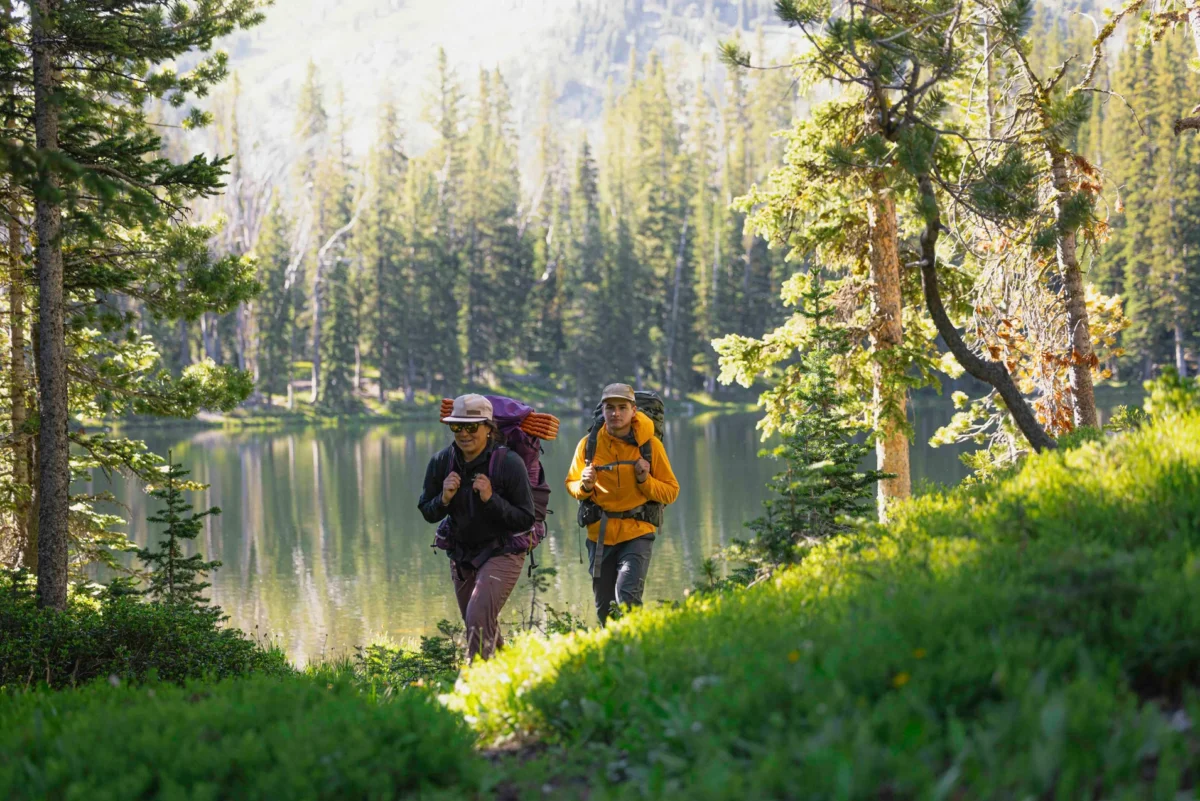
Before hitting the mountains, you need to prepare your musculoskeletal system for the unique demands of ascending and descending uneven ground. Hiking is essentially a prolonged, loaded ruck, which places heavy stress on your quads, calves, and core stabilizers.

Actionable Workout Strategies
- Incline Treadmill Intervals: Mimic uphill climbs by setting a treadmill to a 10-to-15 percent incline. Walk at a brisk pace for 3 minutes, followed by 1 minute of recovery. Repeat for 30 minutes to build aerobic capacity.
- Eccentric Leg Strengthening: Walking downhill stresses your joints through eccentric muscle contractions (lengthening under load). Incorporate slow, controlled step-downs and reverse lunges into your leg day routine to bulletproof your knees.
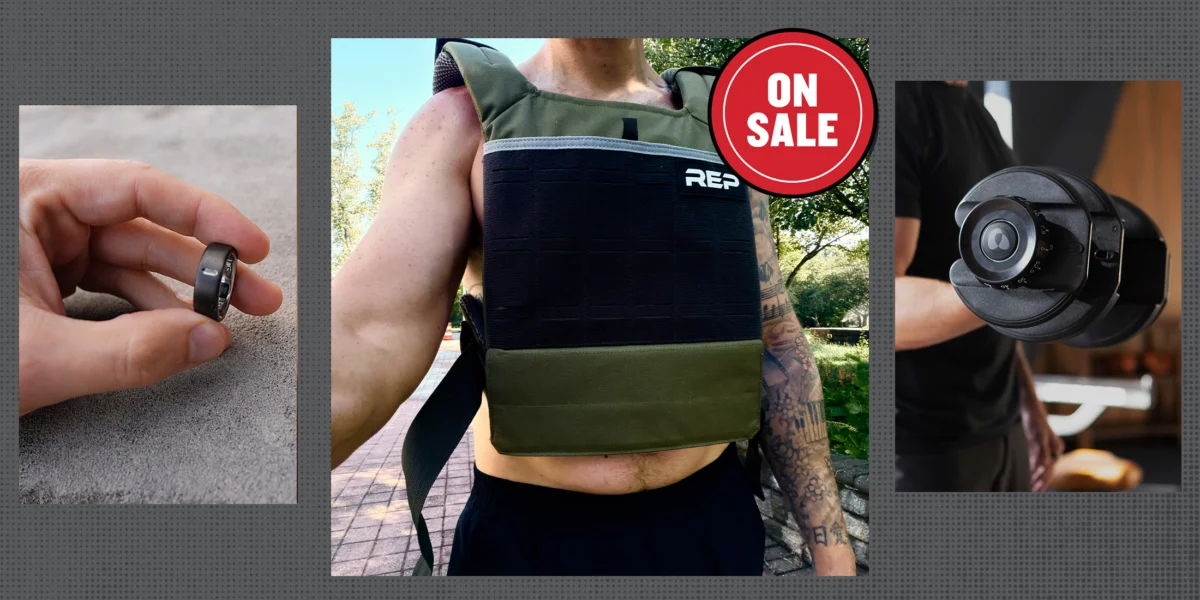
- Weighted Ruck Training: Load a sturdy backpack with a few water bottles or small weights. Start with short neighborhood walks and gradually increase the weight and distance to condition your shoulders, hips, and core.
Essential Categories of Outdoor Equipment
When veteran outdoor editors curate their must-have packing lists, they look at utility, weight savings, and absolute durability. Here is how to break down your packing system for safety and comfort on the trail.

1. Footwear and Mobility
Your feet are your primary engine. Blisters, wet socks, or lack of ankle support can turn a dream excursion into a grueling ordeal.

- Hybrid Footwear: Look for shoes or low boots featuring high-traction rubber outsoles and waterproof membranes. They should offer the agility of a running shoe with the stability and protection of traditional heavy boots.
- Merino Wool Socks: Ditch cotton socks immediately. Invest in performance-fit wool socks with targeted cushioning. They regulate temperature, wick moisture, and prevent friction hotspots that cause blisters.
2. Clothing Systems (The Art of Layering)
Mountain weather is notoriously fickle. A sunny morning can quickly transform into a freezing, windy afternoon.

- Base Layers: Choose quick-drying synthetic or merino tops that pull sweat away from your skin to prevent chilling.
- Active Insulation: A lightweight, highly breathable fleece or insulated hoodie acts as the ultimate "toss in the bag" layer. It traps body heat while allowing excess moisture to escape during steep climbs.
- Weather Shells: Always carry a seam-taped, waterproof shell jacket to guard against sudden downpours and biting winds without weighing down your pack.
3. Hydration, Nutrition, and Safety
Self-sufficiency is the golden rule of the backcountry. Even on a short day trip, you must be prepared for delays.

- Filtration Systems: Collapsible bottles with built-in microfilters let you safely drink from natural streams, drastically reducing the water weight you need to carry at the trailhead.
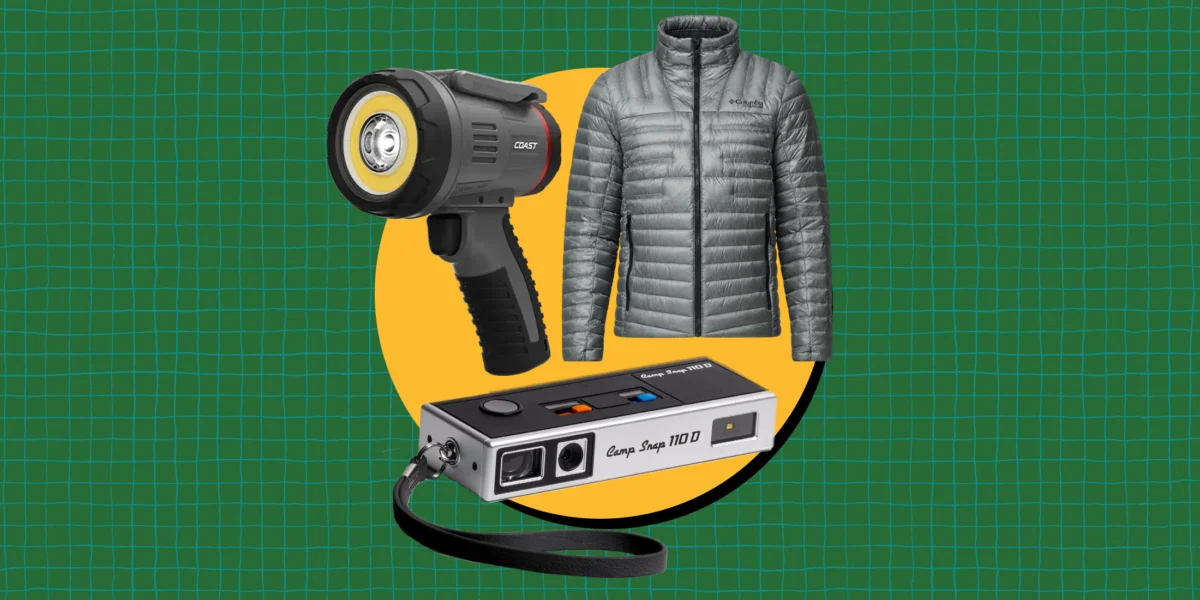
- Emergency Power and Communication: Smartphones lose battery rapidly in cold weather or areas with weak cellular signals. Always pack a compact, weather-resistant portable power bank and consider dedicated off-grid two-way radios if you are exploring with a group.
Real-Life Example: Preparing for Your First Summit
Imagine tackling a 6-hour mountain loop with 2,500 feet of elevation gain.

- The Morning Of: You lace up your supportive trail footwear over moisture-wicking wool socks. You wear a lightweight, sun-protective hoody to block UV rays and a pair of four-way stretch hiking pants that allow unrestricted movement over boulders.
- On the Ascent: Your legs burn on the steep inclines, but using lightweight trekking poles helps distribute your body weight, saving your knees and conserving upper-body momentum.
- At the Summit: The wind picks up at the peak. You pull your packable, high-loft down jacket out of your daypack, slip it on over your base layer, and sit comfortably on a compact roll-up camp chair to enjoy your lunch while taking in the panoramic view.
Conclusion: Answer the Call of the Trail
Embarking on your outdoor fitness journey is an investment in both physical health and mental well-being. By combining targeted lower-body conditioning with reliable, high-performance gear, you set yourself up for success on any trail.

Do not wait for the "perfect" moment to start exploring. Lace up your shoes, pack your essentials wisely, and take the first step toward your next great outdoor adventure today.