The journey to a healthier, leaner body often feels like navigating a complex maze of diets, workouts, and conflicting advice. While countless fads promise quick fixes, true, sustainable weight loss – which we define as the reduction of excess body fat while preserving precious muscle tissue – hinges on foundational nutritional principles and consistent effort. Among these principles, protein stands out as a true cornerstone, a powerful macronutrient that can significantly accelerate your progress, enhance your well-being, and help you achieve the sculpted physique you desire.
For beginners and intermediate fitness enthusiasts alike, understanding the multifaceted role of protein is not just beneficial; it’s transformative. It’s not merely about building bulging biceps; it’s about fueling your body for efficient fat burning, managing hunger, and maintaining the metabolic engine that drives your results. In this comprehensive guide, we’ll delve deep into how protein empowers your weight loss journey, how to optimize your intake, and how to strategically incorporate both whole food sources and convenient protein powders to unlock your full potential.
The Undeniable Power of Protein in Your Weight Loss Journey
Protein isn’t just a building block; it’s a strategic ally in your quest for a leaner, stronger body. Its impact spans multiple physiological processes, all contributing to effective fat loss and the preservation of metabolically active lean muscle.
Fueling Satiety: Taming Hunger Pangs
One of protein’s most celebrated benefits for weight loss is its profound effect on satiety. Unlike carbohydrates and fats, protein takes longer to digest, sending signals to your brain that you’re full and satisfied. This isn’t just a feeling; it’s a complex hormonal interplay. Consuming adequate protein helps regulate hunger hormones like ghrelin (which stimulates appetite) and increases levels of satiety hormones such as cholecystokinin (CCK) and peptide YY (PYY), which signal fullness.
Practical Tip: Starting your meals with a protein-rich component can significantly reduce overall calorie intake by helping you feel full faster and for longer. Imagine choosing a small handful of almonds or a scoop of Greek yogurt before a meal. This simple habit can prevent overeating and reduce cravings for less nutritious options later on.
Boosting Metabolism: The Thermic Effect of Food (TEF)
Every time you eat, your body expends energy to digest, absorb, and metabolize the nutrients. This is known as the Thermic Effect of Food (TEF). Protein has a significantly higher TEF than carbohydrates or fats. Roughly 20-30% of the calories from protein are burned off during digestion, compared to 5-10% for carbohydrates and 0-3% for fats.
This means that by prioritizing protein, you’re essentially boosting your daily calorie expenditure without any extra effort. While the individual impact might seem small, these metabolic advantages add up over time, creating a more favorable environment for fat loss.
Preserving Muscle: Your Metabolic Engine
Perhaps the most critical role of protein in weight loss is its ability to preserve lean muscle mass, especially when you’re in a calorie deficit. When you consume fewer calories than you burn, your body looks for energy sources. Without sufficient protein and resistance training, it can tap into muscle tissue for fuel, leading to muscle loss alongside fat loss.
Why is muscle preservation so important? Muscle is metabolically active tissue, meaning it burns more calories at rest than fat tissue. Losing muscle slows down your metabolism, making it harder to lose weight and easier to regain it in the future. By providing your body with a steady supply of amino acids (the building blocks of protein), you signal to your body to hold onto that valuable muscle, ensuring that the weight you lose is primarily fat, not muscle.
Repair and Recovery: Building a Resilient Body
Engaging in regular exercise, particularly resistance training, is crucial for building and maintaining muscle. Protein is essential for repairing the microscopic tears that occur in muscle fibers during workouts, allowing them to rebuild stronger and more efficiently. Adequate protein intake supports faster recovery, reduces muscle soreness, and prepares your body for the next training session, ensuring consistent progress without excessive fatigue or injury. This cycle of training and recovery, fueled by protein, is vital for long-term fitness and a resilient body.
Decoding Your Daily Protein Needs for Fat Loss
Knowing that protein is important is one thing; understanding how much you need is another. While individual needs can vary, there are general guidelines to help you optimize your intake for fat loss and muscle preservation.
Calculating Your Target: A Personalized Approach
For individuals aiming for fat loss while preserving muscle, a higher protein intake is generally recommended. Current research suggests a range of 1.6 to 2.2 grams of protein per kilogram of body weight (or approximately 0.7 to 1.0 grams per pound of body weight) is optimal.

- Example 1 (Beginner): A person weighing 70 kg (154 lbs) might aim for 70 kg * 1.6 g/kg = 112 grams of protein per day.
- Example 2 (Intermediate, more active): A person weighing 80 kg (176 lbs) who is regularly lifting weights might aim for 80 kg * 2.0 g/kg = 160 grams of protein per day.
This target range provides ample amino acids to support muscle protein synthesis, enhance satiety, and maintain metabolic rate, even in a calorie deficit.
Timing is Key: When to Fuel Up
While the concept of a strict "anabolic window" immediately post-workout has been refined by science, consistently spreading your protein intake throughout the day remains beneficial. Your muscles are constantly undergoing protein synthesis and breakdown, and providing regular amino acid boosts can optimize this process.
Consider distributing your protein across 3-5 meals or snacks. This strategy helps maintain a positive nitrogen balance, supports muscle repair, and keeps you feeling fuller for longer, preventing impulsive snacking.
Distributing Your Intake: Spreading the Benefits
Instead of consuming a massive amount of protein in one sitting, aim for roughly 20-40 grams of protein per meal or substantial snack. This approach ensures a steady supply of amino acids to your muscles and maximizes the satiety benefits.

- Breakfast Example: A bowl of Greek yogurt with berries and a sprinkle of nuts (approx. 20-25g protein).
- Lunch Example: Grilled chicken salad with a variety of vegetables (approx. 30-40g protein).
- Snack Example: Cottage cheese with sliced cucumber (approx. 15-20g protein).
- Dinner Example: Baked salmon with roasted sweet potatoes and asparagus (approx. 30-40g protein).
By consciously planning your protein distribution, you empower your body to continuously rebuild and repair, supporting your fat loss goals.
Whole Foods vs. Protein Powders: A Strategic Partnership
When it comes to meeting your protein needs, whole food sources should always form the foundation of your diet. However, protein powders can serve as an incredibly convenient and efficient supplement, acting as a strategic partner in your nutritional plan.
The Foundation: Prioritizing Whole Food Protein Sources
Whole foods offer a complete spectrum of nutrients – vitamins, minerals, fiber, and various micronutrients – that protein powders simply cannot replicate. They provide a more complex digestive experience, often contributing more to satiety.
Excellent Whole Food Protein Sources:

- Lean Meats: Chicken breast, turkey, lean beef (sirloin, flank steak), pork tenderloin.
- Fish and Seafood: Salmon, tuna, cod, shrimp, tilapia.
- Eggs: A complete protein source, versatile and affordable.
- Dairy Products: Greek yogurt, cottage cheese, milk, kefir (opt for low-fat or fat-free for weight loss).
- Legumes: Lentils, black beans, chickpeas (also provide fiber).
- Nuts and Seeds: Almonds, chia seeds, flax seeds, pumpkin seeds (also healthy fats).
- Plant-Based Alternatives: Tofu, tempeh, edamame.
Aim to build your meals around these nutrient-dense options as much as possible.
The Convenience Factor: When Protein Powders Shine
Life gets busy. Between work, family, and workouts, sometimes preparing a protein-rich meal isn’t feasible. This is where protein powders become invaluable. They offer a quick, easily digestible, and often low-calorie source of high-quality protein, making it effortless to hit your daily targets without excessive cooking or meal prep.
Scenarios where protein powders are particularly useful:
- On-the-go meals: A quick shake when you’re rushing out the door.
- Post-workout recovery: Rapidly delivering amino acids to fatigued muscles.
- Snack between meals: Bridging the gap to prevent intense hunger.
- Boosting protein content: Adding to oatmeal, smoothies, or baked goods for an extra protein punch.
Understanding Protein Powder Types
Protein powders are not all created equal. Different types offer distinct characteristics in terms of digestion speed, amino acid profile, and suitability for various dietary preferences.

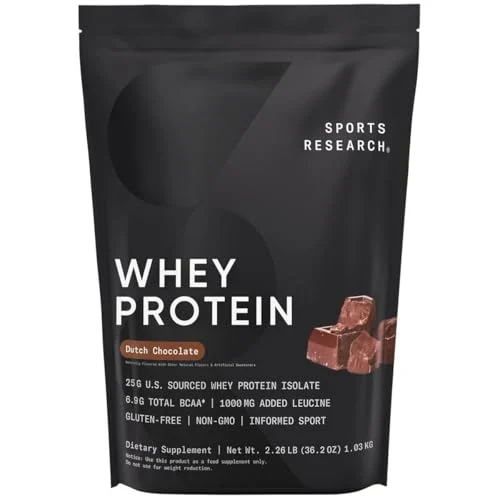
- Whey Protein: Derived from milk, whey is a "fast-digesting" protein, meaning its amino acids are rapidly absorbed by the body.
- Whey Concentrate: Contains varying levels of protein (typically 70-80%), with some lactose, fat, and carbohydrates. Generally more affordable.
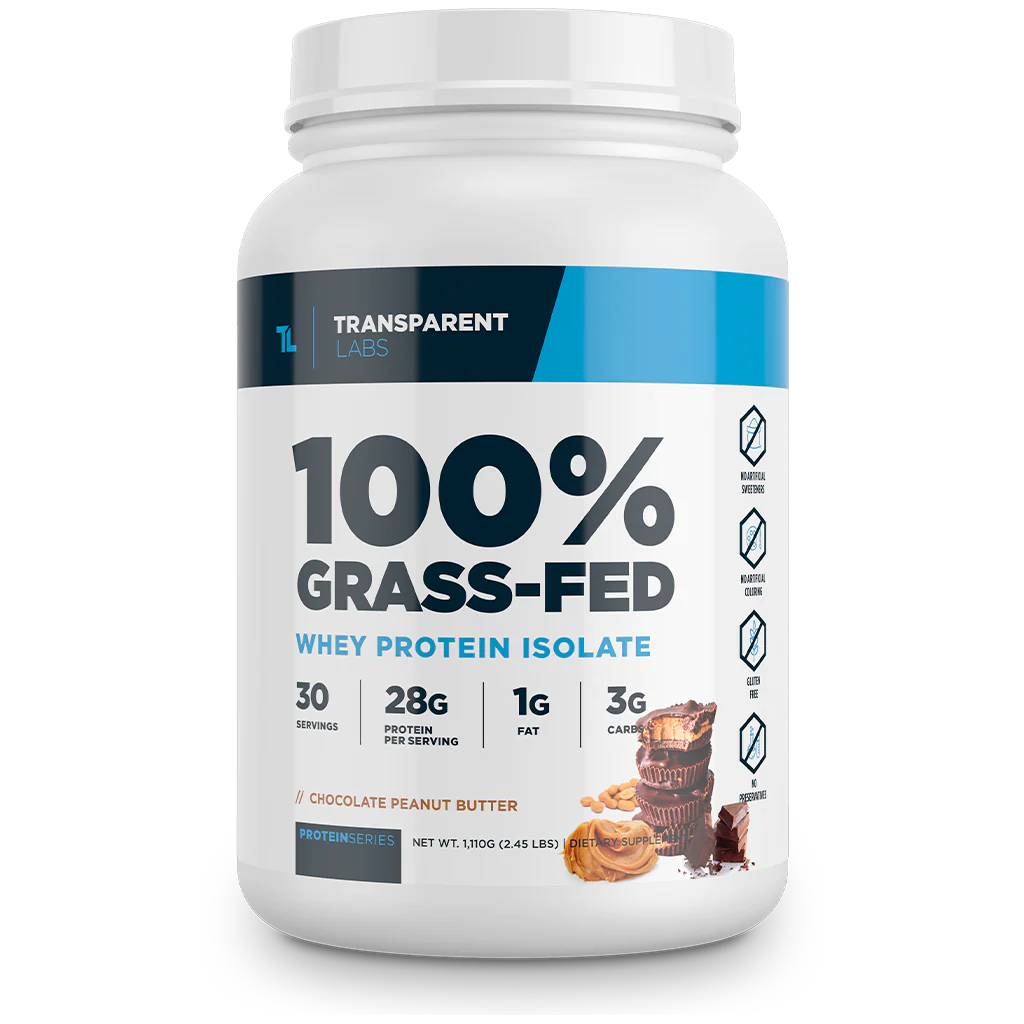
- Whey Isolate: Further processed to remove most of the lactose, fat, and carbohydrates, resulting in a purer protein product (90%+ protein). Ideal for those sensitive to lactose or seeking minimal calories from other macronutrients.
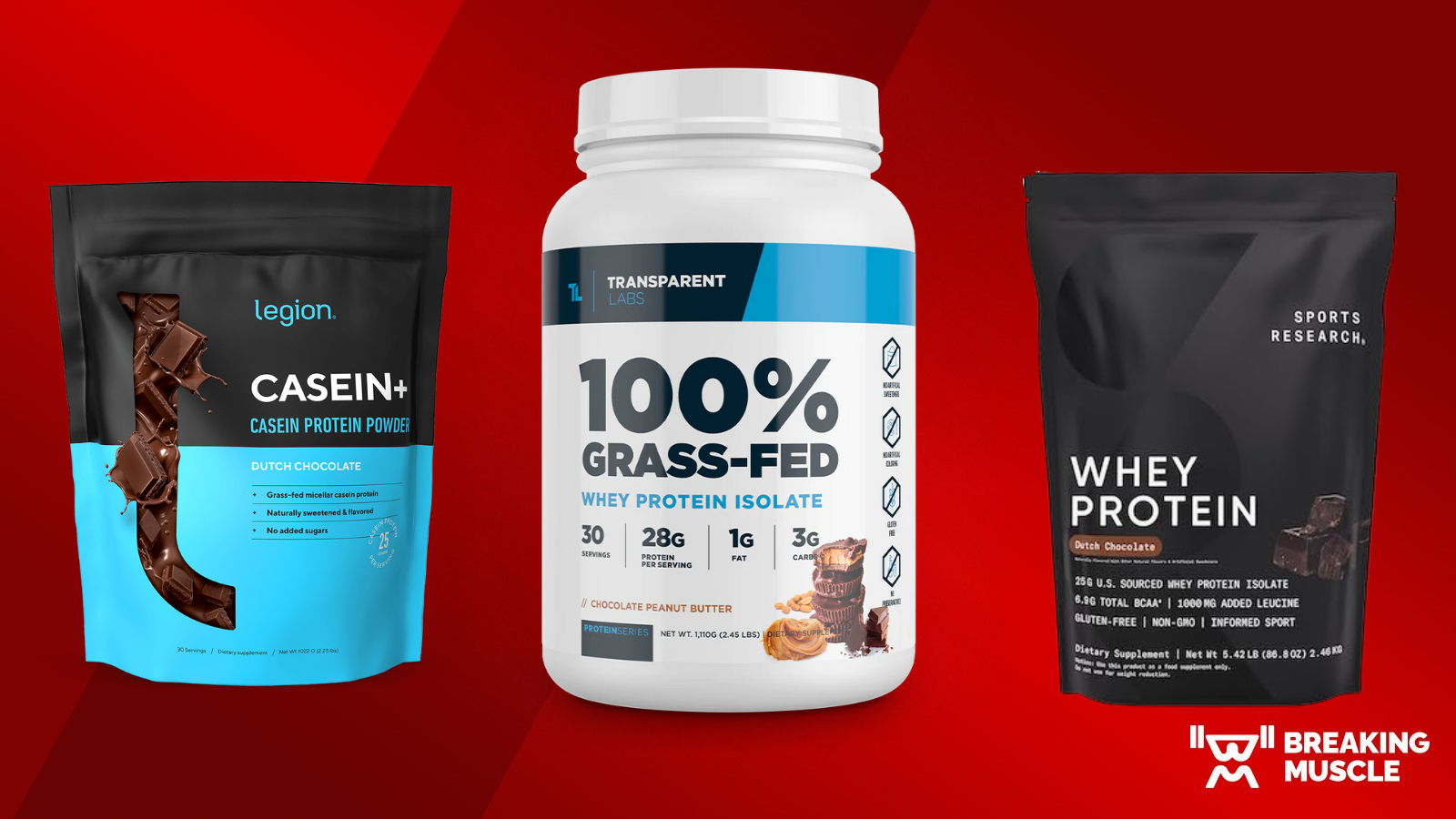
- Casein Protein: Also derived from milk, casein is a "slow-digesting" protein. It forms a gel in the stomach, releasing amino acids gradually over several hours. This makes it excellent for sustained satiety and providing a continuous supply of amino acids, particularly beneficial before bed or during long periods between meals.
- Plant-Based Protein: A fantastic option for vegans, vegetarians, or those with dairy sensitivities. Common sources include:
- Pea Protein: Highly digestible and rich in branched-chain amino acids (BCAAs).
- Brown Rice Protein: Often combined with pea protein to create a more complete amino acid profile.
- Soy Protein: A complete protein, though some prefer to limit soy intake.
- Blends: Many plant-based powders combine several sources (e.g., pea, rice, hemp, quinoa) to achieve a comprehensive amino acid profile.
For weight loss, whey isolate and plant-based blends (that are low in added sugars and fats) are often preferred due to their high protein-to-calorie ratio. Casein can be particularly useful for managing hunger.
Integrating Protein Powders into Your Weight Loss Meal Plan
Beyond simply mixing with water, protein powders can be a versatile tool to enhance the nutritional profile of many meals and snacks.
Smart Shake Strategies: Beyond Just Water
While a simple shake with water is effective, you can transform it into a more satisfying and nutrient-dense mini-meal.
- The Power Smoothie: Blend your protein powder with unsweetened almond milk or water, a handful of spinach (you won’t taste it!), half a banana or a handful of berries for fiber and natural sweetness, and a tablespoon of chia seeds or flax seeds for healthy fats and extra fiber. This creates a balanced, filling, and delicious option.
- Coffee Infusion: Add a scoop of unflavored or vanilla protein powder to your morning coffee (blend well!) for a protein boost without extra calories.
Boosting Meals: Adding Protein to Everyday Dishes
Protein powder isn’t just for shakes. Get creative with how you incorporate it into your existing diet.

- Oatmeal Upgrade: Stir a scoop of unflavored or vanilla protein powder into your cooked oatmeal after it has cooled slightly (to prevent clumping). This significantly increases the protein content, making your breakfast more satisfying.
- Yogurt Parfaits: Layer Greek yogurt, protein powder (mixed into the yogurt or sprinkled on top), berries, and a sprinkle of low-sugar granola for a high-protein, nutrient-rich snack or breakfast.
- Pancake/Waffle Batter: Mix a scoop or two into your favorite whole-grain pancake or waffle batter for a more filling and muscle-friendly breakfast.
- Soup Thickener: A small amount of unflavored protein powder can be stirred into creamy soups to add protein and a bit of thickness.
Snack Smart: High-Protein Options
Strategic snacking can be a game-changer for weight loss, preventing extreme hunger and maintaining stable energy levels.
- Protein Bars: Choose bars with a good protein-to-calorie ratio, low sugar, and healthy ingredients. Read labels carefully.
- Protein Pudding: Mix casein protein powder with a small amount of milk or water until it forms a thick, pudding-like consistency. A delicious, slow-digesting treat.
- Edamame: A convenient and complete plant-based protein snack.
- Hard-Boiled Eggs: Portable, affordable, and packed with protein.
The Role of Protein in Post-Workout Recovery
After a challenging workout, your muscles are primed to absorb nutrients for repair and growth. Consuming protein within an hour or two post-exercise provides the amino acids necessary to kickstart this recovery process. A protein shake is particularly efficient here due to its rapid absorption, but a whole food meal rich in protein and complex carbohydrates works just as well. This helps reduce muscle soreness, replenish glycogen stores (if carbs are included), and prepare your body for your next session.
Practical Tips for Maximizing Protein’s Impact
Integrating protein effectively into your diet is just one piece of the puzzle. For optimal fat loss and overall health, consider these complementary strategies.
Hydration: The Unsung Hero
Often overlooked, adequate hydration is fundamental for all bodily functions, including metabolism and appetite control. Sometimes, what feels like hunger is actually thirst. Aim to drink plenty of water throughout the day. It supports nutrient transport, helps flush out toxins, and can contribute to feelings of fullness. Keep a water bottle handy and sip regularly.

Resistance Training: Non-Negotiable for Muscle Preservation
While protein is essential for muscle preservation, it needs a stimulus. Resistance training (lifting weights, bodyweight exercises, resistance bands) is the signal your body needs to tell it to hold onto and even build muscle mass. Combine your smart protein intake with 2-4 strength training sessions per week to maximize fat loss and achieve a toned physique. Without it, even high protein intake won’t optimally preserve muscle in a deficit.
Mindful Eating: Listening to Your Body
Pay attention to your hunger and fullness cues. High-protein foods naturally aid in this by promoting satiety. Eat slowly, savor your food, and put your fork down between bites. Distinguish between true physical hunger and emotional eating or cravings. This practice helps you avoid overeating and makes you more aware of how different foods affect your body.
Consistency Over Perfection
The biggest determinant of success in any fitness journey is consistency. Don’t aim for perfection; aim for consistent progress. Missing a protein target one day or having a less-than-ideal meal won’t derail your entire journey. Get back on track with your next meal. Small, consistent efforts compound over time into significant results.
What to Look for in a Protein Powder (General Guidelines)
If you decide to incorporate protein powders, choosing the right one can make a difference. Focus on these general qualities, rather than specific brands.
Protein Content per Serving
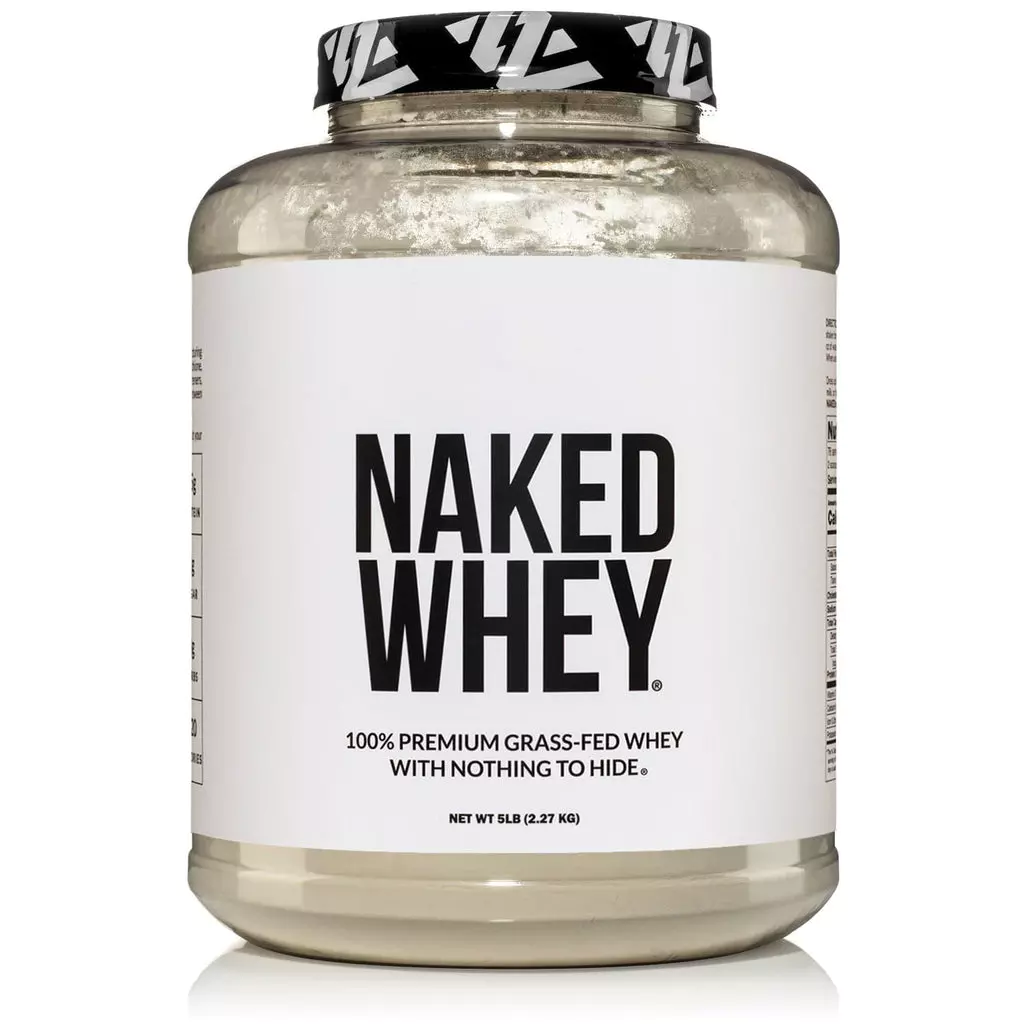
For weight loss, look for powders that provide a high amount of protein per serving (typically 20-30 grams) with a relatively low calorie count. A good rule of thumb is to look for a powder where at least 70-80% of the calories come from protein. This usually means minimal fat and carbohydrates.
Minimal Added Sugars and Fillers
Avoid powders with excessive added sugars, artificial sweeteners (if you prefer natural options), or unnecessary fillers. While some natural sweeteners (like stevia or monk fruit) are acceptable, large amounts of added sugars contribute empty calories that can hinder your weight loss goals. Always check the ingredient list.
Ingredient Transparency
Choose products from companies that are transparent about their ingredients and sourcing. A clear, concise ingredient list is often a good sign. If you have dietary restrictions or allergies, carefully review the label for common allergens like soy, dairy, or gluten.
Taste and Mixability (Personal Preference)
No matter how nutritionally sound a protein powder is, if you don’t enjoy the taste or find it difficult to mix, you won’t use it consistently. Many companies offer sample sizes, or you can check reviews regarding taste and texture. Experiment with different flavors and types until you find one you genuinely like.

Third-Party Testing
For added assurance of quality, purity, and safety, look for protein powders that have undergone third-party testing. Organizations like Informed-Sport, NSF Certified for Sport, or Labdoor independently verify that products contain what their labels claim and are free from contaminants and banned substances. This is especially important for competitive athletes but provides peace of mind for anyone.
Final Thoughts: Is Protein for Weight Loss Worth It?
As a fitness professional, I can confidently say that prioritizing protein is an indispensable strategy for anyone serious about lasting fat loss and maintaining a healthy, strong body. While protein powder is certainly not a magic bullet or a necessity for success, its convenience and effectiveness make it a highly valuable tool in a holistic approach to weight management.
By integrating a high-protein diet with consistent resistance training, adequate sleep, and mindful eating habits, you create an optimal environment for your body to shed fat, preserve muscle, and boost your metabolism. Protein empowers you to feel fuller for longer, recover faster, and build the lean physique you’re working towards.
Remember, your fitness journey is a marathon, not a sprint. Embrace the power of protein, make informed choices, and commit to consistency. Your efforts will not only transform your body but also cultivate a healthier, more energetic, and more confident you. Start today, and sculpt your success!