
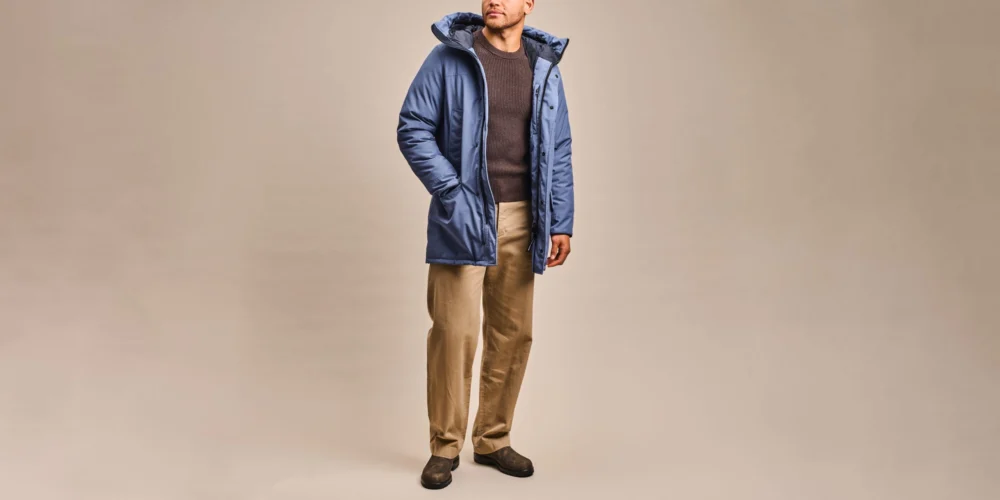
Winter’s arrival often brings a sense of dread for many. The days shorten, the temperatures plummet, and the allure of staying bundled indoors becomes almost irresistible. But for the dedicated fitness enthusiast, the cold weather is merely another opportunity to push boundaries and refine our training. The challenge, however, lies in finding outerwear that can keep pace with our active lifestyles while also ensuring we look and feel good, even when the weather is at its most unforgiving.
Gone are the days when staying warm meant sacrificing style. Today’s innovative apparel offers a sophisticated blend of cutting-edge technology and aesthetic appeal, allowing you to transition seamlessly from your morning run to a casual coffee date, all while being protected from the elements. This isn’t about bulky, shapeless garments that restrict your movement; it’s about intelligent design that enhances your performance and elevates your presence.

This article delves into the world of winter outerwear, highlighting pieces that don’t just shield you from the cold, but actively contribute to your comfort and confidence. We’ll explore the features that make these garments stand out, offer practical advice for choosing the right option for your needs, and provide real-world examples of how to integrate them into your active winter wardrobe.
The Science of Staying Warm: What to Look For in Your Winter Armor
When the mercury drops, the right insulation and fabric technology become paramount. Understanding these elements will empower you to make informed decisions that align with your activity level and the severity of the conditions you’ll face.

Insulation: The Heart of Warmth
The primary role of any winter garment is to trap body heat. This is achieved through insulation, which can be either natural (down) or synthetic.
- Down Insulation: Prized for its exceptional warmth-to-weight ratio, down is incredibly lightweight and compressible. It consists of the soft, fluffy undercoating of birds, typically geese or ducks. The "fill power" of down (e.g., 600, 700, 800) indicates its loft and insulating capacity – higher numbers mean better insulation for the same weight.
- Pros: Extremely warm, lightweight, compressible, highly breathable.
- Cons: Loses insulating ability when wet, can be expensive, requires specific care.
- Synthetic Insulation: Made from polyester fibers, synthetic insulation mimics the properties of down but offers superior performance when wet. It’s often more durable and easier to care for.
- Pros: Insulates even when wet, generally more affordable than down, durable, easy to care for.
- Cons: Can be bulkier and less compressible than down for the same level of warmth.
Shell Materials: Your First Line of Defense
The outer layer of your winter garment, the shell, plays a crucial role in protecting you from wind and moisture.

- Water-Resistant: This means the fabric can repel light rain and snow but will eventually soak through in heavier precipitation. It’s suitable for dry, cold conditions or light drizzles.
- Waterproof: These materials offer the highest level of protection against water penetration, often through specialized membranes and sealed seams. They are essential for wet and snowy environments.
- Windproof: A windproof shell prevents cold air from penetrating the garment, which is critical for maintaining core body temperature, especially during high-intensity activities.
Fit and Design: Function Meets Form
Beyond materials, the cut and features of your outerwear significantly impact its effectiveness and comfort.
- Fit: A garment that’s too tight can restrict blood flow, making you feel colder. Conversely, a jacket that’s too loose can allow drafts to enter. Aim for a fit that allows for comfortable layering over your workout clothes without being baggy.
- Hoods: An insulated and well-fitting hood is vital for protecting your head and neck from the cold and wind. Features like adjustable drawcords can further enhance warmth by sealing out drafts.
- Cuffs and Hem: Storm cuffs (often elasticated or ribbed) at the wrists prevent wind from entering, while a cinchable hem can be tightened to seal in warmth around your waist.
- Pockets: Strategically placed and well-lined pockets are essential for keeping your hands warm and for securely storing essentials like your phone, keys, or wallet.
Top Winter Outerwear Picks: Style, Warmth, and Performance
Navigating the vast landscape of winter apparel can be daunting. We’ve curated a selection of highly-rated options that excel in both functionality and aesthetic appeal, ensuring you can brave the elements without compromising your look.

The Versatile Puffer: Your Everyday Essential
Puffer jackets have become a staple for a reason. They offer excellent warmth without excessive bulk, making them ideal for a wide range of winter activities.
- The Everyday Champion: For those seeking a reliable workhorse that effortlessly blends warmth, style, and durability, a well-designed puffer jacket is your best bet. Look for models with a high fill-power down or effective synthetic insulation. A water-resistant shell is a bonus for those unexpected flurries or light rain. The key is a relaxed yet streamlined fit that allows for layering and freedom of movement.
- Practical Tip: When layering, opt for thin base layers and a mid-weight sweater. This allows the puffer’s insulation to work effectively without creating a bulky silhouette.
- Real-Life Example: Imagine heading out for a brisk 5k run on a crisp autumn morning. A well-fitting puffer jacket provides the necessary warmth without restricting your stride. Post-run, you can easily transition to a coffee shop without feeling overdressed or out of place.
The Technical Parka: For When the Weather Bites Back
When winter truly asserts its dominance, a more robust parka becomes indispensable. These longer, more insulated jackets offer superior protection against severe cold and harsh weather conditions.

- The Ultimate Shield: For extreme cold or prolonged exposure to the elements, a technical parka is your ultimate defense. These often feature waterproof or highly water-resistant shells, substantial insulation (down or synthetic), and advanced features like adjustable hoods, storm cuffs, and multiple, well-placed pockets. The longer length provides crucial coverage for your lower body, adding an extra layer of warmth.
- Practical Tip: When choosing a parka, consider its weight and how it will affect your mobility. While warmth is paramount, you still want to be able to move comfortably.
- Real-Life Example: Picture yourself embarking on a winter hike through snow-covered trails. A technical parka will keep you protected from biting winds and falling snow, allowing you to focus on the scenery and the physical challenge, rather than the discomfort of the cold. The ample pocket space is perfect for stashing trail mix, a map, and extra gloves.
The Sophisticated Wool Blend: Elevating Your Winter Style
For those occasions when a more polished aesthetic is desired, a wool blend coat offers a refined alternative that doesn’t compromise on warmth.
- The Stylish Statement: For days when you need to look sharp without succumbing to the chill, a well-tailored wool blend coat is an excellent choice. These garments often combine the natural warmth and sophisticated texture of wool with the durability and weather resistance of synthetic fibers. They are perfect for transitioning from professional settings to evening engagements.
- Practical Tip: Layering is key with wool blend coats. Opt for a fine-gauge knit or a slim-fit sweater underneath to maintain a sleek silhouette.
- Real-Life Example: Attending an outdoor winter event or heading to a formal dinner? A stylish wool blend coat provides ample warmth and a touch of elegance, ensuring you make a confident impression even in chilly temperatures.
Integrating Outerwear into Your Active Winter Routine
Choosing the right winter coat is only half the battle. Understanding how to integrate it into your active lifestyle will maximize its benefits and ensure you stay comfortable and motivated throughout the colder months.

Layering for Success
Layering is the cornerstone of effective winter dressing, allowing you to adapt to changing temperatures and activity levels.
- Base Layer: This is your first line of defense against the cold, designed to wick moisture away from your skin. Think moisture-wicking t-shirts and long-sleeved tops made from merino wool or synthetic materials.
- Mid Layer: This layer provides insulation. Fleece jackets, down vests, or lightweight down jackets are excellent mid-layer options. They trap body heat and can be added or removed as needed.
- Outer Layer: This is your protective shell – your puffer jacket, parka, or wool blend coat. It shields you from wind and precipitation while retaining the warmth generated by your inner layers.
Activity-Specific Considerations
- High-Intensity Activities (Running, Cycling): Opt for lighter, more breathable outerwear that offers wind protection but allows for heat to escape. A water-resistant shell with good ventilation is crucial.
- Moderate-Intensity Activities (Hiking, Brisk Walks): A versatile puffer jacket or a lighter parka with good insulation and weather resistance is ideal. The ability to layer is key here.
- Low-Intensity Activities (Commuting, Errands): A warmer, more insulated parka or a stylish wool blend coat will provide maximum comfort and protection.
Maintaining Your Outerwear
To ensure your winter gear performs optimally for seasons to come, proper care is essential.
- Follow Care Labels: Always adhere to the manufacturer’s instructions for washing and drying.
- Clean Down Regularly: Down jackets should be washed periodically to maintain their loft and insulating properties. Use a mild detergent and tumble dry on low heat with tennis balls to help fluff the down.
- Waterproof Garments: Reapply water-repellent finishes periodically to maintain the shell’s protective capabilities.
The Unwavering Spirit of Winter Fitness
Winter is not a season to hibernate; it’s a season to adapt, to embrace new challenges, and to discover the resilience within yourself. The right outerwear is not just a shield against the cold; it’s an enabler of your active pursuits. It’s the confidence boost that allows you to step out the door when the thermometer plummets, the comfort that keeps you focused on your stride, and the style that reminds you that even on the dreariest of days, you can look and feel your best.
Embrace the crisp air, the glistening frost, and the invigorating chill. With the right winter coat or jacket, you’re not just enduring the cold – you’re conquering it. So, gear up, step out, and let the winter season fuel your fitness journey. The cold may be biting, but your spirit is unyielding.