
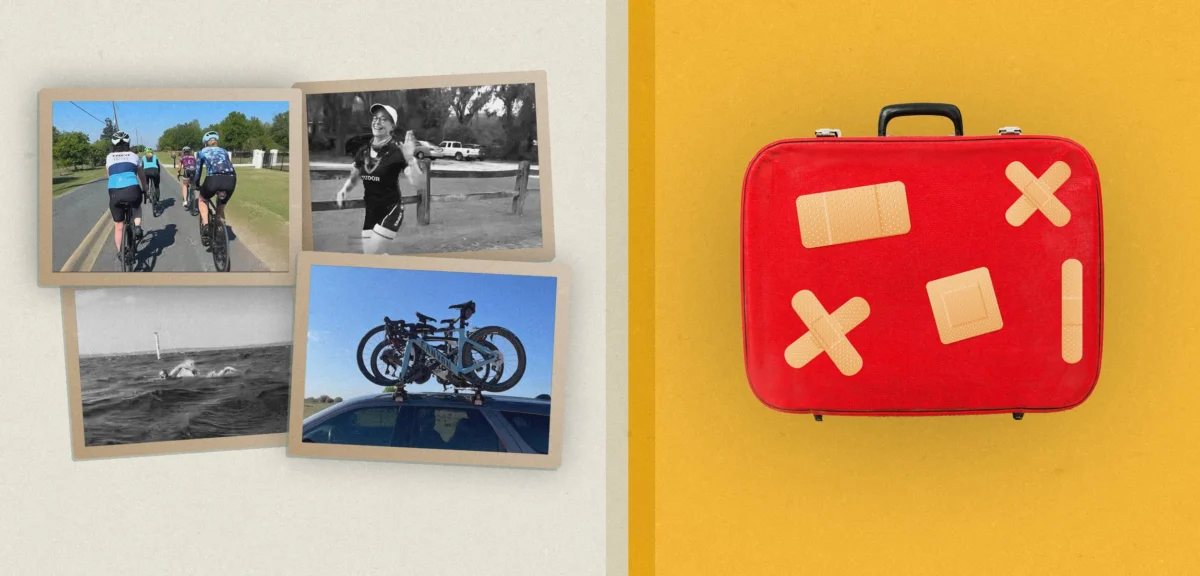
The phrase "Paincation" conjures images of masochistic athletes pushing their bodies to the absolute brink, a week-long festival of suffering for the sake of athletic glory. I recently returned from my own immersive experience, a five-day triathlon training camp, and while "pain" was certainly a recurring theme, I discovered that the true lessons learned extended far beyond the immediate burn. This wasn’t just about enduring discomfort; it was about unlocking a deeper, more sustainable approach to fitness that benefits beginners and intermediate enthusiasts alike.
For those unfamiliar with the concept, a "Paincation" is essentially a dedicated training retreat. It’s a deep dive into your chosen discipline – in my case, triathlon – where the sole focus is on swimming, biking, and running, often with expert coaching and a supportive group of like-minded individuals. My own "Paincation" was a precursor to a much larger goal: an Ironman 70.3 triathlon later this year. While the idea of paying to push my limits initially felt a bit like a luxury indulgence, the experience proved to be far more transformative than I ever anticipated.
The "Get It To 100" Mantra: More Than Just a Number
Day five of my camp, and the instruction from my coach, Robert Peninno of Terrier Fitness, was simple: "Get it to 100." He wasn’t yelling; he wasn’t pleading. It was a factual directive, akin to telling us where to park. I was on the bike, my legs churning at 97 revolutions per minute (RPMs), a pace that felt foreign and, frankly, a little uncomfortable. My usual cycling style favors a lower cadence with more resistance, a style I secretly found myself resenting at that moment.
This seemingly small instruction, "Get it to 100," became a microcosm of the entire week. It highlighted a fundamental shift in my understanding of training. I realized that often, we get so caught up in the idea of "hard work" that we overlook the power of precision and efficiency. This camp, despite its intense schedule, wasn’t designed to break us down. It was about building us up, incrementally and intelligently.
Patience: The Unsung Hero of Endurance
The endurance sports world is currently abuzz with the concept of "durability." It’s the ability to maintain performance over long distances, to slow down the least when the going gets tough. My own coach, Liz Waterstraat, has consistently emphasized that durability isn’t forged through chasing Strava KOMs or executing grueling, one-off workouts. Winning athletes and seasoned coaches alike echo this sentiment: true durability is built through consistent, comfortable efforts, punctuated by the occasional very long, easy session. And, crucially, it’s supported by strength training.
On the surface, this sounds simple. But in practice, it’s a difficult message to sell. We’re often conditioned to believe that progress comes from pushing boundaries, from feeling the burn, from achieving a state of exhaustion. This camp, however, provided a living testament to the power of patience.
We trained across all three disciplines daily, but the intensity was carefully managed. Each workout was a building block, designed not to incapacute us, but to prepare us for the next. Robert’s philosophy was clear: "I’m not here to turn you into one-week superheroes who need a nap for the next month. Just steady, solid work all week. The magic isn’t in one big workout. It’s in all the small, consistent ones that nobody brags about."
By day four, my cumulative training load mirrored what I would typically experience after seven days of a rigorous build week. Yet, I felt surprisingly good. My usual aches and pains were conspicuously absent. Even on day five, when the training stress significantly ramped up beyond my typical weekly load, I didn’t feel the familiar urge to declare myself "totally toast."
Key Takeaway for Beginners & Intermediate Athletes:
- Embrace the "Easy" Days: Don’t underestimate the power of low-intensity, longer-duration workouts. These are crucial for building your aerobic base and developing the endurance needed for longer events.
- Consistency Over Intensity (Mostly): While challenging workouts have their place, prioritize showing up consistently. A steady rhythm of training will yield more sustainable results than sporadic, all-out efforts.
- Listen to Your Body: Learn to distinguish between productive discomfort and warning signs of overtraining. Patience allows you to develop this crucial self-awareness.
The Power of Micro-Wins: Small Details, Big Impact
Beyond the overarching principle of patience, my "Paincation" illuminated the profound impact of focusing on the seemingly insignificant details. As Robert wisely put it, "Sometimes the real progress comes from focusing on the details—your form, your rhythm, your breathing, your consistency. Speed will come; efficiency lasts."
The allure of a Strava Course Record or a personal best on a single segment can be intoxicating. But the true measure of athletic success isn’t just about raw power or speed; it’s about how efficiently you can generate and sustain that power. In cycling, for example, cyclists who can produce impressive wattage might still be slower than their more efficient counterparts due to "leaks" in their form or pacing errors that drain metabolic energy unnecessarily.

This camp provided a practical laboratory for honing these details. We worked on:
- Cycling Smoothness: Refining the pedal stroke for maximum power transfer with minimal wasted effort.
- Running Cadence: Improving stride frequency to reduce ground contact time and enhance neuromuscular efficiency.
- Swimming Technique: Focusing on reducing drag and maximizing the power of each catch to move through the water more effectively.
- Head Position: Subtle adjustments in running form that can significantly impact efficiency and breathing.
- Consistent Fueling: Understanding the timing and type of nutrition needed to sustain performance throughout a workout and a race.
For me, someone who didn’t win my first race and has had to earn every bit of fitness, these "little things" are my secret weapons. They are the compounding factors that, when stacked together, transform into significant gains.
Actionable Advice for Your Training:
- Record Yourself: Use your phone to film your running stride, swimming stroke, or cycling form. Analyze it with a critical eye, or better yet, share it with a coach or experienced friend.
- Focus on One Thing at a Time: Don’t try to overhaul your entire technique in one session. Pick one detail, like your arm recovery in swimming or your foot strike in running, and dedicate a workout to improving it.
- Embrace Drills: Incorporate sport-specific drills into your warm-ups and cool-downs. These are designed to isolate and improve specific aspects of your technique.
- Practice Your Nutrition: Don’t wait until race day to figure out what works for your body. Experiment with different fuel sources and timing during your training sessions.
Play: The Underrated Engine of Motivation
In our relentless pursuit of athletic improvement, it’s easy to get bogged down in the logistics. The early morning alarms, the meticulously planned nutrition shakes, the intricate scheduling to squeeze in workouts before or after work – it all becomes a finely tuned machine. We become masters of optimization, sacrificing personal time and sometimes, the sheer joy of movement.
My "Paincation" offered a refreshing antidote to this seriousness. Suddenly, the planning was handled. Someone else knew the bike routes, so I just had to ride. The swim lanes were secured, the drills prepared, so I just had to swim. We ran on beautiful, unfamiliar trails, tested our limits, learned from each other, and shared laughter over meals at the end of demanding days. It felt, dare I say, like play. Like being a kid whose only job was to engage in joyful movement.
This sense of "play" is an incredibly powerful, yet often overlooked, component of sustained fitness. When we reconnect with the intrinsic enjoyment of our sport, the motivation to train becomes less of a chore and more of a desire.
How to Inject More "Play" into Your Fitness:
- Explore New Environments: Instead of always running the same loop, discover new trails, parks, or urban routes. For cyclists, seek out scenic backroads or challenging gravel paths.
- Join a Group: Find a running club, cycling group, or masters swim team. The camaraderie and shared experience can make workouts more enjoyable.
- Try Different Activities: If you’re a runner, try a beginner’s yoga class. If you’re a cyclist, explore a trail run. Cross-training can keep things fresh and prevent burnout.
- Focus on the Feeling: After a workout, instead of immediately checking your stats, take a moment to appreciate how your body feels. Notice the sense of accomplishment and the physical well-being.
The True "Paincation" Outcome
So, did I survive my "Paincation"? Absolutely. But more importantly, I thrived. The name itself, while catchy, only tells half the story. The real transformation wasn’t about enduring pain; it was about embracing patience, perfecting the details, and rediscovering the joy of movement.
The "Paincation" wasn’t about suffering for suffering’s sake. It was about strategically pushing boundaries, learning new techniques, and building a foundation of sustainable fitness. It was a reminder that true athletic progress isn’t always about the loudest roar of effort, but often about the quiet, consistent hum of dedication.
As I prepare for my Ironman 70.3, I carry these lessons with me. The goal is no longer just to finish, but to finish strong, efficiently, and with a renewed appreciation for the journey. Because in the end, if you can find the joy in the process, the "pain" becomes a mere stepping stone to something far more rewarding.