
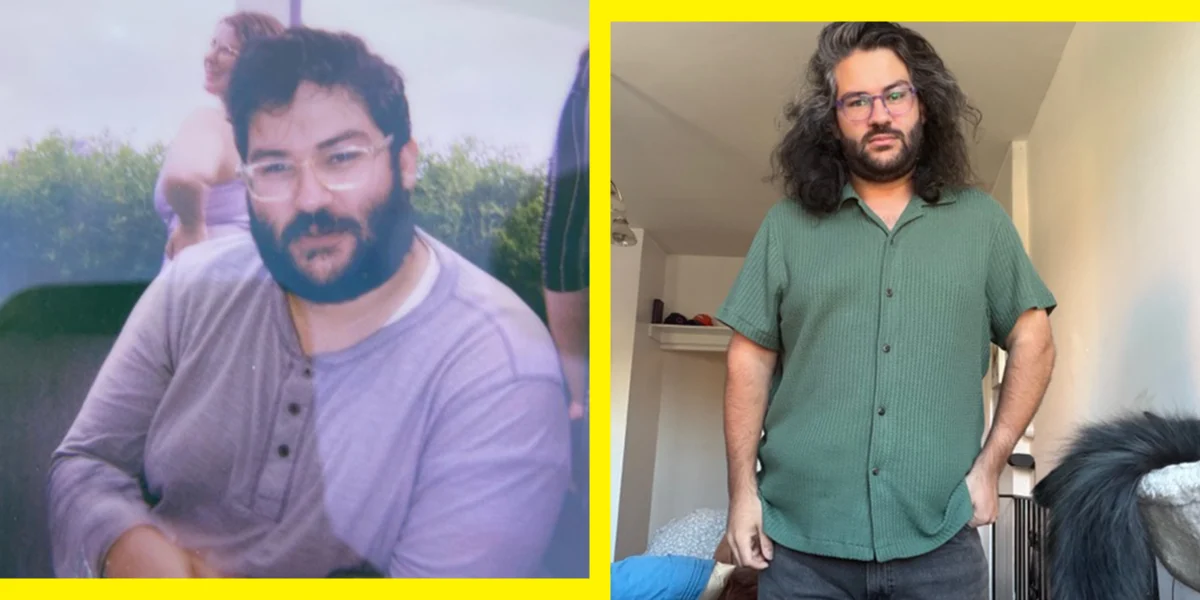
For many, the journey to significant weight loss feels like an insurmountable mountain, fraught with restrictive diets and grueling workouts that often lead to burnout and discouragement. But what if the key to lasting change wasn’t about deprivation, but about intelligent management? This is the story of how a therapist, who once found comfort in food and felt the sting of hypocrisy for not applying his own advice, built a realistic and sustainable "calorie account" that led to a remarkable 70-pound weight loss and a profound transformation of his life.
Mike Armory, at 34, understood the intricate relationship between emotions and eating. As a child, food was his solace amidst family tensions and the adjustment to new environments. This pattern, amplified by hours spent immersed in video games, carried into adulthood. The irony was not lost on him: as a therapist dedicated to guiding others toward positive change, he felt like an imposter, unable to navigate his own wellness. A series of debilitating health issues finally served as the catalyst, pushing him to confront his struggles and devise a strategy for lasting well-being.
The Roots of Weight Gain: More Than Just Food
Mike’s weight gain wasn’t a sudden event, but a gradual accumulation rooted in childhood experiences. Initially a lean child, the shift began after his parents’ remarriage and a move to New Jersey. Navigating the complexities of his parents’ relationship and frequent travel to see his father in Pennsylvania created an emotional turmoil that, in retrospect, Mike recognizes as early signs of depressive symptoms.
In this vulnerable state, food became an accessible and immediate comfort. The abundance of snacks at home and the habit of taking second helpings at dinner, coupled with long hours of sedentary video gaming, cemented an unhealthy cycle. Food and video games became intertwined with his identity, offering a temporary escape from emotional discomfort. Compounding this was a distinct lack of guidance regarding nutrition, fitness, and weight management during his formative years, which only served to entrench these detrimental habits.
Even during periods where Mike was active and participated in sports, the fundamental truth remained: you cannot outrun a poor diet. His approach to eating was driven solely by taste, with no consideration for caloric intake or macronutrient balance. This "eat what tastes good" philosophy proved disastrous. When faced with feelings of depression or boredom, ordering a substantial amount of fast food became a quick fix, a fleeting moment of solace delivered to his doorstep.
Despite consuming large quantities of food, Mike experienced persistent low energy and a constant feeling of sluggishness. His physical appearance contributed to a deep-seated lack of confidence and self-worth. While he harbored aspirations for change, the pervasive lethargy often prevented him from fully committing to the pursuit of those goals.
The Wake-Up Call: Health Issues at 31
For decades, Mike had relied on food as an emotional crutch, a coping mechanism that prevented him from addressing the underlying issues impacting his mental health. The professional irony of being a therapist who wasn’t practicing what he preached weighed heavily on him. He understood the importance of accountability for his patients but struggled to apply it to his own life.
The pivotal moment arrived when Mike’s weight reached a staggering 321.6 pounds. This extreme weight began to manifest in severe foot injuries, leaving him bedbound for weeks at a time. The physical toll extended further, leading to the diagnosis of sleep apnea, necessitating the use of a CPAP machine. At just 31 years old, witnessing his body break down in such alarming ways was a terrifying reality check. He recognized that his quality of life was deteriorating at an unsustainable rate, and he was too young to accept such a decline.
Building a Sustainable "Calorie Account": The Power of Smart Budgeting
Mike had attempted weight loss before, but his previous efforts were unsustainable. A ketogenic diet, for instance, resulted in an initial loss of over 50 pounds, only for him to regain it all, and more, once he stopped. This experience taught him a crucial lesson: the goal was not a temporary diet, but the cultivation of enduring eating habits. This meant delving into the science of calories and macronutrients, shifting his focus from the immediate gratification of taste to the long-term impact of food on his body’s well-being.

Previously, Mike’s meals consisted of large portions, often involving takeout or delivery. He would typically order both an entree and an appetizer for each meal, consuming this pattern two to three times daily. He estimated his daily caloric intake was likely exceeding 4,000 calories.
To gain control over his consumption, Mike adopted a new strategy: the "calorie account." This approach mirrored a financial budget, where he allocated a specific number of calories to "spend" each day. This framework provided a tangible way to track his intake and plan his meals. While he acknowledges there were days he overspent his budget, the key was making up for it by being under budget the following day, creating a balanced approach rather than rigid restriction.
Practical Steps to Calorie Management:
- Utilize a Calorie Calculator: Mike began by using a calorie calculator to understand his baseline needs and to set realistic weight loss goals. Aiming for a sustainable one pound per week was broken down into manageable monthly and weekly targets.
- Prioritize Nutrient-Dense Foods: His diet underwent a significant overhaul, moving away from fried foods and processed meals. He embraced an abundance of vegetables, healthy carbohydrates, and lean proteins. Foods like rice and grilled chicken became staples, providing satiety and essential nutrients.
- Strategic Sweet Tooth Management: To satisfy his cravings for sweets without derailing his progress, Mike incorporated low-calorie candies and zero-calorie beverages like soda and sports drinks. These acted as crucial tools for managing his sweet tooth within his calorie budget.
- Listen to Your Body: Beyond just counting calories, Mike started paying attention to how different foods made him feel. He learned to identify foods that promoted satiety and sustained energy levels, further refining his dietary choices.
The Role of Movement and Community in Transformation
When it came to physical activity, Mike’s approach was gradual and progressive. Once his foot injuries allowed, he focused on increasing his daily step count. Over two and a half years, he meticulously increased his daily steps from 4,000 to over 10,000. This consistent movement not only significantly boosted his mental health but also created additional "budget" in his calorie account, as it burned a substantial number of calories.
Workout Tips for Beginners and Beyond:
- Start Small and Be Consistent: Don’t feel pressured to engage in intense workouts from day one. Begin with activities you enjoy and can sustain. For Mike, it was walking. Gradually increase the duration, intensity, or frequency as your fitness improves.
- Set Achievable Movement Goals: Whether it’s hitting a step count, completing a certain number of minutes of activity, or mastering a new exercise, set small, achievable goals. These build momentum and reinforce a sense of accomplishment.
- Explore Your Surroundings: Mike found motivation by exploring his neighborhood on foot. This not only provided a physical challenge but also fostered a deeper connection with his community. Make your workouts an opportunity for discovery.
- Incorporate Variety: As Mike progressed, he discovered a passion for biking and now includes weightlifting in his routine. Introducing different forms of exercise keeps things interesting and works your body in diverse ways, preventing plateaus.
The Power of Public Accountability and Community Support:
A significant motivator for Mike was his decision to share his journey publicly on Instagram once a week. He posted about his progress, his learning experiences, and his struggles with unflinching honesty. This commitment to authenticity, showcasing both successes and setbacks, resonated with his audience. The feedback he received, both publicly and privately, served as a powerful source of encouragement, fostering a sense of community and shared purpose. Knowing people were rooting for him provided the impetus to push through challenging moments.
It took Mike two and a half years to reach his initial goal of losing 70 pounds, a journey that spanned from October 2023 to February 2025. He experienced periods of significant loss, followed by minor setbacks due to stressful life events, which he strategically managed by adjusting his "calorie account" and recommitting to his goals. By February 2026, he stood at 248.9 pounds, a testament to his dedication and adaptable approach.
A Transformed Life: Beyond the Scale
The impact of Mike’s transformation extends far beyond the number on the scale. He describes feeling "great," with substantially improved energy levels, a more stable mood, and a significantly higher level of confidence. The accomplishment of achieving such a challenging long-term goal has instilled a profound sense of self-efficacy, proving to himself that he is capable of tackling difficult tasks and seeing them through.
While he has a goal of reaching a 100-pound loss, he feels content with his current weight and how he looks and feels. The journey has ignited a passion for new physical challenges. His recent addiction to biking has led to an ambitious goal for 2026: cycling from New York City to Philadelphia to attend a Phillies game, a feat that requires significant fitness and endurance. He also plans to incorporate more dedicated weightlifting into his routine, further enhancing his strength and leanness.
Your Journey Starts Now: Embracing a Sustainable Lifestyle
Mike’s advice to others embarking on their weight loss journey is profound and actionable:
- Integrate Others: Involve people in your process. Publicly sharing your progress, as Mike did, can be a powerful tool for accountability and motivation. The support of a community can be invaluable.
- Embrace Lifestyle Change, Not Just a Diet: View your journey as a fundamental shift in how you live, rather than a temporary diet to be abandoned once your goal is met. It’s about evolving into a better version of yourself.
- Practice Self-Compassion: Losing weight is one of life’s most challenging endeavors. Approach it with respect and seriousness, but also with kindness towards yourself.
- Dedicate for the Long Haul: If weight loss is a significant personal battle, it demands long-term commitment. Be prepared to adapt your strategies as you learn and grow.
- Cultivate Passion, Joy, and Community: Maintain a sense of enthusiasm for your progress, find joy in the process, and connect with others who share your goals.
Mike Armory’s story is a powerful reminder that sustainable weight loss is not about perfection, but about persistence, intelligent planning, and a compassionate approach to oneself. By mastering his "calorie account" and embracing movement and community, he didn’t just lose 70 pounds; he reclaimed his health, his confidence, and his life. Your own transformation is within reach. Start by building your sustainable "calorie account" today, and unlock the healthier, happier you.