
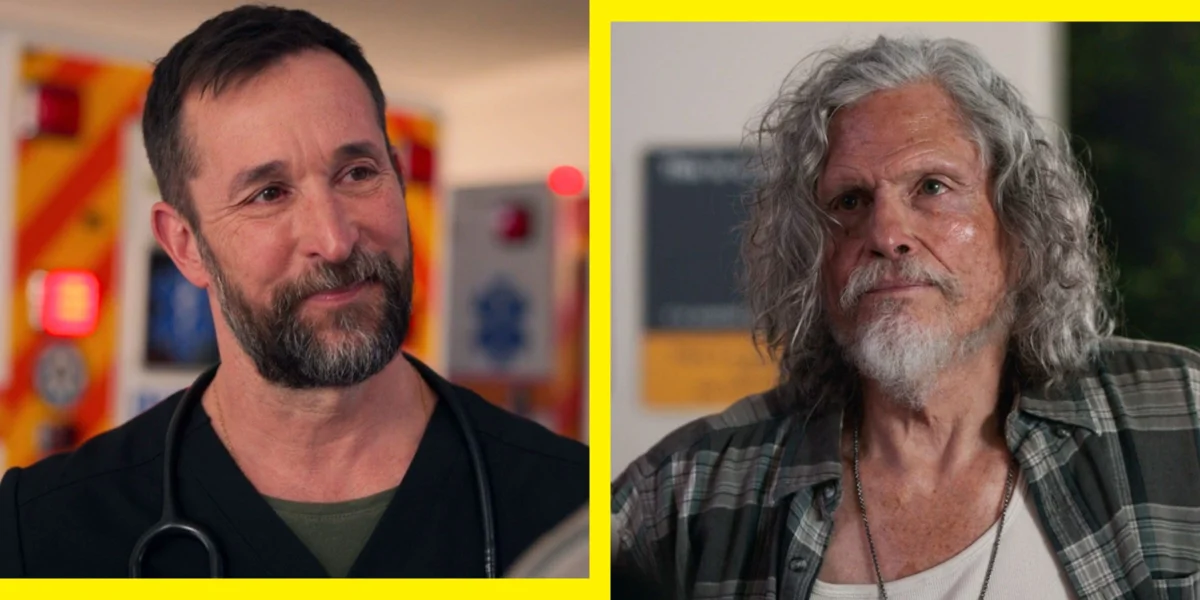
The intense world of emergency medicine is a constant dance with life and death, a high-stakes environment where split-second decisions can have profound consequences. For viewers of "The Pitt," the fictional Pittsburgh Trauma Medical Center, the latest episode plunges into the personal toll this demanding profession can take, particularly on its lead physician, Dr. Robby Robinavitch. Season 2, Episode 14, "8:00 P.M.," presents a raw and unflinching look at the mental health challenges faced by medical professionals, a narrative that resonates deeply with those on the front lines of healthcare.
This article delves into the critical conversation between Dr. Robby and his friend Duke, offering insights from an experienced Emergency Room doctor. We’ll explore the subtle yet powerful signs of burnout and depression, the importance of open communication, and how the realities portrayed on screen mirror the struggles faced by real-world physicians. For anyone navigating their own wellness journey, whether in the demanding world of healthcare or in pursuit of personal fitness goals, there are invaluable lessons to be learned from Dr. Robby’s experience.
The Weight of the Uniform: Recognizing the Signs
Dr. Robby’s journey throughout the second season of "The Pitt" has been a slow burn of internal struggle. While his dedication to patient care remains unwavering, his personal demeanor has shifted. This shift, as highlighted by Dr. Robert Glatter, an Assistant Professor of Emergency Medicine, is a classic indicator of deeper issues at play.
Beyond Irritability: Deeper Distress Signals
- Lingering Grief: The trauma of losing his mentor during the COVID-19 pandemic has clearly left a scar. This unresolved grief, simmering beneath the surface, can significantly impact emotional resilience.
- Emotional Exhaustion: The relentless pace of the ER, coupled with personal struggles, can lead to a profound sense of depletion. This isn’t just feeling tired; it’s a deep-seated exhaustion that affects one’s ability to cope.
- Withdrawal and Avoidance: A noticeable change in social interaction, such as difficulty making eye contact or a tendency to isolate, can be a sign of internal turmoil.
- Verbal Cues: Dr. Robby’s repeated statements about "not coming back" are not mere expressions of frustration. In a clinical context, these are significant warning signs, indicative of suicidal ideation.
Real-Life Connection: Think of this like pushing your body too hard in the gym without adequate rest and nutrition. Eventually, you hit a wall. For Dr. Robby, that wall is not physical, but emotional and psychological, built from years of cumulative stress.
The ER’s Unique Toll
Dr. Glatter points out that the very nature of emergency medicine creates a unique set of stressors:
- Constant Crisis: ER doctors are perpetually exposed to high-pressure situations, trauma, and loss.
- Unpredictable Environment: The chaotic and ever-changing nature of an ER demands constant adaptation and mental agility.
- Irregular Schedules: Long hours, overnight shifts, and disrupted sleep patterns take a significant toll on physical and mental well-being.
- Systemic Pressures: Issues like ED boarding (patients waiting for admission) add another layer of stress and frustration.
Actionable Insight: For fitness enthusiasts, this translates to understanding the importance of recovery. Just as an ER doctor needs downtime, your body needs rest days, proper sleep, and stress management techniques to prevent burnout and injury.

The Power of Connection: Duke’s Intervention
The introduction of Duke, Robby’s friend from outside the hospital, serves as a crucial turning point in the episode. This relationship offers a safe space for Robby to express his inner turmoil without the professional filters he might employ with colleagues.
A Different Kind of Conversation
- Unfiltered Honesty: With Duke, Robby doesn’t need to maintain a facade. He can be vulnerable and admit his struggles, a vital step in seeking help.
- Peer-Level Understanding: Duke, having faced his own challenges, can meet Robby at his level, offering empathy and validation without judgment.
- The Impact of Being Seen: Robby’s visible relief and surprise at Duke’s understanding underscore the profound impact of being truly heard and acknowledged.
Practical Application: In your fitness journey, don’t underestimate the power of a supportive community. Whether it’s a workout buddy, a fitness class, or an online forum, having people who understand your goals and challenges can make a world of difference.
Beyond the Medical Chart
Dr. Glatter emphasizes that Duke’s interaction with Robby is not just a plot device; it reflects a genuine need for connection outside the professional sphere.
- Bridging the Gap: This conversation highlights how personal relationships can be a critical lifeline for individuals struggling with mental health, especially in high-stress professions.
- Normalizing Vulnerability: Duke’s willingness to listen and acknowledge Robby’s pain helps to normalize the idea that even the strongest individuals can experience profound emotional distress.
Workout Analogy: Imagine you’re trying to master a complex lift. Sometimes, the best advice doesn’t come from a technical manual but from a seasoned coach who has seen you struggle and knows your personal limitations and strengths. Duke offers that kind of intuitive support.
The Harsh Realities of Physician Burnout
The episode bravely confronts the alarming reality of burnout and its severe consequences for emergency physicians. Dr. Glatter’s insights paint a stark picture:
Statistics That Speak Volumes
- Elevated Risks: ER doctors face significantly higher rates of depression, substance use, sleep disturbances, and suicide risk compared to other medical specialties.
- Shorter Lifespans: Disturbingly, studies suggest that emergency physicians may have shorter lifespans, with an average of around 58.7 years, a testament to the immense toll of their profession.
Connecting to Fitness: Just as a professional athlete must meticulously manage their physical and mental well-being to sustain peak performance, physicians must prioritize their health to continue providing essential care. Ignoring warning signs in either field can lead to burnout, injury, and long-term health consequences.

The Internal Conflict: Duty vs. Self-Preservation
Robby’s reluctance to step away, his impulse to "keep working through exhaustion," and the belief that leaving would disappoint others are common themes among physicians.
- The Hero Complex: Many in demanding professions develop a sense of invincibility, believing they are indispensable.
- Fear of Failure: Admitting vulnerability can be perceived as weakness, especially in fields where lives are on the line.
- Sense of Obligation: The inherent desire to help others can sometimes override the need for personal self-care.
Fitness Parallel: This mirrors the athlete who pushes through pain, ignoring the body’s signals for rest, believing they must always be performing at their best. This can lead to severe injuries and long-term setbacks.
Beyond the Screen: A Call to Action for Well-being
"The Pitt" season 2, episode 14, is more than just a dramatic storyline; it’s a powerful commentary on a critical issue within the medical community and a poignant reminder for all of us to prioritize our well-being.
Key Takeaways for Your Fitness Journey
- Listen to Your Body (and Mind): Just as Dr. Robby’s irritability and withdrawal were signs, your body and mind send signals when something is amiss. Don’t ignore fatigue, persistent low mood, or lack of motivation. These are not weaknesses but important messages.
- Prioritize Recovery: Rest, sleep, and active recovery are just as crucial as your workouts. They allow your body to repair and rebuild, preventing burnout and injury.
- Build a Support System: Connect with others who share your fitness goals or understand your challenges. A supportive community can provide motivation, accountability, and emotional support.
- Seek Professional Help When Needed: If you’re struggling with persistent fatigue, mood changes, or overwhelming stress, don’t hesitate to reach out to a healthcare professional, therapist, or counselor. Just as Dr. Robby eventually confides in Duke, seeking help is a sign of strength.
- Celebrate Small Victories: Acknowledge your progress, no matter how small. This can help combat feelings of inadequacy and maintain motivation.
The Importance of Open Dialogue
Dr. Glatter’s involvement and the emphasis on the conversation between Robby and Duke underscore the critical need for open dialogue about mental health.
- Breaking the Stigma: By portraying these struggles so realistically, "The Pitt" helps to chip away at the stigma surrounding mental health issues, particularly within demanding professions.
- Encouraging Help-Seeking: The episode serves as a powerful reminder that seeking help is a sign of strength, not weakness, and is essential for long-term well-being and continued effectiveness.
A Motivational Conclusion:
Dr. Robby’s journey in "The Pitt" is a stark reminder that even the most dedicated individuals can face immense personal challenges. The resilience we admire in others is often built on a foundation of self-awareness and the courage to seek support. In our own pursuits of health and fitness, let us remember that true strength lies not only in pushing our physical limits but also in nurturing our mental and emotional well-being. By embracing vulnerability, fostering supportive connections, and prioritizing our recovery, we can build a sustainable path to lasting health and fulfillment. The conversation between Robby and Duke, while fictional, echoes a vital truth: acknowledging our struggles is the first, most crucial step towards overcoming them and ultimately, thriving.