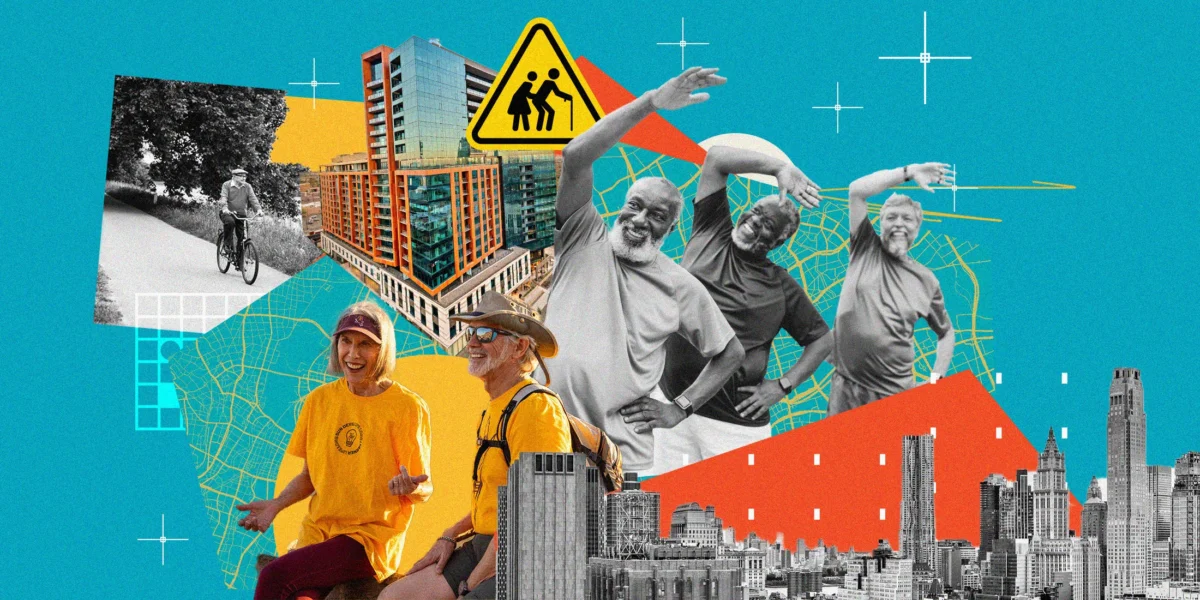
The landscape of aging is undergoing a profound transformation. As advancements in medicine, lifestyle, and a proactive approach to health extend our lifespans, the prospect of a century-long life is no longer a distant fantasy but an emerging reality. This era of "New Longevity" presents an unprecedented opportunity to redefine what it means to grow older, but it also raises a critical question: are our communities evolving at the same pace to support this extended, vibrant existence?
For millions, the desire to age in place – to remain in the comfort and familiarity of their own homes – is paramount. Fortunately, innovation in diagnostics, technology, and healthcare is steadily increasing our ability to achieve this. However, realizing this vision for everyone, not just the privileged few, requires a concerted effort from governments, public-private partnerships, and non-profit organizations.
Whether you’re in your twenties, thirties, or forties, if you’re committed to a healthy lifestyle, you’re likely on track to become one of the dynamic and active older adults of tomorrow. This foresight makes it crucial to consider how your environment will support your well-being as you age. It’s never too early to start planning for a future where your neighborhood actively contributes to your health and happiness.
Global Pioneers: Cities Embracing the Longevity Revolution
Around the globe, forward-thinking cities are already laying the groundwork for age-friendly environments. These initiatives offer invaluable blueprints for how communities can foster active, engaged, and healthy aging.
Singapore: A Model of Integrated Well-being
Singapore stands out as a prime example of a city actively cultivating an "age-friendly" ecosystem. The "Age Well SG" program is a testament to this commitment, focusing on enabling residents to live longer at home while actively combating social isolation.
- Intergenerational Connection: A cornerstone of their approach is fostering meaningful interactions between different age groups.
- Inclusive Design: By collaborating with government bodies and businesses, they’ve created inclusive, connected, and accessible spaces designed to encourage active lifestyles within local neighborhoods.
- Sensory Engagement: This includes features like clear, colorful signage, walkways incorporating physical and mental exercises, and therapeutic gardens designed to stimulate the senses.
- Universal Design: Public housing incorporates universal design principles, with a national goal of ensuring parks are within a 10-minute walk of every residence.
- National Fitness Programs: Singapore offers a national fitness program specifically for individuals aged 60 and over, featuring subsidized exercise classes, strength and balance training, and a popular wearable-based walking initiative.
The Queenstown district is even being piloted as the city’s first "Health District," undergoing a complete neighborhood redesign to integrate age-friendly infrastructure and programs. The "Community for Successful Aging (ComSA)" initiative further exemplifies this holistic approach, aiming to weave social services, healthcare, and well-being into the fabric of daily life. As Paul Ong, Deputy CEO and Chief Strategy Officer, notes, Singapore has shifted its perspective from "aging" to "longevity," with a focus on a healthy life that encompasses physical, psychological, and environmental well-being.
The World Health Organization’s Global Network
The World Health Organization (WHO) has established a Global Network for Age-Friendly Cities and Communities, a vital digital platform for sharing best practices and innovative ideas in urban planning. John Beard, director of the International Longevity Center USA, played a significant role in developing this network, highlighting that communities designed for older populations also benefit younger generations as they age. Over 300 million people are currently engaged in this global initiative.
United Kingdom and Japan: Pioneering Health and Technology
The UK is developing its first "Health Innovation Neighborhood" through Newcastle University, integrating housing, healthcare, and research to create a model for holistic community well-being.

Japan, a nation with the world’s oldest population, is actively retrofitting cities like Fujisawa to support aging in place. Initiatives like the Shonan Robo Care Center are exploring the use of robotic assistance to enhance mobility. With nearly 100,000 centenarians, Japan’s experiences are invaluable for other nations, especially as projections suggest a global population of 25 million people over 100 by 2100. The Japanese government also provides universal access to home-based care for citizens 65 and older and supports fitness programs in local community centers.
The U.S. Landscape: Opportunities for Growth
While the U.S. has made strides, its policies and infrastructure are still catching up to the burgeoning needs of an aging population. In many American cities, individuals aged 60 and older already constitute a significant portion of the population and this number is set to rise. This highlights the urgent need for organized, community-sponsored fitness and health initiatives.
Dr. Mark Lachs of Weill Cornell Medicine emphasizes the profound impact of movement on longevity, extending beyond physical fitness to cognitive health, reducing the risk of dementia, depression, and anxiety. Unlike countries with comprehensive national plans, the U.S. largely relies on private sector initiatives.
Promising U.S. Initiatives:
- Blue Zones Project: This initiative, inspired by Dan Buettner’s research on longevity hotspots, aims to improve health and well-being in 75 U.S. cities. Buettner himself advocates for increased government funding and support for health initiatives.
- Silver Sneakers: Established in 1992, this program makes fitness accessible to older adults through Medicare eligibility, offering access to gyms, classes, and exercise programs.
- Wellness and Longevity Housing: Real estate developers are increasingly focusing on the growing health and fitness consciousness of older adults, creating housing concepts that prioritize well-being. Companies like Urbaneer embed health-focused design elements, including smart home technology, advanced lighting and air filtration, and ergonomic features.
- Co-housing: This trend involves friends pooling resources to create communities with private homes but shared spaces for social interaction, gardening, and fitness. Organizations like the Cohousing Association of the United States provide resources and support for developing these communities.
Innovative Models:
- Mirabella at Arizona State University: This unique facility offers residents aged 50 and over a university ID, granting them access to audit classes, use fitness facilities, and attend events. This fosters organic intergenerational engagement, a key ingredient for healthier living and a powerful antidote to the isolation often found in age-segregated communities.
These evolving models, powered by technologies like telemedicine, sensor systems, and digital platforms such as Team Vivo (an evidence-based strength training program), are paving the way for a future where better health and fitness are integrated into our homes and daily lives, enabling a truly fulfilling aging experience.
Building Your Personal Blueprint for a Vibrant Future
While global and national initiatives are crucial, the foundation of a healthy and vibrant future rests on your personal commitment. The principles of active aging are universal, and you can begin implementing them today, regardless of your current neighborhood’s infrastructure.
The Pillars of Active Aging:
- Consistent Movement: Regular physical activity is the cornerstone of healthy longevity. It’s not just about aesthetics; it’s about maintaining function, reducing disease risk, and enhancing mental well-being.
- Nutrient-Rich Nutrition: Fueling your body with whole, unprocessed foods provides the energy and building blocks needed for cellular repair and optimal function.
- Mental Agility: Engaging your mind through learning, problem-solving, and social interaction keeps your cognitive functions sharp.
- Social Connection: Strong social ties are vital for emotional well-being and can significantly impact physical health.
Practical Workout Tips for Beginners to Intermediate Enthusiasts:
The goal is to build a sustainable fitness routine that you can adapt and grow with over time.
1. Start with the Fundamentals: Strength Training
As we age, maintaining muscle mass becomes increasingly important for mobility, metabolism, and preventing falls.

- Bodyweight Exercises: These are excellent for beginners and can be done anywhere.
- Squats: Focus on proper form, keeping your chest up and back straight. Aim for 3 sets of 8-12 repetitions.
- Lunges: Step forward or backward, ensuring your front knee stays behind your toes. Aim for 3 sets of 8-10 repetitions per leg.
- Push-ups: Start on your knees if standard push-ups are too challenging. Focus on controlled movement. Aim for 3 sets of as many repetitions as you can with good form.
- Plank: Engage your core and hold for 30-60 seconds, building up duration over time. Aim for 3 sets.
- Resistance Bands: These are versatile, portable, and offer adjustable resistance. They are excellent for a full-body workout.
- Band Rows: Sit or stand, loop the band around your feet or a stable object, and pull back, squeezing your shoulder blades.
- Band Chest Press: Anchor the band behind you and push forward, mimicking a chest press.
- Band Bicep Curls & Triceps Extensions: Simple yet effective for upper body strength.
- Light Weights: Once comfortable with bodyweight and bands, introduce dumbbells or kettlebells.
- Goblet Squats: Hold a single weight at your chest while squatting.
- Dumbbell Rows: Hinge at your hips, keeping your back straight, and pull the dumbbell towards your chest.
- Overhead Press: Press weights from shoulder height to directly overhead.
Actionable Advice:
- Focus on Form Over Quantity: It’s better to do fewer repetitions with perfect form than many with poor form, which can lead to injury.
- Progress Gradually: Don’t try to do too much too soon. Increase weight, repetitions, or sets incrementally as you get stronger.
- Listen to Your Body: Rest when you need to. Muscle soreness is normal, but sharp pain is a signal to stop.
- Warm-up and Cool-down: Always start with 5-10 minutes of light cardio (like brisk walking or jogging in place) and dynamic stretches. Finish with static stretches, holding each for 20-30 seconds.
Real-Life Example: Sarah, a 45-year-old marketing manager, started with just 2 bodyweight squats and 10 seconds of planking. Now, after six months of consistent effort, she can do 3 sets of 15 squats and hold a plank for 2 minutes. She’s also incorporated resistance band exercises into her routine three times a week.
2. Embrace Cardiovascular Health: Aerobic Exercise
Cardio is essential for heart health, endurance, and calorie expenditure.
- Brisk Walking: A fantastic starting point. Aim for at least 30 minutes most days of the week. Vary your routes to keep it interesting.
- Cycling: Indoors or outdoors, cycling is a low-impact option that builds leg strength and cardiovascular fitness.
- Swimming: A full-body workout that’s gentle on the joints.
- Dancing: A fun and engaging way to get your heart rate up.
- Hiking: Offers the added benefits of being outdoors and exploring nature.
Actionable Advice:
- Find Something You Enjoy: This is the most crucial factor for long-term adherence.
- Incorporate Intervals: For intermediate levels, try incorporating short bursts of higher intensity within your cardio sessions (e.g., alternating between brisk walking and a light jog).
- Track Your Progress: Use a fitness tracker or app to monitor your distance, pace, and heart rate.
Real-Life Example: Mark, a 50-year-old teacher, struggled with motivation for cardio. He discovered a local walking group that meets three times a week. The social aspect and the varied routes have made it a highlight of his week, significantly improving his stamina and mood.
3. Enhance Flexibility and Balance: The Key to Injury Prevention
As we age, flexibility and balance can decline, increasing the risk of falls and injuries.

- Yoga: Offers a comprehensive approach to flexibility, strength, and mindfulness. Look for beginner-friendly classes.
- Pilates: Focuses on core strength, posture, and controlled movements, which are vital for stability.
- Stretching Routines: Dedicate time after workouts or on separate days to static stretching, holding each stretch for at least 20-30 seconds.
- Hamstring Stretch: Sit with one leg extended, reach towards your toes.
- Quad Stretch: Stand and pull your heel towards your glutes.
- Chest and Shoulder Stretch: Clasp hands behind your back and gently lift.
- Balance Exercises:
- Single-Leg Stands: Start by holding onto a stable surface and gradually progress to standing without support. Aim for 30-60 seconds per leg.
- Heel-to-Toe Walking: Walk in a straight line, placing the heel of one foot directly in front of the toes of the other.
Actionable Advice:
- Be Patient: Flexibility takes time to improve. Don’t force stretches.
- Incorporate into Daily Life: Stretch while watching TV or during short breaks at work.
- Consider a Balance Pad or Bosu Ball: For an added challenge to your balance exercises.
Real-Life Example: Susan, 62, noticed her balance was becoming an issue. She joined a gentle yoga class twice a week. Within months, she felt more stable on her feet and experienced a significant reduction in everyday aches and pains.
Creating Your Age-Friendly Neighborhood, Starting Today
Even if your current neighborhood isn’t designed with active aging in mind, you can take steps to create your own age-friendly environment and foster a sense of community.
- Prioritize Walkability: Even if your neighborhood lacks dedicated walking paths, make an effort to walk to local shops, parks, or community centers.
- Seek Out Community Fitness: Look for local gyms, community centers, or even park districts that offer fitness classes for adults. Don’t be afraid to try a new activity.
- Form a Fitness Buddy System: Connect with friends or neighbors who share your fitness goals. Exercising with a partner can provide motivation and accountability.
- Advocate for Change: If you see opportunities for improvement in your community, whether it’s better lighting for evening walks or more accessible public spaces, voice your concerns to local officials.
- Embrace Technology: Utilize fitness apps, online workout videos, and telemedicine services to supplement your fitness and health routines.
- Cultivate Social Connections: Actively participate in community events, join clubs, or volunteer. Strong social bonds are a critical component of overall well-being.
A Future of Vibrant Living Awaits
The journey towards a longer, healthier life is an exciting frontier. As global and local communities increasingly prioritize the needs of an aging population, the opportunities for active, fulfilling lives are expanding exponentially. Your personal commitment to fitness, nutrition, and well-being is the most powerful tool you possess in navigating this new era.
By embracing regular movement, nurturing your body with wholesome foods, and staying mentally and socially engaged, you are not just preparing for the future; you are actively building it. The blueprint for your vibrant future is within your reach. Start today, and step confidently into a life of sustained health, energy, and joy. The future of aging is not something that happens to you; it is something you create.