Embarking on a fitness journey, or pushing past the initial stages, can feel like navigating a complex maze. The sheer volume of information, conflicting advice, and seemingly unattainable ideals can be overwhelming. Many start with enthusiasm, only to find themselves sidetracked by plateaus, injuries, or simply a loss of motivation. The secret to enduring success isn’t about chasing fleeting trends or extreme regimens; it’s about laying down an unshakeable foundation, a personal blueprint designed for sustainable strength and unwavering vitality.
This isn’t merely about building muscle or shedding pounds; it’s about crafting a lifestyle that supports physical prowess, mental fortitude, and a deep sense of well-being. Whether you’re taking your very first steps into the gym or you’re an intermediate enthusiast looking to solidify your progress and avoid common pitfalls, this comprehensive guide will equip you with the principles, strategies, and actionable advice needed to construct your resilient physique. We’ll delve into the fundamental pillars of training, nutrition, recovery, and mindset, providing you with a clear, authoritative pathway to not just achieve your fitness goals, but to sustain them for a lifetime. Prepare to move beyond temporary fixes and discover the architect within, capable of designing a future filled with enduring strength and boundless energy.
Laying the Groundwork: Understanding Your Fitness Foundation
Before you lift a single weight or run a mile, the most crucial step is to understand the bedrock upon which all lasting fitness is built. This involves introspection, setting clear intentions, and recognizing the interconnected components that contribute to overall health.
Defining Your ‘Why’: The Fuel for Consistency
True, sustainable fitness doesn’t come from external pressure; it springs from an internal wellspring of motivation. Your "why" is the deeply personal reason that will compel you to show up on days when motivation wanes, to make healthier choices when temptation calls, and to persevere through challenges. It’s more powerful than any fleeting desire for a certain aesthetic.
-
Actionable Advice: Uncover Your Core Motivations
- Journaling: Take time to write down why fitness matters to you. Is it to keep up with your children, prevent chronic disease, boost your mental clarity, conquer a physical challenge, or simply feel more confident in your own skin? Be specific and honest.
- Visualization: Close your eyes and vividly imagine yourself embodying your fitness goals in six months, a year, five years. What does that look like? How does it feel? How does it impact your daily life?
- Connect to Values: Link your fitness goals to your core values. If you value independence, fitness might mean maintaining functional strength as you age. If you value adventure, fitness might mean the stamina to hike mountains.
-
Real-Life Example:
- Instead of: "I want to lose 10 pounds." (Outcome-focused, easily derailed)
- Consider: "I want to build the strength and endurance to hike national parks with my family for years to come, ensuring I can actively participate in their lives and create lasting memories." (Purpose-driven, long-term, emotionally resonant)
This deeper "why" becomes your anchor when the seas get rough.
The Pillars of Holistic Fitness
A truly resilient physique isn’t built on a single discipline. It’s a holistic structure supported by several interconnected pillars. Neglecting any one of these can compromise the integrity of your entire fitness edifice.
- Strength: The ability of your muscles to exert force. Essential for daily tasks, injury prevention, improved metabolism, and robust bone health.
- Cardiovascular Health: The efficiency of your heart and lungs to deliver oxygen throughout your body. Crucial for endurance, energy levels, and reducing the risk of chronic diseases.
- Flexibility & Mobility: The range of motion in your joints and the ability of your muscles to lengthen. Vital for functional movement, preventing stiffness, and enhancing performance in other activities.
- Nutrition: The fuel you provide your body. Directly impacts energy levels, recovery, muscle growth, fat loss, and overall health.
- Recovery: The time your body uses to repair and rebuild after exertion. Without adequate recovery, progress stalls, and the risk of injury or burnout skyrockets.
- Mental Well-being: Your mindset, stress levels, and emotional resilience. Hugely influential on consistency, motivation, and the ability to push through discomfort.
Recognizing these pillars allows you to design a balanced program that addresses all facets of your health, not just one.
Designing Your Training Blueprint: Principles for Progress
With your "why" established and a holistic view of fitness in mind, it’s time to construct the training segment of your blueprint. This involves understanding core training principles and how to apply them effectively and safely.
Mastering Foundational Movements: The Core of Strength
For beginners and intermediate lifters alike, the emphasis should always be on mastering fundamental, multi-joint movements. These are the building blocks of strength, recruiting multiple muscle groups simultaneously and providing the biggest "bang for your buck" in terms of muscle activation and calorie expenditure.
-
Why Compound Movements Reign Supreme:
- Efficiency: Work more muscles in less time.
- Functionality: Mimic real-life movements, improving daily tasks.
- Hormonal Response: Stimulate a greater release of growth-promoting hormones.
- Core Strength: Naturally engage your core for stability.
-
Key Foundational Movements:
- Squat: (e.g., bodyweight squat, goblet squat, barbell back squat) Works glutes, quads, hamstrings, core.
- Hinge: (e.g., good mornings, Romanian deadlift, conventional deadlift) Works glutes, hamstrings, lower back, core.
- Push: (e.g., push-ups, dumbbell press, barbell bench press, overhead press) Works chest, shoulders, triceps.
- Pull: (e.g., bodyweight rows, dumbbell rows, pull-ups, lat pulldowns) Works back, biceps, forearms.
- Carry: (e.g., farmer’s walk) Works grip, core, shoulders, endurance.
-
Importance of Proper Form Over Heavy Weight:
- Injury Prevention: Incorrect form is the fastest route to injury.
- Muscle Activation: Ensures the target muscles are actually doing the work.
- Long-Term Progress: Builds a solid base to safely add weight over time.
-
Practical Tip: Start Smart
- For beginners, master bodyweight versions first. Focus on control and full range of motion.
- Record yourself to check form from different angles.
- If unsure, invest in a few sessions with a qualified coach to learn the basics safely. A small investment here can prevent months of frustration or injury later.
The Power of Progressive Overload: Consistent Growth
Progressive overload is the fundamental principle behind all physical adaptation and growth. Simply put, for your body to get stronger, faster, or more enduring, you must continually challenge it with a stimulus greater than what it’s accustomed to. Without it, your progress will inevitably stall.
-
Explanation: Your muscles adapt to stress. Once they’ve adapted, they won’t grow further unless you increase the stress. This isn’t about crushing yourself every session, but about consistent, incremental challenge.
-
Methods of Progressive Overload:
- Increase Weight: The most common method. (e.g., lifting 52.5 lbs instead of 50 lbs).
- Increase Reps: Doing more repetitions with the same weight. (e.g., 10 reps instead of 8).
- Increase Sets: Performing more sets of an exercise. (e.g., 4 sets instead of 3).
- Decrease Rest Time: Performing the same work in a shorter period.
- Improve Form/Technique: Executing the movement with better control and efficiency, allowing for greater muscle activation.
- Increase Time Under Tension: Slowing down the eccentric (lowering) phase of a lift.
- Increase Frequency: Training a muscle group more often.
-
Actionable Advice: Track and Plan
- Workout Journal: Keep a detailed log of every workout – exercises, sets, reps, weight, and perceived effort. This is your blueprint’s record.
- Small Increments: Don’t try to add 20 pounds overnight. Focus on adding 2.5-5 pounds to a lift, or one extra rep per set. These small wins accumulate into significant progress.
- Periodization: As you advance, consider structuring your training into cycles (e.g., hypertrophy phase, strength phase) to manage fatigue and continually introduce new stimuli.
Integrating Cardiovascular Conditioning: Heart and Stamina
While strength training builds muscle and power, cardiovascular conditioning is essential for a robust heart, improved endurance, and overall vitality. It complements strength training by enhancing recovery and work capacity.
-
Benefits:
- Heart Health: Strengthens the heart, improves circulation, reduces blood pressure.
- Endurance: Increases your stamina for workouts and daily activities.
- Fat Loss: Burns calories and improves metabolic health.
- Mental Health: Reduces stress, improves mood, and boosts cognitive function.
-
Types of Cardiovascular Training:
- LISS (Low-Intensity Steady State): Long durations (30-60+ minutes) at a moderate, conversational pace. Examples: brisk walking, cycling, swimming, jogging. Excellent for recovery, building a base, and minimizing stress.
- HIIT (High-Intensity Interval Training): Short bursts of intense effort followed by brief recovery periods. Examples: sprints, burpees, cycling intervals. Efficient for burning calories and improving anaerobic capacity, but requires caution due to high intensity.
-
Practical Tip: Find Your Enjoyment
- The best cardio is the cardio you’ll actually do. Explore different activities: dancing, hiking, team sports, martial arts.
- Aim for at least 150 minutes of moderate-intensity or 75 minutes of vigorous-intensity cardio per week, spread across several days.
- For beginners, start with LISS to build a base before attempting HIIT.
Embracing Flexibility and Mobility: Unlocking Movement Potential
Often overlooked, flexibility and mobility are critical components of a resilient physique. They allow your body to move through its full range of motion without restriction, preventing injury and enhancing performance in all other physical activities.
-
Why It Matters:
- Injury Prevention: Reduces muscle imbalances and tight spots that can lead to strains or sprains.
- Improved Performance: Allows for better form in strength exercises and greater efficiency in cardio.
- Reduced Soreness: Can help alleviate post-workout muscle stiffness.
- Daily Function: Enhances ease of movement in everyday life, from bending to reaching.
-
Methods:
- Dynamic Warm-ups: Movements that take your joints through their full range of motion before exercise (e.g., arm circles, leg swings, torso twists). Perform before every workout.
- Static Stretching: Holding a stretch for 20-30 seconds. Best done after a workout when muscles are warm, or on rest days.
- Foam Rolling/Self-Myofascial Release: Using a foam roller or lacrosse ball to apply pressure to tight muscle areas, helping to release tension.
-
Actionable Advice: Integrate Daily
- Dedicate 5-10 minutes each morning or evening to gentle stretching.
- Incorporate a dynamic warm-up before every training session.
- Consider a weekly yoga or Pilates class to deepen your practice.
Fueling Your Blueprint: Strategic Nutrition for Performance and Recovery
Your training provides the stimulus, but nutrition provides the raw materials. You cannot out-train a poor diet. Strategic eating is not about deprivation; it’s about providing your body with optimal fuel for energy, repair, and growth.
The Macro-Micro Balance: Eating for Energy and Repair
Understanding macronutrients (macros) and micronutrients (micros) is key to fueling your body effectively.
-
Macronutrients:
- Protein: The building block of muscle, enzymes, and hormones. Essential for muscle repair and growth, satiety, and a healthy metabolism.
- Practical Tip: Aim for 0.7-1.0 grams of protein per pound of body weight, spread throughout your meals. Good sources: lean meats, poultry, fish, eggs, dairy, legumes, tofu.
- Carbohydrates: Your body’s primary energy source. Fuel your workouts and replenish glycogen stores.
- Practical Tip: Focus on complex carbohydrates (whole grains, fruits, vegetables) for sustained energy and fiber. Timing carb intake around workouts can be beneficial.
- Fats: Essential for hormone production, nutrient absorption, cell function, and providing a dense energy source.
- Practical Tip: Prioritize healthy fats (avocados, nuts, seeds, olive oil, fatty fish) and consume in moderation.
- Protein: The building block of muscle, enzymes, and hormones. Essential for muscle repair and growth, satiety, and a healthy metabolism.
-
Micronutrients: Vitamins and minerals, though needed in smaller amounts, are vital for thousands of bodily functions, including energy production, immune health, and bone density.
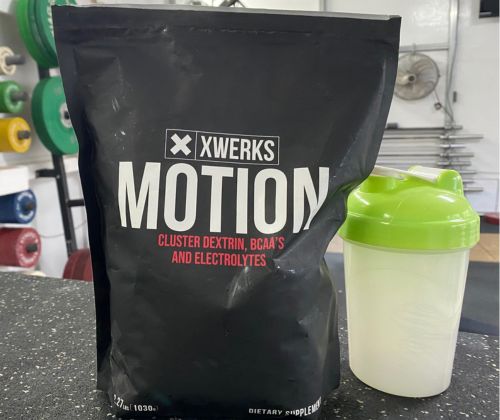
- Importance of Whole Foods: A diverse diet rich in fruits, vegetables, and whole grains ensures you get a broad spectrum of micronutrients. Supplementation can help fill gaps but should not replace whole foods.
-
Practical Tip: Focus on Nutrient Density
- Prioritize whole, unprocessed foods.
- Fill half your plate with vegetables at most meals.
- Balance your plate with a lean protein, a complex carb, and a healthy fat source.
Hydration: The Often-Overlooked Performance Booster
Water is not just a beverage; it’s a critical nutrient involved in every physiological process in your body. Dehydration, even mild, can significantly impair physical and cognitive performance.
-
Why Water is Critical:
- Temperature Regulation: Prevents overheating during exercise.
- Nutrient Transport: Carries nutrients to cells and waste products away.
- Joint Lubrication: Keeps joints moving smoothly.
- Performance: Impacts strength, endurance, and mental focus.
-
Actionable Advice:
- Carry a Water Bottle: Make it easy to sip throughout the day.
- Set Reminders: Use apps or alarms if you forget to drink.
- Monitor Urine Color: Light yellow indicates good hydration; dark yellow means you need more water.
- Adjust for Activity: Drink more before, during, and after workouts, especially in hot environments.
Timing and Portions: Optimizing Your Intake
While total daily intake is paramount, optimizing when and how much you eat can further enhance performance and recovery.
-
Pre-Workout Fuel:
- Aim for a meal rich in complex carbohydrates and moderate protein 2-3 hours before training.
- If closer to your workout (30-60 minutes), opt for easily digestible carbs (e.g., a banana, rice cakes).
- Real-Life Example: A bowl of oatmeal with berries and a scoop of protein powder 2 hours before a lift; or an apple with a handful of almonds 45 minutes before a run.
-
Post-Workout Recovery:
- Consume protein and carbohydrates within 30-60 minutes after intense exercise to kickstart muscle repair and glycogen replenishment.
- Real-Life Example: A protein shake with fruit, or a meal of chicken breast, sweet potato, and greens.
-
Mindful Eating and Listening to Hunger Cues:
- Pay attention to your body’s signals of hunger and fullness.
- Eat slowly, savor your food, and avoid distractions.
- This helps prevent overeating and fosters a healthier relationship with food.
Reinforcing Your Blueprint: The Art of Recovery and Mindset
The work doesn’t stop when you leave the gym. In fact, true progress often happens during recovery. Coupled with a resilient mindset, these elements form the crucial reinforcement for your fitness blueprint.
The Crucial Role of Sleep: The Ultimate Recovery Tool
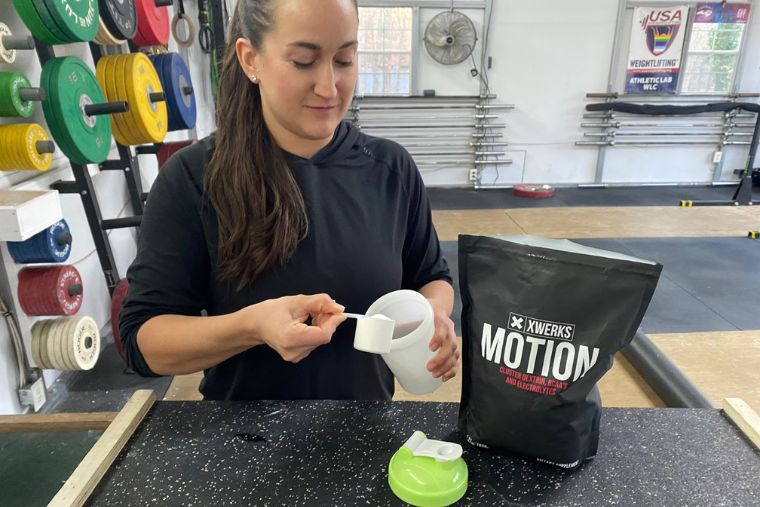
Sleep is not a luxury; it’s a non-negotiable component of recovery and overall health. During deep sleep, your body repairs muscle tissue, consolidates memories, and regulates vital hormones.
-
Impact on Fitness:
- Muscle Repair & Growth: Growth hormone is released during sleep, facilitating tissue repair.
- Hormone Regulation: Impacts testosterone, cortisol (stress hormone), and ghrelin/leptin (hunger hormones). Poor sleep can lead to increased fat storage and hunger.
- Cognitive Function: Improves focus, decision-making, and reaction time – all crucial for effective workouts.
- Immune System: A strong immune system keeps you healthy and consistent with your training.
-
Actionable Advice: Prioritize Sleep Hygiene
- Consistent Schedule: Go to bed and wake up at roughly the same time every day, even on weekends.
- Create a Dark, Cool, Quiet Environment: Block out light, keep your room cool (60-67°F or 15-19°C), and minimize noise.
- Wind-Down Routine: Avoid screens, stimulating activities, and heavy meals 1-2 hours before bed. Read, meditate, or take a warm bath.
- Aim for 7-9 Hours: Most adults need this range for optimal function.
Active Recovery and Stress Management: Beyond the Gym
Recovery isn’t just about passive rest; it also involves strategic active recovery and managing the daily stresses that can impede progress.
-
Active Recovery:
- Light activities that promote blood flow without adding significant stress to your body.
- Benefits: Helps reduce muscle soreness, improves flexibility, and keeps you moving.
- Real-Life Example: A leisurely walk, gentle yoga, swimming, or cycling at a very low intensity on a rest day.
-
Stress Management:
- Chronic stress elevates cortisol, which can hinder muscle growth, promote fat storage, and disrupt sleep.
- Techniques:
- Mindfulness/Meditation: Even 5-10 minutes a day can significantly reduce stress.
- Hobbies: Engage in activities you enjoy outside of fitness.
- Social Connection: Spend time with supportive friends and family.
- Nature: Spending time outdoors has proven stress-reducing benefits.
Cultivating a Growth Mindset: Overcoming Obstacles
Your mental approach to fitness is just as important as your physical one. A growth mindset views challenges as opportunities for learning and improvement, rather than insurmountable barriers.
-
Embracing Challenges:
- Understand that plateaus and setbacks are inevitable. They are not failures, but feedback.
- Ask: "What can I learn from this?" rather than "Why is this happening to me?"
-
Focusing on Progress, Not Perfection:
- Celebrate small victories: an extra rep, a slightly longer walk, a consistent week of healthy eating.
- Avoid comparing yourself to others. Your journey is unique.
-
Actionable Advice: Practice Positive Self-Talk
- Challenge negative thoughts. Replace "I can’t do this" with "I will try my best and learn."
- Use affirmations. Remind yourself of your strengths and capabilities.
- Visualize success. See yourself achieving your goals and overcoming obstacles.
Building Your Sustainable Fitness Lifestyle: Long-Term Strategies
A blueprint is only useful if it leads to a lasting structure. The final stage of your fitness journey involves integrating these principles into a sustainable lifestyle that evolves with you.
Consistency Over Intensity: The Marathon, Not the Sprint
Many beginners fall into the trap of going too hard, too fast, leading to burnout, injury, or simply quitting. Sustainable progress is built on consistent effort over time, not sporadic bursts of extreme intensity.
-
Why Showing Up Matters Most:
- Habit Formation: Regularity builds strong habits that become second nature.
- Adaptation: Your body adapts gradually. Consistent, moderate stress is more effective than intermittent, extreme stress.
- Injury Prevention: Pushing too hard too often increases risk.
-
Avoiding Burnout:
- Listen to your body (see next point).
- Don’t be afraid to take an extra rest day or have a lighter workout when needed.
- Vary your routine to keep things fresh and prevent mental fatigue.
-
Practical Tip: Schedule Your Workouts
- Treat your workouts like important appointments you can’t miss. Block out time in your calendar.
- Find a consistent time that works best for your schedule and energy levels.
Listening to Your Body: The Smart Athlete’s Guide
Your body provides constant feedback. Learning to interpret these signals is crucial for avoiding injury, optimizing recovery, and making smart training decisions.
-
Recognizing Signs of Overtraining:
- Persistent fatigue, decreased performance, increased irritability, difficulty sleeping, prolonged muscle soreness, frequent illness.
- If you experience several of these, it’s a sign to back off and prioritize rest.
-
Importance of Rest Days and Deload Weeks:
- Rest Days: Essential for muscle repair and recovery. Don’t skip them!
- Deload Weeks: Periodically (e.g., every 8-12 weeks) reduce your training volume and/or intensity significantly for a week. This allows your body to fully recover and come back stronger, preventing plateaus and injury.
-
Actionable Advice: Adjust Your Plan When Needed
- If a specific exercise causes pain (not just muscle fatigue), stop and assess your form.
- Don’t be rigid with your plan. Life happens. If you miss a workout, don’t throw in the towel for the week; just pick up where you left off.
Seeking Guidance and Community: You’re Not Alone
While your fitness journey is personal, you don’t have to navigate it in isolation. A supportive community and professional guidance can provide invaluable motivation, accountability, and expertise.
-
Benefits of Support:
- Accountability: A workout partner or coach can help you stay committed.
- Motivation: Training with others can be energizing and fun.
- Expertise: A qualified personal trainer can design a personalized program, teach proper form, and help you break through plateaus.
- Shared Experience: A fitness community provides a space to share challenges and celebrate successes.
-
Real-Life Examples:
- Workout Partner: Find a friend with similar goals and schedule joint workouts.
- Group Classes: Join a spin class, yoga studio, or boot camp.
- Online Communities: Engage with supportive groups on social media or forums.
- Personal Trainer: Consider a few sessions to establish a safe and effective routine.
Conclusion: Your Unstoppable Journey Awaits
You now possess the blueprint, not just for a stronger body, but for a more vibrant, resilient life. We’ve navigated the foundational principles, from understanding your deep-seated "why" to mastering critical movements, fueling your efforts with strategic nutrition, and fortifying your mind and body with essential recovery. This isn’t a temporary fix; it’s a comprehensive guide to building a lifestyle characterized by sustainable strength and lifelong vitality.
Remember, fitness is a journey, not a destination. There will be triumphs and challenges, moments of boundless energy and days that test your resolve. But armed with this blueprint – a commitment to consistency, a dedication to proper form, the wisdom to nourish your body, the discipline to prioritize recovery, and the unwavering power of a growth mindset – you are equipped for it all.
The path to your resilient physique is a continuous evolution. Embrace the process, celebrate every small victory, learn from every setback, and never underestimate the incredible capacity of your body and mind to adapt and grow. Step forward with confidence. Your unstoppable journey to enduring strength and profound well-being begins now. Forge your resilience, one deliberate step at a time, and unlock the boundless potential within you.