The landscape of fitness challenges has exploded, with events that demand a blend of raw power, unwavering stamina, and strategic execution becoming increasingly popular. In this dynamic arena, the right equipment can be the difference between a personal best and a missed opportunity. Recognizing this, performance brands are stepping up, creating gear specifically designed to conquer these multifaceted competitions. Today, we’re putting one such offering under the microscope: a new performance shoe from a renowned athletic brand, developed in partnership with a leading hybrid fitness competition.
Our team of dedicated fitness editors, each with a passion for pushing boundaries, has spent the last few weeks putting this cutting-edge footwear through its paces. We didn’t just wear them for a quick jog; we subjected them to the very demands of the competition they were designed to serve, mimicking the grueling transitions and diverse physical tests that define these events. Our goal? To determine if this shoe truly delivers on its promise of enhanced performance across the entire spectrum of hybrid racing.
The Promise of Performance: What to Expect
This latest offering is not just another running shoe. It’s a meticulously engineered piece of equipment designed with a specific competition in mind. The brand highlights several key features intended to elevate an athlete’s performance:
- Responsive Cushioning: A nitrogen-infused foam midsole is designed to provide a plush, comfortable ride while simultaneously delivering significant energy return with each stride. This is crucial for maintaining speed and reducing fatigue over multiple kilometers.
- Carbon Fiber Plate: Embedded within the midsole, a carbon fiber plate is engineered to propel you forward, maximizing efficiency and reducing the energy cost of running. This technology is a hallmark of modern performance footwear, aiming to give runners a competitive edge.
- Enhanced Traction: A specialized outsole compound is crafted to provide superior grip on a variety of indoor surfaces, ensuring stability and confidence during dynamic movements and quick transitions between disciplines.
- Lightweight Construction: Every ounce counts when you’re pushing your limits. This shoe is designed to be exceptionally light, contributing to a feeling of agility and reducing the overall load on your feet and legs.
These are ambitious claims, and as seasoned fitness professionals, we approached them with a healthy dose of skepticism and a rigorous testing methodology.

Our Testing Ground: Recreating the Challenge
To truly assess the capabilities of this new footwear, we didn’t rely on casual gym sessions. Instead, we designed a testing protocol that closely mirrored the demands of a hybrid fitness race. Our team put the shoes through a series of targeted workouts over two weeks, focusing on the distinct physical attributes required for success.
Mimicking the Cardio Demands
The cardio components of these races often involve repeated, shorter runs interspersed with other exercises. To replicate this, we incorporated:
- Interval Running: Short, sharp bursts of running on a track, simulating the 1km runs within the competition.
- Machine Work: Extensive use of rowing and ski ergometers. These machines demand full-body engagement and can tax the legs and core, providing a good indicator of how the shoes perform when transitioning from running to other cardio. We varied intensity and duration to simulate different race scenarios.
Simulating the Strength and Functional Movements
The strength and functional elements are where hybrid races truly test an athlete’s versatility. We focused on exercises that are commonly found in these events:
- Lower Body Power: Exercises like goblet squats, lateral lunges, and walking lunges were performed to assess stability and force transfer through the feet.
- Explosive Movements: Jump deadlifts and burpee broad jumps were included to test the shoe’s ability to handle explosive power and provide a stable base for landing.
- Weighted Carries: Farmer’s walks and sled pushes were incorporated to evaluate grip, stability under load, and the shoe’s ability to provide a solid platform for forward propulsion.
- Specific Event Drills: We also included exercises that directly mimic competition tasks, such as wall balls and kettlebell swings, to gauge performance in movements requiring precise foot placement and stability.
This comprehensive approach allowed us to gather diverse data points, assessing the shoe’s performance across the entire spectrum of demands.

First Impressions: Unboxing the Innovation
The initial unboxing experience often sets the tone. Here’s what our team noticed straight out of the box:
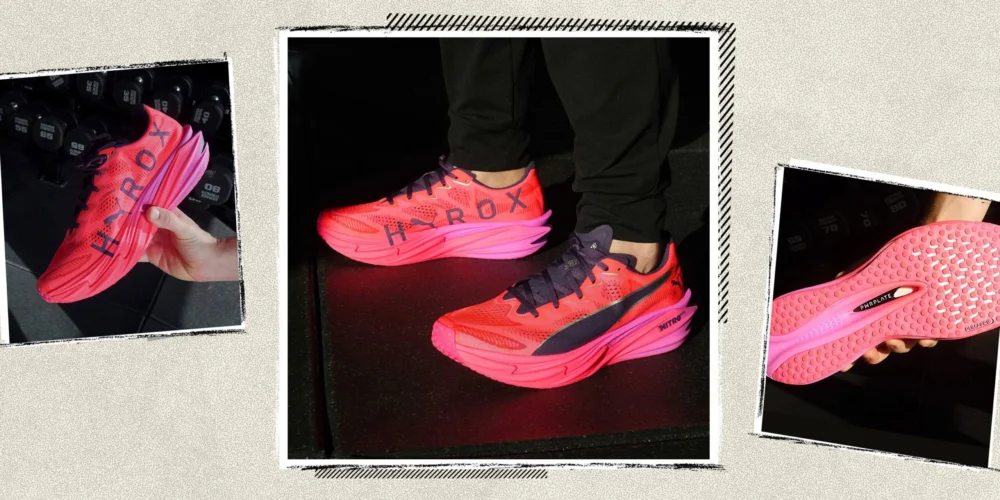
- Aesthetic Appeal: The vibrant colorways were a standout. The "Pure Pink" option, in particular, was noted for its striking visual impact, offering a bold statement that many athletes seek. The design is undeniably sleek and modern, hinting at the performance technology within.
- Lightweight Feel: The immediate sensation was one of lightness. The shoe feels significantly lighter than many traditional trainers, which is a promising sign for reducing fatigue during extended periods of activity.
- Cushioning and Support: The plushness of the nitrogen-infused midsole was immediately apparent. It offered a comfortable and forgiving feel, suggesting it could be a welcome relief for feet accustomed to harder surfaces. However, this initial softness also raised questions about its stability for more dynamic, non-running movements.
- Initial Grip: The outsole’s texture felt promising. A quick feel of the sole suggested it would provide good traction, a critical factor for indoor surfaces and quick changes in direction.
Weeks in the Trenches: Performance Under Pressure
After two weeks of rigorous testing, our initial impressions began to solidify, and some nuances emerged.
The Running Experience: Pure Speed
Across the board, the consensus was clear: this shoe excels at running.
- Energy Return: The combination of the carbon plate and the responsive foam delivered a noticeable "pop" with each stride. Runners reported feeling a significant energy return, making mileage feel easier and faster. This is precisely what you’d expect from a shoe designed for this purpose.
- Comfort on Distance: For longer runs, the cushioning provided a welcome buffer, reducing impact and allowing for sustained effort without excessive fatigue. The lightweight nature of the shoe further enhanced this feeling of effortless motion.
- Traction on Track: During track sessions, the grip was excellent, allowing for confident cornering and efficient push-offs.
Practical Tip: If your hybrid race has a significant running component, and you’re looking to shave seconds off your time, this shoe will undoubtedly help. Consider incorporating it into your training for your running-specific days to get accustomed to its unique feel.

The Hybrid Challenge: A Mixed Bag of Stability
While the running performance was impressive, the shoe’s performance in non-running disciplines presented a more complex picture.
-
Stability Concerns: The high stack of soft foam, while great for cushioning, did lead to a noticeable reduction in stability for many of the strength-focused exercises.
- Lateral Movements: Exercises like lateral lunges felt less secure, requiring more conscious effort to maintain balance.
- Heavy Lifts: During goblet squats and even simulated wall balls, testers reported feeling less grounded. The inherent flexibility of the carbon plate and the soft foam meant that force transfer wasn’t as direct as in a more stable training shoe.
- Explosive Exercises: While burpee broad jumps were manageable, testers felt a slight wobbliness during the landing phase, particularly when fatigued.
-
Machine Performance:
- Rowing and Ski Erg: The shoes performed reasonably well on the rowing machine, though some testers noted that keeping the straps loose was crucial for comfort and proper foot placement. On the SkiErg, while longer, controlled strokes felt surprisingly stable, more aggressive, powerful strokes led to a feeling of instability, nearly causing testers to lose balance. This suggests that maximum effort on these machines might be compromised.
-
Sled Pushes and Carries: This was a point of contention. While one tester found the grip excellent for sled pushes, others expressed concern about the combination of a carbon plate and soft foam under such heavy, demanding loads. The potential for instability and reduced power transfer was a significant worry.

Real-Life Example: One tester, accustomed to a more minimalist shoe for farmer’s walks, found the increased stack height of the Puma x Hyrox Deviate Nitro Elite 4 to be a significant adjustment. Maintaining balance on uneven kettlebells required more focus, and the fear of rolling an ankle was a constant consideration.
The Carbon Plate Conundrum: When Does it Help, When Does it Hurt?
The carbon fiber plate is a game-changer for pure running, offering propulsion and efficiency. However, in the context of a hybrid race, its benefits diminish and potential drawbacks emerge when transitioning away from sagittal plane movement.
- Benefit: During the 1km runs, the plate undeniably contributes to a faster, more efficient stride.
- Drawback: The plate’s rigidity can exacerbate the instability issues in non-running movements. It’s designed to flex and rebound in a specific way during running, which can be counterproductive when the foot needs to be more adaptable and stable for squats, lunges, or even quick lateral movements.
The Colorway: A Personal Touch
Beyond performance, the aesthetic of gear matters. The bright, eye-catching color of this shoe was a definite positive for many. It allows athletes to express their personality and stand out, a welcome contrast to the often-monochromatic world of performance footwear. For some, like one of our testers, the color even carried a deeper personal significance, adding an emotional layer to the gear choice.
Verdict: Is This the Ultimate Hybrid Race Shoe?
The question on everyone’s mind: should you invest in the Puma x Hyrox Deviate Nitro Elite 4 for your next hybrid fitness competition? The answer, as with most specialized gear, is nuanced.

For the Dedicated Runner with Hybrid Aspirations:
If your primary focus in a hybrid race is maximizing your running speed, and you’re willing to accept a compromise in other areas, this shoe might be a compelling option. It’s an excellent long-distance running shoe that has been adapted with a grippier outsole for the race environment. If you absolutely want the benefits of a carbon-plated shoe on the course, this is likely the best of the "super shoe" options available.
For the All-Around Competitor:
For athletes who prioritize a balanced approach and need a shoe that offers consistent performance across all disciplines, the answer leans towards caution.
- The Stability Trade-off: The inherent instability for non-running movements is a significant concern. If your training program includes a robust strength component, using this shoe for all your workouts could hinder your progress and limit your ability to develop maximum force and movement competency.
- The Training Dilemma: It’s generally recommended to train in the shoes you plan to race in, especially for highly specialized footwear. However, training in these Pumas for non-running events might actually be detrimental to developing the necessary stability and strength.
Actionable Advice:
- Prioritize Your Strengths: If running is your absolute strongest suit and you’re aiming for a PR on the run portion, consider using these shoes for your race day.
- Consider a Dual-Shoe Strategy: For optimal training, consider a two-shoe approach. Use a dedicated, stable cross-training shoe for your strength and functional workouts, and reserve the Puma x Hyrox Deviate Nitro Elite 4 for your running-specific training and race day.
- Test Thoroughly: If you do opt for these shoes, dedicate ample time to training in them. Practice all the movements of your target competition, paying close attention to how your stability and force production are affected. Get comfortable with the feel before race day.
- Evaluate Your Competition Goals: If you’re a beginner or intermediate athlete focused on completing the race and improving overall fitness, a more stable, versatile training shoe might be a better investment. For elite athletes where every second counts, the decision becomes more strategic.
The Bottom Line: A Specialized Tool
The Puma x Hyrox Deviate Nitro Elite 4 is a testament to the innovation happening at the intersection of fitness and footwear. It’s a shoe engineered with a clear purpose: to enhance running performance. While it brings some welcome adaptations for the hybrid race environment, its inherent design as a "super shoe" means there are compromises to be made in other areas.
Ultimately, the decision to buy rests on your individual needs, your training philosophy, and your specific race goals. Approach this footwear with an understanding of its strengths and weaknesses, and use it as a tool to complement, not replace, a well-rounded training regimen. Remember, the best gear is the gear that empowers you to train smarter, push harder, and conquer your personal challenges. Embrace the journey, stay dedicated, and let your hard work – coupled with the right equipment – propel you towards your fitness aspirations.