As a fitness enthusiast, you understand the dedication required to push your limits. You sweat, you strain, and you strive for progress. But what happens after the last rep, the final sprint, or the challenging hike? The crucial phase of recovery often dictates your ability to come back stronger. While rest, nutrition, and hydration are cornerstones of this process, a growing consensus among experts points to a powerful, often overlooked tool that can significantly amplify your body’s natural repair mechanisms: electrical muscle stimulation (EMS) and transcutaneous electrical nerve stimulation (TENS) devices.
These compact, sophisticated gadgets are no longer relegated to the realm of elite athletes or physical therapy clinics. They are becoming increasingly accessible and are revolutionizing how everyday individuals approach post-workout recovery and even performance enhancement. If you’re looking to reduce soreness, speed up healing, and get back to your training regimen faster, understanding and utilizing these devices could be your next game-changer.
The Science Behind the Spark: How EMS and TENS Work
Before we dive into the practical applications, let’s briefly demystify the technology. Both EMS and TENS devices work by delivering low-level electrical impulses to the body. While they share a common mechanism, their primary goals differ:

Electrical Muscle Stimulation (EMS): Building and Rebuilding Muscle
EMS technology works by mimicking the natural signals your brain sends to your muscles to contract. When you engage in strenuous exercise, muscle fibers experience microscopic tears. EMS devices, through targeted electrode placement, can stimulate these muscles to contract and relax rhythmically.
- Muscle Fiber Recruitment: EMS can recruit a higher percentage of muscle fibers than voluntary contractions alone, especially in weakened or deconditioned muscles.
- Increased Blood Flow: The contractions promote vasodilation, increasing blood flow to the targeted area. This enhanced circulation delivers vital nutrients and oxygen while helping to flush out metabolic waste products like lactic acid, which contribute to muscle fatigue and soreness.
- Muscle Hypertrophy and Strength: Regular use of EMS, particularly in conjunction with voluntary training, can contribute to muscle growth (hypertrophy) and improved strength over time.
- Enhanced Recovery: By stimulating muscle contractions and improving blood flow, EMS can accelerate the removal of waste products and reduce inflammation, leading to faster recovery and less post-exercise soreness.
Transcutaneous Electrical Nerve Stimulation (TENS): Soothing Discomfort and Enhancing Sensation
TENS devices, on the other hand, focus on stimulating sensory nerves rather than motor nerves (which control muscle contraction). They are primarily used for pain management.
- Gate Control Theory: TENS works by sending electrical impulses that can interfere with the transmission of pain signals from the injured or sore area to the brain. Essentially, it "closes the gate" on pain signals.
- Endorphin Release: The electrical stimulation can also trigger the release of endorphins, the body’s natural painkillers, which can further alleviate discomfort.
- Reduced Inflammation: By modulating pain perception and potentially influencing local circulation, TENS can contribute to a reduction in inflammation, aiding the healing process.
Many modern devices cleverly combine both EMS and TENS functionalities, offering a versatile approach to recovery and pain relief.

Beyond the Gym Floor: Real-World Applications and Benefits
The impact of EMS and TENS extends far beyond simply easing post-workout aches. For the dedicated fitness enthusiast, these tools can unlock a new level of performance and longevity in their active pursuits.
Accelerating Recovery and Reducing Soreness
This is arguably the most immediate and sought-after benefit. After a tough workout, especially one that pushes your muscles to new limits, you often experience Delayed Onset Muscle Soreness (DOMS).
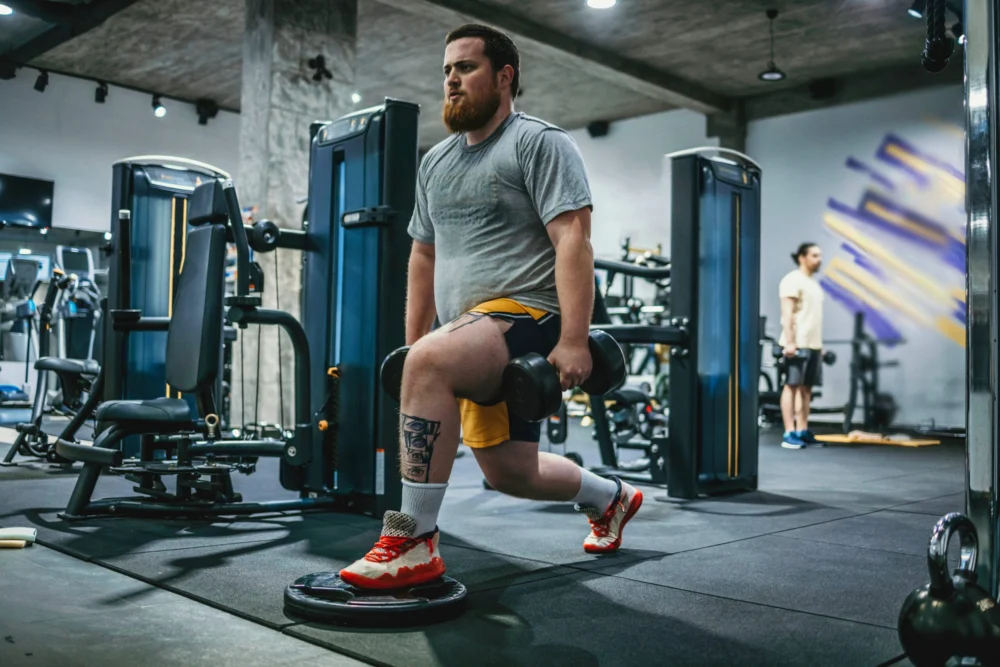
- Example: Imagine you’ve completed a demanding leg day, focusing on squats and lunges. The next day, every step feels like a challenge. Applying an EMS/TENS device to your quadriceps, hamstrings, and calves for 20-30 minutes can significantly reduce that lingering soreness, allowing you to move more freely and prepare for your next session sooner.
- Actionable Advice: Use EMS programs designed for recovery post-workout. Experiment with TENS settings if you experience specific areas of intense soreness or discomfort.
Enhancing Performance and Training Adaptation
While primarily known for recovery, EMS can also be a powerful tool for improving your training outcomes.

- Pre-Workout Activation: Some athletes use low-level EMS to "wake up" specific muscle groups before a workout, ensuring they are primed for optimal performance. This can be particularly beneficial for muscles that tend to be less engaged during certain movements.
- Overcoming Plateaus: For those struggling to break through strength or endurance plateaus, EMS can provide an additional stimulus to muscle fibers, helping to drive further adaptation and progress.
- Example: A runner consistently hitting a wall at mile 10 might use an EMS device on their calf muscles and hamstrings before a training run to improve muscle recruitment and endurance.
- Actionable Advice: Explore EMS programs focused on "warm-up" or "activation." Consult with a fitness professional to integrate EMS into your training plan strategically.
Injury Prevention and Rehabilitation Support
For anyone who has experienced an injury, the road back to full fitness can be daunting. EMS and TENS devices can play a supportive role in both preventing future injuries and aiding rehabilitation.
- Strengthening Weakened Muscles: After an injury, muscles can atrophy quickly. EMS can help re-engage and strengthen these muscles without the high impact of traditional exercises, facilitating a smoother return to activity.
- Managing Pain During Rehabilitation: TENS can be invaluable for managing pain during the healing process, making rehabilitation exercises more tolerable and effective.
- Example: A weightlifter recovering from a shoulder strain might use TENS to manage pain while performing gentle rotator cuff activation exercises with EMS.
- Actionable Advice: Always consult with a healthcare professional or physical therapist before using EMS/TENS for injury rehabilitation. They can guide you on appropriate settings and protocols.
Improving Circulation and Reducing Swelling
For individuals who experience swelling or fluid retention in their limbs after intense activity, the stimulating contractions from EMS can act like a gentle massage, promoting lymphatic drainage and reducing edema.
- Example: A cyclist who often experiences swollen ankles and calves after long rides can use an EMS device to help move stagnant fluid, leading to quicker recovery and reduced discomfort.
- Actionable Advice: Use recovery-focused EMS programs after activities known to cause swelling. Elevating the affected limb while using the device can further enhance results.
Choosing the Right Tool for Your Goals
With a growing market, selecting the right EMS/TENS device can feel overwhelming. Here’s a breakdown of key features to consider, along with practical tips:

Understanding the Different Types of Devices
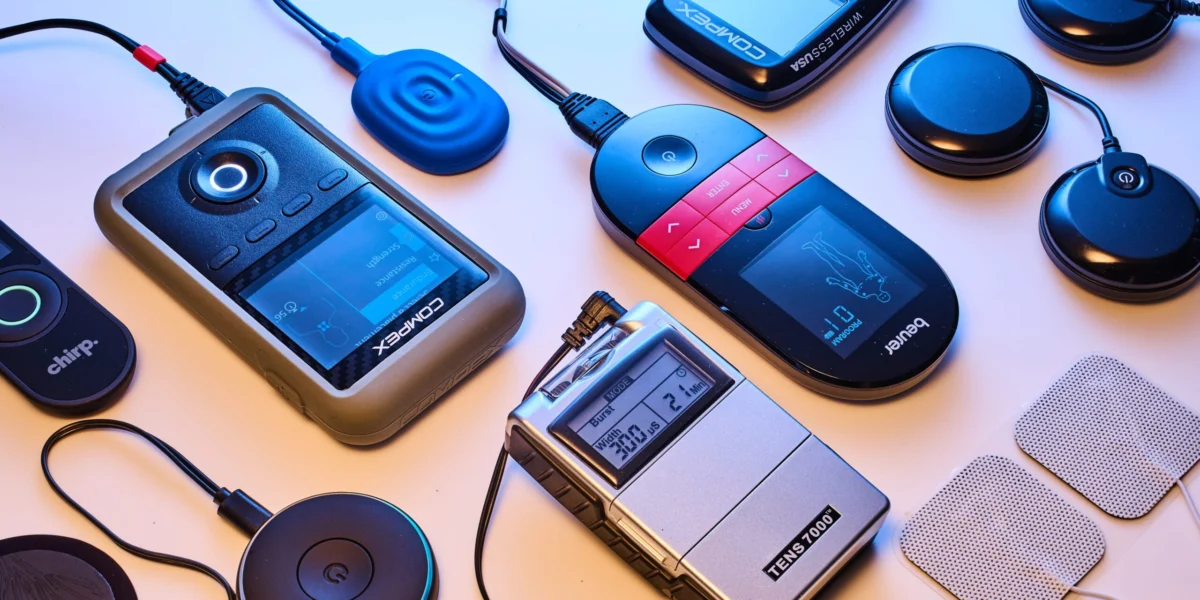
- All-in-One Units: These devices feature a central control unit connected to electrode pads via wires. They offer versatility and a wide range of programs.
- Wireless Pad Systems: These offer greater freedom of movement. The control unit is often a small, detachable module that magnetically attaches to the electrode pads. This is ideal for active recovery or when you need to move around.
- Wearable Patches: Some advanced systems utilize self-adhesive, integrated patches that connect wirelessly to a smartphone app. These are often the most discreet and user-friendly.
Key Features to Look For:
- Number of Channels: A device with two or more channels allows you to target multiple muscle groups simultaneously or use more electrode pads for broader coverage.
- Pre-set Programs: Look for devices with programs specifically designed for different goals:
- Recovery/Massage: Gentle contractions to promote blood flow and reduce soreness.
- Endurance: Sustained contractions to improve muscle stamina.
- Strength: Intense, powerful contractions for muscle building.
- Pain Relief (TENS): Programs tailored to alleviate discomfort.
- Warm-up/Activation: Low-level stimulation to prepare muscles.
- Adjustable Intensity and Frequency: The ability to customize the intensity and frequency of the electrical impulses is crucial for finding what works best for your body and tolerance level.
- Battery Life: Consider how long you need the device to last between charges. For frequent use or travel, a longer battery life is essential.
- Ease of Use: A user-friendly interface and clear instructions are vital, especially for beginners.
- App Connectivity: Some advanced devices connect to a smartphone app, offering more detailed program selection, progress tracking, and guided routines.
- Comfort and Durability: Ensure the electrode pads are comfortable, adhere well, and the device itself feels robust.
Practical Workout and Recovery Tips
Integrating EMS/TENS effectively into your fitness routine requires a thoughtful approach. Here are some actionable tips:
- Start Slowly: When using a new device, begin with the lowest intensity settings and gradually increase as you become accustomed to the sensation.
- Placement is Key: Proper electrode placement is critical for targeting the intended muscles and achieving the desired effects. Always refer to the device’s manual or consult with a professional for guidance.
- Example: For quadriceps recovery, place one pad above the knee and another above the ankle, ensuring they are positioned over the bulk of the muscle.
- Listen to Your Body: While these devices are designed to be safe, pay attention to any discomfort or unusual sensations. If you experience pain, discontinue use and consult a healthcare provider.
- Don’t Replace Fundamental Recovery: Remember that EMS/TENS are tools to enhance recovery, not replacements for essential elements like sleep, nutrition, and hydration.
- Consistency is Crucial: Like any training or recovery method, consistent use yields the best results. Aim to incorporate your device into your routine regularly, especially after demanding workouts.
- Experiment with Programs: Don’t be afraid to explore the different pre-set programs. What works for one person might differ for another. Find the programs that best address your specific needs and goals.
- Consider Combining with Other Modalities: EMS/TENS can be effectively combined with foam rolling, stretching, and active recovery exercises for a comprehensive approach.
Real-Life Success Stories: The Impact on Fitness Journeys
Consider Sarah, a dedicated runner training for her first marathon. She found herself battling persistent shin splints and overwhelming fatigue in her calves. After incorporating a wireless EMS device into her post-run recovery routine, focusing on her lower legs, she noticed a significant reduction in soreness and swelling within weeks. This allowed her to maintain her training schedule without the constant fear of injury, ultimately helping her cross the finish line strong.
Then there’s Mark, a recreational weightlifter who hit a plateau in his bench press. He started using an EMS device with strength-focused programs on his chest and triceps on rest days. While not a replacement for his progressive overload training, he found that the increased muscle activation and improved blood flow contributed to better muscle recovery, allowing him to push harder in his subsequent lifting sessions and eventually break through his plateau.

The Future of Fitness Recovery is Here
The integration of advanced technology into our fitness routines is no longer a futuristic concept; it’s a present-day reality that offers tangible benefits. Electrical muscle stimulation and transcutaneous electrical nerve stimulation devices represent a significant leap forward in how we approach muscle recovery, pain management, and even performance enhancement.
By understanding the science behind these tools, choosing a device that aligns with your goals, and implementing them strategically into your fitness regimen, you can unlock a new level of resilience, accelerate your progress, and ensure your body is always ready for the next challenge. Embrace the spark, and let your body’s potential soar. The path to stronger, faster, and more resilient you might just be a few electrical impulses away.