

In the relentless pursuit of peak physical condition, fitness enthusiasts often explore a myriad of training techniques, nutritional strategies, and recovery modalities. From high-intensity interval training to mindful yoga, every element is scrutinized for its potential to enhance performance, accelerate recovery, and foster overall well-being. Yet, amidst the myriad of modern innovations, an ancient practice is re-emerging as a powerful, scientifically-backed tool for the contemporary athlete: heat therapy, specifically through the immersive experience of an outdoor sauna.
Beyond mere relaxation, the deliberate exposure to elevated temperatures in a controlled environment offers a profound physiological and psychological recalibration. When this practice is moved outdoors, it transcends the confines of a typical gym amenity, inviting a deeper connection with nature while delivering a robust suite of health benefits. For beginners embarking on their fitness journey to intermediate enthusiasts pushing their limits, integrating outdoor sauna sessions can be a transformative step, forging resilience not just in muscle and bone, but in mind and spirit. This comprehensive guide will explore the profound advantages of outdoor saunas, how to seamlessly weave them into your fitness regimen, and what considerations will help you choose the perfect sanctuary for your heat therapy journey.
The Timeless Appeal of Heat Therapy in the Great Outdoors
The tradition of sauna bathing stretches back thousands of years, with its origins deeply rooted in Finnish culture and various indigenous practices worldwide. Initially conceived as places for cleansing and healing, saunas have evolved, yet their core essence remains: providing a space for profound restoration through heat. The modern outdoor sauna takes this ancient wisdom and places it directly within your personal environment, offering a unique blend of tradition and accessibility.
A Return to Roots: Blending Nature and Wellness
One of the most compelling aspects of an outdoor sauna is its inherent ability to reconnect us with the natural world. In an era where digital distractions and indoor living dominate, the concept of "Nature Deficit Disorder" highlights the growing disconnect many people experience from the outdoors. An outdoor sauna directly counters this trend. Imagine stepping out of your home into the crisp morning air, then entering a warm, inviting sanctuary where you can sweat out toxins while gazing at the stars, listening to the birds, or simply feeling the breeze on your skin after a session.
This blend of heat therapy with natural surroundings amplifies the benefits. The serene backdrop of your backyard, a secluded garden, or a wilderness setting can significantly enhance the meditative quality of your sauna session. The sounds, sights, and smells of nature contribute to a deeper sense of calm and mental clarity, turning a simple sweat session into a holistic wellness ritual. This intrinsic connection to nature can reduce stress more effectively, foster greater mindfulness, and imbue your fitness routine with a sense of groundedness often lost in the artificial environments of conventional gyms.
Beyond the Gym Locker Room: Why Outdoor Saunas Stand Apart
While many gyms offer saunas, the outdoor variant presents several distinct advantages that elevate the experience and potential benefits for a fitness-focused individual:

- Privacy and Personalization: An outdoor sauna is a private retreat. You control the environment, the temperature, the music (or silence), and the schedule. This personalization allows for a truly uninterrupted and deeply focused recovery or relaxation session.
- Hygiene and Cleanliness: You dictate the cleanliness standards. Owning an outdoor sauna means you are solely responsible for its upkeep, ensuring a pristine and hygienic environment for your sessions, free from the concerns sometimes associated with public facilities.
- Unrestricted Access: No more waiting for an open spot or adhering to gym operating hours. Your sauna is available whenever you need it, seamlessly integrating into your busy schedule, whether for a quick post-run detox or a prolonged weekend unwind.
- Enhanced Sensory Experience: The ability to cool down naturally with fresh air, or even a quick dip in a cold plunge or pool if available, creates a dynamic hot-cold therapy cycle that is often difficult to replicate in an indoor, public setting. This contrast therapy is highly beneficial for circulation and recovery.
- Aesthetic Integration: An outdoor sauna can be a beautiful addition to your home, enhancing your property’s aesthetic and creating a dedicated wellness zone that inspires consistent use.
These factors combine to make an outdoor sauna not just a piece of fitness equipment, but a dedicated wellness hub that supports a comprehensive and integrated approach to health and performance.
Unlocking the Performance Edge: Fitness Benefits of Outdoor Sauna Use
The benefits of sauna use extend far beyond simple relaxation, offering a robust array of physiological advantages directly applicable to fitness enthusiasts. For those aiming to optimize their physical capabilities and accelerate recovery, the regular integration of outdoor sauna sessions can be a game-changer.
Enhanced Muscle Recovery and Reduced Soreness
One of the most immediate and appreciated benefits for active individuals is the significant improvement in muscle recovery. Intense workouts cause microscopic tears in muscle fibers, leading to inflammation and delayed onset muscle soreness (DOMS). Sauna heat helps in several ways:
- Increased Blood Flow: Heat causes vasodilation, expanding blood vessels and increasing circulation to muscles. This delivers more oxygen and nutrients vital for repair while flushing out metabolic waste products like lactic acid.
- Reduced Inflammation: While direct mechanisms are complex, improved circulation and the body’s response to heat stress can help mitigate inflammatory processes, easing pain and stiffness.
- Relaxation: The deep warmth penetrates muscle tissue, promoting relaxation and reducing muscle tension, which further contributes to comfort and mobility post-workout.
Cardiovascular Conditioning and Endurance Boost
Surprisingly, sauna use can offer a "passive cardio" workout. The heat elevates your heart rate and increases cardiac output, mimicking moderate physical activity. Regular sauna sessions can lead to:
- Improved Endothelial Function: The lining of your blood vessels benefits from repeated vasodilation and constriction, enhancing their flexibility and overall cardiovascular health.
- Heat Acclimation: For athletes training in warm climates or preparing for endurance events, sauna use can help the body adapt to heat stress, improving thermoregulation and reducing the physiological strain of exercise in hot conditions. This can translate to better performance and reduced risk of heat-related illness.
Detoxification and Skin Health
Sweating is one of the body’s natural mechanisms for detoxification. While the kidneys and liver are primary detox organs, sweating can help eliminate certain toxins, heavy metals, and other waste products through the skin. This deep cleansing process can also contribute to:
- Clearer Skin: Increased circulation to the skin and the flushing action of sweat can help cleanse pores, potentially reducing acne and improving skin complexion.
- Improved Skin Elasticity: Regular heat exposure can stimulate collagen production, contributing to healthier, more resilient skin over time.
Stress Reduction and Mental Clarity
The physiological response to heat, combined with the calming environment of an outdoor sauna, provides profound mental benefits:

- Endorphin Release: Heat exposure can trigger the release of endorphins, the body’s natural feel-good hormones, leading to a sense of euphoria and reduced perception of pain.
- Cortisol Reduction: Sauna sessions can help lower cortisol levels, the primary stress hormone, promoting a state of deep relaxation and mental tranquility.
- Mindfulness and Focus: Stepping away from daily distractions into the quiet heat of a sauna encourages mindfulness, allowing for introspection and mental decompression. This improved mental clarity can spill over into better decision-making and focus in other areas of life, including training.
Improved Sleep Quality
By promoting relaxation and reducing stress, sauna use can significantly contribute to better sleep. A session in the evening can help regulate your body temperature, facilitating the natural drop in core body temperature needed for restful sleep. The deep relaxation experienced can also ease the mind, making it easier to fall asleep and stay asleep throughout the night.
Hormonal Balance and Growth Factors
Research suggests that regular heat exposure, particularly in saunas, can have a positive impact on hormonal regulation:
- Increased Growth Hormone (GH): Some studies indicate that sauna use can temporarily elevate growth hormone levels, which plays a crucial role in muscle repair, growth, and metabolism.
- Enhanced Heat Shock Proteins (HSPs): Heat stress induces the production of heat shock proteins, which are essential for cellular repair, protein folding, and overall cellular resilience. These proteins help protect cells from damage and support recovery processes.
These combined benefits create a powerful synergy that supports not only physical recovery and performance but also mental fortitude and overall well-being, making the outdoor sauna a potent ally in any fitness journey.
Integrating Sauna Sessions into Your Fitness Regimen
To truly harness the power of an outdoor sauna, it’s essential to integrate it thoughtfully into your existing fitness routine. Timing, frequency, and complementary practices all play a crucial role in maximizing the benefits.
Pre-Workout Warm-up or Post-Workout Recovery?
The optimal timing for your sauna session can depend on your specific goals:
- Pre-Workout Warm-up (Short Session: 5-10 minutes): A brief, low-temperature sauna session can be a gentle way to warm up muscles, increase blood flow, and enhance flexibility before a workout. It can help prepare your body for physical exertion, potentially reducing the risk of injury. However, avoid prolonged sessions pre-workout, as excessive heat can lead to fatigue or dehydration.
- Post-Workout Recovery (Ideal: 15-30 minutes): This is where the sauna truly shines for fitness enthusiasts. Immediately after your workout, or within a few hours, a sauna session can significantly aid recovery. The heat helps flush lactic acid, reduce muscle soreness, and promote relaxation. This timing is especially effective for cardiovascular benefits and stress reduction.
Optimizing Session Length and Frequency
Consistency is key to reaping the full spectrum of sauna benefits.
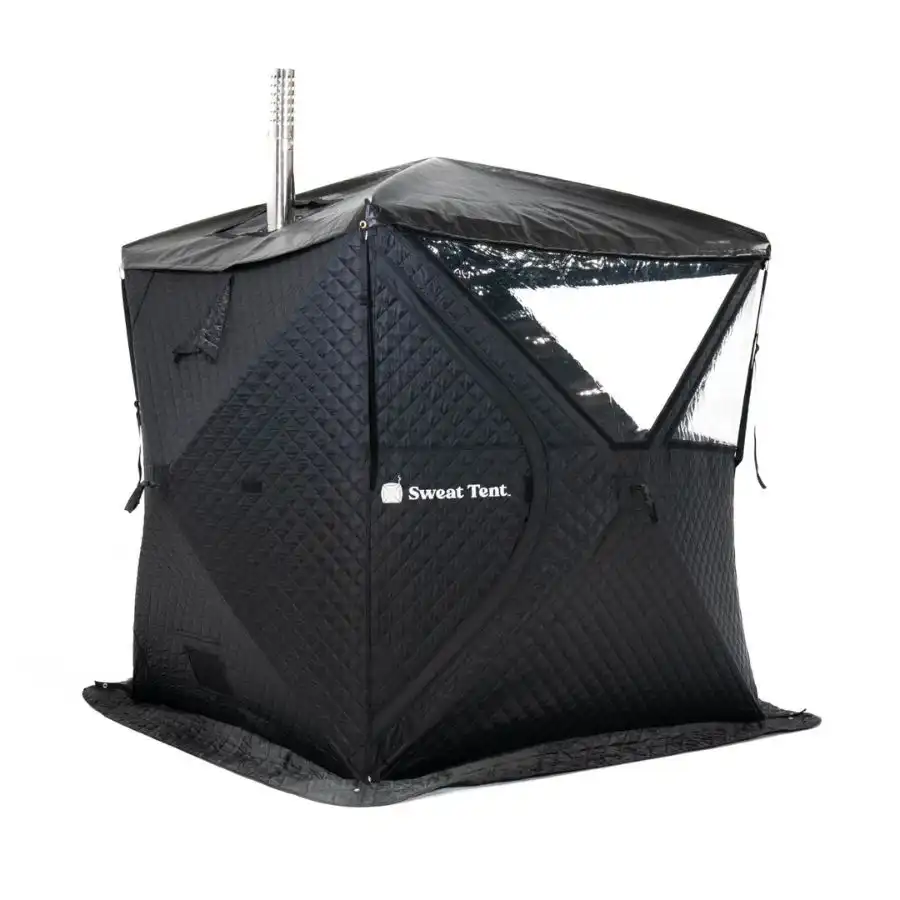
- Session Length: For beginners, start with 10-15 minutes at a moderate temperature (e.g., 160-180°F or 70-82°C for traditional saunas; follow manufacturer guidelines for infrared). Gradually increase duration to 20-30 minutes as your body adapts. Intermediate users might aim for 20-40 minutes. Listen to your body and never push past discomfort.
- Frequency: Aim for 2-4 sessions per week. Some studies suggest benefits from even more frequent use (e.g., 5-7 times per week for cardiovascular health), but for most fitness enthusiasts, a few consistent sessions will yield significant results.
- Progression: As you become accustomed to heat, you can gradually increase the temperature or duration. However, always prioritize comfort and safety over pushing limits.
The Crucial Role of Hydration and Electrolytes
Heat therapy induces significant sweating, making proper hydration non-negotiable.
- Before: Drink plenty of water throughout the day, and ensure you are well-hydrated before entering the sauna.
- During: Keep a water bottle handy and take sips if you feel thirsty, though prolonged drinking during a session is not typically recommended.
- After: Rehydrate immediately and thoroughly after your session. Plain water is essential, but consider an electrolyte-rich drink or natural sources like coconut water, especially after intense workouts or longer sauna sessions, to replenish lost minerals. Symptoms of dehydration (dizziness, headache, extreme thirst) should prompt you to exit the sauna immediately.
Complementary Practices: Cold Plunges and Mindfulness
To amplify the benefits of heat therapy, consider incorporating complementary practices:
- Cold Plunges/Showers: Alternating between hot and cold (e.g., 15-20 minutes in the sauna followed by 1-2 minutes in a cold shower or plunge) creates a powerful vascular flush, boosting circulation, reducing inflammation, and invigorating the nervous system. This hot-cold contrast therapy is a favorite among athletes for accelerating recovery.
- Mindfulness and Meditation: Use your sauna time as an opportunity for mental training. Leave your phone outside and focus on your breath, body sensations, or a guided meditation. This enhances the stress-reduction benefits and cultivates a stronger mind-body connection.
- Stretching: Gentle stretching during or immediately after a sauna session, when muscles are warm and pliable, can improve flexibility and range of motion.
By strategically integrating these practices, your outdoor sauna becomes more than just a place to sweat; it transforms into a comprehensive recovery and wellness hub tailored to your fitness aspirations.
Choosing Your Sanctuary: Key Considerations for an Outdoor Sauna
Investing in an outdoor sauna is a significant decision, and understanding the various options and considerations will help you select the perfect sanctuary to support your fitness and wellness goals.
Understanding Different Heating Technologies
The heart of any sauna is its heating system, and outdoor saunas primarily come in two main types:
- Traditional (Finnish) Saunas: These use an electric heater or a wood-burning stove to heat rocks, over which water can be ladled to create steam (löyly).
- Pros: High ambient air temperatures (180-200°F / 82-93°C or higher), intense radiant heat, ability to create steam for varied humidity, deeply traditional experience. Often preferred for social bathing.
- Cons: Longer pre-heating time, higher energy consumption for electric models, requires ventilation, wood-burning stoves require fuel and ash removal.
- Infrared Saunas: These use infrared heaters (carbon or ceramic panels) to emit infrared light that directly heats your body rather than the surrounding air.
- Pros: Lower ambient air temperatures (120-150°F / 49-66°C), shorter pre-heating time, perceived deeper penetration of heat into tissues, potentially less taxing on the cardiovascular system for some individuals.
- Cons: Less intense "sweat" experience for some, no steam production, different sensory experience compared to traditional saunas.
Consider which experience aligns best with your preferences and health goals. Some models even offer a combination for versatility.

Design and Material Durability for Outdoor Elements
An outdoor sauna must withstand diverse weather conditions, from scorching sun to freezing snow and heavy rain.
- Wood Type: Look for durable, naturally rot-resistant woods like cedar (red or white), Nordic spruce, or thermally modified wood (Thermowood). Cedar is highly prized for its aroma, resistance to decay, and insulation properties. Thermowood is heat-treated to enhance its durability, stability, and resistance to moisture and pests.
- Construction: Ensure robust construction with tight-fitting joints to prevent heat loss and moisture ingress. Double-wall insulation is a premium feature that significantly improves efficiency in colder climates.
- Roofing: A weather-resistant roof (e.g., shingled or metal) is crucial for longevity, protecting the sauna from rain, snow, and UV damage.
- Foundation: A level, stable foundation (concrete pad, gravel base, or deck) is essential for structural integrity and drainage.
Size, Capacity, and Space Planning
Outdoor saunas come in various sizes and shapes, from compact single-person units to spacious multi-person barrel or cabin designs.
- Capacity: Determine how many people will typically use the sauna simultaneously. 1-2 person models are great for personal use, while 4-6 person saunas accommodate families or friends.
- Footprint: Measure your available outdoor space carefully. Consider clearance around the sauna for safety and maintenance.
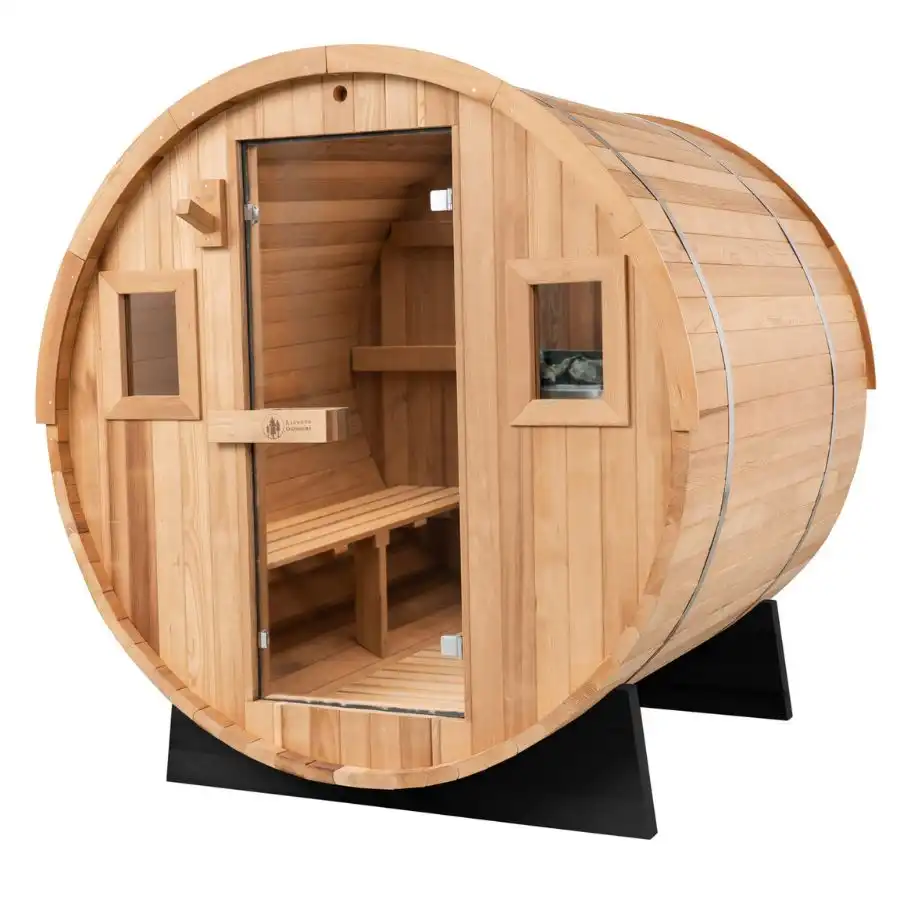
- Design Aesthetics: Barrel saunas are iconic and efficient at heat distribution. Cabin saunas offer more interior space and a traditional room-like feel. Cube designs are modern and often feature large windows. Choose a design that complements your outdoor environment.
Power Requirements and Energy Efficiency
- Electrical Needs: Traditional electric saunas typically require a dedicated 240V circuit. Infrared saunas might use 120V or 240V, depending on size and power. Consult an electrician to ensure your home’s electrical system can support the sauna safely and efficiently.
- Energy Consumption: Factor in operating costs. Well-insulated saunas, efficient heaters, and smart controls (like timers or app control) can help minimize electricity usage. Wood-burning saunas, while having no electricity cost, require ongoing fuel expenses.
- Solar Options: Some smaller saunas can be supplemented or powered entirely by solar panels, offering an eco-friendly and potentially cost-saving solution.
Budgeting for Your Wellness Investment
Outdoor saunas represent a range of investments, typically from a few thousand dollars to upwards of ten thousand or more for premium models.
- Initial Cost: This covers the sauna unit itself, including the heater.
- Installation: While some kits are DIY-friendly, professional installation for electrical wiring and construction might be necessary, adding to the cost.
- Accessories: Consider benches, buckets, ladles, thermometers, hygrometers, lighting, and potentially a cold plunge or outdoor shower.
- Operating Costs: Factor in electricity or wood fuel, and occasional maintenance supplies.
View this as an investment in your long-term health, recovery, and home value.
Installation and Maintenance Essentials
- Site Preparation: Ensure the chosen site is level, has good drainage, and is away from flammable materials if opting for a wood-burning stove.
- Assembly: Many outdoor saunas come as kits with detailed instructions. DIY assembly is feasible for those with moderate carpentry skills, but professional help is recommended for complex builds or electrical work.
- Ongoing Maintenance:
- Cleaning: Regularly wipe down benches and interior surfaces. Use a mild, non-toxic cleaner.
- Wood Care: Periodically treat exterior wood with a protective sealant to maintain its appearance and weather resistance.
- Heater Maintenance: For electric heaters, check heating elements and clean any dust. For wood stoves, regularly remove ash and inspect the chimney.
- Ventilation: Ensure proper ventilation is maintained to prevent mold and mildew growth and to allow for fresh air during sessions.
By carefully considering these factors, you can make an informed decision and select an outdoor sauna that will serve as a durable, effective, and cherished component of your fitness and wellness lifestyle for years to come.
Practical Tips for a Rewarding Outdoor Sauna Experience
To maximize the benefits and enjoyment of your outdoor sauna, a few practical tips can enhance every session.
Setting the Ambiance
- Cleanliness: Always start with a clean sauna. A tidy space contributes to mental calm.
- Lighting: Consider dimmable lighting or natural light from windows. LED chromotherapy lights can add to the mood and perceived benefits.
- Aromatherapy: For traditional saunas, a few drops of essential oils (like eucalyptus or peppermint) mixed with water, carefully poured over the hot rocks, can create an invigorating or relaxing aroma.
- Sound: Whether it’s the gentle crackle of a wood stove, calming music from a Bluetooth speaker, or simply the sounds of nature, curate your auditory experience.
- Comfort: Bring a towel to sit on for hygiene and comfort. A small pillow can make leaning back more relaxing.
Listening to Your Body
- Pace Yourself: Especially when new to sauna bathing, start with shorter sessions at lower temperatures. Gradually increase duration and heat as your body adapts.
- Exit When Needed: Never feel compelled to stay in the sauna if you feel dizzy, nauseous, or excessively uncomfortable. Your body’s signals are paramount.
- Cool Down Slowly: After your session, cool down gradually. A cold shower or plunge is invigorating, but simply sitting outside in the fresh air for a few minutes can also be highly effective for regulating body temperature.
- Rest: Allow yourself a period of rest and continued rehydration after your sauna session. This aids recovery and allows the body to fully integrate the benefits.
Safety First: Essential Precautions
- Hydration is Key: As emphasized, drink plenty of water before and after. Avoid alcohol before or during sauna use, as it can exacerbate dehydration and impair judgment.
- Medical Consultation: Always consult your doctor before starting a sauna routine, especially if you have pre-existing health conditions (e.g., heart disease, low blood pressure, pregnancy) or are on medication.
- Avoid Overheating: Do not exceed recommended session lengths. The goal is beneficial heat exposure, not heat exhaustion.
- Supervision for Vulnerable Individuals: Children, the elderly, and individuals with certain health conditions should use saunas under supervision or with specific medical advice.
- Ventilation: Ensure your outdoor sauna has proper ventilation to allow for fresh air circulation and prevent stale air buildup.
- Fire Safety (Wood-Burning): If using a wood-burning stove, follow all manufacturer instructions for installation, operation, and maintenance. Keep flammable materials away from the stove and chimney.
By adhering to these practical tips and prioritizing safety, each outdoor sauna session will become a deeply rewarding experience, contributing significantly to your fitness journey and overall quality of life.
Conclusion
The journey to optimal fitness is multifaceted, demanding dedication, intelligent training, and effective recovery. In this pursuit, the outdoor sauna emerges not as a fleeting trend, but as a time-honored practice now accessible to enhance the modern athlete’s regimen. By embracing the therapeutic power of heat, coupled with the rejuvenating embrace of the natural world, you unlock a profound synergy that accelerates muscle recovery, fortifies cardiovascular health, detoxifies the body, and calms the mind.
Whether you’re a beginner seeking to soothe post-workout soreness or an intermediate enthusiast striving for that extra edge in performance and resilience, integrating an outdoor sauna into your life offers a unique pathway to holistic well-being. It’s an investment not just in a structure, but in your physical prowess, mental clarity, and enduring vitality. Take the leap, forge your resilience in the cleansing heat, and step out revitalized, ready to conquer your next fitness challenge with renewed vigor and a deeper connection to yourself and the world around you. Your personal sanctuary awaits – ready to transform your approach to health, one rejuvenating sweat session at a time.