Introduction: Embarking on Your Transformative Fitness Journey
Welcome, aspiring fitness enthusiasts and seasoned lifters alike, to a comprehensive guide designed to elevate your physical and mental well-being. The pursuit of fitness is more than just lifting weights or running miles; it’s a profound journey of self-discovery, discipline, and relentless growth. In a world saturated with fleeting trends and quick fixes, it’s easy to feel overwhelmed, lost amidst conflicting advice. Many embark on their fitness quest with immense enthusiasm, only to find their progress plateauing or their motivation waning due to an unintegrated approach.
This article isn’t about the latest fad diet or a miracle workout; it’s about building a robust, sustainable foundation for lifelong health and unwavering strength. We believe that true fitness success stems from a holistic strategy that harmonizes four critical pillars: effective training, strategic nutrition, diligent recovery, and a resilient mindset. By understanding and integrating these components, you will not only achieve your immediate goals but also cultivate enduring habits that forge a stronger, healthier, and more vibrant you. Whether you’re lacing up your shoes for the first time or looking to break through an intermediate plateau, this blueprint will empower you with the knowledge and actionable strategies to sculpt your fitness destiny.
Laying the Foundation – Principles of Effective Training
Training is the catalyst for change, the force that sculpts your physique and fortifies your resilience. But effective training isn’t just about showing up; it’s about intelligent application of principles that challenge your body in a progressive, safe, and efficient manner.
Understanding Progressive Overload: The Engine of Growth
At the heart of all effective strength and muscle-building programs lies the principle of progressive overload. Simply put, your muscles grow stronger and larger when they are consistently challenged to do more than they are accustomed to. Without this ever-increasing demand, your body has no reason to adapt, and your progress will inevitably stall.
Why it’s Crucial:
- For Beginners: Progressive overload ensures rapid initial gains as your body adapts to new stimuli. It establishes a fundamental understanding of how to challenge yourself.
- For Intermediates: It’s the key to breaking plateaus. As your body becomes more efficient, you must find new ways to stress your muscles to continue seeing results.
Actionable Advice: How to Apply Progressive Overload:
- Increase Weight: The most straightforward method. Once you can comfortably complete your target reps and sets with good form, add a small amount of weight.
- Real-Life Example: If you’re squatting 50kg for 3 sets of 8 repetitions with ease, try increasing to 52.5kg for the same sets and reps. Even a small increment makes a difference over time.
- Increase Repetitions: If increasing weight isn’t feasible, try adding more reps to your existing sets.
- Real-Life Example: Instead of 3×8, aim for 3×9 or 3×10 with the same weight.
- Increase Sets: Add an extra set to your exercise routine.
- Decrease Rest Time: Perform the same amount of work in less time, increasing the intensity.
- Improve Form: While not strictly "more," better form often allows you to handle more weight safely, or makes the existing weight more challenging by isolating the target muscle more effectively.
- Increase Time Under Tension: Slow down your repetitions, especially the eccentric (lowering) phase, to keep the muscle engaged for longer.
- Increase Frequency: Train a muscle group more often throughout the week, allowing for more opportunities to apply overload.
Remember, progression doesn’t have to be linear. Some days you might lift less, some days more. The key is the long-term trend of gradual improvement.
The Power of Compound Movements: Efficiency and Strength
When designing your workouts, prioritize compound movements. These are multi-joint exercises that engage several muscle groups simultaneously, mimicking natural human movement patterns.
What They Are:
- Lower Body: Squats (back squat, front squat, goblet squat), Deadlifts (conventional, sumo, Romanian), Lunges.
- Upper Body Push: Bench Press (barbell, dumbbell), Overhead Press, Dips.
- Upper Body Pull: Pull-ups, Rows (barbell, dumbbell, cable).
Benefits of Compound Movements:
- Maximized Muscle Activation: Work more muscles in less time, leading to greater strength gains and muscle hypertrophy.
- Increased Calorie Burn: Engaging more muscles requires more energy, burning more calories during and after your workout.
- Enhanced Functional Strength: Translate directly to improved performance in daily activities and sports.
- Hormonal Response: Stimulate a greater release of growth-promoting hormones compared to isolation exercises.
Practical Tip: Place compound movements at the beginning of your workout when your energy levels are highest. This allows you to lift heavier and perform them with better focus and form, maximizing their benefits before moving on to isolation exercises if desired.
Crafting Your Weekly Workout Split: Balance and Consistency
A well-structured workout split ensures you hit all muscle groups effectively, allow for adequate recovery, and maintain consistency.
Guidance for Different Levels:
- Beginners (0-6 months):
- Recommendation: 2-3 Full-Body workouts per week.
- Rationale: Allows frequent practice of fundamental movements, builds a solid strength base, and provides ample recovery time.
- Sample Beginner Split:
- Monday: Full Body
- Tuesday: Rest/Active Recovery
- Wednesday: Full Body
- Thursday: Rest/Active Recovery
- Friday: Full Body
- Saturday/Sunday: Rest/Active Recovery
- Intermediates (6+ months, comfortable with basic lifts):
- Recommendation: 3-4 days a week with an Upper/Lower split or 4-5 days a week with a Push/Pull/Legs (PPL) split.
- Rationale: Allows for more volume per muscle group and specialized focus, facilitating continued progressive overload.
- Sample Intermediate Upper/Lower Split:
- Monday: Upper Body
- Tuesday: Lower Body
- Wednesday: Rest/Active Recovery
- Thursday: Upper Body
- Friday: Lower Body
- Saturday/Sunday: Rest/Active Recovery
- Sample Intermediate PPL Split:
- Monday: Push (Chest, Shoulders, Triceps)
- Tuesday: Pull (Back, Biceps)
- Wednesday: Legs
- Thursday: Rest/Active Recovery
- Friday: Push
- Saturday: Pull
- Sunday: Legs
Importance of Rest Days: Do not underestimate rest. It’s when your muscles repair and grow stronger. Pushing yourself daily without adequate recovery is a recipe for burnout, injury, and stalled progress. Active recovery (light walking, stretching) can be beneficial on rest days.
Mastering Form Over Weight: Safety and Efficacy
In the gym, ego is often the heaviest weight you can lift, and it’s also the most detrimental. Prioritizing proper form over lifting heavy weights is non-negotiable for both safety and effectiveness.
Why Form is Paramount:
- Injury Prevention: Incorrect form places undue stress on joints, ligaments, and tendons, significantly increasing the risk of injury.
- Targeted Muscle Activation: Proper form ensures the intended muscles are working, maximizing the exercise’s effectiveness and promoting balanced development.
- Sustainable Progress: A strong foundation built on good form allows you to safely progress to heavier weights in the long run.
Risks of Ego Lifting:
- Injury: The most obvious and serious risk.
- Ineffectiveness: When you use excessive weight, other muscles or momentum often take over, reducing the target muscle’s engagement.
- Plateaus: Injuries or inefficient training can halt your progress indefinitely.
How to Learn and Maintain Proper Form:
- Start Light: Always begin with a weight that allows you to perform the exercise with perfect control through the full range of motion.
- Watch Instructional Videos: Utilize reputable online resources (e.g., certified trainers demonstrating exercises).
- Use Mirrors: Observe your form from different angles.
- Record Yourself: Video feedback is incredibly powerful for self-correction.
- Seek Professional Guidance: A certified personal trainer can provide personalized feedback and correct your technique.
- Focus on the Mind-Muscle Connection: Consciously contract the muscle you’re trying to work.
Remember, a lighter weight performed with impeccable form is always superior to a heavier weight moved poorly.
Fueling Your Ascent – Strategic Nutrition for Performance and Health
Training breaks down muscle; nutrition rebuilds it stronger. Your plate is just as important as your workout plan, providing the essential raw materials for energy, repair, and overall vitality.
Macronutrients Demystified: Protein, Carbs, and Fats
Understanding macronutrients (protein, carbohydrates, and fats) is fundamental to fueling your body effectively.
- Protein: The Building Block
- Role: Essential for muscle repair, growth, enzyme production, and hormone synthesis. It’s the cornerstone for anyone looking to build or maintain muscle.
- General Recommendation for Active Individuals: Aim for 1.6-2.2 grams of protein per kilogram of body weight daily, spread across meals.
- Sources: Lean meats (chicken, beef, fish), eggs, dairy, legumes, tofu, tempeh.
- Carbohydrates: The Primary Energy Source
- Role: Your body’s preferred fuel, especially during intense workouts. Glycogen (stored carbs) powers your muscles and brain.
- General Recommendation: Tailor intake to your activity level. Highly active individuals will need more. Focus on complex carbohydrates for sustained energy.
- Sources: Whole grains (oats, brown rice, quinoa), fruits, vegetables, starchy vegetables (potatoes, sweet potatoes).
- Fats: Essential for Hormones and Health
- Role: Crucial for hormone production, nutrient absorption (fat-soluble vitamins), cell function, and providing a dense energy source.
- General Recommendation: Aim for 20-30% of your daily calories from healthy fats.
- Sources: Avocados, nuts, seeds, olive oil, fatty fish.
Actionable Advice: For a few days, try tracking your food intake using an app. This isn’t about long-term obsession, but about gaining awareness of your typical macronutrient distribution and identifying areas for improvement.
Caloric Awareness: Energy Balance for Your Goals
Your total caloric intake dictates whether you gain, lose, or maintain weight. This is the principle of energy balance:
- Caloric Maintenance: Calories in = Calories out. Your weight remains stable.
- Caloric Surplus: Calories in > Calories out. Necessary for muscle growth (bulking). Aim for a slight surplus (e.g., 200-500 calories above maintenance) to minimize excess fat gain.
- Caloric Deficit: Calories in < Calories out. Necessary for fat loss. Aim for a moderate deficit (e.g., 300-500 calories below maintenance) to preserve muscle mass.
Sustainable Approach: Avoid extreme restriction or overeating. Gradual adjustments lead to more sustainable and lasting results. Small changes to your daily intake can accumulate significantly over weeks and months.
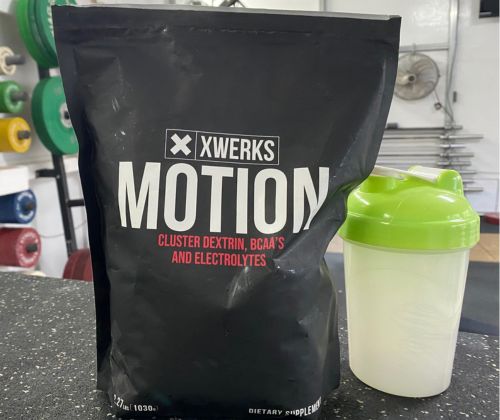
Hydration: The Often-Overlooked Performance Booster
Water is life, and in fitness, it’s performance. Proper hydration is critical for almost every bodily function.
Why Water is Critical:
- Temperature Regulation: Prevents overheating during exercise.
- Nutrient Transport: Carries nutrients and oxygen to cells.
- Joint Lubrication: Maintains healthy joints.
- Waste Removal: Helps flush out metabolic byproducts.
- Performance: Even mild dehydration can significantly impair strength, endurance, and cognitive function.
Signs of Dehydration: Thirst, dark urine, fatigue, dizziness, headaches, dry mouth.
Practical Tip: Carry a reusable water bottle with you throughout the day. Set reminders on your phone to drink water regularly. Aim for at least 2-3 liters of water daily, increasing with exercise intensity and environmental temperature.
The Role of Whole Foods: Nutrient Density First
While macronutrients provide the energy and building blocks, micronutrients (vitamins and minerals) from whole foods are the unsung heroes, optimizing every biological process.
- Prioritize Whole, Unprocessed Foods: Build the majority of your diet around fruits, vegetables, lean proteins, whole grains, and healthy fats. These foods are packed with essential vitamins, minerals, and fiber.
- Minimize Processed Foods: Limit intake of highly processed snacks, sugary drinks, and fast food. These are often calorie-dense but nutrient-poor.
- The 80/20 Rule (Flexible Dieting): Strive for 80% of your diet to come from nutrient-dense whole foods, allowing for 20% flexibility for occasional treats or less-than-perfect choices. This approach promotes sustainability and prevents feelings of deprivation.
Rebuilding and Recharge – The Art of Recovery and Rest
Training provides the stimulus, but recovery is where the magic truly happens. Neglecting recovery is like planting a seed and forgetting to water it; your efforts will yield minimal fruit.
The Essential Role of Sleep: Your Body’s Repair Shop
Sleep is arguably the most powerful recovery tool at your disposal. During sleep, your body undergoes critical repair and regeneration processes.
Why 7-9 Hours is Crucial:
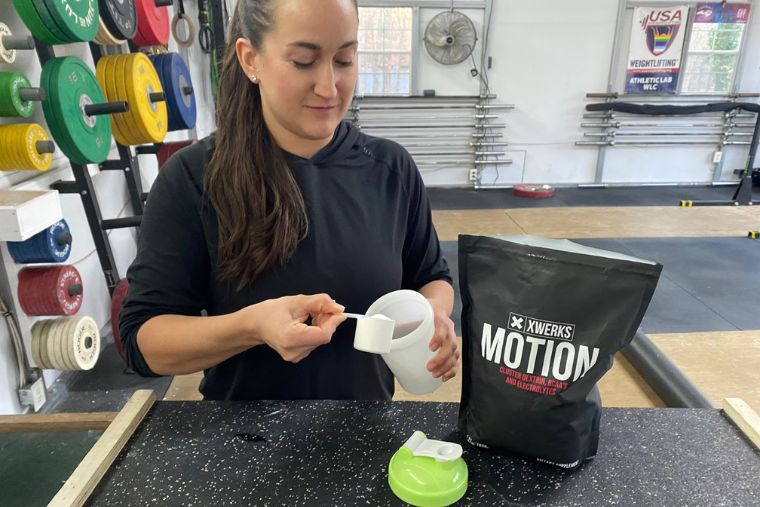
- Muscle Repair and Growth: During deep sleep, growth hormone is released, which is vital for muscle tissue repair and synthesis.
- Hormone Regulation: Sleep helps regulate cortisol (stress hormone) and testosterone, impacting muscle growth, fat loss, and overall well-being.
- Energy Restoration: Replenishes energy stores, ensuring you’re ready for your next workout.
- Cognitive Function: Improves focus, mood, and decision-making, crucial for maintaining motivation and proper form in the gym.
Tips for Better Sleep Hygiene:
- Consistency: Go to bed and wake up around the same time each day, even on weekends.
- Create a Routine: Develop a relaxing pre-sleep routine (e.g., reading, warm bath, meditation).
- Optimize Your Environment: Ensure your bedroom is dark, quiet, and cool.
- Limit Screen Time: Avoid screens (phones, tablets, computers) at least an hour before bed due to blue light disruption.
- Avoid Stimulants: Limit caffeine and heavy meals close to bedtime.
Active Recovery and Mobility: Enhancing Longevity
While rest days are for passive recovery, active recovery and mobility work can significantly enhance your body’s ability to bounce back and prevent injuries.
- What is Active Recovery? Low-intensity activities that increase blood flow without adding significant stress.
- Examples: Light walking, cycling, swimming, gentle yoga, foam rolling.
- Benefits: Helps flush out metabolic waste products, reduces muscle soreness (DOMS), and improves flexibility.
- Benefits of Mobility Work:
- Improved Range of Motion: Allows you to perform exercises with better form and deeper stretches.
- Injury Prevention: Addresses muscle imbalances and stiffness that can lead to injury.
- Enhanced Performance: A mobile body moves more efficiently and powerfully.
Practical Tip: Incorporate 10-15 minutes of dynamic stretching, foam rolling, or a light walk on your rest days or as part of your warm-up/cool-down routine. Focus on areas that feel tight or restricted.
Managing Stress: A Silent Saboteur of Progress
Stress, whether physical or psychological, significantly impacts your body’s ability to recover and adapt. Chronic stress elevates cortisol levels, which can hinder muscle growth, promote fat storage, and disrupt sleep.
Connection Between Stress, Hormones, and Recovery:
- Elevated Cortisol: Breaks down muscle tissue, suppresses immune function, and can make fat loss more challenging.
- Impaired Sleep: Stress makes it harder to fall asleep and reduces sleep quality.
- Reduced Motivation: Feeling constantly stressed can drain your mental energy and reduce your desire to train or eat well.
Techniques for Stress Management:
- Mindfulness and Meditation: Even short daily sessions can significantly reduce stress.
- Hobbies and Relaxation: Engage in activities you enjoy that take your mind off stressors.
- Time in Nature: Spending time outdoors has been shown to reduce stress levels.
- Social Connection: Lean on friends and family for support.
- Deep Breathing Exercises: Simple yet effective for calming the nervous system.
Recognizing and actively managing stress is a crucial, often overlooked, component of your fitness journey.
Fortifying Your Mindset – The Mental Game of Fitness
Fitness is as much a mental game as it is a physical one. Your mindset dictates your consistency, resilience, and ultimately, your long-term success.
Setting Realistic, Achievable Goals: The SMART Framework
Vague goals lead to vague results. Clear, well-defined goals provide direction and motivation. Use the SMART framework:
- Specific: What exactly do you want to achieve? (e.g., "I want to increase my squat," not "I want to get stronger.")
- Measurable: How will you track progress? (e.g., "by lifting 10kg more," not "by feeling stronger.")
- Achievable: Is it realistic given your current level and resources?
- Relevant: Does it align with your overall fitness vision and values?
- Time-bound: When do you plan to achieve it? (e.g., "in the next 12 weeks.")
Example: "I will increase my barbell back squat by 10kg to 70kg for 5 repetitions by the end of my 12-week training cycle, training 3 times per week and tracking my progress."
This structured approach avoids burnout and discouragement by setting you up for small, consistent wins.
Embracing Imperfection and Consistency: The Long Game
Fitness is not about perfection; it’s about persistence. There will be days you miss a workout, eat off-plan, or feel unmotivated. These moments are inevitable. What matters is how you respond.
- Don’t Let One Slip-Up Derail You: Acknowledge it, learn from it, and get back on track with your next meal or workout. One missed workout doesn’t negate weeks of effort.
- Focus on Showing Up: Consistency trumps intensity in the long run. Showing up for a mediocre workout is always better than skipping it entirely.
- View Setbacks as Learning Opportunities: What caused the slip-up? How can you prevent it next time?
Celebrating Small Victories: Building Momentum
The fitness journey is long, and large goals can seem daunting. Break them down into smaller milestones and celebrate each achievement.
- Acknowledge Progress: Did you add 2.5kg to your bench press? Did you drink your target water intake for a week? Did you stick to your meal plan for a few days? These are all wins!
- Keeps Motivation High: Celebrating small victories provides positive reinforcement, making the journey more enjoyable and sustainable.
- Builds Self-Efficacy: Each small win reinforces your belief in your ability to achieve larger goals.
Finding Your Why: Sustaining Motivation Through Challenges
Motivation ebbs and flows. To weather the inevitable storms, you need a deeper "why."
- Connect to Deeper Values: Why is fitness important to you? Is it for your health, longevity, mental clarity, to be a stronger role model, or to regain confidence?
- Vision Board/Journaling: Visualize your future self and journal about the benefits of achieving your fitness goals.
- Remind Yourself Regularly: When motivation wanes, revisit your "why" to reignite your drive. This intrinsic motivation is far more powerful than external pressures.
Integrating Your Blueprint: A Synergistic Approach
The true power of this blueprint lies not in mastering one pillar, but in seamlessly integrating all four. Training without proper nutrition and recovery is inefficient; nutrition without consistent training won’t build strength; neglecting your mindset will undermine all physical efforts.
- Interconnectedness: Recognize that a late night of poor sleep will impact your energy for training, which might lead to poorer food choices. Conversely, a good night’s rest will enhance your workout performance, making you more likely to stick to your nutrition plan.
- Start Small, Build Habits: Don’t try to overhaul everything at once. Choose one small, actionable change from each pillar to focus on for a few weeks. For example:
- Training: Commit to 3 full-body workouts per week.
- Nutrition: Add a serving of vegetables to two meals daily.
- Recovery: Aim for 7 hours of sleep each night.
- Mindset: Journal your fitness goals for 5 minutes daily.
- Consistency Over Perfection: Small, consistent efforts across all areas will compound into monumental results over time. This isn’t about being perfect; it’s about being consistently good enough.
Conclusion: Your Journey, Your Legacy
Your fitness journey is a profound personal endeavor, a testament to your commitment to self-improvement and resilience. This integrated blueprint – encompassing intelligent training, strategic nutrition, diligent recovery, and a fortified mindset – is your comprehensive guide to not just achieving your fitness aspirations, but to transcending them.
Remember, the path to sustainable strength and vitality is a marathon, not a sprint. There will be triumphs and setbacks, moments of exhilarating progress and frustrating plateaus. Embrace every step, for each challenge overcome, each healthy choice made, and each rep pushed contributes to the masterpiece that is your evolving self.
You possess the inherent power to sculpt your physique, elevate your energy, and sharpen your mind. The tools and knowledge are now at your fingertips. Start today. Be patient with the process, be persistent in your efforts, and be proud of every ounce of progress. Forge your fitness destiny, not just for the body you desire, but for the vibrant, resilient life you deserve. Your legacy of strength and vitality begins now.