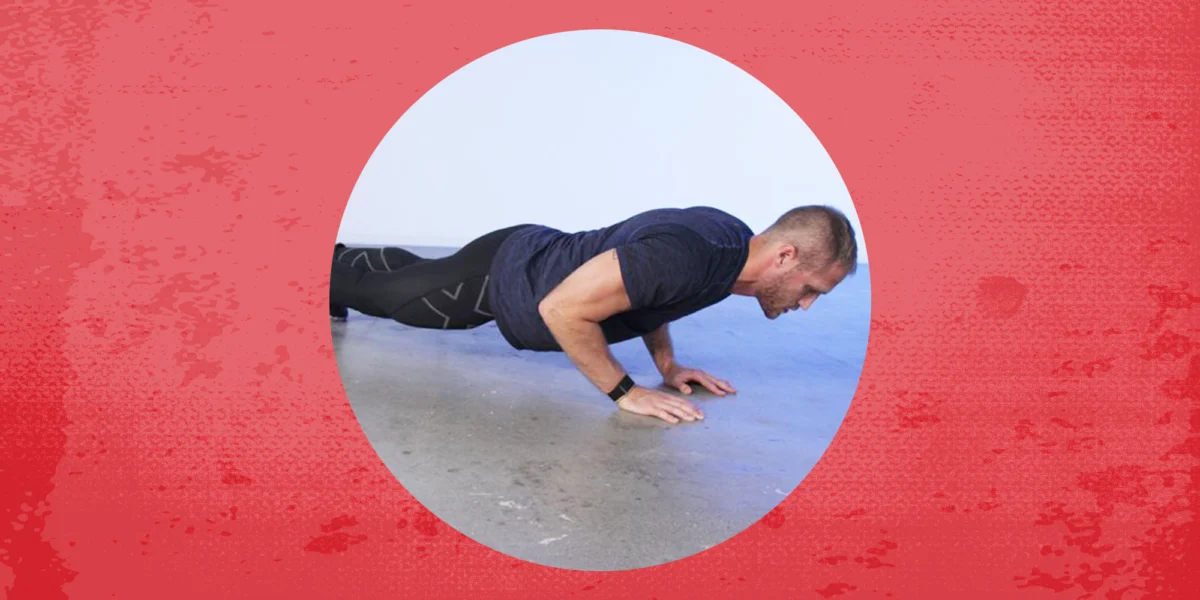

In the high-stakes world of medical dramas, characters often embody the ideals we aspire to: compassionate healers, brilliant diagnosticians, and unwavering pillars of strength. But what happens when a character challenges our expectations, even frustrates us with their perceived flaws? Enter James Ogilvie, the "know-it-all" medical student from the hit series "The Pitt," brought to life by the compelling performance of Lucas Iverson. While Ogilvie might be the student doctor you love to hate, there’s a surprising amount of inspiration to be found in his journey, especially for those of us navigating our own fitness goals.
The world of fitness, much like the demanding environment of a trauma hospital, requires dedication, resilience, and a willingness to push beyond our perceived limits. And just as Ogilvie grapples with his own shortcomings and the complexities of patient care, we too face challenges in our pursuit of a healthier, stronger self. This article delves into the lessons we can glean from Ogilvie’s character arc, translating his on-screen struggles into actionable advice for your fitness journey. We’ll explore how to cultivate a relentless drive, manage setbacks, and ultimately, develop a more empathetic and effective approach to your personal well-being.
The "Gunner" Mentality: Harnessing Ambition for Your Fitness Goals
Lucas Iverson describes Ogilvie as a "gunner" – an archetype of a student driven to "win" by being the best, often at the expense of others. While this trait makes Ogilvie frustrating to watch in a professional setting, the underlying drive can be a powerful motivator in fitness.
Think about your fitness goals. Are you aiming to lift heavier weights, run faster, or simply feel more energized? This "gunner" mentality, when channeled constructively, can be the engine that propels you forward.

- Set Ambitious Targets: Don’t shy away from setting challenging goals. If your current bench press is 100 pounds, aim for 120. If your fastest 5k is 30 minutes, set your sights on 27. These ambitious targets will push you to train harder and smarter.
- Embrace the Process: The "gunner" in fitness isn’t about outperforming others, but about relentlessly improving yourself. Focus on the daily grind, the consistent effort, and the small victories. Each workout, each healthy meal, is a step towards your ultimate objective.
- Learn from Every Attempt: Just as Ogilvie learns from his interactions with patients and colleagues, view every workout as a learning opportunity. Did you hit a new personal best? Understand what contributed to that success. Did you struggle? Analyze what went wrong and how you can adapt for the next session.
Real-life Example: Sarah, a beginner runner, initially felt intimidated by the idea of joining a running club. She saw others who were faster and more experienced. By adopting a "gunner" mentality focused on her own progress, she started by setting a goal of running a 5k without stopping. She dedicated herself to a consistent training plan, focusing on her own pace and endurance. While she wasn’t the fastest in the group, her internal drive to improve led to significant progress, and eventually, she was joining the faster runners on their longer routes.
Navigating Setbacks: Ogilvie’s "Ogilvie Syndrome" and Your Fitness Plateaus
The term "Ogilvie syndrome" refers to a severe blockage, a metaphor for being "full of it." In fitness, we often encounter our own "syndromes" – plateaus, injuries, or moments of demotivation that feel like insurmountable blockages. Ogilvie’s journey, despite his abrasive exterior, demonstrates a capacity for learning and adaptation, which is crucial when facing these fitness hurdles.
- Acknowledge the Plateau: Don’t ignore it. Recognize that progress isn’t always linear. A plateau is a sign that your body has adapted to your current routine and needs a new stimulus.
- Don’t Fear "Being Full of It" (Literally): In the context of fitness, this can mean being overloaded with information or feeling overwhelmed by choices. It’s okay to feel this way. The key is to break down complex information into manageable steps.
- Seek Guidance: Just as Ogilvie eventually learns from experienced doctors like Dr. McKay and Noah Wyle’s character, don’t hesitate to seek advice from fitness professionals, experienced trainers, or even knowledgeable friends. They can offer fresh perspectives and help you navigate through your challenges.
- Experiment and Adapt: Ogilvie’s character evolves. Similarly, your fitness plan should be dynamic. If a particular exercise or training method isn’t yielding results, be willing to change it. This could mean adjusting your workout intensity, trying a new form of cardio, or modifying your nutrition.
Practical Workout Tip: If you’ve hit a strength training plateau, try incorporating advanced techniques like drop sets, supersets, or periodization. For endurance athletes, consider interval training or hill repeats to break through barriers.
The Importance of "Bedside Manner" in Your Fitness Journey
Ogilvie’s notorious lack of bedside manner is a recurring theme. He prioritizes raw knowledge over empathetic connection. In fitness, this translates to how we treat ourselves and our bodies.

- Be Kind to Yourself: Just as a doctor needs to connect with their patient, you need to foster a positive relationship with your own body. Avoid harsh self-criticism. Celebrate your efforts, even on days when you don’t achieve your desired outcome.
- Listen to Your Body: Ogilvie’s initial dismissal of patient cues is a dangerous flaw. Your body sends signals – fatigue, pain, hunger. Ignoring these signals can lead to overtraining, injury, and burnout. Learn to interpret these messages and respond accordingly.
- Celebrate Small Wins: Ogilvie’s journey shows glimmers of empathy and learning. Similarly, acknowledge and appreciate the smaller victories in your fitness journey. Completing a challenging workout, making a healthier food choice, or simply feeling stronger are all significant achievements.
Real-life Example: Mark, a busy professional, often felt guilty for skipping a workout due to a demanding work schedule. He’d berate himself, leading to a cycle of demotivation. By shifting his mindset to one of self-compassion, he started to view missed workouts not as failures, but as necessary adjustments. He learned to reschedule and focus on making healthier choices in other areas of his day, which ultimately helped him maintain consistency without the added stress of self-recrimination.
Beyond the Jargon: Understanding the "Why" Behind Your Fitness Choices
Ogilvie’s ability to recite complex medical jargon is impressive but initially lacks context. Similarly, many of us engage in fitness routines without fully understanding the underlying principles.
- Educate Yourself: Learn the "why" behind your exercises and nutritional choices. Understand how different movements benefit your muscles, how macronutrients fuel your body, and how sleep impacts recovery. This knowledge empowers you to make informed decisions and adapt your plan effectively.
- Focus on Functional Fitness: Ogilvie’s initial focus on procedure over patient care highlights a disconnect. In fitness, aim for exercises that translate to real-world benefits. Functional movements improve your ability to perform everyday tasks, enhance athletic performance, and reduce the risk of injury.
- Connect with the Purpose: Why are you pursuing fitness? Is it for health, longevity, performance, or confidence? Keeping your core motivation at the forefront will help you stay committed, especially when the initial excitement wanes.
Practical Workout Tip: Before performing a new exercise, research its benefits and proper form. Understand the muscle groups it targets and how it contributes to your overall fitness goals. This knowledge will not only improve your technique but also increase your engagement with your workouts.
The "Ogilvie Syndrome" in Your Diet: Building Sustainable Habits
Ogilvie’s "Ogilvie Syndrome" can be a metaphor for unhealthy dietary habits – being "full of" processed foods, empty calories, or restrictive diets that are ultimately unsustainable. True fitness success lies in building habits that nourish your body and mind.

- Embrace Gradual Change: Just as Ogilvie’s character undergoes development, your dietary habits should evolve. Instead of drastic overhauls, focus on incorporating small, sustainable changes. This might mean adding more vegetables to your meals, reducing sugar intake, or opting for whole grains.
- Prioritize Nutrient Density: Focus on foods that provide maximum nutritional value. This means choosing lean proteins, healthy fats, and complex carbohydrates that will fuel your workouts and support your recovery.
- Practice Mindful Eating: Pay attention to your hunger and fullness cues. Avoid eating out of boredom or stress. Ogilvie’s initial insensitivity to patient needs can mirror our own disregard for our body’s signals when it comes to food.
- Don’t Fear the "Off" Days: Even Ogilvie has moments of vulnerability and learning. In your diet, occasional indulgences are perfectly normal. The key is to return to your healthy eating patterns afterward without guilt or self-sabotage.
Real-life Example: David struggled with yo-yo dieting, constantly falling into restrictive cycles followed by binges. He realized his "Ogilvie Syndrome" in his diet was a result of trying to achieve perfection overnight. He shifted his approach by focusing on adding one new healthy habit each week – for example, swapping his sugary cereal for oatmeal, then adding a serving of fruit, then incorporating lean protein into breakfast. This gradual, sustainable approach led to long-term dietary improvements and a healthier relationship with food.
Finding Your "Whitaker" Within: The Power of Empathy and Self-Awareness
While Ogilvie embodies the "asshole-savant," the show also presents characters like Whitaker, who possess a natural empathy and understanding. The key to true fitness growth lies in integrating the drive of the "gunner" with the self-awareness and empathy of a compassionate healer – both towards yourself and others on their fitness journeys.
- Cultivate Self-Compassion: Treat yourself with the same kindness and understanding you would offer a friend who is struggling. Acknowledge your efforts and progress, no matter how small.
- Develop Emotional Intelligence: Understand your motivations, your triggers, and your emotional responses to challenges. This self-awareness is crucial for navigating the inevitable ups and downs of fitness.
- Extend Empathy to Others: The fitness community is diverse. Be supportive and encouraging of others, recognizing that everyone is on their own unique journey. Avoid judgment and celebrate collective progress.
- Embrace Vulnerability: Ogilvie’s scene on the roof with Robby, where he admits his struggles, is a powerful moment of growth. Allowing yourself to be vulnerable, to admit when you’re struggling, and to ask for help is a sign of strength, not weakness.
Actionable Advice:
- Start a Gratitude Journal: Each day, write down three things you’re grateful for related to your fitness journey. This could be a successful workout, a healthy meal, or a moment of self-care.
- Practice Positive Affirmations: Repeat positive statements about your body and your capabilities. For example, "I am strong and capable," or "I am making healthy choices for my body."
- Find a Workout Buddy: Having someone to share your journey with can provide accountability, motivation, and a sense of camaraderie.
- Seek Professional Guidance: If you’re struggling with motivation, plateaus, or specific fitness goals, consider working with a certified personal trainer or a registered dietitian.
Conclusion: Your Fitness Journey is a Lifelong Evolution
James Ogilvie, the character you might initially love to hate, offers a surprisingly rich tapestry of lessons for anyone committed to their physical and mental well-being. His journey from an abrasive "gunner" to a student capable of glimpses of empathy reminds us that growth is a continuous process.

Just as Ogilvie learns that true healing involves more than just medical knowledge, your fitness journey is about more than just lifting weights or following a diet. It’s about cultivating a sustainable relationship with your body, embracing challenges with resilience, and approaching your goals with a blend of ambition and self-compassion.
Don’t let the perceived flaws of a fictional character deter you from finding inspiration in their evolution. Instead, take Ogilvie’s drive, his capacity for learning, and his eventual understanding of empathy as a blueprint for your own fitness transformation. Embrace the "gunner" within to push your limits, acknowledge your "Ogilvie syndromes" to adapt and overcome, and always, always cultivate that crucial "bedside manner" for yourself. Your body and your mind will thank you for it. Now, go forth and evolve!