In the dynamic world of health and fitness, where trends ebb and flow, one constant remains a cornerstone for progress: protein. Among the myriad of dietary supplements, whey protein stands out as a consistently popular and highly effective tool for individuals striving to build muscle, manage weight, and enhance recovery. For both the enthusiastic beginner taking their first steps towards a healthier lifestyle and the intermediate enthusiast pushing their limits, understanding and strategically incorporating whey protein can be a game-changer.
This comprehensive guide is designed to cut through the noise, offering you an authoritative yet motivational roadmap to demystify whey protein. We’ll explore what it is, its diverse forms, the profound benefits it offers for your physique and performance, and most importantly, how to seamlessly integrate it into your daily routine with practical, actionable advice. Your fitness journey is unique, and with the right knowledge, you can harness the power of whey protein to fuel your progress and unlock your true potential.
What Exactly is Whey Protein? A Nutritional Powerhouse Explained
At its core, whey protein is a natural, high-quality protein derived from milk. During the cheese-making process, milk separates into curds and a liquid byproduct – that liquid is whey. While once largely discarded, modern nutritional science has revealed whey to be a treasure trove of amino acids, making it a prized supplement for anyone serious about their fitness goals.
Whey is considered a "complete protein," meaning it contains all nine essential amino acids (EAAs) that your body cannot produce on its own and must obtain from food. These EAAs are the fundamental building blocks for muscle tissue, enzymes, hormones, and countless other vital bodily functions. Among these, the branched-chain amino acids (BCAAs) – leucine, isoleucine, and valine – are particularly noteworthy. Leucine, in particular, acts as a critical trigger for muscle protein synthesis (MPS), the process by which your body repairs and builds new muscle tissue. This makes whey protein exceptionally potent for recovery and growth, especially after challenging workouts.
Beyond its complete amino acid profile, whey protein boasts high bioavailability, meaning your body can efficiently absorb and utilize its nutrients. This rapid digestion makes it an ideal choice for replenishing amino acid stores quickly, especially during the crucial post-exercise period. Think of it as delivering premium construction materials directly to your muscle cells precisely when they need them most for repair and growth.
The Different Faces of Whey: Concentrate, Isolate, and Hydrolysate
When you venture into the world of whey protein, you’ll quickly encounter different labels: concentrate, isolate, and hydrolysate. These terms refer to varying degrees of processing, which impact their nutritional composition, digestion rate, and suitability for different dietary needs. Understanding these distinctions is key to choosing the best option for you.
Whey Protein Concentrate (WPC)
Whey protein concentrate is the least processed form of whey. After the liquid whey is collected, it undergoes a simple filtration process that removes most of the water and some non-protein components. As a result, WPC typically contains:
- Protein Content: Usually 70-80% protein by weight.
- Lactose, Fats, and Carbohydrates: Higher levels compared to isolate or hydrolysate.
- Beneficial Nutrients: Often retains more of the beneficial immunoglobulins and lactoferrin naturally found in whey.
Who is it for? WPC is an excellent choice for general fitness enthusiasts looking for a cost-effective, high-quality protein source. Its slightly higher fat and carb content makes it a good option for those looking to add a few extra calories, and many find its taste and texture more palatable. If you don’t have severe lactose intolerance, WPC offers great value and effectiveness.
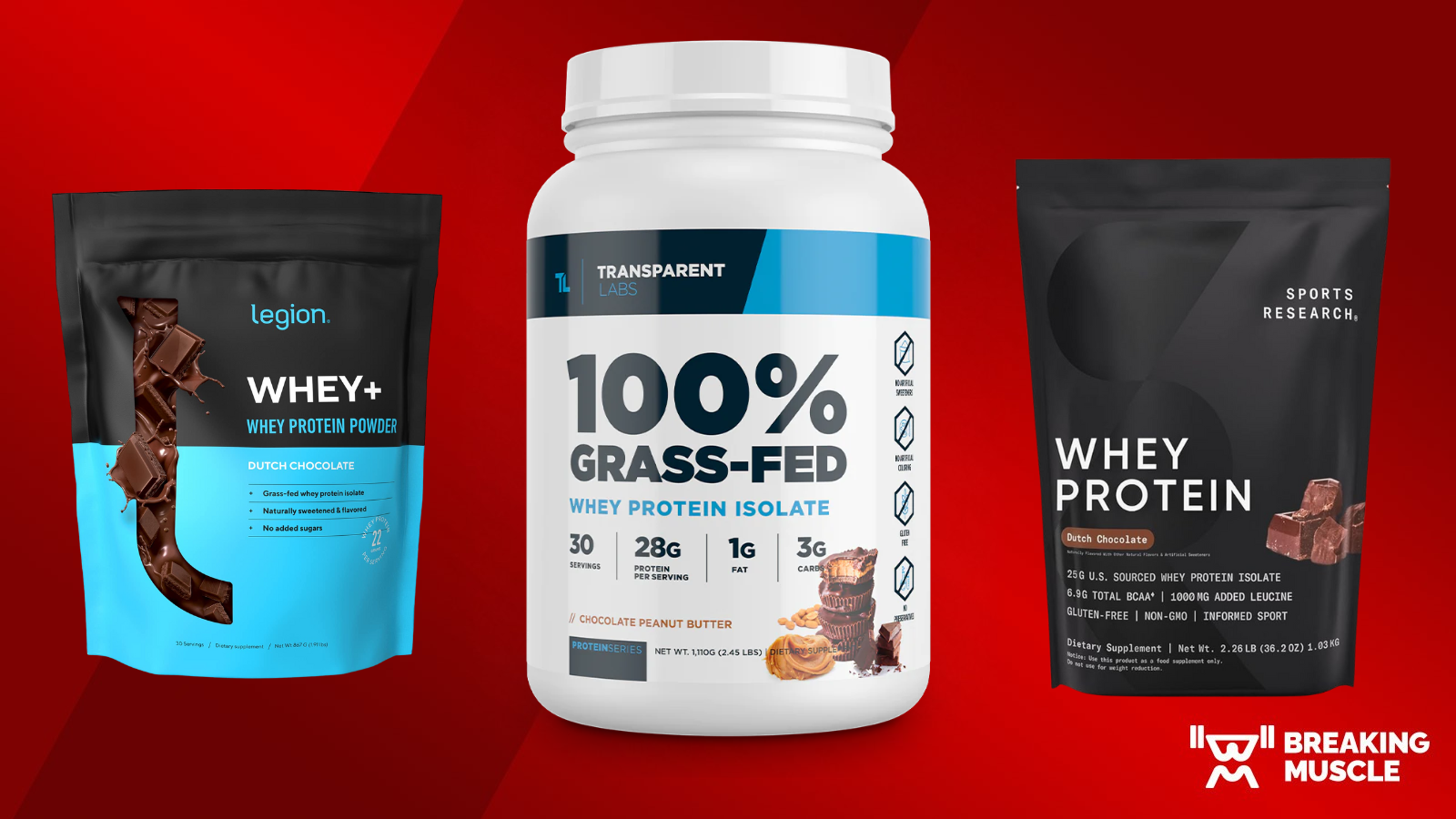
Whey Protein Isolate (WPI)
Whey protein isolate undergoes further processing and filtration compared to concentrate. This additional refinement removes more of the lactose, fat, and carbohydrates, resulting in a purer protein product.
- Protein Content: Typically 90% or more protein by weight.
- Lactose, Fats, and Carbohydrates: Significantly lower, often trace amounts.
- Digestion: Generally digests slightly faster than WPC due to fewer non-protein components.
Who is it for? WPI is ideal for individuals who are:
- Mildly Lactose Intolerant: The reduced lactose content often makes it easier to digest.
- Watching Calorie/Macro Intake Closely: Its lean profile is perfect for cutting phases or strict diets.
- Seeking Maximum Protein Purity: Athletes or those who want the highest protein concentration per serving.
Whey Protein Hydrolysate (WPH)
Whey protein hydrolysate is the most extensively processed form. It undergoes a process called "partial hydrolysis," where the long protein chains are enzymatically broken down into smaller peptides. This essentially "pre-digests" the protein.
- Protein Content: Varies, often similar to isolate, but the protein is in a different form.
- Lactose, Fats, and Carbohydrates: Very low, similar to isolate.
- Digestion: Digests and absorbs extremely rapidly due to the broken-down peptides, leading to a quicker amino acid delivery to muscles.
Who is it for? WPH is often chosen by:
- Elite Athletes: For whom immediate nutrient delivery post-workout is a priority.
- Individuals with Digestive Sensitivities: The pre-digested nature can make it easier on the stomach for some.
- Those Recovering from Injury: To support rapid tissue repair.
It’s generally the most expensive option due to the additional processing.
Each type has its place, and your choice will depend on your specific dietary needs, budget, and fitness objectives. Don’t feel pressured to choose the most expensive option; often, WPC or WPI will be more than sufficient for most beginners and intermediate enthusiasts.
Unleashing the Benefits: Why Whey Protein Can Boost Your Fitness Journey
Incorporating whey protein into your regimen isn’t just about following a trend; it’s about strategically fueling your body to achieve specific physiological advantages that accelerate your fitness progress.
Accelerated Muscle Growth and Repair
This is perhaps the most celebrated benefit of whey protein. When you engage in resistance training, you create microscopic tears in your muscle fibers. These tears are a natural and necessary part of the growth process. Your body then repairs these fibers, making them stronger and larger – a process known as muscle protein synthesis (MPS).
- The Leucine Advantage: As mentioned, whey protein is exceptionally rich in leucine. Leucine acts like a "start" signal for MPS, initiating the cascade of events that leads to muscle repair and growth.
- Post-Workout Power: Consuming whey protein shortly after your workout provides a rapid influx of these critical amino acids, optimizing your body’s ability to kickstart the repair process.
- Actionable Tip: Aim for 20-40 grams of whey protein post-workout. While the "anabolic window" isn’t as narrow as once believed, providing your muscles with readily available building blocks soon after exercise is still an excellent strategy for efficient recovery and growth.
Preserving Lean Muscle Mass
Whether your goal is to lose weight, maintain your physique, or build muscle, preserving lean muscle mass is paramount. Muscle is metabolically active, meaning it burns more calories at rest than fat tissue.
- During Caloric Deficit: When you’re in a caloric deficit (eating fewer calories than you burn) to lose weight, your body might, unfortunately, tap into muscle tissue for energy. A high-protein diet, supplemented with whey, signals to your body that there are ample amino acids available, encouraging it to prioritize fat burning while sparing precious muscle.
- Aging and Muscle Loss: As we age, we naturally begin to lose muscle mass (sarcopenia). Regular resistance training combined with adequate protein intake, including whey, can significantly mitigate this decline, helping you maintain strength, mobility, and an active lifestyle well into your later years.
Effective Weight Management and Satiety
One of the most powerful allies in a weight management strategy is satiety – the feeling of fullness and satisfaction after eating. Protein is renowned for its satiating effect, making whey protein a valuable tool for controlling hunger and reducing overall calorie intake.
- Regulating Hunger Hormones: Protein influences hormones that regulate appetite, such as ghrelin (the hunger hormone) and GLP-1 (a satiety hormone). By keeping you fuller for longer, whey protein can help you resist unhealthy cravings and avoid overeating.
- Reducing Snacking: A protein shake or protein-infused snack can serve as a quick, convenient, and satisfying option between meals.
- Real-Life Example: Imagine a busy parent who often finds themselves grabbing unhealthy snacks due to lack of time. By preparing a quick whey protein shake with some fruit, they can curb hunger effectively, stay on track with their nutritional goals, and avoid the afternoon slump and subsequent poor food choices. This simple habit can lead to significant calorie savings over time.
Enhanced Recovery and Reduced Muscle Soreness
The discomfort of delayed onset muscle soreness (DOMS) can sometimes deter even the most dedicated individuals. Whey protein plays a crucial role in mitigating DOMS and accelerating overall recovery.
- Rapid Repair: By providing amino acids quickly, whey protein helps repair muscle damage more efficiently, reducing the intensity and duration of soreness.
- Getting Back to Training: Faster recovery means you can return to your workouts sooner, maintaining consistency and momentum in your training schedule. This uninterrupted progress is vital for long-term gains.
Unmatched Convenience and Versatility
In today’s fast-paced world, convenience is a major factor in adhering to any nutritional plan. Whey protein powder excels in this regard.
- Quick and Easy: A protein shake can be prepared in minutes, making it an ideal option for breakfast on the go, a post-workout refuel, or a quick snack.
- Culinary Adaptability: Beyond shakes, whey protein can be easily incorporated into a variety of foods. Blend it into smoothies, stir it into oatmeal or yogurt, or even use it in baking recipes like pancakes, muffins, or protein bars to boost their nutritional value without compromising taste.
By leveraging these benefits, you’re not just adding a supplement; you’re investing in a more efficient, sustainable, and enjoyable fitness journey.
Integrating Whey Protein into Your Daily Routine: Practical Steps
Understanding the benefits is one thing; putting that knowledge into practice is another. Here’s how to seamlessly incorporate whey protein into your daily life to maximize its impact on your fitness goals.
Determining Your Individual Protein Needs
Before you start scooping, it’s essential to understand how much protein you actually need. There’s no one-size-fits-all answer, as your protein requirements depend on several factors: your body weight, activity level, fitness goals (e.g., muscle gain, fat loss, maintenance), and age.
- General Guidelines for Active Individuals: For most beginners and intermediate fitness enthusiasts engaging in regular resistance training, a good starting point is to aim for 0.8 to 1.0 gram of protein per pound of body weight per day. So, if you weigh 150 pounds, you might aim for 120-150 grams of protein daily.
- The "Supplement" Mindset: Remember, whey protein powder is a supplement, designed to complement your dietary intake, not replace whole food sources. Prioritize getting protein from lean meats, fish, eggs, dairy, and legumes first. Whey protein then helps bridge any gaps.
- Actionable Advice: Track and Assess: For a few days, try tracking your current protein intake using a food diary app. This will give you a realistic picture of how much protein you’re consuming from whole foods and where whey protein can effectively fit in to help you reach your daily target.
When to Take It: Timing for Optimal Impact
While the concept of a rigid "anabolic window" immediately post-workout has been largely broadened, certain timings can still optimize convenience and effectiveness. The most critical factor remains your total daily protein intake, but strategic timing can enhance results.
- Post-Workout Power-Up: This is perhaps the most classic and still highly effective time. After exercise, your muscles are primed for nutrient uptake. A whey protein shake delivers a rapid supply of amino acids to kickstart muscle repair and recovery.
- Morning Kickstart: Starting your day with protein can help manage hunger throughout the morning and contribute significantly to your daily protein goal. Blend it into a smoothie or mix it with oatmeal.
- Between Meals for Satiety: If you find yourself getting hungry between main meals, a small whey protein shake can be a satisfying and healthy snack, preventing you from reaching for less nutritious options.
- Before Bed (Optional, but Consider Slower Proteins): While whey is fast-digesting, if you’re looking for a sustained release of amino acids overnight, a slower-digesting protein like casein might be preferable. However, a whey shake can still contribute to your overall daily protein needs if taken before bed.
Practical Tip: Don’t stress excessively over the exact minute you consume your shake. Focus on getting enough protein consistently throughout the day, spreading your intake across meals and snacks.
How to Consume It: Versatility in Action
One of whey protein’s greatest strengths is its versatility. You’re not just limited to plain shakes!
- Classic Shakes: The easiest method. Mix one scoop with 8-12 ounces of water, milk (dairy or plant-based), or juice. Use a shaker bottle for convenience. Experiment with different liquid amounts to find your preferred consistency.
- Nutrient-Packed Smoothies: Elevate your shake by blending whey protein with fruits (berries, banana), vegetables (spinach, kale), healthy fats (avocado, nut butter), and other supplements (chia seeds, flax seeds). This creates a more substantial, nutrient-dense meal replacement or snack.
- Beyond the Blender:
- Oatmeal: Stir a scoop of unflavored or flavored whey into your cooked oatmeal after it has cooled slightly.
- Yogurt/Cottage Cheese: Mix it into Greek yogurt or cottage cheese for an extra protein boost.
- Baking: Incorporate whey protein into recipes for pancakes, muffins, protein bars, or even cookies. It can replace some of the flour content and boost the protein.
- "Proats" (Protein Oats): A popular fitness hack involves mixing protein powder into oatmeal for a delicious and high-protein breakfast.
Practical Tip: If you’re new to whey protein, start with basic flavors like vanilla or chocolate, which are highly versatile. Experiment with different recipes to discover enjoyable ways to consume it consistently. The key is to make it a sustainable and enjoyable part of your routine.
Navigating the Market: Choosing the Right Whey Protein for You
The sheer volume of whey protein products can be overwhelming. To make an informed decision that aligns with your fitness journey, consider these key factors:
Understanding Your Goals
Before you even look at products, clarify your primary objective:
- Muscle Gain: Focus on adequate protein content and a full amino acid profile.
- Weight Loss: Prioritize lower calorie, carb, and fat options (often WPI).
- Recovery: Rapidly digestible forms like WPI or WPH might be beneficial.
- Dietary Restrictions: Lactose intolerance, gluten-free needs, or specific allergen avoidance will narrow your choices.
Key Factors to Consider When Selecting a Product
-
Type of Protein (Concentrate, Isolate, Hydrolysate): As discussed earlier, match the type to your dietary needs and budget. WPC is generally more affordable, while WPI and WPH offer higher purity and faster digestion at a higher price point.
-
Nutritional Profile Per Serving:
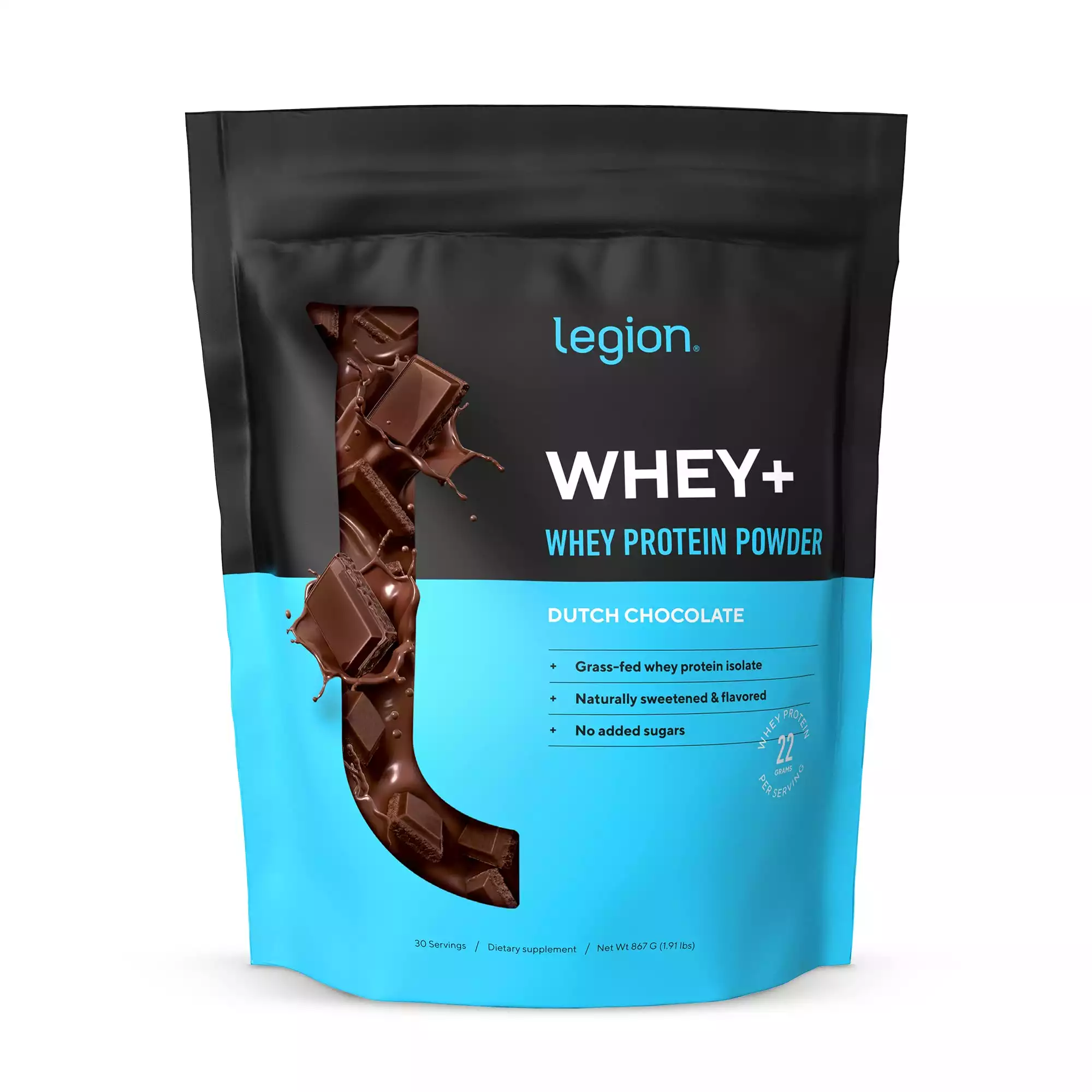
- Protein Content: Aim for at least 20-25 grams of protein per serving for effective muscle protein synthesis.
- Calories, Carbs, Fats, and Sugars: Check these figures, especially if you’re managing your weight or following a specific macronutrient plan. For weight loss, lower carbs and fats are often preferred.
- Amino Acid Profile: While most reputable whey proteins are complete, some brands will list the BCAA content. Higher leucine is a good sign.
-
Ingredients and Additives:
- Minimal Ingredients: Generally, fewer ingredients are better. Look for products with recognizable components.
- Sweeteners: Many products use artificial sweeteners (sucralose, acesulfame potassium) or natural sweeteners (stevia, monk fruit). If you have sensitivities or preferences, check the label carefully. Some prefer unsweetened versions to control the taste themselves.
- Fillers: Avoid products with excessive fillers or proprietary blends that don’t disclose ingredient amounts.
- Allergens: Always check for common allergens like soy (often used as an emulsifier), gluten, or warnings about being processed in facilities that handle nuts.
-
Taste and Mixability: These are subjective but crucial for long-term adherence. If you dislike the taste or texture, you’re less likely to consistently use the product.
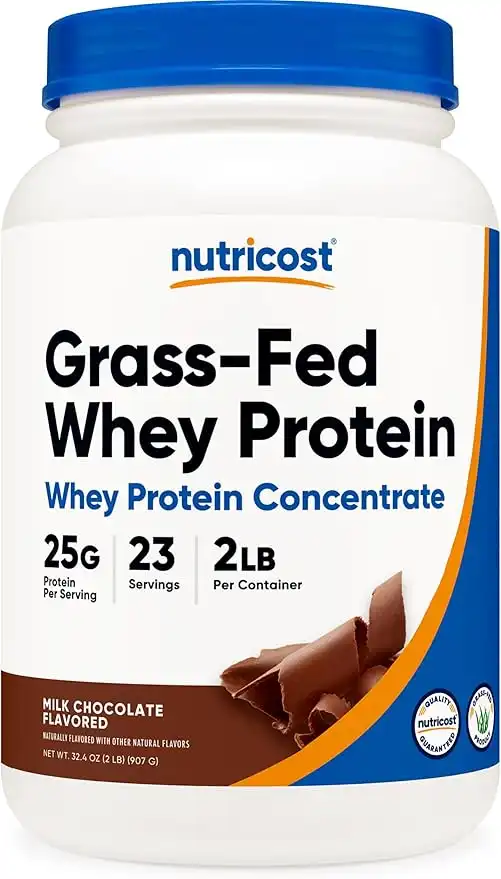
- Practical Tip: If possible, try small sample packets or purchase smaller containers initially before committing to a large tub. Read reviews for insights into taste and how well it dissolves (mixability). A well-mixing powder prevents chalky textures and clumps.
-
Third-Party Testing and Certifications: For peace of mind, especially if you’re an athlete or concerned about product purity, look for certifications from independent third-party organizations.
- Examples: Organizations like Informed Sport, NSF Certified for Sport, or Labdoor rigorously test supplements for banned substances, contaminants, and ensure that the product contains what the label claims. This adds a crucial layer of trust and quality assurance.
-
Price Point: Whey protein prices vary significantly. While quality often comes at a price, you don’t always need the most expensive option. Calculate the cost per serving to get a true comparison. Balance your budget with your desire for specific features (e.g., isolate vs. concentrate, third-party testing).
By systematically evaluating these factors, you can confidently choose a whey protein that not only fits your budget but also genuinely supports your health and fitness aspirations.
Potential Considerations and How to Use Whey Responsibly
While whey protein is generally safe and beneficial for most healthy adults, being aware of potential considerations and using it responsibly is important for a positive experience.
Digestive Issues
Some individuals may experience mild digestive discomfort when consuming whey protein.
- Lactose Intolerance: If you’re lactose intolerant, whey protein concentrate (WPC) might cause bloating, gas, or stomach cramps due to its higher lactose content. In this case, opting for a whey protein isolate (WPI) or hydrolysate (WPH) is often a better choice, as they contain significantly less lactose.
- General Sensitivity: Even with low-lactose options, some people might experience minor discomfort. Start with smaller doses, ensure adequate hydration, and try mixing your protein with water instead of milk to see if it helps.
Hydration is Key
When you increase your protein intake, it’s crucial to also increase your water intake. Protein metabolism requires water, and insufficient hydration can lead to issues like constipation or place undue stress on your kidneys. Aim for at least 8-10 glasses of water daily, and more if you’re very active.
Not a Magic Bullet
It’s vital to maintain a realistic perspective. Whey protein is a powerful supplement that supports a healthy lifestyle; it is not a standalone solution.
- Balanced Diet: It must complement a well-rounded diet rich in whole foods, including fruits, vegetables, whole grains, and healthy fats. Relying solely on protein powder can lead to nutrient deficiencies.
- Consistent Training: Muscle growth and fat loss require consistent and progressive resistance training and cardiovascular exercise. Whey protein aids recovery and growth but doesn’t do the work for you.
- Adequate Rest: Sleep is when your body truly repairs and rebuilds. Ensure you’re getting 7-9 hours of quality sleep per night.
Consulting a Professional
While whey protein is widely regarded as safe, it’s always wise to consult a healthcare professional, registered dietitian, or certified sports nutritionist before making significant dietary changes or introducing new supplements, especially if you:
- Have pre-existing medical conditions (e.g., kidney disease, liver issues).
- Have severe allergies or dietary restrictions.
- Are pregnant or breastfeeding.
- Are taking medications that might interact with supplements.
They can provide personalized advice based on your individual health profile and needs.
Beyond the Powder: Integrating Whey with a Holistic Fitness Lifestyle
Whey protein, when used judiciously, is an incredible asset. However, its true power is unlocked when viewed as one component within a broader, holistic fitness and wellness strategy. Your journey to a stronger, healthier you encompasses much more than just a scoop of powder.
Whole Foods First: Always prioritize nutrient-dense whole foods. Whey protein should fill the gaps, not create them. Think of it as the ultimate convenient protein source when a whole-food meal isn’t practical or when you need a quick boost.
Consistency in Training: The benefits of whey protein are amplified by consistent and challenging workouts. Show up, put in the effort, and the protein will help your body adapt and grow.
Adequate Sleep: As mentioned, sleep is your body’s prime time for recovery and repair. All the protein in the world won’t compensate for chronic sleep deprivation.
Stress Management: High stress levels can negatively impact hormones and recovery. Incorporate practices like mindfulness, meditation, or simply dedicating time to hobbies you enjoy to keep stress in check.
Mindset and Patience: Fitness is a marathon, not a sprint. There will be plateaus, setbacks, and moments of doubt. A positive, patient mindset, coupled with consistent effort, will see you through to your long-term goals. Celebrate small victories and learn from challenges.
By embracing this comprehensive approach, you create an environment where whey protein can truly shine, acting as a powerful catalyst for your overall success.
Your Journey Starts Now: Actionable Takeaways
You now have a robust understanding of whey protein and its role in fitness. Here are your actionable takeaways to begin or enhance your journey:
- Assess Your Needs: Calculate your daily protein target based on your body weight and activity level.
- Choose Wisely: Select a whey protein type (concentrate, isolate, or hydrolysate) that aligns with your dietary needs, budget, and taste preferences.
- Strategic Timing: Integrate whey protein into your routine when it’s most convenient and beneficial for you – post-workout, with breakfast, or as a satiating snack.
- Experiment with Versatility: Don’t limit yourself to plain shakes. Explore smoothies, oatmeal, or even protein-enhanced baking.
- Prioritize Whole Foods: Remember, whey is a supplement. Build your nutritional foundation on whole, unprocessed foods.
- Stay Hydrated: Drink plenty of water throughout the day, especially with increased protein intake.
- Listen to Your Body: Pay attention to how your body responds to whey protein and adjust as needed. If digestive issues persist, consider a different type or consult a professional.
- Commit to Consistency: The real magic happens with consistent effort – in your training, nutrition, and recovery.
Conclusion: Fuel Your Future, Build Your Best Self
Your fitness journey is a testament to your commitment to self-improvement. Whey protein, when understood and utilized intelligently, can be a potent ally in this endeavor. It’s not just about building bigger muscles; it’s about fueling your body to perform at its best, recovering efficiently, managing your weight effectively, and ultimately, building a stronger, healthier, and more resilient you.
Embrace the knowledge you’ve gained today. Make informed choices, stay consistent with your efforts, and never underestimate the power of proper nutrition in conjunction with dedicated training. The path to your best self is paved with consistent effort and smart choices. Step forward with confidence, fuel your future, and forge the foundation for a lifetime of health and vitality. You have the power within you – now, go out and build it!