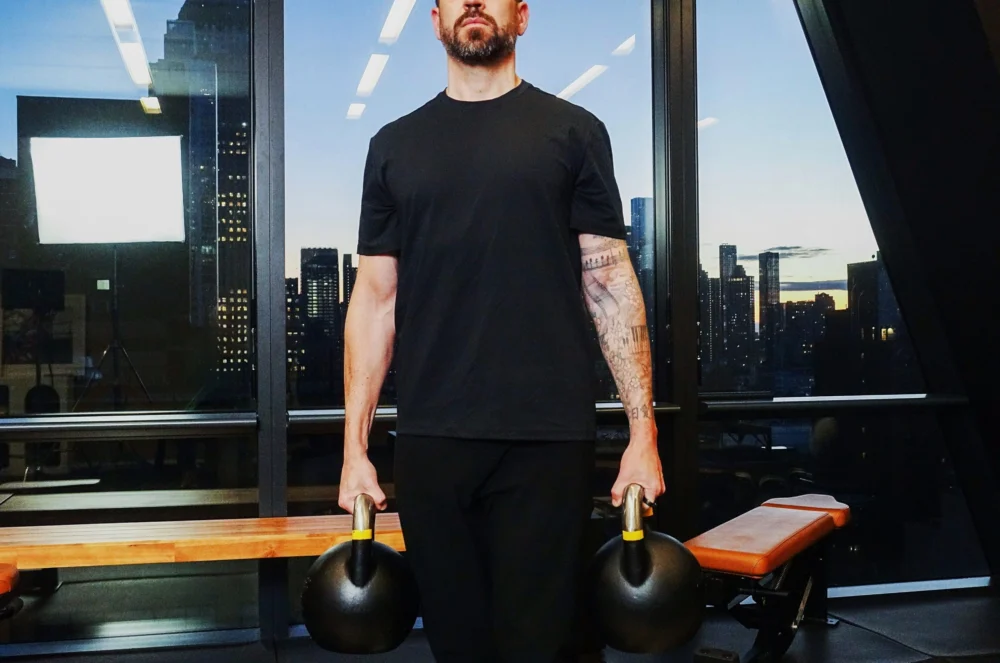

The fitness world often paints a picture of the ideal individual: driven, independent, and relentlessly pursuing personal bests. We see images of solo athletes conquering mountains, pushing iron in minimalist gyms, or dominating obstacle courses with unwavering grit. This narrative, while inspiring for some, can inadvertently create a sense of isolation for those navigating life’s less conventional paths.
What if the metrics of success extend beyond the weight on the bar or the miles on the treadmill? What if true strength lies not just in physical prowess, but in the ability to adapt, connect, and leverage support systems? This article delves into the broader definition of strength, exploring how life’s realities, even those that might seem unconventional, can foster resilience and a deeper understanding of what it means to be truly capable.
Redefining Independence: Strength in Interdependence
The notion of "making it on your own" is deeply ingrained in many cultures. We’re taught from a young age to strive for self-sufficiency, to stand tall and proud without needing anyone. While admirable, this can sometimes morph into a fear of appearing vulnerable or dependent, even when life circumstances necessitate a different approach.
Consider the growing trend of young adults living with their parents. While societal stereotypes might paint a picture of arrested development, the reality is often far more nuanced. As highlighted by psychotherapist Dru Johnston, these arrangements are frequently mature, parent-adult relationships, not necessarily indicative of immaturity or codependence.
Why might this be happening?
- Economic Realities: The cost of living, particularly housing, has skyrocketed in many areas. Homeownership is increasingly out of reach for many, forcing a reevaluation of traditional milestones.
- Caregiving Responsibilities: As parents age, adult children may choose to move back home to provide care, support, or simply to be closer during a vulnerable time. This is an act of profound strength and commitment, not weakness.
- Educational Pursuits & Career Transitions: Pursuing advanced degrees, retraining for new careers, or navigating periods of job loss can necessitate a temporary return to a supportive home environment.
- Personal Circumstances: Recovering from illness, divorce, or other significant life disruptions can lead individuals to seek the comfort and stability of family.
The key takeaway here is that leveraging a support system is not a failure; it’s a strategic adaptation. It’s about recognizing that life isn’t always a linear progression, and that sometimes, the strongest move you can make is to lean on those who care about you.
Building a Resilient Foundation: Fitness as a Tool for Life
In the context of fitness, this understanding of strength becomes even more powerful. Your physical training should not exist in a vacuum. It should be a tool that equips you to handle whatever life throws your way, whether that’s a challenging workout, a demanding workday, or the complexities of family dynamics.
How can you build a fitness routine that supports a resilient life?
1. Prioritize Consistency Over Intensity (Especially When Life is Chaotic)
When you’re juggling multiple responsibilities, be it caring for a parent, studying for exams, or simply managing a demanding job, finding hours for the gym can feel impossible. This is where consistency trumps heroic, but unsustainable, bursts of intense training.
- Short, Effective Workouts: Even 20-30 minutes of focused exercise can make a significant difference. Think high-intensity interval training (HIIT), bodyweight circuits, or brisk walks.
- Flexibility is Key: If you miss a planned workout, don’t beat yourself up. Simply reschedule it or opt for a shorter session later in the day. The goal is to keep the momentum going.
- Integrate Movement into Your Day: Take the stairs, walk during phone calls, do a few squats while waiting for the kettle to boil. Every little bit counts.
Real-Life Example: Michael, who was featured in the introductory material, understands this. He might not have the luxury of extended gym sessions due to his caregiving responsibilities. However, he can prioritize daily walks with his father, incorporate bodyweight exercises into his downtime, and focus on nutrient-dense meals to fuel his body. This consistent, albeit adapted, approach to physical well-being contributes to his overall resilience.
2. Focus on Functional Strength: Movements That Serve You
The most effective fitness routines mimic the demands of everyday life. Instead of isolating individual muscles for the sake of aesthetics, focus on compound movements that engage multiple muscle groups and prepare you for real-world tasks.
- Squats: Essential for lifting, carrying, and general leg strength.
- Deadlifts: Builds powerful posterior chain muscles, crucial for lifting heavy objects safely.
- Push-ups: Develops upper body pushing strength, useful for everything from opening doors to pushing yourself up.
- Rows: Strengthens the back and biceps, important for pulling and carrying.
- Lunges: Improves balance, stability, and leg strength, vital for navigating uneven terrain or carrying items.
Actionable Advice: If you’re new to these movements, start with lighter weights or bodyweight variations. Focus on proper form to prevent injury. Consider working with a trainer for a few sessions to learn the fundamentals.
3. Nutrition: Fueling Your Body for Demands, Not Just Aesthetics
Your diet is a critical component of your overall health and resilience. When you’re under pressure, the temptation to reach for convenience foods or skip meals can be strong. However, proper nutrition is paramount for maintaining energy levels, supporting your immune system, and aiding in recovery.

- Prioritize Whole Foods: Focus on lean proteins, complex carbohydrates, healthy fats, and plenty of fruits and vegetables.
- Meal Prep: Dedicate some time each week to preparing meals and snacks in advance. This will save you time and prevent you from making less healthy choices when you’re rushed.
- Stay Hydrated: Water is essential for all bodily functions. Carry a reusable water bottle and sip throughout the day.
- Listen to Your Body: Pay attention to how different foods make you feel. Adjust your diet based on your energy levels and digestive comfort.
Practical Tip: If you live with family, involve them in meal planning and preparation. This can be a bonding experience and ensures healthier options are readily available for everyone.
4. Sleep and Recovery: The Unsung Heroes of Strength
In our hyper-connected world, sleep often takes a backseat. However, adequate rest is non-negotiable for physical and mental recovery. It’s during sleep that your muscles repair, your hormones rebalance, and your brain consolidates learning.
- Establish a Regular Sleep Schedule: Aim to go to bed and wake up around the same time each day, even on weekends.
- Create a Relaxing Bedtime Routine: This could include reading, taking a warm bath, or gentle stretching.
- Optimize Your Sleep Environment: Ensure your bedroom is dark, quiet, and cool.
- Listen to Your Body’s Signals: If you’re feeling fatigued, don’t push yourself too hard. Prioritize rest.
Consideration: If you’re sharing a living space, communicate your sleep needs to your family. Simple adjustments like dimming lights or keeping noise levels down can make a significant difference.
Beyond the Gym: Cultivating Mental and Emotional Fortitude
True strength isn’t solely about physical capabilities. It’s also about developing the mental and emotional resilience to navigate life’s challenges with grace and determination. The situations that might lead someone to live with their parents often present unique opportunities for this kind of growth.
1. Embrace Adaptability: The Skill of Pivoting
Life rarely goes according to plan. Those who thrive are often those who can adapt to changing circumstances without losing their composure. Living with family, especially when it’s due to unforeseen events, requires a high degree of adaptability.
- Practice Problem-Solving: Instead of dwelling on what went wrong, focus on finding solutions. Break down challenges into smaller, manageable steps.
- Be Open to New Perspectives: Living with others means encountering different viewpoints and ways of doing things. Be willing to listen and consider alternative approaches.
- Develop a Growth Mindset: View challenges not as insurmountable obstacles, but as opportunities for learning and personal development.
Example: Michael’s statement, "Whatever it is, we’ll figure it out," embodies this adaptive mindset. It’s not about having all the answers, but about possessing the confidence and willingness to find them collaboratively.
2. Nurture Relationships: The Power of Connection
The stereotype of the isolated, self-reliant individual often overlooks the profound importance of human connection. Strong relationships are a cornerstone of well-being and resilience.
- Invest Time in Your Relationships: Make an effort to connect with family, friends, and significant others. Regular communication and shared experiences strengthen bonds.
- Practice Active Listening: When someone is speaking, truly listen to understand their perspective, rather than just waiting for your turn to talk.
- Offer Support and Be Open to Receiving It: Be a reliable presence for your loved ones, and don’t be afraid to ask for help when you need it.
Living with parents, when done with mutual respect, can offer a unique opportunity to deepen familial bonds. It’s a chance to move beyond the parent-child dynamic and forge a relationship built on adult partnership and mutual care.
3. Cultivate Self-Compassion: Be Kind to Yourself
In a society that often emphasizes perfection, self-compassion is a radical act. It means treating yourself with the same kindness and understanding you would offer a dear friend, especially during difficult times.
- Acknowledge Your Struggles: It’s okay to admit when things are tough. Don’t try to suppress your emotions or pretend everything is fine if it’s not.
- Challenge Negative Self-Talk: Become aware of the critical voice in your head and actively counter it with more supportive and realistic thoughts.
- Practice Self-Care: Make time for activities that recharge you, whether it’s a quiet cup of tea, a walk in nature, or pursuing a hobby.
Living with parents might bring up feelings of inadequacy for some, especially if they feel they haven’t met societal expectations. Practicing self-compassion is crucial for navigating these feelings and recognizing your inherent worth.
The Broader Definition of a "Strong" Individual
The narrative surrounding individuals living with their parents often misses the mark. It fails to acknowledge the complex economic, social, and personal factors that shape our lives. More importantly, it overlooks the profound strength required to adapt, to lean on support systems, and to redefine what it means to be a capable, independent adult.
Fitness, in its truest sense, is not just about physical prowess. It’s about building a resilient body and mind that can weather life’s storms. It’s about developing the capacity to adapt, to connect, and to thrive, regardless of your living situation or the conventional markers of success.
So, the next time you hear about someone living with their parents, pause before you judge. Consider the strength it might take to navigate those circumstances. Perhaps, instead of questioning their independence, we should be asking ourselves if we’ve truly embraced our own capacity for adaptation, interdependence, and self-compassion. The real growth might not be in leaving home, but in understanding how to build a strong, fulfilling life wherever you are, with whomever you share it with.