In the dynamic world of fitness, where countless supplements vie for attention, one stands apart with an unparalleled legacy of scientific backing and proven results: creatine. Often shrouded in myths and misconceptions, creatine is far more than just a muscle-builder for elite athletes; it’s a foundational supplement capable of unlocking significant gains in strength, power, and recovery for anyone committed to their fitness journey, from eager beginners to seasoned intermediate enthusiasts.
Imagine pushing through that final rep with newfound force, recovering quicker to hit the gym stronger tomorrow, or simply feeling a sustained surge of energy during your most demanding workouts. This isn’t just a dream; it’s the tangible potential that creatine offers. In this comprehensive guide, we’ll demystify creatine, explore its profound benefits, explain how to integrate it intelligently into your routine, and empower you to harness its power to elevate your physical performance and accelerate your progress toward your ultimate fitness goals.
Unlocking Your Potential: What is Creatine and How Does it Fuel Your Body?
At its core, creatine is a naturally occurring organic compound, primarily synthesized in the liver, kidneys, and pancreas from the amino acids arginine, glycine, and methionine. While you consume small amounts of creatine through your diet, particularly from red meat and seafood, your body also produces it. The vast majority – about 95% – of your body’s creatine stores reside within your skeletal muscles.
So, what exactly does it do once it’s there? Creatine plays a pivotal role in one of your body’s most critical energy systems: the phosphocreatine system.
The Energy Engine: ATP and the Phosphocreatine System
To understand creatine’s impact, we first need to talk about ATP (Adenosine Triphosphate). ATP is often referred to as the "energy currency" of your cells. Every muscular contraction, every powerful lift, every sprint, relies on the rapid breakdown of ATP to release energy. However, your body’s immediate stores of ATP are limited and quickly depleted during high-intensity, short-burst activities.
This is where creatine steps in. Within your muscle cells, creatine is converted into phosphocreatine (PCr). When ATP levels drop, phosphocreatine rapidly donates its phosphate group to ADP (Adenosine Diphosphate), effectively regenerating ATP. This rapid regeneration of ATP is crucial for sustaining short, explosive efforts.
Think of it like this:
- ATP is your immediate fuel tank. When you lift heavy or sprint, you burn through it quickly.
- Phosphocreatine is your rapid-recharge battery. It quickly reloads your ATP tank, allowing you to sustain that high-intensity effort for a few crucial extra seconds or reps.
By supplementing with creatine, you increase your muscle’s phosphocreatine stores. This means you have a larger "recharge battery," enabling you to perform more reps, generate more power, and push past previous plateaus during intense exercise.
Where Does Creatine Come From?
While your body produces creatine and you get some from your diet, supplementation ensures you consistently saturate your muscles with optimal levels. For instance, to get the equivalent of a standard 5-gram creatine supplement dose, you’d need to eat roughly 2.5 pounds of uncooked beef or salmon daily—a feat most people find impractical, expensive, and calorie-dense! This is why supplementation is so effective and popular.
The Transformative Benefits of Creatine Supplementation
The scientific community has rigorously studied creatine for decades, making it one of the most thoroughly researched and validated supplements available. The evidence points to a wide array of benefits that can profoundly impact your fitness journey.
Amplify Your Strength and Power
This is perhaps creatine’s most celebrated benefit. By increasing ATP availability, creatine directly enhances your ability to perform high-intensity, short-duration exercises. This translates to:
- More Reps: You might be able to squeeze out an extra 1-2 reps on your bench press or squat.
- Heavier Lifts: Over time, these extra reps and enhanced power contribute to significant strength gains, allowing you to lift heavier weights.
- Explosive Movements: Athletes in sports requiring bursts of speed or power, like sprinting, jumping, or weightlifting, experience improved performance.
Imagine consistently adding an extra rep to your sets. Over weeks and months, that cumulative extra work adds up to substantial strength and muscle development.
Accelerate Muscle Growth (Hypertrophy)
Creatine is not just about strength; it’s a potent catalyst for muscle hypertrophy (growth). Here’s how it works:
- Increased Training Volume: By allowing you to perform more reps and lift heavier weights, creatine directly increases your total training volume – a primary driver of muscle growth.
- Cell Volumization: Creatine draws water into muscle cells, leading to a "volumization" effect. This swelling of muscle cells is believed to signal cellular processes that promote muscle protein synthesis, ultimately leading to growth.
- Reduced Muscle Breakdown: Some research suggests creatine may help reduce muscle protein breakdown, further tipping the scales towards muscle gain.
For someone looking to build a stronger, more muscular physique, creatine provides a direct physiological advantage.
Master Faster Recovery and Reduce Soreness
Intense workouts cause micro-damage to muscle fibers, leading to soreness and requiring recovery time. Creatine can significantly aid this process:
- Glycogen Resynthesis: It can help muscles more efficiently replenish glycogen stores, which are crucial for energy during workouts.
- Reduced Muscle Damage: Studies indicate that creatine supplementation can mitigate muscle damage and inflammation following strenuous exercise, leading to less post-workout soreness (DOMS – Delayed Onset Muscle Soreness).
Faster recovery means you can get back to training sooner, maintain higher intensity in subsequent sessions, and ultimately make more consistent progress.
Boost Brain Power and Cognitive Function
While primarily known for its physical benefits, creatine also shows promise for cognitive health. The brain, like muscles, requires ATP for optimal function. Creatine supplementation can:
- Enhance Mental Acuity: Studies suggest improvements in memory, intelligence, and reaction time, particularly in situations of stress, sleep deprivation, or for individuals with lower natural creatine levels (e.g., vegetarians).
- Support Neurological Health: Emerging research explores creatine’s role in protecting against neurological diseases, though more study is needed.
This "brain boost" can be an unexpected but welcome side effect, helping you stay focused and sharp both in and out of the gym.
Support Long-Term Health
Beyond athletic performance, creatine offers benefits that contribute to overall health and wellness, especially as you age:
- Bone Density: Combined with resistance training, creatine has been shown to have favorable effects on bone mineral density, a critical factor in preventing osteoporosis.
- Aging Muscles: It can help older adults maintain muscle mass and strength, combating sarcopenia (age-related muscle loss).
These benefits highlight creatine as a powerful tool not just for peak performance today, but for sustained vitality and health in the long run.
Navigating the Creatine Landscape: Forms and Formulations
The market offers various forms of creatine, which can be confusing. However, one form consistently rises above the rest due to its extensive research and proven efficacy.
Creatine Monohydrate: The Gold Standard
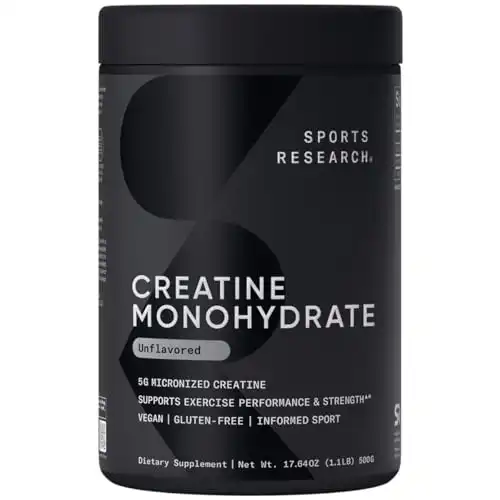
When scientists talk about creatine, they are almost always referring to creatine monohydrate. This is the most studied, most effective, and most cost-efficient form available. It consists of a creatine molecule bound to a water molecule. Its efficacy in increasing muscle creatine stores, improving strength, and promoting muscle growth is unequivocally supported by hundreds of scientific studies.
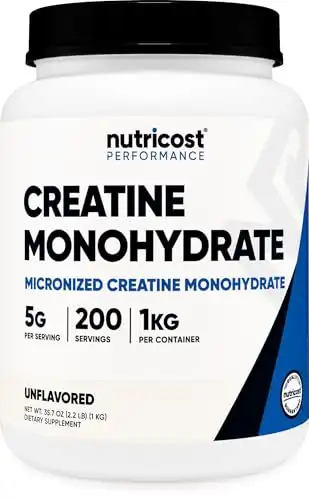
For beginners to intermediate lifters, and indeed for most people, creatine monohydrate should be your go-to choice. Don’t be swayed by marketing claims that suggest other forms are dramatically superior; the evidence simply isn’t there.
Beyond Monohydrate: Exploring Other Forms
While creatine monohydrate remains supreme, you might encounter other forms. Here’s a brief overview:
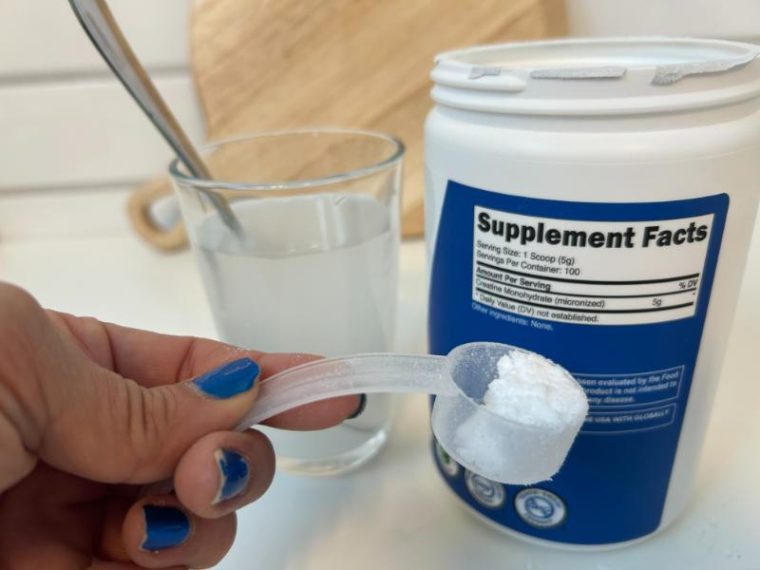
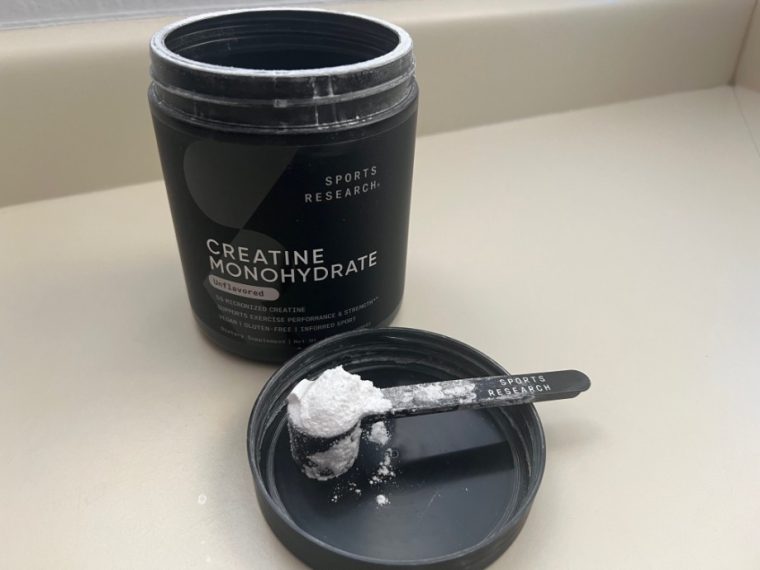
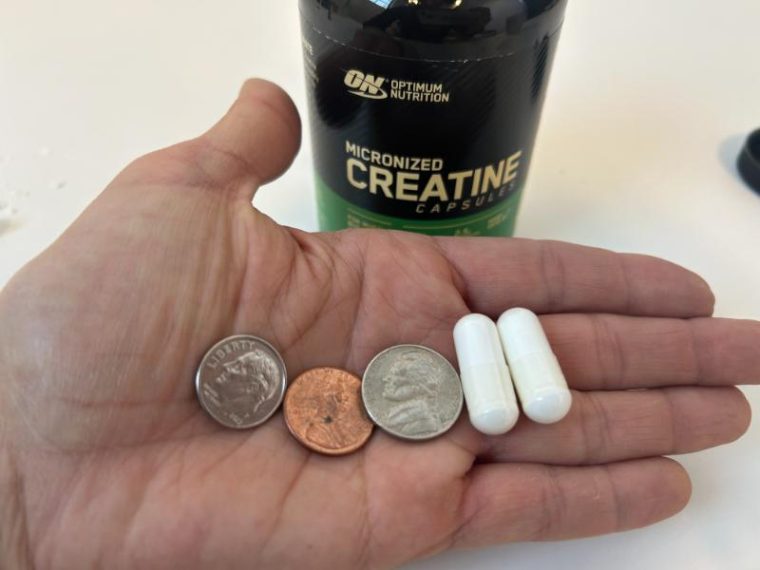
- Micronized Creatine Monohydrate: This is simply creatine monohydrate that has been processed into finer particles. The primary benefit is improved mixability in liquids, which can reduce clumping and sediment. While it dissolves better, research does not indicate it is more bioavailable or effective than standard creatine monohydrate.
- Creatine Ethyl Ester (CEE): This form was marketed as being more easily absorbed and effective than monohydrate. However, research has largely debunked these claims, showing it to be less effective than monohydrate and potentially converting to creatinine (a waste product) in the digestive tract.
- Creatine Nitrate: Here, creatine is bound to a nitrate molecule. The idea is that the nitrate component offers additional benefits (e.g., improved blood flow). Some preliminary studies suggest improved solubility, but its efficacy compared to monohydrate is still being investigated, and it’s currently only approved at specific daily doses by regulatory bodies.
- Buffered Creatine (e.g., Kre-Alkalyn): This form is marketed as having a higher pH, supposedly making it more stable in the stomach and less likely to convert to creatinine before reaching muscles. However, scientific studies have shown no significant advantage over creatine monohydrate in terms of absorption or performance benefits.
The takeaway: Stick with creatine monohydrate. It’s affordable, effective, and has the most robust scientific evidence supporting its use.
Your Guide to Smart Creatine Supplementation
Integrating creatine into your routine is straightforward, but a few considerations can optimize its benefits.
Dosage Demystified: Finding Your Sweet Spot
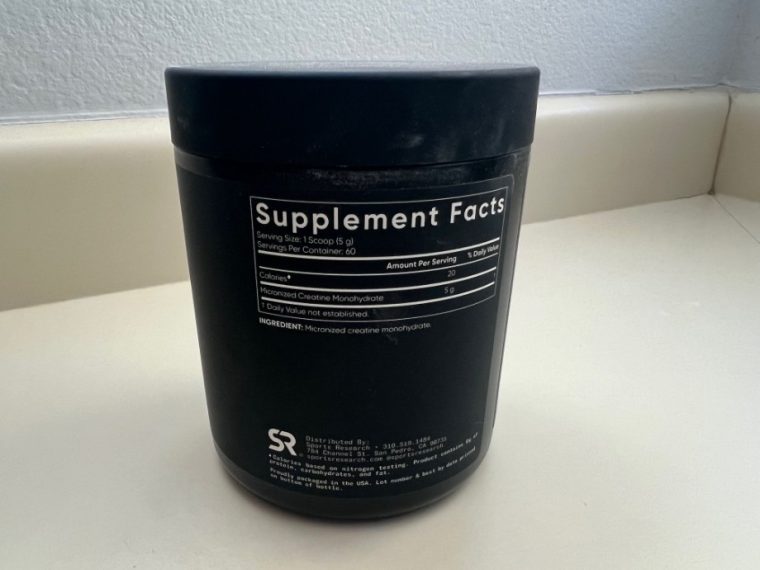
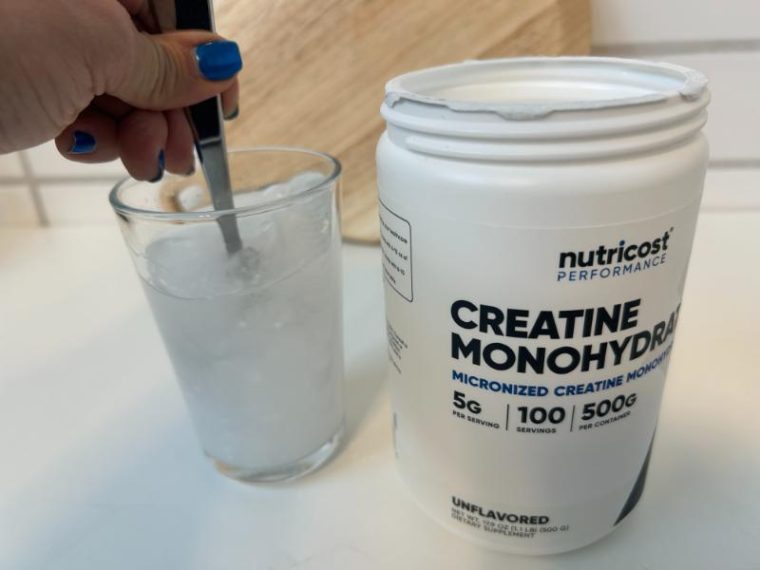
For most individuals, a daily dose of 3 to 5 grams of creatine monohydrate is sufficient to saturate muscle stores and elicit performance benefits.
- For larger individuals: If you have a higher body weight, you might benefit from slightly more. A general guideline is 0.1 grams of creatine per kilogram of body weight. For example, a 100 kg (220 lb) individual might aim for closer to 10 grams per day.
- Consistency is Key: The most important aspect is consistent daily intake. Creatine works by saturating your muscle stores over time, so missing doses can hinder its effectiveness.
The "Loading Phase": Is It for You?
A creatine loading phase involves taking a higher dose for a short period to rapidly saturate your muscles.
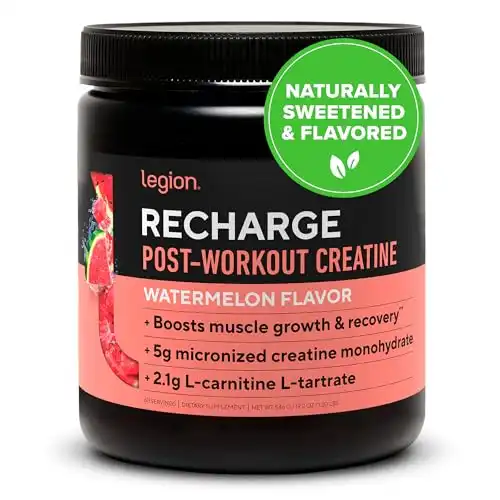
- Typical Loading Protocol: 20-25 grams per day (divided into 4-5 servings of 5g each) for 5-7 days.
- Maintenance Phase: After the loading phase, you drop down to the standard 3-5 gram daily maintenance dose.
- Why Load? A loading phase can help you experience creatine’s benefits (like increased strength and power) a few days faster. Studies show it can increase muscle creatine stores by 10-30% within a week.
- Is It Necessary? No. While a loading phase speeds up saturation, consistent daily intake of 3-5 grams will achieve the same muscle saturation over about 3-4 weeks. If you prefer to avoid the higher initial doses (which can sometimes cause mild stomach upset in sensitive individuals), simply start with the maintenance dose.
Actionable Advice: If you’re eager to see results quickly and tolerate the higher dose, a loading phase is a safe option. If you prefer a slower, more gradual approach, just stick to 3-5g daily from the start.
Timing Your Intake: Before or After?
The timing of creatine intake is often debated, but the consensus is that consistency matters more than precise timing.

- Post-Workout: Some research suggests that taking creatine immediately after a workout might be marginally more beneficial due to increased blood flow to muscles and potentially enhanced uptake when consumed with carbohydrates and protein.
- Any Time of Day: However, as creatine works by saturating your muscle stores over time, taking it at any consistent time of day – morning, evening, with a meal – will yield similar long-term benefits.
- With Carbs/Protein: Consuming creatine with a meal or shake containing carbohydrates (and protein) can enhance its absorption, as insulin helps transport creatine into muscle cells.
Practical Tip: Choose a time that is easiest for you to remember and stick to consistently. For many, adding it to a post-workout shake or a morning meal works well.
What to Look For in a Quality Supplement
When choosing a creatine supplement, focus on these key factors to ensure purity and effectiveness:
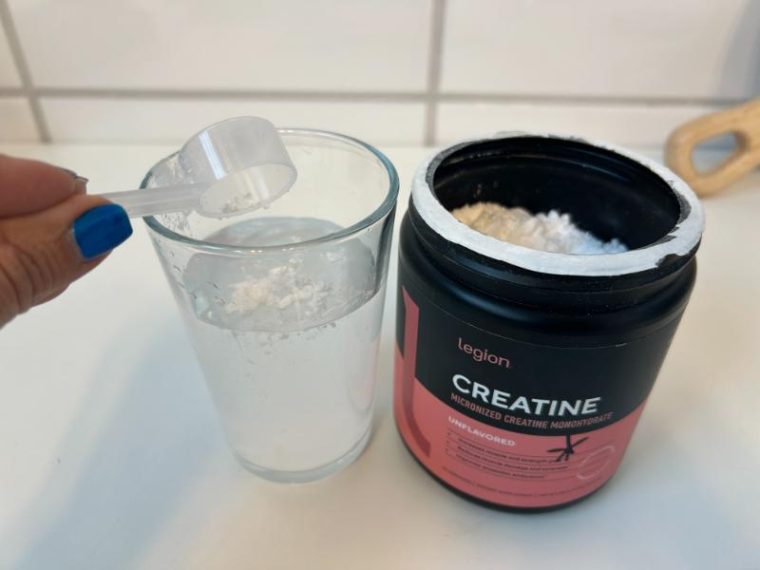
- Creatine Monohydrate: As discussed, this is the most effective form.
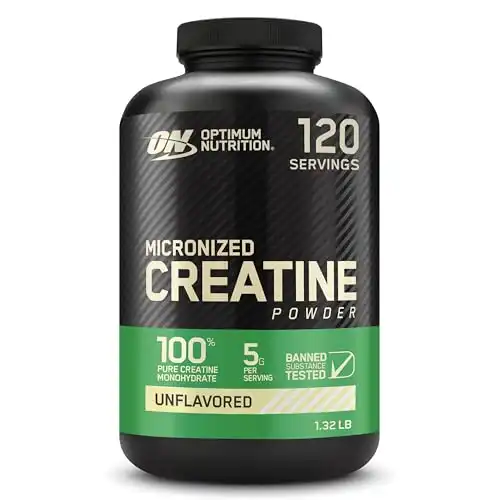
- Purity: Look for products that clearly state "100% Creatine Monohydrate" with no unnecessary fillers, artificial colors, or proprietary blends.
- Third-Party Testing: Since supplements are not strictly regulated by the FDA, third-party testing is crucial. Look for certifications from organizations like Informed Sport, NSF Certified for Sport, or USP. These certifications verify that the product contains what it claims, is free from contaminants (heavy metals, pesticides), and is free from banned substances – especially important for competitive athletes.
- Mixability: While not a health concern, good mixability (especially for powders) can make your daily intake more pleasant. Micronized creatine monohydrate often mixes better.
Actionable Advice: Don’t just grab the cheapest option. Invest in a high-quality, third-party tested creatine monohydrate to ensure you’re getting a safe and effective product.
Pairing Creatine for Optimal Results
Creatine works best as part of a holistic fitness approach:
- Hydration: Creatine draws water into your muscles, so staying well-hydrated is crucial. Aim for ample water intake throughout the day.
- Nutrition: Combine creatine with a balanced diet rich in protein for muscle repair and growth, and carbohydrates for energy.
- Resistance Training: Creatine’s benefits are maximized when paired with a consistent and progressive resistance training program. It enhances your capacity to train harder, but you still need to put in the work!
Dispelling Myths and Understanding Safety
Despite its impressive safety record, creatine is often subjected to unwarranted criticism and misinformation. Let’s set the record straight.
Is Creatine Safe? A Look at the Evidence
The overwhelming scientific consensus is that creatine supplementation is safe for healthy individuals when taken within recommended dosages. Studies have shown no detrimental effects on kidney, liver, or heart function in healthy individuals, even with long-term use (up to five years at 30g/day).
Creatine is one of the most rigorously studied supplements, and its safety profile is exceptionally high.
Common Misconceptions
- Kidney Damage: This is the most pervasive myth. Extensive research has consistently shown that creatine does not cause kidney damage in healthy individuals. The concern often stems from the fact that creatinine (a byproduct of creatine metabolism) is used as a marker for kidney function. However, elevated creatinine levels due to creatine supplementation do not indicate kidney damage, only increased creatine turnover.
- Dehydration and Cramping: While creatine does draw water into muscle cells, it doesn’t cause overall dehydration if you maintain adequate fluid intake. Studies have actually shown that creatine can improve thermoregulation and reduce the incidence of cramping, especially in hot environments.
- Water Retention and "Bloating": The initial increase in body weight often experienced with creatine is primarily due to increased water content within the muscle cells, not subcutaneous bloating. This cellular hydration is a positive effect, contributing to muscle volumization and potentially growth. True bloating is uncommon and often related to consuming too much creatine in a single dose or insufficient hydration.
- Steroid: Creatine is not a steroid. It is a natural compound found in your body and certain foods. It works through entirely different mechanisms than anabolic steroids.
Who Should Exercise Caution?
While generally safe, certain individuals should consult a healthcare professional before taking creatine or avoid it altogether:
- Pre-existing Kidney or Liver Conditions: Individuals with impaired kidney or liver function should avoid creatine, as their bodies may struggle to process it.
- Individuals on Certain Medications: If you’re taking medications that affect kidney function (e.g., some blood pressure medications, NSAIDs regularly), consult your doctor.
- Adolescents Under 18: While some research suggests it may be safe, the long-term effects on developing bodies are not fully understood, and professional guidance is recommended.
- Pregnant or Breastfeeding Women: There is insufficient research on creatine use in these populations, so it’s best to avoid it.
Practical Strategies for Integrating Creatine into Your Routine
Ready to make creatine a staple in your fitness arsenal? Here’s how to put it into action.
Example Daily Routine for Creatine Intake
Let’s assume you’re opting for the standard 5g daily maintenance dose (after an optional loading phase):
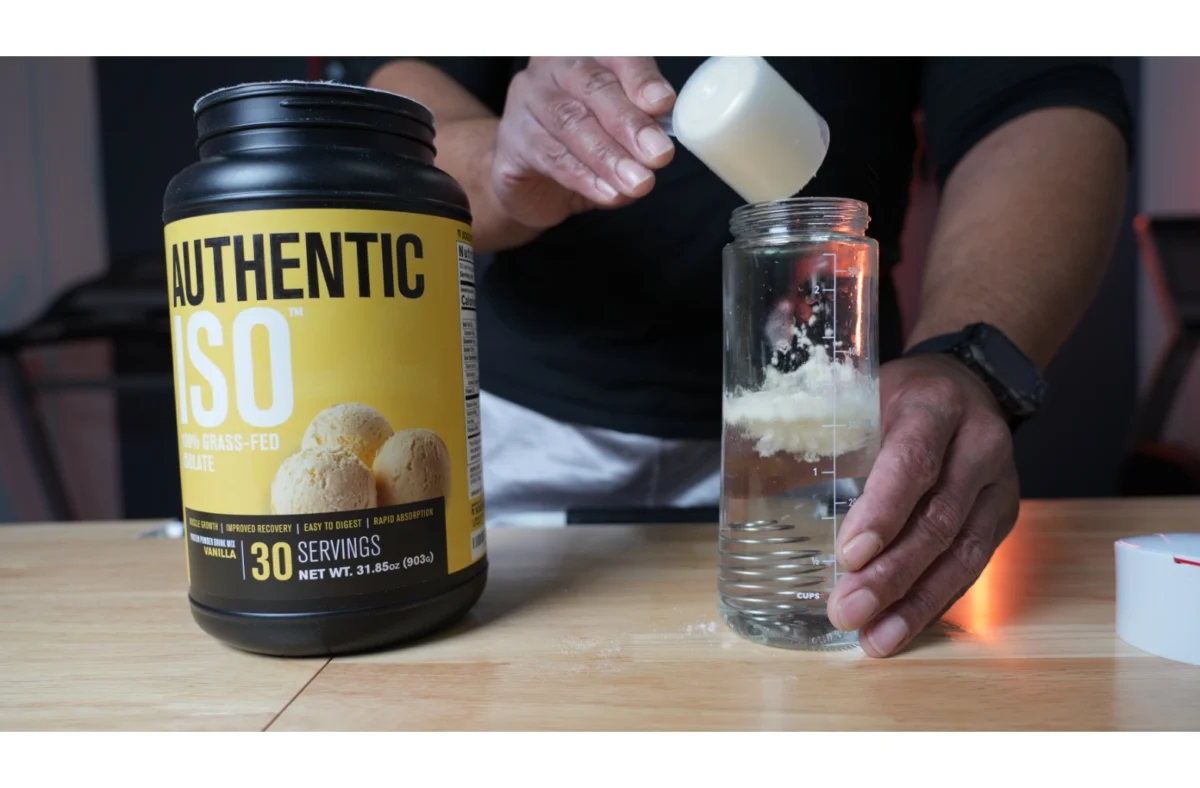
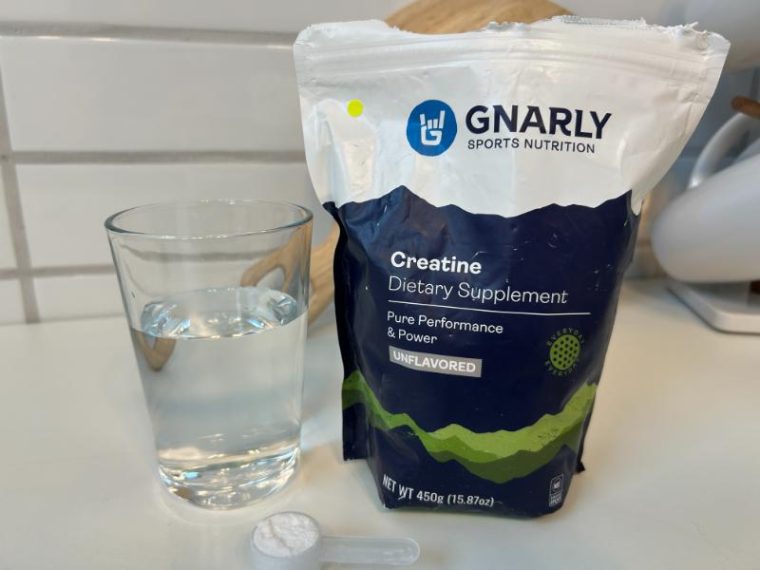
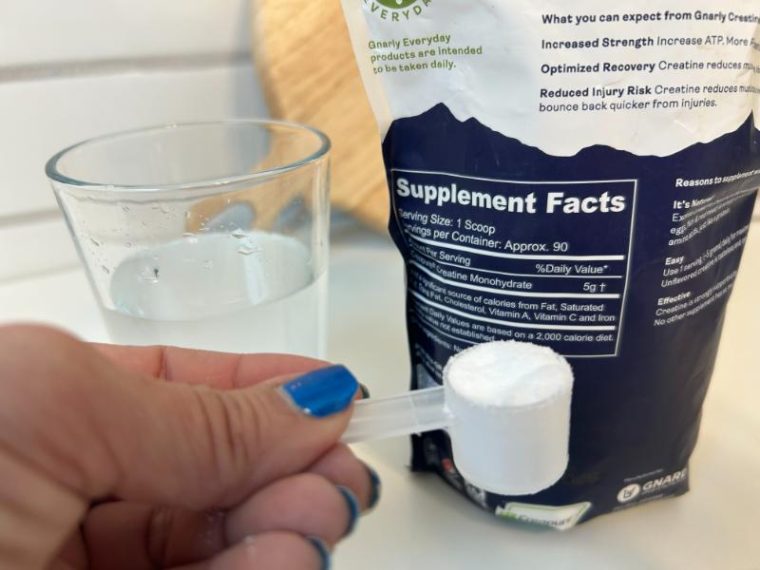
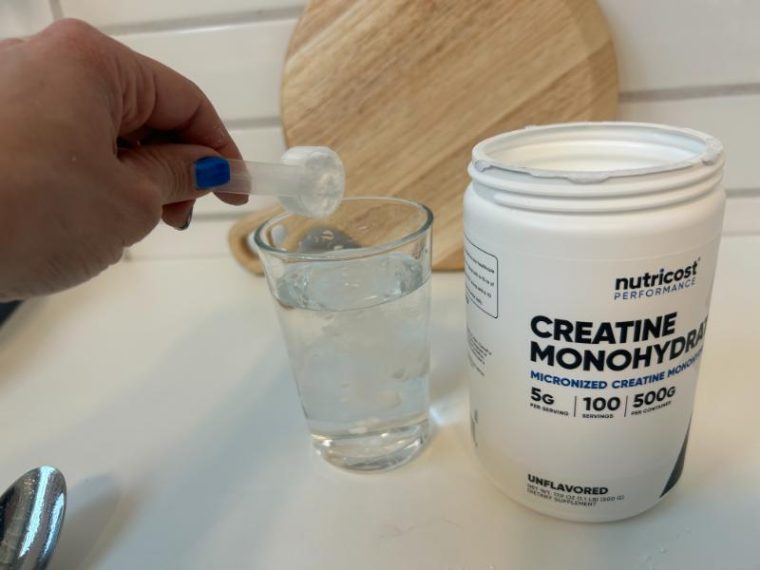
- Morning Routine: Mix 5 grams of unflavored creatine monohydrate powder into your morning smoothie, oatmeal, or a glass of juice. This ensures you take it consistently at the start of your day.
- Post-Workout Boost: Add 5 grams to your post-workout protein shake. The carbohydrates and protein in the shake will aid absorption.
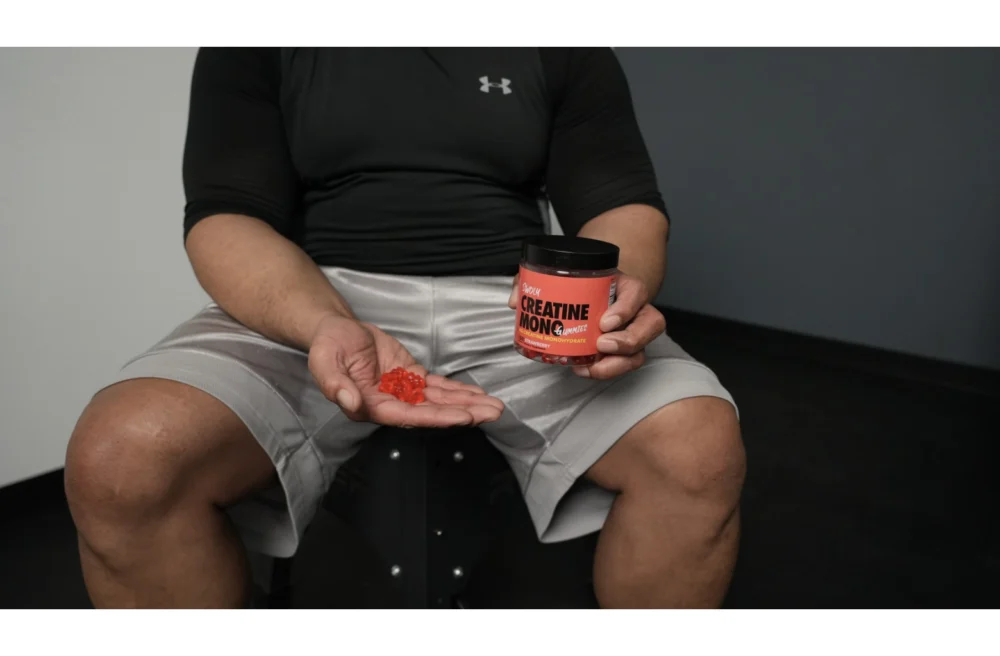
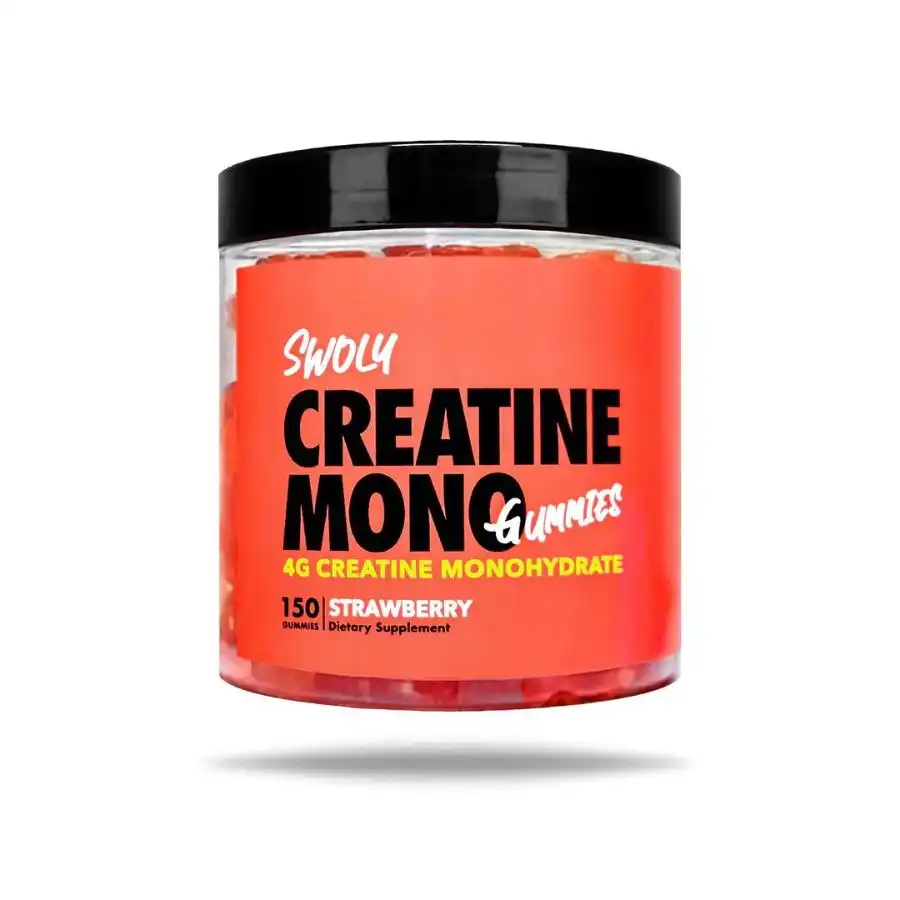
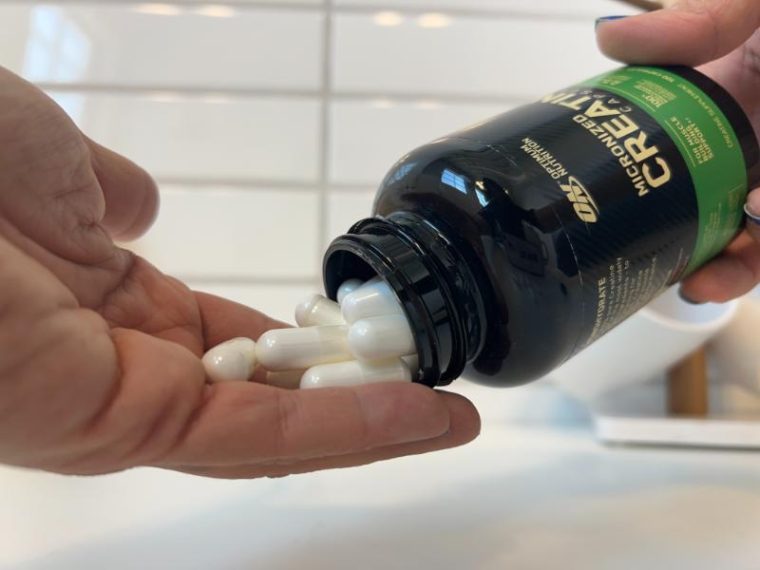
- With a Meal: If you prefer capsules, take your recommended serving with one of your main meals, ensuring you get your daily 3-5g.
The key is consistency. Choose a method that seamlessly integrates into your daily habits.
Tracking Your Progress and Adjusting
As with any fitness endeavor, tracking is crucial.
- Journal Your Workouts: Pay attention to increases in reps, sets, or weight lifted. Creatine’s effects can be subtle initially but compound over time.
- Monitor Hydration: Ensure you’re drinking plenty of water, especially when starting creatine.
- Listen to Your Body: If you experience any digestive discomfort, try reducing your dose or splitting it into smaller servings throughout the day.
Real-Life Impact: Stories of Transformation
Consider Sarah, a beginner lifter who struggled to increase her bench press. After a month of consistent creatine use and progressive overload, she found herself pushing two extra reps on her heaviest sets, something she hadn’t been able to do before. This small but consistent improvement led to a significant increase in her overall strength and confidence.
Or Mark, an intermediate athlete focused on improving his sprint times. He noticed that during repeated sprints, he could maintain his top speed for longer and felt less fatigued between bursts. This enhanced recovery allowed him to push harder in training, shaving precious seconds off his personal best.
These aren’t just anecdotes; they reflect the documented, real-world impact creatine can have when combined with dedication and smart training.
The Power is Yours: Your Motivational Conclusion
Creatine is not a magic pill, but it is undoubtedly one of the most effective and safe supplements you can add to your fitness regimen. It’s a powerful catalyst that, when combined with consistent effort, smart training, and proper nutrition, can significantly accelerate your progress toward your strength, muscle growth, and performance goals.
Embrace the science, dispel the myths, and commit to integrating this powerhouse supplement into your routine. Remember, your fitness journey is a testament to your dedication and resilience. Creatine simply provides you with a sharper tool, enabling you to carve out greater achievements.
So, hydrate, train hard, nourish your body, and let the creatine catalyst empower you to unlock new levels of strength, forge a more powerful physique, and achieve unprecedented success in your pursuit of peak performance. The power to transform is within you; creatine is here to help you unleash it.