In the pursuit of a leaner, healthier physique, many embark on a journey filled with dietary adjustments and exercise regimens. Yet, a common pitfall is focusing solely on calorie restriction, often leading to a loss of both fat and valuable muscle mass. This is where protein, often hailed as the cornerstone of muscle building, reveals its profound and multifaceted role in achieving sustainable fat loss. It’s not just about shedding pounds; it’s about sculpting a stronger, more resilient body.
As a professional fitness writer and an advocate for evidence-based nutrition, I understand the critical importance of a well-designed nutritional strategy. For beginners and intermediate fitness enthusiasts, navigating the vast landscape of dietary advice can be daunting. This article will serve as your comprehensive playbook, demystifying protein’s power, guiding you through optimal intake, exploring diverse sources—including the strategic use of protein powders—and equipping you with actionable advice to transform your body composition effectively and sustainably. Prepare to unlock the full potential of protein in your fat loss journey.
Understanding Protein’s Unrivaled Role in Fat Loss
When the goal is truly fat loss, rather than just weight loss, protein stands out as a non-negotiable macronutrient. Its unique properties contribute significantly to creating an environment in your body conducive to shedding fat while preserving muscle. Let’s break down the key mechanisms:
Satiety and Appetite Control: The Fullness Factor
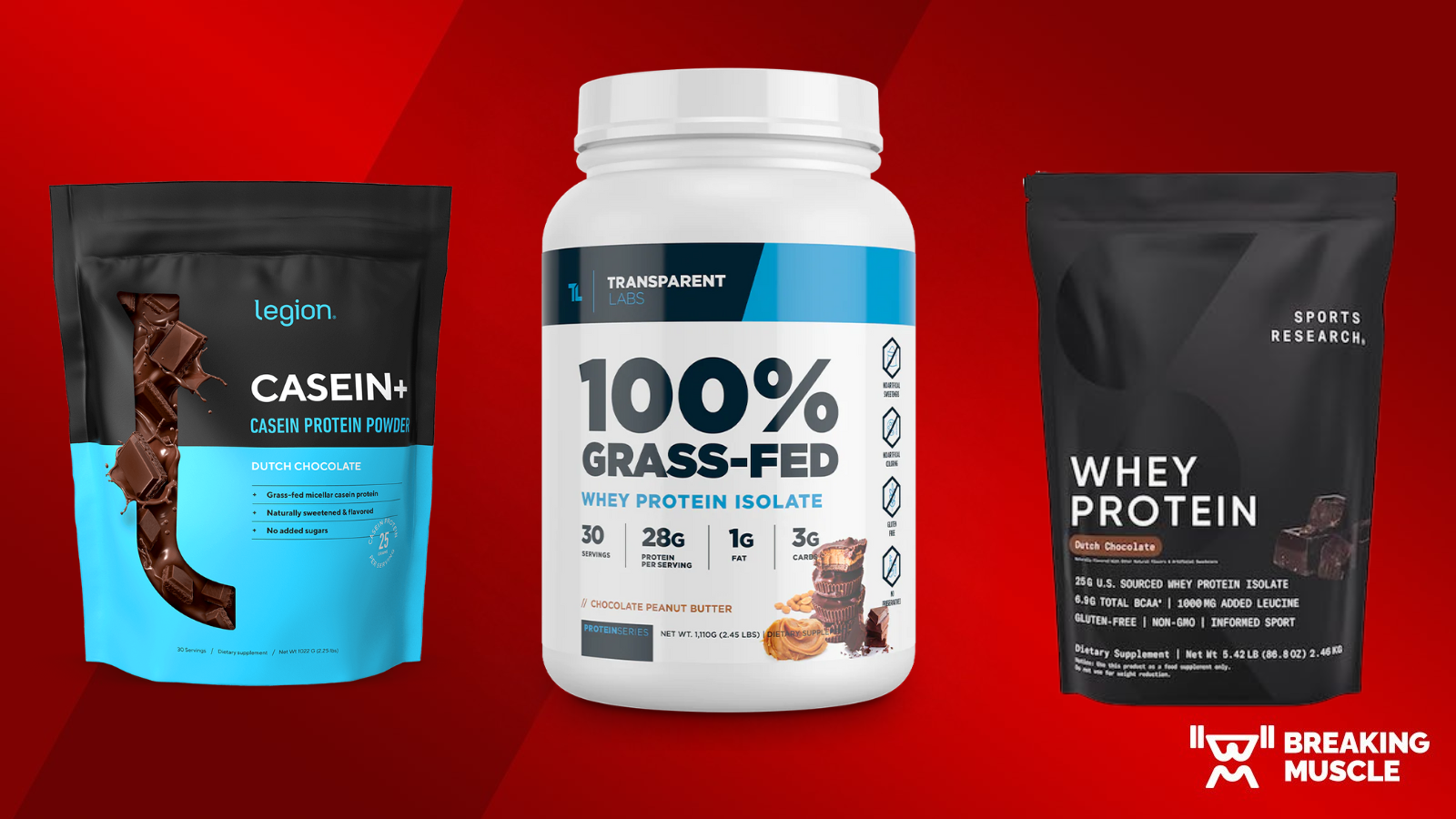
One of protein’s most powerful attributes for fat loss is its remarkable ability to induce satiety. Compared to carbohydrates and fats, protein keeps you feeling fuller for longer. This isn’t just a subjective feeling; it’s rooted in physiological processes.
- Hormonal Regulation: Protein stimulates the release of gut hormones like GLP-1 (glucagon-like peptide-1) and PYY (peptide YY), which signal fullness to the brain and reduce appetite. Conversely, it helps suppress ghrelin, the "hunger hormone."
- Reduced Cravings: By stabilizing blood sugar levels and promoting sustained energy release, a high-protein diet can significantly reduce cravings for sugary or calorie-dense foods, which are often the undoing of a well-intentioned diet.
- Practical Application: Imagine starting your day with a high-protein breakfast. You’re likely to experience fewer mid-morning hunger pangs and make healthier choices throughout the day, avoiding impulsive snacking that derails progress.
The Thermic Effect of Food (TEF): Burning More Calories Just by Eating
Digestion and absorption of food require energy, a phenomenon known as the Thermic Effect of Food (TEF). Protein has the highest TEF among all macronutrients.
- Higher Metabolic Cost: Approximately 20-30% of the calories consumed from protein are expended during its digestion, absorption, and metabolism. For carbohydrates, this figure is 5-10%, and for fats, it’s a mere 0-3%.
- Metabolic Boost: This means that by simply increasing your protein intake, you can subtly increase your daily calorie expenditure, contributing to a greater overall calorie deficit without necessarily eating less. Over time, these small increases accumulate, aiding fat loss.
- Real-Life Impact: If you consume 100 grams of protein (400 calories), your body might burn 80-120 calories just processing it. This "hidden" calorie burn adds up daily.
Muscle Preservation: Guarding Your Metabolic Engine
When you create a calorie deficit to lose weight, your body is smart but sometimes indiscriminate. Without sufficient protein and resistance training, it can break down muscle tissue for energy, alongside fat. This is detrimental to long-term fat loss for several reasons:
- Metabolic Rate: Muscle is metabolically active, meaning it burns more calories at rest than fat tissue. Losing muscle slows down your metabolism, making it harder to lose weight and easier to regain it.
- Strength and Function: Preserving muscle ensures you maintain strength, improve functional fitness, and can continue performing challenging workouts, which are crucial for calorie expenditure and body recomposition.
- Body Composition: The ultimate goal is to improve body composition—reducing body fat while maintaining or even increasing lean muscle. Protein, especially when paired with strength training, sends a clear signal to your body to hold onto that valuable muscle.
Hormonal Harmony: Aiding Fat Mobilization
Beyond ghrelin and GLP-1, protein influences other hormones that play a role in fat metabolism. Adequate protein intake supports insulin sensitivity, which is vital for efficient nutrient partitioning (directing nutrients to muscle cells rather than fat stores). It also provides the building blocks for enzymes and hormones involved in various metabolic processes, indirectly supporting a favorable environment for fat loss.
How Much Protein Do You Really Need for Fat Loss?
Determining your optimal protein intake is crucial. While general dietary guidelines might suggest a certain percentage, for fat loss, it’s often more effective to calculate based on body weight.
General Guidelines and Recommendations:
For individuals actively trying to lose fat while preserving muscle, the scientific consensus points towards a higher protein intake than the standard recommended daily allowance (RDA).
- Sedentary to Moderately Active Adults: Aim for approximately 1.2 to 1.6 grams of protein per kilogram of body weight (or roughly 0.5 to 0.7 grams per pound of body weight).
- Highly Active Individuals or Those in a Significant Calorie Deficit: For those engaging in intense resistance training or undergoing a more aggressive fat loss phase, an intake of 1.6 to 2.2 grams per kilogram of body weight (or 0.7 to 1.0 grams per pound of body weight) may be more beneficial to maximize muscle preservation and satiety.
Factors Influencing Individual Needs:
Your specific protein requirements aren’t static; they adapt based on several personal factors:
- Activity Level: The more physically active you are, especially with strength training, the higher your protein needs will be to support muscle repair and growth.
- Calorie Deficit: When you’re eating fewer calories than you burn, your body is at a greater risk of breaking down muscle. A higher protein intake acts as a protective mechanism.
- Age: As we age, our bodies become less efficient at utilizing protein (a phenomenon called anabolic resistance), meaning older adults may benefit from slightly higher protein intake to maintain muscle mass.
- Body Composition Goals: Are you aiming for a slow, steady fat loss, or a more accelerated phase? More aggressive goals often warrant higher protein.
Practical Calculation Example:
Let’s say you weigh 180 lbs (approximately 82 kg) and are moderately active, aiming for sustainable fat loss.
- Using the 0.7 grams per pound guideline: 180 lbs * 0.7 g/lb = 126 grams of protein per day.
- Using the 1.6 grams per kilogram guideline: 82 kg * 1.6 g/kg = 131.2 grams of protein per day.
So, aiming for around 125-135 grams of protein daily would be a solid starting point. Spread this intake across 3-5 meals and snacks throughout the day for optimal absorption and satiety.
Protein Sources: Beyond the Powder
While protein powders offer undeniable convenience, it’s crucial to remember that whole food sources should form the foundation of your protein intake. They provide a spectrum of micronutrients, fiber, and other beneficial compounds that powders often lack.
Excellent Whole Food Protein Sources:
- Lean Meats: Chicken breast, turkey, lean cuts of beef (sirloin, round), pork loin. These are packed with complete protein and essential amino acids.
- Example: A 4 oz (113g) cooked chicken breast provides about 35 grams of protein.
- Fish and Seafood: Salmon, tuna, cod, shrimp. Many fish are also rich in omega-3 fatty acids, beneficial for overall health and inflammation.
- Example: A 4 oz (113g) serving of salmon offers around 23 grams of protein.
- Eggs: A versatile and complete protein source.
- Example: One large egg contains about 6 grams of protein.
- Dairy Products: Greek yogurt, cottage cheese, milk, kefir. These are not only high in protein but also provide calcium and probiotics (in fermented options).
- Example: A 6 oz (170g) serving of plain Greek yogurt can have 15-20 grams of protein.
- Legumes and Beans: Lentils, chickpeas, black beans. Excellent plant-based protein sources, also rich in fiber.
- Example: One cup of cooked lentils provides about 18 grams of protein.
- Nuts and Seeds: Almonds, chia seeds, flax seeds. While higher in fat, they offer protein and healthy fats.
- Example: Two tablespoons of chia seeds contain about 4 grams of protein.
Advantages of Prioritizing Whole Foods:
- Nutrient Density: Whole foods come with a host of vitamins, minerals, antioxidants, and other phytonutrients crucial for overall health and optimal bodily function.
- Fiber Content: Many whole food protein sources (especially plant-based options) are high in fiber, which further enhances satiety, aids digestion, and contributes to gut health.
- Sustained Energy: The combination of protein, fat, and carbohydrates in whole foods often leads to a more gradual release of energy, preventing spikes and crashes in blood sugar.
When Protein Powder Becomes Beneficial:
While whole foods are paramount, protein powder serves as an incredibly useful and convenient tool in your fat loss arsenal, particularly when:
- Time is Limited: A quick shake can be prepared in minutes, ideal for busy mornings or post-workout recovery when you need protein fast.
- Hitting Protein Targets is Challenging: If you struggle to consume enough protein through meals alone, a supplement can bridge the gap without adding excessive calories from other macronutrients.
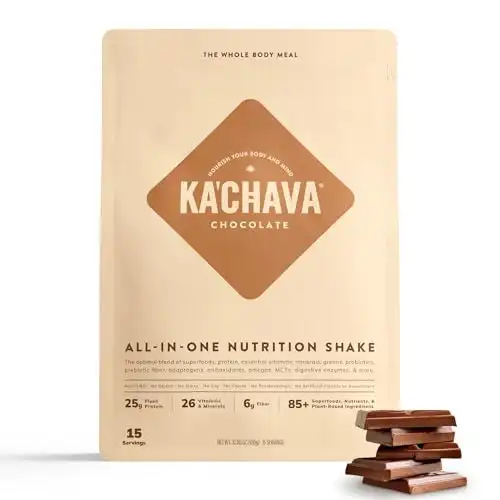
- Dietary Restrictions: For vegetarians or vegans, finding complete protein sources can sometimes require more planning; plant-based protein powders offer a convenient solution.
- Specific Goals: For those aiming for a very lean physique or meticulous macro tracking, protein powders offer a precise way to control protein intake without excess carbs or fats.
Navigating the World of Protein Powders
The market is flooded with protein powder options, and choosing the right one for fat loss requires understanding the different types and what to look for on the label.
Types of Protein Powders and Their Benefits for Fat Loss:
-
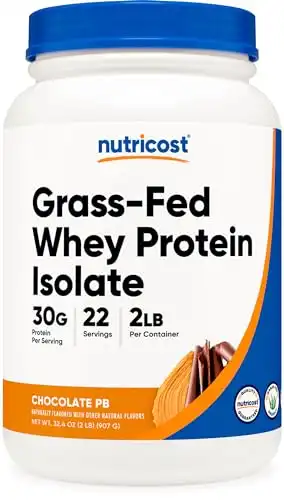
Whey Protein Isolate:
- Description: This is whey protein that has undergone further processing to remove most of the lactose, fat, and carbohydrates, resulting in a product that is typically 90% or more protein by weight.
- Benefits for Fat Loss:
- Very Lean: High protein-to-calorie ratio, making it easy to hit protein targets without excess calories.
- Fast Absorbing: Quickly delivers amino acids to muscles, ideal for post-workout recovery to aid muscle repair and minimize breakdown.
- High Leucine Content: Rich in leucine, a key amino acid for muscle protein synthesis.
- Considerations: Can be slightly more expensive than concentrate.
-
Casein Protein:
- Description: Also derived from milk, but digested and absorbed much more slowly than whey. It forms a gel-like substance in the stomach, leading to a sustained release of amino acids.
- Benefits for Fat Loss:
- Extended Satiety: The slow digestion helps keep you feeling full for hours, excellent for managing hunger between meals or overnight.
- Anti-Catabolic: Provides a steady stream of amino acids, which can help prevent muscle breakdown during long periods without food (e.g., while sleeping).
- Considerations: Thicker consistency, may not mix as smoothly as whey.
-
Plant-Based Protein Blends (e.g., Pea, Brown Rice, Hemp, Soy):
- Description: A combination of different plant proteins to create a complete amino acid profile, often used by vegans or those with dairy sensitivities.
- Benefits for Fat Loss:
- Dietary Inclusivity: Excellent option for those avoiding animal products.
- Fiber Content: Some plant-based proteins, like hemp or pea, can offer additional fiber, enhancing satiety.
- Hypoallergenic Options: Generally well-tolerated by individuals with allergies to dairy or soy.
- Considerations: May have a slightly different taste or texture compared to dairy proteins. Ensure the blend provides a complete amino acid profile.
Key Considerations When Choosing a Protein Powder for Fat Loss:
- Protein Content Per Serving: Look for at least 20-30 grams of protein per serving. The higher the percentage of protein relative to total serving size, the better for fat loss.
- Calorie Count: Opt for powders with a moderate calorie count (typically 100-160 calories per serving for most isolates), ensuring the majority of those calories come from protein. Avoid "mass gainer" products.
- Sugar and Artificial Ingredients:
- Minimal Added Sugars: Excess sugar adds unnecessary calories and can hinder fat loss. Prioritize products with low or no added sugars.
- Artificial Sweeteners/Flavors: While generally considered safe in moderation, some individuals prefer to avoid artificial sweeteners (like sucralose, aspartame) and artificial colors. Many brands now offer naturally sweetened or unflavored options.
- Ingredient Purity and Transparency:
- Third-Party Testing: This is paramount. Look for certifications from organizations like Informed Sport, NSF Certified for Sport, or Labdoor. These independent bodies test products for contaminants, heavy metals, and banned substances, ensuring what’s on the label is actually in the tub.
- Minimal Fillers: A shorter, recognizable ingredient list is generally a good sign. Avoid products with excessive fillers or proprietary blends where ingredient amounts aren’t disclosed.
- Taste and Mixability: No matter how effective a powder is, if you dislike the taste or it clumps endlessly, you won’t use it consistently. Read reviews, try samples if possible, and experiment with different liquids (water, unsweetened almond milk) and blending methods.
Integrating Protein Powder into Your Daily Routine
Protein powder is a versatile tool. Here’s how you can strategically weave it into your daily nutrition plan for optimal fat loss.
Strategic Timing and Usage:
- Post-Workout Recovery: Consuming a whey protein shake within 30-60 minutes after resistance training helps kickstart muscle repair and growth. This is crucial for preserving muscle mass during a calorie deficit.
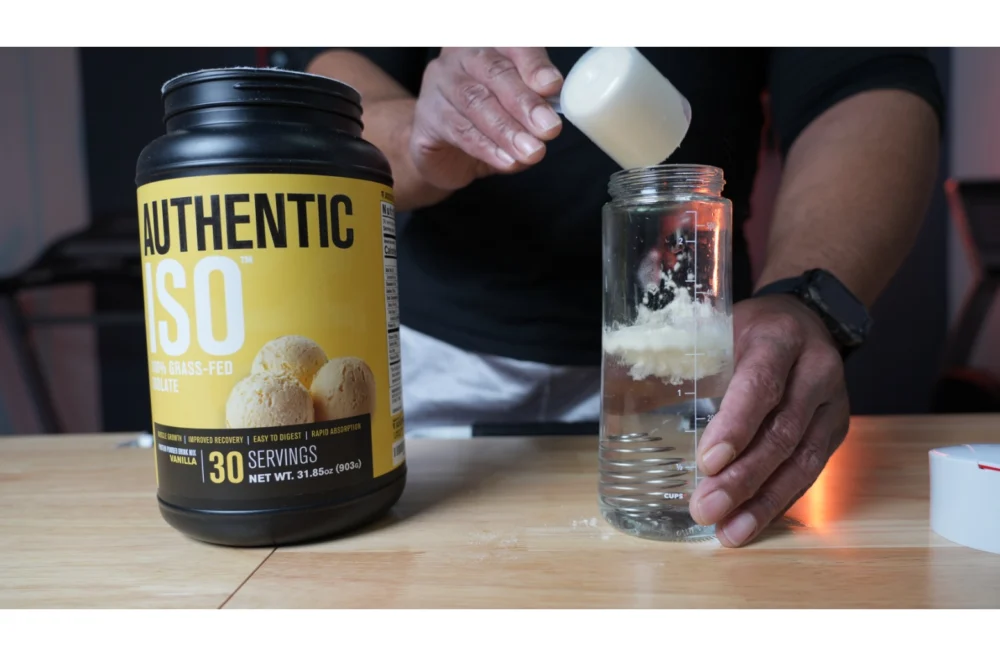
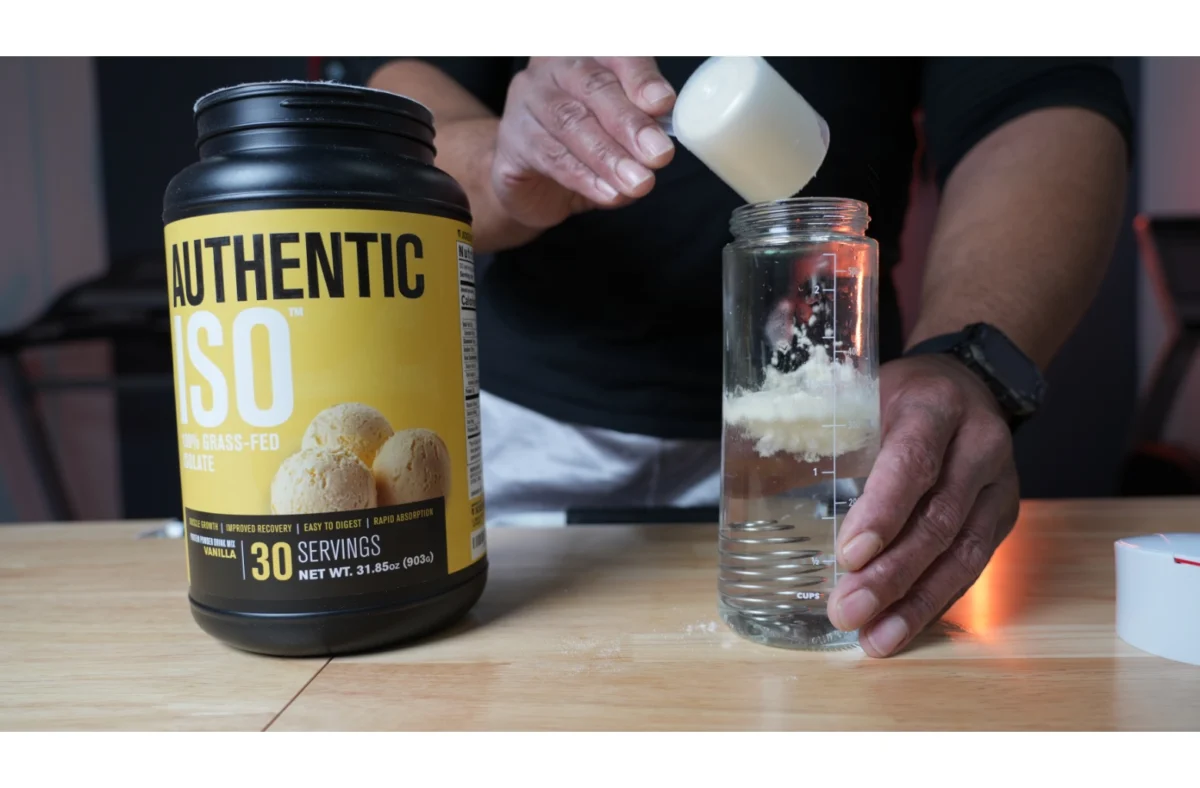
- Actionable Advice: Mix 1 scoop of whey isolate with water or unsweetened almond milk immediately after your workout.
- Breakfast Boost: Adding protein to your first meal can significantly increase satiety for the entire morning, reducing the likelihood of unhealthy snacking.
- Actionable Advice: Blend a scoop of protein powder into oatmeal, Greek yogurt, or a smoothie with fruit and spinach.
- Mid-Morning or Afternoon Snack: A protein shake can be an ideal low-calorie, high-protein snack to curb hunger between main meals, especially if you have a long gap until your next meal.
- Actionable Advice: Prepare a small shake or mix a half scoop into cottage cheese.
- Meal Replacement (with caveats): For a quick, calorie-controlled meal, a protein shake can be part of a meal replacement. However, ensure it’s balanced with fiber (from fruit/veg) and healthy fats to provide a complete nutritional profile.
- Actionable Advice: Blend 1-2 scoops of protein powder with a handful of spinach, berries, a tablespoon of nut butter, and unsweetened milk for a more complete meal.
- Before Bed (Casein): A casein protein shake before sleep can provide a slow, sustained release of amino acids, supporting muscle recovery and reducing catabolism overnight.
- Actionable Advice: Mix 1 scoop of casein protein with water or milk about an hour before bed.
Real-Life Examples for Integration:
- Scenario 1: Busy Professional:
- Breakfast (7 AM): Protein smoothie (1 scoop whey, spinach, berries, unsweetened almond milk).
- Lunch (12:30 PM): Lean chicken salad with mixed greens.
- Afternoon Snack (3:30 PM): Small protein shake (1 scoop whey with water).
- Dinner (7 PM): Baked salmon with roasted vegetables.
- Scenario 2: Active Beginner:
- Breakfast (8 AM): Scrambled eggs with whole-wheat toast.
- Lunch (1 PM): Lentil soup with a side salad.
- Post-Workout (5:30 PM): Protein shake (1 scoop whey with water) after a strength training session.
- Dinner (7:30 PM): Turkey stir-fry with brown rice.
- Before Bed (9:30 PM): Small casein shake (if hungry).
Common Mistakes and How to Avoid Them
Even with the best intentions, missteps can occur. Being aware of common pitfalls can help you stay on track.
- Over-Reliance on Powders, Neglecting Whole Foods: Protein powders are supplements, not replacements for a varied diet. Don’t let them crowd out nutrient-dense whole foods.
- Solution: Aim for at least 70-80% of your protein from whole food sources.
- Ignoring Overall Calorie Deficit: Protein is essential, but it’s not magic. Fat loss fundamentally requires consuming fewer calories than you burn. Protein helps achieve this deficit more easily, but it doesn’t bypass the principle.
- Solution: Track your total calorie intake and ensure it aligns with your fat loss goals.
- Expecting Instant Results: Fat loss is a journey, not a sprint. Consistency and patience are key.
- Solution: Focus on sustainable habits and celebrate small victories. Understand that progress isn’t always linear.
- Not Customizing Intake: What works for one person may not work for another. Your protein needs are unique.
- Solution: Experiment with different protein levels within the recommended ranges and observe how your body responds in terms of satiety, energy, and recovery.
- Ignoring Hydration: A higher protein intake requires adequate water consumption to help your kidneys process the extra nitrogen waste products.
- Solution: Increase your daily water intake, aiming for at least 8-10 glasses.
Practical Tips for Maximizing Protein for Fat Loss
Beyond just drinking your shake, integrating these strategies will amplify protein’s benefits.
- Combine Protein with Fiber at Every Meal: This powerful duo significantly boosts satiety. Think chicken and broccoli, Greek yogurt with berries, or lentils with leafy greens.
- Actionable Advice: Always pair your protein source with a serving of vegetables or high-fiber fruit.
- Spread Protein Intake Throughout the Day: Instead of consuming a massive amount of protein in one meal, distribute it evenly (e.g., 25-40g per meal). This optimizes muscle protein synthesis and keeps hunger at bay.
- Actionable Advice: Plan your meals and snacks to include a protein source every 3-4 hours.
- Prioritize Protein at Breakfast: Starting your day with a high-protein meal sets a positive tone for satiety and metabolism.
- Actionable Advice: Swap sugary cereals for eggs, Greek yogurt, or a protein-fortified smoothie.
- Stay Hydrated: As mentioned, higher protein intake increases the body’s need for water. Water also contributes to feelings of fullness.
- Actionable Advice: Keep a water bottle handy and sip throughout the day.
- Don’t Neglect Resistance Training: Protein works synergistically with strength training. Lifting weights provides the stimulus for your muscles to grow and repair, while protein provides the building blocks. This combination is unbeatable for body recomposition.
- Actionable Advice: Incorporate 2-4 strength training sessions per week, targeting all major muscle groups.
- Be Mindful of Condiments and Add-ons: When preparing protein-rich meals or shakes, be aware of high-calorie sauces, dressings, or sugary additions that can quickly add hidden calories.
- Actionable Advice: Opt for low-calorie seasonings, herbs, spices, and unsweetened liquids.
Conclusion: Your Sustainable Path to a Stronger You
Embarking on a fat loss journey is an empowering decision, and understanding the strategic role of protein is your compass to navigate it successfully. It’s not about quick fixes or extreme deprivation, but about smart, sustainable choices that nourish your body and support your goals.
Protein, whether from wholesome food sources or conveniently supplemented through powders, is your ally in managing hunger, boosting your metabolism, and fiercely guarding your hard-earned muscle. Remember, fat loss is a holistic endeavor, intertwining nutrition with consistent effort in the gym, adequate rest, and a positive mindset.
You have the knowledge, now cultivate the discipline. Start today by making conscious choices to prioritize protein in your meals. Embrace the power of strategic nutrition, pair it with purposeful movement, and watch as you not only shed unwanted fat but also build a stronger, healthier, and more confident version of yourself. Your journey to sustainable fat loss and a revitalized body begins with every protein-packed decision you make. You are capable, you are resilient, and you are on your way to achieving remarkable results. Keep moving forward!