In an increasingly demanding world, the pursuit of health and fitness often feels like a luxury reserved for those with ample time, vast gym memberships, or spacious home setups. But what if the secret to unlocking your full athletic potential lay not in grand facilities, but in embracing the efficiency and accessibility of compact fitness? This article is your definitive guide to transforming limited space into an expansive arena for full-body transformation, proving that dedication, smart choices, and the right equipment can turn any corner into a launchpad for peak performance.
Whether you’re a beginner taking the first brave steps on your fitness journey or an intermediate enthusiast seeking to optimize your home workouts, we’ll navigate the landscape of effective training in confined environments. We’ll explore how to select versatile equipment, master powerful movements like rowing, craft dynamic routines, and cultivate the mindset needed to build an enduring fitness habit. Get ready to redefine your fitness journey, proving that the only space you truly need is the one within yourself to grow stronger, healthier, and more resilient.
The Modern Fitness Landscape: Why Space Should Never Be a Barrier
The traditional image of fitness often involves sprawling gyms filled with heavy machinery and endless rows of equipment. While these spaces have their place, they are not the only, nor always the most effective, path to achieving your fitness goals. The modern fitness landscape is evolving, placing a greater emphasis on accessibility, efficiency, and integration into daily life.
Redefining the "Gym": From Expansive Facilities to Personal Power Zones
Your "gym" doesn’t need to be a separate building; it can be a dedicated corner of your living room, a section of your bedroom, or even a small patio. The key is to shift your perspective from a physical location to a state of mind and a commitment to movement. By creating a personal power zone, you eliminate travel time, dodge crowded equipment, and foster a private, comfortable environment tailored specifically to your needs. This intimate setting can be incredibly empowering, allowing you to experiment, focus, and push your limits without external distractions or self-consciousness. It’s about owning your fitness journey, literally, within your own four walls.
The Psychology of Small Spaces: Turning Limitations into Creative Opportunities
Initially, limited space might feel like a constraint, but it can actually be a catalyst for innovation and resourcefulness. When you can’t rely on a vast array of machines, you’re forced to think smarter about your workouts. This often leads to:
- Multi-functional equipment choices: Prioritizing items that serve multiple purposes.
- Compound movements: Focusing on exercises that work several muscle groups simultaneously.
- Creative bodyweight applications: Discovering new ways to challenge your body without external weights.
- Optimized routines: Making every minute count with high-intensity, efficient workouts.
Embracing these "limitations" can lead to a deeper understanding of your body and a more dynamic, adaptable fitness approach. Consider Sarah, a busy parent who transformed her spare bedroom corner into a compact workout haven. Instead of feeling restricted, she found that her small space encouraged her to explore varied bodyweight routines and discover the incredible versatility of a single piece of equipment, ultimately making her workouts more engaging and sustainable than her previous, sporadic gym visits.
The Power of Consistency: Why a Compact Home Setup Often Trumps an Intimidating Large Gym
Consistency is the undisputed king of fitness progress. A compact home gym, even a minimalist one, dramatically lowers the barriers to consistent exercise. No commutes, no waiting for machines, no excuses related to weather or crowded schedules. This ease of access makes it significantly simpler to stick to your routine, even on days when motivation wanes. A quick 20-minute session in your living room often proves more beneficial in the long run than an ambitious but infrequent trip to a large, intimidating gym. It fosters a habit, and habits, not grand gestures, are the building blocks of lasting fitness transformations.
The Foundation of Full-Body Fitness: Understanding Your Core Needs
Before diving into equipment or specific workouts, it’s crucial to understand what constitutes true full-body fitness and how to approach it holistically. This isn’t just about looking good; it’s about feeling strong, energetic, and capable in every aspect of your life.
Beyond Cardio and Weights: Integrating Strength, Endurance, Flexibility, and Balance
Many people mistakenly believe fitness is solely about lifting heavy or running fast. However, a truly comprehensive fitness regimen integrates four fundamental components:
- Strength: The ability of your muscles to exert force, crucial for daily activities and injury prevention.
- Endurance: Your body’s capacity to sustain prolonged physical activity, vital for cardiovascular health and stamina.
- Flexibility: The range of motion around your joints, preventing stiffness and improving movement quality.
- Balance: Your ability to maintain equilibrium, essential for coordination and reducing fall risk, especially as we age.
A well-rounded program addresses all four. For instance, a rowing workout effectively combines strength (pushing with legs, pulling with back/arms) and endurance (sustaining continuous strokes), while dynamic stretching before and after enhances flexibility. Incorporating single-leg exercises or core work can also boost balance.
Setting Realistic Goals: Short-Term Wins and Long-Term Transformations
Goal setting is the compass of your fitness journey. Without clear objectives, you’re merely drifting. For beginners, focus on short-term, achievable goals that build momentum:
- "I will complete three 20-minute workouts this week."
- "I will consistently hold a plank for 30 seconds."
- "I will add 5 minutes to my rowing session by the end of the month."
Intermediate enthusiasts might aim for:
- "I will increase my rowing pace by 10 seconds per 500m."
- "I will master 5 new bodyweight exercises."
- "I will incorporate two high-intensity interval training (HIIT) sessions weekly."
These short-term wins are stepping stones to larger, long-term transformations, such as improved body composition, enhanced energy levels, or the ability to tackle a challenging physical event like a charity race. Remember, progress isn’t linear; celebrate every small victory and learn from every setback.
The Mind-Muscle Connection: Maximizing Every Movement
Often overlooked, the mind-muscle connection is about consciously focusing on the muscles you’re working during an exercise. Instead of just "going through the motions," actively think about contracting and engaging the target muscles. For example, during a squat, consciously feel your glutes and quads working to drive you up. While rowing, visualize your legs pushing, your core stabilizing, and your back pulling. This heightened awareness not only improves muscle activation and growth but also makes your workouts more effective and engaging, transforming each movement into a purposeful act of self-improvement.
Strategic Equipment Choices: Maximizing Impact in Minimal Footprint
When space is at a premium, every piece of equipment must earn its place. The goal isn’t to accumulate gear, but to strategically select items that offer maximum versatility and impact for a full-body workout.
The Versatility Principle: Opting for Multi-Functional Gear
Think smart, not bulky. Prioritize equipment that can be used for a wide range of exercises and stored easily.
- Resistance Bands: Lightweight, portable, and incredibly versatile. They can add resistance to squats, glute bridges, push-ups, and provide assistance for pull-ups or stretching. Perfect for warming up, activating muscles, or adding intensity to almost any movement.
- Adjustable Dumbbells: A single pair can replace an entire rack of traditional dumbbells, saving significant space. They allow for progressive overload in strength training, targeting every major muscle group through exercises like presses, rows, lunges, and curls.
- Yoga Mat: More than just for yoga, a mat provides cushioning for floor exercises like planks, crunches, push-ups, and stretching. It also defines your workout zone, psychologically preparing you for activity.
- Jump Rope: An old-school classic, a jump rope offers an excellent cardiovascular workout that can be done in a small area. It improves coordination, agility, and endurance, making it a fantastic warm-up or standalone cardio session.
- Kettlebells: Similar to dumbbells but with a different weight distribution, kettlebells excel in dynamic movements like swings, snatches, and Turkish get-ups, which engage multiple muscle groups and build explosive power. A single kettlebell can be a formidable tool.
By focusing on a few key, versatile items, you can create a comprehensive home gym that fits neatly into your lifestyle and space.
The Full-Body Dynamo: Embracing the Rowing Machine
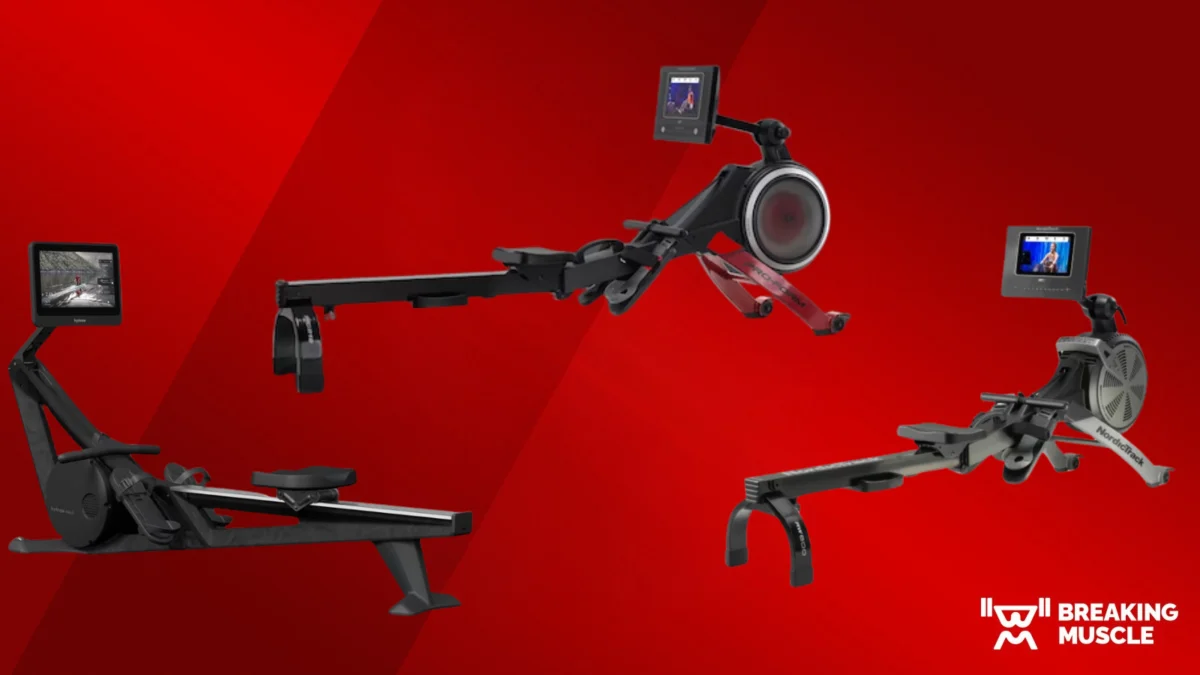
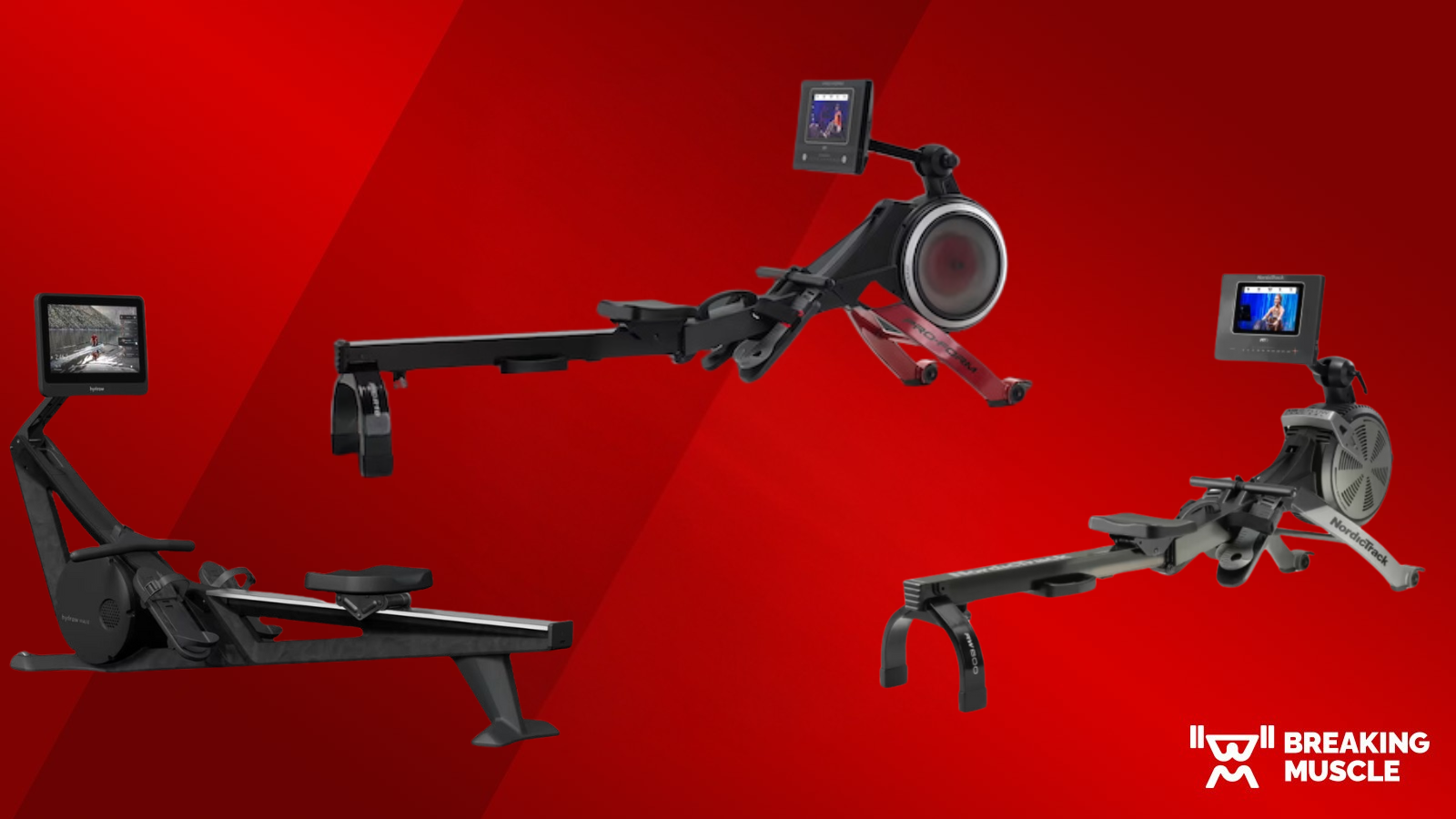
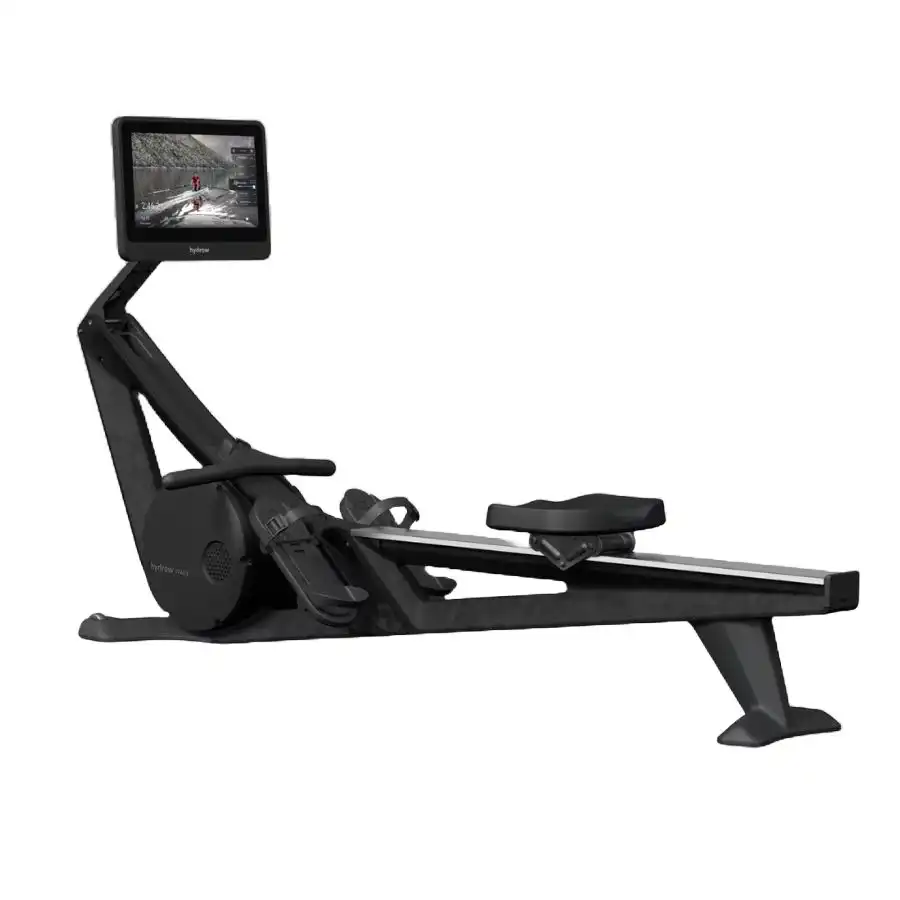
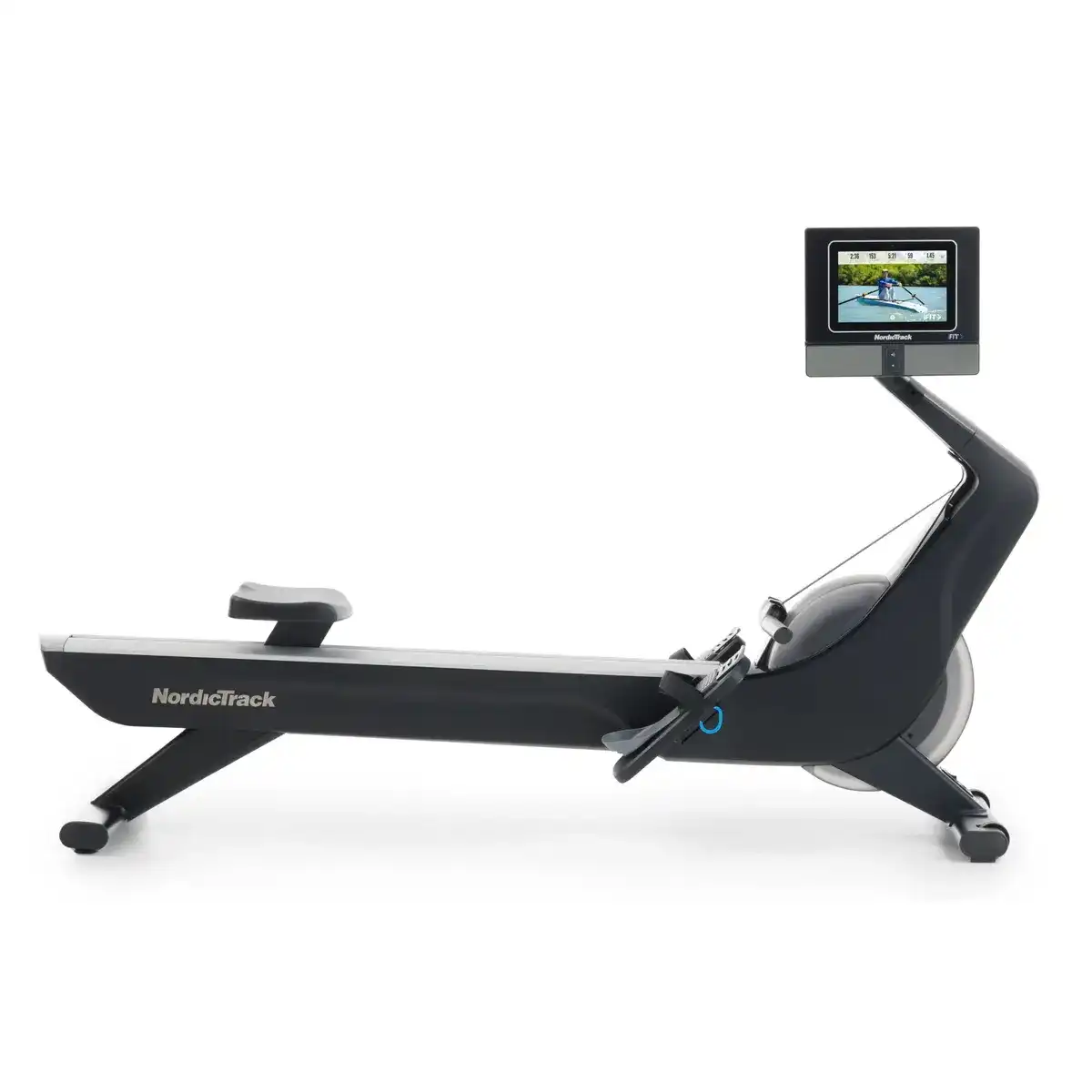
Among compact cardio and strength equipment, the rowing machine stands out as a true full-body dynamo, making it an exceptional choice for small spaces.
Why Rowing is Ideal for Small Spaces:
- Full-Body Engagement: Rowing utilizes approximately 86% of your body’s muscles across nine major muscle groups, including legs, core, back, and arms. This makes it incredibly efficient for a comprehensive workout.
- Low-Impact Cardio: Unlike running, rowing puts minimal stress on your joints, making it suitable for individuals of all fitness levels and those recovering from injuries.
- Strength and Endurance Blend: Every stroke is a powerful push and pull, building both muscular strength and cardiovascular endurance simultaneously. You can easily adjust resistance to focus more on power or sustained effort.
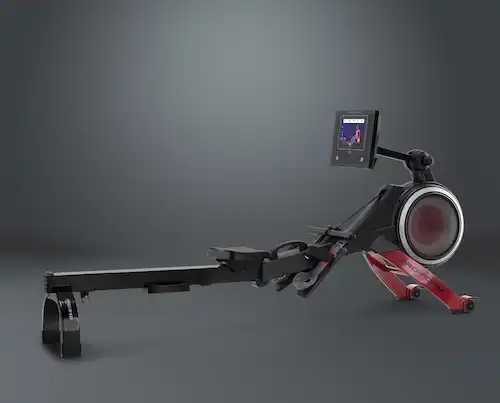
- Compact Storage Options: Many modern rowing machines are designed with small spaces in mind, featuring folding frames or the ability to be stored upright. This allows them to virtually disappear when not in use, making them far less intrusive than treadmills or large ellipticals.
- Quiet Operation: Depending on the resistance type (especially magnetic or water), many compact rowers operate quietly, a significant advantage in shared living spaces or when working out early mornings or late evenings.
Briefly on Resistance Types (without brand names):
- Air Resistance: Uses a flywheel that spins against air, providing a dynamic resistance that increases with your effort. Mimics real rowing feel. Can be louder.
- Magnetic Resistance: Uses magnets to create resistance, often providing a smoother, quieter stroke with adjustable levels. Excellent for controlled, consistent workouts.
- Water Resistance: Employs a flywheel in a tank of water, closely mimicking the natural feel and sound of rowing on water. Offers smooth, consistent resistance.
- Hydraulic Resistance: Uses hydraulic cylinders, often more compact and affordable, though the stroke feel can be less natural and consistent compared to other types.
Understanding these types helps you choose a rower that best fits your preference for feel, sound, and budget, ensuring it integrates seamlessly into your compact power zone.
The Art of the Row: Unlocking Full-Body Potential
The rowing machine is a powerhouse of fitness, but its full potential is only unleashed with proper form and a strategic approach. Mastering the stroke is fundamental to maximizing benefits and preventing injury.
Mastering the Stroke: Form, Technique, and Common Pitfalls
The rowing stroke is a fluid, four-phase movement that, when executed correctly, engages your entire body in a powerful, rhythmic sequence.
-
The Catch (Starting Position):
- Form: Knees bent, shins vertical, heels lifted (or flat if ankle mobility allows), arms extended forward, back straight and leaning slightly forward from the hips, core engaged, shoulders relaxed. Hands grip the handle with an overhand grip, wrists flat.
- Actionable Tip: Think of yourself as compressed and ready to explode. Your body is coiled.
-
The Drive (The Power Phase):
- Form: This is where the power comes from. Initiate with a powerful leg push, driving your feet into the footrests. As your legs extend, hinge slightly back at the hips, keeping your core strong. Finally, pull the handle towards your lower rib cage with your arms, engaging your back muscles (lats, rhomboids).
- Actionable Tip: It’s a "legs, core, arms" sequence. Roughly 60% of the power comes from your legs, 20% from your core, and 20% from your arms and back. Avoid pulling with your arms too early or rounding your back.
- Real-Life Example: Imagine pushing off a dock with your feet, then using your body to propel a boat forward, finally bringing the oars in close.
-
The Finish (End Position):
- Form: Legs fully extended, body leaning slightly back (around 11 o’clock position), handle at your lower rib cage, elbows tucked close to your body. Shoulders are down and relaxed.
- Actionable Tip: Hold this strong, powerful position briefly.
-
The Recovery (Returning to Catch):
- Form: This is the reverse of the drive. Extend your arms first until they clear your knees. Then, hinge forward from your hips, allowing your torso to follow. Finally, bend your knees to slide forward to the catch position, keeping your core engaged throughout.
- Actionable Tip: It’s an "arms, core, legs" sequence. This phase should be controlled and slightly slower than the drive, allowing you to catch your breath and prepare for the next powerful stroke.
- Common Pitfalls to Avoid:
- "Squashing the Fly": Bending your knees too early in the recovery phase, forcing your body over your shins.
- "Arms Only": Pulling predominantly with your arms and neglecting the powerful leg drive.
- "Back Hunching": Rounding your back during any phase, especially the catch or drive, which can lead to injury.
- "No Power": Not driving hard enough with the legs, resulting in an ineffective stroke.
Focus on a smooth, continuous motion, aiming for a consistent rhythm. Practice slowly to internalize the form before increasing speed or resistance.
Beyond the Traditional Row: Cross-Training and Versatility
The rowing machine isn’t just for rowing. Its design lends itself to a variety of off-rower exercises, enhancing its value in a compact gym.
- Core Work:
- Pikes: Place your feet in the foot straps (or on the footrests) with hands on the floor in a plank position. Pike your hips up, pulling your feet towards your hands, then slowly return.
- Plank Variations: Use the sliding seat for dynamic planks, pushing back and forth, or keeping feet on the seat for added instability.
- Single-Leg Exercises:
- Single-Leg Squats/Pistols: Stand beside the rower, using the handle for balance as you practice single-leg squats.
- Handle-Based Exercises:
- Upright Rows (Light Resistance): Stand facing the rower, grip the handle, and perform upright rows, focusing on your shoulders and upper back.
- Bicep Curls/Triceps Extensions: Use the handle and cable for targeted arm work, adjusting your distance from the flywheel for varying resistance.
Sample Circuit Incorporating Rowing and Bodyweight (Intermediate):
- Rowing Interval: 5 minutes at moderate intensity (warm-up).
- Bodyweight Squats: 15 reps.
- Push-ups: 10-12 reps (on knees or toes).
- Plank: 45 seconds.
- Rowing Interval: 3 minutes at high intensity.
- Alternating Lunges: 10 reps per leg.
- Resistance Band Rows: 15 reps.
- Russian Twists: 20 reps.
- Rowing Interval: 2 minutes sprint.
Rest 1-2 minutes, repeat circuit 2-3 times.
Cool-down with stretching.
By integrating these varied movements, your rowing machine becomes a true centerpiece for diverse, full-body workouts in a minimal space.
Crafting Your Compact Workout Sanctuary: Practical Setup Tips
Even in a small space, creating an environment conducive to exercise can significantly impact your motivation and consistency. It’s about more than just equipment; it’s about atmosphere and organization.
Space Optimization: Layout, Lighting, and Creating an Inspiring Environment
- Designated Zone: Even if it’s just a corner, clearly define your workout space. Lay down your mat, set up your rower, and ensure there’s enough clearance around it for movement. This mental boundary helps you switch into "workout mode."
- Vertical Space: Utilize walls for storage (e.g., hooks for resistance bands, a small shelf for a water bottle or phone). If your rower stores upright, ensure you have adequate ceiling height.
- Lighting: Natural light is ideal, as it can boost mood and energy. If natural light is limited, use bright, invigorating artificial lighting. Avoid dim or yellow lighting that can make the space feel sluggish.
- Ventilation: Good airflow is crucial. Open a window if possible, or use a small fan to keep cool and prevent stale air.
- Inspiration: Personalize your space. A motivational poster, a small plant, or a vibrant color scheme can make your workout zone more inviting and inspiring. Keep it clean and uncluttered.
Smart Storage Solutions: Making Your Equipment Disappear When Not in Use
The beauty of compact equipment lies in its ability to be tucked away.
- Folding Rowers: If you have a folding rower, ensure its folding mechanism is easy to use and it can be wheeled away without hassle.
- Upright Storage: Some rowers stand vertically. Check dimensions for ceiling height.
- Under-Bed/Closet Storage: Smaller items like resistance bands, jump ropes, and even adjustable dumbbells can be stored in baskets or bins under a bed, in a closet, or on a shelf.
- Wall Mounts: For items like yoga mats or foam rollers, wall-mounted hooks can keep them off the floor.
- Multi-Purpose Furniture: Consider an ottoman that doubles as storage, or a console table that can hold small equipment while serving another function.
The goal is to make setting up and putting away your gym gear seamless, minimizing friction and maximizing convenience.
Technology Integration: Apps, Virtual Trainers, and Tracking Progress
Leverage technology to enhance your compact gym experience:
- Fitness Apps: Many apps offer guided workouts, personalized plans, and progress tracking, often requiring minimal equipment. Look for apps with a variety of bodyweight, resistance band, and rowing-specific programs.
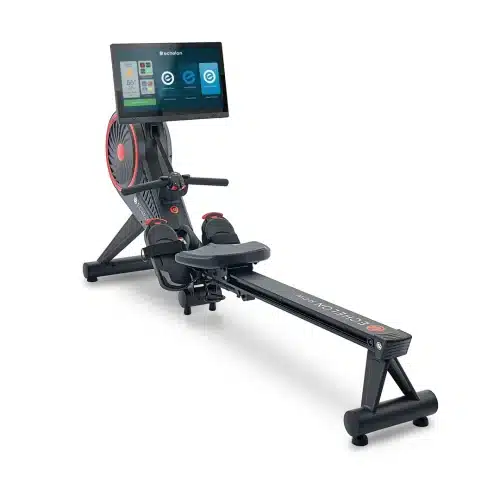
- Virtual Trainers: Online platforms provide access to virtual classes and trainers, bringing professional guidance directly into your home. Some compact rowers come with integrated screens and subscription services, offering immersive, interactive workouts.
- Wearable Tech: Smartwatches and fitness trackers monitor your heart rate, calories burned, and activity levels, providing valuable data to help you track progress and stay motivated.
- Music/Podcasts: Curate playlists or podcasts that motivate you. Sound can significantly impact your workout intensity and enjoyment.
Technology can transform a solitary home workout into an engaging, guided, and data-driven fitness experience, keeping you connected and accountable.
Sample Workout Routines for Your Compact Power Zone
These routines are designed for beginners to intermediate fitness enthusiasts, leveraging compact equipment (with an emphasis on a rower if available) and bodyweight exercises. Adjust intensity and duration to match your current fitness level. Always warm up for 5-10 minutes and cool down for 5-10 minutes.
Beginner’s Blueprint: Building Foundational Strength and Endurance
Focus on mastering form and building consistency.
Warm-up: Light cardio (e.g., jump rope, marching in place), dynamic stretches (arm circles, leg swings).
Workout (Circuit – 2-3 rounds, 60 seconds rest between rounds):
- Rowing (if available): 5 minutes at a comfortable, steady pace (focus on smooth form).
- Bodyweight Squats: 10-12 reps (focus on depth and control).
- Modified Push-ups (on knees or against a wall): 8-10 reps.
- Plank: 20-30 seconds (maintain a straight line from head to heels).
- Glute Bridges: 12-15 reps (squeeze glutes at the top).
- Resistance Band Rows (seated or standing): 12-15 reps.
Cool-down: Static stretches (hold each for 20-30 seconds: hamstring stretch, quad stretch, chest stretch).
Intermediate Intensity: Elevating Your Challenge
Increase reps, sets, intensity, or add more complex movements.
Warm-up: Dynamic warm-up, light rowing or jump rope.
Workout (Circuit – 3-4 rounds, 45 seconds rest between rounds):
- Rowing Intervals: 2 minutes moderate pace, 1 minute hard pace (repeat 2-3 times).
- Goblet Squats (with adjustable dumbbell/kettlebell): 10-12 reps.
- Push-ups (on toes or elevated feet): 10-15 reps.
- Renegade Rows (with adjustable dumbbells): 8-10 reps per arm (maintain plank stability).
- Walking Lunges (with or without weight): 10 reps per leg.
- Plank with Hip Dips: 45 seconds (alternating sides).
- Jump Squats or Box Jumps (low height): 10-12 reps.
Cool-down: Foam rolling (if available), static stretches.
The Rowing-Centric Session: A Dedicated Full-Body Blast
Maximize your rower’s potential with integrated off-rower exercises.
Warm-up: 5 minutes easy rowing, dynamic stretches.
Workout (Pyramid/Interval Style):
- Set 1:
- Row 500 meters at a challenging pace.
- 15 Bodyweight Squats.
- 10 Push-ups.
- Set 2:
- Row 400 meters at a challenging pace.
- 12 Lunges per leg.
- 15 Russian Twists.
- Set 3:
- Row 300 meters at a challenging pace.
- 10 Burpees (modified or full).
- 20 seconds Side Plank (each side).
- Set 4:
- Row 200 meters sprint.
- 15 Resistance Band Pull-Aparts.
- 30 seconds Plank.
- Set 5 (Optional Finisher):
- Row 100 meters all-out sprint.
Rest 60-90 seconds between each set.
Cool-down: Gentle rowing, full-body static stretches.
- Row 100 meters all-out sprint.
These routines are adaptable. Listen to your body, modify as needed, and always prioritize proper form over speed or weight.
Fueling Your Progress: Nutrition and Recovery in a Busy Lifestyle
Exercise is only one piece of the fitness puzzle. To truly unleash your inner athlete, you must support your body with optimal nutrition and adequate recovery, especially when balancing a busy schedule.
Simple, Effective Nutrition: Macronutrients, Hydration, and Mindful Eating
You don’t need a complicated diet plan; focus on fundamental principles:
- Whole Foods First: Prioritize unprocessed foods – lean proteins, whole grains, fruits, vegetables, and healthy fats. These provide the essential nutrients your body needs to perform and recover.
- Balanced Macronutrients: Aim for a balance of protein (for muscle repair and growth), complex carbohydrates (for energy), and healthy fats (for hormone function and overall health). A general guideline is to include a protein source, a complex carb, and a serving of vegetables with most meals.
- Hydration is Key: Water is vital for every bodily function, including metabolism, nutrient transport, and temperature regulation. Carry a reusable