In the relentless pursuit of fitness, whether your goal is to sculpt a stronger physique, push past personal bests, or simply find the energy to tackle another challenging workout, the journey often demands more than just grit. It requires smart strategies, consistent effort, and sometimes, a little extra support. This is where pre-workout supplements enter the scene, promising to amplify your focus, boost your endurance, and ignite your drive when you need it most.
For both aspiring lifters taking their first confident steps into the gym and seasoned enthusiasts striving for the next level, the world of pre-workouts can seem both exciting and overwhelming. With countless formulas and ingredients touted for their performance-enhancing properties, how do you navigate this landscape to make choices that genuinely fuel your progress, not just provide a temporary buzz?
This comprehensive guide is designed to demystify pre-workout supplements, transforming complex science into actionable advice. We’ll delve into the core ingredients that truly make a difference, help you understand how to tailor your choices to your unique fitness goals, and equip you with the knowledge to use these powerful tools safely and effectively. Prepare to go beyond the marketing hype and discover how to intelligently integrate pre-workouts into your routine, unlocking peak performance and sustaining your unwavering commitment to becoming the strongest, most energized version of yourself.
What Exactly Are Pre-Workout Supplements?
At its essence, a pre-workout supplement is a multi-ingredient dietary formula designed to be consumed before physical exercise. The primary objective is to enhance various aspects of your workout performance, giving you an edge when it counts. Think of it as a strategic blend of compounds that work synergistically to prepare your body and mind for the demands of intense training.
These formulas typically aim to:
- Boost Energy Levels: Combat fatigue and provide a surge of vitality.
- Sharpen Mental Focus: Improve concentration and the mind-muscle connection.
- Enhance Endurance: Allow you to perform more repetitions or sustain activity for longer durations.
- Increase Strength and Power Output: Support heavier lifts and more explosive movements.
- Improve Blood Flow (The "Pump"): Deliver more oxygen and nutrients to working muscles, promoting recovery and growth.
While the specific combination of ingredients varies widely across products, most pre-workouts contain a blend of stimulants, amino acids, creatine, and other compounds, each playing a distinct role in priming your body for optimal performance. They are not magic potions, but rather carefully crafted aids to complement a dedicated training regimen and a balanced diet.
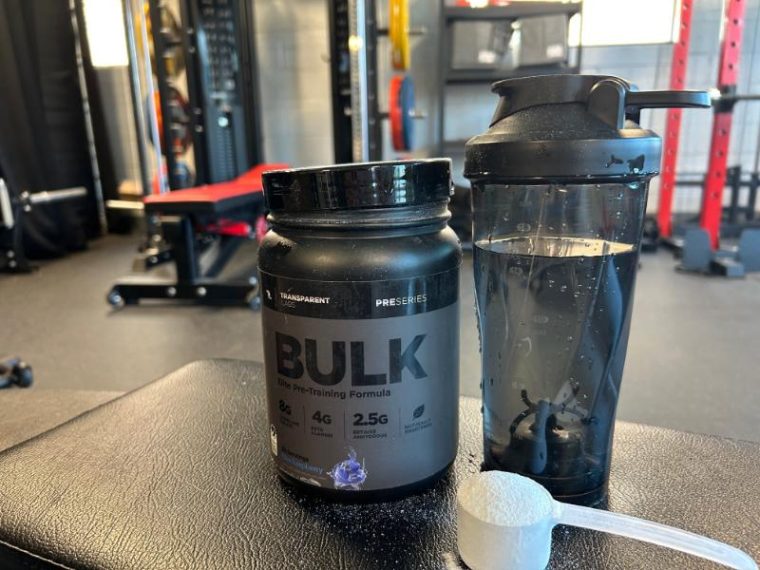
The Core Components: Understanding Key Pre-Workout Ingredients
To make informed decisions about pre-workouts, it’s crucial to understand the science behind their most common and effective ingredients. These are the workhorses that deliver the tangible benefits you seek.
Stimulants for Energy and Focus
Stimulants are often the first thing people associate with pre-workouts, and for good reason—they provide that immediate kick.
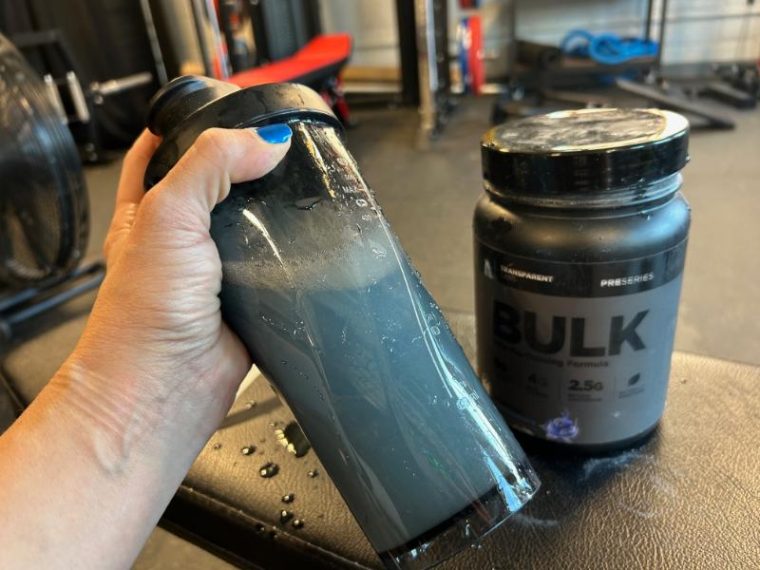
- Caffeine: The undisputed king of pre-workout stimulants. Caffeine works by blocking adenosine receptors in the brain, which normally cause drowsiness. The result is increased alertness, reduced perception of effort, and enhanced cognitive function.
- Dosage: Effective doses typically range from 150mg to 400mg per serving. Beginners or those sensitive to stimulants should start at the lower end (e.g., 100-150mg) to assess tolerance. Remember the FDA’s general guideline of 400mg total caffeine per day for most healthy adults.
- Practical Tip: Be mindful of your total daily caffeine intake, including coffee, tea, and energy drinks, to avoid overstimulation.
- L-Theanine: Often paired with caffeine, L-Theanine is an amino acid found in green tea. It helps to modulate the effects of caffeine, promoting a smoother, more focused energy boost without the jitters, anxiety, or crash sometimes associated with high caffeine doses.
- Dosage: A common ratio is 1:1 or 2:1 caffeine to L-Theanine (e.g., 200mg caffeine with 100-200mg L-Theanine).
- Tyrosine: This amino acid is a precursor to several important neurotransmitters, including dopamine, norepinephrine, and epinephrine. Supplementing with tyrosine can help improve mental focus, mood, and cognitive performance, especially during stressful situations or prolonged exercise when these neurotransmitter levels might deplete.
- Dosage: Research-backed doses typically range from 500mg to 2000mg.
Power and Endurance Boosters
These ingredients directly impact your ability to push harder and longer during your workout.
- Creatine Monohydrate: Considered the gold standard for strength and power enhancement, creatine helps regenerate ATP (adenosine triphosphate), the primary energy currency of your cells. This allows for more explosive movements and increased work capacity, leading to greater strength gains over time.
- Dosage: The most common effective dose is 3-5 grams daily. While some pre-workouts include creatine, it’s often in suboptimal amounts. For consistent benefits, many prefer to take creatine as a standalone supplement daily, regardless of workout timing.
- Real-Life Example: Imagine being able to squeeze out one or two more reps on your heavy squat set, or adding an extra 5 pounds to your deadlift. That’s the kind of incremental improvement creatine can facilitate over weeks and months.
- Beta-Alanine: This amino acid combines with histidine in your muscles to form carnosine, which acts as a buffer against lactic acid buildup. By delaying the onset of muscle fatigue, beta-alanine allows you to perform more reps and maintain intensity for longer, particularly in sets lasting 60-240 seconds.
- Dosage: The clinical dose is typically 3.2-6.4 grams daily, often split into multiple doses to reduce the tingling sensation.
- Practical Tip: Beta-alanine causes a harmless tingling sensation (paresthesia) in the skin. This is normal and a sign the ingredient is active. If it’s too intense, try a lower dose or a product with a sustained-release form.
- Betaine Anhydrous (Trimethylglycine – TMG): Betaine plays a role in cellular hydration and methionine metabolism, which is crucial for protein synthesis. Studies suggest it can improve muscular endurance, power output, and resistance to fatigue.
- Dosage: Effective doses are typically 2.5 grams daily.
- Taurine: An amino acid that supports electrolyte balance, cellular hydration, and muscle function. It can help reduce muscle damage and improve exercise performance, particularly in endurance activities.
- Dosage: Commonly found in doses of 1-3 grams.
The "Pump" and Blood Flow Enhancers
For many, the feeling of "the pump"—muscles swelling with blood—is both motivating and indicative of an effective workout. These ingredients help achieve that by improving nitric oxide production and blood flow.
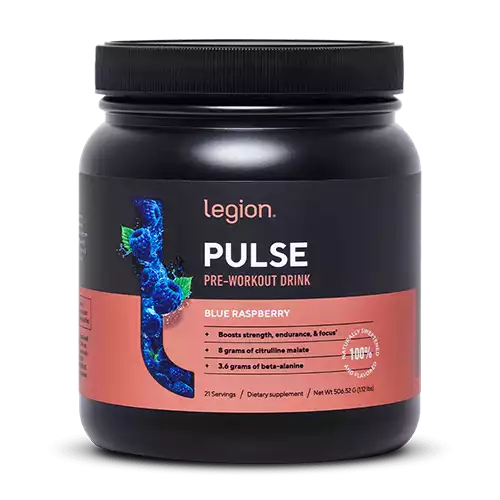
- L-Citrulline (or Citrulline Malate): L-Citrulline is converted to L-arginine in the body, which then increases nitric oxide production. Nitric oxide relaxes blood vessels, leading to increased blood flow to working muscles. This results in a better muscle pump, improved nutrient and oxygen delivery, and more efficient waste product removal, potentially enhancing endurance and reducing muscle soreness.
- Dosage: For pure L-Citrulline, 6-8 grams is recommended. For Citrulline Malate (often a 2:1 ratio of citrulline to malate), 8-10 grams is typically needed to get an equivalent effective dose of L-Citrulline.
- Real-Life Example: You’ll notice your muscles feel fuller and more engorged during and after your sets, often with visible vascularity.
- Glycerol: This ingredient draws water into muscle cells, promoting "hyperhydration" and cellular swelling. This can contribute to a significant muscle pump and potentially improve endurance by supporting hydration.
- Practical Tip: Glycerol can be hygroscopic (absorbs moisture), sometimes leading to clumpy pre-workout powder. Ensure you mix it thoroughly and store it in a cool, dry place.
Tailoring Your Pre-Workout: Finding the Right Formula for Your Goals
The "best" pre-workout isn’t a one-size-fits-all product. It’s the one that aligns with your individual training goals, personal physiology, and tolerance levels.
For the Energy Seeker (Morning Workouts/Fatigue Fighters)
If you struggle to get going for early morning sessions, battle the midday slump, or simply need a strong kickstart, your priority is robust energy and focus.
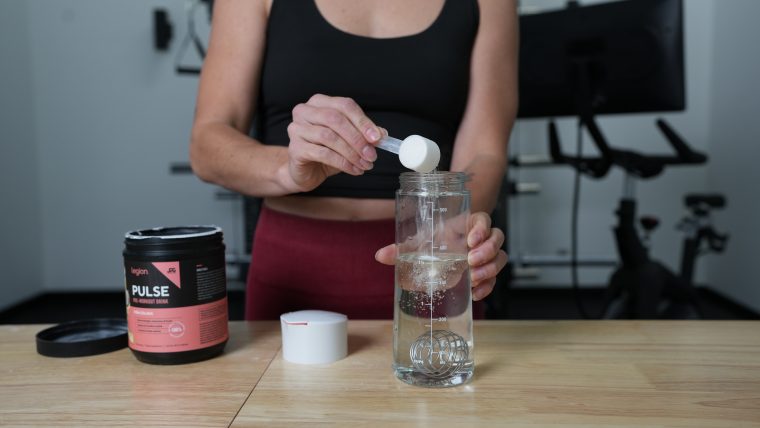
- Look For: Formulas with a solid dose of caffeine (150-300mg) paired with L-Theanine for a smoother, sustained energy curve. Tyrosine can also be beneficial for mental alertness.
- Example: "I train at 6 AM before work, and without my pre-workout, I just feel sluggish. I look for something that gives me a clean energy boost to power through my lifts without making me feel wired or anxious later."
For the Strength and Power Athlete
If your primary objective is to lift heavier, perform more explosive movements, and continuously increase your personal records (PRs), you need ingredients that directly support muscle output.
- Look For: Adequate doses of creatine (though often best as a standalone), beta-alanine for delaying fatigue in higher-rep strength work, and betaine anhydrous for power and endurance.
- Example: "My goal is to add 20 pounds to my bench press this cycle. I prioritize pre-workouts that help me squeeze out those crucial extra reps and maintain power through my heaviest sets, especially when pushing limits on compound movements."
For the Endurance Enthusiast
Whether you’re tackling long runs, high-intensity interval training (HIIT), or circuit workouts, sustaining effort and delaying fatigue are paramount.
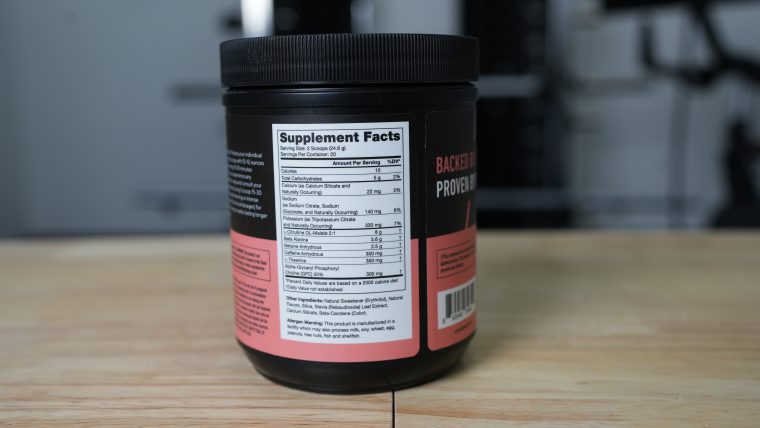
- Look For: Beta-alanine for buffering lactic acid, L-citrulline for improved blood flow and nutrient delivery, and potentially taurine for hydration and muscle function. Electrolytes can also be a valuable addition.
- Example: "During my CrossFit WODs, I need to keep going strong for 20-30 minutes straight. A pre-workout that helps delay muscle burn and keeps my breathing steady allows me to maintain a higher pace throughout the workout."
For Enhanced Focus and Mind-Muscle Connection
If distractions plague your workouts, or you want to truly feel and isolate each muscle group, cognitive enhancers are your allies.
- Look For: Ingredients like tyrosine, Alpha-GPC, or other nootropics designed to sharpen mental clarity, improve concentration, and enhance the connection between your brain and working muscles.
- Example: "Sometimes I zone out during my sets. I use a pre-workout that helps me really lock into the movement, focus on contracting the right muscles, and avoid letting my mind wander, especially during isolation exercises."
Stimulant-Sensitive or Evening Trainers
Not everyone tolerates stimulants well, and taking caffeine too late in the day can severely disrupt sleep. Thankfully, effective non-stimulant options exist.
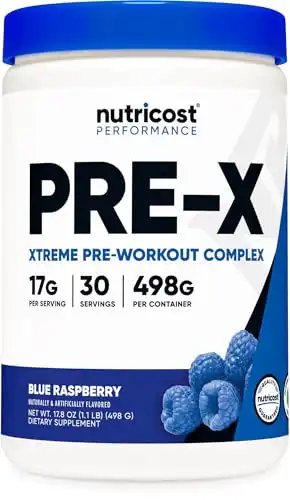
- Look For: Caffeine-free formulas that focus heavily on pump ingredients (L-citrulline, glycerol), endurance enhancers (beta-alanine, betaine), and adaptogens that can reduce stress without stimulating.
- Example: "I train after work, and caffeine keeps me up all night. I opt for a stim-free pre-workout that still gives me a great pump and helps me push through my evening lifts without sacrificing my sleep."
How to Safely and Effectively Use Pre-Workout Supplements
Once you’ve identified a pre-workout that aligns with your goals, responsible usage is key to maximizing benefits and minimizing risks.
Start Low, Go Slow
This is the golden rule for any new supplement. Your body’s reaction to various ingredients can be highly individual.
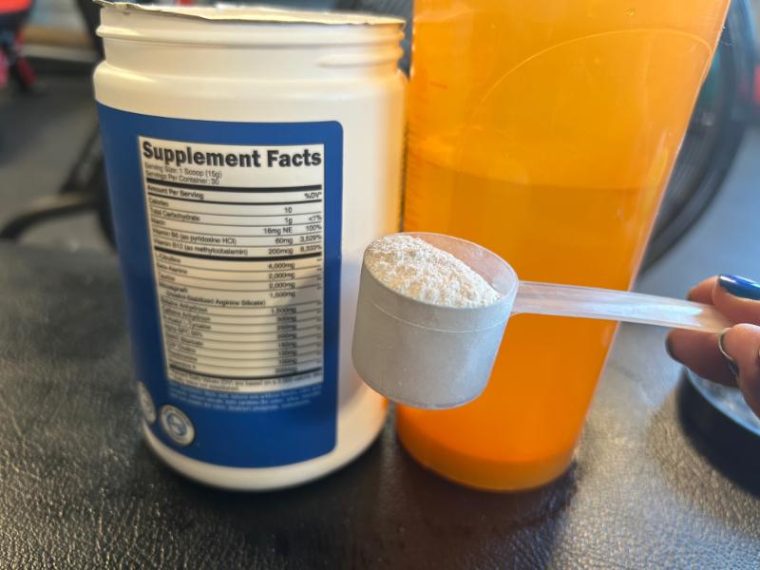
- Actionable Advice: Begin with half the recommended serving size to assess your tolerance, especially for stimulant-heavy formulas. If you tolerate it well, gradually increase to a full serving over several workouts. Never exceed the recommended dosage.
Timing is Everything
For optimal effect, pre-workouts need time to be absorbed and kick in.
- Practical Tip: Most pre-workouts are best consumed 20-30 minutes before your training session. This allows the active ingredients to reach your bloodstream and start working by the time you begin your first set.
- Evening Workouts: If you train in the late afternoon or evening, be mindful of caffeine’s half-life (how long it takes for half of it to leave your system, typically 3-5 hours). Taking a high-stim pre-workout past 4-5 PM could significantly impact your sleep quality. Consider a stimulant-free option for evening sessions.
Hydration is Non-Negotiable
Pre-workouts, especially those containing caffeine (a diuretic) or osmolytes like glycerol (which draws water), can increase your body’s need for fluids.
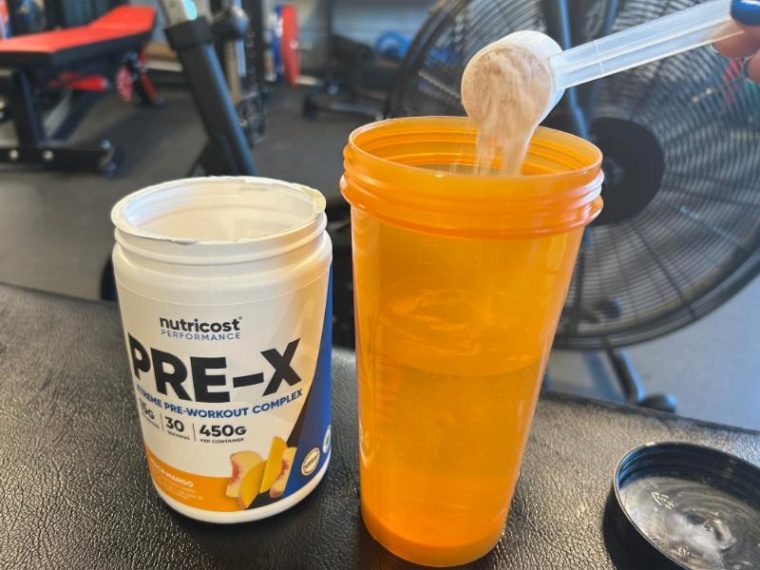
- Actionable Advice: Drink plenty of water throughout the day, and ensure you consume at least 16-20 ounces of water with your pre-workout. Continue to hydrate during and after your training session.
Cycle Your Pre-Workout
Regular, uninterrupted use of stimulant-based pre-workouts can lead to tolerance, meaning you’ll need higher doses to achieve the same effect.
- Practical Tip: To prevent tolerance buildup and maintain sensitivity, consider cycling your pre-workout. This could involve taking a break for 1-2 weeks every 6-8 weeks of consistent use, or alternating between a stimulant-based and a non-stimulant formula.
Don’t Rely Solely on Supplements
Pre-workouts are powerful tools, but they are enhancers, not substitutes for fundamental health practices.
- Motivational Advice: Your best performance will always stem from a holistic approach: a balanced, nutrient-dense diet, consistent and progressive training, adequate sleep, and effective recovery strategies. View pre-workouts as an amplifier for these foundational elements, not a crutch.
Potential Side Effects and Important Precautions
While generally safe for healthy adults when used as directed, pre-workout supplements can come with potential side effects. Being aware of these and taking necessary precautions is vital.
Common Side Effects
Most side effects are related to the stimulant content or specific amino acids:
- Jitters, Anxiety, Restlessness, Insomnia: Primarily due to caffeine. High doses can overstimulate the central nervous system.
- Paresthesia (Tingling/Itching Sensation): This is a well-known, harmless side effect of beta-alanine. It’s a sign the ingredient is working, often felt on the face, neck, and hands. It usually subsides with continued use or by splitting doses.
- Digestive Upset: Some individuals may experience stomach discomfort, nausea, or diarrhea, particularly with high doses of certain ingredients or artificial sweeteners.
- Increased Heart Rate/Blood Pressure: Stimulants can temporarily elevate heart rate and blood pressure. Individuals with pre-existing cardiovascular conditions should be particularly cautious.
- Headaches: Can occur due to dehydration or the vasodilator effects of some ingredients.
The Importance of Third-Party Testing
The supplement industry is not as strictly regulated by the Food and Drug Administration (FDA) as pharmaceutical drugs. This means products can sometimes contain inaccurate ingredient labeling, contaminants, or even undisclosed substances.
- Actionable Advice: Whenever possible, choose supplements that have undergone third-party testing by reputable organizations. Look for certifications like:
- NSF Certified for Sport: Ensures products are tested for contaminants and banned substances.
- Informed-Sport: Similar to NSF, certifies products free of banned substances.
- USP Verified: Confirms product purity, potency, and proper manufacturing.
- Crucial for Athletes: If you are a competitive athlete subject to drug testing, third-party certification is non-negotiable to avoid inadvertently consuming banned substances.
Consult Your Healthcare Professional
This is paramount before introducing any new supplement into your routine.
- Strong Recommendation: Always speak with your doctor or a registered dietitian, especially if you:
- Have any pre-existing health conditions (e.g., heart disease, high blood pressure, anxiety disorders, diabetes).
- Are taking any prescription medications, as interactions can occur.
- Are pregnant or nursing.
- Are sensitive to stimulants or have a history of adverse reactions to supplements.
Beyond the Powder: Holistic Approaches to Peak Performance
While pre-workout supplements can be a valuable asset, it’s vital to remember they are just one piece of the puzzle. True, sustainable peak performance is built on a foundation of holistic health practices.
Fueling Your Body Right
What you eat forms the bedrock of your energy, recovery, and overall performance.
- Balanced Diet: Prioritize a nutrient-dense diet rich in whole foods, lean proteins, complex carbohydrates, and healthy fats.
- Pre-Workout Meal Timing: Consider a small, easily digestible meal 1-2 hours before your workout, focusing on complex carbohydrates for sustained energy and a lean protein source for muscle support. Examples include oatmeal with berries and a scoop of protein, or a banana with peanut butter.
- Micronutrients: Ensure adequate intake of vitamins and minerals, which play crucial roles in energy metabolism and muscle function.
Prioritizing Rest and Recovery
Your muscles don’t grow in the gym; they grow when you rest and recover.
- Quality Sleep: Aim for 7-9 hours of quality sleep per night. Sleep is when your body repairs tissues, synthesizes hormones, and consolidates learning. A strong pre-workout won’t compensate for chronic sleep deprivation.
- Active Recovery: Incorporate light activities like walking, stretching, or foam rolling on rest days to improve blood flow and reduce muscle soreness.
- Stress Management: Chronic stress can impair recovery and performance. Find healthy ways to manage stress, whether through meditation, hobbies, or spending time in nature.
Mindset and Consistency
The mental game is just as important as the physical.
- Goal Setting: Clearly define your fitness goals to stay motivated and focused.
- Discipline: Consistency in training and nutrition is the most powerful catalyst for long-term results. Show up, even on days you don’t feel like it.
- Listen to Your Body: Pay attention to signals of fatigue, overtraining, or pain. Rest when needed, and don’t push through injury.
Final Thoughts: Is a Strong Pre-Workout Worth It?
For many, strategically incorporating a well-chosen pre-workout supplement can indeed be a game-changer. When formulated with safe and effective doses of science-backed ingredients, it can provide that crucial edge in energy, focus, endurance, and power that allows you to train harder, push through plateaus, and make consistent gains. It can transform a sluggish session into an electrifying one, keeping you engaged and motivated on your fitness journey.
However, it’s imperative to view pre-workouts as an intelligent addition to your regimen, not a standalone solution. Even the most potent formulas on the market won’t magically make you stronger, faster, or leaner without your active participation. They are designed to help you amplify the effort you put in at the gym, serving as a catalyst for your inherent potential.
Ultimately, a truly "strong" pre-workout is one that empowers you to be strong. It’s a tool that, when used wisely and responsibly, can enhance your performance, deepen your commitment, and propel you closer to your fitness aspirations. But remember, the most powerful ingredient in your fitness journey is always you—your dedication, your discipline, and your unwavering belief in what you can achieve. Fuel your body, train your mind, and unleash the unstoppable force within. The path to your strongest self begins now.