In the relentless pursuit of peak physical and mental performance, we often focus on the sweat, the strain, and the triumph of our workouts. We meticulously plan our nutrition, track our macronutrients, and push our bodies to new limits. Yet, one of the most potent tools for recovery, rejuvenation, and ultimately, enhanced athletic prowess, is frequently overlooked: sleep. For many fitness enthusiasts, achieving truly restorative sleep can be a challenge. Whether it’s the lingering adrenaline from a late-evening training session, the anxieties of daily life, or simply a partner who snores, external disruptions can sabotage your nightly recharge.
This is where a surprisingly effective piece of gear enters the picture: specialized sleep headphones. Forget bulky over-ear cans or uncomfortable earbuds that dig into your skull. We’re talking about innovative audio solutions designed specifically to enhance your sleep experience, transforming your bedtime routine from a struggle into a sanctuary of calm.

For beginners and intermediate fitness enthusiasts alike, optimizing sleep is as crucial as that extra rep or that perfectly executed set. It’s during sleep that your muscles repair, your energy stores replenish, and your cognitive functions sharpen. Poor sleep can lead to decreased performance, impaired judgment, increased risk of injury, and even hinder fat loss. If you’re serious about your fitness journey, it’s time to pay serious attention to your nightly recovery.
This article will explore how sleep headphones can revolutionize your night, offering practical advice and actionable insights to help you drift off faster, sleep more soundly, and wake up feeling truly revitalized.

The Science of Sound and Sleep: Why Audio Matters Before Bed
Our auditory system remains active even when we sleep, processing sounds from our environment. This means that disruptive noises – a barking dog, traffic outside, or a partner’s restless movements – can pull us out of deep sleep cycles, even if we don’t fully wake up. Conversely, soothing audio can create a calming auditory environment that masks these disturbances and signals to our brain that it’s time to relax.
- Masking Disruptions: Gentle sounds, like white noise, ambient nature sounds, or calming music, can effectively drown out sudden or irritating noises, preventing them from jolting you awake.
- Promoting Relaxation: Certain frequencies and rhythms in music or guided meditations can stimulate the parasympathetic nervous system, which is responsible for the “rest and digest” response. This counteracts the “fight or flight” response often triggered by stress, making it easier to fall asleep.
- Establishing a Routine: Incorporating a consistent audio experience into your bedtime ritual can act as a powerful sleep cue, signaling to your body and mind that it’s time to wind down.
Decoding the Sleep Headphone Landscape: Types and Features
The market for sleep headphones is diverse, with designs catering to various preferences and needs. Understanding these options is the first step to finding your perfect sleep companion.

Headband Headphones: The Ultimate Comfort for All Sleepers
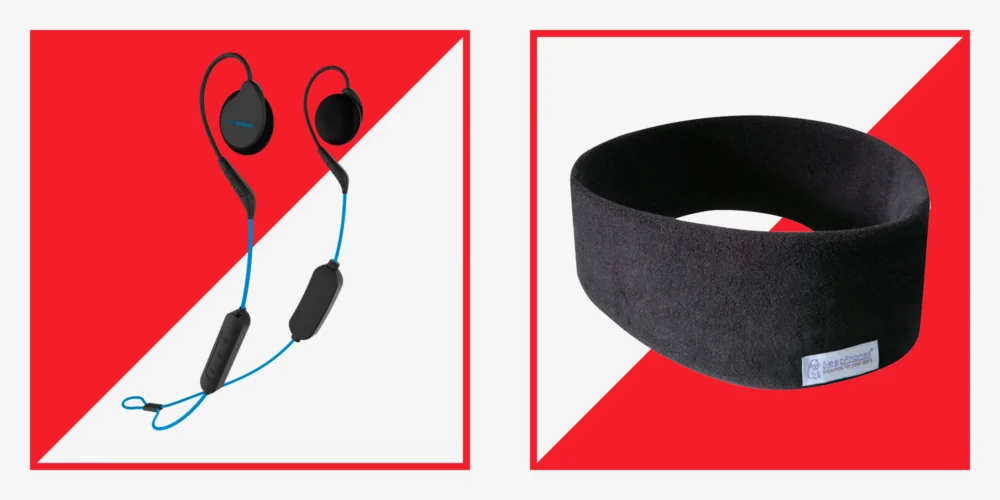
These are perhaps the most popular choice for a reason. Headband headphones integrate ultra-slim speakers into a soft, comfortable fabric band that you wear around your head.
- Unparalleled Comfort: The fabric band is designed to be gentle on the skin and won’t create pressure points, even for dedicated side sleepers. They distribute sound evenly without pressing directly into your ears.
- Versatile for All Positions: Whether you’re a back, stomach, or side sleeper, a well-designed headband headphone will stay in place and remain comfortable throughout the night.
- Integrated Functionality: Many models offer Bluetooth connectivity, allowing you to stream music, podcasts, audiobooks, or guided meditations. Some even incorporate features like ambient sound masking.
- Washable Design: Most fabric headbands are machine washable, making hygiene simple and straightforward.
Actionable Tip: Look for headbands made from breathable, moisture-wicking materials like cotton or modal blends, especially if you tend to sleep warm. Ensure the speakers are positioned comfortably and don’t protrude too much.
Ultra-Slim Earbuds: Discreet and Lightweight
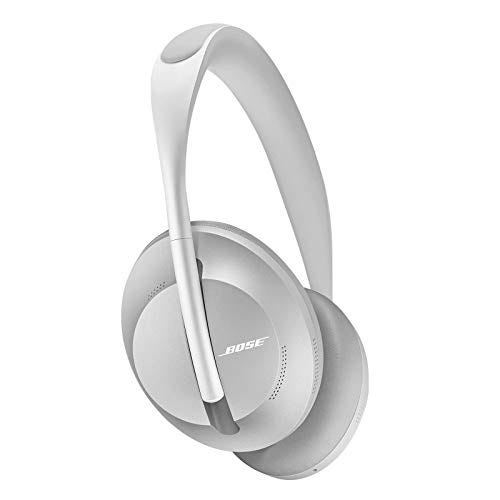
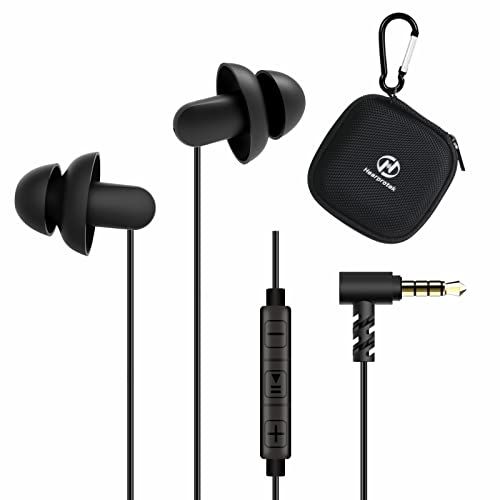
For those who prefer an in-ear solution, specialized sleep earbuds offer a discreet and lightweight alternative to traditional earbuds.
- Low Profile Design: The key here is "slim." These earbuds are designed to sit flush within the ear canal or just outside it, minimizing the chance of pressure against your pillow.
- Secure Fit: Many sleep earbuds come with various ear tip sizes and materials (often silicone) to ensure a snug, comfortable fit that stays put.
- Sound Isolation: While not always actively noise-cancelling, their design can provide a degree of passive noise isolation, helping to block out ambient sounds.
Actionable Tip: If you’re prone to ear discomfort, consider models with soft silicone or memory foam ear tips. Pay close attention to reviews that mention comfort for side sleepers.

Integrated Sleep Masks with Audio: The Dual-Purpose Champion
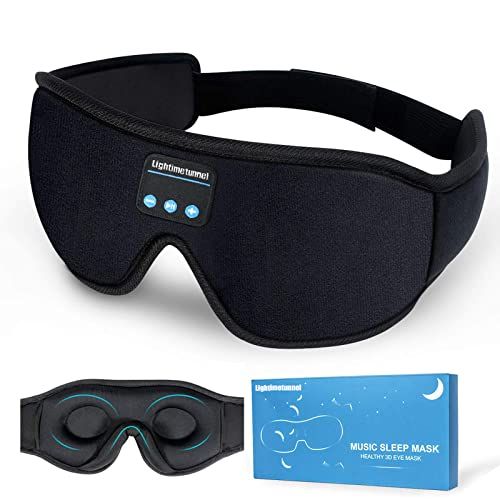
Combining the benefits of a light-blocking eye mask with integrated audio, these devices offer a comprehensive solution for creating a complete sleep environment.
- Light Blocking: The primary function of the eye mask ensures total darkness, crucial for melatonin production and deep sleep.
- Sound Integration: Similar to headband headphones, these feature slim speakers embedded within the mask, delivering audio without adding bulk.
- Convenience: This all-in-one solution simplifies your nighttime setup, reducing clutter and the number of items you need to manage.
Actionable Tip: Ensure the eye mask portion is adjustable and comfortable for your face shape. Check that the speakers are positioned to deliver sound directly to your ears without causing irritation.
Choosing Your Ideal Sleep Soundscape: What to Listen To
The content you play through your sleep headphones is just as important as the headphones themselves. The goal is to create a calming and conducive environment for sleep.
- Calming Music: Opt for instrumental tracks, ambient soundscapes, or lo-fi beats with slow tempos and gentle melodies. Avoid anything with jarring transitions or overly stimulating lyrics.
- Nature Sounds: The gentle patter of rain, the rhythmic crashing of waves, or the soft chirping of crickets can be incredibly soothing and transportive.
- White Noise/Pink Noise: These consistent, monotonous sounds can effectively mask disruptive background noise and create a predictable auditory environment. Pink noise is often preferred as it’s deeper and less harsh than white noise.
- Guided Meditations for Sleep: Numerous apps and platforms offer guided meditations specifically designed to help you relax, release tension, and drift off to sleep.
- Podcasts or Audiobooks (with caution): While some find familiar voices comforting, choose content that is calming and not overly engaging or suspenseful. Listen at a low volume and be mindful of the risk of becoming too mentally stimulated.
Real-Life Example: Sarah, a dedicated runner who often trains in the evenings, struggled with her mind racing after her runs. She found that listening to a guided sleep meditation through her headband headphones for 20 minutes before bed helped her transition from her high-energy state to a relaxed one, significantly improving her sleep quality and her next-day running performance.

Practical Workout Tips to Complement Your Sleep Headphones
Integrating sleep headphones into your routine is a powerful step, but it’s most effective when combined with smart training and lifestyle choices.
Timing Your Workouts for Optimal Sleep
- Evening Training: If you train in the evening, aim to finish your most intense workouts at least 2-3 hours before bedtime. This allows your heart rate to normalize and your body temperature to decrease, both of which are crucial for sleep onset.
- Cool-Down Routine: Follow your intense evening workouts with a gentle cool-down, including stretching and deep breathing exercises. This can be the perfect time to start using your sleep headphones with calming music.
- Light Evening Activity: For those who struggle to wind down, a short, light activity like a gentle yoga flow or a short walk can be beneficial.
Creating a Sleep-Conducive Environment
- Darkness is Key: Ensure your bedroom is as dark as possible. Blackout curtains or a comfortable sleep mask (even if you’re not using one with audio) can make a significant difference.
- Temperature Control: Most people sleep best in a cool room, typically between 60-67°F (15-19°C). Experiment to find your ideal temperature.
- Comfortable Bedding: Invest in a supportive mattress and comfortable pillows that suit your sleep style.
Hydration and Nutrition Timing
- Limit Evening Fluids: Avoid drinking large amounts of fluids in the hours before bed to minimize nighttime bathroom trips.
- Mindful Evening Snacks: If you need a snack, opt for something light and easily digestible. Avoid heavy, fatty, or spicy foods close to bedtime. Consider options that contain tryptophan, like a small bowl of oatmeal or a banana.
Making the Transition: Tips for Success
If you’re new to sleep headphones, here’s how to make the most of your experience:
- Start Gradually: Begin by using your sleep headphones for short periods before bed to get accustomed to the sensation and the audio.
- Experiment with Content: Don’t be afraid to try different types of audio to discover what works best for you. What one person finds soothing, another might find distracting.
- Adjust Volume Wisely: Always keep the volume at a low to moderate level. The goal is to create a calming background, not to blast music into your ears. A good rule of thumb is to set the volume so you can barely hear it if you were awake.
- Prioritize Comfort: If your headphones are causing any discomfort, they are not the right fit. Experiment with different styles or adjust how you wear them. For headband headphones, ensure the speakers are positioned over your ears, not directly on them.
- Charge Them Up: Make sure your sleep headphones are fully charged before you go to bed. Running out of battery mid-sleep can be frustrating.
The Long-Term Benefits for Your Fitness Journey
Investing in sleep headphones is an investment in your overall well-being and athletic performance. By improving the quality and duration of your sleep, you’ll experience a cascade of positive effects:
- Enhanced Muscle Recovery: Deeper sleep allows your body to efficiently repair muscle tissue damaged during workouts, leading to faster gains and reduced soreness.
- Improved Energy Levels: Wake up feeling genuinely rested and energized, ready to tackle your workouts with enthusiasm and intensity.
- Sharper Cognitive Function: Better sleep translates to improved focus, concentration, and decision-making, both in your training and in your daily life.
- Better Mood and Motivation: Adequate rest is intrinsically linked to emotional regulation. You’ll likely find yourself feeling more positive, less irritable, and more motivated to stick to your fitness goals.
- Optimized Hormone Balance: Sleep plays a critical role in regulating hormones that influence appetite, metabolism, and muscle growth.
Conclusion: Your Path to Restorative Nights
In the demanding world of fitness, where every edge counts, overlooking the power of sleep is a missed opportunity. Specialized sleep headphones offer a simple yet profound way to enhance your nightly recovery. By creating a personalized sanctuary of sound, you can overcome common sleep disturbances, quiet a racing mind, and guide yourself into a deeper, more restorative slumber.

Experiment with the different types of sleep headphones and audio content available. Find what resonates with you, and make it a consistent part of your evening ritual. Remember, your progress in the gym is built not just on your efforts during the day, but equally on your ability to recover and recharge at night. Upgrade your night routine, and unlock your true potential. Sweet dreams and stronger workouts await.