
In the relentless pursuit of peak physical condition and optimal well-being, fitness enthusiasts often explore every avenue to gain an edge. From meticulously planned workouts to precision nutrition, the modern athlete leaves no stone unturned. Yet, one ancient practice, often relegated to spa days and luxury gyms, holds profound potential to revolutionize your fitness journey: sauna therapy. Far more than just a place to relax and sweat, strategic sauna use can act as a powerful catalyst, accelerating recovery, enhancing performance, and deepening your connection to overall health.
This isn’t about fleeting trends or quick fixes. Sauna bathing is a time-honored tradition with roots deeply embedded in various cultures, particularly in Nordic countries, where it’s an integral part of daily life. For centuries, people have intuitively understood the restorative power of heat. Now, modern science is increasingly validating these anecdotal benefits, revealing how targeted heat exposure can unlock physiological adaptations that directly impact your strength, endurance, and mental resilience.
Whether you’re a beginner taking your first steps into a healthier lifestyle or an intermediate athlete pushing for new personal bests, integrating sauna sessions into your routine offers a holistic approach to fitness. This comprehensive guide will delve into the compelling science, practical application, and profound benefits of sauna use, empowering you to harness its transformative potential and truly supercharge your training and recovery.
The Ancient Practice Meets Modern Fitness: Why Saunas Matter
The concept of using heat for therapeutic purposes is not new. Indigenous cultures worldwide have utilized sweat lodges, Roman baths were centers of social and physical rejuvenation, and the Finnish sauna has been a cornerstone of health and community for thousands of years. What unites these diverse practices is the understanding that controlled heat exposure can profoundly influence the human body.
In the context of modern fitness, saunas introduce a mild, controlled form of "heat stress" to the body. This stress, similar to the stress induced by exercise, triggers a cascade of physiological responses designed to protect and adapt the body. Your heart rate elevates, blood vessels dilate, and you begin to sweat profusely. These immediate reactions are just the tip of the iceberg, initiating deeper cellular and systemic changes that contribute to improved health and athletic performance. For the fitness enthusiast, this means tapping into a natural, powerful tool that complements strenuous training, promoting faster healing and greater resilience.
Unlocking a Spectrum of Fitness Benefits: More Than Just a Sweat
The perceived benefits of sauna bathing often stop at "relaxation" and "sweating." While these are undoubtedly true, the scientific literature reveals a much broader and deeper impact, particularly relevant to those committed to a fitness lifestyle.

Enhanced Cardiovascular Health
Think of a sauna session as a gentle, passive cardio workout. As your body heats up, your heart rate increases significantly, often reaching levels comparable to moderate-intensity exercise. This cardiovascular response, combined with the dilation of blood vessels, improves circulation throughout your body. Regular sauna use has been linked to:
- Improved endothelial function: The lining of your blood vessels becomes more flexible and efficient.
- Lower blood pressure: Regular heat exposure can contribute to long-term reductions in hypertension.
- Increased plasma volume: Similar to endurance training, saunas can increase blood plasma volume, leading to more efficient oxygen delivery and waste removal.
For a fitness enthusiast, this translates to a more robust cardiovascular system, which can enhance endurance, make challenging workouts feel less taxing, and support overall heart health, laying a stronger foundation for all physical activities.
Accelerated Muscle Recovery and Reduced Soreness
One of the most immediate and appreciated benefits for athletes is the profound impact on muscle recovery. Intense workouts cause microscopic tears in muscle fibers, leading to inflammation and delayed onset muscle soreness (DOMS). Saunas aid recovery by:
- Boosting circulation: Increased blood flow delivers vital nutrients and oxygen to damaged muscle tissues while simultaneously flushing out metabolic waste products like lactic acid.
- Reducing inflammation: Heat therapy has anti-inflammatory effects, helping to soothe sore muscles and joints.
- Activating Heat Shock Proteins (HSPs): These specialized proteins are triggered by heat stress and play a crucial role in repairing damaged proteins and preventing protein degradation, essential for muscle repair and growth.
Actionable Advice: Schedule a sauna session after your most demanding workouts. Aim for 15-20 minutes to help mitigate DOMS and accelerate your body’s natural healing processes. You’ll likely find yourself feeling less stiff and more ready for your next training session.
Detoxification and Skin Health
While the liver and kidneys are the primary organs of detoxification, sweating through the skin offers an additional pathway for eliminating certain toxins. The deep, profuse sweating induced by a sauna can help purge:
- Heavy metals (e.g., lead, cadmium)
- Bisphenol A (BPA) and phthalates
- Other environmental pollutants
Beyond detoxification, the increased blood flow to the skin during a sauna session delivers more nutrients and oxygen, promoting a healthy glow and improving skin tone. The cleansing action of sweat can also help clear pores, leading to clearer skin. It’s a natural, chemical-free way to refresh your largest organ.

Stress Reduction and Mental Clarity
In our fast-paced world, stress is a silent performance killer. Saunas offer a sanctuary for the mind, triggering a powerful relaxation response. The heat, combined with the quiet environment, stimulates the parasympathetic nervous system – responsible for "rest and digest" functions. This leads to:
- Decreased cortisol levels: The primary stress hormone.
- Release of endorphins: Natural mood elevators that promote feelings of well-being.
- Improved sleep quality: Reduced stress and a relaxed body often translate to deeper, more restorative sleep.
Real-Life Example: After a particularly challenging day or an intense training week, a 20-minute sauna session can be a powerful tool to mentally unwind, release tension, and achieve a state of calm. Many users report enhanced mental clarity and focus following regular sessions, preparing them for both their next workout and life’s demands.
Improved Endurance and Performance
Beyond immediate recovery, regular sauna use can contribute to long-term performance gains. The concept of "heat acclimation" is key here. By repeatedly exposing your body to heat, you train it to better cope with physiological stress, similar to altitude training. This can lead to:
- Increased blood plasma volume: As mentioned earlier, more blood volume means more efficient oxygen transport and better thermoregulation during exercise.
- Improved cardiovascular efficiency: Your heart becomes more effective at pumping blood.
- Enhanced tolerance to heat: Your body becomes more adept at cooling itself, which is crucial for prolonged exercise, especially in warmer environments.
Studies have indicated that consistent sauna bathing can improve running endurance, even in cooler conditions, by optimizing these physiological adaptations. It’s a strategic advantage for anyone looking to push their physical limits.
Navigating the Sauna Landscape: Choosing Your Heat
The world of saunas offers a variety of experiences, each with its unique characteristics and benefits. Understanding the differences will help you choose the best fit for your fitness goals and personal preferences.
Traditional Finnish Saunas (Dry Heat)
This is perhaps the most iconic sauna experience, characterized by high temperatures (typically 160-200°F or 70-95°C) and very low humidity. Water is often poured over hot rocks (löyly) to create short bursts of steam, elevating the perceived temperature.
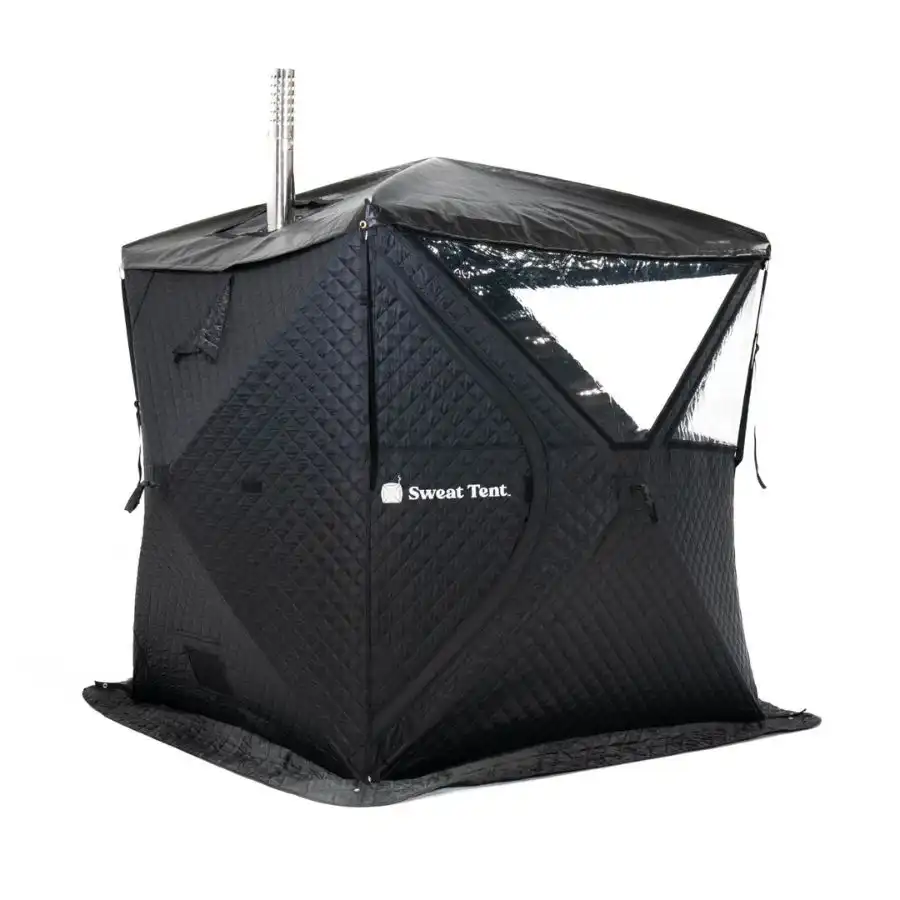
- Benefits: Intense, purifying sweat; deeply relaxing; classic, authentic experience. Excellent for cardiovascular conditioning and stress reduction.
- Considerations: Can feel very intense for beginners; requires good ventilation; takes longer to heat up.
Steam Saunas (Wet Heat)
Often referred to as "steam rooms," these operate at lower temperatures (typically 110-120°F or 43-49°C) but with nearly 100% humidity.
- Benefits: Gentle heat, excellent for respiratory health (can help clear sinuses and airways); deeply relaxing; leaves skin feeling soft and hydrated.
- Considerations: Can feel stifling for some due to high humidity; may not provide the same intense cardiovascular response as dry saunas.
Infrared Saunas (Radiant Heat)
Infrared saunas operate at much lower ambient temperatures (typically 120-150°F or 49-65°C). Instead of heating the air, infrared emitters directly heat your body through radiant light, penetrating tissues more deeply.
- Benefits: Gentler, more comfortable heat; direct tissue penetration for deep muscle relaxation and pain relief; good for individuals sensitive to high heat. Often includes full-spectrum options (near, mid, far infrared) for varied benefits.
- Considerations: The sweating experience is different, often less profuse than traditional saunas; not a traditional "sweat bath" feel; may not provide the same level of heat acclimation for performance benefits.
Outdoor Saunas: The Best of Both Worlds?
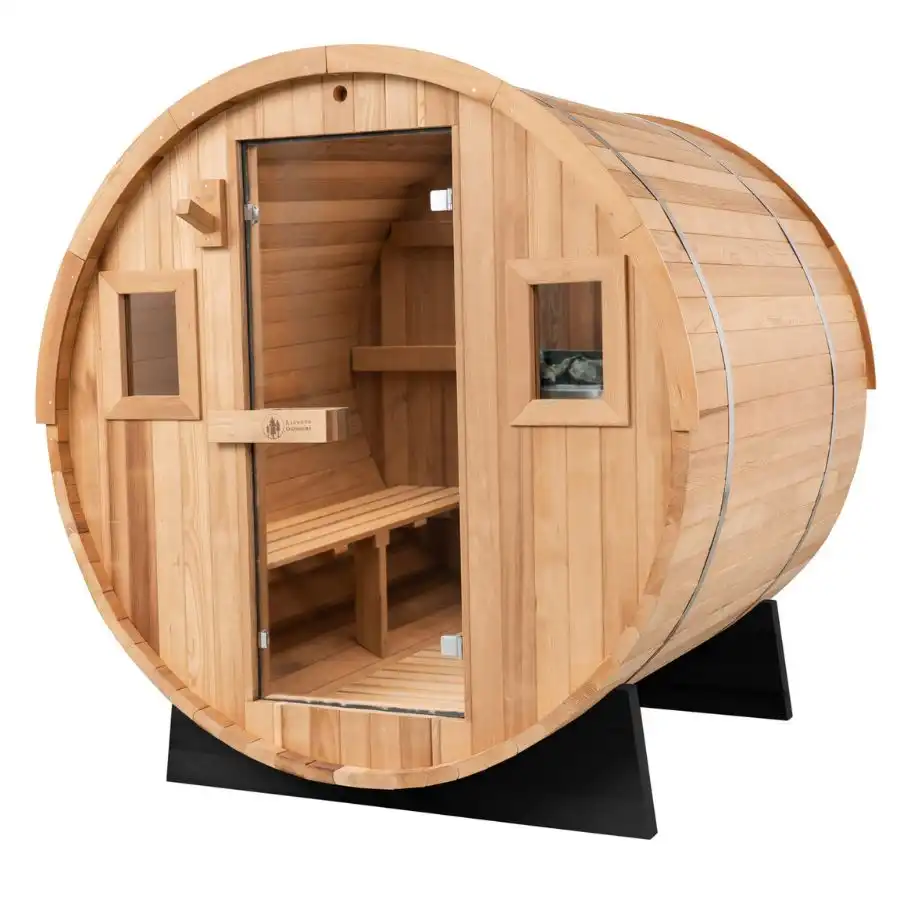
Outdoor saunas, whether traditional barrel, cabin, or modern cube designs, offer a unique blend of benefits. They provide the full sauna experience while connecting you with nature.
- Benefits:
- Connection with Nature: Panoramic views, fresh air, and a sense of solitude can enhance the mental and emotional benefits.
- Space and Flexibility: Often larger than indoor units, allowing for more spacious designs and seating.
- Aesthetic Appeal: Can be a beautiful addition to your home environment.
- Enhanced Post-Sauna Rituals: Easy access to a cold plunge, outdoor shower, or simply cooling off in the fresh air.
- Considerations: Requires dedicated outdoor space; susceptible to weather conditions (needs durable materials and proper insulation); installation can be more complex; typically a higher initial investment.
Integrating Sauna Sessions into Your Fitness Regimen: Practical Strategies
To truly leverage the power of sauna therapy, it’s crucial to integrate it thoughtfully into your existing fitness routine. Here’s how to do it effectively and safely:
Timing is Key: Pre- or Post-Workout?
- Post-Workout (Recommended for most): The most common and effective time for sauna use is after your workout. This maximizes recovery benefits by increasing blood flow to fatigued muscles, flushing out waste products, and promoting relaxation. Allow 10-15 minutes after your workout to cool down slightly before entering the sauna.
- Pre-Workout (Use with caution): A very brief, low-temperature sauna session (5-10 minutes) can serve as a gentle warm-up, increasing circulation and muscle elasticity. However, prolonged pre-workout sauna can lead to dehydration and fatigue, potentially hindering performance.
Session Duration and Frequency
- For Beginners: Start with shorter sessions of 10-15 minutes, 2-3 times per week. Pay close attention to how your body responds.
- For Intermediate Users/Acclimated Individuals: Gradually increase to 15-25 minutes per session, 3-4 times per week. Some experienced users may opt for longer sessions (up to 30 minutes) or more frequent use, but always prioritize safety and comfort.
- Listen to Your Body: The most crucial rule. If you feel dizzy, lightheaded, or unwell, exit the sauna immediately. It’s not a competition.
Hydration is Non-Negotiable
You will sweat profusely in a sauna, losing significant amounts of fluid and electrolytes. Dehydration can lead to fatigue, dizziness, and hinder recovery.
- Before: Drink 16-20 ounces of water before your session.
- During (if needed): Keep a water bottle handy and sip if you feel thirsty, especially during longer sessions.
- After: Replenish fluids immediately after exiting the sauna. Consider an electrolyte-rich drink or powder, especially after intense workouts or longer sauna sessions, to restore essential minerals.
Cool Down and Contrast Therapy
Exiting the sauna into cool air or taking a cold shower/plunge can amplify benefits through contrast therapy. The rapid temperature change:

- Stimulates circulation: Blood vessels constrict in the cold, then dilate again, creating a "pump" effect.
- Invigorates the nervous system: Can boost alertness and mood.
- Reduces inflammation: Cold exposure is a proven anti-inflammatory.
If accessible, alternating between hot sauna and cold exposure (e.g., a cold shower or plunge tub for 1-2 minutes) for 2-3 cycles can be incredibly beneficial for recovery and resilience.
Essential Sauna Etiquette and Safety
- Consult Your Doctor: Always speak with your physician before starting a new sauna routine, especially if you have pre-existing health conditions (e.g., heart disease, high or low blood pressure, diabetes) or are pregnant.
- Avoid Alcohol and Certain Medications: Alcohol can impair judgment and increase dehydration risks. Some medications may interfere with your body’s ability to regulate temperature.
- Listen to Your Body: Never push through discomfort.
- Don’t Eat Heavily Before: A light stomach is best.
- Cleanliness: Always sit on a towel to maintain hygiene.
- Remove Jewelry: Metal can get extremely hot.
Building Your Home Sauna Sanctuary: What to Consider
For dedicated fitness enthusiasts, having a personal sauna at home can transform your routine. If you’re considering this investment, especially an outdoor unit, here are key factors to ponder.
Space and Location
- Outdoor: Provides excellent ventilation, offers a connection to nature, and often allows for larger, more traditional designs like barrel or cabin saunas. Requires a level foundation and consideration for weather protection.
- Indoor: Requires less structural work but needs adequate ventilation and space within your home.
Heating Source
- Electric Heaters: Most common for home saunas. Convenient, fast heating, and precise temperature control. Requires appropriate electrical wiring.
- Wood-Burning Stoves: Offers the most authentic, traditional sauna experience with crackling fire and natural aroma. Requires a chimney and ventilation, plus a consistent wood supply.
- Infrared Emitters: Found in infrared saunas. Energy-efficient, gentler heat, and typically plug into standard outlets.
Materials and Construction
High-quality, durable materials are essential, especially for outdoor saunas that must withstand the elements.
- Wood: Cedar (red or white), Nordic spruce, hemlock, and Thermowood are popular choices due to their resistance to rot, warping, and pleasant aroma. Thermowood, specifically, is heat-treated for enhanced durability and insulation, making it excellent for outdoor use.
- Insulation: Crucial for energy efficiency and maintaining heat, particularly in cold climates.
- Glass: Double-pane or dura-glass windows offer insulation and panoramic views for outdoor units.
Cost vs. Investment
Outdoor saunas represent a significant investment, ranging from a few thousand dollars for smaller, simpler models to tens of thousands for larger, custom-built units with advanced features.
- Initial Cost: Consider the price of the unit, shipping, and installation (if professional help is needed).
- Operating Costs: Electric saunas will add to your utility bill, while wood-burning saunas require fuel.
- Long-Term Value: View it as an investment in your health, recovery, and overall well-being. A well-built sauna can last for decades, providing consistent benefits.
Installation and Maintenance
- DIY vs. Professional: Many sauna kits are designed for DIY assembly, but larger or more complex units may benefit from professional installation, especially for electrical or plumbing connections.
- Maintenance: Regular cleaning is essential. Wood surfaces may require occasional treatment to maintain their appearance and longevity. For outdoor saunas, consider a weather-resistant roof and ensure proper drainage around the base.
Conclusion: Ignite Your Inner Resilience
The journey to optimal fitness is continuous, marked by challenges, triumphs, and the constant pursuit of improvement. In this dynamic landscape, strategic sauna sessions emerge not as a luxury, but as a potent, scientifically supported tool to enhance every facet of your physical and mental well-being. From supercharging muscle recovery and bolstering cardiovascular health to melting away stress and fostering mental clarity, the benefits are profound and far-reaching.
By understanding the different types of saunas, integrating sessions intelligently into your routine, and prioritizing safety and hydration, you unlock a powerful catalyst for your fitness goals. Whether you envision a rustic barrel sauna nestled in your backyard or a sleek infrared cabin, the decision to embrace sauna therapy is an investment in your enduring health and performance.
So, step into the heat, listen to your body, and allow this ancient practice to ignite your inner resilience. The path to peak fitness is not just about the work you put in, but also the recovery you embrace. Make the sauna a cornerstone of your fitness journey, and experience the transformative power of purposeful heat. Your body and mind will thank you.