The pursuit of a leaner, stronger physique often begins with the desire to "lose weight." However, for many, this journey can be fraught with frustration, as conventional diets frequently lead to a significant loss of not just body fat, but also valuable muscle tissue. This unintended consequence can sabotage long-term progress, slowing metabolism and making it harder to maintain results. True body transformation isn’t just about shedding pounds; it’s about strategically reducing body fat while actively preserving and even building muscle – a process known as body recomposition.
Imagine achieving a body that not only looks leaner but feels stronger, moves with greater efficiency, and boasts a more resilient metabolism. This isn’t a fantasy reserved for elite athletes; it’s an attainable goal for anyone committed to a holistic approach. This article will serve as your comprehensive blueprint, guiding you through the essential principles of strategic nutrition, effective resistance training, and mindful lifestyle habits. We’ll empower you with actionable advice to sculpt your strength, burn fat efficiently, and establish sustainable habits that transform your body from the inside out.
This content is meant to be informative, but should not be taken as medical advice. It is not intended for use as diagnosis, prevention, or treatment of health problems. Always speak with your doctor before starting any new supplement or exercise regimen.
Beyond the Scale: Understanding True Body Transformation
When embarking on a fitness journey, many people instinctively fixate on the number on the bathroom scale. While weight measurement has its place, it’s a superficial indicator of progress. A more profound and meaningful transformation occurs at the level of body composition – the ratio of fat mass to lean mass (muscle, bone, and organs). Understanding this distinction is the first critical step toward achieving lasting results.
The Pitfalls of "Weight Loss" vs. "Fat Loss"
"Weight loss" simply refers to a decrease in total body mass, which can come from various sources: water, glycogen stores, fat, and unfortunately, muscle. Rapid or extreme diets often lead to significant initial "weight loss" because they deplete water and glycogen, and critically, accelerate muscle breakdown. While the scale drops, the underlying body composition might not be improving in a healthy way.
"Fat loss," on the other hand, is the specific reduction of adipose tissue. This is the goal we should truly be pursuing. When you lose fat while maintaining or building muscle, your body becomes denser, more toned, and metabolically more active. This is why two people of the same height and weight can look dramatically different – one might have a higher body fat percentage and less muscle, while the other has a lower body fat percentage and more muscle. The goal is to optimize this ratio for health, aesthetics, and performance.
Why Muscle Matters: Your Metabolic Ally
Muscle tissue is far more metabolically active than fat tissue. This means that even at rest, your muscles burn more calories than fat does. The more muscle mass you have, the higher your resting metabolic rate (RMR) will be, meaning you burn more calories simply by existing.
When you lose muscle during a diet, your RMR decreases, making it harder to continue losing fat and easier to regain weight once you stop dieting. This is a common trap for yo-yo dieters. Conversely, preserving or building muscle during a fat loss phase helps maintain a robust metabolism, making your efforts more effective and sustainable in the long run. Muscle also contributes to:
- Strength and Functional Capacity: Essential for everyday tasks, preventing injuries, and improving athletic performance.
- Bone Density: Resistance training, which builds muscle, also strengthens bones, reducing the risk of osteoporosis.
- Improved Body Shape: Muscle gives your body shape and definition, contributing to a toned and athletic appearance.
- Insulin Sensitivity: Muscle plays a key role in glucose uptake, improving how your body processes carbohydrates and helping manage blood sugar levels.
Recognizing muscle as your metabolic ally shifts your focus from merely "losing weight" to strategically "sculpting your body" for long-term health and vitality.
Fueling Your Transformation: The Pillars of Strategic Nutrition
Nutrition is the cornerstone of any successful body transformation. You cannot out-train a poor diet. However, strategic nutrition isn’t about deprivation; it’s about smart choices that fuel your body, preserve muscle, and create the necessary caloric deficit for fat loss.
Calorie Deficit: The Non-Negotiable Foundation
To lose fat, you must consistently consume fewer calories than your body expends. This is known as a caloric deficit. While simple in principle, executing it sustainably requires careful planning.
- How to Create a Sustainable Deficit:
- Start with a moderate deficit, typically 300-500 calories below your maintenance level. This allows for steady fat loss without excessive hunger or energy crashes.
- Avoid extreme restriction (e.g., crash diets). These can lead to muscle loss, nutrient deficiencies, and make adherence virtually impossible.
- Practical Tip: Calculate your estimated Total Daily Energy Expenditure (TDEE) using an online calculator as a starting point. Then, for a few weeks, track your food intake and weight to find your true maintenance calories. From there, subtract 300-500 calories. Use a food tracking app to monitor your intake, at least initially, to build awareness. Adjust your intake as your body weight changes or if progress stalls.
Protein: Your Muscle-Preserving Powerhouse
Protein is paramount for fat loss and muscle preservation. It’s often referred to as the "king" of macronutrients for good reason:
-
Satiety: Protein is highly satiating, meaning it keeps you feeling fuller for longer compared to carbohydrates or fats. This helps reduce overall calorie intake by curbing hunger and cravings.
-
Thermic Effect of Food (TEF): Protein has the highest TEF among macronutrients. Your body expends more energy (calories) digesting and metabolizing protein than it does carbs or fats. This effectively increases your overall calorie expenditure.
-
Muscle Protein Synthesis (MPS): Adequate protein intake provides the necessary amino acids to repair and rebuild muscle tissue, especially important during resistance training and a calorie deficit. This prevents muscle breakdown and supports muscle growth.
-
Recommended Intake: For individuals aiming for fat loss while preserving muscle, a higher protein intake is beneficial. Aim for 1.6 to 2.2 grams of protein per kilogram of body weight (or roughly 0.7 to 1.0 grams per pound of body weight).
-
Sources: Prioritize whole food protein sources:
- Lean meats (chicken breast, turkey, lean beef, pork loin)
- Fish and seafood (salmon, cod, tuna, shrimp)
- Eggs
- Dairy (Greek yogurt, cottage cheese, milk)
- Legumes (beans, lentils)
- Tofu and tempeh
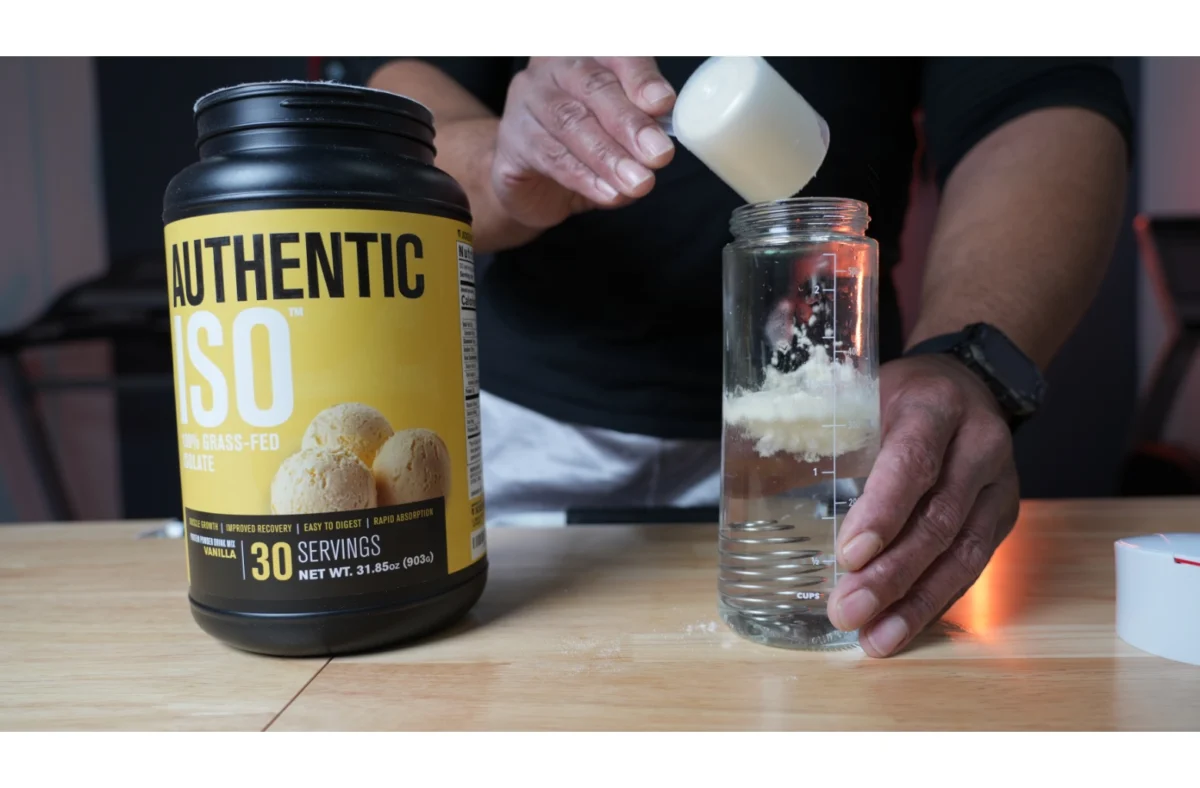
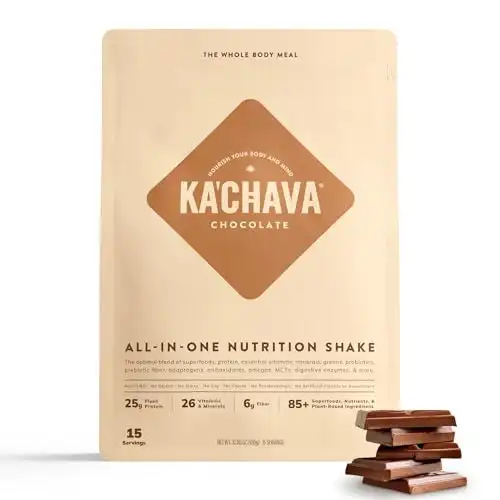
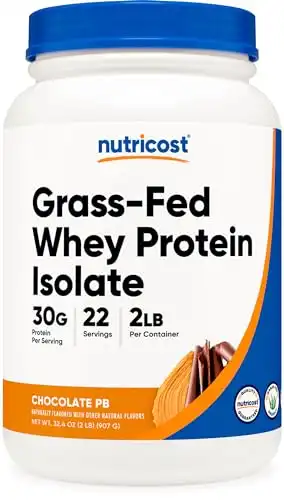
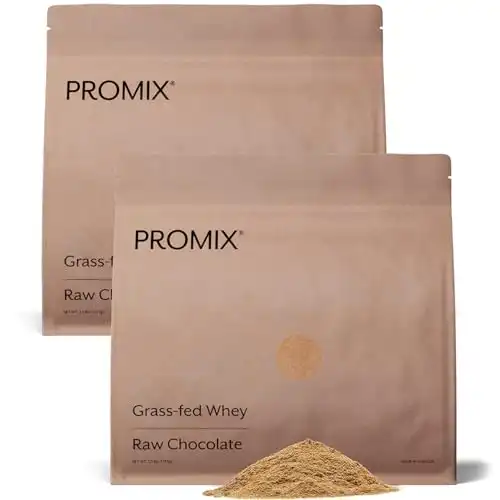
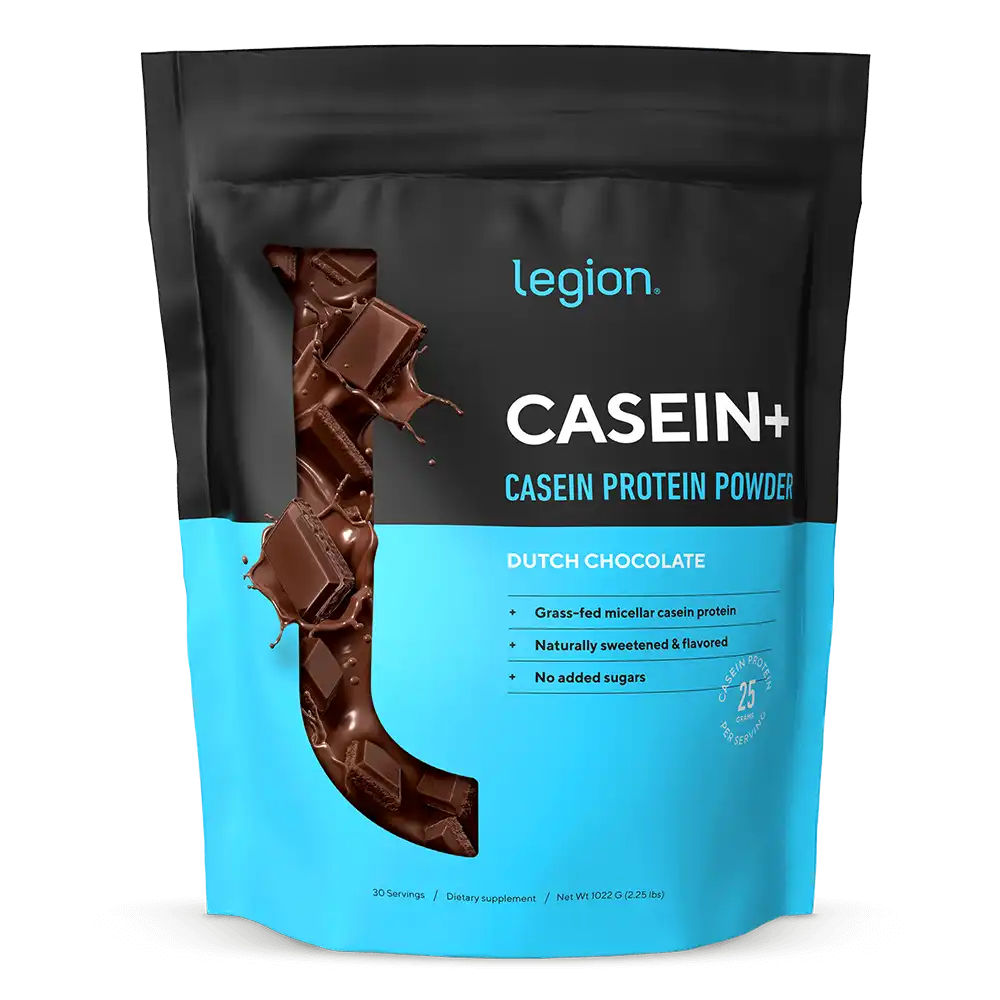
- Protein powders: While not essential, protein powders can be convenient tools to help you meet your daily protein targets, especially when time is limited or you need a low-calorie protein boost. They are concentrated sources of protein with minimal fats and carbs.
-
Practical Tip: Distribute your protein intake throughout the day. Aim for 20-40 grams of protein per meal or snack. This helps maximize muscle protein synthesis and keeps you satiated. For example, include eggs or Greek yogurt at breakfast, lean meat or fish at lunch and dinner, and a protein shake or cottage cheese as a snack.
Carbohydrates: Energy for Performance
Carbohydrates often get a bad rap in weight loss discussions, but they are vital for energy, especially if you’re engaging in resistance training. The key is choosing the right types and quantities.
- Dispelling Carb Myths: Carbohydrates themselves do not inherently cause fat gain. Excess calories, regardless of source, lead to fat storage. Carbs are your body’s preferred energy source, fueling your workouts and daily activities.
- Choosing Complex Carbs: Focus on complex carbohydrates rich in fiber, which digest slowly, provide sustained energy, and contribute to satiety.
- Whole grains (oats, brown rice, quinoa, whole-wheat bread)
- Starchy vegetables (sweet potatoes, potatoes, corn)
- Fruits
- Timing Around Workouts: Consuming carbohydrates before and after workouts can optimize performance and recovery. A pre-workout carb source provides energy, while post-workout carbs help replenish glycogen stores.
Healthy Fats: Essential for Hormones and Satiety
Fats are crucial for hormone production, nutrient absorption, and overall health. While calorie-dense, healthy fats contribute to satiety and should not be eliminated.
- Importance of Healthy Fats: They support cell function, nerve function, and the absorption of fat-soluble vitamins (A, D, E, K). They also contribute to feelings of fullness.
- Sources and Moderation:
- Avocado
- Nuts and seeds (almonds, walnuts, chia seeds, flax seeds)
- Olive oil, avocado oil
- Fatty fish (salmon, mackerel)
- Aim for about 20-30% of your daily calories from healthy fats. Moderation is key due to their high caloric density.
Hydration and Micronutrients: The Unsung Heroes
Don’t overlook the fundamental importance of water and micronutrients (vitamins and minerals).
- Water’s Role: Water is essential for every bodily function, including metabolism, nutrient transport, and temperature regulation. Staying well-hydrated can also help manage hunger, as thirst is often mistaken for hunger.
- Practical Tip: Aim for 8-10 glasses of water daily, and more if you’re active. Carry a water bottle to encourage consistent sipping.
- Importance of Fruits, Vegetables, and Whole Foods: These provide a wealth of vitamins, minerals, and antioxidants crucial for optimal health and bodily function. They are also typically low in calories and high in fiber, aiding satiety.
- Ensure your diet is rich in a variety of colorful fruits and vegetables.
By strategically planning your nutrition around these principles, you create a sustainable framework that supports fat loss, preserves muscle, and enhances your overall well-being.
Building Strength, Burning Fat: The Power of Resistance Training
While nutrition creates the caloric deficit necessary for fat loss, resistance training is the engine that drives muscle preservation and growth. It’s the most powerful tool you have to sculpt your body, increase your metabolism, and transform your physique.
Why Lift Weights for Fat Loss?
Many beginners shy away from weights, fearing they’ll "bulk up." This is a common misconception, especially for women. Building significant muscle takes dedicated effort, consistent training, and often a caloric surplus. For fat loss, resistance training is your best friend:
- Muscle Preservation/Growth: When in a calorie deficit, your body is at risk of breaking down muscle for energy. Resistance training sends a powerful signal to your body to retain and even build muscle, ensuring that the weight you lose is primarily fat.
- Increased Resting Metabolic Rate (RMR): As discussed, muscle is metabolically active. By increasing your muscle mass, you elevate your RMR, meaning you burn more calories 24/7, even when you’re not exercising. This makes fat loss easier and helps prevent weight regain.
- Body Sculpting Benefits: Resistance training allows you to target specific muscle groups, creating a more toned, defined, and aesthetically pleasing physique. It literally sculpts your body.
- Improved Strength and Functionality: Beyond aesthetics, getting stronger improves your quality of life, making everyday tasks easier and enhancing athletic performance.
Designing Your Resistance Training Program
For beginners and intermediate lifters, simplicity and consistency are key.
- Frequency: Aim for 2-4 resistance training sessions per week. This allows for adequate recovery while providing sufficient stimulus for muscle adaptation.
- Compound Movements: Prioritize exercises that work multiple muscle groups simultaneously. These are highly effective for building strength and burning calories.
- Squats: Goblet squats, bodyweight squats, back squats.
- Deadlifts: Romanian deadlifts (RDLs), conventional deadlifts (start with light weight and focus on form).
- Presses: Push-ups, dumbbell bench press, overhead press.
- Rows: Dumbbell rows, cable rows, pull-ups (assisted if needed).
- Lunges: Dumbbell lunges, bodyweight lunges.
- Progressive Overload: This is the fundamental principle of muscle growth and strength development. To continue making progress, you must consistently challenge your muscles more than they’re accustomed to. This can be achieved by:
- Increasing the weight lifted.
- Performing more repetitions with the same weight.
- Doing more sets.
- Reducing rest times between sets.
- Improving exercise form and control.
- Practical Tip for Beginners: Start with bodyweight exercises or very light weights to master proper form. Once comfortable, gradually increase the resistance. Keep a workout journal to track your progress and ensure you’re consistently challenging yourself.
- Example Workout Split (Full Body 3x/week):
- Workout A:
- Squats: 3 sets of 8-12 reps
- Push-ups (or Dumbbell Bench Press): 3 sets of 8-12 reps
- Dumbbell Rows: 3 sets of 8-12 reps per arm
- Plank: 3 sets, hold for 30-60 seconds
- Workout B:
- Romanian Deadlifts: 3 sets of 8-12 reps
- Overhead Press (Dumbbell or Barbell): 3 sets of 8-12 reps
- Lunges: 3 sets of 8-12 reps per leg
- Glute Bridges: 3 sets of 12-15 reps
- Perform Workout A, rest, Workout B, rest, Workout A, etc., rotating workouts throughout the week.
- Workout A:
- Practical Tip: If you’re unsure about form, consider hiring a certified personal trainer for a few sessions. Proper technique is crucial to prevent injury and maximize effectiveness.
Integrating Cardiovascular Exercise
While resistance training is paramount for body recomposition, cardiovascular exercise (cardio) plays an important supporting role.
- Role of Cardio:
- Heart Health: Improves cardiovascular fitness and endurance.
- Calorie Burn: Contributes to your overall caloric deficit, aiding fat loss.
- Recovery: Low-intensity cardio can aid active recovery on rest days.
- Types:
- Low-Intensity Steady-State (LISS): Activities like walking, cycling, or elliptical for longer durations (30-60 minutes) at a moderate pace. Great for calorie burn with minimal impact on recovery.
- High-Intensity Interval Training (HIIT): Short bursts of intense exercise followed by brief recovery periods. Time-efficient and can boost EPOC (Excess Post-exercise Oxygen Consumption), leading to more calories burned post-workout. However, HIIT is more taxing on the body and should be used sparingly (1-2 times per week) to avoid overtraining.
- Strategic Placement:
- Perform cardio on separate days from your resistance training.
- If done on the same day, prioritize resistance training first, as it requires more energy and focus.
- Practical Tip: Find cardio activities you genuinely enjoy to ensure consistency. Whether it’s hiking, dancing, swimming, or cycling, make it a part of your routine.
Combining consistent, progressive resistance training with a smart approach to cardio will not only accelerate fat loss but also build a strong, functional, and aesthetically pleasing physique.
The Mind-Body Connection: Lifestyle Factors for Success
Achieving sustainable fat loss and muscle preservation extends beyond the gym and the kitchen. Your daily habits, mental state, and commitment to recovery play a monumental role in your success. Neglecting these lifestyle factors can derail even the most meticulously planned nutrition and exercise routines.
Prioritizing Quality Sleep
Sleep is not a luxury; it’s a fundamental pillar of health and body recomposition. Its impact on fat loss and muscle building is often underestimated.
- Impact of Sleep Deprivation:
- Hormonal Imbalance: Lack of sleep disrupts key hormones. Ghrelin (the hunger hormone) increases, making you feel hungrier, while leptin (the satiety hormone) decreases, making it harder to feel full. Cortisol (the stress hormone) also rises, which can promote fat storage, especially around the midsection, and accelerate muscle breakdown.
- Reduced Performance: Poor sleep impairs physical and mental performance, leading to less effective workouts and poorer decision-making regarding food choices.
- Impaired Recovery: Muscle repair and growth primarily occur during deep sleep. Without adequate rest, your muscles cannot recover and adapt optimally.
- Tips for Improving Sleep Hygiene:
- Aim for 7-9 hours of quality sleep per night.
- Establish a consistent sleep schedule, even on weekends.
- Create a relaxing bedtime routine (e.g., warm bath, reading, meditation).
- Ensure your bedroom is dark, quiet, and cool.
- Limit screen time (phones, tablets, computers) at least an hour before bed.
- Avoid caffeine and heavy meals close to bedtime.
Managing Stress for Optimal Results
Chronic stress can be a silent saboteur of your fitness goals. Just like lack of sleep, it triggers hormonal responses that work against fat loss and muscle preservation.
- Cortisol’s Role: Prolonged stress elevates cortisol levels. While acute stress is normal, chronic high cortisol can:
- Increase appetite and cravings for sugary, fatty foods.
- Promote fat storage, particularly visceral fat (belly fat).
- Break down muscle tissue.
- Impair immune function and recovery.
- Stress Reduction Techniques: Incorporating stress management into your daily routine is vital.
- Mindfulness and Meditation: Even 5-10 minutes daily can significantly reduce stress.
- Deep Breathing Exercises: Simple and effective for calming the nervous system.
- Hobbies and Relaxation: Dedicate time to activities you enjoy that help you unwind (e.g., reading, listening to music, spending time in nature).
- Social Connection: Nurture relationships with friends and family.
- Physical Activity: While exercise is a stressor, moderate physical activity can also be a powerful stress reliever.
Consistency and Patience: The Long Game
True body transformation is not a sprint; it’s a marathon. Instant gratification is rarely sustainable.
- Emphasize that Results Take Time: Fat loss and muscle gain are gradual processes. Expecting rapid, drastic changes often leads to discouragement and giving up.
- Overcoming Plateaus: It’s natural for progress to slow down or even stall. When this happens, assess your current approach:
- Are you still in a caloric deficit? Your maintenance calories decrease as you lose weight.
- Are you consistently applying progressive overload in your training?
- Are your sleep and stress levels in check?
- Make small, incremental adjustments to your nutrition or training, rather than drastic overhauls.
- Building Sustainable Habits: The goal is to integrate healthy eating and regular exercise into your lifestyle permanently, not just as a temporary "diet." Focus on building habits you can maintain for years, not just weeks.
The Role of Mindful Eating and Behavioral Strategies
Beyond macros and micros, how you approach eating and your relationship with food significantly impacts your success.
- Listening to Hunger Cues: Learn to distinguish between physical hunger and emotional hunger. Eat when you’re physically hungry and stop when you’re comfortably full, not stuffed.
- Avoiding Emotional Eating: Identify triggers for emotional eating and develop alternative coping mechanisms (e.g., going for a walk, calling a friend, journaling).
- Setting Realistic Goals: Break down large goals into smaller, achievable milestones. Celebrate small victories to maintain motivation.
- Self-Compassion: Be kind to yourself. There will be days when you miss a workout or overeat. Don’t let a single setback derail your entire journey. Learn from it and get back on track.
By addressing these crucial lifestyle elements, you create a robust foundation that supports your physical efforts and ensures your journey toward a stronger, leaner you is both effective and enjoyable.
Actionable Advice: Your Step-by-Step Blueprint
Ready to put these principles into action? Here’s a clear, actionable roadmap to begin your sustainable fat loss and muscle preservation journey:
- Set Realistic and Specific Goals: Instead of "lose weight," aim for "lose 1-2 pounds of fat per week" or "increase my squat by 10% in 8 weeks."
- Calculate Your Caloric Needs: Use an online TDEE calculator as a starting point, then track your intake for a week or two to find your true maintenance. Subtract 300-500 calories for a moderate deficit.
- Prioritize Protein at Every Meal: Aim for 1.6-2.2g of protein per kg of body weight, distributed evenly throughout the day. Focus on lean whole food sources.
- Embrace Resistance Training: Start with 2-3 full-body workouts per week, focusing on compound movements. Gradually increase the weight, reps, or sets (progressive overload).
- Integrate Smart Cardio: Add 2-3 sessions of LISS or 1-2 sessions of HIIT per week, separate from or after your strength training.
- Optimize Sleep Hygiene: Aim for 7-9 hours of quality sleep nightly. Establish a consistent sleep schedule and relaxing bedtime routine.
- Actively Manage Stress: Incorporate daily stress-reducing activities like meditation, deep breathing, or hobbies.
- Stay Hydrated: Drink plenty of water throughout the day.
- Track Your Progress Beyond the Scale: Take weekly photos, measure body circumference (waist, hips, arms), and note strength improvements in your workouts.
- Seek Professional Guidance: If you feel overwhelmed or need personalized advice, consult a certified personal trainer or registered dietitian.
Conclusion
Embarking on a journey of body recomposition is a powerful commitment to yourself – a commitment to not just a number on a scale, but to a stronger, healthier, and more vibrant existence. It’s about understanding that true transformation is holistic, intertwining the precision of strategic nutrition, the undeniable power of resistance training, and the foundational support of mindful lifestyle choices.
Remember, this isn’t about fleeting results or restrictive diets. It’s about building sustainable habits that empower you for life. You possess the inherent ability to sculpt your strength, redefine your physique, and unlock a level of health and confidence you may not have thought possible. The path requires consistency, patience, and self-compassion, but every intentional step you take is a victory. Embrace the process, celebrate your progress, and trust in your ability to build the body you envision. Your definitive blueprint is laid out – now, go forth and sculpt your strength!