The fitness landscape is a vibrant and ever-evolving space, brimming with inspiration, practical advice, and the shared journey of individuals striving for a healthier, stronger self. However, amidst the genuine pursuit of well-being, a certain narrative has emerged, often cloaked in the language of empowerment and discipline, yet subtly driven by marketing and a skewed perception of what it truly means to be strong. This isn’t about shaming genuine fitness influencers, but rather about critically examining the messages that can shape our understanding of ourselves and our goals, particularly for those just beginning their fitness journey.
It’s easy to get swept up in the curated feeds of social media, where sculpted physiques and confident pronouncements often dominate. You might stumble upon content promising the secrets to peak physical and mental fortitude, often presented with a specific lens on masculinity. This content can feel compelling, offering clear-cut solutions and a sense of belonging to a community that values strength above all else. But as we delve deeper, it’s crucial to discern between genuine guidance and a carefully constructed marketing strategy that preys on insecurities and simplifies complex human experiences.
This article aims to cut through the noise, offering a grounded perspective on building physical and mental resilience, while encouraging a critical eye towards the narratives that surround fitness and identity. We’ll explore what true strength entails, how to build it effectively and ethically, and how to recognize when the message might be more about selling an idea than fostering genuine well-being.
Deconstructing the "Masculinity" Narrative in Fitness
The term "masculinity" has become a buzzword in certain fitness circles, often presented as the ultimate blueprint for success, discipline, and dominance. While it’s natural for individuals to connect with and express their identity through their fitness pursuits, it’s essential to understand how this narrative is sometimes exploited.
The Marketing Angle:
- Exaggerated Promises: Content often promotes extreme physical transformations or mental toughness as the sole indicators of true masculinity, implying that anything less is a failure. This can create unrealistic expectations and foster feelings of inadequacy.
- Simplistic Solutions: Complex issues like mental health, body image, and interpersonal relationships are often reduced to binary concepts of "strong" versus "weak," with simplistic, often aggressive, advice presented as the only path forward.
- Us vs. Them Mentality: Some narratives create an artificial divide, positioning certain lifestyles or beliefs as inherently detrimental to masculine strength, thereby fostering an "in-group" and "out-group" dynamic. This can alienate individuals and discourage a holistic approach to well-being.
- Commercialization of Identity: Products, supplements, and lifestyle choices are often marketed as essential components of this specific brand of masculinity, creating a constant pressure to consume rather than cultivate intrinsic qualities.
What True Strength Looks Like:
Genuine strength is far more nuanced than a chiseled physique or a defiant attitude. It encompasses a multifaceted approach to life, integrating physical prowess with emotional intelligence, resilience, and a commitment to personal growth.
Building Your Foundation: Practical Fitness Strategies
Regardless of the narratives you encounter, the core principles of building a healthy and strong body remain consistent. Focus on sustainable habits that nourish your physical and mental well-being.
H3: The Pillars of a Strong Physique
-
Consistent Training: This is the bedrock of any fitness journey. It’s not about the intensity of every single workout, but the regularity of your efforts.
- Strength Training: Essential for building muscle, boosting metabolism, and improving bone density. Aim for 2-3 sessions per week, focusing on compound movements like squats, deadlifts, presses, and rows.
- Cardiovascular Exercise: Crucial for heart health, endurance, and calorie expenditure. Incorporate activities like running, cycling, swimming, or brisk walking for at least 150 minutes of moderate-intensity aerobic activity per week.
- Flexibility and Mobility: Often overlooked, but vital for injury prevention and optimal movement. Dedicate time to stretching, yoga, or dynamic warm-ups before workouts and cool-downs afterward.
-
Nutrition for Performance and Health: Fueling your body correctly is paramount.

- Balanced Macronutrients: Ensure a healthy intake of protein (for muscle repair and growth), complex carbohydrates (for energy), and healthy fats (for hormone production and overall health).
- Whole Foods Focus: Prioritize unprocessed foods like fruits, vegetables, lean meats, fish, and whole grains.
- Hydration: Water is essential for all bodily functions, including muscle performance and recovery. Aim for at least 8 glasses a day, more if you’re active.
- Mindful Eating: Pay attention to hunger and fullness cues, and avoid restrictive diets that can be detrimental to long-term health.
-
Prioritizing Recovery: This is where your body actually rebuilds and gets stronger.
- Adequate Sleep: Aim for 7-9 hours of quality sleep per night. This is when muscle repair, hormone regulation, and cognitive function are optimized.
- Rest Days: Schedule dedicated rest days to allow your muscles to recover and prevent overtraining. Active recovery, like light walking or stretching, can be beneficial on these days.
- Stress Management: Chronic stress can negatively impact your physical and mental health. Incorporate relaxation techniques like meditation, deep breathing exercises, or spending time in nature.
H3: Real-Life Examples and Actionable Advice
-
Beginner’s Workout Plan Example (3 days/week):
- Day 1: Full Body Strength
- Squats: 3 sets of 8-12 reps
- Push-ups (on knees if needed): 3 sets to near failure
- Dumbbell Rows: 3 sets of 10-15 reps per arm
- Plank: 3 sets, hold for 30-60 seconds
- Day 2: Cardio & Core
- Brisk Walking or Jogging: 30 minutes
- Crunches: 3 sets of 15-20 reps
- Leg Raises: 3 sets of 15-20 reps
- Day 3: Full Body Strength
- Deadlifts (start with light weight and focus on form): 3 sets of 5-8 reps
- Overhead Press (dumbbells or barbell): 3 sets of 8-12 reps
- Lunges: 3 sets of 10-12 reps per leg
- Russian Twists: 3 sets of 15-20 reps per side
- Day 1: Full Body Strength
-
Tip: Start with weights that allow you to maintain good form for the prescribed number of repetitions. Gradually increase the weight as you get stronger. Don’t be afraid to ask for guidance from experienced individuals or trainers.
-
Real-Life Example: Sarah, a busy mother of two, struggled to find time for fitness. Instead of aiming for hour-long gym sessions, she incorporated 30-minute brisk walks during her lunch breaks and started doing bodyweight exercises at home while her children napped. She focused on consistent, manageable efforts, and over time, saw significant improvements in her energy levels and overall health.
Cultivating Mental Resilience: Beyond the Echo Chamber
Physical strength is only one part of the equation. True resilience is built on a strong mental and emotional foundation.
H3: The Nuance of Mental Fortitude
- Emotional Intelligence: Understanding and managing your own emotions, as well as recognizing and responding effectively to the emotions of others, is a sign of profound strength. This includes the ability to be vulnerable and seek support.
- Resilience in Adversity: True strength isn’t about never failing, but about how you respond when you do. It’s about learning from setbacks, adapting to challenges, and persevering with a positive outlook.
- Self-Compassion: Being kind to yourself, especially during difficult times, is crucial. The constant pressure to be "tough" can be detrimental, leading to self-criticism and burnout.
- Healthy Relationships: Building and maintaining supportive relationships is a cornerstone of well-being. This requires empathy, communication, and mutual respect.
H3: Navigating Information and Community Critically
The digital age offers unparalleled access to information and community, but it also presents challenges.
- Fact-Checking and Critical Thinking: Don’t accept information at face value. Research claims, look for credible sources, and be wary of overly simplistic or emotionally charged messages.
- Seek Diverse Perspectives: Engage with a variety of voices and opinions, even those that challenge your own. This broadens your understanding and helps you form well-rounded conclusions.
- Identify Your "Why": Understand your personal motivations for pursuing fitness. Is it for external validation or for genuine self-improvement and well-being? Aligning your goals with your intrinsic values will lead to greater satisfaction.
- Build Authentic Connections: Seek out communities that foster support, encouragement, and a shared commitment to well-being, rather than those that promote division or unrealistic ideals. This could be a local gym class, a running group, or an online forum focused on positive health journeys.
H3: When "Masculinity" Becomes Marketing
It’s important to recognize when the promotion of "masculinity" in fitness is primarily a marketing tactic designed to sell you something or reinforce a narrow ideology.
- Beware of Absolutist Language: Phrases like "you MUST do this" or "this is the ONLY way" are often red flags.
- Focus on Products: If the primary emphasis is on selling supplements, apparel, or specific programs, rather than on providing sound, evidence-based advice, approach with caution.
- Exploitation of Insecurity: Be wary of content that seems designed to make you feel inadequate or fearful, and then offers a product or ideology as the sole solution.
- Lack of Nuance: Genuine strength acknowledges the complexities of life. If a narrative presents a black-and-white view of the world or human experience, it’s likely oversimplified.
The True Measure of Strength
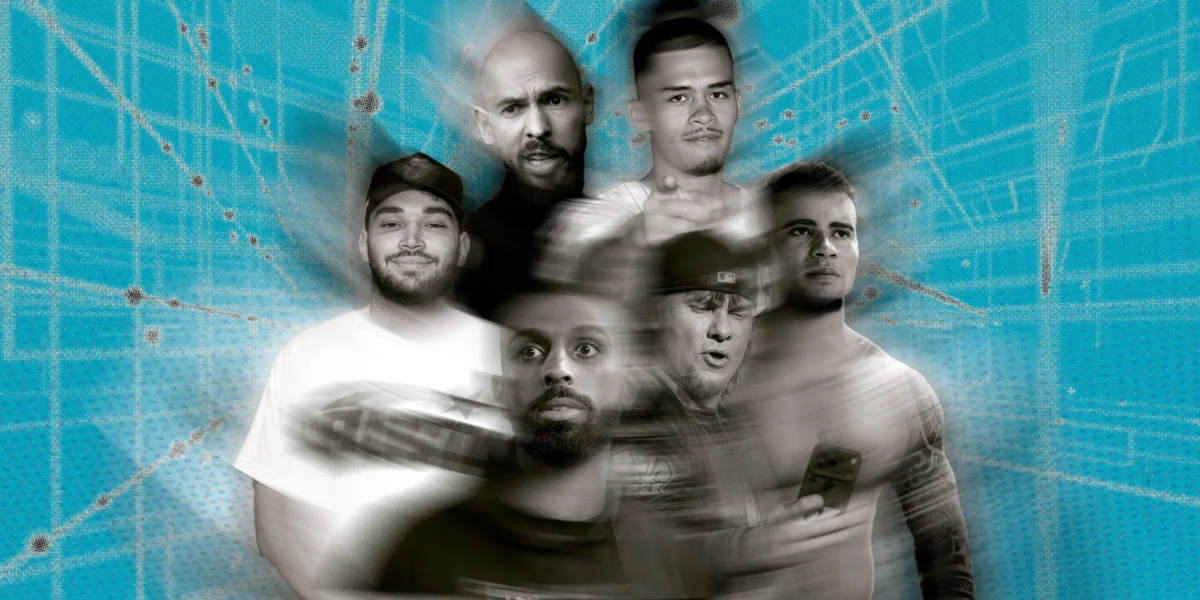
Ultimately, the journey of fitness is a personal one. The "manosphere," as depicted in documentaries and online discussions, often presents a manufactured version of strength, driven by marketing and a desire for attention. True strength, however, is cultivated from within. It’s about building a robust body through consistent effort, fueling it with proper nutrition, and allowing it to recover. It’s about developing a resilient mind that can navigate challenges with grace and learn from every experience.
Don’t let curated online narratives dictate your worth or your goals. Focus on your own progress, celebrate your achievements, and surround yourself with supportive communities that uplift and empower you. The most impactful transformations aren’t always the loudest; they are the ones that lead to lasting well-being, inner peace, and a genuine sense of self-mastery. Your strength is not defined by what you are told it should be, but by the consistent, mindful effort you invest in becoming the best version of yourself.