Embarking on a fitness journey is an exciting endeavor, often fueled by a desire for better health, improved performance, and a stronger physique. While dedication to your workouts is paramount, achieving your physical aspirations is a two-part equation. The other, equally crucial, component is nutrition. Yet, for many, navigating the complexities of dietary intake can feel like a daunting, imprecise art. We eyeball portions, estimate serving sizes, and often fall short of our intended targets, leading to frustration and stalled progress.
This is where a seemingly simple tool can become your most powerful ally: a food scale. It’s not about obsessive restriction; it’s about informed precision. It’s about transforming guesswork into data-driven strategy, empowering you to take control of your nutrition with confidence. For beginners and intermediate fitness enthusiasts alike, understanding the true quantity of what you consume is the bedrock upon which lasting health and fitness success is built.

The Hidden Impact of Portion Control
We’ve all been there. You’re diligently following a meal plan, you’ve chosen healthy ingredients, but the scale isn’t budging, or your energy levels aren’t where you want them to be. Often, the culprit isn’t the quality of your food, but the quantity.
Think about it:

- A Handful of Nuts: Seems healthy, right? But a casual handful can easily be 200-300 calories, significantly impacting your daily intake if not accounted for.
- A Generous Serving of Rice: A seemingly small scoop can easily double or triple in cooked volume, adding hundreds of extra calories and carbohydrates.
- Oils and Dressings: These are calorie-dense powerhouses. A drizzle can easily turn into a glug, exponentially increasing fat and calorie counts.
Without accurate measurement, these small discrepancies add up. Over time, this can lead to:
- Calorie Surplus: Hindering weight loss efforts or contributing to unwanted weight gain.
- Calorie Deficit: Sabotaging muscle-building goals or leading to persistent fatigue and poor recovery.
- Macronutrient Imbalance: Not getting enough protein to support muscle repair, or too many carbohydrates when you’re aiming for a lower-carb approach.
A food scale removes the subjectivity from portioning, providing a clear, quantifiable understanding of what you’re eating.

More Than Just Numbers: The Psychological Edge of Precision
Beyond the purely caloric and macronutrient benefits, a food scale offers a profound psychological advantage, especially for those new to structured eating:
- Demystifying Nutrition: It takes the abstract concept of "serving sizes" on packaging and makes it tangible. You see exactly how much 100 grams of chicken breast or 50 grams of oats actually looks like.
- Building Confidence: As you consistently hit your targets, you build confidence in your ability to manage your diet effectively. This reduces the anxiety often associated with "eating right."
- Eliminating Guilt: When you know you’re consuming the correct portions, you can enjoy your meals without the nagging feeling that you might be overdoing it. This fosters a healthier relationship with food.
- Educating Your Palate: Over time, you develop an intuitive sense of portion sizes. You’ll start to recognize what a correct serving looks like, even without the scale, but the scale provides the initial, crucial learning phase.
Choosing Your Kitchen Companion: What to Look For in a Food Scale
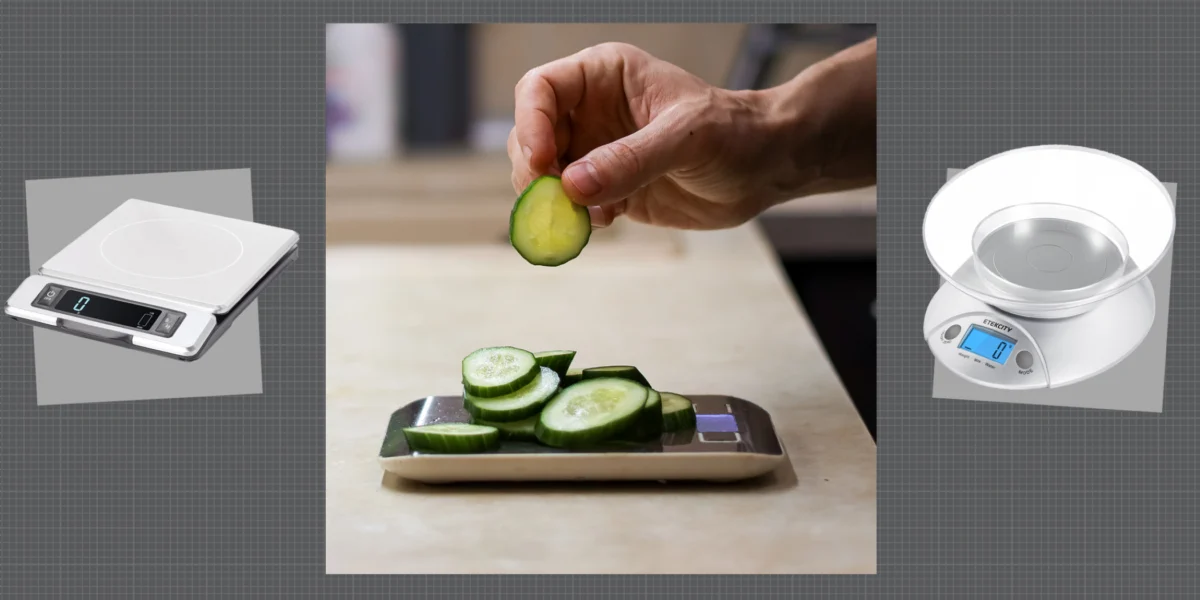
The market is flooded with food scales, ranging from basic digital models to sophisticated smart devices. For most beginners and intermediate enthusiasts, a reliable, straightforward digital scale will suffice. Here’s what to consider:

Key Features for Success:
- Accuracy and Precision: Look for a scale that measures in small increments, ideally 1 gram or 0.1 ounce. This is crucial for precise portioning, especially for calorie-dense items or when tracking specific macronutrients.
- Weight Capacity: Most standard food scales can handle up to 11 pounds (approximately 5 kilograms). This is more than enough for most everyday kitchen tasks, from weighing a full meal prep container to a large batch of ingredients. If you regularly deal with extremely heavy items, consider a scale with a higher capacity, but for typical use, 11 pounds is ample.
- Unit Conversion: The ability to switch between grams (g), ounces (oz), pounds (lb), milliliters (ml), and fluid ounces (fl oz) is essential. This flexibility allows you to work with recipes from various sources and accurately measure both solid and liquid ingredients.
- Tare Function: This is a non-negotiable feature. The tare function allows you to zero out the weight of your container, so you only measure the weight of the food itself. This is critical for accurate weighing.
- Display Readability: A clear, easy-to-read display is paramount. Backlit LCD screens are a significant advantage, especially in lower lighting conditions. Large, legible numbers make quick work of your measurements.
- Material and Durability: Stainless steel surfaces are generally more durable, easier to clean, and more resistant to stains and odors than plastic. However, many excellent scales feature a stainless steel platform with a plastic base. Consider how you’ll use the scale and how important aesthetics and long-term durability are to you.
- Power Source: Most scales run on batteries (AA, AAA, or button cells). Look for models that come with batteries included, and consider the ease of replacing them. Auto-shutoff features are also great for conserving battery life.
- Size and Storage: Consider the footprint of the scale. If counter space is limited, a more compact or even a foldable model might be ideal.
Putting Your Food Scale to Work: Practical Tips and Real-Life Scenarios
Once you have your scale, the real magic happens when you integrate it into your daily routine. It might feel a little tedious at first, but the benefits quickly become apparent.
Meal Prep Mastery:
This is where a food scale truly shines. Instead of guessing portion sizes for your weekly meals, you can weigh everything precisely.

- Scenario: You’re prepping chicken breasts for the week. You aim for 6 ounces (about 170 grams) per serving. Place your container on the scale, tare it, then add chicken breast until you reach 170 grams. Repeat for each portion.
- Scenario: Preparing a batch of quinoa. You know that 1 cup of dry quinoa is roughly 170 grams. Weigh out exactly 170 grams for your recipe, ensuring consistent carbohydrate intake across your meals.
Tracking Your Macros with Confidence:
Whether you’re following a high-protein diet, a ketogenic lifestyle, or simply aiming for a specific macronutrient split, a scale is your most accurate tool.
- Scenario: You need 30 grams of protein for your post-workout meal. Weigh out 110-120 grams of lean protein source (like chicken breast or fish), as most protein sources are roughly 25-30% protein by weight.
- Scenario: Monitoring carbohydrate intake. Weighing out your rice, pasta, or potatoes ensures you’re sticking to your carb goals, preventing accidental overconsumption.
Baking with Precision:
Baking is a science, and precise measurements are key to consistent results.

- Scenario: A recipe calls for 250 grams of flour. Using a scale eliminates the variability of scooping and leveling dry ingredients, ensuring your baked goods turn out perfectly every time.
- Scenario: Measuring liquids like oil or milk can also be done more accurately by weight, especially for recipes that specify both dry and wet ingredients in grams.
Navigating Restaurant Meals and Eating Out:
While you can’t weigh your food at a restaurant, using a scale at home trains your eye.
- Practice at Home: Regularly weighing your food at home helps you develop a better understanding of what a "standard" or "target" portion looks like.
- Educated Estimation: After consistent use, you’ll become much better at estimating portions when eating out. You’ll have a stronger sense of what 4 ounces of salmon or 1 cup of salad actually looks like.
Beyond the Scale: Complementary Strategies for Nutritional Success
While a food scale is an incredibly valuable tool, it’s most effective when integrated into a holistic approach to nutrition and fitness.

Understand Your Goals:
Before you start weighing, know why you’re weighing.
- Weight Loss: Focus on a slight calorie deficit, ensuring adequate protein to maintain muscle mass.
- Muscle Gain: Aim for a moderate calorie surplus with sufficient protein and carbohydrates to fuel workouts and recovery.
- Maintenance: Maintain a calorie balance that supports your activity level and body composition goals.
Learn About Macronutrients:
Familiarize yourself with the roles of protein, carbohydrates, and fats. Understanding their importance will help you prioritize them in your meals.

- Protein: Essential for muscle repair and growth, satiety, and metabolism.
- Carbohydrates: The body’s primary energy source, crucial for fueling workouts.
- Fats: Important for hormone production, nutrient absorption, and energy.
Hydration is Key:
Don’t forget the power of water. Proper hydration is vital for all bodily functions, including metabolism and performance. Aim for at least 8-10 glasses of water per day, and more if you’re active or in a hot climate.
Listen to Your Body:
While a scale provides objective data, your body offers subjective feedback. Pay attention to your hunger cues, energy levels, and how you feel after meals. The scale is a tool to guide you, not dictate your every bite.

The Power of Precision: Your Journey, Elevated
In the dynamic world of fitness, where every rep and every meal can contribute to your progress, precision matters. A food scale is not about restriction; it’s about empowerment. It’s about understanding your body’s fuel needs and meeting them with accuracy. It transforms abstract dietary goals into tangible, achievable steps.
For the beginner, it’s the clarity that cuts through confusion. For the intermediate enthusiast, it’s the fine-tuning that unlocks the next level of performance and body composition. Embrace this simple yet powerful tool, and you’ll find that hitting your nutrition goals becomes not a struggle, but a confident, data-driven stride towards your ultimate fitness aspirations. Start weighing, start understanding, and start achieving. Your journey to a healthier, stronger you is waiting.