In a world brimming with quick fixes, fleeting trends, and overwhelming information, the quest for genuine, lasting fitness can often feel like navigating a labyrinth. You’ve likely encountered countless programs promising rapid transformations, only to find yourself back at square one, feeling frustrated or discouraged. But what if there was a more profound, sustainable path? A way to not just achieve temporary results, but to truly sculpt an unstoppable version of yourself, infused with vitality that lasts a lifetime?
This article isn’t about the latest fad diet or a grueling 30-day challenge. It’s about providing you with a comprehensive blueprint – a strategic, adaptable framework designed for beginners and intermediate fitness enthusiasts who are ready to build a foundation of health, strength, and resilience that stands the test of time. We’ll delve into the interconnected pillars of movement, nourishment, recovery, and mindset, offering practical insights and actionable advice to empower you to forge your unique path to enduring well-being. Prepare to unlock the secrets to a fitness journey that is not only effective but genuinely enjoyable and sustainable.
The Cornerstone of Commitment: Defining Your Personal Fitness Why
Before you even tie your shoelaces or plan your first meal, the most crucial step in any successful fitness journey is to understand your "why." What truly motivates you? What deep-seated desires or aspirations are driving you to make a change? Without a clear, compelling reason, consistency becomes a monumental struggle, and setbacks can easily derail your efforts.
Beyond Aesthetics: Deeper Motivations
While wanting to look good is a perfectly valid motivator, it often proves insufficient for the long haul. True staying power comes from connecting with deeper, more intrinsic reasons. Take a moment to reflect on what truly matters to you:
- Enhanced Energy Levels: Imagine waking up feeling refreshed and invigorated, ready to tackle your day without relying on caffeine boosts.
- Improved Mental Clarity and Focus: Physical activity has a profound impact on cognitive function, helping you think sharper and stay more concentrated.
- Stress Reduction and Emotional Well-being: Exercise is a powerful antidote to stress, anxiety, and even mild depression, offering a natural mood boost.
- Longevity and Quality of Life: Envision being active and independent well into your golden years, enjoying hobbies, travel, and time with loved ones without physical limitations.
- Functional Strength and Resilience: The ability to perform everyday tasks with ease, whether it’s lifting groceries, playing with children, or tackling a challenging hike.
- Disease Prevention: Reducing your risk of chronic conditions like heart disease, type 2 diabetes, and certain cancers.
Your "why" is your North Star. Write it down, internalize it, and revisit it whenever your motivation wanes.
Setting S.M.A.R.T. Goals for Tangible Progress
Once your "why" is clear, translate it into actionable, measurable goals using the S.M.A.R.T. framework:
- Specific: Clearly define what you want to achieve. (Instead of "get fit," try "run a 5k.")
- Measurable: How will you track progress? ("Run a 5k" becomes "run 3 times a week, increasing distance by 0.5 miles each week.")
- Achievable: Is the goal realistic given your current abilities and resources? Don’t aim for a marathon if you haven’t run in years.
- Relevant: Does it align with your "why" and overall fitness aspirations?
- Time-bound: Set a realistic deadline. ("Run a 5k within the next 12 weeks.")
Real-life Example: Instead of saying, "I want to lose weight," a S.M.A.R.T. goal would be: "I will incorporate three 45-minute strength training sessions and two 30-minute brisk walks into my week, focusing on whole foods, to lose 10 pounds in the next three months, thereby improving my energy levels and reducing knee pain." This approach provides a clear roadmap and measurable milestones, keeping you accountable and motivated.
The Movement Pillar: Building a Diverse and Effective Training Regimen
Movement is the engine of vitality. A well-rounded fitness regimen integrates various forms of exercise to build strength, enhance endurance, improve flexibility, and foster overall physical capability. For beginners and intermediates, the key is consistency, proper form, and progressive challenge.
Sculpting Your Body: The Power of Progressive Resistance Training
Resistance training, often referred to as strength training, is non-negotiable for building a strong, resilient body. It involves working your muscles against a force (weights, resistance bands, bodyweight) to stimulate growth and increase strength.
- Why it’s Crucial:
- Muscle Mass: Helps build and preserve lean muscle, which is metabolically active, burning more calories even at rest.
- Bone Density: Strengthens bones, reducing the risk of osteoporosis.
- Metabolism Boost: Increases your resting metabolic rate.
- Functional Strength: Improves your ability to perform daily tasks with ease and reduce injury risk.
Getting Started: Essential Compound Movements
Focus on compound movements that engage multiple muscle groups simultaneously. These are highly efficient and build foundational strength.
- Squats: Works glutes, quads, hamstrings, and core. Start with bodyweight, then progress to holding dumbbells or a barbell.
- Push-ups: Targets chest, shoulders, and triceps. Modify by performing on your knees or against a wall, or elevate your feet for more challenge.
- Rows: Strengthens your back, biceps, and shoulders. Use dumbbells, resistance bands, or a rowing machine.
- Deadlifts (or Romanian Deadlifts – RDLs): Excellent for hamstrings, glutes, and lower back. Start with light weights and focus intently on hip hinge mechanics.
- Overhead Press: Builds shoulder and triceps strength. Can be done seated or standing with dumbbells or a barbell.
Actionable Advice:
- Form First, Always: Prioritize correct technique over lifting heavy weight. Watch instructional videos, record yourself, or consider a few sessions with a certified trainer. Poor form is the fastest route to injury and slow progress.
- Start Small: Begin with bodyweight exercises or very light dumbbells. Focus on mastering the movement pattern before adding significant load.
- Structure Your Workouts: Aim for 2-3 full-body resistance training sessions per week on non-consecutive days to allow for muscle recovery. For each exercise, perform 3-4 sets of 8-12 repetitions.
Progressive Overload: The Key to Continuous Gains
Your muscles adapt quickly. To continue making progress, you must gradually increase the demands placed on them – this is progressive overload.
- Methods of Progressive Overload:
- Increase Weight: When you can comfortably complete all your reps with good form, add a small amount of weight.
- Increase Reps: Stay with the same weight but aim for more repetitions in each set.
- Increase Sets: Add another set to your exercise.
- Decrease Rest Time: Shorten the time between sets to increase intensity.
- Improve Form: Executing a movement with even better control and muscle activation counts as progress.
- Increase Frequency: Add an extra training day to your week (once your body is ready).
Practical Tip: Keep a workout journal. Document the exercises, sets, reps, and weight used for each session. This allows you to track your progress and ensures you’re applying progressive overload effectively.
Fueling Your Engine: The Undeniable Role of Cardiovascular Fitness
Cardiovascular (or aerobic) exercise strengthens your heart and lungs, improving your body’s ability to deliver oxygen to working muscles.
- Benefits:
- Heart Health: Lowers blood pressure, reduces cholesterol, and decreases the risk of heart disease.
- Endurance: Improves stamina for daily activities and other workouts.
- Fat Loss: Burns calories and helps create a calorie deficit.
- Stress Reduction: Releases endorphins, acting as a natural mood elevator.
Integrating Cardio: From Steady-State to HIIT
- Steady-State Cardio (LISS – Low-Intensity Steady-State): Activities like brisk walking, jogging, cycling, swimming, or elliptical training at a moderate, consistent pace for an extended period (20-60 minutes).
- Ideal for: Beginners, active recovery, building a foundational aerobic base.
- High-Intensity Interval Training (HIIT): Short bursts of intense exercise followed by brief recovery periods.
- Time-Efficient: Can deliver significant benefits in less time (15-30 minutes).
- Metabolic Boost: Known for its "afterburn" effect, where your body continues to burn calories at an elevated rate post-workout.
- Caution for Beginners: Start with LISS to build a base. HIIT can be very demanding and carries a higher risk of injury if not properly executed or if your body isn’t conditioned. Integrate gradually, perhaps once a week, after a few months of consistent training.
Practical Tip: Find what you enjoy! If you hate running, try dancing, hiking, or playing a sport. Consistency trumps intensity when it comes to cardio. Aim for 150 minutes of moderate-intensity cardio or 75 minutes of vigorous-intensity cardio per week.

Flexibility and Mobility: The Unsung Heroes of Longevity
Often overlooked, flexibility and mobility are vital components of a balanced fitness routine. They refer to the range of motion around your joints and the ability to move freely and without restriction.
- Benefits:
- Injury Prevention: Reduces muscle imbalances and improves movement patterns.
- Improved Performance: Allows for a greater range of motion in exercises, leading to better muscle activation.
- Reduced Soreness: Can aid in recovery and alleviate muscle stiffness.
- Enhanced Posture: Helps counteract the effects of prolonged sitting.
Simple Practices for Daily Improvement
- Dynamic Warm-ups: Before your workout, perform light, flowing movements that mimic the exercises you’re about to do (e.g., arm circles, leg swings, torso twists). This prepares your body for activity.
- Static Stretches: After your workout, hold stretches for 20-30 seconds, focusing on major muscle groups. Do not bounce.
- Foam Rolling: Use a foam roller to apply pressure to tight muscles, releasing tension and improving blood flow. Focus on areas like hamstrings, glutes, quads, and upper back.
- Daily Mobility Routine: Dedicate 5-10 minutes each day to light stretching or mobility drills, especially on rest days. Yoga or Pilates can also be excellent for this.
The Nourishment Pillar: Fueling Your Body for Optimal Performance and Recovery
You can train like an athlete, but if your nutrition isn’t dialed in, your progress will be severely limited. Food is fuel, information, and medicine for your body. The goal isn’t restriction, but rather intelligent, wholesome nourishment.
Eating for Energy and Results: A Balanced Approach
Forget restrictive diets and fleeting fads. A sustainable approach to nutrition focuses on whole, unprocessed foods that provide your body with the necessary macronutrients and micronutrients.
Macronutrients: The Big Three
These are the nutrients your body needs in large amounts for energy, growth, and repair.
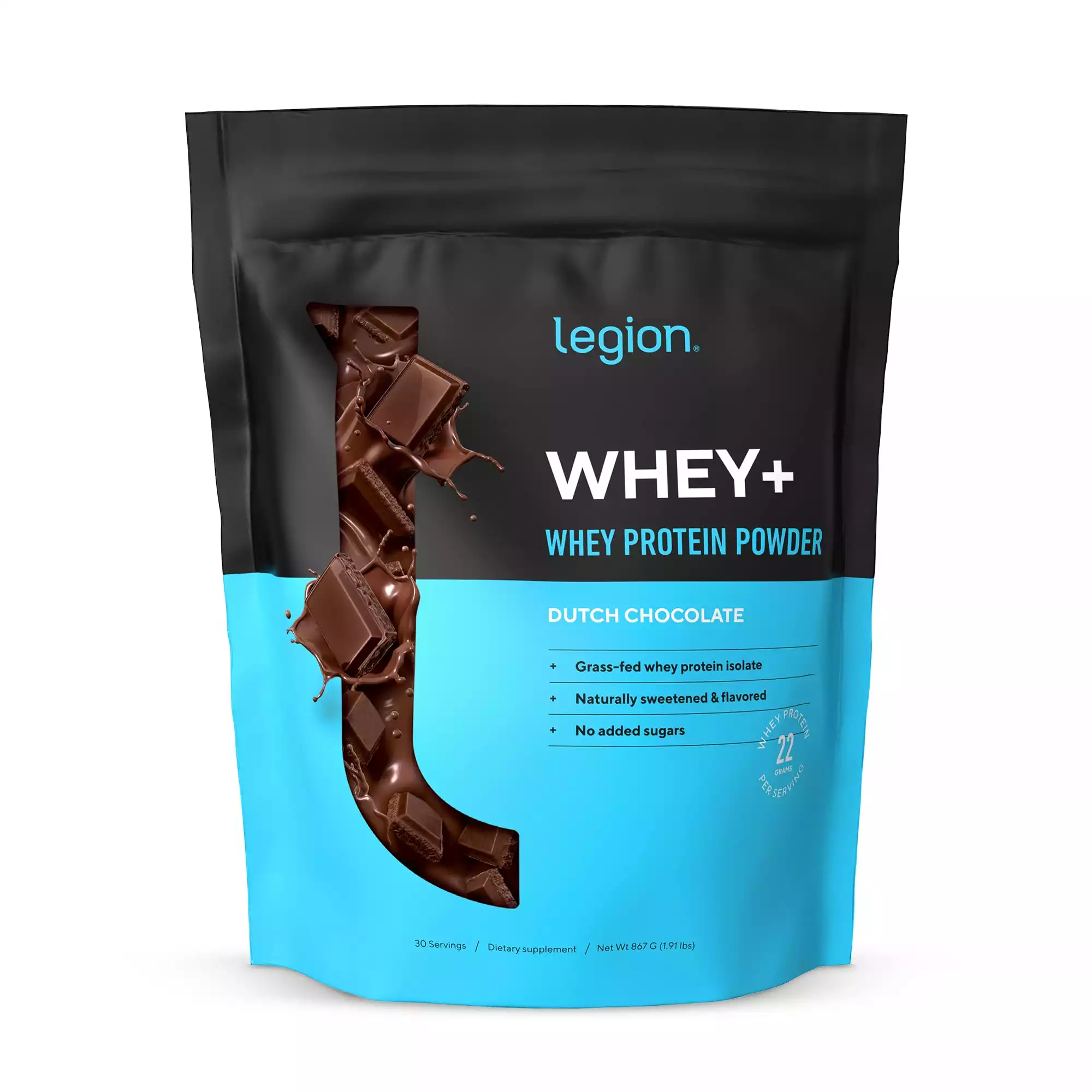
- Protein: The building block of muscle, enzymes, and hormones. It’s crucial for muscle repair and growth, and also promotes satiety.
- Sources: Lean meats (chicken, turkey, beef), fish, eggs, dairy (Greek yogurt, cottage cheese), legumes (beans, lentils), tofu, tempeh, quinoa.
- Practical Tip: Aim for a palm-sized portion of protein at every main meal.
- Carbohydrates: Your body’s primary and most efficient energy source, especially for exercise.
- Sources: Whole grains (oats, brown rice, whole-wheat bread), fruits, vegetables, sweet potatoes. Prioritize complex carbohydrates for sustained energy and fiber.
- Practical Tip: Focus on colorful vegetables and fruits to ensure a wide range of vitamins and antioxidants.
- Fats: Essential for hormone production, nutrient absorption, and cell function. Healthy fats are vital.
- Sources: Avocados, nuts (almonds, walnuts), seeds (chia, flax), olive oil, fatty fish (salmon).
- Practical Tip: Incorporate a small amount of healthy fats with each meal, but be mindful of portion sizes as they are calorie-dense.
Micronutrients and Hydration: The Often-Overlooked Essentials
- Micronutrients (Vitamins and Minerals): Though needed in smaller amounts, these are vital for countless bodily processes, from energy production to immune function.
- Sources: A diverse array of fruits, vegetables, whole grains, nuts, and seeds. Eating the "rainbow" ensures you get a broad spectrum.
- Hydration: Water is often called the "forgotten nutrient." It’s crucial for temperature regulation, nutrient transport, joint lubrication, and overall cellular function. Even mild dehydration can impair physical and mental performance.
- Practical Tip: Carry a reusable water bottle throughout the day. Aim to drink at least 8 glasses (around 2 liters) daily, and more if you’re exercising intensely or in a hot environment. Listen to your body’s thirst cues.
Mindful Eating and Portion Control
Beyond what you eat, how you eat plays a significant role.
- Listen to Your Body: Pay attention to your hunger and fullness signals. Eat when you’re truly hungry, and stop when you’re satisfied, not stuffed.
- Eat Slowly: Savor your food. It takes about 20 minutes for your brain to register fullness, so eating slowly can prevent overeating.
- Plan Ahead: Meal prepping or planning your meals in advance can help you make healthier choices when hunger strikes.
- Portion Awareness: Learn appropriate portion sizes for different food groups. Using smaller plates can be a simple visual trick to help manage portions.
The Recovery & Mindset Pillar: Building Resilience from Within
Fitness isn’t just about pushing hard; it’s equally about allowing your body and mind to recover and adapt. This pillar focuses on strategic rest, sleep, and cultivating a robust mental approach to challenges.
Rest and Rejuvenation: The Power of Sleep and Active Recovery
Your body doesn’t build muscle or get stronger during your workout; it does so during recovery, especially during sleep.
- The Importance of Sleep:
- Muscle Repair and Growth: During deep sleep, your body releases growth hormone, essential for tissue repair and muscle protein synthesis.
- Hormone Regulation: Sleep impacts hormones that regulate appetite (ghrelin and leptin), stress (cortisol), and energy.
- Cognitive Function: Improves focus, memory, and decision-making.
- Immune System Boost: A well-rested body is better equipped to fight off illness.
- Practical Tip: Aim for 7-9 hours of quality sleep per night. Establish a consistent bedtime routine, create a dark and cool sleep environment, and limit screen time before bed.
- Active Recovery: On rest days, instead of complete inactivity, engage in light activities like walking, gentle cycling, stretching, or foam rolling. This increases blood flow to muscles, helps remove metabolic waste products, and can reduce soreness without adding significant stress.
Cultivating a Resilient Mindset: Overcoming Obstacles
Your mental game is as crucial as your physical efforts. A positive, resilient mindset will be your greatest asset on this journey.
The Power of Consistency Over Intensity
Many beginners make the mistake of going "all in" too fast, leading to burnout or injury. Sustainable progress is built on consistency, not extreme intensity.
- Real-life Example: It’s far better to do three moderate workouts consistently every week for a year than to do seven intense workouts for two weeks and then quit. If you miss a workout, don’t dwell on it. Just get back on track with your next scheduled session. Progress isn’t linear; it’s about showing up most of the time.
Embracing Imperfection and Celebrating Progress
The fitness journey is rarely perfect. There will be days you lack motivation, cheat meals, missed workouts, and plateaus. This is normal.
- Avoid "All or Nothing" Thinking: One missed workout or unhealthy meal doesn’t erase all your hard work. Learn from it and move forward.
- Focus on Non-Scale Victories: While weight loss can be a goal, celebrate other forms of progress:
- Increased strength (lifting heavier, doing more reps).
- Improved endurance (running further, faster).
- Better sleep.
- Increased energy levels.
- Clothes fitting better.
- Improved mood and confidence.
- Mastering a new exercise.
Stress Management for Holistic Health
Chronic stress can sabotage your fitness goals by increasing cortisol levels, leading to fat storage (especially around the midsection), muscle breakdown, and disrupted sleep.
- Strategies for Stress Reduction:
- Mindfulness and Meditation: Even 5-10 minutes daily can significantly impact stress levels.
- Deep Breathing Exercises: Simple techniques can calm your nervous system instantly.
- Hobbies and Leisure: Dedicate time to activities you enjoy that take your mind off stressors.
- Nature Immersion: Spending time outdoors has proven benefits for mental well-being.
- Social Connection: Nurture relationships with supportive friends and family.
Practical Strategies for Sustainable Success
Now that you have the theoretical blueprint, let’s look at practical ways to integrate it into your everyday life.
Integrating Fitness into Your Daily Life
- Schedule Your Workouts: Treat your exercise sessions like important appointments you can’t miss. Put them in your calendar.
- Find Your Tribe: An accountability partner, a fitness class, or an online community can provide motivation and support.
- Master Meal Prep: Dedicate a few hours each week to preparing healthy meals and snacks in advance. This saves time and prevents impulse unhealthy choices.
- Track Your Progress: Keep a workout journal, use a fitness tracker, or take progress photos. Seeing how far you’ve come is incredibly motivating.
- Small Habits, Big Impact: Look for opportunities to move more throughout the day – take the stairs, walk during phone calls, park further away.
Listening to Your Body
This is paramount. Your body provides constant feedback; learn to interpret it.
- Distinguish Between Soreness and Pain: Muscle soreness (DOMS – Delayed Onset Muscle Soreness) is normal after a challenging workout. Sharp, persistent, or joint pain is a warning sign.
- Rest When Needed: Don’t push through genuine pain or extreme fatigue. A day of rest or active recovery is often more beneficial than forcing a workout that could lead to injury or burnout.
- Adjust as You Go: Life happens. If you’re stressed, sick, or sleep-deprived, modify your workout rather than skipping it entirely. A lighter session is better than none.
Conclusion: Build Your Unstoppable Self
Your fitness journey is a deeply personal and incredibly empowering adventure. It’s not about achieving a fleeting ideal, but about cultivating a lifestyle that supports your long-term health, strength, and happiness. This blueprint – integrating purposeful movement, intelligent nourishment, strategic recovery, and a resilient mindset – provides the framework.
Remember, consistency is your most powerful tool. Small, consistent efforts, compounded over time, will lead to monumental transformations. There will be bumps, detours, and moments of doubt, but each one is an opportunity to learn, adapt, and reinforce your commitment to yourself.
You now possess the knowledge and the actionable strategies to sculpt not just a fitter body, but a more vibrant, resilient, and unstoppable you. Embrace the process, celebrate every victory, and trust in your ability to build a life of lasting vitality. The journey begins now.