Cheese. The mere mention conjures images of bubbling pizzas, decadent gratins, and that irresistible, savory aroma. Yet, for many fitness enthusiasts, cheese is a forbidden fruit, a dairy demon lurking in the shadows of restrictive diets. We’re bombarded with messages from the paleo, Whole30, and plant-based movements, all seemingly united in their condemnation of this age-old food. High cholesterol, saturated fat concerns – the list of supposed transgressions is long and often cited by well-meaning health professionals.
But what if the narrative surrounding cheese is not just incomplete, but fundamentally flawed? What if, beneath the layers of misconception, lies a truly misunderstood superfood, one that can actually support your fitness goals, enhance your workouts, and contribute to a robust, healthy lifestyle? At Men’s Health, we believe in evidence-based nutrition and a balanced approach to well-being. That’s why we’re here to champion cheese, not as an indulgence to be shunned, but as a potent, nutrient-dense food that deserves a place at your table and in your fitness journey.
This isn’t about advocating for a free-for-all with processed cheese slices or greasy fast-food versions. We’re talking about the real deal: the artisanal, the aged, the fresh, and the flavorful. These are the cheeses that have nourished humans for millennia, providing essential building blocks for strong bodies and minds. It’s time to move past the dogma and embrace the delicious, healthful reality of cheese.
The Nutritional Powerhouse Hiding in Plain Sight
Let’s cut through the noise and examine what makes real cheese such a nutritional asset, especially for those actively pursuing a healthier, fitter life.
Protein: The Muscle-Building Champion
Protein is the cornerstone of muscle repair, growth, and overall bodily function. Cheese, particularly certain varieties, is an excellent source of high-quality protein.

- Complete Amino Acid Profile: Dairy proteins, like those found in cheese, are considered complete proteins, meaning they contain all nine essential amino acids your body can’t produce on its own. These are crucial for synthesizing new muscle tissue, repairing damage from intense workouts, and supporting enzyme and hormone production.
- Satiety Power: The protein and fat content in cheese contribute significantly to feelings of fullness. This can be a game-changer for managing appetite, preventing overeating, and sticking to your nutrition plan. A small portion of cheese can keep you satisfied longer than many lower-protein, higher-carbohydrate snacks.
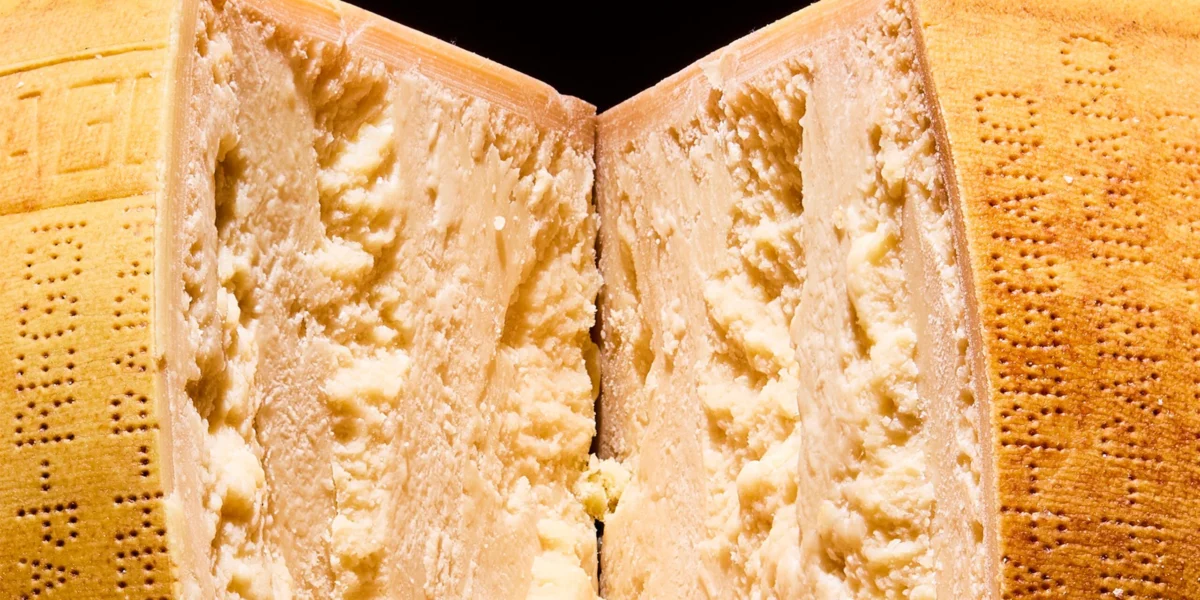
- Variety is Key: Different cheeses offer varying amounts of protein. For example, hard, aged cheeses like Parmesan and cheddar tend to be more protein-dense per ounce than softer cheeses like mozzarella.
Real-Life Example: Imagine you’ve just finished a grueling leg day. Instead of reaching for a sugary post-workout drink that offers a temporary energy spike but little sustained benefit, consider a small portion of Greek yogurt (a cousin to cheese in its strained protein content) or a few cubes of aged cheddar. These provide the necessary amino acids for muscle repair and can help curb post-workout cravings.
Calcium: The Foundation of Strong Bones
We all know milk is good for bones, but cheese is a concentrated source of calcium, a mineral vital not just for skeletal health, but also for muscle function, nerve signaling, and blood clotting.
- Bone Density: Adequate calcium intake throughout life is essential for building and maintaining strong bones, reducing the risk of osteoporosis and fractures. This is particularly important for athletes who place significant stress on their skeletal system.
- Muscle Contraction: Calcium plays a critical role in muscle contraction. Without sufficient calcium, your muscles wouldn’t be able to work effectively, impacting your strength and endurance.
Actionable Advice: Incorporate a moderate amount of cheese into your daily meals. A sprinkle of Parmesan on your post-workout salad, a slice of provolone in your whole-wheat sandwich, or a small portion of cottage cheese as a bedtime snack can significantly contribute to your daily calcium needs without overloading your calorie intake.
Healthy Fats: Fuel for Endurance and Hormonal Balance
While saturated fat has been demonized for decades, current research suggests a more nuanced understanding. The fats found in real cheese are not the enemy, and in moderation, they offer significant benefits.
- Energy Source: Fats are a vital source of energy, especially for endurance activities. They provide a more sustained fuel release than carbohydrates, helping you go the distance during long runs, cycling sessions, or intense training.
- Nutrient Absorption: Fat is essential for the absorption of fat-soluble vitamins (A, D, E, and K), which are crucial for overall health, immune function, and recovery.
- Hormone Production: Healthy fats are building blocks for hormones, including testosterone, which plays a significant role in muscle growth and recovery in both men and women.
Workout Tip: If you’re embarking on a longer endurance event or a particularly demanding training session, consider including a source of healthy fats in your pre-activity meal. A small amount of cheese alongside whole grains and lean protein can provide sustained energy without causing digestive upset.

Probiotics: The Gut Guardians
Many fermented cheeses, particularly those that are not heavily processed or pasteurized at extremely high temperatures, can be a fantastic source of probiotics – the beneficial bacteria that reside in your gut.
- Digestive Health: A healthy gut microbiome is linked to improved digestion, nutrient absorption, and even mood regulation. Probiotics can help balance the gut flora, alleviating issues like bloating and discomfort.
- Immune Support: A significant portion of your immune system is located in your gut. By supporting a healthy gut environment, probiotics can bolster your immune defenses, helping you stay healthy and consistent with your training.
Real-Life Example: Many individuals struggle with digestive issues that can derail their fitness progress. Incorporating fermented foods like certain types of cheese can be a delicious way to support gut health, leading to better nutrient absorption and a more resilient body.
Navigating the Dairy Aisle: Smart Choices for Smart Eaters
Not all cheeses are created equal. To truly harness the fitness benefits of cheese, making informed choices is paramount.
H2: Decoding Cheese Labels: What to Look For and What to Avoid
The key to integrating cheese into a healthy diet lies in understanding its composition and choosing wisely.
H3: The Good Stuff: Nutrient-Dense Cheeses to Embrace
These cheeses offer a fantastic nutritional profile and can be a valuable part of your fitness regimen.

- Hard, Aged Cheeses: Think Parmesan, aged Cheddar, Gruyère, and Pecorino Romano. These are typically lower in lactose and higher in protein and calcium per ounce. Their intense flavor means a little goes a long way.
- Fresh, Unprocessed Cheeses: Mozzarella (fresh, not the pre-shredded kind often coated with anti-caking agents), feta, goat cheese (chèvre), and ricotta offer a lighter profile with good protein and calcium content. Opt for those with minimal added ingredients.
- Fermented Wonders: Blue cheeses, Swiss, and some aged cheddars can be rich in probiotics, contributing to gut health.
H3: The "Proceed with Caution" Cheeses: Moderation is Key
These cheeses are still delicious and can be enjoyed, but perhaps less frequently or in smaller portions due to their nutritional makeup.
- Soft, Creamy Cheeses: Brie, Camembert, and cream cheese are higher in fat and calories. While they can offer some calcium and protein, they are best enjoyed as an occasional treat.
- Processed Cheese Products: This category includes cheese slices, cheese spreads, and many pre-shredded cheeses. They often contain added emulsifiers, preservatives, and fillers that dilute their nutritional value and can contribute to unwanted sodium and unhealthy fats. Read labels carefully; if the ingredient list is long and filled with unpronounceable names, it’s likely not the best choice.
Actionable Advice: When shopping, prioritize cheeses with short ingredient lists, ideally just milk, cultures, rennet, and salt. Look for options that are naturally lower in sodium if that’s a concern for you.
H2: Strategic Integration: Making Cheese Work for Your Workouts
It’s not just about what cheese you eat, but when and how you incorporate it into your diet to maximize its benefits for your fitness goals.
H3: Pre-Workout Power-Ups
For sustained energy during longer or more intense workouts, a small amount of cheese can be beneficial.
- Combine with Complex Carbs: A slice of whole-grain toast with a thin layer of ricotta and a drizzle of honey can provide a balanced energy release.
- Savory Snack: A small handful of almonds with a few cubes of cheddar can offer protein, healthy fats, and sustained energy.
Workout Tip: Avoid heavy, fatty cheeses right before a strenuous workout, as they can slow digestion and lead to discomfort. Opt for lighter, more easily digestible options.

H3: Post-Workout Recovery Fuel
Cheese can play a role in muscle repair and satiety after your training sessions.
- Protein Boost: Add crumbled feta or goat cheese to your post-workout salad, or mix cottage cheese into a smoothie for added protein.
- Replenish Nutrients: The calcium in cheese can aid in muscle recovery and nerve function.
Real-Life Example: After a challenging strength training session, a Greek yogurt bowl topped with a sprinkle of walnuts and a tiny bit of honey is a common choice. You could easily swap the Greek yogurt for cottage cheese, or add a small amount of cheese to a savory protein shake for a different flavor profile and nutrient boost.
H3: Everyday Nutrition: Making Meals More Satisfying
Cheese can elevate the nutritional and flavor profile of everyday meals, making healthy eating more enjoyable and sustainable.
- Boost Veggies: Grate Parmesan over steamed broccoli or roasted Brussels sprouts for added flavor and nutrients.
- Enhance Salads: Add a few crumbles of goat cheese or feta to your salads for a creamy, tangy element that makes them more filling.
- Sandwich Upgrade: Swap out processed lunch meats for lean protein and add a slice of real cheese to your whole-grain sandwiches.
Actionable Advice: Think of cheese as a flavor enhancer and a nutrient booster, not just a topping. A little can go a long way in making healthy foods more appealing and satisfying.
Beyond the Plate: Cheese and Your Overall Well-being
The benefits of incorporating cheese into a balanced diet extend beyond just muscle building and energy.

H2: Dispelling the Cholesterol Myth: A More Nuanced View
For years, cheese has been unfairly maligned due to its saturated fat content and its perceived link to high cholesterol. However, the science is evolving.
- Complex Interactions: The impact of dietary saturated fat on blood cholesterol levels is more complex than previously understood. The overall dietary pattern, including the consumption of fruits, vegetables, and whole grains, plays a more significant role.
- Bioactive Compounds: Cheese contains various bioactive compounds that may have beneficial effects on cardiovascular health, counteracting some of the concerns about its fat content.
- Individual Response: People respond differently to dietary fats. For many, moderate consumption of full-fat dairy, including cheese, does not negatively impact blood cholesterol levels and can even be part of a heart-healthy diet.
What to Do: Focus on your entire diet. If you’re consuming a diet rich in fiber, lean proteins, and healthy fats from sources like avocados and nuts, and you’re engaging in regular exercise, moderate cheese consumption is unlikely to be the sole culprit for high cholesterol. Consult with a healthcare professional or registered dietitian for personalized advice.
H2: The Joy Factor: Mental and Emotional Benefits
Let’s not underestimate the power of enjoying delicious food.
- Mindful Indulgence: Allowing yourself to enjoy foods you love, in moderation, can prevent feelings of deprivation and improve your relationship with food. This can be crucial for long-term adherence to a healthy lifestyle.
- Flavor and Satisfaction: The rich, complex flavors of cheese can elevate meals and provide a sense of comfort and satisfaction, contributing to overall well-being.
Actionable Advice: Practice mindful eating when enjoying cheese. Savor each bite, appreciate the flavor and texture, and stop when you feel comfortably full. This approach can transform a potentially guilt-ridden indulgence into a pleasurable and mindful experience.
Your Cheese-Fueled Fitness Journey Starts Now
The world of fitness and nutrition is constantly evolving, and it’s time to shed outdated beliefs about foods like cheese. Instead of viewing it as an enemy, recognize its potential as a nutrient-dense ally in your pursuit of a healthier, stronger you.

From its impressive protein and calcium content to its role in supporting gut health and providing sustained energy, real cheese offers a wealth of benefits when chosen and consumed wisely. By making smart selections, understanding its nutritional role, and integrating it strategically into your diet, you can unlock its power to fuel your workouts, aid your recovery, and enhance your overall well-being.
So, the next time you’re at the grocery store, don’t shy away from the cheese counter. Explore the diverse world of artisanal cheeses. Experiment with incorporating them into your favorite healthy recipes. Taste the difference that quality makes.
Embrace the delicious truth: cheese isn’t just a guilty pleasure; it can be a powerful, misunderstood superfood that empowers your fitness journey. It’s time to savor every bite and feel the difference it makes. Your body, and your taste buds, will thank you.