The desire to "lose weight" is a common goal, often topping New Year’s resolutions and personal aspirations. However, what most people truly seek isn’t just a lower number on the scale, but a leaner, stronger, and healthier physique – in essence, they want to shed excess body fat while preserving precious muscle. The journey to sustainable fat loss, however, is frequently misunderstood, leading to frustrating cycles of rapid drops followed by equally rapid regains. Many conventional diets and quick fixes promise immediate results but fail to address the fundamental principles required for long-term success, often leading to muscle loss, nutrient deficiencies, and a damaged metabolism.
Imagine building a house: you wouldn’t start by painting the walls before laying a strong foundation. Similarly, achieving lasting fat loss requires a well-designed blueprint that integrates strategic nutrition, effective training, and critical lifestyle factors. It’s not about deprivation or endless hours on a treadmill; it’s about understanding how your body works, making informed choices, and building habits that support your goals indefinitely.
This comprehensive guide is designed for beginners to intermediate fitness enthusiasts ready to move beyond temporary fixes and embrace a holistic approach. We will demystify the science, provide actionable strategies, and empower you to sculpt a body that not only looks better but functions optimally. Get ready to lay your foundation for lasting change, where every step forward is a sustainable stride towards a healthier, more vibrant you.
Understanding the Foundation of Sustainable Fat Loss
Before diving into specific tactics, it’s crucial to grasp the core principles that govern fat loss. Without this understanding, efforts can be misdirected and frustrating.
Beyond the Scale: Why Body Composition Matters
When you step on a scale, the number reflects your total body mass – a combination of muscle, fat, bone, water, and organs. While a decrease in this number might feel like a victory, it doesn’t tell the whole story. True progress in body transformation lies in improving your body composition, which is the ratio of fat mass to lean mass (muscle, bone, water).
- Fat Loss vs. Weight Loss: You can lose "weight" by shedding water or muscle, which isn’t beneficial for long-term health or aesthetics. Fat loss, on the other hand, specifically targets excess adipose tissue.
- The Power of Muscle: Muscle tissue is metabolically active, meaning it burns more calories at rest than fat tissue. Preserving or even building muscle during a fat loss phase is paramount because it helps maintain a higher resting metabolic rate, making it easier to sustain your fat loss and prevent rebound weight gain. Losing muscle can lead to a "skinny fat" appearance and a slower metabolism, making future fat loss harder.
Focusing on body composition shifts – losing inches, seeing definition, and increasing strength – provides a more accurate and motivating measure of success than just the number on the scale.
The Energy Balance Equation: Calories In vs. Calories Out
At its most fundamental level, fat loss adheres to the law of thermodynamics: to lose fat, you must consume fewer calories than your body expends. This state is known as a calorie deficit.
- Calories In: The energy you consume from food and beverages.
- Calories Out: The energy your body burns through basal metabolic rate (BMR – energy for basic bodily functions), the thermic effect of food (TEF – energy to digest food), and activity level (exercise and non-exercise activity thermogenesis, or NEAT).
While the concept is simple, execution requires precision and consistency. The goal is to create a sustainable calorie deficit – one that is significant enough to encourage fat loss but not so severe that it depletes energy, leads to extreme hunger, or causes muscle loss. A deficit of 300-500 calories per day is often recommended for gradual, sustainable fat loss (approximately 1-2 pounds per week). Drastic cuts can backfire, triggering metabolic adaptations that slow progress and increase the likelihood of regaining lost weight.
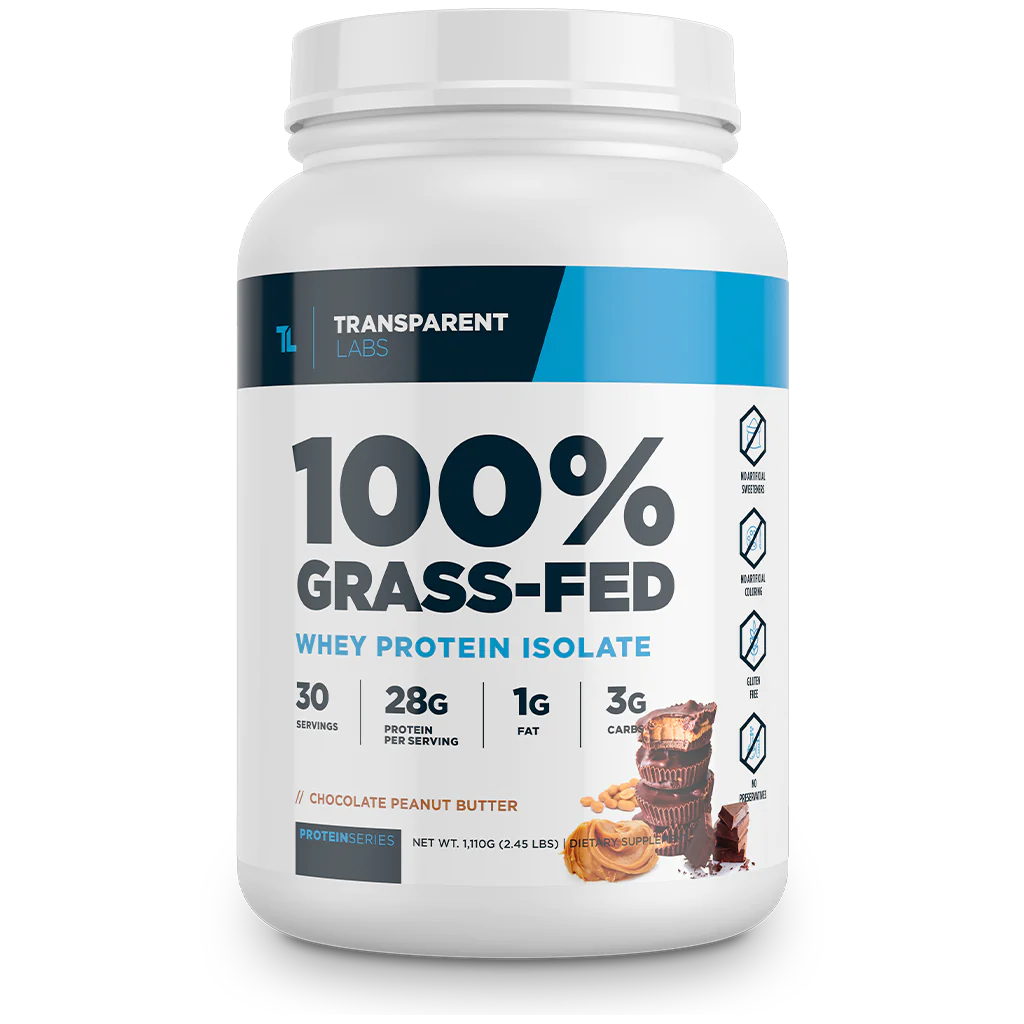
The Pillar of Protein: Your Ally in Fat Loss
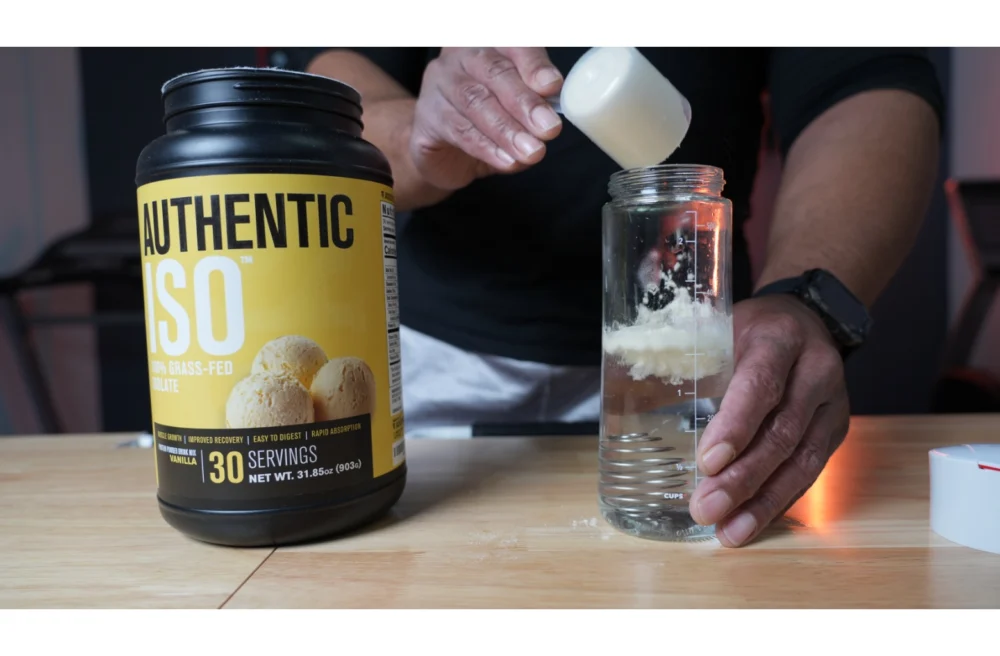
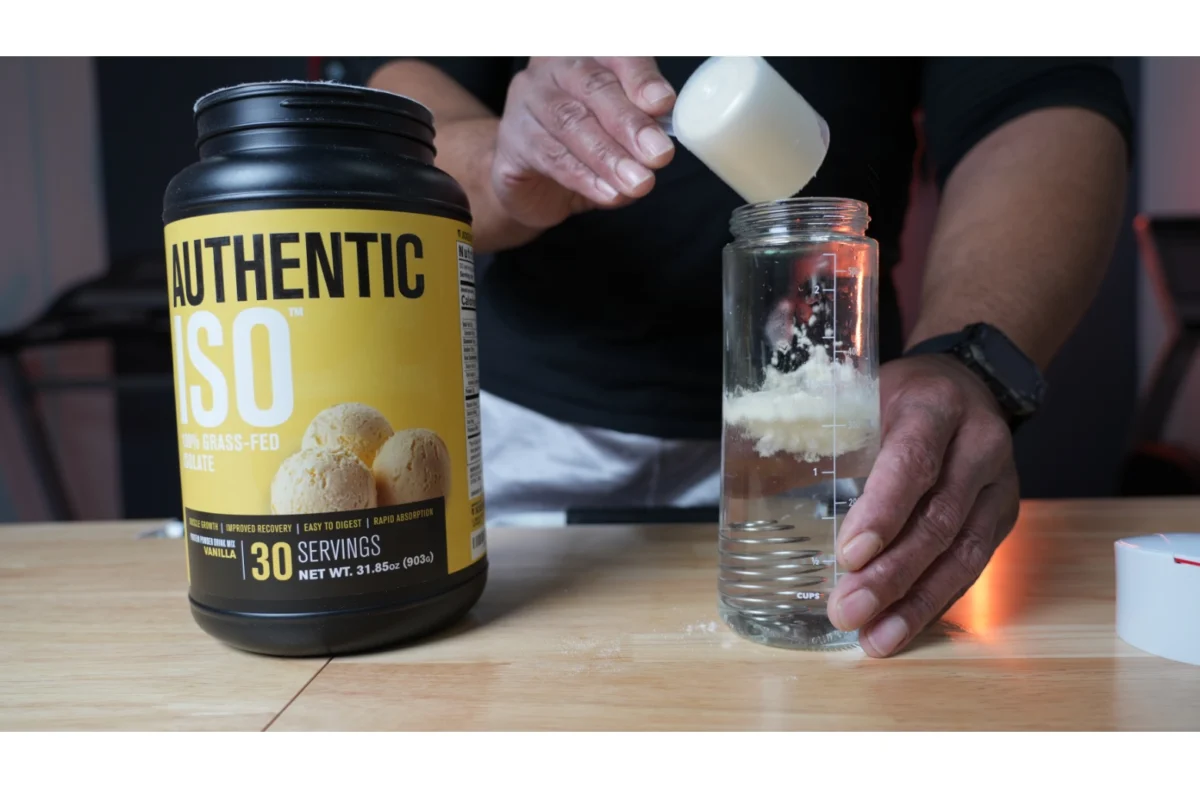
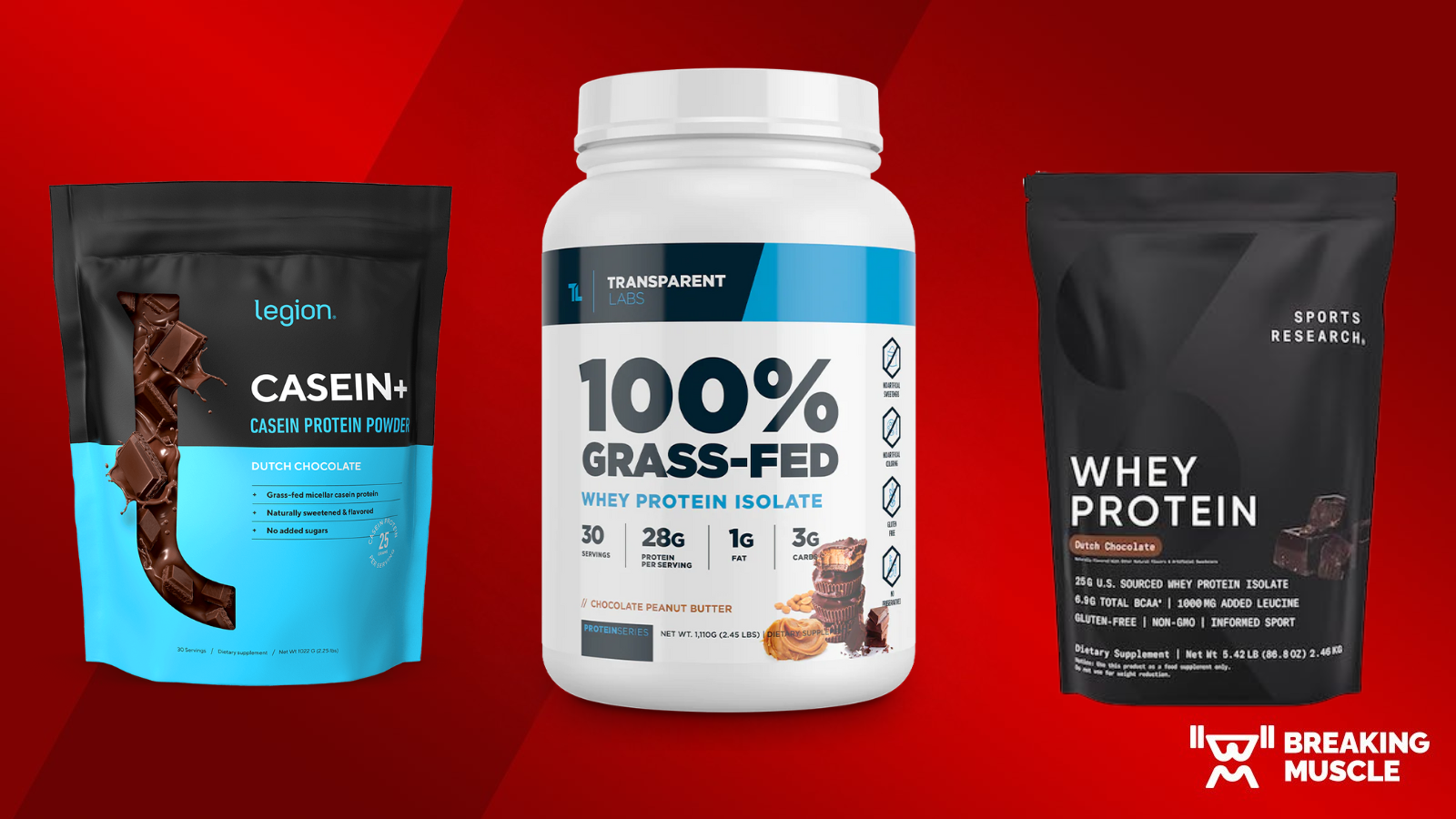
Among the macronutrients (protein, carbohydrates, and fats), protein stands out as a critical component for anyone pursuing fat loss. Its multifaceted role makes it an indispensable ally:
- Enhanced Satiety: Protein is the most satiating macronutrient, meaning it helps you feel fuller for longer periods. This reduces overall calorie intake by curbing hunger pangs and minimizing mindless snacking, a significant advantage when in a calorie deficit.
- Higher Thermic Effect of Food (TEF): Your body expends energy to digest, absorb, and metabolize the food you eat. This is known as the Thermic Effect of Food (TEF). Protein has a significantly higher TEF than carbohydrates or fats, meaning a larger percentage of its calories are burned off during digestion.
- Muscle Preservation and Growth: When you’re in a calorie deficit, your body might try to break down muscle tissue for energy, especially if protein intake is insufficient. Adequate protein intake provides the necessary amino acids to signal muscle repair and growth, preserving your lean mass even as you shed fat. This is particularly important when combined with resistance training.
- Improved Recovery: Protein is essential for repairing muscle tissue damaged during exercise. Better recovery means you can train more effectively and consistently, further supporting your fat loss goals.
Incorporating sufficient protein into every meal is a non-negotiable strategy for optimizing fat loss and maintaining a healthy body composition.
Strategic Nutrition for Optimal Fat Loss
Nutrition is the cornerstone of fat loss. You simply cannot out-train a poor diet. Focusing on nutrient-dense, whole foods, particularly adequate protein, will fuel your body efficiently and support your goals.
Calculating Your Daily Protein Needs
For individuals aiming for fat loss, current research suggests a higher protein intake than the standard dietary reference intake. Aim for 1.6 to 2.2 grams of protein per kilogram of body weight (or roughly 0.7 to 1 gram per pound of body weight).
Practical Examples:
- For a 150-pound individual (approx. 68 kg):
- Lower end: 150 lbs * 0.7 g/lb = 105 grams of protein per day.
- Higher end: 150 lbs * 1 g/lb = 150 grams of protein per day.
- For a 200-pound individual (approx. 90 kg):
- Lower end: 200 lbs * 0.7 g/lb = 140 grams of protein per day.
- Higher end: 200 lbs * 1 g/lb = 200 grams of protein per day.
Spread your protein intake throughout the day, aiming for 20-40 grams per meal or snack to maximize muscle protein synthesis and satiety.
Excellent Protein Sources:
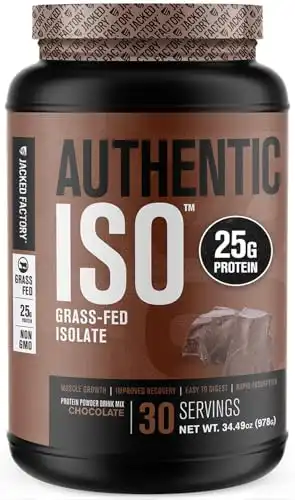
- Animal-Based: Chicken breast, turkey, lean beef (sirloin, round), fish (salmon, tuna, cod), eggs, Greek yogurt, cottage cheese.
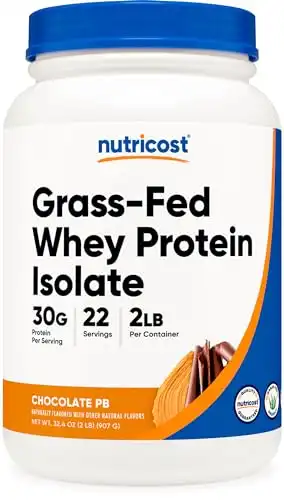
- Plant-Based: Lentils, beans, tofu, tempeh, edamame, quinoa, protein-rich plant-based milks, and if needed, plant-based protein powders.
Fueling Your Body: Macronutrients Beyond Protein
While protein takes center stage, carbohydrates and fats are equally vital for health, energy, and optimal body function.
- Carbohydrates: Your Energy Source
- Carbohydrates are the body’s primary fuel source, essential for high-intensity exercise and brain function. Restricting them too severely can lead to low energy, irritability, and poor workout performance.
- Focus on Complex Carbohydrates: Opt for whole grains (oats, brown rice, whole-wheat bread), fruits, vegetables, and legumes. These sources provide sustained energy, fiber (which aids digestion and satiety), and essential micronutrients.
- Timing: Consuming carbohydrates around your workouts can optimize energy levels and recovery.
- Fats: Essential for Health and Satiety
- Dietary fats are crucial for hormone production, nutrient absorption (fat-soluble vitamins A, D, E, K), and brain health. They also contribute to satiety.
- Choose Healthy Fats: Include sources like avocados, nuts, seeds, olive oil, and fatty fish (like salmon).
- Moderation is Key: Fats are calorie-dense (9 calories per gram compared to 4 for protein and carbs), so portion control is essential even with healthy sources.
The ideal macronutrient ratio varies per individual, but a common starting point for fat loss might be: 30-40% protein, 30-40% carbohydrates, and 20-30% fats. Experiment to find what makes you feel best and supports your energy levels.
Meal Planning for Success
Effective meal planning removes guesswork, reduces impulsive unhealthy choices, and ensures you consistently hit your nutritional targets.
- Track Your Intake (Initially): For a few weeks, use a food tracking app to get an accurate understanding of your current calorie and macronutrient intake. This awareness is invaluable.
- Plan Ahead: Dedicate time each week to plan your meals and snacks. This could involve writing out a menu or simply listing your go-to balanced meals.
- Prioritize Protein at Every Meal: Build your meals around a lean protein source.
- Incorporate Vegetables: Fill half your plate with non-starchy vegetables at lunch and dinner for fiber, vitamins, and low-calorie volume.
- Smart Snacking: If you need snacks, choose high-protein, high-fiber options like Greek yogurt with berries, cottage cheese, hard-boiled eggs, or a handful of nuts.
- Meal Prep: Prepare components of your meals in advance. Cook a batch of chicken, chop vegetables, or make overnight oats. This saves time and ensures healthy options are always available.
Real-Life Example: A Day of Eating for Fat Loss
- Breakfast: Scrambled eggs (3-4 large) with spinach and a slice of whole-wheat toast, or a high-protein smoothie (protein powder, spinach, berries, water/unsweetened almond milk).
- Lunch: Large salad with grilled chicken/fish/tempeh, mixed greens, various vegetables, and a light vinaigrette dressing.
- Snack: Greek yogurt with a small handful of almonds or an apple with a tablespoon of peanut butter.
- Dinner: Baked salmon/lean ground turkey stir-fry with a generous portion of broccoli, bell peppers, and a small serving of brown rice or quinoa.
Hydration and Micronutrients: The Unsung Heroes
Often overlooked, proper hydration and sufficient micronutrient intake play crucial roles in metabolic function, energy levels, and overall health, all of which impact fat loss.
- Water Intake: Drink plenty of water throughout the day. Water is essential for countless bodily processes, including metabolism, nutrient transport, and temperature regulation. It can also help manage hunger, as thirst is sometimes mistaken for hunger. Aim for 8-10 glasses (2-3 liters) daily, more if you’re active.
- Micronutrients (Vitamins & Minerals): These are vital for converting food into energy, maintaining immune function, and supporting various metabolic pathways. Focus on consuming a wide variety of whole foods – colorful fruits, vegetables, whole grains, and lean proteins – to ensure you’re getting a broad spectrum of micronutrients. Supplementation might be considered if there are known deficiencies, but a whole-food approach is always best.
Effective Training for Muscle Preservation and Fat Burning
While nutrition dictates fat loss, strategic exercise sculpts your physique, preserves muscle, and boosts your metabolism.
The Power of Resistance Training
Resistance training (lifting weights, using resistance bands, or bodyweight exercises) is non-negotiable for sustainable fat loss. It’s not just for bodybuilders; it’s for everyone who wants a strong, lean, and healthy body.
- Muscle Retention and Growth: As discussed, resistance training signals your body to retain and build muscle, which is critical when in a calorie deficit. More muscle means a higher resting metabolism, burning more calories even when you’re not exercising.
- Strength and Functionality: Beyond aesthetics, resistance training improves functional strength, making everyday tasks easier and reducing the risk of injury.
- Bone Density: It also contributes to stronger bones, a vital health benefit often overlooked.
Beginner Resistance Training Program Outline (2-3 times per week):
Focus on compound movements that work multiple muscle groups simultaneously. Aim for 3 sets of 8-12 repetitions for each exercise.
- Warm-up (5-10 minutes): Light cardio (jogging, cycling) and dynamic stretches (arm circles, leg swings).
- Workout:
- Squats (bodyweight or goblet squat with a dumbbell)
- Push-ups (on knees or toes) or Dumbbell Chest Press
- Rows (Dumbbell Rows or Resistance Band Rows)
- Lunges (bodyweight or with dumbbells)
- Overhead Press (Dumbbell Overhead Press)
- Plank (hold for 30-60 seconds)
- Cool-down (5-10 minutes): Static stretches, holding each for 20-30 seconds.
Intermediate Progression:
As you get stronger, you’ll need to implement progressive overload (see next section). You might also consider:
- Increasing Frequency: 3-4 times per week.
- Split Routines: Dividing your workouts by muscle group (e.g., upper body/lower body, push/pull/legs) for more targeted training.
- Advanced Exercises: Incorporating deadlifts, pull-ups (assisted if needed), heavier free weights, and more complex variations.
Integrating Cardio for Enhanced Results
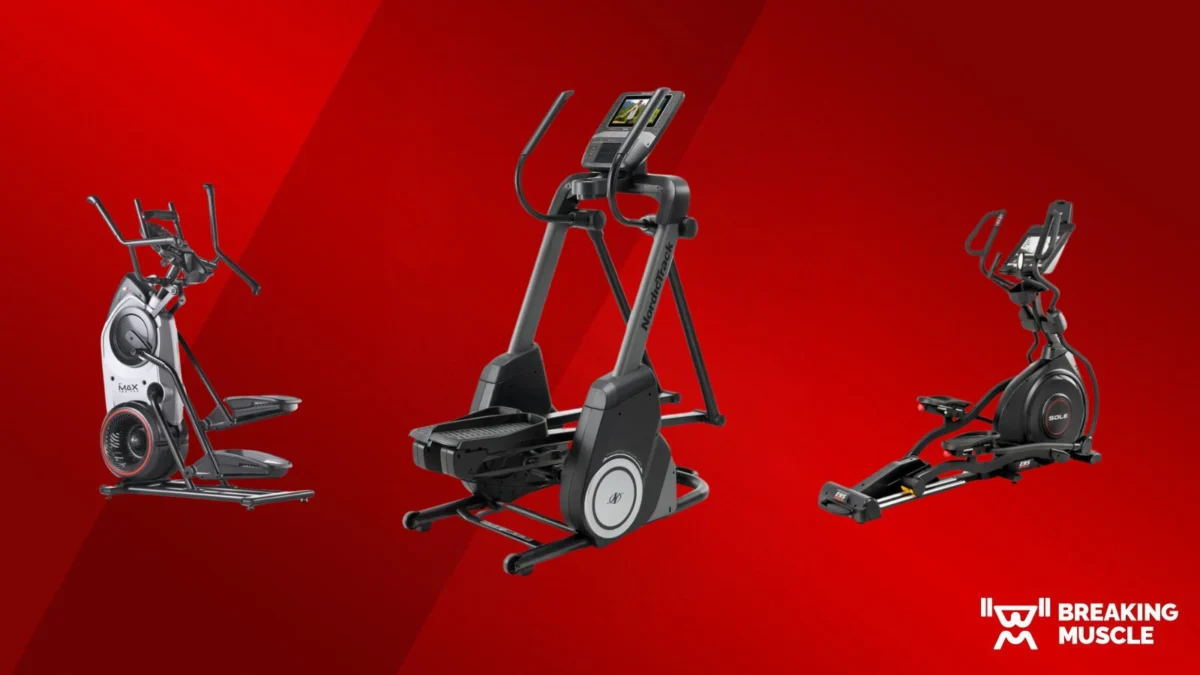
Cardiovascular exercise complements resistance training by improving heart health, increasing calorie expenditure, and enhancing recovery.
- Low-Intensity Steady State (LISS) Cardio: Examples include brisk walking, cycling, or swimming at a moderate pace for 30-60 minutes.
- Benefits: Excellent for recovery, minimal impact on strength gains, burns fat as a primary fuel source. Great for daily activity and stress reduction.
- High-Intensity Interval Training (HIIT): Short bursts of intense exercise followed by brief recovery periods.
- Benefits: Highly effective for calorie burning in a shorter amount of time, boosts post-exercise oxygen consumption (EPOC), leading to an "afterburn" effect.
- Caution: HIIT is demanding and should be integrated gradually, especially for beginners. 1-2 sessions per week are usually sufficient.
How to Combine:
- LISS: Can be done on rest days from resistance training, or after lifting. Aim for 3-5 sessions per week.
- HIIT: 1-2 sessions per week, ideally on separate days from heavy resistance training or after a lighter lifting session.
Progressive Overload: The Key to Continuous Progress
Your body adapts quickly to exercise. To continue making progress in strength and muscle growth (and thus, metabolism), you must consistently challenge it more than it’s accustomed to. This is progressive overload.
How to Implement Progressive Overload:
- Increase Weight: Lift heavier weights when you can comfortably complete your target reps with good form.
- Increase Reps: If you can’t increase weight, try to do more repetitions within your target range (e.g., from 8 to 10 reps).
- Increase Sets: Add an extra set to your exercises.
- Decrease Rest Time: Shorten the rest periods between sets to increase intensity.
- Improve Form: Focus on perfect form, which allows for better muscle activation and reduces injury risk.
- Increase Time Under Tension: Slow down the eccentric (lowering) phase of an exercise.
- More Challenging Exercises: Progress from bodyweight squats to goblet squats, or from knee push-ups to full push-ups.
Without progressive overload, your body will plateau, and your fat loss journey will stall. Regularly track your workouts to ensure you’re challenging yourself effectively.
Lifestyle Factors for Holistic Fat Loss
Fat loss isn’t just about what you eat and how you move; it’s deeply intertwined with your overall lifestyle. Neglecting these areas can sabotage even the most diligent efforts.
The Critical Role of Sleep
Sleep is often the most undervalued component of health and fitness. Its impact on fat loss is profound:
- Hormonal Regulation: Insufficient sleep disrupts hormones that regulate appetite and fat storage.
- Ghrelin (hunger hormone): Increases with poor sleep, making you feel hungrier.
- Leptin (satiety hormone): Decreases with poor sleep, reducing feelings of fullness.
- Cortisol (stress hormone): Elevates with sleep deprivation, promoting fat storage, particularly around the midsection.
- Energy Levels and Cravings: Lack of sleep leads to fatigue, making you less likely to exercise and more prone to cravings for high-calorie, sugary foods for a quick energy boost.
- Muscle Recovery: Adequate sleep is crucial for muscle repair and growth, optimizing your training efforts.
Tips for Better Sleep Hygiene:
- Aim for 7-9 hours per night.
- Establish a consistent sleep schedule: Go to bed and wake up at roughly the same time every day, even on weekends.
- Create a relaxing bedtime routine: Read, meditate, take a warm bath.
- Optimize your sleep environment: Dark, quiet, and cool.
- Limit screen time before bed: Blue light can disrupt melatonin production.
- Avoid caffeine and heavy meals close to bedtime.
Managing Stress for Sustainable Progress
Chronic stress is another silent sabotager of fat loss. Like sleep deprivation, stress significantly impacts your hormonal balance.
- Cortisol Release: Prolonged stress keeps cortisol levels elevated. High cortisol not only encourages fat storage (especially visceral fat around organs) but can also increase appetite and cravings for comfort foods.
- Reduced Self-Control: When stressed, willpower often diminishes, making it harder to stick to your nutrition and exercise plan.
- Inflammation: Chronic stress can lead to systemic inflammation, which is linked to various health issues and can hinder fat loss.
Effective Stress-Coping Mechanisms:
- Mindfulness and Meditation: Even 5-10 minutes daily can make a difference.
- Regular Exercise: A powerful stress reliever.
- Hobbies and Relaxation: Engage in activities you enjoy to unwind.
- Social Connection: Spend time with supportive friends and family.
- Deep Breathing Exercises: Simple techniques to calm your nervous system.
- Time Management: Prioritize tasks and learn to say no to avoid feeling overwhelmed.
Consistency Over Perfection: Building Lasting Habits
The journey to fat loss is rarely linear. There will be good days and challenging days, progress and plateaus. The key to sustainable success lies in consistency, not perfection.
- Small, Consistent Steps: Focus on making small, manageable changes that you can stick with long-term. Overhauling everything at once is often unsustainable.
- Embrace Imperfection: Don’t let one "off" meal or missed workout derail your entire week. Acknowledge it, learn from it, and get back on track with your next meal or session. All-or-nothing thinking is a common pitfall.
- Build Habits: True change comes from transforming behaviors into habits. Make your healthy choices automatic.
- Track Progress Beyond the Scale:
- Body Measurements: Use a tape measure for waist, hips, arms, and thighs.
- Progress Photos: Take photos every 4-6 weeks to visually track changes.
- Strength Gains: Celebrate improvements in your lifts or workout performance.
- How Clothes Fit: A great indicator of body composition changes.
- Energy Levels and Mood: Notice improvements in your overall well-being.
Overcoming Common Fat Loss Hurdles
Even with the best plan, you’ll encounter challenges. Knowing how to navigate them is crucial for long-term success.
Navigating Plateaus
A fat loss plateau occurs when your progress stalls for two or more weeks, despite consistent effort. This is a normal adaptation as your body gets smaller and your metabolism adjusts.
Strategies to Break a Plateau:
- Re-evaluate Calorie Intake: As you lose weight, your body requires fewer calories. Recalculate your maintenance calories and adjust your deficit accordingly. You might need to slightly reduce calories or increase activity.
- Increase Activity: Add more steps to your day, extend your cardio sessions, or increase the intensity of your workouts.
- Implement a Refeed Day: A planned, temporary increase in carbohydrate intake (often within maintenance calories or slightly above) can help replenish glycogen stores, boost leptin levels, and give you a mental break, often leading to renewed fat loss.
- Deload Week: Sometimes, your body just needs a break. A week of lighter training or active recovery can help reduce fatigue and allow for better performance afterward.
- Prioritize Sleep and Stress Management: Revisit these lifestyle factors, as they often play a hidden role in plateaus.
Hunger Management and Cravings
Being in a calorie deficit often means dealing with some level of hunger or cravings. Learning to manage them is key.
- Prioritize Protein and Fiber: These nutrients are the most satiating. Load up on lean protein and high-fiber vegetables at every meal.
- Hydrate Consistently: Thirst can be mistaken for hunger. Drink water before considering a snack.
- Mindful Eating: Eat slowly, chew thoroughly, and pay attention to your body’s hunger and fullness cues. This helps you recognize true hunger versus emotional eating.
- Plan for Treats: Instead of strict deprivation, allocate a small portion of your daily calories for a planned treat. This can prevent extreme cravings and binge eating.
- Distraction: If a craving hits, try distracting yourself with an activity, a walk, or a glass of water. Often, cravings pass after 15-20 minutes.
Building a Supportive Environment
Your environment plays a huge role in your success. Surround yourself with people and resources that support your goals.
- Accountability Partners: Share your goals with a trusted friend, family member, or join a fitness community. Having someone to check in with can significantly boost motivation.
- Professional Guidance: Consider working with a certified personal trainer or a registered dietitian. Their expertise can provide personalized plans, correct form, and offer invaluable support and accountability.
- Home Environment: Stock your pantry with healthy options and minimize unhealthy temptations. Make healthy choices the easiest choices.
- Social Support: Seek out individuals who uplift you and share similar health aspirations. Avoid those who might inadvertently sabotage your efforts.
Conclusion
The journey to sustainable fat loss is a profound one, extending far beyond mere aesthetics. It’s a commitment to a healthier, stronger, and more resilient you. This blueprint has laid out the fundamental pillars: understanding the energy balance equation, prioritizing protein, embracing effective resistance training, and optimizing crucial lifestyle factors like sleep and stress management.
Remember, true transformation isn’t about chasing quick fixes or extreme measures. It’s about cultivating patience, consistency, and self-compassion. There will be days of triumph and days of challenge, but each step, no matter how small, contributes to the grand tapestry of your progress. Every mindful meal, every challenging rep, every hour of restorative sleep builds upon the last, cementing habits that will serve you for a lifetime.
You now possess the knowledge and actionable strategies to embark on this empowering journey. Stop waiting for the perfect moment; the perfect moment is now. Take that first step, stay consistent, learn from your experiences, and celebrate every victory along the way. Your body is capable of incredible things, and with this blueprint in hand, you are well-equipped to unlock its full potential. The power to create lasting change resides within you. Start building your legacy of health and strength today.