In a world often fixated on high-intensity, maximal effort, and pushing physical limits, it’s easy to overlook the profound power of gentle, yet deeply effective, movement. Many aspiring fitness enthusiasts, from curious beginners to seasoned intermediates seeking longevity, grapple with the challenge of building a robust fitness routine without compromising their joints or risking burnout. The truth is, the path to lasting health and a powerful physique doesn’t always demand pounding pavement or lifting gargantuan weights. It often begins with a smarter, kinder approach: embracing low-impact cardio.
This article delves into the transformative potential of low-impact training, specifically highlighting how tools like elliptical trainers can become cornerstones of a sustainable, full-body fitness journey. We’ll explore not just what low-impact means, but why it’s critical for long-term vitality, how to master its techniques, and how to integrate it into a comprehensive wellness strategy that elevates both your physical prowess and your overall quality of life. Prepare to discover how less impact can lead to greater, more enduring gains.
The Foundation of Sustainable Fitness: Understanding Low-Impact Cardio
Before we dive into the specifics of maximizing your low-impact workouts, it’s crucial to understand the fundamental principles that make this approach so powerful and widely beneficial.
What is Low-Impact Cardio?
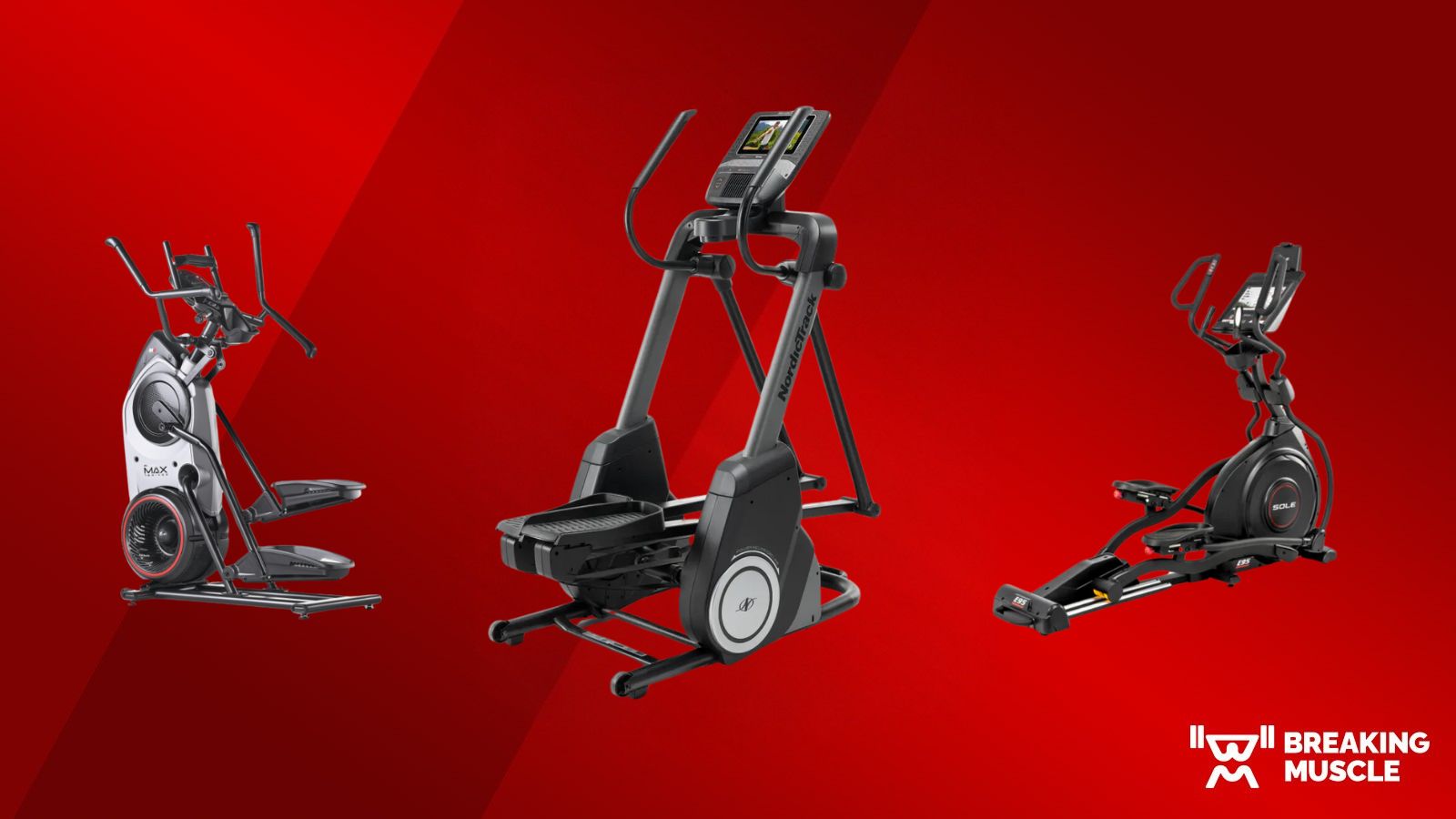
Low-impact cardio refers to any cardiovascular exercise that minimizes the jarring force or stress on your joints. Unlike high-impact activities such as running, jumping, or plyometrics, where both feet momentarily leave the ground, low-impact movements ensure that at least one foot (or both, in some cases) maintains contact with a surface. This continuous contact significantly reduces the shock absorbed by your knees, hips, ankles, and spine.
Think of it this way: when you run, each footstrike sends a force equivalent to 2-3 times your body weight through your joints. In contrast, low-impact activities distribute this force more evenly or reduce its magnitude entirely, offering a gentler yet equally effective cardiovascular stimulus.
Why Choose Low-Impact? A Spectrum of Benefits
The advantages of incorporating low-impact cardio into your routine extend far beyond just joint preservation. It’s a versatile and inclusive approach suitable for a vast demographic.
- Joint Preservation and Pain Management: This is the most celebrated benefit. For individuals with existing joint pain, arthritis, or those recovering from injuries, low-impact options provide a safe avenue to maintain cardiovascular health without exacerbating discomfort. For those without issues, it’s a proactive strategy for long-term joint health.
- Enhanced Recovery: Integrating low-impact sessions into your routine can act as an excellent active recovery tool. After intense strength training or high-impact days, a moderate low-impact workout can increase blood flow, aid in muscle repair, and reduce soreness without adding further stress.
- Accessibility for All Fitness Levels: Whether you’re a complete beginner re-engaging with fitness, someone with physical limitations, or an elite athlete looking to cross-train, low-impact cardio is adaptable. It allows for scalable intensity, making it an inclusive choice for everyone.
- Reduced Risk of Overuse Injuries: High-impact activities, especially when performed frequently or with improper form, carry a higher risk of stress fractures, shin splints, and other overuse injuries. Low-impact alternatives mitigate this risk, promoting more consistent and uninterrupted training.
- Improved Endurance and Stamina: Don’t mistake "low-impact" for "low-intensity." You can achieve significant cardiovascular benefits, improve your heart health, and build impressive endurance through sustained low-impact efforts, often for longer durations than high-impact activities might allow.
- Mental Well-being: The rhythmic, steady nature of many low-impact exercises can be incredibly meditative and stress-reducing. It provides an opportunity to clear your mind, focus on your breath, and connect with your body in a calm, controlled manner.
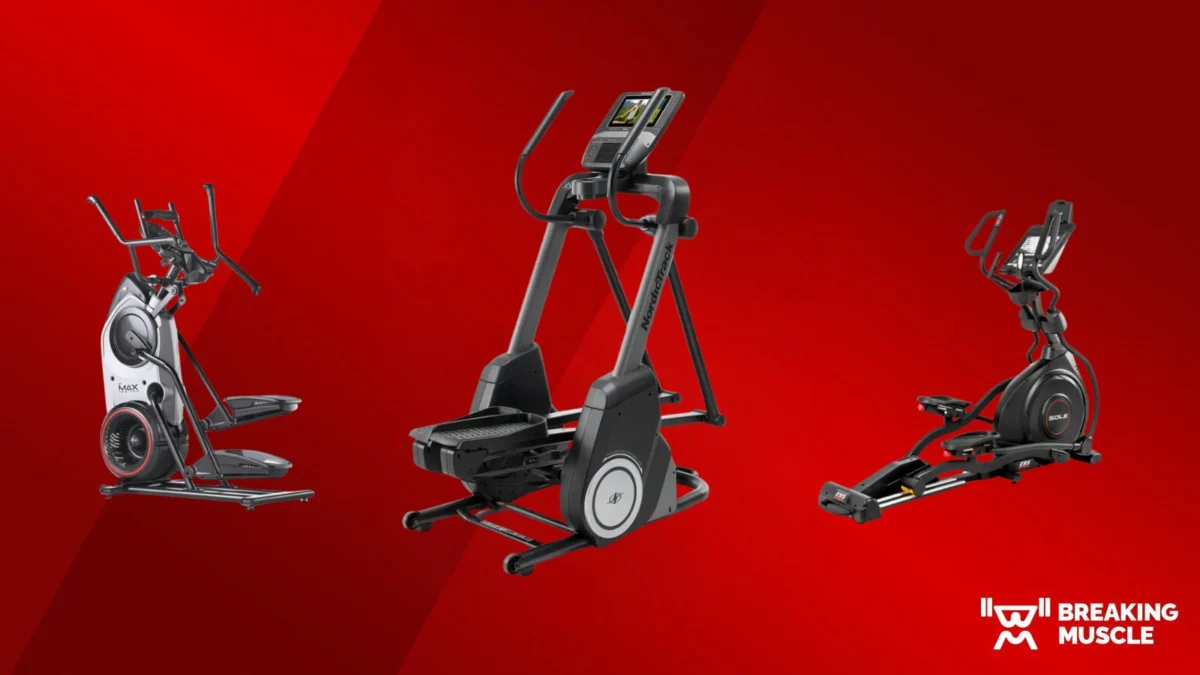
The Elliptical Advantage: A Full-Body, Joint-Friendly Powerhouse
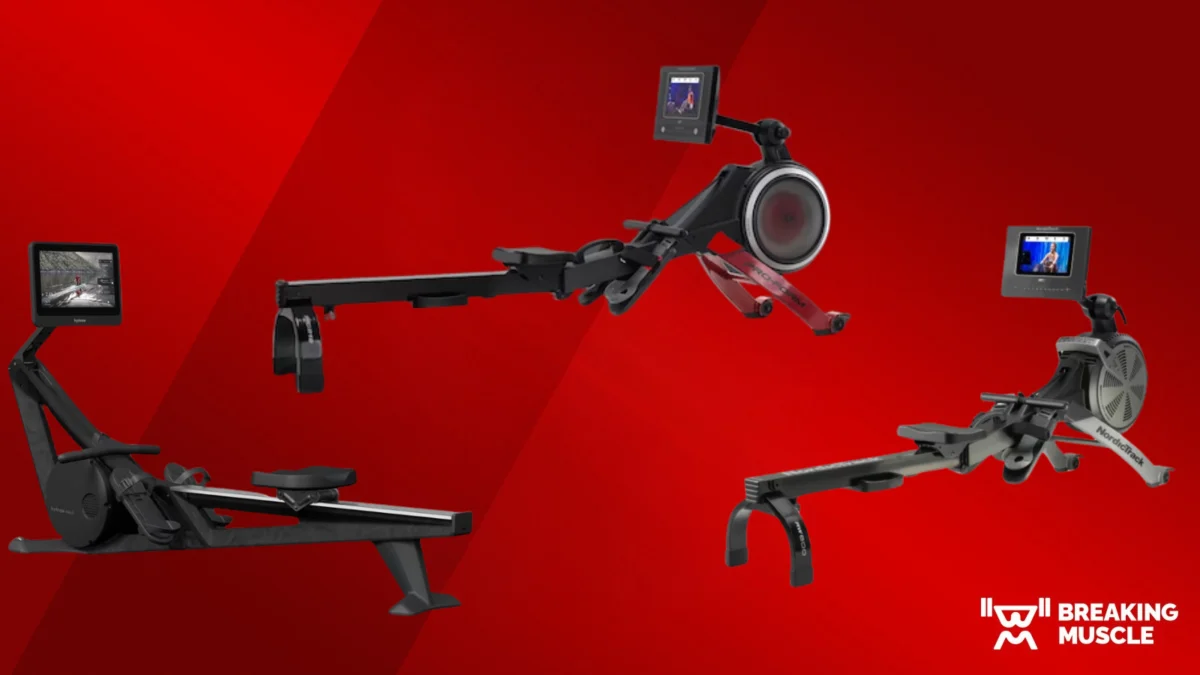
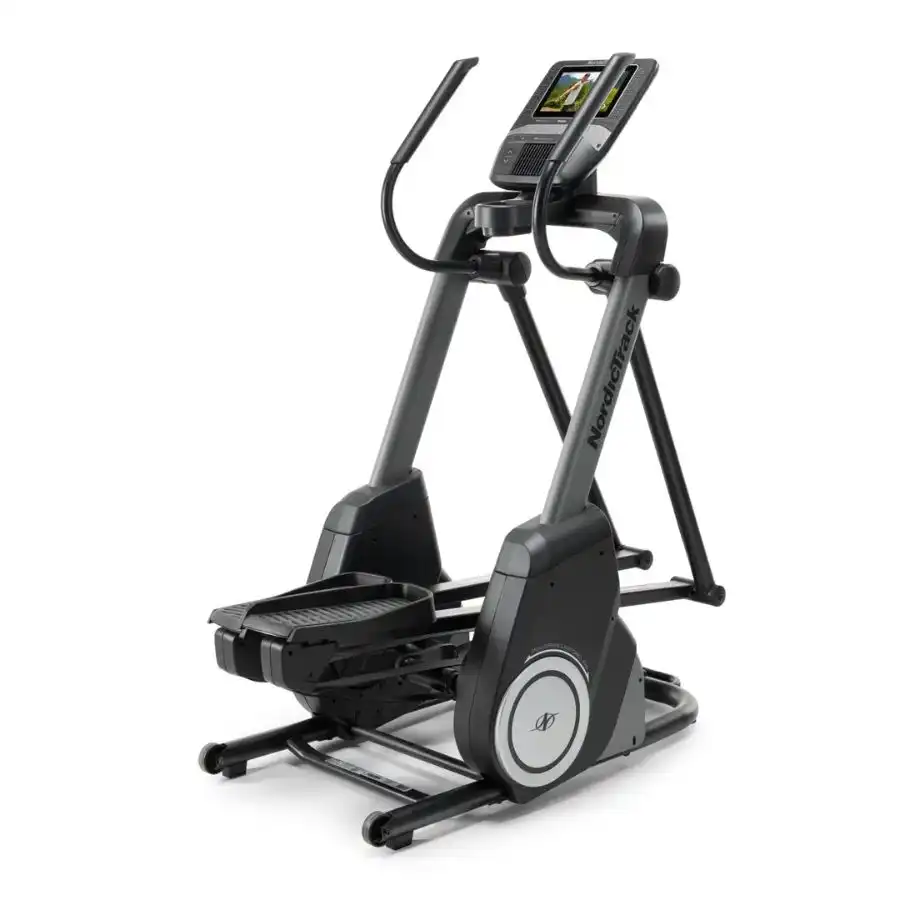
Among the various low-impact cardio options (swimming, cycling, rowing, brisk walking), the elliptical trainer stands out as a unique and highly effective machine. It offers a distinct blend of benefits that make it an exceptional choice for comprehensive fitness.
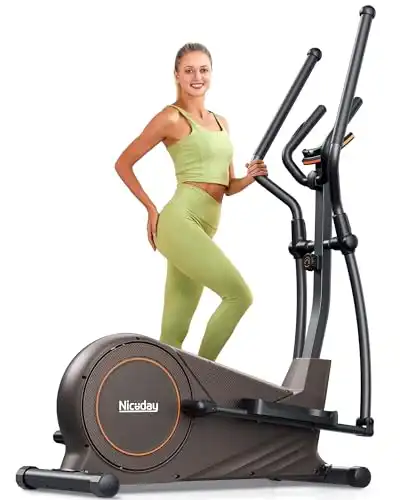
- Simultaneous Upper and Lower Body Engagement: Unlike cycling or walking, the elliptical’s moving handlebars allow you to actively push and pull, engaging your chest, back, shoulders, and arms alongside your glutes, hamstrings, quadriceps, and calves. This creates a true full-body workout that maximizes calorie expenditure and muscular activation.
- Weight-Bearing Exercise (Without the Impact): While your feet never leave the pedals, the elliptical still provides a weight-bearing stimulus, which is crucial for maintaining bone density – a benefit often missed in non-weight-bearing activities like swimming.
- Mimics Natural Running Motion: The elliptical’s elliptical path closely mimics the natural stride of running or walking, making it feel intuitive for most users while eliminating the impact shock.
- Reverse Motion Capability: Many ellipticals allow you to pedal backward, which engages different muscle groups, particularly the hamstrings and glutes, offering variety and a more balanced workout.
- Control Over Resistance and Incline: Modern elliptical machines offer dynamic control over resistance levels and, often, incline. This allows for precise customization of workout intensity, enabling progression as your fitness improves.
Maximizing Your Elliptical Workout: Techniques for Optimal Results
While the elliptical is inherently joint-friendly, getting the most out of your workout requires more than just stepping on and pedaling. Proper technique, intentional muscle engagement, and strategic variation are key to unlocking its full potential.
Mastering Your Stride and Posture: Form is Key
Poor form can diminish the effectiveness of any exercise and even lead to discomfort. On an elliptical, paying attention to your body alignment is paramount.
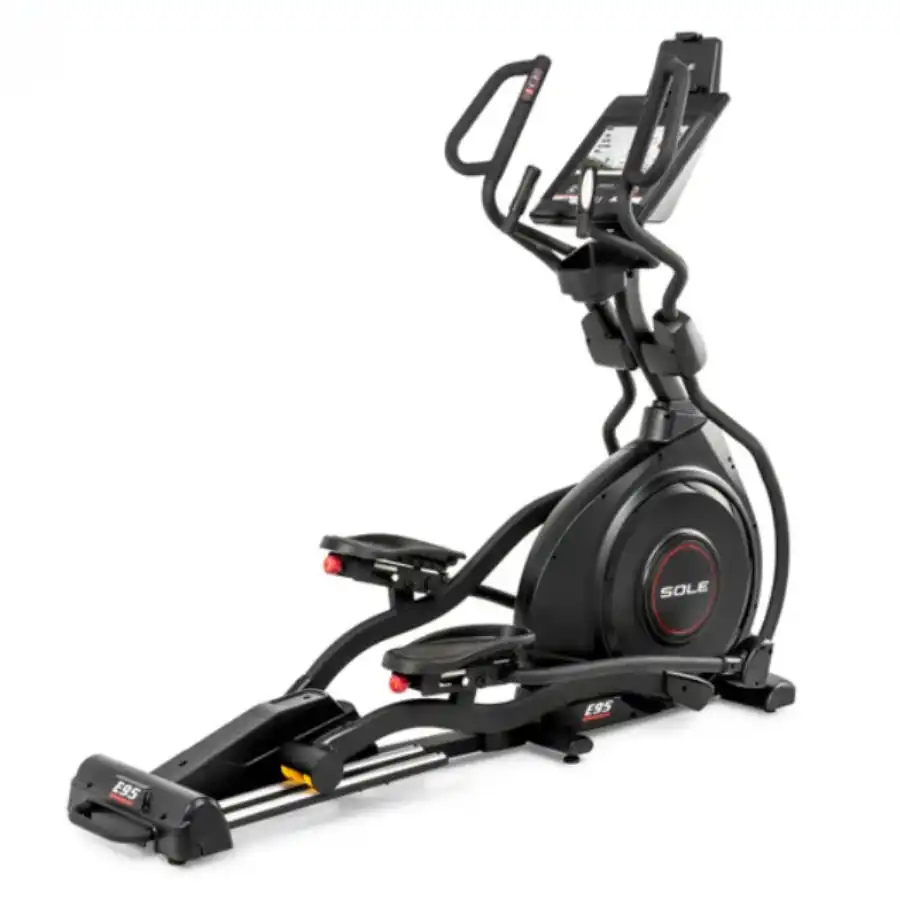
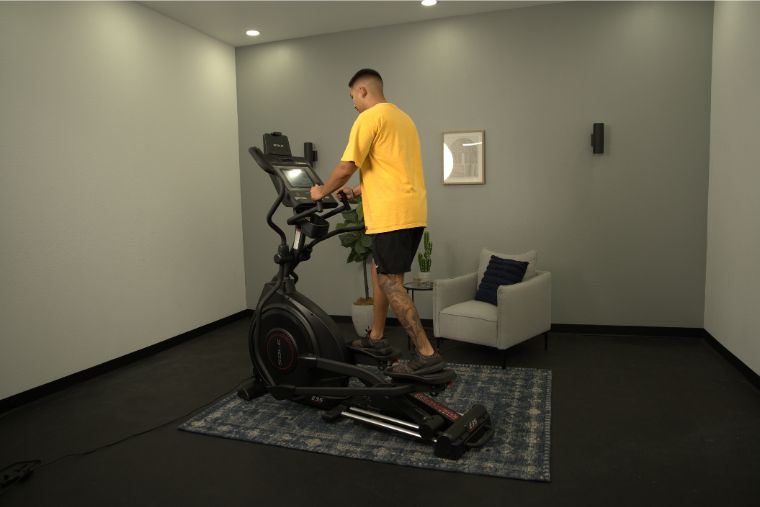
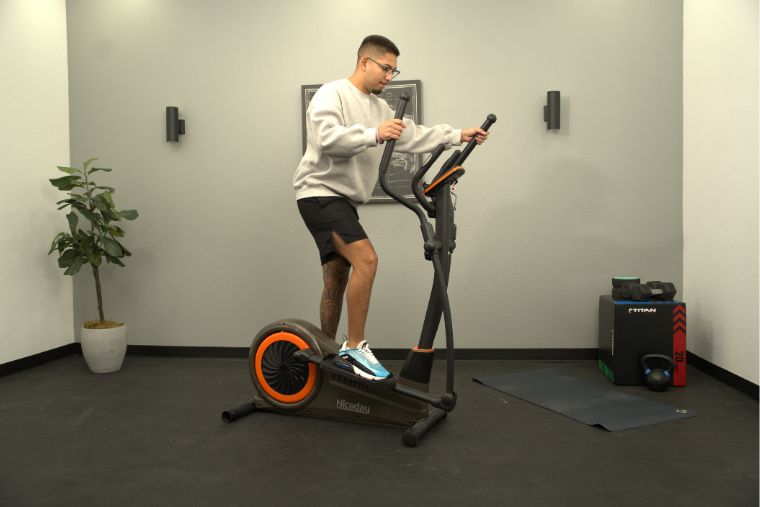
- Stand Tall and Centered: Avoid leaning heavily on the handlebars. Your weight should be evenly distributed through your feet, and your core should be engaged to support your spine. Imagine a string pulling you up from the crown of your head.
- Relaxed Shoulders, Engaged Core: Keep your shoulders down and back, away from your ears. Your abdominal muscles should be gently braced throughout the movement, acting as a stabilizer.
- Natural Arm and Leg Synchronization: Allow your arms and legs to move in a coordinated, rhythmic fashion. The motion should feel fluid and natural, like a brisk walk or gentle run. Avoid jerking movements.
- Foot Placement: Keep your entire foot on the pedal throughout the stride. Pushing through your heels will engage your glutes and hamstrings more effectively, while pushing through the balls of your feet might overemphasize your calves. Experiment to find what feels most comfortable and effective for you.
Engaging the Whole Body: Upper Body and Core Activation
The elliptical is a full-body machine, but you have to intentionally make it one. Many beginners unconsciously let their legs do all the work, neglecting the upper body components.
- Push and Pull with Purpose: Don’t just hold the handlebars; actively push them forward with one arm as you pull them back with the other. This engages your chest and triceps on the push, and your back and biceps on the pull. Think of it as rowing and pressing simultaneously.
- Maintain Core Stability: As your arms and legs move, your core acts as the central link, transferring power between your upper and lower body. Keep your abs gently contracted to prevent swaying or excessive rocking, which wastes energy and reduces efficiency. A strong core on the elliptical translates to better balance and stability in daily life.
- Vary Your Grip: Some ellipticals offer stationary handlebars in addition to moving ones. Occasionally switching to the stationary handles forces your core to work harder for balance and allows you to focus solely on lower body intensity.
Dynamic Resistance and Incline: Your Tools for Progression
The true versatility of an elliptical lies in its adjustable features. These are not just "settings"; they are powerful tools for customizing your workout and ensuring continuous progress.
- Resistance: This directly controls how hard your muscles have to work to move the pedals.
- Beginner: Start with a low resistance that allows for smooth, continuous movement without strain. Focus on form and maintaining a steady pace.
- Progression: Gradually increase resistance as you get stronger. Aim for a level where you feel challenged but can still complete your desired workout duration with good form. Higher resistance builds muscular endurance in your legs and glutes.
- Incline (Ramp Angle): If your machine has an incline feature, it changes the slope of the elliptical path, mimicking walking or running uphill.
- Targeted Muscle Activation: Increasing the incline places more emphasis on your glutes and hamstrings, similar to climbing stairs. Decreasing it might focus more on your quadriceps.
- Added Intensity: A higher incline significantly increases the cardiovascular demand and makes the workout feel tougher without necessarily increasing your speed.
- Variety: Altering the incline throughout your workout can prevent plateaus and keep your muscles guessing, leading to better adaptation.
Avoiding Common Pitfalls
Even with the best intentions, it’s easy to fall into habits that reduce the effectiveness or comfort of your elliptical workout.
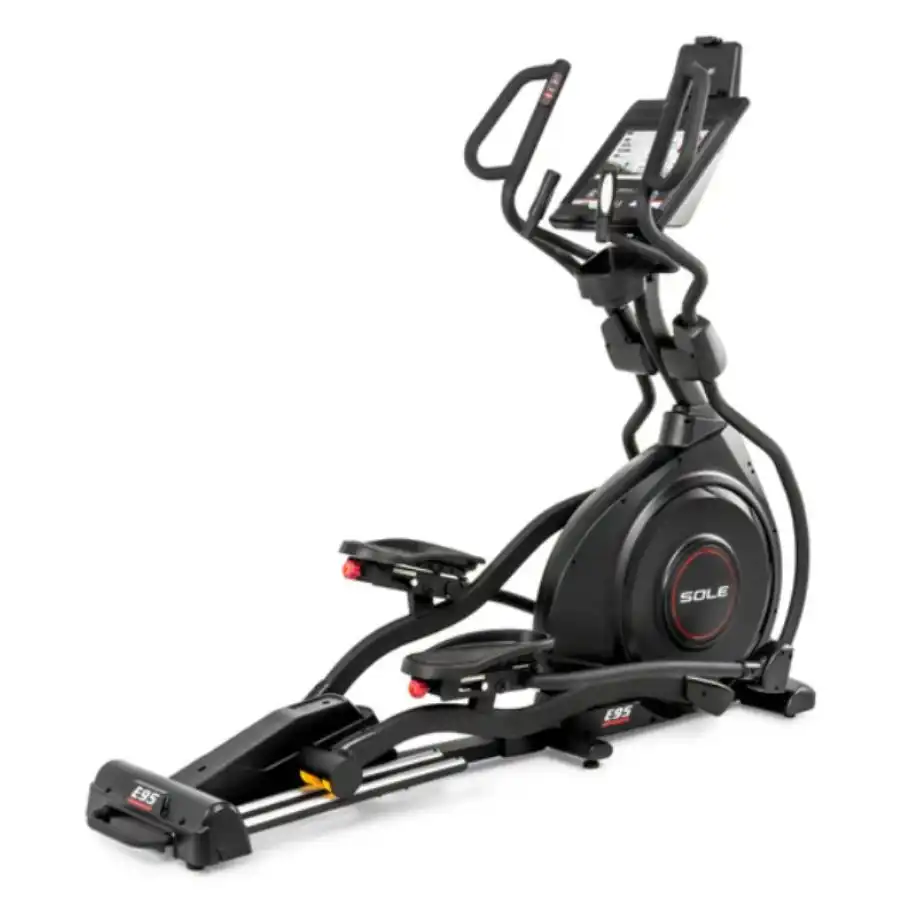
- Slumping or Leaning Heavily: This puts undue stress on your lower back and wrists and disengages your core. Remember to stand tall and maintain a slight forward lean from your ankles, not your waist.
- Relying on Momentum: Don’t just let the machine carry you. Actively push and pull the handles and pedals with controlled effort throughout the entire stride.
- Ignoring Resistance: Sticking to the lowest resistance might feel easy, but it won’t challenge your cardiovascular system or muscles enough for significant gains.
- Looking Down: Keep your gaze forward, not at your feet or the console. This helps maintain proper neck and spinal alignment.
- Skipping the Warm-up and Cool-down: Just like any exercise, preparing your body and gradually bringing it back to rest is crucial for injury prevention and flexibility.
Crafting Your Low-Impact Cardio Regimen: Sample Workouts & Strategies
Now that you understand the mechanics, let’s look at how to structure effective elliptical workouts for different fitness levels. Remember, these are templates; always adjust to your body’s current capabilities.
The Beginner’s Blueprint (3-4 times per week)
The goal here is to build a foundational level of cardiovascular fitness and get comfortable with the machine.
- Warm-up (5 minutes):
- Start with very light resistance and a slow pace.
- Gentle arm swings and leg circles off the machine, then light pedaling.
- Main Workout (15-20 minutes):
- Maintain a steady, moderate pace. You should be able to hold a conversation, but feel your heart rate elevated. Use a Rate of Perceived Exertion (RPE) of 4-5 out of 10.
- Keep resistance low to moderate, focusing on smooth, controlled movements.
- If your machine has incline, keep it flat or at a very low setting.
- Cool-down (5 minutes):
- Gradually decrease speed and resistance to a very easy pace.
- Follow with gentle stretches for your hamstrings, quadriceps, calves, chest, and back.
Actionable Advice: Consistency is key for beginners. Aim for 3 sessions per week. Don’t worry about speed or high resistance initially; focus on building stamina and perfecting your form.
Intermediate Intensity: Elevating Your Challenge (3-5 times per week)
Once you can comfortably complete 20-30 minutes of steady-state cardio, it’s time to introduce more variability and challenge.
- Option 1: Progressive Steady-State (30-45 minutes):
- Warm-up (5 minutes): Light pace, low resistance.
- Build-up (5-10 minutes): Gradually increase resistance and/or incline to a challenging but sustainable level (RPE 6-7).
- Maintained Effort (20-30 minutes): Hold this challenging pace and resistance. You should be breathing hard and finding conversation difficult.
- Cool-down (5 minutes): Gradual decrease, followed by stretching.
- Option 2: Interval Training (HIIT Principles) (25-35 minutes):
- Warm-up (5 minutes): Light pace, low resistance.
- Work/Rest Intervals:
- Work (60-90 seconds): Increase resistance and/or incline to a very challenging level (RPE 8-9). Push hard, maintaining good form.
- Rest (60 seconds): Reduce resistance and/or incline to an easy recovery pace (RPE 3-4).
- Repeat 8-12 times.
- Cool-down (5 minutes): Gradual decrease, followed by stretching.
Real-life Example: Sarah, an intermediate exerciser, might do a 35-minute interval workout. After a 5-minute warm-up, she might push hard for 90 seconds (high resistance, moderate incline), then recover for 60 seconds (low resistance, flat incline). She repeats this cycle 10 times, finishing with a 5-minute cool-down and stretch.
Recovery and Cross-Training: The Importance of Balance
Low-impact cardio is fantastic, but a truly holistic fitness plan incorporates variety.
- Active Recovery Days: On days between more intense workouts, a 20-30 minute light elliptical session can help with blood flow and muscle recovery.
- Strength Training: Pair your elliptical workouts with 2-3 days of full-body strength training to build muscle, improve metabolism, and enhance overall functional fitness.
- Flexibility and Mobility: Don’t neglect stretching, yoga, or foam rolling to maintain range of motion and prevent stiffness.
Listen to Your Body: The Ultimate Guide
No workout plan is one-size-fits-all. Pay attention to how your body feels.
- Pain vs. Discomfort: Muscle fatigue and burning are normal. Sharp, sudden, or persistent joint pain is not. Stop and assess if you experience pain.
- Fatigue Levels: If you’re consistently exhausted, it might be a sign you need more rest or to reduce intensity.
- Progression is Gradual: Don’t rush to higher resistance or longer durations. Celebrate small, consistent improvements.
Beyond the Machine: Integrating Low-Impact Principles into Daily Life
The mindset of low-impact, sustainable movement extends beyond your dedicated workout time. It’s about cultivating a lifestyle that prioritizes consistent, joint-friendly activity.
Active Recovery Days: More Than Just Rest
On days when you’re not on your elliptical or lifting weights, resist the urge to be completely sedentary. Active recovery can significantly boost your overall progress. This could involve:
- A leisurely walk in nature.
- Gentle yoga or stretching.
- Light cycling outdoors.
- Gardening or other active hobbies.
These activities keep blood flowing, aid in muscle repair, and contribute to your daily calorie expenditure without taxing your body excessively.
Mindful Movement for Everyday Wellness
Integrate more movement into your daily routine wherever possible:
- Take the Stairs: Opt for stairs instead of elevators or escalators.
- Park Further Away: A few extra minutes of walking can add up.
- Walk During Breaks: Instead of sitting during a coffee break, take a short stroll.
- Stand More: If you have a desk job, consider a standing desk or take frequent standing breaks.
These small, consistent movements are inherently low-impact and contribute significantly to your overall health, combating the detrimental effects of prolonged sitting.
Nutrition as Your Performance Partner
No amount of exercise, low-impact or otherwise, can outrun a poor diet. Fueling your body correctly is paramount for energy, recovery, and overall well-being.
- Balanced Macronutrients: Ensure a healthy intake of complex carbohydrates for energy, lean proteins for muscle repair, and healthy fats for hormonal balance and satiety.
- Hydration: Water is vital for every bodily function, including joint lubrication and nutrient transport. Aim for consistent hydration throughout the day.
- Nutrient-Dense Foods: Prioritize whole, unprocessed foods like fruits, vegetables, lean meats, and whole grains. These provide the vitamins, minerals, and antioxidants your body needs to thrive and recover.
- Listen to Your Hunger Cues: Eat when you’re hungry, stop when you’re satisfied, and avoid restrictive dieting that can deplete your energy and hinder progress.
Overcoming Obstacles: Staying Motivated on Your Low-Impact Journey
Even with the best intentions and a solid plan, staying motivated can be challenging. Here’s how to navigate common hurdles and maintain your commitment.
Setting Realistic Goals
Unrealistic expectations are a primary cause of burnout.
- Focus on Process, Not Just Outcome: Instead of "lose 20 pounds," aim for "exercise consistently 3 times a week" or "complete 30 minutes of elliptical without stopping." The outcomes will follow the consistent process.
- Break Down Big Goals: If your ultimate goal is significant, break it into smaller, achievable milestones. Celebrating these small victories keeps you engaged.
- Make it SMART: Ensure your goals are Specific, Measurable, Achievable, Relevant, and Time-bound.
Tracking Progress and Celebrating Milestones
Seeing how far you’ve come is a powerful motivator.
- Journal Your Workouts: Note down duration, resistance, incline, and how you felt. Over weeks and months, you’ll see tangible improvements.
- Non-Scale Victories: Pay attention to how your clothes fit, your energy levels, improved sleep, reduced stress, or simply feeling stronger. These "non-scale victories" are often more meaningful than a number on a scale.
- Reward Yourself (Non-Food): When you hit a milestone, treat yourself to something that supports your wellness journey – new workout gear, a massage, a healthy cooking class, or a relaxing evening.
The Power of Consistency
Consistency trumps intensity, especially for long-term health.
- Schedule Your Workouts: Treat your exercise time like any other important appointment.
- Build a Routine: Habit formation makes it easier to show up even on days you don’t feel like it.
- Find Your "Why": Remind yourself of the deeper reasons you started this journey – better health, more energy for family, improved mood, longevity. Connecting to this intrinsic motivation can carry you through challenging moments.
- Be Flexible, Not Fragile: Life happens. If you miss a workout, don’t let it derail your entire week. Acknowledge it, and get back on track with the next scheduled session. One missed workout is not a failure; it’s a blip.
Conclusion: Embrace the Power of Mindful Movement
The journey to lasting fitness is not a sprint; it’s a marathon best run with wisdom, consistency, and respect for your body. Embracing low-impact cardio, particularly through the versatile and effective elliptical trainer, offers a sustainable path to building strength, enhancing cardiovascular health, and nurturing your joints for years to come.
By mastering proper form, intelligently varying your intensity, fueling your body wisely, and cultivating a mindset of consistent, mindful movement, you unlock not just a fitter physique, but a more resilient, energetic, and vibrant self. This isn’t about avoiding challenges; it’s about choosing the smartest, most enduring path to overcome them. So, step onto your machine, find your rhythm, and embark on this powerful journey – one smooth, impactful stride at a time. Your future self will thank you.