In a world brimming with fleeting fitness trends and specialized workout routines, it’s easy to feel overwhelmed and unsure where to begin your journey toward a healthier, stronger you. Many embark on paths focused solely on aesthetics or isolated muscle groups, often leading to burnout, plateaus, and a disconnect from the true essence of well-being. But what if there was a more profound, more sustainable way to approach fitness – one that nurtures your entire being, builds functional strength, ignites your cardiovascular engine, and fortifies your mental resilience?
This article will guide you through the Holistic Fitness Blueprint, a comprehensive strategy designed to unlock your full-body potential. We’ll move beyond superficial goals, delving into smart training principles, effective workout structures, optimal fueling strategies, and the powerful mental game required for lasting transformation. Whether you’re lacing up your shoes for the very first time or looking to elevate your existing routine, prepare to discover actionable insights and motivational wisdom that will empower you to build a resilient body and a vibrant life, one intentional step at a time.
Understanding Holistic Fitness
True fitness extends far beyond the number on the scale or the size of your biceps. Holistic fitness embraces a comprehensive approach, recognizing the interconnectedness of physical, mental, and emotional health. It’s about building a body that performs optimally in all aspects of life, not just in the gym.
What is "Full-Body Potential"?
Unlocking your full-body potential means cultivating a body that is:
- Functionally Strong: Capable of handling daily tasks with ease, whether it’s lifting heavy groceries, playing with children, or moving furniture. It’s about strength that serves a purpose beyond just looking good.
- Endurance-Ready: Possessing the stamina to enjoy extended activities like hiking, cycling, or long walks without premature fatigue.
- Flexible and Mobile: Maintaining a healthy range of motion in your joints and muscles, reducing stiffness and the risk of injury.
- Resilient: Equipped to recover efficiently from physical exertion and adapt to new challenges, both inside and outside of training.
- Mentally Fortified: Benefiting from the cognitive and mood-boosting effects of exercise, leading to reduced stress, improved focus, and enhanced overall mental well-being.
This holistic view shifts the focus from isolated muscle groups to integrated movement patterns, ensuring balanced development and a body that functions as a harmonious unit.
The Pillars of Smart Training
Building your full-body potential isn’t about working harder; it’s about working smarter. These four pillars form the foundation of any effective and sustainable training program:
- Consistency: The most crucial element. Small, regular efforts consistently applied will always yield better long-term results than sporadic, intense bursts. Aim for consistency over perfection, even if it means shorter workouts on busy days.
- Progression: Your body adapts to stress. To continue making progress, you must gradually increase the demands placed upon it. This principle, known as progressive overload, can involve:
- Increasing the weight lifted.
- Performing more repetitions or sets.
- Reducing rest times between sets.
- Increasing the duration or intensity of cardio.
- Attempting more challenging exercise variations.
- Recovery: Often overlooked, recovery is when your muscles repair and grow stronger. Without adequate recovery, you risk overtraining, injury, and burnout. Prioritize sleep, active recovery (light movement), and stress management.
- Nutrition: Fuel is paramount. Your body needs the right balance of macronutrients (protein, carbohydrates, fats) and micronutrients (vitamins, minerals) to perform, recover, and adapt. Think of food as the building blocks for your physical transformation.
Crafting Your Full-Body Workout Routine
Full-body training is an incredibly effective and efficient approach, particularly for beginners and intermediate enthusiasts. Instead of dedicating entire sessions to single muscle groups, you work all major muscle groups in each workout.
Why Full-Body Training Reigns Supreme
- Time Efficiency: For those with busy schedules, full-body workouts allow you to hit all major muscle groups in fewer sessions per week (typically 2-4 days), freeing up time for other commitments or active recovery.
- Increased Calorie Burn: Engaging more muscles simultaneously in a single session demands more energy, leading to a higher calorie expenditure during and after your workout.
- Enhanced Hormonal Response: Full-body training, especially when incorporating compound movements, can stimulate a greater release of growth hormone and testosterone, crucial for muscle growth and fat loss.
- Balanced Development: By consistently working all major muscle groups, you promote balanced strength and development, reducing the risk of muscle imbalances that can lead to poor posture or injury.
- Improved Recovery: Training muscle groups less frequently (e.g., 2-3 times a week instead of 5-6) allows for more recovery time for each specific muscle, which can be beneficial for strength gains and injury prevention.
Essential Movement Patterns
Rather than thinking about individual muscles, focus on mastering fundamental human movement patterns. Incorporating these into your routine ensures comprehensive strength and functionality:
- Push: Movements that push weight away from your body.
- Examples: Push-ups (on knees, incline, or floor), dumbbell bench press, overhead press (dumbbell or barbell).
- Pull: Movements that pull weight towards your body.
- Examples: Dumbbell rows, resistance band rows, assisted pull-ups, lat pulldowns.
- Hinge: Movements that involve hinging at the hips, keeping the spine neutral.
- Examples: Romanian deadlifts (with dumbbells or a barbell), kettlebell swings, good mornings.
- Squat: Movements that involve bending at the knees and hips, lowering your body.
- Examples: Bodyweight squats, goblet squats, front squats, back squats.
- Carry: Movements that involve carrying weight for distance or time.
- Examples: Farmer’s walks (holding heavy dumbbells in each hand), suitcase carries (holding weight in one hand). Excellent for grip strength, core stability, and posture.
- Core: Movements that stabilize your torso and protect your spine.
- Examples: Planks (various variations), bird-dog, dead bug, anti-rotation presses.
Actionable Tip: For beginners, focus on mastering the bodyweight versions of these movements with perfect form before adding significant external resistance. Quality of movement always trumps quantity of weight.
Integrating Cardio for Peak Performance
Cardiovascular training is a vital component of holistic fitness, improving heart health, endurance, and recovery capacity. There are two primary types to consider:
- High-Intensity Interval Training (HIIT):
- What it is: Short bursts of maximum effort (e.g., 20-60 seconds) followed by brief recovery periods (e.g., 10-90 seconds), repeated for a set number of rounds.
- Benefits: Highly time-efficient, boosts cardiovascular fitness rapidly, can lead to significant calorie burn even after the workout (EPOC – Excess Post-exercise Oxygen Consumption), and improves metabolic health.
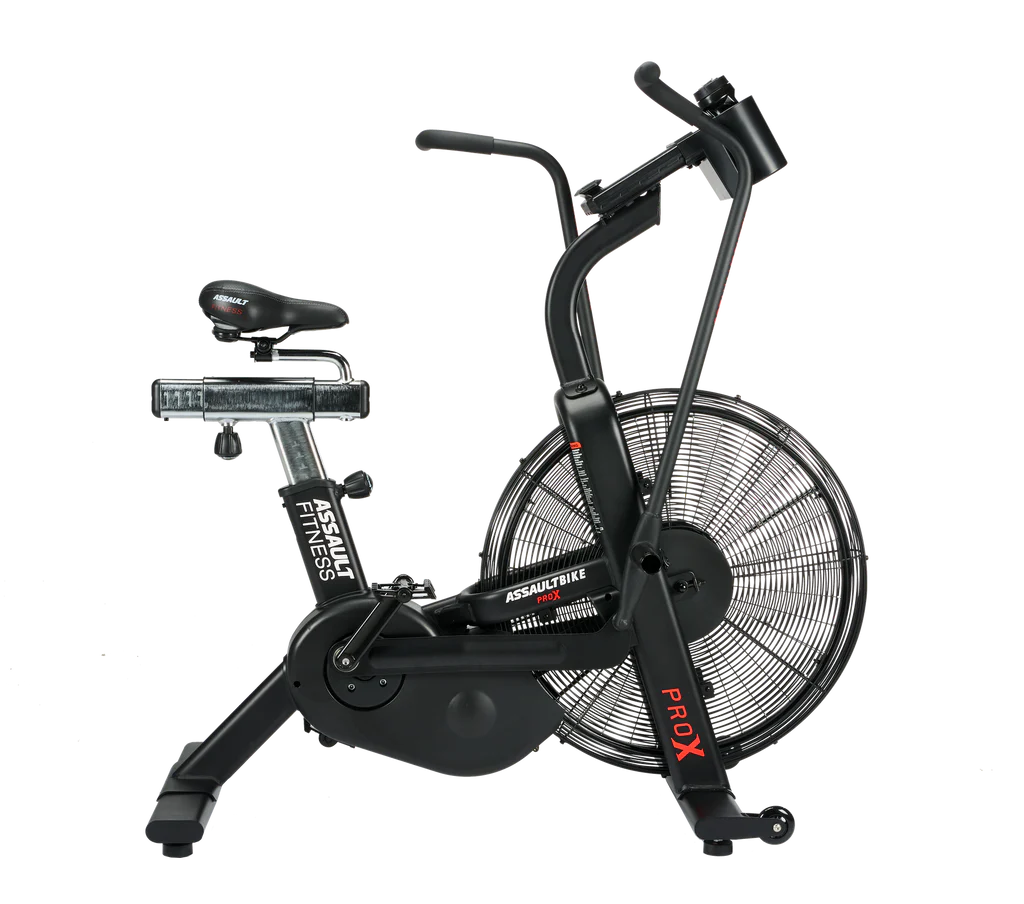
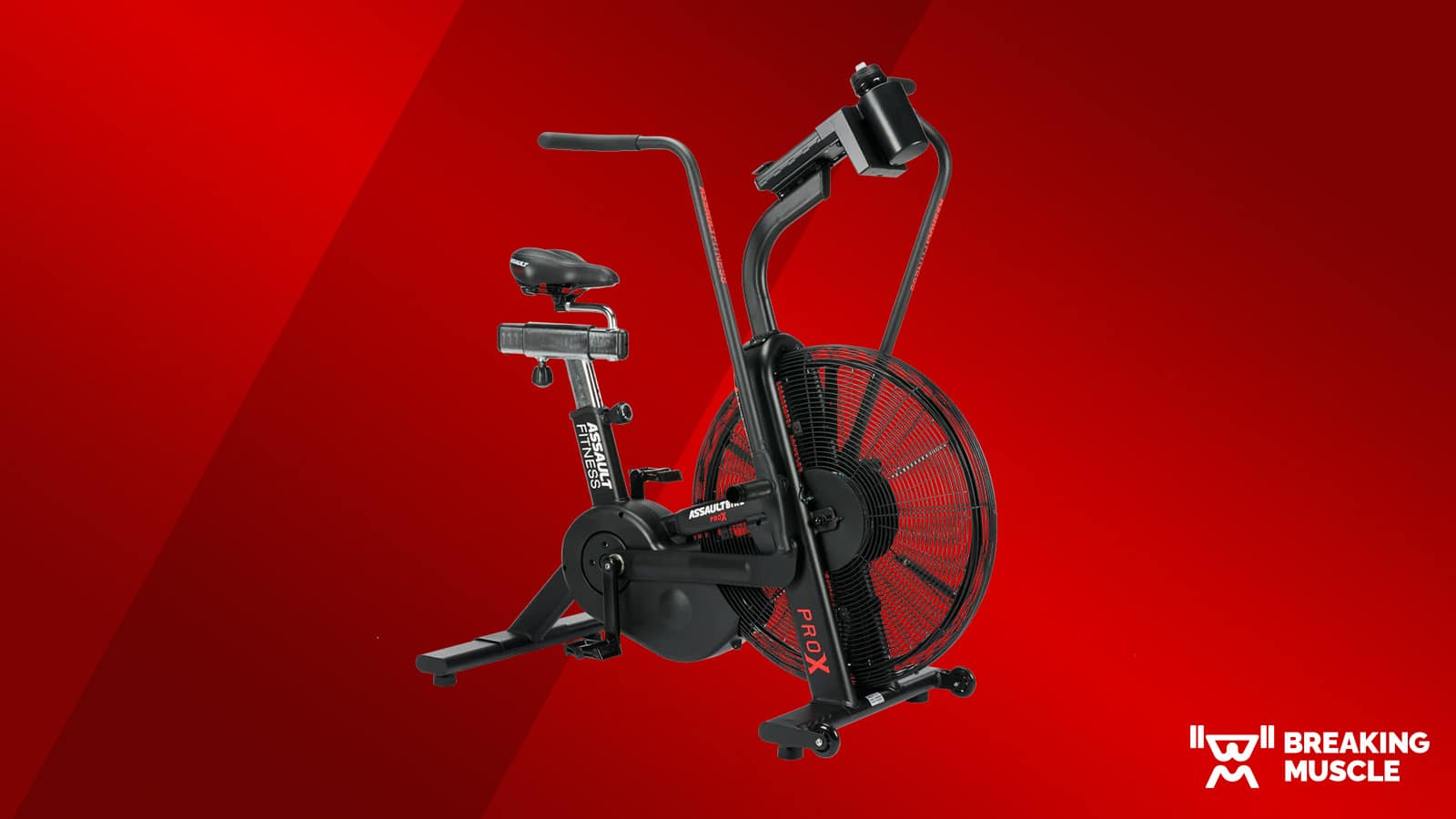
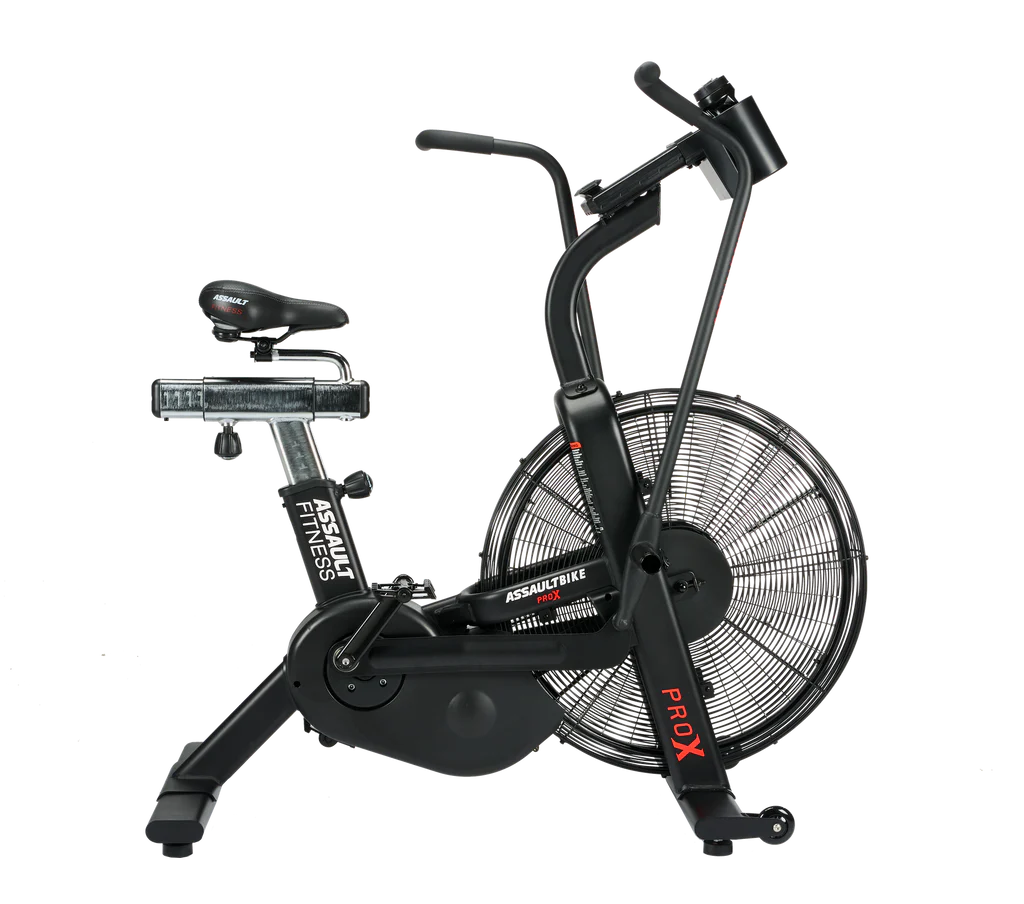
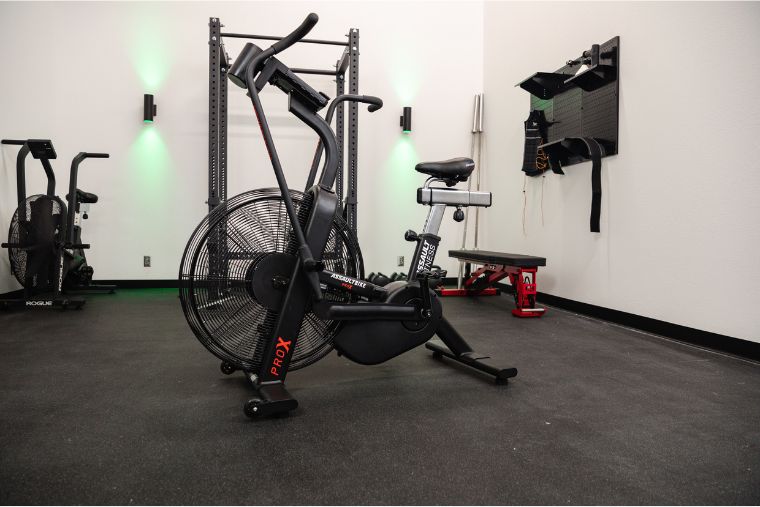
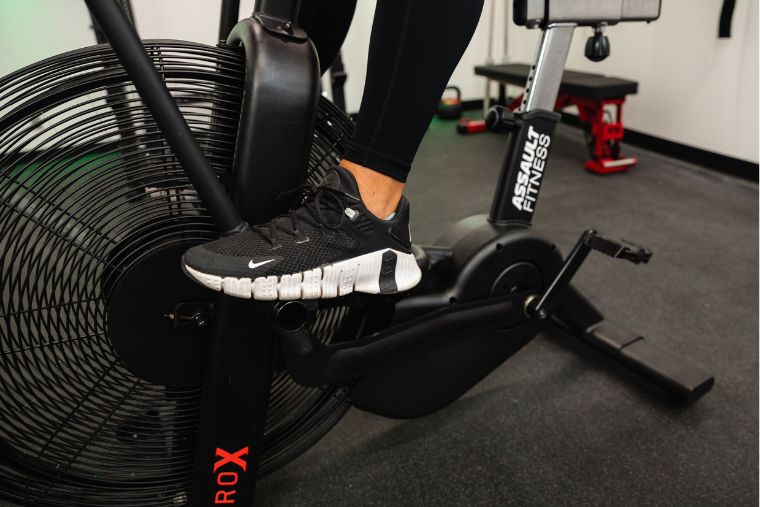
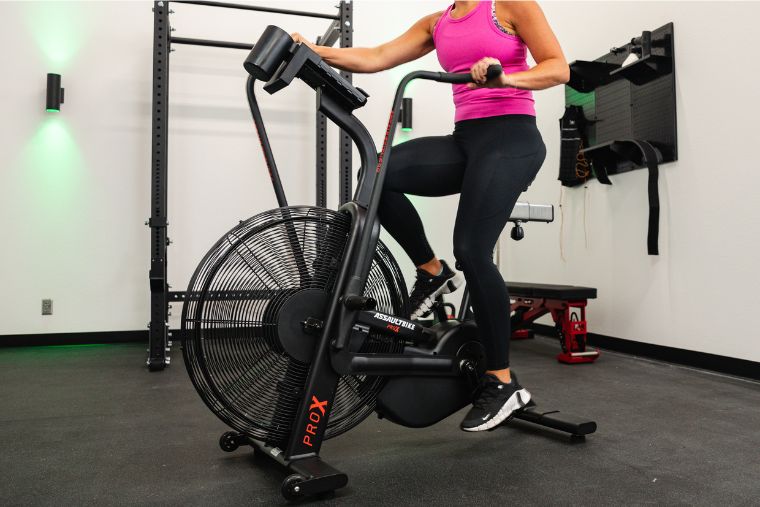
- Practical Tip: After a warm-up, try 30 seconds of intense effort (sprinting, burpees, jumping jacks, or fast cycling on an air bike), followed by 30 seconds of complete rest or very light activity. Repeat for 10-15 minutes. Start with 1-2 HIIT sessions per week.
- Low-Intensity Steady State (LISS):
- What it is: Longer durations (30-60+ minutes) at a moderate, consistent pace where you can comfortably hold a conversation.
- Benefits: Excellent for improving aerobic capacity, aids in active recovery, reduces stress, and promotes fat utilization as a fuel source.
- Practical Tip: Incorporate 2-3 LISS sessions per week, such as a brisk walk, light jog, swimming, or cycling on a stationary bike. This can be done on non-strength training days or as a cool-down.
Building a Progressive and Sustainable Plan
Your fitness journey is not a sprint; it’s a marathon. A sustainable plan accounts for where you are now and where you want to go, building progressively and intelligently.
Starting Strong: The Beginner’s Foundation
If you’re new to structured exercise, the key is to build a solid foundation of movement patterns, body awareness, and consistency.
- Focus on Bodyweight and Light Resistance: Master fundamental movements without heavy weights first. This builds core strength, stability, and teaches proper form, reducing injury risk.
- Prioritize Form Over Weight: It’s better to do fewer reps with perfect form than many with sloppy technique. Consider using mirrors or recording yourself to check your posture.
Sample Beginner Full-Body Workout (Perform 2-3 times per week, with a rest day in between):
- Warm-up (5-10 minutes): Light cardio (jogging in place, jumping jacks), dynamic stretches (arm circles, leg swings, torso twists).
- Workout:
- Goblet Squat: 3 sets of 10-15 repetitions (holding a light dumbbell or kettlebell against your chest).
- Incline Push-ups (against a wall or sturdy bench): 3 sets to near failure or 10-15 repetitions. As you get stronger, lower the incline.
- Dumbbell Rows: 3 sets of 10-15 repetitions per arm (using a light dumbbell, supporting yourself on a bench).
- Plank: 3 sets, hold for 30-60 seconds, focusing on keeping your body in a straight line.
- Bodyweight Lunges: 3 sets of 10-12 repetitions per leg.
- Cool-down (5-10 minutes): Gentle static stretches (hold each stretch for 20-30 seconds), focusing on major muscle groups worked.
Actionable Advice for Beginners: Don’t be afraid to take an extra rest day if you’re feeling overly sore or fatigued. Listen to your body and prioritize recovery. Celebrate small victories, like completing all your sets or holding a plank for an extra 10 seconds.
Stepping Up: Intermediate Strategies
Once you’ve mastered basic movements and consistently follow your routine, it’s time to introduce more challenge through progressive overload.
- Increase Resistance: Gradually increase the weight of dumbbells, barbells, or resistance bands.
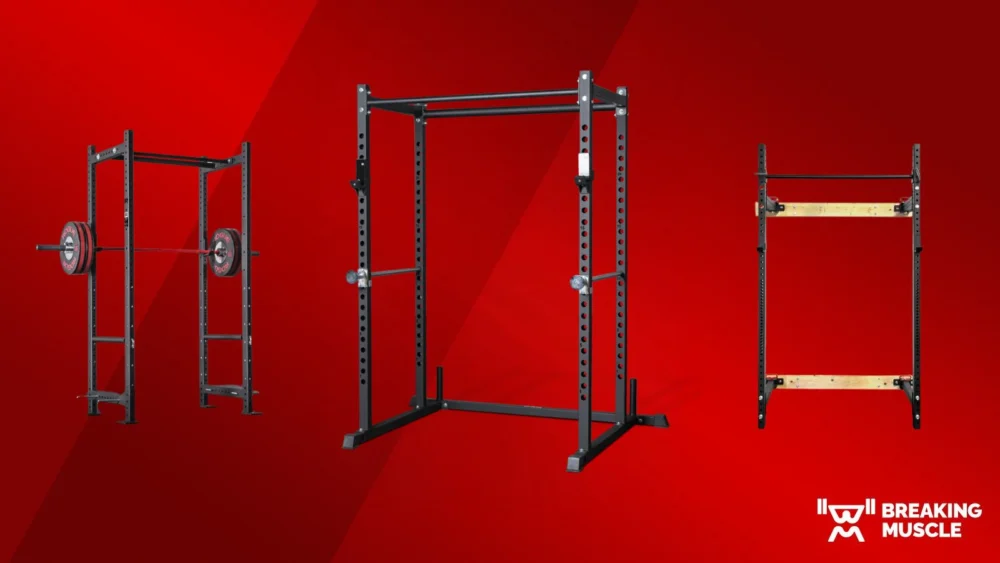
- Introduce More Complex Movements: Incorporate exercises like barbell squats, conventional deadlifts, or pull-ups (even with assistance).
- Vary Rep Ranges: Explore different rep ranges (e.g., 5-8 reps for strength, 10-15 for hypertrophy/endurance) to challenge your muscles in new ways.
- Consider Simple Periodization: This involves strategically varying your training intensity and volume over time to avoid plateaus and promote continuous adaptation. For example, you might have a few weeks of higher intensity, followed by a week of lighter training (a "deload" week).
Sample Intermediate Full-Body Workout (Perform 3-4 times per week):
- Warm-up (5-10 minutes): Light cardio, dynamic stretches specific to the movements you’ll be performing.
- Workout:
- Barbell Back Squat: 3-4 sets of 5-8 repetitions.
- Dumbbell Bench Press: 3-4 sets of 8-12 repetitions.
- Barbell Bent-Over Rows: 3-4 sets of 8-12 repetitions.
- Overhead Press (Dumbbell or Barbell): 3-4 sets of 8-12 repetitions.
- Romanian Deadlifts (RDLs) or Kettlebell Swings: 3 sets of 8-12 repetitions (if doing swings, focus on power).
- Plank Variations (e.g., side plank, weighted plank): 3 sets, challenging hold times.
- Cool-down (5-10 minutes): Static stretches, holding each for 30 seconds.
Actionable Advice for Intermediates: For heavier lifts like barbell squats and deadlifts, consider watching instructional videos or, ideally, seeking guidance from a certified personal trainer to ensure your form is impeccable. Don’t be afraid to deload when needed; it’s a smart strategy for long-term progress.
The Art of Active Recovery and Injury Prevention
Smart training isn’t just about what you do during your workout; it’s also about what you do before and after, and on your rest days.
- Warm-ups: Never skip them! A proper warm-up increases blood flow to muscles, improves joint mobility, and prepares your nervous system for exercise, significantly reducing injury risk. Focus on dynamic stretches that mimic the movements you’re about to perform.
- Cool-downs: Help your body transition from an active state back to rest. Light cardio followed by static stretches can improve flexibility and aid in muscle recovery.
- Mobility Work: Incorporate foam rolling, targeted stretches, and mobility drills to improve your range of motion and address any tight spots. This is crucial for maintaining good form and preventing compensatory movements.
- Listen to Your Body: Distinguish between muscle soreness (DOMS – Delayed Onset Muscle Soreness, which is normal) and sharp, persistent pain. If you experience pain, stop the exercise and assess. Pushing through pain often leads to injury.
Fueling Your Fitness Journey: Nutrition and Hydration
You can train like an elite athlete, but if your nutrition and hydration are lacking, your results will be compromised. Food is not just fuel; it’s information for your body, dictating performance, recovery, and overall health.
The Macro Blueprint
Understanding macronutrients (protein, carbohydrates, and fats) is fundamental to fueling your body effectively:
- Protein: The building blocks of muscle, vital for repair, growth, and countless bodily functions.
- Sources: Lean meats (chicken, turkey), fish, eggs, dairy (Greek yogurt, cottage cheese), legumes (beans, lentils), tofu, tempeh.
- Goal: Aim for approximately 0.7 to 1 gram of protein per pound of body weight per day, especially if you’re actively training.
- Carbohydrates: Your body’s primary and preferred energy source, crucial for fueling workouts and brain function.
- Sources: Whole grains (oats, brown rice, quinoa, whole wheat bread), fruits, vegetables, starchy vegetables (potatoes, sweet potatoes).
- Goal: Adjust carbohydrate intake based on your activity level. More intense training generally requires more carbs.
- Fats: Essential for hormone production, nutrient absorption, cell function, and providing a dense, long-lasting energy source.
- Sources: Avocados, nuts, seeds, olive oil, fatty fish (salmon, mackerel).
- Goal: Healthy fats should make up 20-30% of your daily caloric intake.
Practical Tip: Aim to include a source of protein, complex carbohydrates, and healthy fats in most of your meals to ensure balanced nutrition and sustained energy.
Hydration: Your Performance Secret Weapon
Water is often underestimated but plays a critical role in almost every bodily function.
- Impacts: Energy levels, cognitive function, joint lubrication, nutrient transport, temperature regulation, and waste elimination. Even slight dehydration can significantly impair physical performance and mental clarity.
- Goal: Aim for at least 8-10 glasses (2-3 liters) of water daily. Increase this amount if you are exercising intensely, in a hot climate, or consuming more caffeine.
- Electrolytes: For longer, more intense workouts (especially exceeding 60 minutes) or in very hot conditions, consider an electrolyte-enhanced beverage to replenish lost minerals.
Mindful Eating for Sustained Energy
Beyond macros, how you approach eating is equally important.
- Focus on Whole, Unprocessed Foods: Prioritize foods in their natural state over highly processed alternatives. These are nutrient-dense and provide sustained energy.
- Eat Slowly and Mindfully: Pay attention to your body’s hunger and fullness cues. Eating slowly can improve digestion and prevent overeating.
- Plan Ahead: Meal prepping or planning your meals in advance can help you make healthier choices consistently and avoid impulsive, less nutritious options.
The Mental Game: Cultivating Resilience and Consistency
Physical fitness is inextricably linked to mental fortitude. Your mindset, discipline, and ability to stay motivated are just as crucial as your workout routine and nutrition plan.
Setting Realistic Goals and Tracking Progress
- SMART Goals: Set goals that are Specific, Measurable, Achievable, Relevant, and Time-bound. Instead of "I want to get fit," try "I will complete three full-body workouts per week for the next 8 weeks, increasing my squat weight by 5 pounds each week."
- Track Your Workouts: Keep a training journal (physical or digital) to record exercises, sets, reps, and weights. This allows you to visually see your progress and helps you implement progressive overload.
- Celebrate Non-Scale Victories: Look beyond the numbers on a scale. Celebrate increased energy, better sleep, improved mood, clothes fitting better, or lifting heavier weights. These small wins build momentum and reinforce positive habits.
Overcoming Plateaus and Maintaining Motivation
Every fitness journey will encounter plateaus – periods where progress seems to stall. This is normal, and it’s how you respond that determines your long-term success.
- Strategies for Plateaus:
- Deload Weeks: Reduce your training volume and/or intensity for a week to allow your body to fully recover and come back stronger.
- Change Exercises: Introduce new variations of movements to challenge your muscles in a different way.
- Vary Rep Ranges: If you’ve been doing high reps, try a few