The quest for fitness often begins with a surge of motivation, fueled by inspiring transformations and the promise of a healthier, more vibrant life. Yet, for many, this initial spark dwindles, replaced by frustration, plateaus, and the disheartening cycle of starting over. The truth is, fleeting enthusiasm alone isn’t enough to build an enduring fitness journey. True, lasting change doesn’t come from quick fixes or extreme measures; it emerges from a holistic, sustainable approach that nurtures not just your muscles, but your entire being.
This isn’t another article promising overnight miracles or a secret formula. Instead, we’re going to dismantle the common pitfalls and equip you with a robust, actionable blueprint for long-term success. Whether you’re lacing up your shoes for the first time or looking to elevate your intermediate routine, this guide will serve as your compass. We’ll explore the four fundamental pillars – intelligent training, nourishing nutrition, prioritized recovery, and a resilient mindset – each crucial for constructing a foundation of health and strength that truly lasts. Forget the hype and the fleeting trends; it’s time to build an unstoppable version of yourself, one sustainable step at a time.
Pillar 1: Intelligent Training – Moving with Purpose
Training isn’t just about breaking a sweat; it’s about intentionally challenging your body to adapt and grow. Intelligent training means understanding the ‘why’ behind your movements and structuring your workouts for maximum effectiveness and long-term safety.
Understanding Your "Why" and Setting Smart Goals
Before you even touch a weight or hit the pavement, ask yourself: Why am I doing this? Is it to lose weight, build muscle, improve your mood, run a marathon, or simply feel more capable in your daily life? Your ‘why’ is your intrinsic motivator, far more powerful than any external pressure.
Once your ‘why’ is clear, translate it into SMART goals:
- Specific: Instead of "get fit," aim for "run a 5k."
- Measurable: How will you track progress? "Run a 5k in under 30 minutes."
- Achievable: Is it realistic given your current fitness level and time constraints? "Train 3 times a week for 10 weeks."
- Relevant: Does it align with your ‘why’? "To improve cardiovascular health and boost energy."
- Time-bound: Set a deadline. "By the end of October."
Real-life Example: Sarah, a busy mother of two, initially wanted to "lose her baby weight." After reflecting, her deeper ‘why’ was to have more energy to play with her kids and feel strong enough to manage daily tasks without aches. Her SMART goal became: "Complete 3 full-body strength workouts per week for 8 weeks, increasing my squat weight by 5 lbs each week, to build functional strength and energy for my family." This shift from a vague aesthetic goal to a clear, functional one kept her motivated through challenging weeks.
The Foundational Movements: Strength as Your Core
At the heart of any effective training program are compound movements. These exercises engage multiple joints and muscle groups simultaneously, offering unparalleled efficiency and benefits for overall strength, muscle growth, and functional fitness.
- Squat: The king of lower body movements. Strengthens glutes, quads, hamstrings, and core. Start with bodyweight, then goblet squats, and progress to barbell squats.
- Deadlift: The ultimate full-body strength builder. Engages posterior chain (glutes, hamstrings, back), core, and grip. Focus on impeccable form, even with light weight.
- Push (Presses): Develops chest, shoulders, and triceps. Examples: push-ups (on knees or toes), dumbbell bench press, overhead press.
- Pull (Rows): Balances push movements, strengthens back, biceps, and improves posture. Examples: dumbbell rows, pull-ups (assisted or bodyweight), inverted rows.
- Lunge: Unilateral leg strength, balance, and core stability. Variations include forward, reverse, and walking lunges.
Actionable Advice: Prioritize learning proper form over lifting heavy weight. Watch instructional videos, consider a session with a qualified trainer, and always start with bodyweight or very light resistance. A strong foundation prevents injury and allows for greater progress down the line.
Progressive Overload: The Engine of Growth
Your body is an incredible adapter. To continue getting stronger, faster, or more enduring, you must consistently present it with a greater challenge than it’s accustomed to. This principle is known as progressive overload, and it’s non-negotiable for sustained progress.
Methods of progressive overload:
- Increase Resistance/Weight: The most common method. If you lifted 20 lbs for 10 reps last week, try 22.5 lbs this week.
- Increase Repetitions: If you hit 3 sets of 8 reps easily, try 3 sets of 9 or 10 reps with the same weight.
- Increase Sets: Add an extra set to your exercise.
- Decrease Rest Time: Shorten the breaks between sets, challenging your cardiovascular system and muscular endurance.
- Improve Form/Tempo: Execute the movement with greater control, slowing down the eccentric (lowering) phase.
- Increase Frequency: Add an extra workout day to your week.
- Increase Time Under Tension: Make the muscles work harder for longer during each rep.
Practical Tip: Keep a detailed workout journal. Record the exercises, sets, reps, and weight used for each session. This simple act makes progressive overload tangible, allowing you to consistently strive for improvement and celebrate your incremental gains. Without tracking, you’re just guessing.
Incorporating Cardiovascular Fitness
While strength training builds muscle and bone density, cardiovascular (cardio) fitness is vital for heart health, endurance, and overall vitality. It helps your body efficiently deliver oxygen and nutrients, improving recovery from intense workouts and enhancing your daily energy levels.
- Low-Intensity Steady State (LISS): Activities like brisk walking, cycling, or swimming at a moderate, conversational pace for 30-60 minutes. Great for recovery, fat burning, and overall heart health without excessive stress.
- High-Intensity Interval Training (HIIT): Short bursts of maximum effort followed by brief recovery periods. Examples: sprinting, burpees, battle ropes. Highly effective for improving cardiovascular capacity and burning calories in a shorter time, but more demanding and requires careful programming.
Actionable Advice: Aim for at least 150 minutes of moderate-intensity cardio or 75 minutes of vigorous-intensity cardio per week, as recommended by health organizations. Mix and match to keep it enjoyable. Find activities you genuinely like – hiking, dancing, playing sports – to make cardio feel less like a chore and more like a joy.
Flexibility and Mobility: The Unsung Heroes
Often overlooked, flexibility and mobility are critical components of a well-rounded fitness regimen. They prevent injuries, improve range of motion, enhance performance in other exercises, and contribute significantly to overall joint health and comfort as you age.
- Flexibility: The ability of muscles and tendons to lengthen.
- Mobility: The ability of a joint to move actively through its full range of motion.
Practical Tips:
- Dynamic Warm-ups: Before your workout, perform movements that take your joints through their full range of motion (e.g., arm circles, leg swings, torso twists). This prepares your body for exercise.
- Static Stretching: After your workout, hold stretches for 20-30 seconds to improve flexibility (e.g., hamstring stretch, quad stretch, chest stretch). Your muscles are warm and more pliable.
- Foam Rolling: Use a foam roller to release muscle tension and improve tissue quality. Target areas like your glutes, hamstrings, quads, and back.
- Integrate Movement: Incorporate simple stretches into your daily routine, especially if you sit for long periods. A few minutes of stretching can make a big difference.
Pillar 2: Nourishing Your Body – Fueling for Performance and Health
You can’t out-train a poor diet. Nutrition is the bedrock of fitness, providing the raw materials for energy, muscle repair, hormone regulation, and overall health. It’s not about deprivation, but about intelligent fueling.
The Macro Blueprint: Protein, Carbs, and Fats
Understanding macronutrients – protein, carbohydrates, and fats – is essential for fueling your body effectively.
- Protein: The building block of muscle, enzymes, and hormones. Crucial for muscle repair and growth, and highly satiating.
- Target: Aim for 0.7-1 gram of protein per pound of body weight (e.g., a 150lb individual aims for 105-150g protein).
- Sources: Lean meats, poultry, fish, eggs, dairy, legumes, tofu, tempeh.
- Carbohydrates: Your body’s primary energy source. Essential for high-intensity exercise and replenishing glycogen stores.
- Focus: Complex carbohydrates provide sustained energy and fiber.
- Sources: Whole grains (oats, brown rice, quinoa), fruits, vegetables, sweet potatoes. Limit refined sugars and processed carbs.
- Fats: Vital for hormone production, nutrient absorption (fat-soluble vitamins A, D, E, K), and brain health.
- Prioritize: Healthy fats.
- Sources: Avocados, nuts, seeds, olive oil, fatty fish (salmon, mackerel).
Practical Tip: Prioritize whole, unprocessed foods. Think about what’s on your plate: does it resemble its natural state? A colorful array of vegetables, a lean protein source, and a serving of whole grains or healthy fats will provide a nutrient-dense foundation.
Micronutrient Mastery: Vitamins, Minerals, and Water
While macronutrients provide energy, micronutrients (vitamins and minerals) are the unsung heroes, regulating countless bodily processes, from energy production to immune function. Hydration is equally critical.
- Vitamins & Minerals: Found abundantly in a varied diet. Eating a rainbow of fruits and vegetables ensures a broad spectrum of these essential nutrients. Don’t rely solely on supplements unless advised by a healthcare professional; food sources are always superior.
- Water: Often overlooked, yet fundamental. Your body is 60% water, and even mild dehydration can impair physical performance, cognitive function, and mood.
- Actionable Advice: Keep a water bottle handy and sip throughout the day. A good general guideline is to aim for half your body weight in ounces (e.g., 150lb person = 75oz water). Adjust based on activity level and climate. Add a squeeze of lemon or cucumber for flavor.
Mindful Eating: Beyond the Numbers
Fitness isn’t just about calories in, calories out. It’s also about your relationship with food. Mindful eating involves paying attention to your body’s hunger and fullness cues, savoring your meals, and understanding the emotional aspects of eating.
- Slow Down: Eat without distractions. Put away your phone, turn off the TV.
- Listen to Your Body: Are you truly hungry, or are you eating out of boredom, stress, or habit? Stop when you feel satisfied, not stuffed.
- Enjoy Your Food: Appreciate the taste, texture, and aroma. This can prevent overeating and make your meals more fulfilling.
- Avoid Restrictive Thinking: Labeling foods as "good" or "bad" can lead to guilt and unhealthy cycles. Aim for balance and moderation. Allow for occasional treats without guilt.
Timing Your Nutrition for Optimal Results
While the overall quality of your diet is paramount, strategic timing of your meals, particularly around workouts, can enhance performance and recovery.
- Pre-Workout (1-3 hours before): Focus on easily digestible complex carbohydrates for sustained energy and a small amount of protein.
- Example: Oatmeal with berries, a banana with a tablespoon of nut butter, or a turkey sandwich on whole-wheat bread.
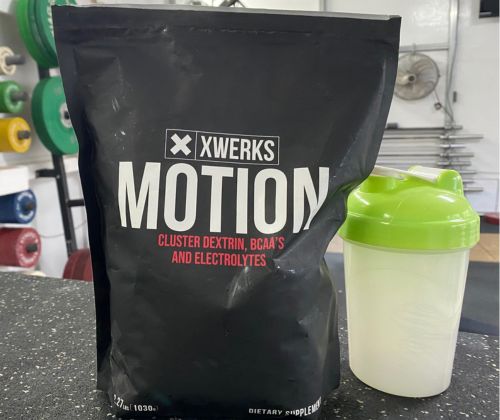
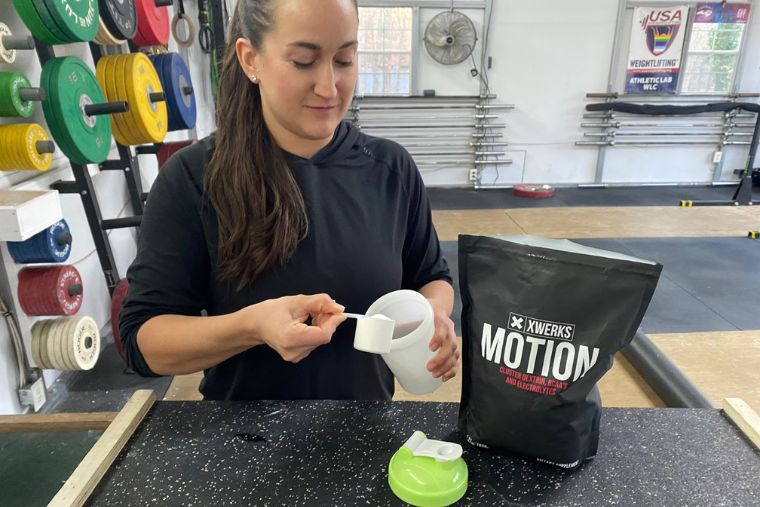
- Intra-Workout (during long or intense sessions): If your workout exceeds 60-90 minutes, easily digestible carbohydrates (like a sports drink or a piece of fruit) can help maintain energy levels. For most beginner/intermediate sessions, water is sufficient.
- Post-Workout (within 1-2 hours): This is your window for recovery. Prioritize protein to kickstart muscle repair and carbohydrates to replenish glycogen stores.
- Example: Chicken and rice, a protein shake with fruit, Greek yogurt with granola, or eggs and whole-wheat toast.
Remember, these are guidelines, not strict rules. Find what works best for your body and schedule. The most important thing is consistent, quality nutrition throughout the day.
Pillar 3: Prioritizing Recovery – The Secret to Sustained Progress
Often the most neglected pillar, recovery is where your body actually adapts, repairs, and grows stronger. Without adequate recovery, even the most perfect training and nutrition plan will fall short, leading to burnout, injury, and stalled progress.
The Power of Sleep: Your Body’s Repair Shop
Sleep is non-negotiable for physical and mental restoration. During deep sleep, your body releases growth hormone, critical for muscle repair and growth. It also helps regulate cortisol (stress hormone) and ghrelin/leptin (hunger/satiety hormones).
- Impact on Fitness: Poor sleep can lead to decreased performance, slower recovery, increased injury risk, impaired decision-making, and increased cravings for unhealthy foods.
- Tips for Better Sleep Hygiene:
- Consistency: Go to bed and wake up at the same time every day, even on weekends.
- Environment: Ensure your bedroom is dark, quiet, and cool.
- Screens: Avoid screens (phones, tablets, TV) for at least an hour before bed. The blue light disrupts melatonin production.
- Caffeine/Alcohol: Limit caffeine in the afternoon and alcohol before bed, as both can disrupt sleep quality.
- Wind-down Routine: Develop a relaxing routine: reading, a warm bath, gentle stretching.
Active Recovery and Rest Days
Rest days are not a sign of weakness; they are a strategic component of your training plan. Pushing your body relentlessly without breaks leads to overtraining, diminishing returns, and increased risk of injury.
- Full Rest Days: Days with minimal physical activity, allowing your body to fully repair and recharge.
- Active Recovery: Light, low-impact activities that promote blood flow without adding significant stress. This can help reduce muscle soreness and improve flexibility.
- Ideas: A leisurely walk, gentle cycling, swimming, yoga, or stretching.
Real-life Example: Mark, an avid weightlifter, hit a plateau. Despite intense workouts, his lifts weren’t improving, and he felt constantly fatigued. His coach suggested adding a full rest day and incorporating active recovery walks. Within two weeks, Mark felt refreshed, his lifts started increasing again, and his overall mood improved. He realized that sometimes, less is more.
Stress Management: Impact on Physical Health
Chronic stress, whether from work, relationships, or daily life, significantly impacts your physical well-being and fitness goals. Stress hormones like cortisol, when elevated long-term, can:
- Promote fat storage (especially around the abdomen).
- Break down muscle tissue.
- Impair immune function.
- Disrupt sleep.
- Increase inflammation.
Techniques for Stress Reduction:
- Mindfulness & Meditation: Even 5-10 minutes a day can significantly reduce stress.
- Deep Breathing Exercises: Simple techniques can calm your nervous system instantly.
- Hobbies & Interests: Engage in activities you enjoy outside of fitness to provide mental breaks.
- Time in Nature: Spending time outdoors has proven stress-reducing benefits.
- Social Connection: Lean on friends and family for support.
Pillar 4: Cultivating a Resilient Mindset – The Mental Game of Fitness
Fitness is as much a mental game as it is a physical one. Your mindset dictates your consistency, your ability to overcome challenges, and ultimately, your long-term success.
Embracing Imperfection and Bouncing Back
The pursuit of fitness is rarely a linear path. There will be missed workouts, days of poor eating, and periods where motivation wanes. The key is not to strive for perfection, but for consistency over time, and to develop the resilience to bounce back from setbacks.
- The "All or Nothing" Trap: Don’t let one missed workout or unhealthy meal derail your entire week. Acknowledge it, learn from it, and get back on track with your next opportunity.
- Learning from Setbacks: View challenges as opportunities for growth. What caused the setback? How can you prevent it next time?
- Focus on the Next Best Action: Instead of dwelling on past mistakes, ask yourself: "What’s the best thing I can do now?"
Building Habits, Not Just Resolutions
Resolutions are often based on willpower, which is a finite resource. Habits, on the other hand, are automatic behaviors that require less conscious effort. Building strong, positive habits is the cornerstone of sustainable fitness.
- Start Small: Don’t try to overhaul everything at once. Focus on one small habit at a time. (e.g., "I will drink a glass of water first thing in the morning" instead of "I will be perfectly hydrated all day.")
- Habit Stacking: Attach a new habit to an existing one.
- Example: "After I brush my teeth (existing habit), I will do 10 squats and 10 push-ups (new habit)."
- Environmental Cues: Set up your environment for success.
- Example: Lay out your gym clothes the night before, prepare healthy snacks in advance.
- Consistency over Intensity: Doing a little bit consistently is far more effective than sporadic, intense bursts.
The Importance of Patience and Self-Compassion
Fitness is a journey, not a destination. Visible results take time, often longer than we anticipate. Cultivate patience and practice self-compassion, treating yourself with the same kindness and understanding you would offer a friend.
- Celebrate Small Victories: Acknowledge every step forward – an extra rep, a consistent week, a healthy meal choice. These small wins build momentum and reinforce positive behavior.
- Avoid Comparison: Your journey is unique. Comparing yourself to others, especially curated social media portrayals, can be demotivating and detrimental to your self-esteem.
- Be Kind to Yourself: There will be tough days. Instead of harsh self-criticism, offer encouragement. Remember your ‘why’ and reaffirm your commitment.
Seeking Support and Community
You don’t have to navigate your fitness journey alone. A strong support system can provide accountability, motivation, and a sense of belonging.
- Workout Partners: A friend or family member who shares similar goals can make workouts more enjoyable and keep you accountable.
- Qualified Trainers/Coaches: For personalized guidance, form correction, and program design, a professional can be invaluable, especially for beginners.
- Online Communities: Join supportive forums or groups where you can share experiences, ask questions, and celebrate successes.
- Share Your Journey: Let trusted friends and family know about your goals. Their encouragement can be a powerful motivator.
Integrating the Pillars: Your Action Plan
Now that you understand the four pillars, the next step is to integrate them into your life. This isn’t about perfection, but about continuous improvement and finding what truly works for you.
Start Small, Stay Consistent
Don’t try to implement every single tip at once. This often leads to overwhelm and burnout. Pick one or two areas from each pillar to focus on initially. Perhaps it’s adding a new strength exercise, increasing your water intake, prioritizing sleep, or simply being more mindful of your eating. Once those habits are established, gradually add more.
Listen to Your Body
Your body provides constant feedback. Learn to interpret its signals.
- Fatigue: Is it normal workout soreness, or a sign of overtraining, poor sleep, or inadequate nutrition?
- Pain: Differentiate between muscle soreness and sharp, persistent pain that might indicate an injury. Don’t push through pain.
- Energy Levels: Are you consistently sluggish? Re-evaluate your sleep, nutrition, and stress levels.
Adjust your training, nutrition, or recovery as needed. Sometimes, taking an extra rest day or having a slightly lighter workout is the smartest move for long-term progress.
Make it Enjoyable
Fitness should enhance your life, not feel like a punishment. If you dread your workouts or find your diet restrictive, you’re less likely to stick with it.
- Explore different activities: Try group fitness classes, sports, hiking, dancing, martial arts. Find what sparks joy.
- Experiment with recipes: Discover healthy foods you genuinely love.
- Vary your routine: Keep things fresh to prevent boredom.
Track Your Progress (Beyond the Scale)
While the scale can be one metric, it doesn’t tell the whole story. Focus on a variety of progress indicators to keep you motivated and give you a more comprehensive view of your success.
- Performance Metrics: Increased strength (more weight/reps), improved endurance (longer runs, faster times), better flexibility.
- Body Composition: How your clothes fit, progress photos, body measurements.
- Non-Scale Victories: Better sleep, increased energy, improved mood, reduced stress, greater confidence, feeling stronger in daily tasks, clearer skin.
Conclusion
Your journey towards unstoppable fitness and well-being is a dynamic, evolving process, built upon the sturdy foundation of intelligent training, nourishing nutrition, prioritized recovery, and a resilient mindset. It’s not about fleeting transformations but about cultivating habits and choices that empower you to live a life of strength, vitality, and unwavering health.
Remember, every expert was once a beginner. Every setback is an opportunity for a comeback. Embrace the process, celebrate your progress, and extend compassion to yourself along the way. The power to transform your body and mind resides within you. It’s time to stop searching for the secret and start building your own enduring legacy, one deliberate, holistic step at a time. The blueprint is laid out; now, it’s time to ignite your potential and become the strongest, healthiest version of yourself. Your journey begins today.