In a world constantly pulling us in different directions, finding time and motivation for consistent fitness can feel like an Olympic challenge in itself. Yet, the desire to build a stronger, healthier, and more resilient self remains a universal aspiration. For many, the answer lies not in a crowded, intimidating gym, but within the familiar comfort and convenience of their own home.
This article is your comprehensive guide to unlocking the incredible power of home strength training. Whether you’re taking your first tentative steps into the world of weights or an intermediate enthusiast looking to elevate your game, this blueprint will equip you with the knowledge, strategies, and unwavering motivation to transform your body, sharpen your mind, and forge an unshakeable fortitude that extends far beyond your workout space. We’ll delve into the foundational principles, essential equipment considerations, effective program design, and crucial recovery tactics that will empower you to dominate your fitness journey from the comfort of your home.
The Unrivaled Power of Strength Training: More Than Just Muscles
Strength training is far more than just lifting heavy objects to build impressive biceps. It’s a fundamental pillar of health and longevity, offering a cascade of benefits that impact every facet of your well-being. Embracing a consistent strength regimen is one of the most impactful decisions you can make for your physical and mental future.
A Foundation for Holistic Health
The advantages of strength training extend deep within your body and mind:
- Increased Muscle Mass and Strength: This is the most obvious benefit, leading to greater physical capacity for everyday tasks, improved athletic performance, and a more sculpted physique.
- Improved Bone Density: Lifting weights places stress on your bones, signaling them to become stronger and denser. This is crucial for preventing osteoporosis and maintaining skeletal health as you age.
- Enhanced Metabolism and Fat Loss: Muscle tissue is metabolically active, meaning it burns more calories at rest than fat tissue. Building muscle effectively turns your body into a more efficient fat-burning machine, even when you’re not actively exercising.
- Better Functional Movement and Injury Prevention: Strength training strengthens the muscles and connective tissues around your joints, improving stability, balance, and coordination. This translates to better movement patterns in daily life and significantly reduces your risk of injury.
- Boosted Mood and Cognitive Function: The physical challenge and sense of accomplishment from strength training release endorphins, natural mood elevators. Regular exercise also improves blood flow to the brain, enhancing focus, memory, and reducing symptoms of anxiety and depression. Studies consistently link physical activity to improved mental well-being and cognitive sharpness.
- Improved Sleep Quality: Expending physical energy through strength training can lead to deeper, more restorative sleep, which is vital for overall health and recovery.
Why Home Training is a Game-Changer
While traditional gyms offer a wide array of equipment, the home gym concept has revolutionized access to fitness. Here’s why it’s a powerful option for many:
- Unmatched Convenience: No travel time, no waiting for equipment, no gym hours. Your workout space is always open and ready when you are. This drastically reduces barriers to consistency.
- Privacy and Comfort: Train without judgment or distraction. Focus solely on your workout in an environment you control, choosing your music, attire, and pace.
- Cost-Effectiveness Over Time: While there’s an initial investment in equipment, a home gym eliminates recurring monthly membership fees, saving you money in the long run.
- Flexibility and Adaptability: Your home gym evolves with you. As your strength grows, you can gradually add equipment or modify your space to meet new challenges.
- Personalized Environment: Customize your setup exactly to your preferences and training style, creating a space that truly motivates you.
Building Your Home Strength Sanctuary: Essential Gear for Every Journey
Creating an effective home gym doesn’t require a massive budget or an entire room dedicated to equipment. It’s about strategic choices that align with your current fitness level, goals, and available space. Think of it as investing in your health, piece by piece.
The Core Pillars: Non-Negotiables for Progress
For beginners and intermediate lifters, certain pieces of equipment form the bedrock of a robust strength training program.
- Adjustable Dumbbells or Resistance Bands:
- For Absolute Beginners/Space-Constrained: Adjustable dumbbells are incredibly versatile, allowing you to select various weights with a single set, saving space. Resistance bands offer progressive tension and are highly portable, ideal for warm-ups, accessory work, and even full workouts for those just starting out.
- Practical Tip: Start with a weight that allows you to perform 10-12 repetitions with good form, feeling challenged by the last few reps. As you get stronger, increase the weight or resistance.
- A Sturdy Adjustable Weight Bench:
- An adjustable bench is a cornerstone for variety. It allows you to perform flat, incline, and decline presses, dumbbell rows, step-ups, and a myriad of other exercises. Look for one that is stable, comfortable, and easy to adjust.
- Actionable Advice: Prioritize stability. A wobbly bench is a safety hazard and will limit your confidence when lifting heavier.
- Barbell and Weight Plates:
- As you progress beyond dumbbells, a barbell and a selection of weight plates become indispensable. This allows for heavier lifting on compound movements like squats, deadlifts, and bench presses. Start with a standard 45-pound barbell and a modest selection of plates (e.g., pairs of 10s, 25s, and 45s), expanding as needed.
- Real-life Example: Many lifters start with just dumbbells for a few months, then add a barbell as they hit a plateau with lighter weights and seek to build more foundational strength.
- The Power Rack: Your Ultimate Safety Net and Versatility Hub:
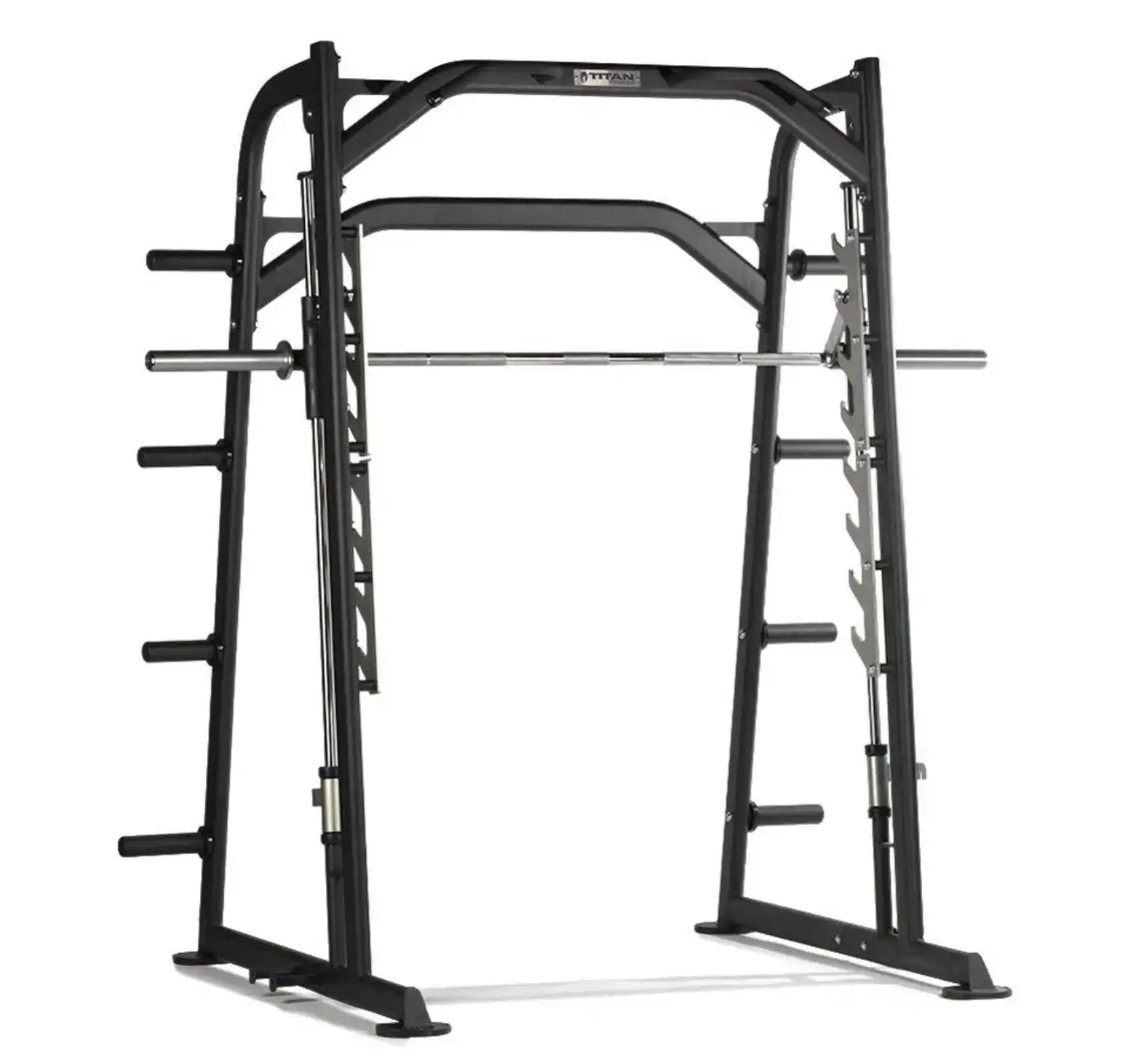
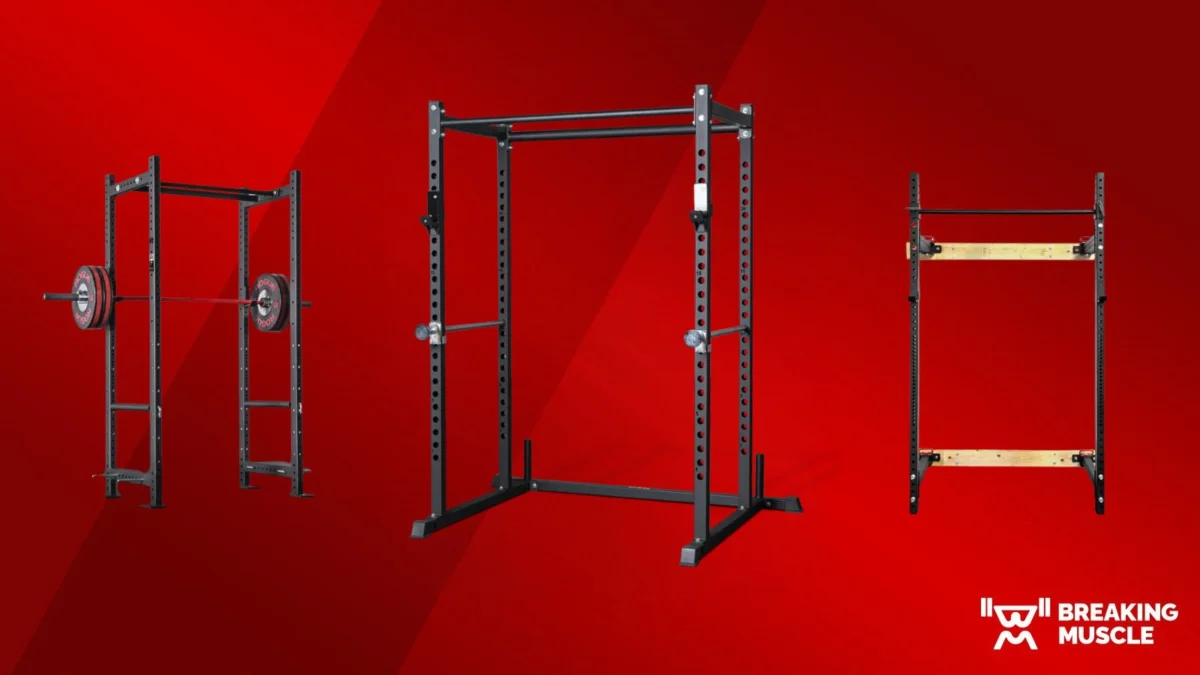
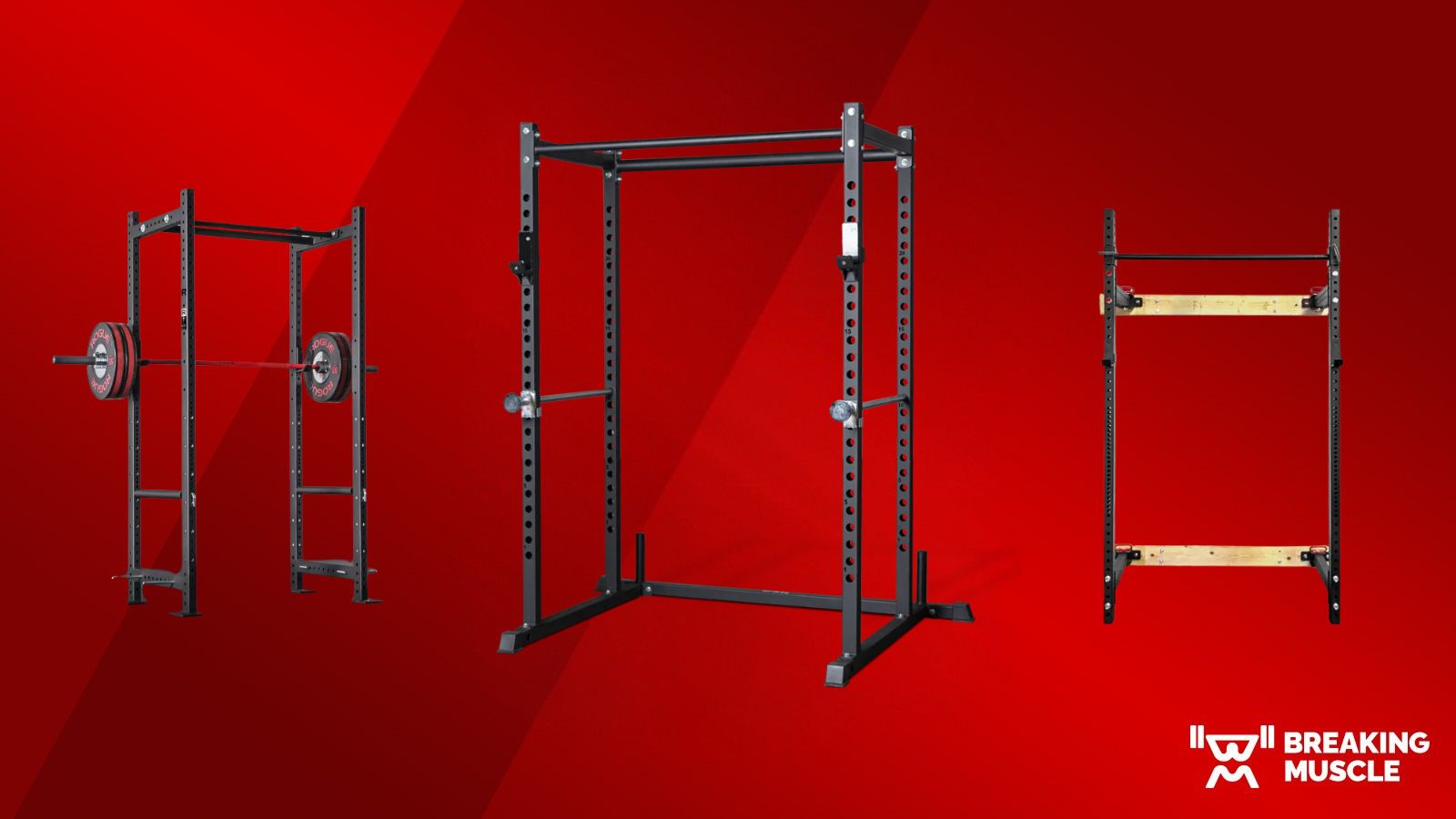
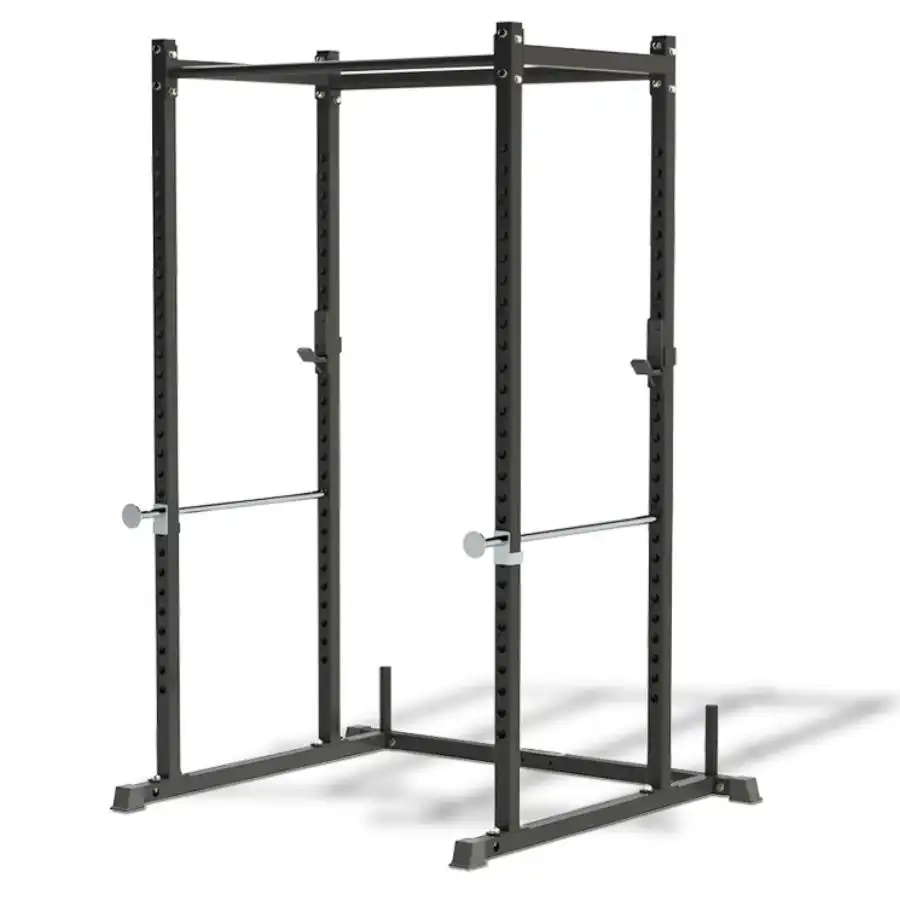
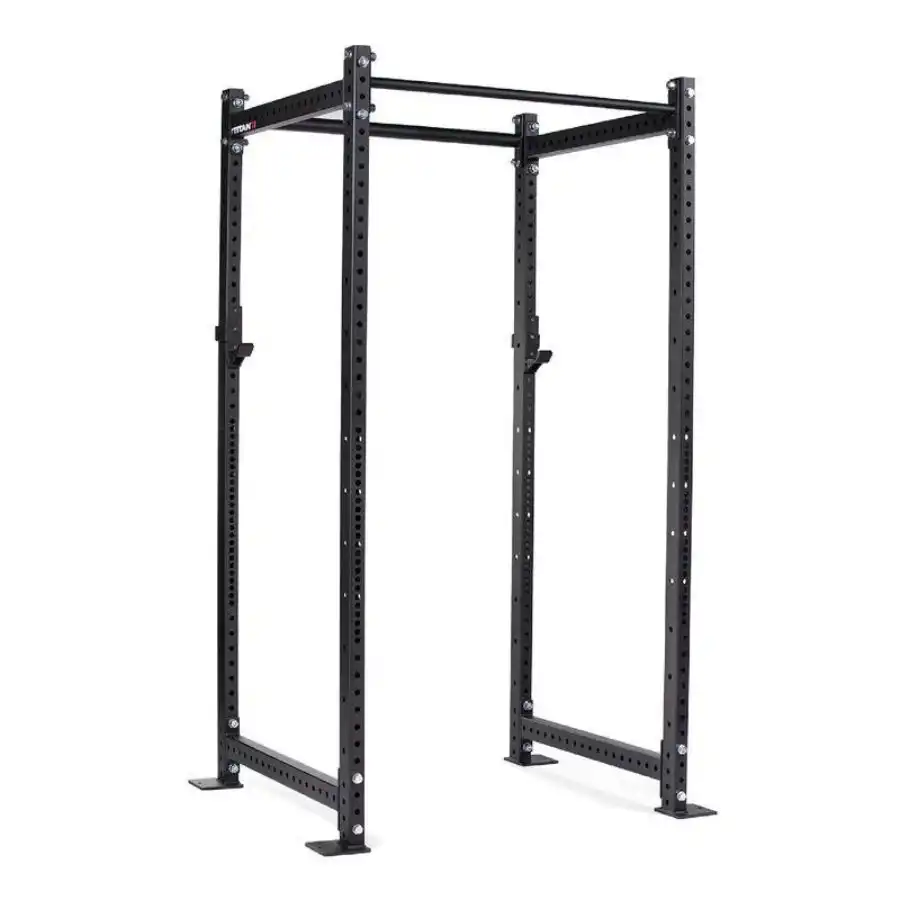
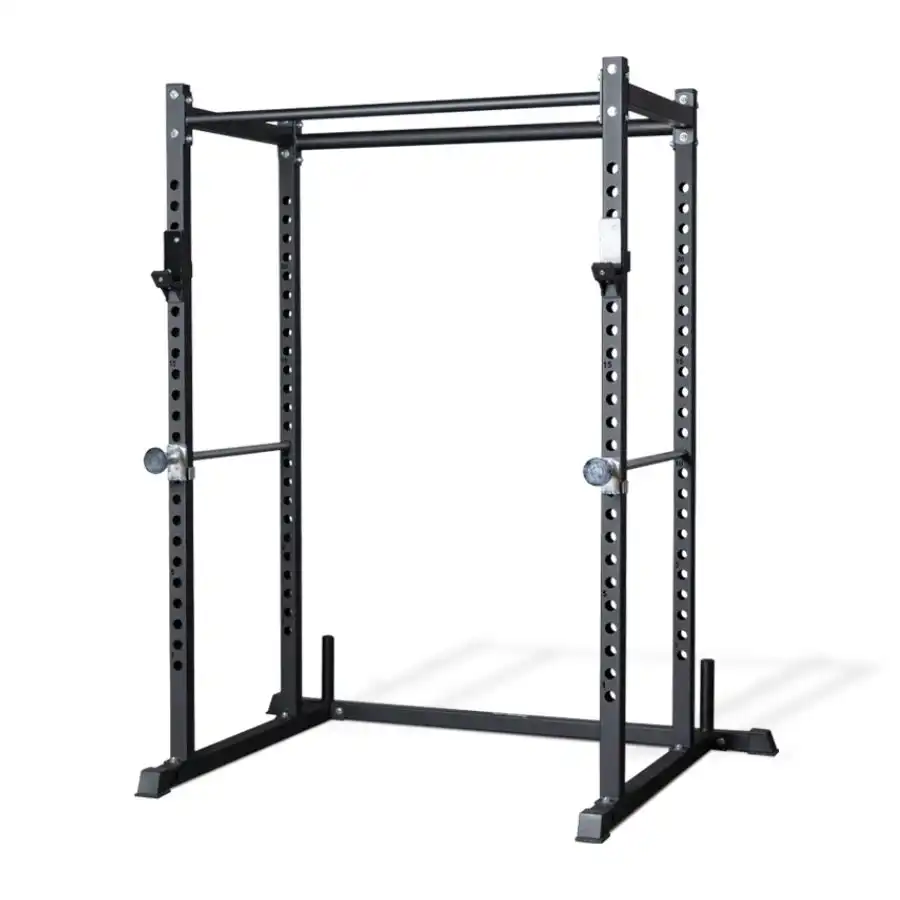
- Often considered the heart of a serious home gym, a power rack (or power cage) is a four-post steel structure designed for safe, heavy lifting, especially when training alone. It acts as your built-in spotter.
- Safety Features: The defining characteristic of a power rack is its adjustable safety pins, straps, or spotter arms. These can be set at various heights to catch the barbell if you fail a lift during squats, bench presses, or overhead presses. This critical feature eliminates the need for a human spotter for many lifts, providing immense peace of mind and allowing you to push your limits safely.
- Versatility: Beyond safety, a power rack transforms your workout possibilities. It allows you to:
- Squat: Perform barbell back squats and front squats securely.
- Bench Press: Press heavy weights with the bar racked safely within the cage.
- Overhead Press: Execute standing or seated overhead presses with confidence.
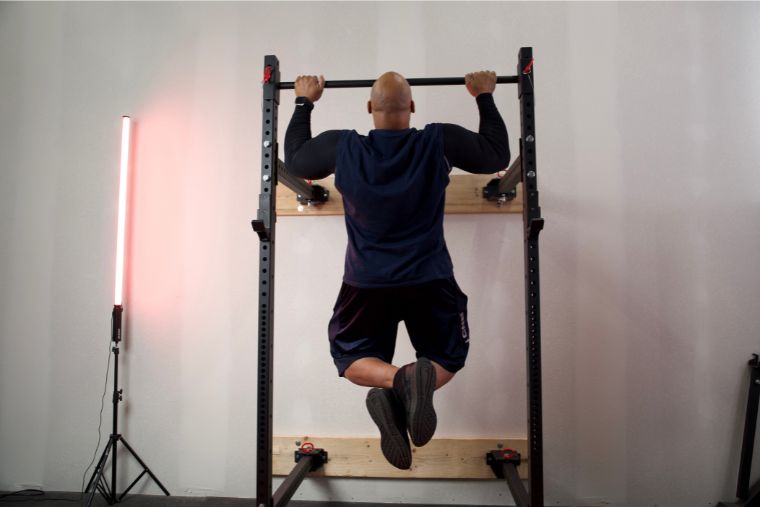
- Pull-ups/Chin-ups: Most racks come with an integrated pull-up bar, offering a fundamental upper body exercise.
- Accessory Work: Utilize the rack for inverted rows, resistance band exercises, and more.
- Space Considerations: While traditionally large, manufacturers now offer various options:
- Full-Size Racks: Provide maximum stability and internal space.
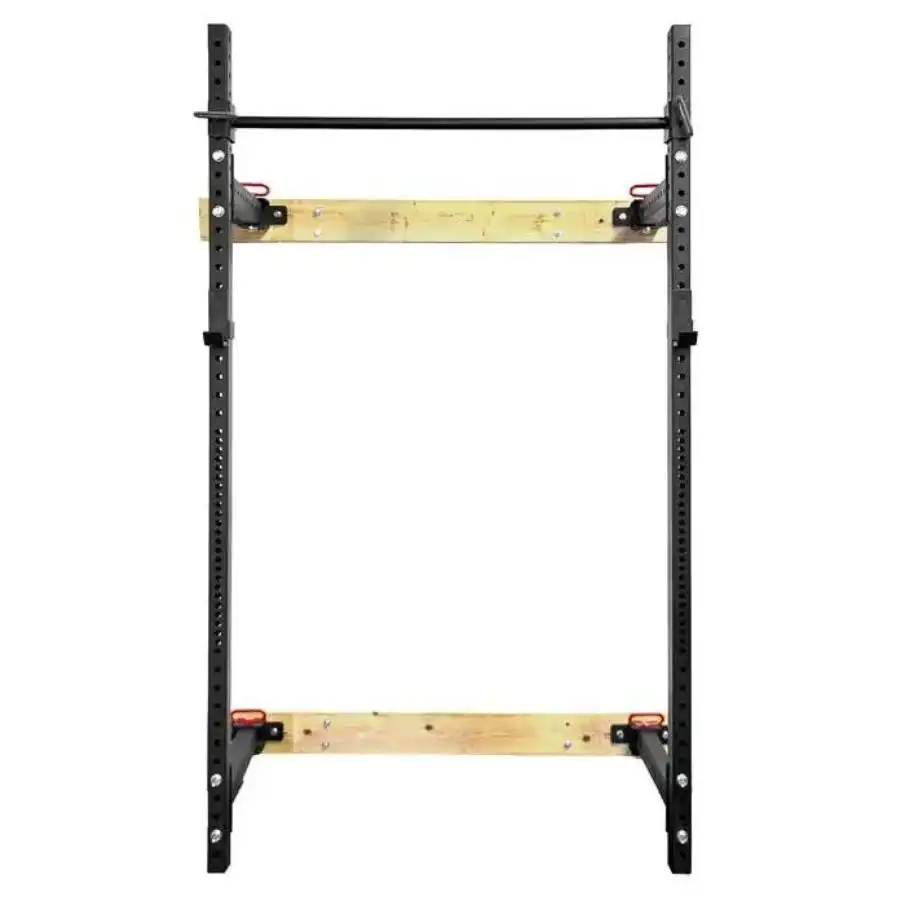
- Folding Racks: Attach to a wall and can be folded inward or outward when not in use, ideal for garage gyms or multi-purpose spaces.
- Short Racks: Designed for rooms with low ceilings, such as basements, ensuring you can still perform essential lifts.
- Practical Tip: When selecting a rack, consider its weight capacity, steel gauge (lower numbers mean thicker, stronger steel), and hole spacing for optimal adjustability of J-hooks and safety arms.
Expanding Your Arsenal: Smart Additions for Advanced Progress
Once you have your core equipment, you can strategically add pieces to enhance your training.
- Kettlebells: Excellent for dynamic movements, cardiovascular conditioning, and building grip strength.
- Medicine Balls: Useful for explosive exercises, core work, and rotational movements.
- Additional Resistance Bands: Different strengths and loop styles can add variety to warm-ups, mobility drills, and assist with exercises like pull-ups.
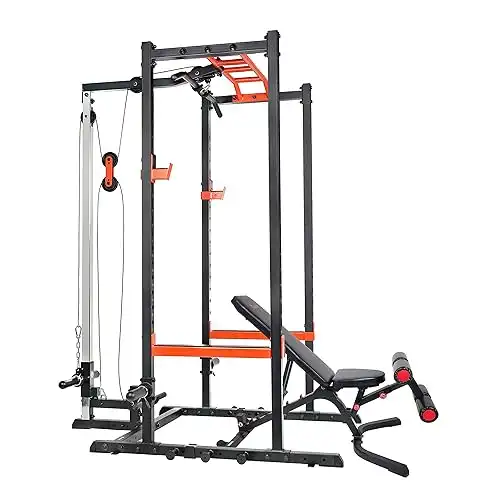
- Specialized Attachments: Many power racks are compatible with a range of add-ons, such as dip bars for triceps and chest development, or landmine attachments for unique pressing and rowing variations. These maximize the utility of your core rack.
Crafting Your Training Blueprint: Principles of Effective Program Design
Having the right equipment is only half the battle; knowing how to use it effectively is where real progress happens. A well-structured training program is your roadmap to consistent gains.
Setting SMART Goals
Before you lift a single weight, define what you want to achieve. Goals should be:
- Specific: "I want to increase my squat by 20 pounds."
- Measurable: "I will track my lifts and body measurements."
- Achievable: "20 pounds in 3 months is realistic."
- Relevant: "This aligns with my overall strength goals."
- Time-bound: "By the end of the quarter."
Understanding Reps, Sets, and Rest
These are the fundamental parameters of your workout:
- Repetitions (Reps): The number of times you perform an exercise consecutively.
- Sets: A group of repetitions, followed by a rest period.
- Rest Intervals: The time you take between sets.
- Beginner Guidelines: For muscle growth and general strength, aim for 3 sets of 8-12 repetitions per exercise.
- Importance of Rest: Shorter rest (30-60 seconds) emphasizes muscle endurance, while longer rest (2-3 minutes) is better for maximizing strength.
The Importance of Structure: Full-Body vs. Split Routines
- Recommendations for Beginners (Full-Body): For those new to strength training, 2-3 full-body workouts per week are highly effective. This allows you to hit each muscle group multiple times a week, promoting faster adaptation and recovery.
- Real-life Example: A Monday/Wednesday/Friday schedule, hitting squats, bench press, rows, and overhead press each session.
- When to Consider Splits: As you advance (typically after 3-6 months of consistent full-body training), you might explore split routines (e.g., upper/lower, push/pull/legs) to allow for more volume per muscle group and specialized training.
Warming Up and Cooling Down: Non-Negotiable Rituals
Never skip these crucial phases of your workout:
- Dynamic Warm-ups (5-10 minutes): Prepare your body for activity with movements that mimic your workout. Examples include arm circles, leg swings, torso twists, and light cardio like jumping jacks or marching in place. This increases blood flow, mobility, and reduces injury risk.
- Static Stretches/Foam Rolling (5-10 minutes): After your workout, gentle static stretches (holding a stretch for 20-30 seconds) can improve flexibility and aid recovery. Foam rolling can help release muscle tension.
Mastering Fundamental Movements: Your Strength Training ABCs
The cornerstone of any effective strength program lies in a handful of compound exercises that work multiple muscle groups simultaneously. Mastering their form is paramount.
The Big Lifts: Cornerstone Exercises
Focus on these foundational movements, paying meticulous attention to form before increasing weight.
- Squats:
- Goblet Squat (Beginner): Hold a dumbbell or kettlebell against your chest. Descend as if sitting in a chair, keeping your chest up and core engaged.
- Barbell Back Squat (Intermediate/Power Rack Essential): Load a barbell on your upper back. With feet shoulder-width apart, descend by pushing hips back and bending knees. Keep your back straight, chest up, and core tight.
- Rack’s Role: The power rack’s safety pins are critical here. Set them slightly below your lowest squat point so they catch the bar if you fail.
- Deadlifts:
- Romanian Deadlift (RDL – Beginner/Hamstring Focus): Hold dumbbells or a barbell. Hinge at your hips, keeping a slight bend in your knees and a straight back. Lower the weight until you feel a stretch in your hamstrings, then return to standing.
- Conventional Deadlift (Intermediate/Full Body Power): With a barbell on the floor, hinge at your hips and bend your knees to grip the bar. Keep your back flat, chest up, and pull the weight off the floor by extending your hips and knees simultaneously.
- Emphasis on Form: The deadlift is powerful but requires strict form to prevent injury. Start very light and consider professional guidance if unsure.
- Bench Press:
- Dumbbell Bench Press (Beginner/Intermediate): Lie on a flat or incline bench, holding dumbbells above your chest. Lower them slowly to your sides, then press back up.
- Barbell Bench Press (Intermediate/Power Rack Essential): Lie on a flat or incline bench within the power rack. Grip the barbell slightly wider than shoulder-width. Lower the bar to your mid-chest, then press it back up.
- Rack’s Role: Set the safety pins just above your chest at the bottom of the movement. If you can’t complete a rep, the pins will catch the bar, preventing it from crushing you.
- Overhead Press:
- Dumbbell Overhead Press (Beginner/Intermediate): Stand or sit with dumbbells at shoulder height, palms facing forward. Press them directly overhead, then lower slowly.
- Barbell Overhead Press (Intermediate/Power Rack Essential): Stand within the power rack, barbell racked at shoulder height. Grip slightly wider than shoulder-width. Press the bar straight overhead, locking out your arms.
- Rack’s Role: The rack’s J-hooks allow for easy racking and un-racking of the barbell, and safety pins can be set to protect you if you fail the lift.
- Rows:
- Dumbbell Row: Place one hand and knee on a bench, keeping your back flat. Pull a dumbbell up towards your hip, squeezing your shoulder blade.
- Barbell Row: Bend at your hips, keeping your back flat and knees slightly bent. Pull the barbell towards your lower chest/upper abdomen.
- Pull-ups/Chin-ups (If Equipment Allows):
- A fantastic bodyweight exercise for back and biceps. If your power rack has a pull-up bar, integrate these into your routine. Start with assisted pull-ups (using bands) if needed.
The Art of Proper Form
Form is not just about looking good; it’s about maximizing effectiveness and minimizing injury risk.
- Why it’s Paramount: Incorrect form can shift stress away from the target muscles to weaker areas (like your lower back), leading to injury. It also reduces the exercise’s effectiveness.
- Tips for Learning:
- Start Light: Always begin with a weight that allows you to perform the exercise perfectly.
- Use a Mirror or Video: Watch yourself to identify and correct errors. Recording your sets is incredibly insightful.
- Focus on the Muscle: Mentally connect with the muscle you’re trying to work.
- Breathing Techniques: Typically, exhale on exertion (the lifting phase) and inhale during the eccentric (lowering) phase. For heavy lifts, bracing your core with a deep breath (Valsalva maneuver) can enhance stability.
Progressive Overload: The Engine of Perpetual Growth
The human body is incredibly adaptive. To continue getting stronger, you must continually challenge it beyond its current capabilities. This is the principle of progressive overload.
The Core Principle Explained
Simply put, progressive overload means consistently increasing the demands placed on your musculoskeletal system. Without it, your body has no reason to adapt, grow stronger, or build more muscle. If you always lift the same weight for the same reps, you’ll eventually plateau.
Diverse Methods of Progression
There are many ways to apply progressive overload, ensuring your workouts remain challenging and effective:
- Increasing Weight: The most common method. When you can comfortably complete your target reps and sets with good form, it’s time to slightly increase the weight.
- Real-life Example: If you’re doing 3 sets of 10 reps on squats with 135 lbs, and you hit 10 reps on all three sets without struggling, try 140 or 145 lbs next session.
- Increasing Reps/Sets: If you don’t have access to heavier weights, add more repetitions to your sets or add an extra set.
- Decreasing Rest Time: Reducing the rest period between sets increases the intensity and metabolic demand, challenging your cardiovascular system and muscle endurance.
- Improving Form: While not directly adding external load, perfecting your form allows you to lift more effectively and engage the target muscles better, making the same weight feel heavier and more challenging.
- Increasing Training Frequency: If you’re currently training a muscle group once a week, increasing it to twice a week (if recovery allows) can accelerate progress.
- Adding Complexity: Incorporate more challenging variations of exercises (e.g., elevated deficit deadlifts, pause squats) or introduce new exercises.
Listening to Your Body: The Balance of Challenge and Recovery
While progressive overload is crucial, it must be balanced with adequate recovery. Pushing too hard, too often, without sufficient rest can lead to overtraining, burnout, and injury. Pay attention to signs of fatigue, persistent soreness, or a decrease in performance. Rest days are when your muscles actually grow stronger.
Nourishing Your Progress: Fueling and Recovering Your Body
Your workout is just one piece of the puzzle. What you do outside your home gym — how you fuel and recover — is equally critical for maximizing your strength gains and overall health.
The Macronutrient Blueprint
Think of food as the building blocks and energy source for your body.
- Protein (Muscle Repair and Growth): Essential for repairing muscle tissue damaged during workouts and building new muscle. Aim for 0.7-1 gram of protein per pound of body weight per day.
- Actionable Advice: Include a lean protein source (chicken, fish, eggs, Greek yogurt, legumes) with every meal.
- Carbohydrates (Energy): Your body’s primary fuel source. Complex carbohydrates (oats, brown rice, whole grains, sweet potatoes) provide sustained energy for workouts and replenish glycogen stores.
- Healthy Fats (Hormone Function and Overall Health): Crucial for hormone production, nutrient absorption, and overall bodily function. Include sources like avocados, nuts, seeds, and olive oil.
Hydration: The Often-Overlooked Performance Enhancer
Water plays a vital role in every bodily function, including muscle contraction, nutrient transport, and temperature regulation. Dehydration can significantly impair performance and lead to fatigue.
- Practical Tip: Drink plenty of water throughout the day, especially before, during, and after your workouts. Aim for at least 8-10 glasses daily, more if you’re very active.
The Power of Sleep: Crucial for Recovery and Growth
When you sleep, your body releases growth hormone, repairs muscle tissue, and consolidates memories (including motor patterns learned during your workout). Chronic sleep deprivation can hinder recovery, impair performance, and increase injury risk.
- Actionable Advice: Prioritize 7-9 hours of quality sleep per night. Establish a consistent sleep schedule and create a relaxing bedtime routine.
Active Recovery and Mobility
On rest days, consider light activities that promote blood flow and flexibility without adding significant stress.
- Examples: Walking, light cycling, stretching, yoga, or foam rolling. These can help reduce muscle soreness and improve range of motion.
Overcoming Obstacles and Sustaining Momentum
The journey to strength is rarely a straight line. You’ll encounter plateaus, busy periods, and moments of waning motivation. Developing strategies to navigate these challenges is key to long-term success.
Tackling Plateaus
Everyone hits a point where progress seems to stall. This is normal and an opportunity to reassess.
- Strategies:
- Deload Week: Reduce your training volume and intensity for a week to allow your body to fully recover and come back stronger.
- Change Exercises: Swap out a lift for a similar variation (e.g., barbell squat for goblet squat or hack squat if available) to introduce a new stimulus.
- Vary Rep Ranges: If you always train in the 8-12 rep range, try a few weeks of lower reps (3-5) for strength or higher reps (15-20) for endurance.
- Focus on Form: Sometimes a plateau is due to subtle form breakdown. Refine your technique.
Time Management for the Busy Lifter
One of the biggest advantages of a home gym is saving time, but busy schedules can still be a hurdle.
- Practical Tip: Even 20-30 minutes of focused, intense strength training can be highly effective. Prioritize compound movements.
- Real-life Example: Instead of a full hour, many busy professionals opt for three 30-minute full-body sessions a week, maximizing efficiency with exercises like squats, presses, and rows.
Maintaining Motivation: The Long Game
Fitness is a marathon, not a sprint. Consistency is king, and motivation fluctuates.
- Tracking Progress: Keep a workout journal or use an app. Seeing your weights increase or reps improve is incredibly motivating.
- Finding a Workout Partner (Even Virtually): Having someone to share your journey with, even if it’s just checking in remotely, can provide accountability and encouragement.
- Celebrating Small Victories: Acknowledge every new personal best, every consistent week, every time you pushed through a tough set.
- Mindset Strategies:
- Focus on How You Feel: Remember the energy, mental clarity, and confidence you gain from training.
- View Exercise as Self-Care: It’s not a chore; it’s an investment in your physical and mental health.
- Create a Motivating Environment: Play your favorite music, keep your home gym tidy and inspiring.
Conclusion: Your Fortitude Awaits
The journey of strength training at home is one of self-discovery, discipline, and profound reward. You have the power to sculpt not only your physique but also your resilience, your confidence, and your overall well-being. By understanding the foundational principles, making smart equipment choices like integrating a versatile and safe power rack, structuring your training intelligently, fueling your body wisely, and approaching challenges with a growth mindset, you are well-equipped to dominate your fitness goals.
Remember, every great journey begins with a single step, or in this case, a single rep. Be patient with yourself, celebrate your progress, and stay consistent. Your home gym is more than just a collection of equipment; it’s a personal sanctuary where you can consistently challenge yourself, break barriers, and forge the fortitude that will serve you in every aspect of life. Embrace the process, commit to your potential, and watch as you build a stronger, healthier, and more powerful version of yourself, one rep at a time. The power is literally in your hands.