In the pursuit of physical excellence, most of us are laser-focused on the "burn." We meticulously plan our workouts, push through challenging reps, and track our progress with unwavering dedication. We celebrate personal bests, endure muscle soreness, and dream of achieving our next fitness milestone. This drive is commendable, but it often overshadows an equally, if not more, critical component of long-term success: recovery.
Recovery isn’t merely the absence of activity; it’s an active, strategic process that allows your body to repair, adapt, and grow stronger. It’s the essential bridge between breakdown and breakthrough. Without proper recovery, even the most intense training regimen can lead to stagnation, injury, and burnout. For beginners and intermediate fitness enthusiasts alike, understanding and implementing effective recovery strategies is not just beneficial – it’s indispensable.
This article delves into the often-overlooked world of smart recovery, positioning it as the unsung hero of your fitness journey. We’ll explore various recovery methods, with a special focus on the profound benefits of heat therapy, such as saunas, and how to strategically integrate them into your routine. Prepare to unlock a new dimension of performance, resilience, and overall well-being.
The Indispensable Pillar of Progress: Understanding Recovery
Imagine your body as a finely tuned machine. When you train, you’re putting that machine through stress, creating microscopic tears in muscle fibers, depleting energy stores, and challenging your nervous system. This stress is necessary for adaptation, but without adequate time and resources to rebuild, the machine can break down. This is where recovery steps in.
Why Recovery Isn’t Optional
Ignoring recovery is akin to constantly driving a car without ever stopping for fuel or maintenance. Eventually, it will break down. For your body, neglecting recovery leads to:

- Impaired Muscle Repair and Growth: Muscles grow stronger not during the workout, but in the hours and days following, when protein synthesis is elevated, repairing and rebuilding torn fibers. Without sufficient rest, this process is compromised.
- Depleted Energy Stores: Intense exercise depletes glycogen (stored carbohydrates) in your muscles and liver. Recovery allows these crucial energy reserves to be replenished, ensuring you have the fuel for your next session.
- Increased Risk of Overtraining and Injury: Chronic fatigue, persistent muscle soreness, decreased performance, mood disturbances, and increased susceptibility to illness are all hallmarks of overtraining. Adequate recovery prevents this downward spiral, safeguarding your physical and mental health.
- Mental Rejuvenation: Fitness is as much a mental game as it is a physical one. Recovery periods offer a crucial break from the mental demands of training, reducing stress, improving focus, and preventing mental fatigue. This allows you to approach subsequent workouts with renewed enthusiasm and clarity.
The Spectrum of Recovery Methods
Recovery is multifaceted, encompassing various practices that contribute to holistic well-being. Each method plays a unique role in restoring balance and preparing your body for future challenges.
- Quality Sleep: This is arguably the most powerful recovery tool. During deep sleep, your body releases growth hormone, which is vital for tissue repair and muscle growth. Aim for 7-9 hours of uninterrupted sleep each night.
- Nutrient-Rich Nutrition: Fueling your body with adequate protein, complex carbohydrates, healthy fats, vitamins, and minerals is essential for repairing tissues, replenishing energy, and supporting overall physiological function. Post-workout nutrition, in particular, is critical for kickstarting recovery.
- Active Recovery: Light activities like walking, gentle cycling, or swimming can increase blood flow without adding significant stress, helping to flush out metabolic waste products and reduce muscle stiffness.
- Stress Management: Chronic stress elevates cortisol, a hormone that can hinder recovery and muscle growth. Practices like meditation, deep breathing, yoga, or simply spending time in nature can significantly reduce stress levels.
- Passive Recovery Methods: These include practices like massage, foam rolling, stretching, and targeted therapies such as cryotherapy (cold exposure) and heat therapy (saunas, steam rooms). These methods actively support the body’s natural healing processes.
In this article, we’ll hone in on one particularly effective and often underestimated passive recovery method: heat therapy.
Diving Deep into Heat Therapy: The Sauna Advantage
The practice of using heat for health and relaxation is ancient, spanning cultures from the Roman baths to the sweat lodges of indigenous peoples. Among these, the Finnish sauna stands out as a timeless tradition, now embraced globally for its diverse wellness benefits. Modern science is increasingly validating what these traditions have known for centuries: strategic heat exposure can be a powerful ally in your fitness journey.
A Brief History and Modern Relevance
Saunas have been a cornerstone of Finnish culture for thousands of years, evolving from simple dugouts to sophisticated structures. They were not just places for cleansing but also for social gatherings, childbirth, and healing. Today, saunas have transcended their cultural origins to become a staple in gyms, spas, and even homes worldwide, recognized for their potential to enhance physical recovery and mental well-being.
The Science Behind the Sweat: How Heat Therapy Works
When you enter a sauna, your body responds to the elevated temperature in several beneficial ways:

- Increased Blood Circulation: The heat causes your blood vessels to dilate, increasing blood flow throughout your body, especially to your muscles. This enhanced circulation delivers oxygen and nutrients more efficiently to fatigued tissues, aiding in repair, and simultaneously helps remove metabolic waste products like lactic acid.
- Muscle Relaxation and Reduced Soreness (DOMS): The warmth penetrates deep into muscle tissue, promoting relaxation and easing tension. This can significantly reduce delayed onset muscle soreness (DOMS), making subsequent workouts more comfortable and enjoyable. The release of endorphins, your body’s natural painkillers, also contributes to this relief.
- "Detoxification" (Sweating): While the liver and kidneys are your primary detoxifiers, sweating is a natural physiological process that helps excrete various substances, including heavy metals and other environmental toxins, through the skin. This can leave you feeling refreshed and invigorated.
- Stress Reduction and Mental Clarity: The quiet, warm environment of a sauna encourages deep relaxation. The parasympathetic nervous system (responsible for "rest and digest") is activated, reducing stress hormones and promoting a sense of calm. Many find sauna sessions to be a meditative experience, fostering mental clarity and improved mood.
- Improved Cardiovascular Health (Non-Medical Context): Regular sauna use has been associated with improved cardiovascular function, similar to the effects of moderate exercise. While it’s not a substitute for physical activity, it can support heart health by enhancing blood vessel elasticity and reducing blood pressure. (Always consult a doctor, especially if you have pre-existing conditions).
Different Types of Heat Therapy
While the core benefits of heat therapy remain consistent, different types offer distinct experiences:
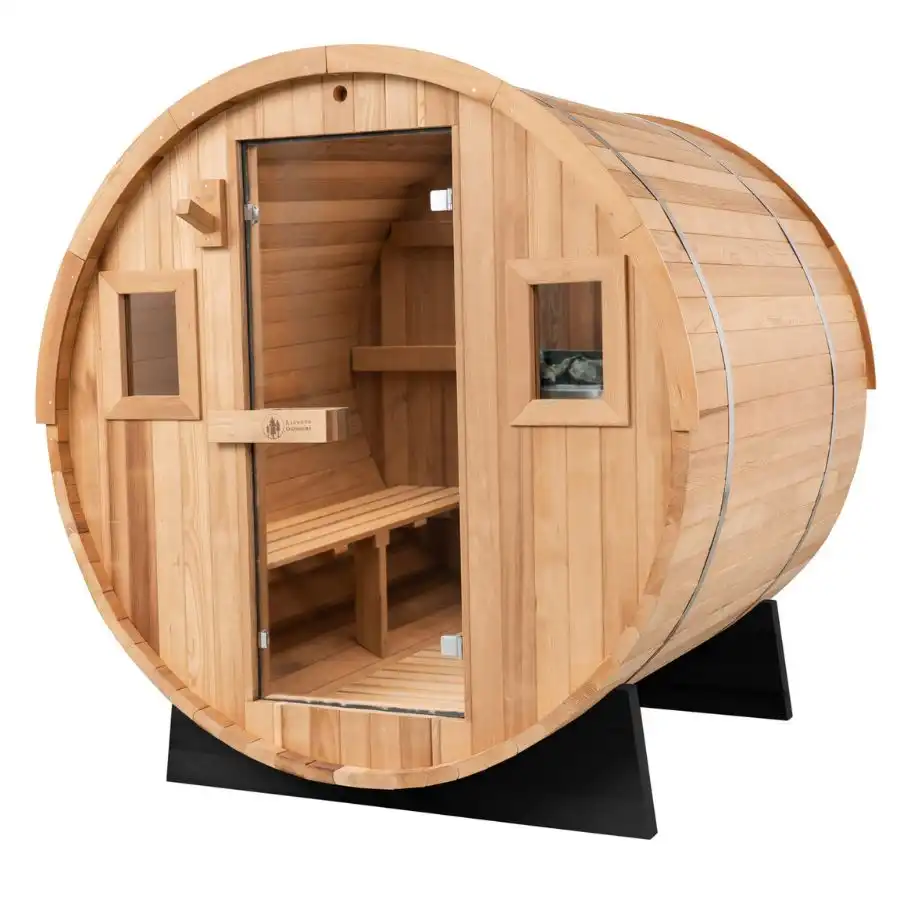
- Traditional (Finnish) Saunas: These use an electric heater or wood-burning stove to heat rocks, which then radiate intense dry heat. Water can be ladled onto the hot rocks to create steam (löyly), briefly increasing humidity and perceived temperature. Temperatures typically range from 160-200°F (70-95°C).
- Infrared Saunas: These utilize infrared heaters to emit light waves that directly warm your body rather than heating the air around you. This allows for a lower ambient air temperature (typically 120-150°F / 50-65°C) while still achieving a deep sweat. Many find infrared saunas more tolerable for longer sessions.
- Steam Rooms: Unlike saunas, steam rooms operate at lower temperatures (around 100-120°F / 40-50°C) but with 100% humidity. The moist heat is excellent for respiratory health and skin hydration, though it might feel more intense for some due to the humidity.
For fitness recovery, both traditional and infrared saunas offer excellent benefits. The choice often comes down to personal preference for dry heat versus direct radiant heat.
Integrating Heat Therapy into Your Fitness Routine
Now that you understand the "why," let’s explore the "how." Integrating heat therapy effectively requires a thoughtful approach, considering timing, duration, and individual needs.
Pre-Workout Warm-up or Post-Workout Cool-down?
The timing of your heat therapy session can influence its specific benefits:
- Pre-Workout (Light Warm-up): A short 5-10 minute sauna session before a workout can help increase core body temperature, improve blood flow, and enhance muscle flexibility, acting as a gentle warm-up. However, avoid long, intense sessions that could lead to dehydration or fatigue before training. This is more about limbering up than deep recovery.
- Post-Workout (Optimal for Recovery): This is generally considered the most beneficial time for heat therapy. After your workout, your muscles are warm and pliable, and your body is ready for repair. A post-workout sauna session can significantly aid in:
- Muscle Relaxation: Helping tight muscles unwind after exertion.
- Reduced DOMS: Minimizing the severity of muscle soreness.
- Enhanced Blood Flow: Delivering vital nutrients for repair and waste removal.
- Mental De-stressing: Shifting your body from a sympathetic (fight-or-flight) to a parasympathetic (rest-and-digest) state.
For beginners and intermediate fitness enthusiasts, focusing on post-workout use will likely yield the most noticeable recovery benefits.
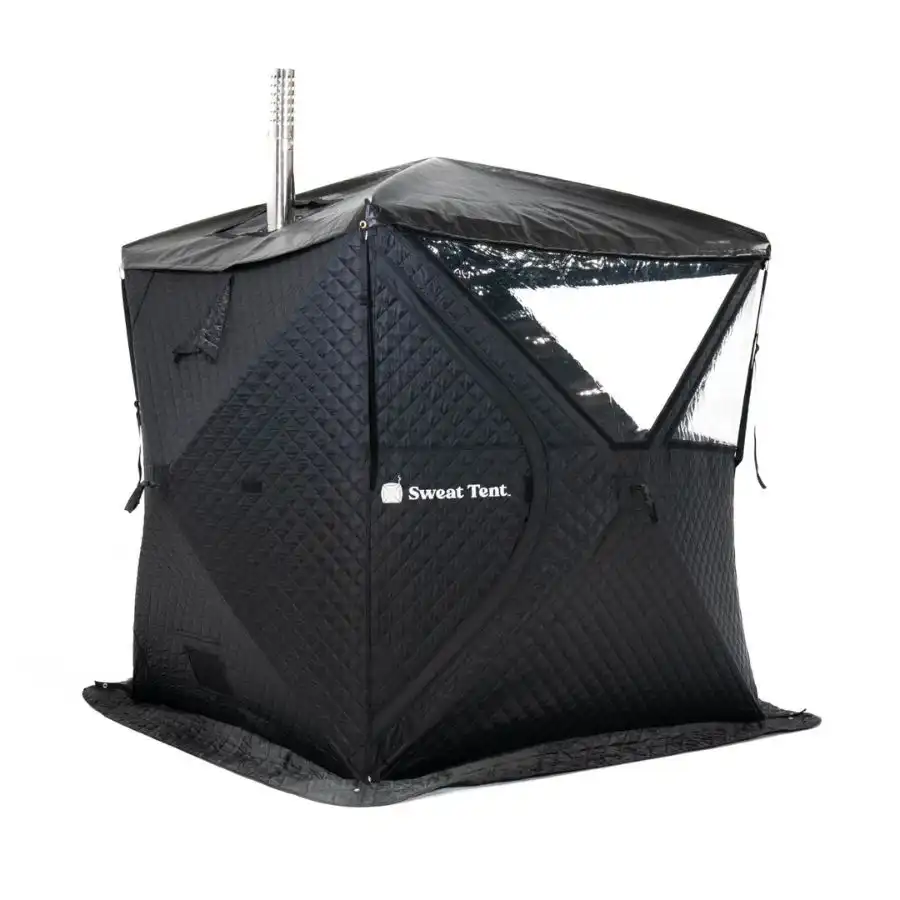
Crafting Your Sauna Session: A Practical Guide
To maximize the benefits and ensure safety, follow these practical guidelines:
- Duration: Start slow. For beginners, 10-15 minutes is a good starting point. As you become accustomed, you can gradually increase to 20-25 minutes per session. Listen to your body – if you feel lightheaded or uncomfortable, exit immediately.
- Frequency: Aim for 2-3 sessions per week, ideally on your toughest training days or rest days, to support consistent recovery. Consistency is key to experiencing the cumulative benefits.
- Temperature Considerations: If using a traditional sauna, temperatures typically range from 160-200°F (70-95°C). For infrared saunas, 120-150°F (50-65°C) is common. Find a temperature that feels challenging yet comfortable for your chosen duration.
- Hydration is Crucial: This cannot be overstated. Drink plenty of water before, during (if needed, but usually not recommended to bring water into the sauna for safety reasons), and especially after your sauna session. The amount of fluid lost through sweat can be substantial. Consider adding an electrolyte supplement to your post-sauna hydration, particularly if you sweat heavily or have multiple sessions.
- Listen to Your Body: This is the golden rule. Everyone responds differently to heat. Pay attention to how you feel. If you experience dizziness, nausea, or extreme discomfort, it’s time to cool down. It’s not about enduring pain, but promoting relaxation and recovery.
- Cool-down Period: After exiting the sauna, allow your body to gradually cool down. A lukewarm shower, followed by a cooler rinse, can be invigorating. Avoid immediately jumping into an ice-cold shower unless you are specifically practicing contrast therapy and are well-versed in its techniques.
Combining Heat with Other Recovery Strategies
Heat therapy is powerful, but it’s even more effective when integrated with other recovery practices:
- Post-Sauna Stretching and Foam Rolling: The warmth from the sauna makes your muscles more pliable. Capitalize on this by performing gentle stretches or using a foam roller immediately after your session to improve flexibility and release myofascial tension.
- Contrast Therapy (Sauna then Cold Plunge/Shower): For intermediate users looking to deepen their recovery, alternating between hot (sauna) and cold (cold shower or plunge) can be incredibly effective. This creates a "vascular pump" effect, rapidly dilating and constricting blood vessels, which may further enhance circulation and reduce inflammation. Start with shorter cold exposures and gradually increase duration.
- Mindfulness and Meditation: The quiet, enclosed environment of a sauna is ideal for mindfulness practices. Use the time to focus on your breath, clear your mind, or practice gratitude. This amplifies the mental relaxation benefits of heat therapy.
- Nutrient Timing: Combine your post-sauna rehydration with a balanced meal or shake rich in protein and carbohydrates to replenish energy stores and support muscle repair.
Real-Life Impact: Stories of Enhanced Performance and Well-being
The benefits of integrating smart recovery, including heat therapy, are not just theoretical; they manifest in tangible improvements for fitness enthusiasts at all levels.
Consider Sarah, a busy professional who started her running journey a year ago. Initially, she struggled with persistent calf tightness and shin splints, often feeling too stiff to run on consecutive days. After incorporating two 15-minute sauna sessions per week, specifically after her longer runs, she noticed a remarkable difference. Her muscle recovery improved significantly, reducing her soreness and allowing her to maintain a more consistent training schedule without discomfort. "The sauna became my non-negotiable ritual," Sarah shares. "It didn’t just help my muscles; it gave me mental space to unwind and appreciate my progress."
Then there’s Mark, an intermediate weightlifter who had hit a plateau. Despite consistent training, he felt perpetually fatigued and found his lifts stalling. His sleep quality was poor, and he often skipped stretching. By committing to a holistic recovery approach – prioritizing 8 hours of sleep, optimizing his nutrition, and adding a 20-minute sauna session after his most demanding lifting days – Mark broke through his plateau. "I started feeling fresher, stronger, and more motivated," Mark explains. "The sauna became my mental reset button, and suddenly my body could keep up with my ambition."

These examples underscore a crucial point: recovery isn’t a passive break; it’s an active ingredient for progress. Consistency in these practices, just like consistency in training, is what truly compounds the benefits over time.
Essential Considerations and Safety First
While heat therapy offers a wealth of benefits, it’s not suitable for everyone, and certain precautions must be taken to ensure a safe and positive experience.
Who Should Be Cautious?
Always consult your doctor before starting any new fitness or recovery regimen, including heat therapy, especially if you:
- Have pre-existing medical conditions: This includes heart conditions, high or low blood pressure, respiratory issues (like asthma), kidney disease, or diabetes.
- Are pregnant or breastfeeding: The effects of high heat on pregnancy are not fully understood, and dehydration can be a concern.
- Are on medication: Certain medications can affect your body’s ability to regulate temperature or increase your risk of dehydration.
- Have open wounds or skin conditions: Heat can exacerbate some skin conditions or interfere with wound healing.
- Are feeling unwell: If you have a fever, are experiencing a cold or flu, or are generally feeling run down, it’s best to postpone your sauna session.
Hydration and Electrolytes
As mentioned, proper hydration is paramount. Intense sweating can lead to significant fluid and electrolyte loss.
- Before: Drink 16-20 ounces (about 0.5 liters) of water in the hour leading up to your sauna session.
- During: Avoid drinking large amounts of water inside the sauna, but you can have a small glass nearby if you feel parched.
- After: Rehydrate thoroughly. Drink 2-4 glasses of water immediately after your session. For longer sessions or if you sweat profusely, consider an electrolyte-rich beverage or adding a pinch of sea salt to your water.
- Signs of Dehydration: Watch out for dizziness, lightheadedness, headache, extreme thirst, or dark urine. If you experience these, exit the sauna, cool down, and rehydrate.
Hygiene and Etiquette
If using a public sauna, good hygiene and etiquette ensure a pleasant experience for everyone:
- Shower Before and After: This removes sweat and impurities before entering and cleanses your skin after.
- Use a Towel: Always sit or lie on a clean towel to absorb sweat and maintain cleanliness.
- Respect Others: Keep conversations low, and avoid bringing strong-smelling foods or disruptive electronics.
- Cleanliness: If using a private or home sauna, ensure regular cleaning and maintenance for optimal hygiene.
Conclusion
The journey to peak fitness is a marathon, not a sprint, and sustainable progress hinges not just on how hard you train, but how intelligently you recover. For beginners taking their first steps, and intermediate enthusiasts pushing their limits, embracing smart recovery is the catalyst for consistent growth, injury prevention, and enduring well-being.
Heat therapy, particularly through the ancient wisdom of saunas, stands out as a powerful, yet often underutilized, recovery tool. Its ability to enhance circulation, relax muscles, reduce soreness, and calm the mind makes it an invaluable addition to any fitness regimen. It’s more than just a luxurious treat; it’s a strategic investment in your body’s ability to adapt, repair, and come back stronger.
Don’t let your pursuit of progress be derailed by neglecting the unsung hero of your fitness journey. Take the time to understand your body’s recovery needs, experiment with effective strategies, and embrace the transformative power of practices like heat therapy. Hydrate, listen to your body, and consult professionals when needed. By integrating intelligent recovery into your routine, you’re not just resting; you’re actively building a more resilient, high-performing, and sustainably fit version of yourself. Your body works hard for you – return the favor, and unlock your full potential.