For many, the journey to a healthier physique often begins with a simple goal: "lose weight." However, as you embark on this path, you quickly discover that true transformation goes far beyond the numbers on a scale. The real objective isn’t just to shed pounds, but to strategically reduce body fat while meticulously preserving and even building lean muscle mass. This crucial distinction is the cornerstone of a truly effective, sustainable, and empowering fitness journey.
Imagine a body that not only looks leaner but feels stronger, more energetic, and more resilient. This is the promise of body recomposition – changing your body’s composition by decreasing fat and increasing muscle. And at the heart of this transformative process lies an often-underestimated macronutrient: protein.
As a certified fitness professional and nutrition expert, I’ve witnessed firsthand how a strategic focus on protein can revolutionize a client’s results. It’s not just a nutrient; it’s a powerful ally that impacts everything from your metabolism and hunger levels to your ability to recover from workouts and sculpt the physique you desire. In this comprehensive guide, we’ll delve deep into the science, practical applications, and undeniable power of protein, equipping you with the knowledge and tools to unlock your body’s full potential for lasting fat loss and unwavering strength.
The Science-Backed Power of Protein for Fat Loss
Protein isn’t just for bodybuilders; it’s a fundamental nutrient for anyone serious about body recomposition and sustainable fat loss. Its unique properties interact with your body in several profound ways, making it an indispensable component of your dietary strategy.
Igniting Your Internal Furnace: The Thermic Effect of Food (TEF)
Every time you eat, your body expends energy to digest, absorb, and metabolize the nutrients from your food. This energy expenditure is known as the Thermic Effect of Food (TEF). Think of it as your body’s internal furnace kicking into gear.
What’s fascinating about protein is its significantly higher TEF compared to carbohydrates and fats.
- Fats: Have a TEF of 0-3%, meaning almost all calories are stored or used directly.
- Carbohydrates: Have a TEF of 5-10%.
- Protein: Boasts a TEF of 20-30%. This means that for every 100 calories of protein you consume, your body uses 20-30 of those calories just to process it.
Practical Implications: By simply increasing your protein intake, you can subtly boost your daily calorie expenditure without adding extra activity. This "metabolic advantage" contributes to creating a more efficient calorie deficit, which is essential for fat loss. It’s like getting a little extra burn just for eating!
Conquering Cravings: Protein’s Role in Satiety and Hunger Control
One of the biggest hurdles in any fat loss journey is managing hunger and resisting cravings. This is where protein truly shines as a game-changer. Protein has a remarkable ability to promote satiety, the feeling of fullness and satisfaction after a meal, much more effectively than carbohydrates or fats.
This isn’t just anecdotal; it’s rooted in biology. Protein influences the release of key hunger-regulating hormones:
- Ghrelin: Often called the "hunger hormone," ghrelin levels typically rise before meals and decrease afterward. Protein has been shown to suppress ghrelin more effectively than other macronutrients.
- GLP-1 and PYY: These are gut hormones that signal fullness to the brain. Protein consumption stimulates their release, leading to a prolonged feeling of satiety.
Real-Life Example: Imagine starting your day with a high-protein breakfast like scrambled eggs with vegetables or Greek yogurt with nuts. Compared to a sugary cereal or toast, you’ll likely feel fuller, more energized, and less prone to mid-morning snacking. This sustained satiety can significantly reduce your overall calorie intake throughout the day, making it easier to stick to your fat loss goals without feeling deprived.
Building and Preserving Your Lean Machine: Muscle Mass Matters
When people focus solely on "weight loss," they often overlook a critical detail: the composition of that weight. Losing valuable muscle tissue alongside fat can be detrimental to your long-term health and metabolic rate. Muscle is metabolically active tissue, meaning it burns more calories at rest than fat does. The more muscle you have, the higher your basal metabolic rate (BMR) – the number of calories your body burns just to maintain basic functions.
During a calorie deficit, your body naturally seeks energy from stored sources. Without adequate protein and resistance training, it can start breaking down muscle tissue for energy, alongside fat. This leads to:
- Reduced BMR: Making it harder to lose fat and easier to regain weight in the future.
- Weakness and Fatigue: Impaired physical performance and overall energy levels.
- A "Skinny Fat" Physique: Even if the scale goes down, your body composition might not improve aesthetically.
Protein’s primary role in this context is to support muscle protein synthesis (MPS) – the process of building and repairing muscle tissue. By providing the necessary amino acids, protein signals your body to hold onto its hard-earned muscle, even when calories are restricted. When combined with consistent resistance training, a high-protein diet is the ultimate strategy for body recomposition: shedding fat while preserving and even building muscle.
How Much Protein Do You Really Need? Demystifying the Numbers
Determining your optimal protein intake can feel like navigating a maze of conflicting advice. However, for those aiming for fat loss and muscle preservation, the recommendations are generally higher than for sedentary individuals.
General Guidelines for Active Individuals
For most active individuals and those focusing on body recomposition, a common and effective guideline is to consume between 1.6 to 2.2 grams of protein per kilogram of body weight per day.
If you prefer to think in pounds: this translates to roughly 0.7 to 1.0 gram of protein per pound of body weight per day.
Let’s break this down:
- For someone weighing 150 lbs (approx. 68 kg):
- At the lower end (0.7g/lb): 150 lbs * 0.7 g/lb = 105 grams of protein per day.
- At the higher end (1.0g/lb): 150 lbs * 1.0 g/lb = 150 grams of protein per day.
These ranges are designed to:
- Maximize muscle protein synthesis.
- Enhance satiety, helping manage calorie intake.
- Support recovery from intense training.
- Minimize muscle loss during a calorie deficit.
Individualizing Your Protein Intake
While general guidelines are a good starting point, your ideal protein intake can be influenced by several factors:
- Activity Level and Intensity: If you train intensely or engage in very demanding physical labor, your protein needs may lean towards the higher end of the spectrum.
- Age: As we age, our bodies become less efficient at utilizing protein for muscle synthesis (a phenomenon called anabolic resistance). Older adults may benefit from slightly higher protein intakes.
- Body Composition Goals: If you’re very lean and trying to lose the last few stubborn pounds, or if you’re in a more aggressive calorie deficit, a higher protein intake can be particularly beneficial for muscle preservation.
- Current Body Weight vs. Target Body Weight: Some experts suggest basing protein intake on your target lean body mass rather than your current total body weight, especially for individuals with a very high body fat percentage.
Simple Method for Estimation:
Start with the general guideline (e.g., 0.8g per pound of body weight). Divide this total into 3-5 meals throughout the day. For example, if your goal is 120 grams, aim for 30 grams in four meals, or 40 grams in three meals. This distributed intake helps optimize muscle protein synthesis throughout the day.
Debunking the "Too Much Protein" Myth
One common concern revolves around the idea that "too much protein" is harmful, particularly for kidney health. For healthy individuals with normal kidney function, extensive research has shown that high protein intakes (even above 2.2g/kg/day) are safe and do not cause kidney damage. The body is remarkably efficient at processing protein.
However, if you have a pre-existing kidney condition, it is absolutely essential to consult with your doctor or a registered dietitian before significantly altering your protein intake.
For the average healthy person, the focus should be on:
- Quality: Prioritize whole, unprocessed protein sources.
- Overall Balance: Ensure your diet also includes ample fruits, vegetables, healthy fats, and complex carbohydrates for a well-rounded nutritional profile.
- Hydration: Always maintain adequate water intake, especially with a higher protein diet.
Fueling Your Transformation: Prioritizing High-Quality Protein Sources
While the number of grams matters, the source of your protein is equally important. Prioritizing high-quality, nutrient-dense protein from whole foods forms the foundation of any successful fat loss and body transformation plan.
The Foundation: Whole Food Proteins
These are your primary go-to sources, offering a complete profile of amino acids, along with essential vitamins, minerals, and often fiber, which further enhances satiety.
- Lean Meats:
- Chicken Breast/Thighs: Versatile, affordable, and packed with protein.
- Turkey (Breast/Ground): A lean alternative to chicken, great for stir-fries, burgers, or chili.
- Lean Beef (Sirloin, Flank, Ground 90%+): Excellent source of iron and B vitamins.
- Lean Pork (Loin, Tenderloin): Another versatile option, surprisingly lean.
- Fish and Seafood:
- Salmon: Rich in protein and beneficial omega-3 fatty acids.
- Tuna (Canned or Fresh): Convenient and lean.
- Cod, Tilapia, Haddock: White fish varieties that are extremely lean and mild-tasting.
- Shrimp, Scallops: Quick-cooking, low-calorie, high-protein options.
- Eggs and Dairy:
- Eggs (Whole or Whites): A complete protein, incredibly versatile for any meal.
- Greek Yogurt: High in protein, probiotics, and calcium; excellent for breakfast or snacks.
- Cottage Cheese: Another protein powerhouse, great on its own or with fruit.
- Milk/Kefir: Good sources of protein and calcium.
- Legumes and Plant-Based Options:
- Lentils: High in protein and fiber, great for soups, stews, or salads.
- Beans (Black, Kidney, Chickpeas): Excellent plant-based protein and fiber, though also contain carbohydrates.
- Tofu/Tempeh: Soy-based proteins that are incredibly versatile and absorb flavors well.
- Edamame: A complete plant protein, perfect as a snack or addition to salads.
- Nuts and Seeds (Almonds, Chia, Flax, Pumpkin Seeds): While higher in fat, they offer protein, fiber, and healthy fats in moderation.
Advantages of Whole Foods: Beyond protein, these sources provide a spectrum of micronutrients that support overall health, energy production, and metabolic function. The fiber content in many plant-based proteins also contributes to gut health and prolonged satiety.
Strategic Supplementation: When Protein Powders Can Play a Role
While whole foods should always be your priority, protein powders can be incredibly useful tools to help you hit your daily protein targets, especially if you have a busy lifestyle, struggle with appetite, or need a convenient post-workout boost.
- Convenience: A quick shake is often easier and faster to prepare than a full meal, making it ideal for busy mornings, on-the-go nutrition, or immediately after a workout.
- Filling Nutritional Gaps: If your meals consistently fall short of your protein goals, a scoop of protein powder can help bridge that gap without adding excessive calories from fats or carbs.
- Types of Protein Powders:
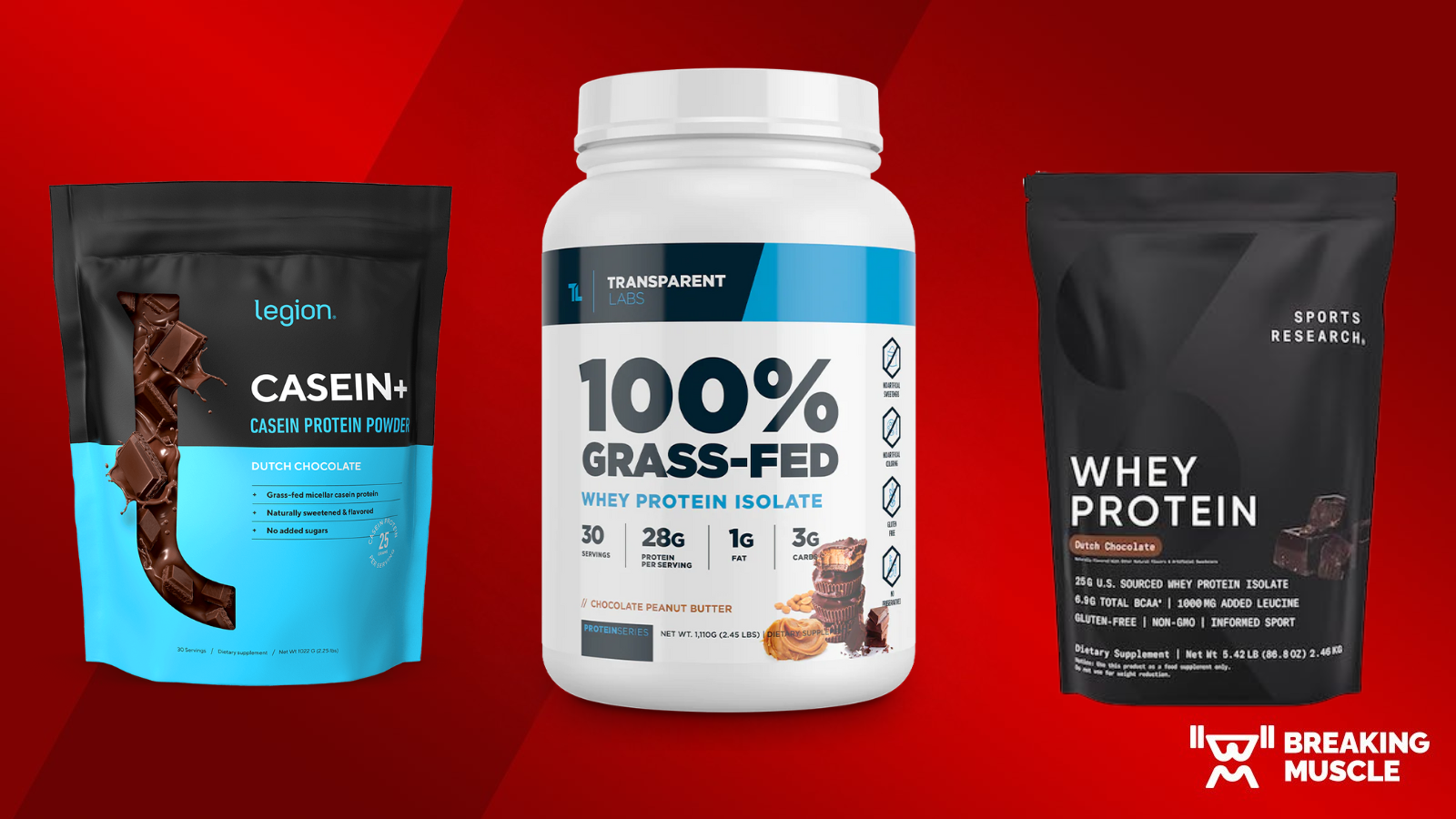
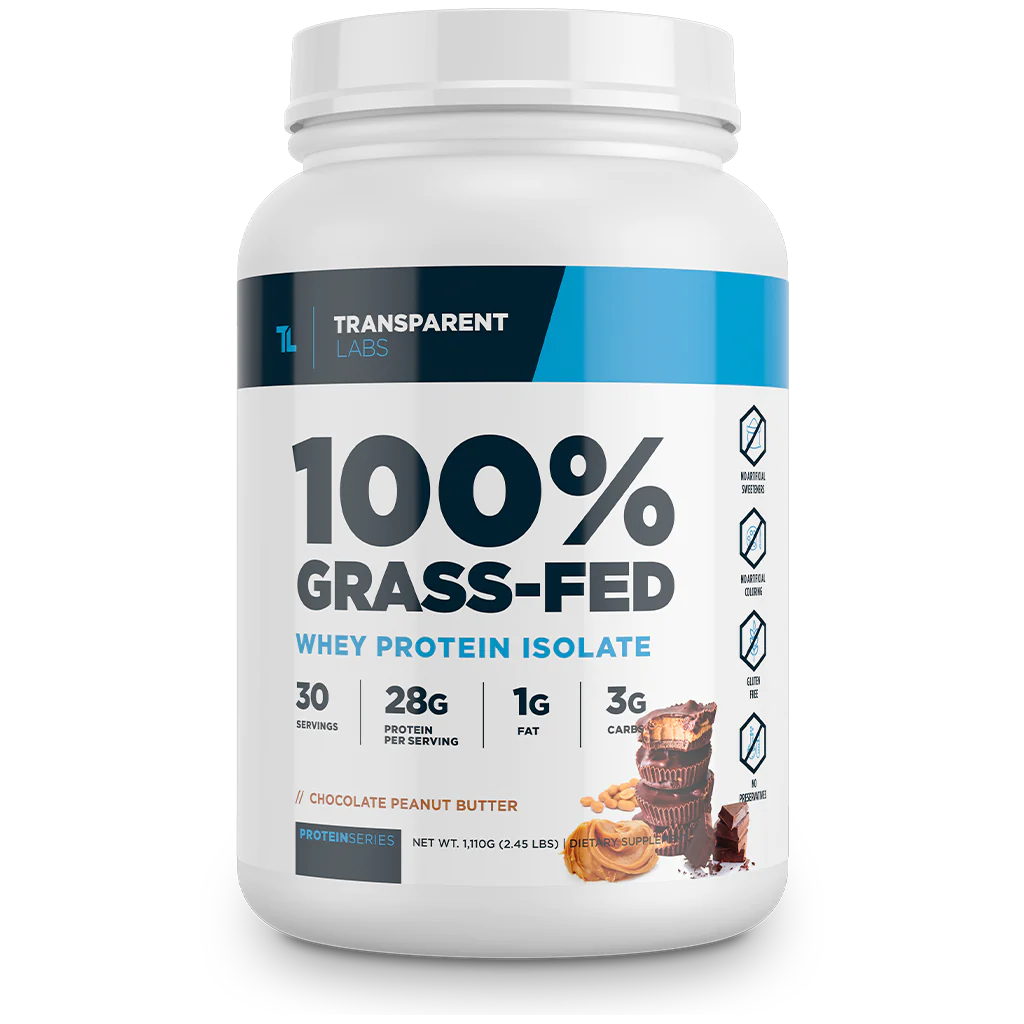
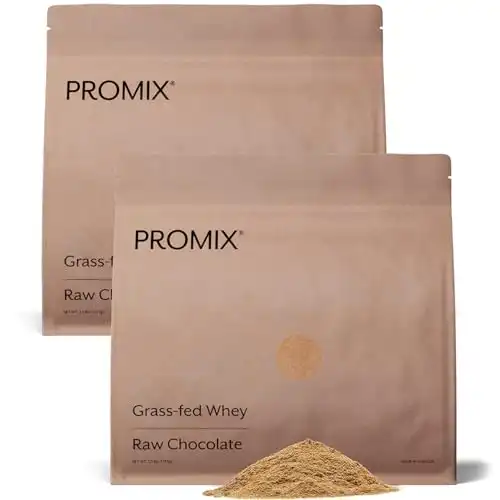
- Whey Protein: Derived from milk, it’s fast-digesting and rich in branched-chain amino acids (BCAAs), making it popular for post-workout recovery. Whey isolate is typically lower in carbs and fats than concentrate.
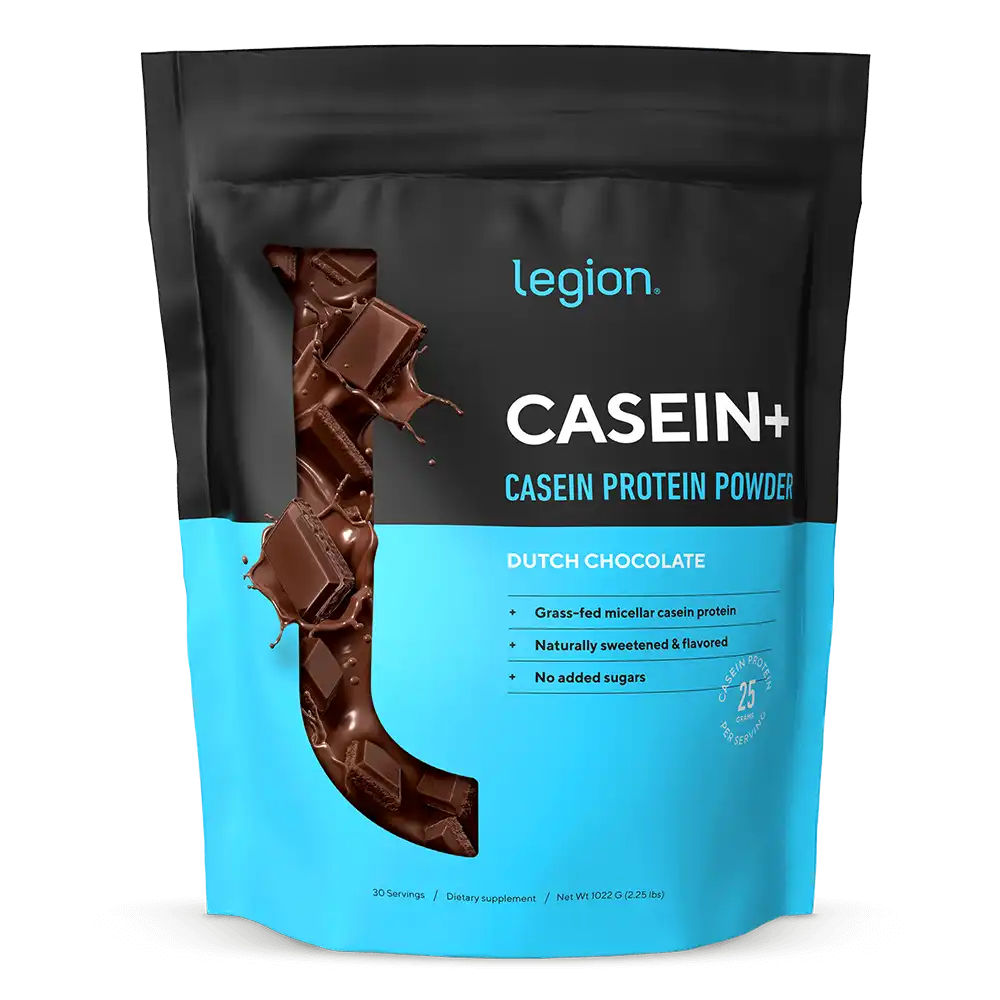
- Casein Protein: Also from milk, casein is slow-digesting, providing a sustained release of amino acids. This can be beneficial before bed or during longer periods between meals to support muscle preservation.
- Plant-Based Proteins (Pea, Soy, Hemp, Rice blends): Excellent options for vegetarians, vegans, or those with dairy sensitivities. Blends often provide a more complete amino acid profile.
Emphasis on Quality and Third-Party Testing: When choosing a protein powder, look for products with minimal added sugars, artificial ingredients, and unnecessary fillers. Prioritizing brands that undergo third-party testing (by organizations like Informed Sport or NSF Certified for Sport) ensures the product is free from contaminants and accurately reflects its label claims.
Crucial Reminder: Protein powders are supplements – they are meant to supplement your diet, not replace nutrient-rich whole foods. Use them strategically to enhance your protein intake, not as a shortcut to bypass healthy eating habits.
Weaving Protein into Your Daily Tapestry: Practical Strategies
Knowing why protein is important and how much you need is only half the battle. The real magic happens when you consistently integrate it into your daily life. Here are actionable strategies to make protein a central part of your nutrition plan.
Start Strong: High-Protein Breakfast Ideas
Your first meal of the day sets the tone for your hunger levels and energy for hours to come. A protein-rich breakfast can significantly reduce cravings and overeating later in the day.
- Greek Yogurt Power Bowl: Combine plain Greek yogurt (20-25g protein per cup) with a handful of berries, a sprinkle of nuts or seeds, and a dash of cinnamon.
- Scrambled Eggs or Omelet: 3-4 whole eggs or 5-6 egg whites with plenty of chopped vegetables (spinach, peppers, onions). Add a slice of whole-grain toast for fiber.
- Protein Smoothie: Blend a scoop of your preferred protein powder with unsweetened almond milk, a banana or a handful of spinach, and a tablespoon of nut butter.
- Cottage Cheese with Fruit: A simple yet effective option, cottage cheese is packed with casein protein for sustained fullness.
Make Every Meal Count: Lunch and Dinner Focus
Make protein the centerpiece of your main meals. Aim for a substantial portion (about the size of your palm or a deck of cards, depending on your individual needs) with each lunch and dinner.
- Plate Composition Strategy: A simple visual guide:
- Half your plate: Non-starchy vegetables (broccoli, green beans, salad, zucchini).
- One-quarter of your plate: Lean protein source (chicken breast, fish fillet, lean steak, tofu).
- One-quarter of your plate: Complex carbohydrates (quinoa, brown rice, sweet potato, whole-grain pasta).
- Batch Cooking and Meal Prepping Tips: Dedicate a few hours one day a week to cook larger quantities of protein sources (e.g., grilled chicken, baked salmon, ground turkey). This makes assembling quick, high-protein meals during busy weekdays much easier. Portion them into containers for grab-and-go convenience.
- One-Pan Wonders: Sheet pan meals with chicken or fish and plenty of vegetables roasted together are simple, require minimal cleanup, and ensure a balanced protein-rich meal.
Smart Snacking: Bridging the Gaps
Snacks are an opportunity to boost your protein intake and keep hunger at bay between meals. Avoid sugary, processed snacks that lead to energy crashes and further cravings.
- Hard-Boiled Eggs: Convenient, portable, and packed with protein.
- A Handful of Almonds or Walnuts: Healthy fats, protein, and fiber (watch portion sizes due to calorie density).
- Cheese Sticks or Cubes: A good source of calcium and protein.
- Jerky (Low-Sodium, High-Quality): A lean, satisfying protein boost on the go.
- Edamame Pods: A complete plant protein, fun to eat, and fiber-rich.
- Apple Slices with Nut Butter: A classic combo providing protein, fiber, and healthy fats.
Optimizing Your Workouts: Pre and Post-Exercise Protein
While total daily protein intake is most important, strategic timing around your workouts can enhance performance, recovery, and muscle growth.
- Pre-Workout Fuel (1-2 hours before): A small amount of protein (15-20g) combined with complex carbohydrates can provide sustained energy and begin the process of muscle protection. Examples: a small protein smoothie, Greek yogurt, or a piece of fruit with a hard-boiled egg.
- Post-Workout Recovery (within 1-2 hours after): This is a critical window for muscle repair and growth. Aim for 20-40 grams of protein, ideally combined with fast-digesting carbohydrates, to replenish glycogen stores and kickstart muscle protein synthesis. Examples: a whey protein shake with a banana, chicken breast with rice, or a tuna sandwich.
The Synergy Effect: Protein, Exercise, and Lifestyle for Lasting Results
Protein alone won’t transform your body. Its power is amplified when combined with a well-rounded fitness regimen and healthy lifestyle habits. Think of it as a three-legged stool: protein, exercise, and recovery – remove one, and the whole structure becomes unstable.
The Power of Resistance Training
Resistance training (also known as strength training or weightlifting) is non-negotiable for body recomposition. While cardio helps burn calories, resistance training sends the crucial signal to your muscles that they need to grow stronger and resist breakdown, especially during a calorie deficit.
- Why it’s Essential:
- Muscle Preservation: Prevents muscle loss during fat loss.
- Muscle Growth: Builds new muscle tissue, increasing your BMR.
- Improved Body Shape: Sculpts and tones your physique.
- Bone Density: Strengthens bones, reducing osteoporosis risk.
- Effective Exercises: Focus on compound movements that work multiple muscle groups simultaneously.
- Squats: Works glutes, quads, hamstrings.
- Deadlifts: Engages entire posterior chain, back, and core.
- Bench Press: Targets chest, shoulders, triceps.
- Overhead Press: Builds shoulder and triceps strength.
- Rows: Develops back and bicep strength.
Aim for 2-4 resistance training sessions per week, progressively increasing the weight, reps, or sets over time to challenge your muscles.
Complementary Cardio and Active Living
While resistance training builds muscle, cardiovascular exercise plays a vital role in creating a calorie deficit and improving overall health.
- Role in Calorie Deficit: Cardio helps burn additional calories, contributing to the energy deficit needed for fat loss.
- Cardiovascular Health: Improves heart health, endurance, and stamina.
- Mental Well-being: Reduces stress, improves mood, and boosts energy.
Integrate 20-60 minutes of moderate-intensity cardio 2-4 times per week. This could be brisk walking, jogging, cycling, swimming, or hiking. Beyond structured workouts, simply finding enjoyable ways to move more throughout your day – taking the stairs, walking during phone calls, playing with pets – can significantly impact your overall activity level and calorie expenditure.
The Pillars of Recovery: Sleep and Stress Management
Often overlooked, sleep and stress management are as critical as diet and exercise for body transformation. They directly impact hormone balance, which in turn affects your ability to lose fat and build muscle.
- Sleep’s Impact:
- Hormone Regulation: Insufficient sleep disrupts ghrelin and leptin, increasing hunger and cravings. It also negatively impacts growth hormone and testosterone (crucial for muscle repair) and increases cortisol (stress hormone).
- Muscle Repair: Most muscle repair and growth occur during deep sleep cycles.
- Energy Levels: Quality sleep ensures you have the energy for effective workouts and daily activities.
- Aim for 7-9 hours of quality sleep per night.
- Stress Management:
- Cortisol Spikes: Chronic stress elevates cortisol, which can promote fat storage (especially around the abdomen) and muscle breakdown.
- Emotional Eating: Stress often triggers emotional eating, leading to poor food choices.
- Find healthy ways to manage stress: meditation, yoga, spending time in nature, hobbies, deep breathing exercises.
Navigating the Journey: Common Pitfalls and How to Overcome Them
The path to body transformation isn’t always linear. There will be challenges, plateaus, and moments of doubt. Recognizing common pitfalls and developing strategies to overcome them is key to long-term success.
Underestimating Protein Needs
Many beginners, and even some intermediate exercisers, significantly underestimate how much protein they actually need. They might hit their calorie goals but fall short on protein, leading to suboptimal results.
- Overcoming This:
- Track for a Week: Use a food tracking app for a few days to get an honest assessment of your current protein intake. You might be surprised.
- Prioritize Protein First: When planning meals, think about your protein source first, then add vegetables and carbohydrates.
- Educate Yourself: Revisit the guidelines (1.6-2.2g/kg or 0.7-1.0g/lb) and understand why they are important.
Over-Reliance on Supplements
While protein powders are useful tools, they should not be seen as a replacement for whole foods. Some individuals fall into the trap of thinking supplements are a magic bullet, neglecting nutrient-dense meals.
- Overcoming This:
- Whole Foods First Philosophy: Always aim to get the majority of your protein from lean meats, fish, eggs, dairy, and plant-based sources.
- Supplements as Bridges: Use protein powder to fill gaps, for convenience, or for specific timing needs (e.g., post-workout).
- Check Ingredients: Be mindful of added sugars and artificial ingredients in supplements.
Neglecting Overall Calorie Balance
Protein is incredibly powerful, but it’s not a license to eat unlimited calories. For fat loss, a consistent calorie deficit is still fundamental. You can eat all the protein in the world, but if you’re consuming more calories than you burn, you won’t lose fat.
- Overcoming This:
- Understand Your Maintenance Calories: Estimate how many calories your body needs to maintain its current weight.
- Create a Moderate Deficit: Aim for a deficit of 300-500 calories below your maintenance level for sustainable fat loss.
- Don’t Obsess, But Be Aware: You don’t need to track every single calorie forever, but having a general awareness of your intake and portion sizes is crucial.
Lack of Consistency and Patience
Fat loss and body recomposition are journeys, not destinations. Expecting overnight results or getting discouraged by slow progress can lead to giving up prematurely.
- Overcoming This:
- Set Realistic Goals: Aim for 1-2 pounds of fat loss per week, which is sustainable and healthy.
- Focus on Small Wins: Celebrate sticking to your protein goals, completing workouts, or making healthy food choices.
- Track Progress Beyond the Scale: Take progress photos, measure inches, note strength gains, and observe changes in your energy levels and clothing fit. The scale