In a world that often champions individual achievement, especially within the fitness community, we can sometimes overlook a fundamental human need: genuine connection. While pushing your limits in the gym, perfecting your form, and achieving personal bests are crucial for physical progress, the strength derived from meaningful relationships, particularly among men, is an equally vital, yet often underestimated, component of overall well-being.
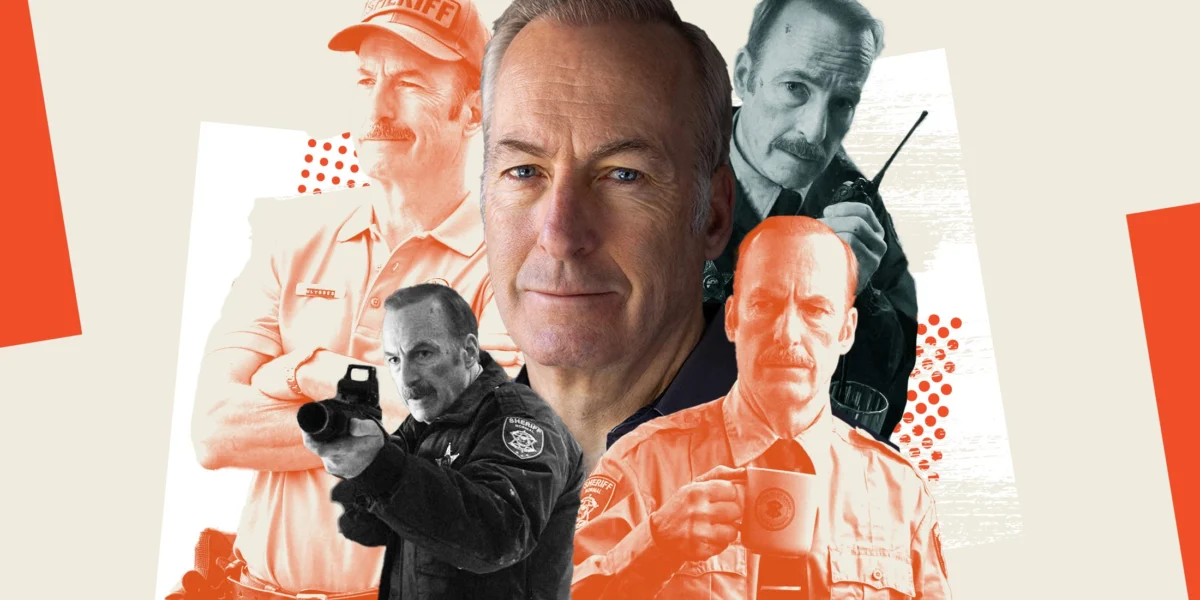
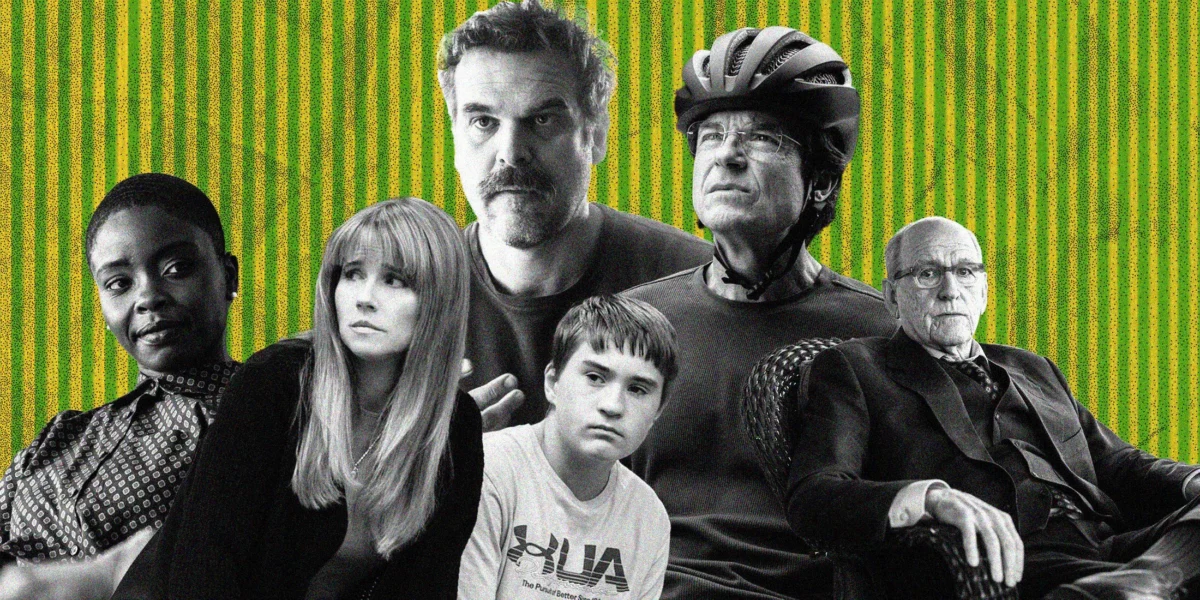
The recent HBO series, DTF St. Louis, while a fictional drama, offers a profound, albeit sometimes uncomfortable, exploration of this very theme. Through its complex characters and their intertwined struggles, the show subtly underscores the deep-seated need for vulnerability, understanding, and authentic connection between men. This isn’t about superficial camaraderie; it’s about forging bonds that can withstand life’s pressures and, in doing so, make us stronger, both mentally and physically.
Let’s delve into what DTF St. Louis reveals about male friendships and how we can translate these insights into actionable steps for our own fitness journeys and lives.
The Loneliness Beneath the Surface: A Universal Struggle
The series masterfully portrays the subtle, pervasive loneliness that can exist even in seemingly idyllic suburban settings. This isn’t a flaw unique to the characters on screen; it’s a reflection of a broader societal trend. As creator Steven Conrad notes, "There’s this suburban weight that exists in this world that I think is probably expectational. If you live here, you probably have contentedness." Yet, the reality is often far from this idealized picture.

For many, the pursuit of fitness can, ironically, become another avenue for isolation. When our focus narrows solely to our individual goals, we might miss opportunities to connect with others who share similar aspirations.
- The Fitness Paradox: While the gym is a communal space, it can also be a place where individuals focus intensely on their personal workouts, headphones in, creating a mental barrier.
- The Pressure to Be "Okay": Many men are conditioned to present a facade of strength and self-sufficiency. Admitting to loneliness or struggle can feel like a weakness, a departure from the ideal "tough guy" persona.
Actionable Insight: Consciously make an effort to engage with others in your fitness environment. Strike up a conversation before or after your workout, join a group fitness class, or participate in a local running club. These small interactions can chip away at the feeling of isolation.
The Vulnerability Gap: Why It’s So Hard to Open Up
A central theme in DTF St. Louis is the struggle men face in expressing vulnerability to one another. The intimate, yet non-sexual, scene between Clark and Floyd, where they compare their bodies and find a moment of shared acceptance, highlights the profound need for such unreserved connection. However, as Conrad points out, "I think it’s as simple as there isn’t a way to have fun together. Like, what do we do that is fun, that isn’t sex? What I’m saying is sex… that’s grown up fun."
This statement points to a critical deficit: the lack of culturally sanctioned avenues for men to connect deeply on a non-romantic, non-sexual level that still feels authentic and engaging.

- The "Bro Code" Barrier: Traditional notions of masculinity can discourage open emotional expression, leading to a reliance on surface-level interactions or activities that don’t necessarily foster deep connection.
- Fear of Judgment: Many men worry that admitting insecurities or emotional struggles will be met with ridicule or a loss of respect from their peers.
- Lack of Practice: We simply might not have had the practice or role models for expressing vulnerability effectively with other men.
Actionable Insight: Start small. Share a minor challenge you’re facing with a trusted male friend. It could be something as simple as struggling with a particular exercise, feeling stressed about work, or even a minor personal setback. Observe their reaction. The goal isn’t to unload all your problems at once, but to gradually build a foundation of trust and open communication.
Redefining "Fun" and Friendship: Finding New Pathways
Conrad’s musings on activities like "pickleball" and "fantasy football" highlight the often-limited repertoire of "fun" activities men engage in together. While these can be enjoyable, they might not always provide the deep emotional resonance that truly strengthens bonds. The show suggests that the search for genuine connection can lead men to explore unconventional avenues, sometimes with unintended consequences, as seen with the DTF app.
The core issue isn’t the desire for connection, but the lack of clear, accepted pathways to achieve it.
- Beyond the Usual Suspects: While sports and casual hangouts have their place, consider activities that encourage collaboration, shared problem-solving, or creative expression.
- The "Why" Behind the Activity: When planning an outing with male friends, consider the deeper purpose. Is it just to pass the time, or is it an opportunity to genuinely connect and support each other?
Actionable Insight: Organize activities that foster teamwork and communication. This could be anything from tackling a challenging hike together, volunteering for a cause you both believe in, engaging in a collaborative project, or even learning a new skill together, like cooking or woodworking. The shared experience and mutual reliance can forge stronger bonds.

The Weight of Expectations: Middle Age and Beyond
DTF St. Louis resonates so deeply because it tackles the unique challenges of middle age, a period often marked by a reckoning with unfulfilled potential and the physical changes that come with aging. Floyd’s internal struggle with his changing body and his past self, as seen in the Playgirl centerfold, is a powerful metaphor for the broader anxieties many men face.
- Body Image and Aging: For men, discussions around body image and aging can be particularly fraught. Societal expectations often emphasize a youthful, robust physique, making it difficult to accept the natural changes that occur with time.
- The "What Ifs" of Life: Middle age is often a time of reflection, where past decisions and missed opportunities can weigh heavily. This can fuel a sense of dissatisfaction and a yearning for something more.
Actionable Insight: Embrace the journey of aging with a focus on health and strength, not just aesthetics.
- Focus on Performance: Shift your fitness goals from purely aesthetic outcomes to performance-based improvements. Can you lift more, run faster, or improve your endurance? This provides a tangible sense of progress and accomplishment.
- Celebrate Milestones: Acknowledge and celebrate personal achievements, no matter how small. This reinforces positive habits and builds confidence.
- Seek Support: If you’re struggling with body image or the emotional toll of aging, talk to a trusted friend, family member, or a professional. You don’t have to carry these burdens alone.
The Impact on the Next Generation: Lessons for Young Men
The character of Richard in DTF St. Louis is a stark reminder that the struggles with vulnerability and connection are not limited to adults. His lashing out and apparent disgust stem from a place of confusion and perhaps a lack of understanding of emotional complexities. Floyd’s desire to make Richard’s life "safe and sound" and to be "important to someone" underscores the profound impact adult male relationships can have on the younger generation.
- Modeling Healthy Behavior: The way men interact with each other sets a powerful example for younger generations. Demonstrating healthy emotional expression and supportive friendships is crucial.
- Open Communication with Youth: Encourage open conversations about feelings and relationships with young men. Create a safe space where they can express themselves without fear of judgment.
Actionable Insight: For those with younger men in their lives (sons, nephews, mentees), actively engage in conversations about emotions and relationships.

- Ask Open-Ended Questions: Instead of "Are you okay?", try "How are you feeling about…?" or "What’s on your mind?"
- Share Your Own Experiences (Appropriately): When relevant and age-appropriate, share your own past struggles or feelings. This normalizes the experience of having emotions and facing challenges.
- Promote Teamwork and Empathy: Encourage activities that foster cooperation and understanding of others’ perspectives.
Finding Your "Tender" Moments: The Takeaway from DTF St. Louis
The tragic end of Floyd’s story in DTF St. Louis serves as a poignant, if somber, reminder of the vital need for "sustained tenderness" in our lives. Conrad’s observation that Floyd "could have gotten through this situation if there was sustained tenderness in his life, but it wasn’t there" is a powerful call to action.
This "tenderness" isn’t about weakness; it’s about empathy, support, and the willingness to be there for each other, especially during difficult times. It’s about recognizing that even the strongest among us need connection and understanding.
- The "Grown-Up C’s": Conrad introduces the concept of "grown-up C’s" – essentially, the lack of friendships that allow men to demonstrate what’s most valuable about themselves. This is the ultimate cost of isolation.
- Active Listening and Empathy: True tenderness involves actively listening to understand, rather than just to respond. It means putting yourself in another person’s shoes and offering genuine support.
Actionable Steps for a Stronger You:
- Prioritize Connection: Make a conscious effort to nurture your male friendships. Schedule regular meetups, even if it’s just a phone call.
- Practice Vulnerability: Start small. Share your feelings, struggles, and insecurities with a trusted friend. The more you practice, the easier it becomes.
- Engage in Meaningful Activities: Move beyond superficial hangouts. Find activities that foster genuine connection, shared growth, and mutual support.
- Be a Source of Tenderness: Offer empathy, understanding, and support to the men in your life. Be the friend you wish you had.
- Seek Out Your Tribe: If you feel isolated, actively seek out communities or groups where you can find like-minded individuals who value genuine connection. This could be a fitness group, a hobby club, or a support network.
- Embrace Your Full Self: Accept the complexities of your journey, including the physical and emotional changes that come with age. Focus on health, strength, and well-being, and share these aspirations with your friends.
The journey of fitness is not solely about sculpting your physique; it’s about building a resilient mind and a strong support system. DTF St. Louis offers a stark, yet ultimately hopeful, perspective: true strength lies not only in our individual efforts but in the bonds we forge with each other. By embracing vulnerability and cultivating meaningful connections, we can unlock a deeper level of resilience, well-being, and ultimately, a more fulfilling life. So, step beyond the gym floor, reach out to a friend, and discover the power that lies in true male connection.