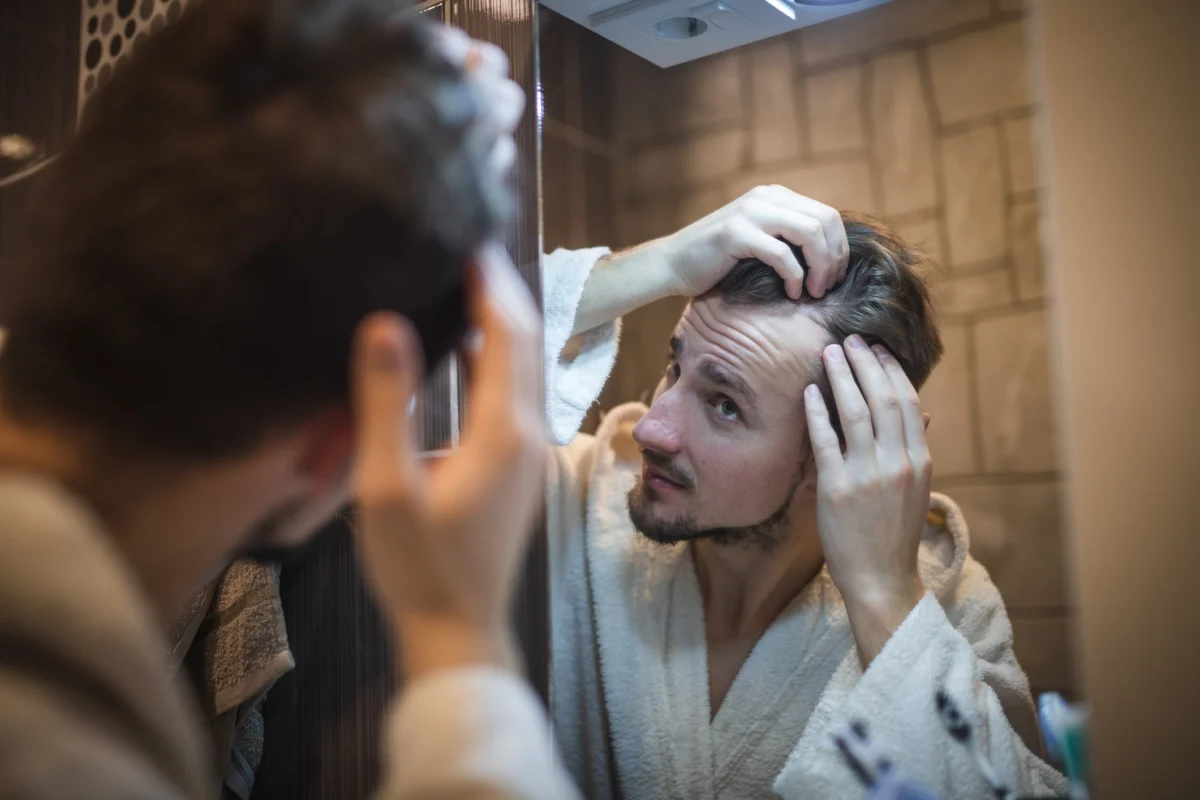
It’s a conversation many of us, especially as we hit our thirties and beyond, find ourselves having with increasing frequency: the subtle, or not-so-subtle, changes in our hair. What was once a robust crown might now feel… less so. But before you resign yourself to a future of hats or lament the inevitable march of time, it’s crucial to understand that not all hair loss is the same. The distinction between thinning and breakage is fundamental, dictating not only the cause but also the most effective path to restoration.

For years, the go-to solutions might have seemed limited to thickening shampoos or a hopeful wish. But the truth is, understanding the root cause—literally—is the first step towards a revitalized mane. We’ve consulted with leading dermatologists to demystify the difference between hair thinning and breakage, empowering you with the knowledge to take control of your hair’s health and vitality.

Unraveling the Mystery: Thinning vs. Breakage
At its core, the difference between hair thinning and breakage lies in the origin of the problem: is it happening at the root, within the follicle, or along the visible strand of hair itself? Dermatologists explain that this distinction is critical for targeted treatment.

The Follicle Factor: Understanding Hair Thinning
When you experience hair thinning, the issue originates at the hair follicle. This is the living, dynamic structure embedded in your scalp that’s responsible for producing new hair. Think of it as the engine of your hair growth.

- What Happens: In cases of thinning, the follicle’s ability to produce hair is compromised. It might start producing fewer hairs, the hairs it does produce are finer and weaker, or in more advanced stages, it may cease hair production altogether.
- Common Culprits: The most prevalent cause of thinning is androgenetic alopecia, more commonly known as male pattern baldness. This is a genetic predisposition that affects hair follicles over time. Other triggers include telogen effluvium, a temporary shedding that can occur after significant stress, illness, major surgery, or rapid weight loss. Poor scalp health, characterized by inflammation, clogged follicles, or inadequate circulation, can also impede healthy hair growth from the follicle.
The Shaft’s Struggle: Identifying Hair Breakage
Hair breakage, on the other hand, is a problem with the hair shaft – the visible, non-living strand of hair that extends from your scalp. Here, the hair grows normally from a healthy follicle but then snaps or breaks along its length.

- What Happens: The hair shaft becomes compromised, losing its structural integrity and becoming brittle. This results in shorter, uneven lengths, frizz, and flyaways, even though the follicle is still actively producing hair.
- Common Culprits: Breakage is typically a result of external damage. This can include:
- Chemical Over-processing: Frequent dyeing, bleaching, or perms can weaken the hair shaft.
- Excessive Heat Styling: Blow dryers, straighteners, and curling irons used at high temperatures can dry out and damage hair.
- Harsh Mechanical Stress: Aggressive brushing, particularly when hair is wet, or tight hairstyles that create constant tension (like very tight ponytails or man buns) can lead to snapping.
- Environmental Factors: Sun exposure, chlorine, and harsh weather can also contribute to dryness and brittleness.
- Nutritional Imbalances: While less common as a sole cause of breakage, a significant lack of essential nutrients can impact hair shaft health.
Dr. Marisa Garshick, MD, a dermatologist, emphasizes this distinction: "Hair thinning is characterized by a decrease in the number or thickness of hairs growing from the scalp, often leading to a more visible scalp. Hair breakage, however, occurs when the hair shaft snaps after it has already formed, resulting in uneven lengths, though the number of follicles remains normal."

The Telling Signs: How to Differentiate at Home
While a dermatologist can provide a definitive diagnosis, there are several ways you can start to identify whether your hair loss is primarily due to thinning or breakage.

Visual Clues and Tactile Feedback
Dr. Deepak Khanna, DO, founder of DandRX, suggests paying close attention to what you see and feel.

- Thinning: You’ll likely notice a general reduction in hair volume. This might manifest as:
- A more visible scalp, especially in areas like the crown or hairline.
- Receding temples or a widening part line.
- An increase in the number of hairs found on your comb, brush, or in the shower drain.
- A general feeling that your hair isn’t as dense as it used to be.
- Breakage: This often feels different.
- Your hair might feel rough or dry to the touch.
- You might observe shorter, broken strands scattered throughout your hair, creating a frizzy or uneven appearance.
- Your barber or stylist might be the first to notice uneven hair lengths that weren’t intentionally styled that way.
The White Bulb Test
A simple yet effective way to distinguish between shedding (related to thinning) and breakage is to examine the hairs you find.

- Shedding (Thinning): If you find hairs with a small, white bulb at the root, this indicates the hair has fallen out from the follicle. This is a sign of the natural shedding process or, in cases of excessive shedding, a symptom of thinning.
- Breakage: If you find short, uneven pieces of hair that lack a white bulb at the end, it means the hair shaft has snapped.
Dr. Ariel Ostad, MD, adds, "Thinning makes the scalp more visible, while breakage keeps the overall thickness but makes the hair look rough, frizzy, and unable to grow longer."

Crafting Your Strategy: Effective Treatments for Thinning and Breakage
Understanding the cause is the first half of the battle. The second is implementing the right treatment. It’s important to approach hair loss solutions with a discerning eye, as the internet is rife with misinformation.

Addressing Thinning: Targeting the Follicle
Treatments for hair thinning focus on stimulating the hair follicle, encouraging regrowth, and slowing down further loss.

- The Gold Standard: Topical minoxidil is a widely recognized and effective over-the-counter treatment for androgenetic alopecia. It works by prolonging the hair’s growth phase and can increase the size of hair follicles. Consistency is key with minoxidil; results are typically seen after several months of regular use.
- Internal Support: Supplements that address underlying deficiencies or promote overall hair health can be beneficial. Look for ingredients like peptides, niacinamide, and ketoconazole, which can support scalp health and hair follicle function. Some men find success with comprehensive supplements like Nutrafol Men’s Hair Growth Supplement, which aims to address internal factors such as stress and inflammation that can contribute to thinning.
- Advanced Technologies: For those seeking more advanced solutions, low-level laser therapy (LLLT) devices, such as the HigherDOSE Red Light Hat or the iRestore Essential Laser Hair Growth System, have shown promise in stimulating hair follicles and promoting growth. These devices utilize specific wavelengths of light to encourage cellular activity in the scalp.
Important Note: While popular, biotin supplements are generally only effective for hair loss if you have a diagnosed biotin deficiency, which is uncommon.

Combating Breakage: Fortifying the Hair Shaft
Treating hair breakage requires a focus on strengthening and repairing the existing hair shaft, making it more resilient to damage.

- Bond-Building Technologies: Products featuring bond-repairing ingredients are game-changers for breakage. These formulas work to reconnect broken disulfide bonds within the hair structure, restoring strength and integrity. Brands like Olaplex (e.g., Olaplex No. 3 Hair Protector) and K18 (e.g., K18 Leave-In Molecular Repair Hair Mask) are renowned for their effectiveness in this area.
- Hydration and Nourishment: Deep conditioning treatments rich in proteins, ceramides, fatty acids, amino acids, and panthenol are essential. These ingredients help to replenish moisture, smooth the cuticle, and provide the building blocks for a stronger hair shaft.
- Protective Measures:
- Heat Protection: Always use a heat protectant spray or serum before applying heat styling tools.
- Gentle Handling: Avoid aggressive brushing, especially when hair is wet. Use a wide-tooth comb and start from the ends, gently working your way up.
- Mindful Hairstyles: Opt for looser hairstyles that don’t create constant tension on the hair.
- Moisture Balance: Ensure your hair is adequately moisturized. Over-drying can lead to brittleness.
The Role of Fitness and Lifestyle
While we’ve focused on topical and internal treatments, it’s crucial to remember that overall health significantly impacts hair health.

- Stress Management: Chronic stress is a major contributor to hair thinning (telogen effluvium) and can exacerbate breakage. Incorporating regular exercise, mindfulness practices, or other stress-reducing activities into your routine can have a profound positive effect.
- Nutrition: A balanced diet rich in vitamins and minerals essential for hair health—such as iron, zinc, biotin, vitamin D, and protein—is fundamental. Think lean proteins, leafy greens, nuts, and seeds.
- Scalp Health and Exercise: Regular physical activity improves circulation throughout the body, including the scalp. Better blood flow means more nutrients and oxygen reach the hair follicles, supporting healthy growth. Consider incorporating exercises that get your heart rate up and promote overall well-being.
- Cardiovascular Workouts: Aim for at least 150 minutes of moderate-intensity cardio per week. This could include running, cycling, swimming, or brisk walking.
- Strength Training: Building muscle mass not only improves your physique but also boosts your metabolism and can help with stress management. Compound exercises like squats, deadlifts, and presses engage multiple muscle groups and are excellent for overall fitness.
- Yoga and Pilates: These practices are fantastic for stress reduction, flexibility, and core strength, all of which contribute to a healthier you, inside and out.
Your Hair’s Journey to Resilience
The realization that your hair might be thinning or breaking can be unsettling. However, knowledge is power. By understanding the distinct causes and mechanisms behind thinning and breakage, you can move beyond generic advice and implement targeted strategies that truly work.
Whether you’re dealing with the slow, insidious creep of thinning or the more visible signs of breakage, remember that consistency and patience are your greatest allies. Don’t be discouraged by a lack of immediate results. Hair growth is a process that takes time. By adopting a holistic approach—combining effective treatments, a healthy lifestyle, and a commitment to self-care—you can not only halt further hair loss but also pave the way for stronger, healthier, and more vibrant hair. Embrace this journey of restoration, and reclaim the confidence that comes with a revitalized mane.