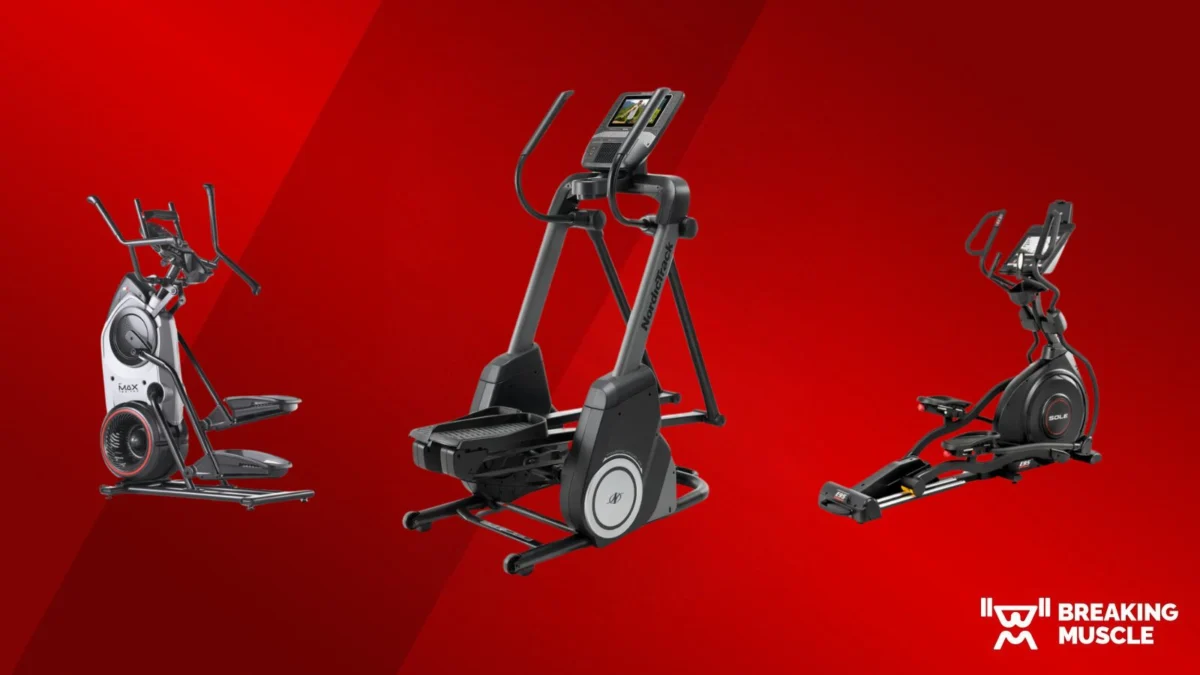
In the ever-evolving landscape of fitness, the pursuit of an effective, sustainable, and enjoyable workout remains a universal quest. Many seek a routine that challenges the body, invigorates the mind, and, crucially, respects the joints. Enter the elliptical trainer—a dynamic, often underestimated, cardio machine that offers a unique blend of benefits for fitness enthusiasts across the spectrum. Far from just a simple stepping machine, the elliptical provides a full-body workout that can be tailored to ignite your metabolism, build endurance, and sculpt muscles, all while offering a remarkably low-impact experience.
This comprehensive guide is designed to unlock the full potential of elliptical training, transforming it from a mere cardio option into a cornerstone of your fitness journey. Whether you’re a beginner taking your first strides towards a healthier lifestyle or an intermediate enthusiast looking to inject new life and intensity into your routine, we’ll explore everything from understanding the machine’s mechanics to mastering advanced workout techniques. Prepare to revolutionize your cardio and stride towards a stronger, more resilient you.
The Unrivaled Advantages of Elliptical Training
The elliptical stands out in the crowded gym for a multitude of reasons, offering a holistic approach to fitness that addresses both performance and physical well-being. Its design inherently minimizes stress while maximizing caloric expenditure and muscle engagement, making it a truly versatile piece of equipment.
A Joint-Friendly Powerhouse
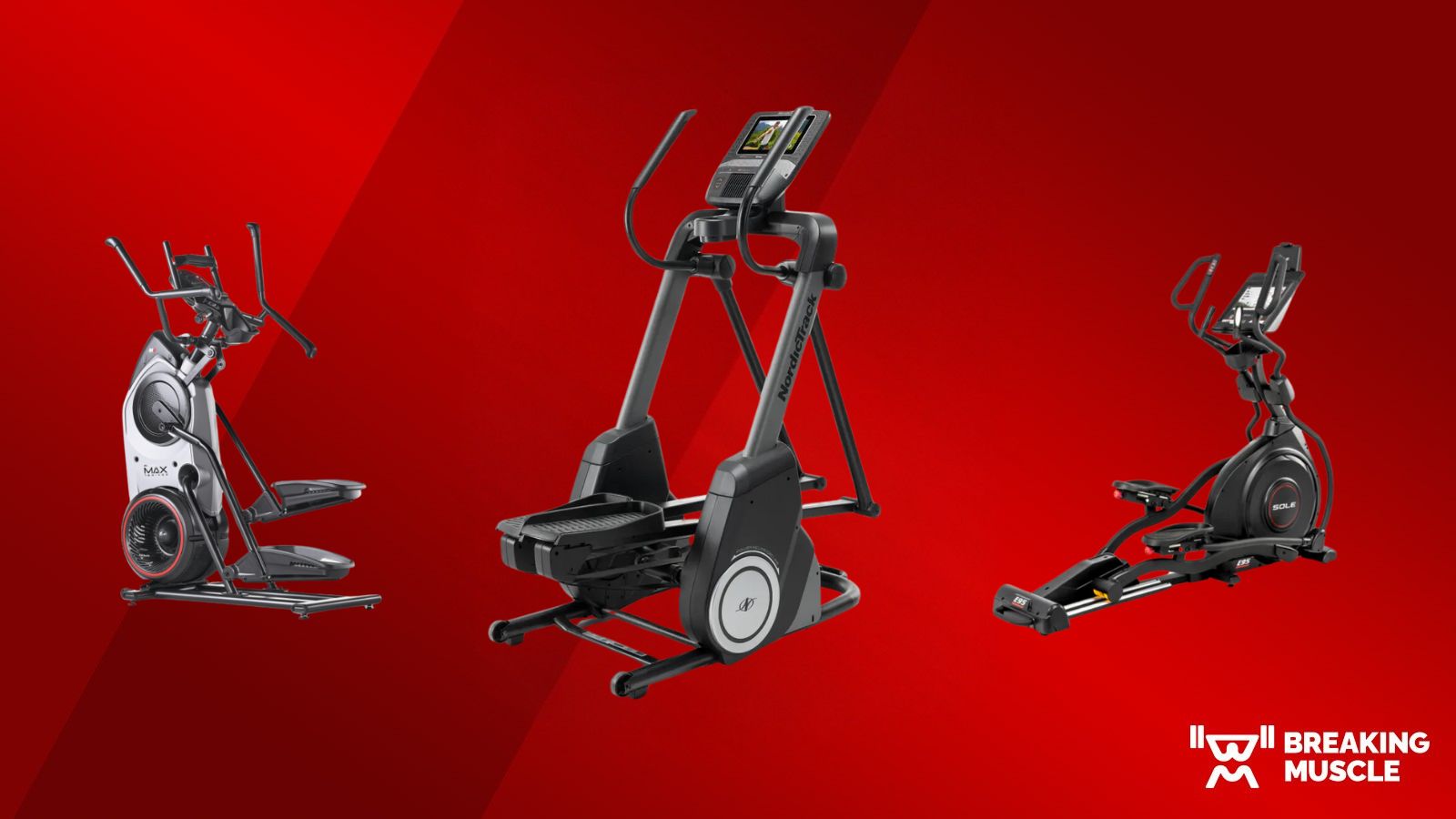
One of the most significant benefits of elliptical training is its exceptionally low-impact nature. Unlike high-impact activities such as running or jumping, where your feet repeatedly strike a hard surface, elliptical training keeps your feet continuously in contact with the pedals. This smooth, gliding motion significantly reduces the jarring forces on your knees, hips, ankles, and spine.
- Reduced Stress: For individuals with pre-existing joint pain, those recovering from injuries, or simply anyone looking to protect their joints long-term, the elliptical offers an ideal alternative. It allows you to achieve an intense cardiovascular workout without the cumulative wear and tear associated with impact.
- Active Recovery: It’s also an excellent tool for active recovery days, promoting blood flow to muscles without exacerbating soreness or fatigue from more strenuous activities.
- Accessibility: This low-impact quality makes the elliptical accessible to a broader demographic, including older adults, individuals new to exercise, and those carrying extra weight, ensuring a safer and more comfortable fitness experience.
Total Body Engagement, Synchronized Strength
What truly sets the elliptical apart from many other cardio machines is its ability to engage both the upper and lower body simultaneously. This synchronized movement transforms a simple cardio session into a comprehensive, full-body workout.
- Lower Body Power: Your glutes, quadriceps, hamstrings, and calves are all actively engaged as you push and pull the pedals through their elliptical path. Varying resistance and incline levels can further emphasize different muscle groups, allowing for targeted lower body sculpting.
- Upper Body Drive: The moving handlebars are not just for balance; they are an integral part of the workout. By actively pushing and pulling these handles, you engage your arms (biceps and triceps), shoulders, back, and chest muscles. This coordinated effort distributes the workload, making the exercise feel less taxing on any single muscle group while still elevating your heart rate.
- Core Activation: Maintaining an upright posture and stable movement throughout your stride naturally activates your core muscles. This continuous engagement helps improve balance, stability, and overall core strength, contributing to better posture and reduced risk of back pain.
- Efficient Calorie Burn: By recruiting more muscle groups at once, the elliptical significantly increases the overall energy demand of your workout. This leads to a higher calorie expenditure in a shorter amount of time compared to lower-body-only cardio exercises, making it an efficient tool for weight management and fat loss.
Cardiovascular Conditioning at Its Best
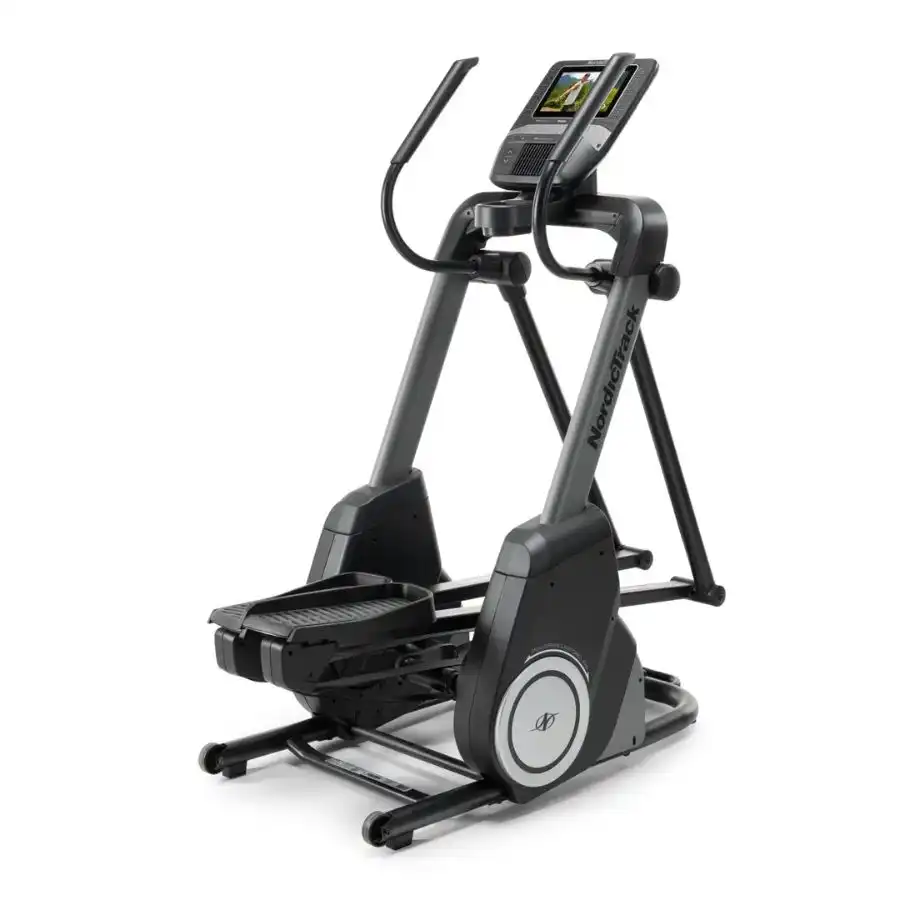
At its core, the elliptical is a superb cardiovascular training tool. It provides an effective way to elevate your heart rate, strengthen your heart and lungs, and improve your overall endurance.
- Heart Health: Regular elliptical workouts contribute to a stronger cardiovascular system, reducing the risk of heart disease, high blood pressure, and other related conditions.
- Stamina and Endurance: Consistent training builds your stamina, allowing you to sustain physical activity for longer periods with less fatigue. This translates to improved performance in other physical activities and increased energy in daily life.
- Metabolic Boost: The full-body nature of elliptical training helps boost your metabolism, which can aid in burning more calories even after your workout is complete. This post-exercise oxygen consumption (EPOC) effect contributes to ongoing fat burning.
Demystifying the Elliptical: Key Features and What They Mean for You
Choosing an elliptical, especially for home use, can feel overwhelming with the array of features available. Understanding the purpose of these key components will empower you to select a machine that best suits your needs and maximize your workout experience.
The Heart of the Machine: Flywheel and Resistance
These two elements are fundamental to the feel and effectiveness of your elliptical workout.
- Flywheel: The flywheel is the heavy, rotating disc inside the machine that generates momentum and provides a smooth, fluid motion. Generally, a heavier flywheel (typically 15 pounds or more) offers a more stable, natural, and comfortable ride. It minimizes jerky movements, especially during transitions or when increasing resistance, and provides a quieter operation. While heavier flywheels often come with a higher price tag, the improved user experience can be well worth the investment for consistent users.
- Resistance: Resistance is what makes your workout challenging. Ellipticals typically use magnetic resistance, which is quiet, smooth, and requires minimal maintenance. A wider range of resistance levels (e.g., 16-24 levels) is crucial for progressive training.
- Progression: Beginners can start with lower resistance to master form, while intermediate users can crank it up for high-intensity intervals or strength endurance.
- Variability: Adequate resistance options allow you to continually challenge yourself as your fitness improves, preventing plateaus and keeping your workouts engaging.
- Actionable Tip: Don’t be afraid to experiment. Start your workout at a lower resistance for a warm-up, then gradually increase it until you feel a comfortable challenge that elevates your heart rate.
Beyond the Basics: Incline and Stride Length
While not all ellipticals offer these features, they can significantly enhance your workout variability and comfort.
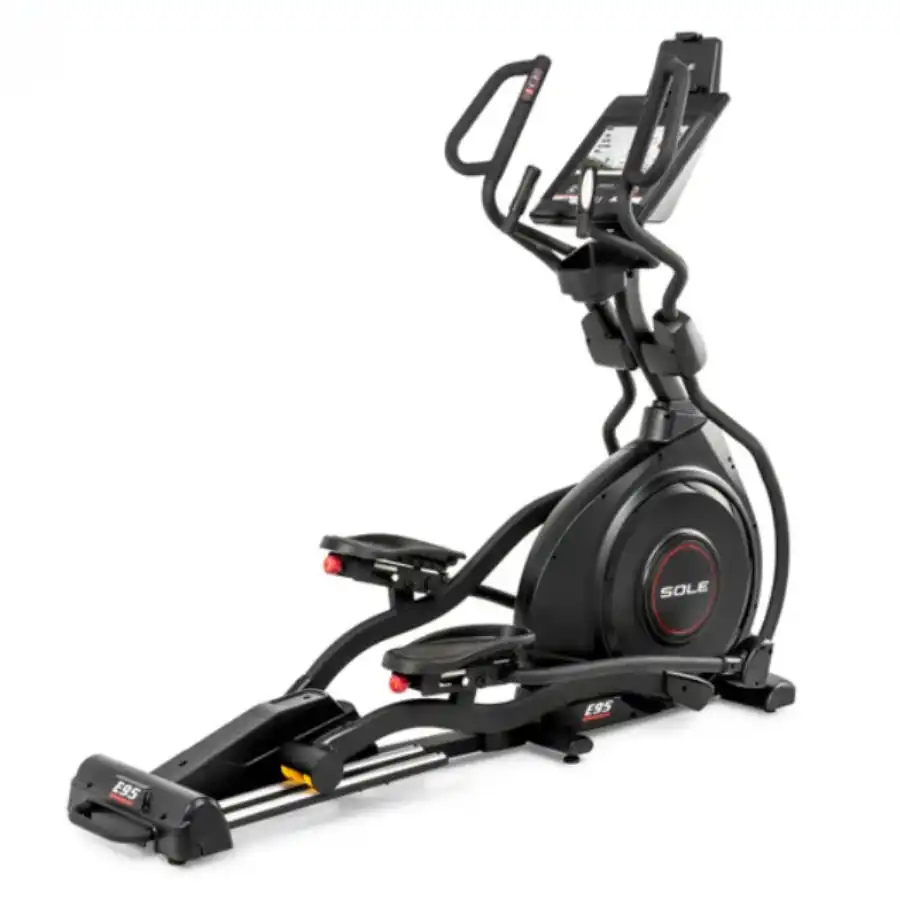
- Incline: Adjustable incline allows you to change the slope of your stride path, mimicking the sensation of walking or climbing uphill. This feature is a game-changer for targeting different muscle groups.
- Targeted Muscle Engagement: Increasing the incline puts more emphasis on your glutes and hamstrings, transforming your cardio session into a powerful lower-body sculpting workout.
- Workout Intensity: A higher incline also increases the overall intensity of your workout without necessarily requiring faster pedaling, which can be beneficial for challenging your cardiovascular system in new ways.
- Actionable Tip: If your machine has incline, integrate it! Imagine you’re climbing a gentle hill to start, then gradually increase the incline to simulate steeper climbs. This adds a fantastic dimension to your training.
- Stride Length: This refers to the maximum distance the pedals move from front to back during a single revolution. It’s a critical factor for comfort and mimicking a natural walking or running gait.
- Personalized Comfort: A stride length that’s too short can feel cramped and unnatural, like shuffling your feet. One that’s too long might feel awkward or over-stretching.
- Average Range: Most ellipticals offer a stride length between 18 to 22 inches, which is suitable for the majority of users. Taller individuals or those with longer legs may prefer a longer stride length (20-22+ inches), while shorter individuals might find 18-20 inches more comfortable.
- Actionable Tip: If possible, try out an elliptical before purchasing. Pay attention to how natural and comfortable the stride feels. You want a motion that feels fluid, not forced or awkward.
Smart Features and Ergonomics for an Enhanced Experience
Modern ellipticals come packed with features designed to improve comfort, track progress, and provide motivation.
- Console Displays and Metrics: Look for a clear, easy-to-read console that displays essential metrics such as time elapsed, distance covered, speed, calories burned, and heart rate. These metrics are vital for tracking your progress and staying motivated.
- Pre-set Programs: Many ellipticals offer a variety of pre-set workout programs (e.g., hill climb, interval training, fat burn). These programs automatically adjust resistance and incline, taking the guesswork out of structuring your workout and adding variety.
- Comfort and Convenience:
- Cushioned Pedals: Can reduce foot fatigue and provide additional joint comfort.
- Multi-Grip Handles: Allow for different hand positions, engaging various upper body muscles and reducing strain.
- Integrated Fans: Keep you cool during intense sessions.
- Media Holders and USB Ports: For entertainment or charging your devices.
- Water Bottle Holders: Essential for staying hydrated.
- Footprint and Size: For home users, the physical dimensions of the elliptical are crucial. Measure your designated workout space carefully, considering not just the length and width, but also the height, especially if you have low ceilings.
- Compact Options: Some models are designed with a smaller footprint or offer folding capabilities for easier storage.
- Under-Desk Models: For those looking to incorporate movement into their workday, compact under-desk ellipticals offer a discreet way to stay active while seated.
Sculpting Your Session: Effective Elliptical Workouts for Every Goal
Once you understand the machine, the next step is to master its use. From fundamental form to advanced interval training, the elliptical offers a versatile platform to achieve your fitness goals.
The Fundamentals: Form and Warm-up/Cool-down
Correct form is paramount to preventing injury and maximizing the effectiveness of your workout.
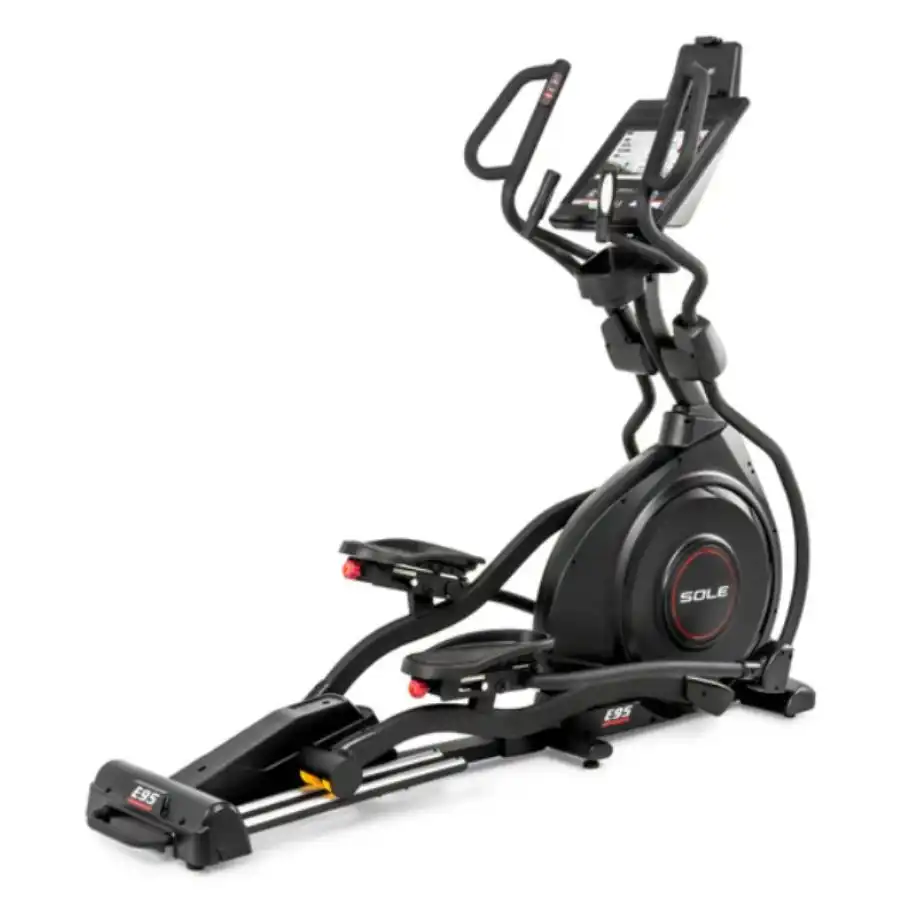
- Proper Posture: Stand tall with your shoulders back and down, chest open, and gaze forward. Engage your core by drawing your navel towards your spine. Avoid hunching over the console or leaning heavily on the handlebars. Let your legs and arms do the work, using the handles primarily for rhythm and upper body engagement, not support.
- Smooth, Even Motion: Aim for a fluid, natural stride. Distribute your weight evenly between your feet and ensure both your pushing and pulling actions with your legs and arms are balanced.
- Warm-up (5-10 minutes): Begin every session with a light warm-up. Start with slow, easy pedaling at a low resistance, gradually increasing your speed and resistance. Incorporate some dynamic stretches like leg swings and arm circles to prepare your muscles and joints.
- Cool-down (5-10 minutes): At the end of your workout, gradually decrease your speed and resistance for a few minutes. Follow this with static stretches, holding each stretch for 20-30 seconds, focusing on your hamstrings, quads, glutes, and chest. This aids in flexibility and muscle recovery.
Beginner’s Blueprint: Building a Solid Foundation
If you’re new to elliptical training, the key is consistency and gradually building your endurance.
- Focus: Learn the movement pattern, establish a comfortable pace, and prioritize good form over speed or high resistance.
- Sample Workout:
- Frequency: 3-4 times per week.
- Duration: 20-30 minutes per session.
- Resistance: Low to moderate (you should feel a challenge but be able to maintain conversation).
- Incline: Keep at a low or flat setting initially.
- Pace: Steady-state, maintaining a consistent effort level.
- Tip: Listen to your body. It’s better to complete a shorter, comfortable workout than to push yourself too hard and risk burnout or injury. Celebrate each session as a victory!
Intermediate Intensity: Elevating Your Challenge
Once you’re comfortable with the basics, it’s time to introduce variety and intensity to challenge your cardiovascular system and muscles further.
- Interval Training (HIIT): High-Intensity Interval Training is incredibly effective for boosting calorie burn, improving endurance, and enhancing metabolic fitness.
- Explanation: Alternate between short bursts of high-intensity effort and longer periods of active recovery.
- Benefits: Maximizes fat burning, increases anaerobic capacity, and keeps workouts exciting.
- Example Workout (30 minutes):
- 5-minute warm-up (low resistance, steady pace).
- Work Interval (1-2 minutes): Increase resistance and/or speed to a challenging level (you should be breathing heavily, unable to hold a conversation).
- Recovery Interval (1-2 minutes): Decrease resistance and speed to an easy, conversational pace.
- Repeat the work/recovery cycle 8-10 times.
- 5-minute cool-down.
- Actionable Tip: Use your perceived exertion (RPE scale 1-10, with 8-9 for work and 3-4 for recovery) or a heart rate monitor to gauge your effort.
- Hill Climbs (Incline Training): Incorporating incline simulates climbing and targets your posterior chain muscles more intensely.
- Example Workout (30-40 minutes):
- 5-minute warm-up.
- Gradual Climb: Every 5 minutes, increase the incline by one level while maintaining a consistent pace and moderate resistance. After reaching your peak incline, gradually decrease it every 5 minutes.
- Pre-set Programs: Utilize your elliptical’s "hill" or "mountain" programs for structured incline challenges.
- 5-minute cool-down.
- Example Workout (30-40 minutes):
- Reverse Pedaling: Don’t always go forward! Pedaling backward on the elliptical engages different muscle groups, particularly your calves and hamstrings, in a novel way.
- Tip: Incorporate short bursts of reverse pedaling (e.g., 2-3 minutes) within your regular forward workout, or dedicate an entire segment to it for variety.
Maximizing Engagement: The Power of Full-Body Synergy
To truly harness the elliptical’s potential, ensure you’re actively engaging your entire body.
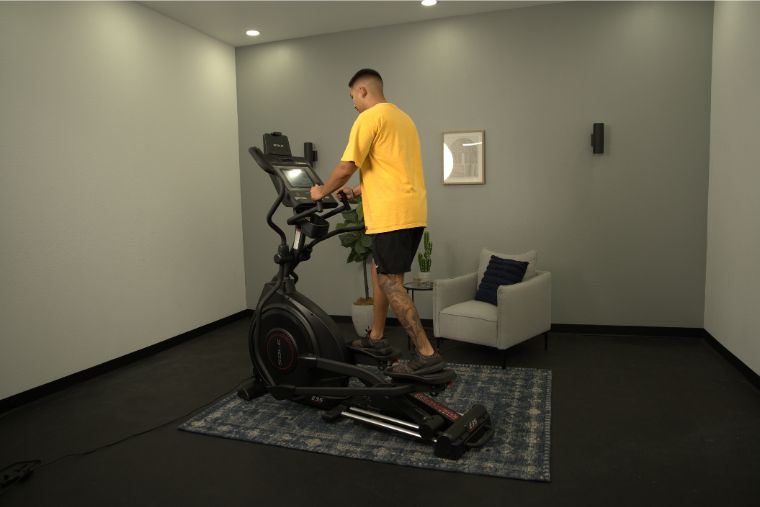
- Active Handlebar Usage: Don’t just hold the handles; actively push and pull them. When you push with one arm, simultaneously pull with the other. This creates a powerful upper body dynamic.
- Varying Grip Positions: If your handles allow, try different grips. A wider grip might engage more of your back and chest, while a narrower grip might focus more on your triceps.
- Integrate Core Work: While maintaining good posture, you can subtly engage your core further. Imagine a light crunch as you bring one knee up, or focus on bracing your core throughout the entire movement.
Elliptical Training for Specific Fitness Journeys
The versatility of the elliptical makes it an excellent choice for a variety of fitness goals and life stages.
Your Ally in Weight Management
When paired with a balanced diet, elliptical training can be a highly effective tool for weight loss and management.
- Calorie Expenditure: Due to its full-body engagement, the elliptical can burn a significant number of calories, helping you create the calorie deficit necessary for weight loss. The exact number depends on intensity, duration, resistance, and your body weight.
- Consistency is Key: Regular, consistent workouts are more important than occasional, super-intense sessions. Aim for at least 150-300 minutes of moderate-intensity cardio per week, as recommended by health guidelines.
- Combining with Nutrition and Strength Training: For optimal weight loss, combine your elliptical workouts with a healthy, calorie-controlled diet and incorporate strength training 2-3 times a week to build muscle, which further boosts your metabolism.
- Realistic Expectations: Remember that spot reduction (losing fat from specific areas like the belly) is a myth. Elliptical training contributes to overall fat loss, which will gradually reduce fat from all over your body.
Rehabilitation and Active Recovery
For individuals recovering from certain injuries or those who need a gentler approach to exercise, the elliptical shines.
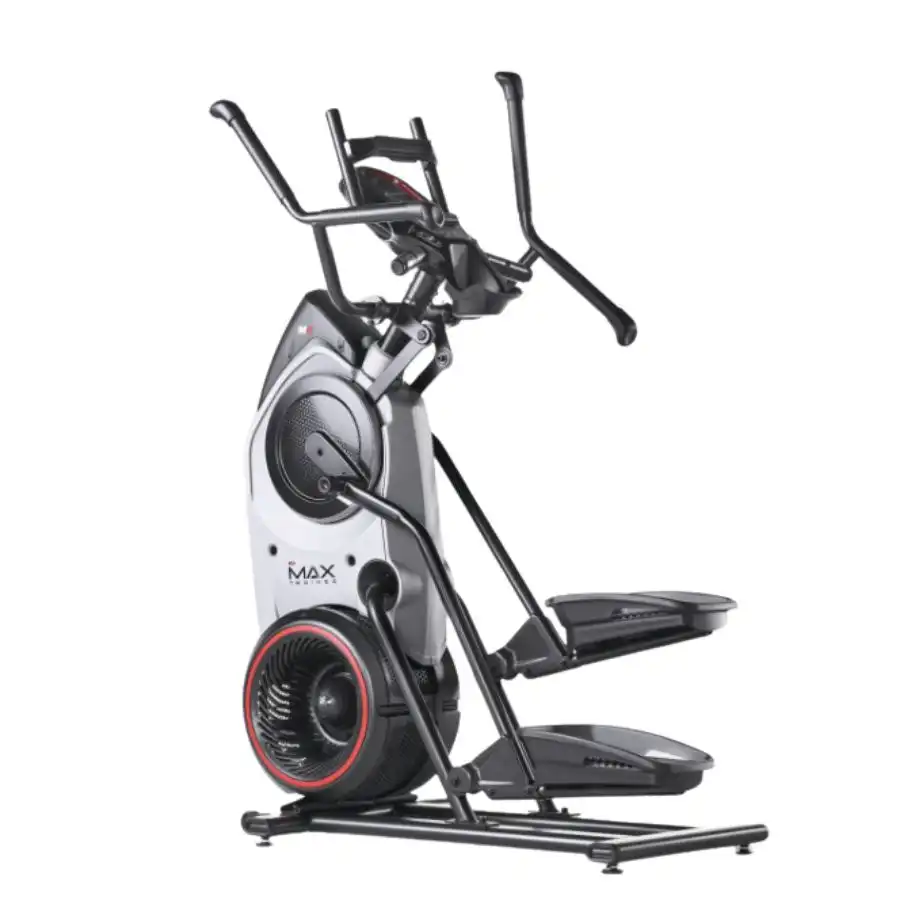
- Gentle Movement: The low-impact nature allows for cardiovascular exercise without placing undue stress on healing joints or muscles. It can help maintain fitness levels during recovery.
- Maintaining Fitness: It’s an excellent option for active recovery days, promoting blood flow to fatigued muscles and aiding in the removal of metabolic waste products, which can speed up recovery from more intense workouts.
- Consult a Professional: Always consult with a doctor or physical therapist before starting any new exercise regimen, especially if you are recovering from an injury. They can provide personalized guidance and ensure the elliptical is a suitable option for your specific condition.
Solutions for Space-Conscious Fitness
Not everyone has the luxury of a sprawling home gym. For those with limited space, there are elliptical solutions.
- Compact Designs: Many manufacturers now offer ellipticals specifically designed with a smaller footprint, making them suitable for apartments, spare rooms, or smaller home gym setups.
- Foldable Options: Some models feature folding mechanisms, allowing you to collapse them for easier storage when not in use. This can be a significant advantage in multi-purpose rooms.
- Under-Desk Ellipticals: These ultra-compact units allow you to pedal quietly while seated at a desk, offering a way to integrate movement into sedentary periods without needing dedicated workout space.
- Prioritizing Functionality: When space is a premium, prioritize the core functionality (smooth flywheel, adequate resistance, comfortable stride) over extensive bells and whistles. Always measure your available space before making a purchase to ensure a good fit.
Common Pitfalls and How to Sidestep Them
Even with the best intentions, it’s easy to fall into habits that diminish the effectiveness or safety of your elliptical workout. Being aware of these common mistakes can help you get the most out of every session.
Poor Posture: The Hunchback Habit
- Pitfall: Hunching over the console, looking down at your feet, or leaning heavily on the handlebars. This puts undue strain on your neck and back and reduces core engagement.
- Solution: Stand tall, shoulders back, chest open, and engage your core. Keep your gaze forward. Imagine a string pulling you up from the crown of your head. Use the handlebars for rhythm and upper body engagement, not as a crutch.
Passive Arm Movement: Missing the Full-Body Potential
- Pitfall: Letting your arms simply go through the motions without actively pushing and pulling the handlebars. This turns your full-body workout into a lower-body-only session.
- Solution: Be deliberate with your arm movements. As one leg pushes down, the opposite arm should pull the handle towards you, and vice-versa. Feel the engagement in your biceps, triceps, shoulders, and back.
Ignoring Resistance and Incline: The Comfort Zone Trap
- Pitfall: Sticking to the same low resistance and flat incline level for every workout, leading to plateaus and diminishing returns.
- Solution: Embrace progressive overload. Gradually increase your resistance or incline as you get stronger. Incorporate interval training and hill climbs to challenge your body in new ways and keep your muscles guessing. Your body adapts quickly, so consistent challenge is key to continued progress.
Skipping Warm-up/Cool-down: The Overlooked Essentials
- Pitfall: Jumping straight into an intense workout or stopping abruptly without a proper cool-down. This increases the risk of injury, muscle soreness, and can negatively impact flexibility.
- Solution: Always dedicate 5-10 minutes to a dynamic warm-up (light pedaling, gentle stretches) before your main workout. Conclude with a 5-10 minute cool-down (gradually decreasing intensity) followed by static stretching to improve flexibility and aid recovery.
Inconsistent Training: The Stop-and-Start Cycle
- Pitfall: Working out intensely for a few days, then taking a long break, leading to inconsistent progress and difficulty building habits.
- Solution: Prioritize consistency over intensity. Aim for regular, even if shorter, workouts throughout the week. Three to four 30-minute sessions are often more effective than one grueling 90-minute session followed by a week off. Build a routine that you can realistically maintain.
Conclusion: Your Stride to a Stronger Self
The elliptical trainer is more than just a piece of cardio equipment; it’s a gateway to a more balanced, joint-friendly, and effective fitness regimen. Its unique ability to deliver a comprehensive, full-body workout with minimal impact makes it an invaluable asset for anyone, from those embarking on their first fitness journey to seasoned enthusiasts seeking a sustainable path to peak performance.
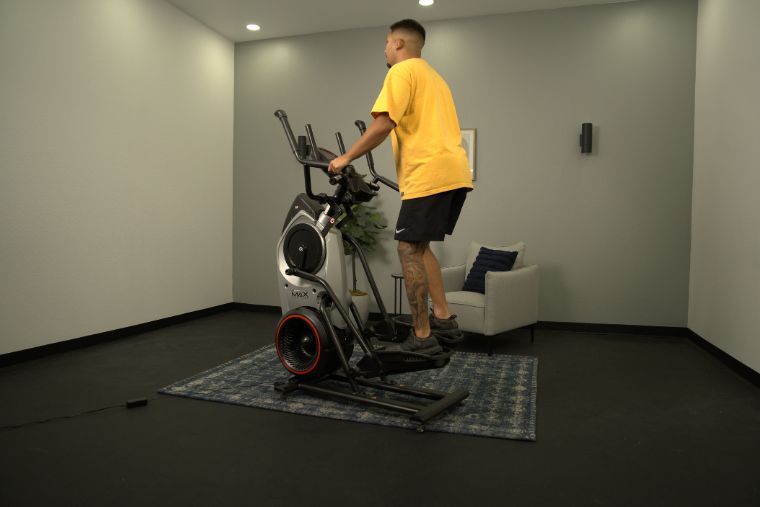
By understanding the key features of the machine, adopting proper form, and embracing a variety of workout techniques—from steady-state endurance to exhilarating interval training—you can unlock a wealth of benefits. You’ll strengthen your heart, build lean muscle, manage your weight, and protect your precious joints, all while enjoying a smooth and invigorating exercise experience.
The path to a stronger, healthier you is a journey, not a destination. With the elliptical as your companion, you have a powerful tool at your disposal. So, step onto the pedals, set your intentions, and let each stride propel you closer to your fitness aspirations. The revolution in your cardio begins now—embrace the power of the elliptical and redefine what’s possible for your body and mind.