
In the relentless pursuit of peak physical and mental well-being, we often focus on the sculpted physique, the crushing personal best, and the unshakeable mindset. But what about the environments where the very definition of "health" is a daily, high-stakes struggle? Today, we step away from the gym and into the heart of a quiet crisis, exploring the extraordinary dedication and unwavering spirit of those working on the front lines of America’s rural hospitals. This is a testament to resilience, a deep dive into the challenges faced by healthcare providers in underserved communities, and a powerful reminder of what true grit looks like.
A Day in the Life: The Unpredictable Rhythm of Rural Care
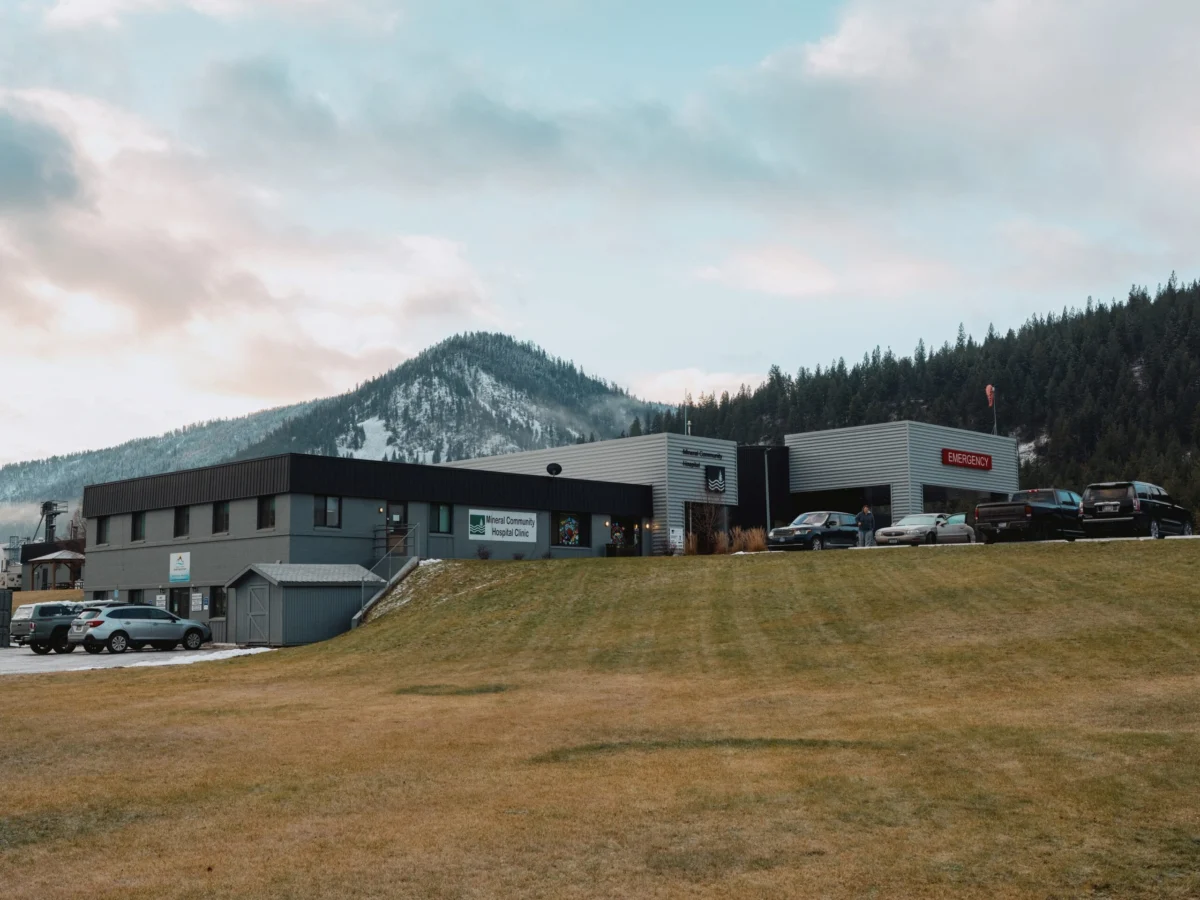
Imagine a landscape where the nearest major city is hours away, where winter storms can cut off vital access, and where the population relies on a single, often under-resourced facility for every medical need imaginable. This is the reality for Mineral Community Hospital (MCH) in northwest Montana, a place where snow is not just a weather event, but a potential barrier to life-saving care.

Dr. Brian Lopez, one of the dedicated physicians at MCH, embodies the spirit of these rural healthcare heroes. On a day when heavy snow begins to fall, transforming roads into treacherous ice and slush, Dr. Lopez is the sole doctor on shift. He serves a county of roughly 5,000 residents, along with the constant flow of travelers on the adjacent highway. Mineral County’s long, skinny shape means its most remote areas are a significant drive from the hospital, a journey that becomes perilous, if not impossible, in harsh weather. This unique geographical challenge, combined with the inherent risks of highway travel, means MCH sees an unusually high number of trauma patients, often arriving in critical condition.
"We’re 45 minutes from chaos," Dr. Lopez explains, referring to the potential for multi-vehicle accidents that can overwhelm the hospital’s limited resources. Yet, MCH is also the sole provider of healthcare for its residents. The nearly 60-mile drive to Missoula is not feasible for many, especially the elderly or those without reliable transportation. For these individuals, MCH is not just a hospital; it’s their lifeline.

The Financial Tightrope: A Constant Battle for Survival
The challenges faced by MCH are not unique. Across the United States, a significant portion of community hospitals are rural, operating on razor-thin margins. Over the past decade, financial pressures have led to the closure of over a hundred such facilities, leaving millions without essential medical services. A third of the remaining rural hospitals are at risk of shutting down, a devastating prospect for the 20% of the American population living in these areas.
The economics of rural healthcare are stark. It costs more to provide care in these locations, yet insurance plans, particularly Medicaid and Medicare – relied upon by a large segment of rural residents – often fail to adequately cover these costs. Recent policy shifts have only exacerbated this precarious situation, threatening to reduce the number of insured individuals and further strain the already fragile financial stability of these hospitals.

Laurel Chambers, the CEO of MCH, has witnessed this struggle firsthand for 25 of her 25 years at the hospital. Starting as a physician’s assistant, she now leads the facility through what she describes as a near-constant state of teetering on the brink of closure. For 19 of those years, the hospital has been in survival mode. Having just 120 days of operating funds on hand is considered a win.
"Every rural hospital is on the edge, where one bad thing could take us out," Chambers states soberly. She and her CFO, Stacy Conrow-Ververis, who has worked at MCH for 23 years, recount harrowing experiences of not knowing if they could make payroll, fearing calls from vendors demanding payment they couldn’t afford, and the constant anxiety of potential supply shortages. They’ve implemented creative solutions, from lines of credit and local tax levies to community fundraisers like golf tournaments and fair food booths.

The aging infrastructure of rural hospitals adds another layer of complexity. Outdated equipment, aging generators, and deteriorating building systems all require significant investment. The cost of replacing a single X-ray machine can be astronomical, and when every dollar is accounted for, such crucial upgrades often fall by the wayside, with resources diverted to more immediate, life-saving needs.
The Human Element: Dedication Beyond Measure
Despite the overwhelming financial and logistical challenges, the heart of rural healthcare beats with the dedication of its people. Dr. Kirk Crews, a primary care physician at MCH, emphasizes the critical role of preventive care in keeping communities healthy. He’s seen firsthand how a trusted primary care doctor can make the difference between life and death, not just through medical interventions, but through building relationships and providing a safe space for individuals, particularly adolescents, to share their struggles.

"If people know who their primary care doctor is, they live longer," Dr. Crews asserts. He highlights the multifaceted nature of his work, handling everything from orthopedic issues and chronic disease management to mental health concerns. In rural areas where mental health services are scarce, the primary care physician often becomes the first and only point of contact for individuals battling anxiety, depression, and suicidal thoughts.
The personal toll on these healthcare professionals is immense. Dr. Lopez describes the "absolute decision fatigue" that sets in after a long shift, where the weight of life-and-death decisions, compounded by the logistical nightmares of limited resources and extreme weather, can be overwhelming. He recalls practicing procedures like intubations and emergency C-sections in a training room, knowing that when the moment comes, he may be the only one capable of performing them.

This need for versatile, highly skilled individuals is paramount. Rural hospital staff often wear multiple hats, with radiology technicians performing CPR and nurses assisting in ways that extend beyond their core duties. The hospital itself serves as a community hub, providing not just medical care but also a sense of security and support, as seen when residents sought refuge during a widespread power outage.
Adapting and Overcoming: The Grit of Rural Hospitals
The narrative of rural hospitals is not solely one of struggle; it’s also a powerful story of resilience and innovation. MCH, like many others, has implemented strategies to adapt and survive. The installation of a pellet-fired boiler system is a prime example of seeking cost-effective and sustainable solutions for essential infrastructure.

The community’s involvement is also a crucial factor. Volunteers from local churches regularly visit the long-term residents, offering comfort, companionship, and spiritual support. This demonstrates the deep connection between the hospital and the fabric of the community it serves.
Practical Takeaways for Fitness Enthusiasts: Lessons from the Front Lines
While we may not face life-or-death emergencies on a daily basis in our fitness journeys, the spirit of resilience, adaptability, and unwavering commitment displayed by rural healthcare providers offers profound lessons:

- Embrace Versatility: Just as rural doctors must be adept at a wide range of medical procedures, we should aim to develop a well-rounded fitness approach. Don’t get stuck in a single mode of training. Incorporate strength, cardio, flexibility, and even mental resilience exercises into your routine.
- The Power of Prevention: Rural hospitals are a stark reminder of how crucial preventive care is. In fitness, this translates to prioritizing consistency, proper nutrition, adequate rest, and listening to your body. Addressing minor aches and pains before they become major injuries is key to long-term progress.
- Mindset Over Circumstance: The challenges faced by MCH are immense, yet the staff perseveres. Similarly, when you face plateaus, setbacks, or lack of motivation, remember the grit required to overcome obstacles. Cultivate a resilient mindset that focuses on progress, not perfection.
- Community Matters: The support system at MCH, from colleagues to volunteers, is vital. In your fitness journey, find a supportive community – whether it’s a gym, a running group, or online forums. Shared goals and encouragement can be incredibly motivating.
- Resourcefulness is Key: When resources are limited, creativity and resourcefulness become paramount. If you have a tight budget or limited equipment, explore bodyweight exercises, utilize natural environments, or find affordable fitness options.
- Listen to Your Body: Dr. Crews’s experience highlights the importance of recognizing when you’re pushing too hard and the need for self-care. Just as he takes breaks to avoid burnout, you must prioritize rest and recovery to sustain your fitness efforts.
The Unwavering Spirit: A Call to Action and Appreciation
The 24 hours spent on the front lines of Mineral Community Hospital reveal a landscape of immense dedication against formidable odds. These are not just medical professionals; they are pillars of their communities, performing acts of extraordinary resilience daily. Their work is a powerful testament to the human spirit’s capacity to endure, adapt, and serve, even when facing the brink.
As we continue our own journeys of health and fitness, let us carry with us the lessons learned from these unseen battles. Let us appreciate the vital role these rural hospitals play and the tireless efforts of the individuals who keep their doors open. Their commitment is a beacon, reminding us that true strength lies not only in our physical capabilities but in our unwavering resolve, our adaptability, and our dedication to the well-being of ourselves and our communities. The fight for rural healthcare is ongoing, and its success is a victory for us all.