
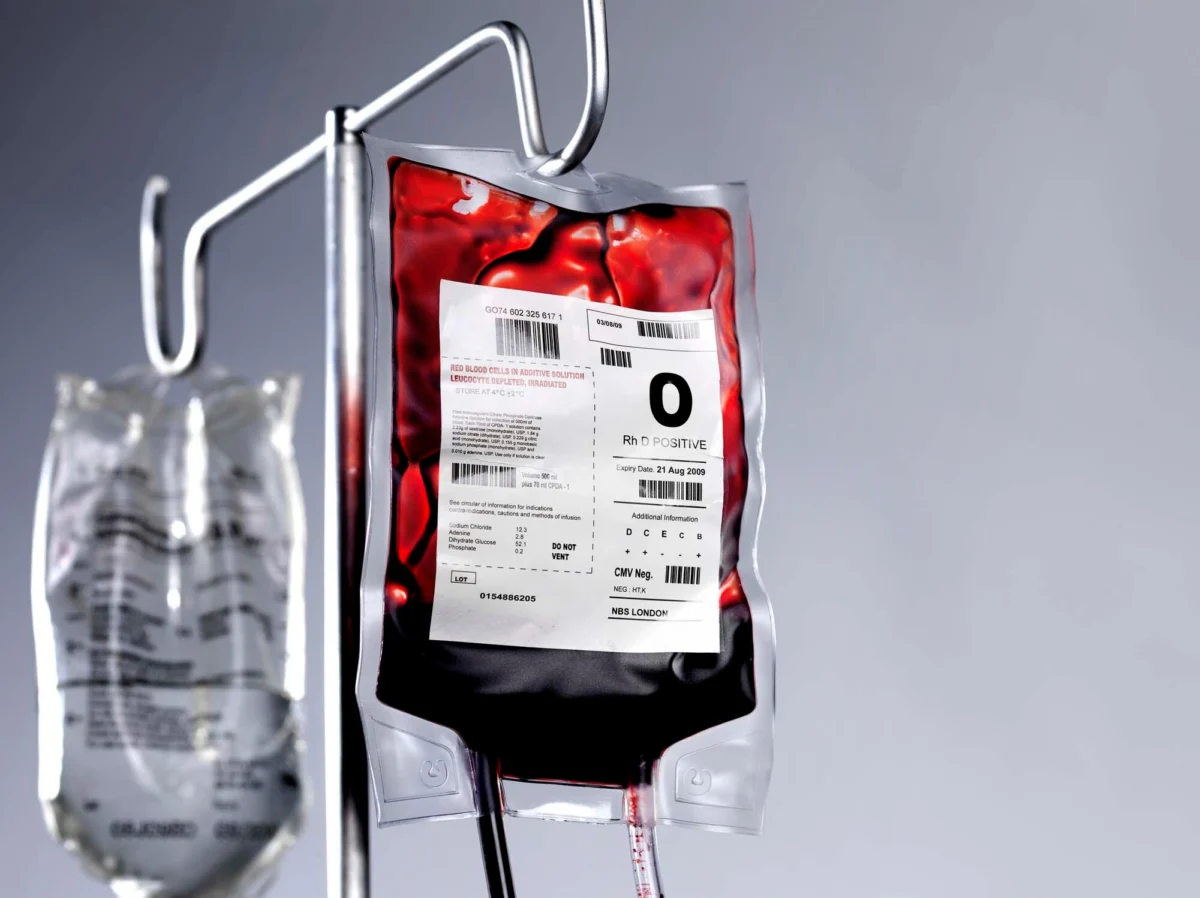
The wellness world is no stranger to pushing boundaries, but the latest buzzword making waves is particularly striking: plasmapheresis. Celebrities and influencers are showcasing images of themselves holding bags of what appears to be a yellow fluid, claiming it’s the key to unlocking peak health and longevity. Joe Rogan, a prominent voice in this space, has openly discussed undergoing this procedure, referring to the extracted plasma as containing "inflammatory proteins, toxins, and byproducts." Bryan Johnson, another figure dedicated to extreme life extension, has also publicly shared his experiences with total plasma exchange, boasting about the "cleanliness" of his extracted plasma.
But what exactly is this procedure, and is it truly the fountain of youth its proponents claim it to be? As fitness enthusiasts, we’re constantly seeking effective and safe ways to optimize our bodies. This trend, however, raises significant questions about scientific validity, medical necessity, and potential risks. Let’s dive deep into plasmapheresis, separating the sensationalism from the science.
Unpacking Plasmapheresis: A Medical Procedure in the Wellness Spotlight
At its core, plasmapheresis, also known as plasma exchange, is a legitimate medical treatment. It involves drawing a person’s blood and then using a machine to separate it into its constituent parts: red blood cells, white blood cells, platelets, and plasma. The plasma, the liquid component that carries these cells, is then removed.
Here’s a breakdown of the process:
- Blood Extraction: A quantity of your blood is carefully drawn.
- Separation: A specialized machine, called a separator, meticulously separates the plasma from the other blood components.
- Plasma Removal: The plasma, which is indeed yellowish in color and can appear quite vibrant, is then discarded.
- Replacement: To maintain blood volume and essential bodily functions, the removed plasma is replaced. This replacement fluid is typically a sterile solution rich in proteins, most commonly albumin.
- Reinfusion: The patient’s own red blood cells, white blood cells, and platelets are then combined with the replacement fluid and returned to the body.
Dr. Brian Walcott, a neurosurgeon, clarifies that the yellow color of the plasma is normal and not indicative of any issue. The critical point, however, is that this procedure is designed to remove plasma, which is a significant portion of your blood volume. Replacing it is essential for survival.
Who is Plasmapheresis For? A Medical Necessity, Not a Wellness Choice
The medical community is largely unified on one point: plasmapheresis is not intended for healthy individuals seeking an edge in their fitness or longevity journey. Its established applications are reserved for patients battling serious and specific health conditions.
Plasmapheresis is primarily used for:
- Autoimmune Diseases: Conditions where the immune system mistakenly attacks the body’s own tissues. By removing plasma, the body can be rid of harmful antibodies that contribute to the disease process. Examples include myasthenia gravis, Guillain-Barré syndrome, and lupus.
- Neurologic Conditions: Certain neurological disorders can benefit from the removal of inflammatory or harmful substances circulating in the plasma.
- Cancer Treatments: In some instances, plasmapheresis can be used as an adjunct therapy in managing certain types of cancer.
- Drug Overdoses or Poisoning: In acute situations, it can help remove toxins or excessive amounts of certain medications from the bloodstream.
Dr. Eric Ascher, a family medicine physician, emphasizes, "This should not be done for healthy individuals." Similarly, Dr. Jamie Alan, an associate professor of pharmacology and toxicology, states, "This is typically used for autoimmune diseases and sometimes for overdoses." The consensus among medical professionals is that employing plasmapheresis for general wellness or to "detoxify" a healthy body is medically unfounded and potentially risky.

The Microplastic Debate: A Glimmer of Hope or a Misguided Pursuit?
A significant driving force behind the current fascination with plasmapheresis, particularly in the wellness sphere, is the idea that it can remove microplastics from the body. The presence of microplastics in our environment and, consequently, in our bodies, is a growing concern. These tiny plastic particles have been found in everything from our food and water to our air, and even within our tissues and organs.
Some proponents of plasmapheresis point to a 2025 study that suggested the procedure could be effective in removing microplastic-like particles from human blood. However, experts urge caution and critical evaluation of such claims.
Key considerations regarding microplastics and plasmapheresis:
- Limited Evidence: The study mentioned involved a small sample size (21 patients) and did not quantify the amount of microplastics removed. This means the findings are preliminary and require much more extensive research.
- Study Funding: It’s crucial to note that the study in question was funded by a company that utilizes plasmapheresis therapeutically. This raises potential questions about bias and the interpretation of results.
- Ubiquitous Nature of Microplastics: Microplastics are not confined to the bloodstream. They are found in tissues throughout the body, including the brain and prostate. Even if plasmapheresis removes some particles from the blood, it’s unlikely to address the broader issue of microplastic accumulation in other body parts.
- The Plastic Paradox: Ironically, the very procedure aimed at removing plastic could potentially introduce more. The tubing and equipment used in plasmapheresis are made of plastic. This creates a paradoxical situation where the treatment itself might contribute to the problem it aims to solve.
Dr. Kelly Johnson-Arbor, a toxicologist, rightly points out, "There is currently minimal scientific evidence supporting the use of plasmapheresis as an anti-aging intervention." While the idea of filtering out microplastics is appealing, the current scientific evidence is far from robust enough to justify this procedure for such a purpose.
The Real Risks: Why This Trend is Not for the Fitness-Conscious
Beyond the lack of scientific backing for wellness claims, undergoing plasmapheresis carries significant medical risks, especially for individuals who are not critically ill.
Potential medical risks include:
- Cardiovascular Complications: Abnormally low blood pressure and irregular heart rhythms are serious concerns that can arise during or after the procedure.
- Bleeding: As blood is manipulated outside the body, there’s an increased risk of bleeding complications.
- Allergic Reactions: Reactions to the replacement fluids or other components used during the procedure can occur.
- Immune System Suppression: Plasmapheresis removes not only harmful substances but also essential components like antibodies and clotting factors. Antibodies are crucial for fighting infections. Removing them can leave the immune system compromised for months, making individuals more susceptible to illness. Dr. Walcott expresses concern about this aspect, stating, "The immune system doesn’t bounce back right away."
- Infection: As with any invasive medical procedure, there is a risk of infection.
- Cost: Plasmapheresis is an expensive and time-consuming procedure, often costing thousands of dollars per session. This financial burden, coupled with the lack of proven benefits for healthy individuals, makes it an impractical and ill-advised pursuit.
Comparing it to an "oil change" for the body, as some have done, is a gross oversimplification. An oil change maintains a machine; plasmapheresis fundamentally alters a biological system with inherent risks.
Practical Strategies for Optimal Health and Longevity: Where to Focus Your Energy
For fitness enthusiasts, the pursuit of a long, healthy, and vibrant life is a commendable goal. However, the focus should be on evidence-based practices that are safe, sustainable, and scientifically supported. Instead of chasing unproven trends like plasmapheresis, channel your energy into these proven strategies:
1. Prioritize a Nutrient-Dense Diet:
Fueling your body with whole, unprocessed foods is the cornerstone of good health. Focus on a diet rich in fruits, vegetables, lean proteins, and healthy fats.
- Actionable Tip: Aim for a variety of colorful produce to ensure you’re getting a wide spectrum of vitamins, minerals, and antioxidants. Include sources like berries, leafy greens, cruciferous vegetables, and fatty fish.
- Real-life Example: Sarah, a 40-year-old marketing manager, noticed a significant improvement in her energy levels and sleep quality by simply swapping processed snacks for a handful of almonds and an apple, and incorporating a large salad with her lunch daily.
2. Embrace Consistent Exercise:
Regular physical activity is non-negotiable for both physical and mental well-being. Aim for a combination of cardiovascular exercise, strength training, and flexibility work.
- Actionable Tip: Find activities you genuinely enjoy to make exercise a sustainable habit. This could be anything from running and swimming to dancing or hiking. Schedule your workouts like important appointments.
- Real-life Example: Mark, a 55-year-old retiree, found that incorporating two 30-minute strength training sessions per week, alongside his daily brisk walks, significantly improved his mobility and reduced his joint pain.
3. Optimize Sleep Quality:
Sleep is your body’s natural repair and rejuvenation period. Prioritize getting 7-9 hours of quality sleep each night.
- Actionable Tip: Establish a consistent sleep schedule, create a relaxing bedtime routine, and ensure your bedroom is dark, quiet, and cool. Limit screen time before bed.
- Real-life Example: Emily, a busy student, struggled with fatigue until she implemented a "no phone an hour before bed" rule and found that reading a book helped her fall asleep faster and wake up feeling more rested.
4. Manage Stress Effectively:
Chronic stress can have detrimental effects on your health. Find healthy ways to cope with stress, such as meditation, deep breathing exercises, yoga, or spending time in nature.
- Actionable Tip: Dedicate a few minutes each day to a stress-reducing activity. Even short bursts of mindfulness can make a difference.
- Real-life Example: David, a software engineer, found that a daily 10-minute guided meditation practice helped him feel more centered and less overwhelmed by work pressures.
5. Stay Hydrated:
Water is essential for virtually every bodily function. Ensure you’re drinking enough water throughout the day.
- Actionable Tip: Carry a reusable water bottle with you and sip from it regularly. Set reminders if needed.
- Real-life Example: By simply increasing her water intake, Jessica noticed a reduction in headaches and improved skin clarity.
6. Seek Professional Guidance:
Consult with qualified healthcare professionals, registered dietitians, and certified personal trainers to create a personalized health and fitness plan tailored to your individual needs and goals.
Conclusion: The Path to Well-being is Paved with Science, Not Hype
The allure of a quick fix or a magical solution for longevity is understandable, especially in our fast-paced world. However, the trend of plasmapheresis as a wellness treatment falls firmly into the realm of unproven hype. While it is a medically significant procedure for specific conditions, its application for healthy individuals is not supported by scientific evidence and carries considerable risks.
As fitness enthusiasts, our commitment to our bodies should be guided by knowledge, caution, and a dedication to sustainable, evidence-based practices. Let’s focus our energy on the tried-and-true pillars of health: a balanced diet, regular exercise, quality sleep, and effective stress management. These are the real keys to unlocking a healthier, more vibrant, and longer life – not experimental procedures that lack scientific validation and carry unnecessary risks. Embrace the journey of self-improvement with wisdom and integrity, and build a foundation of health that is as robust and resilient as you aspire to be.