As a mathematics professor, I’m accustomed to finding elegant solutions to complex problems. For years, however, my own health presented a conundrum I couldn’t quite solve with logic alone. My weight had crept up, fueled by stress, social dining, and a general lack of physical activity. This wasn’t just about aesthetics; it was a genuine threat to my well-being, particularly given a history of heart issues. The numbers were undeniable, and the consequences were becoming increasingly apparent in my daily life. I was heavier, less energetic, and frankly, I felt terrible.
My journey began not with a sudden epiphany, but a series of stark realities. After two serious cardiac events in 2013, I managed to shed about 30 pounds and maintain a healthier weight for a few years. However, life, as it often does, intervened. My wife and I, both self-proclaimed foodies, embraced our shared passion for culinary exploration. Frequent dining out and a steady stream of takeout, encompassing everything from rich Italian and hearty Texas BBQ to vibrant Thai and classic Chinese, became the norm. This enjoyable period, while rich in flavor, also translated to a gradual, steady weight gain of roughly seven pounds per year for about three years.
The pandemic amplified this trend. The lockdown restrictions meant even less movement, coupled with the pervasive stress and increased alcohol consumption. By October 2020, I found myself tipping the scales at 200 pounds, and for months, I fluctuated between 190 and 205. The physical manifestations were undeniable. My snoring became so profound it would wake me up. Simple tasks, like bending down to pick something up, felt like monumental efforts. Rushing anywhere left me breathless, and even climbing a few flights of stairs at work was a significant undertaking. I felt a deep sense of dissatisfaction and concern about my health.
The Catalyst for a Calculated Approach
The true turning point arrived in November 2023. My cardiologist, understandably concerned about my cardiac history, strongly advised significant weight loss. This recommendation was echoed by a cardiometabolic specialist, who further underscored the urgency. It was a sobering realization: without making substantial changes, my long-term health and longevity were genuinely at risk. The thought of not growing old with my wife due to my own inaction was a powerful motivator.

The specialist’s initial recommendation leaned towards medication, specifically GLP-1 agonists like Wegovy or Zepbound. Unfortunately, my insurance at the time didn’t cover these options. However, my employer offered a valuable benefit: participation in the VIRTA Health weight loss program. This program presented an opportunity to tackle my weight through a structured, medically supervised approach, focusing on a ketogenic lifestyle designed to help regulate insulin.
I’ll admit, the prospect of a high-fat diet, even with assurances of healthy fats, felt counterintuitive given my heart condition. It was a significant hurdle to overcome. Thankfully, further discussions with my cardiometabolic specialist provided the reassurance I needed. She explained the science behind how a well-formulated ketogenic approach could be beneficial for metabolic health. This conversation was crucial, and on January 15th, 2024, I officially embarked on my calculated weight loss journey.
Redefining My Relationship with Food: The Foundation of My Success
The most profound shift wasn’t just about what I ate, but how I perceived food itself. The VIRTA program, and my evolving understanding of nutrition, helped me reframe my focus. Instead of dwelling on the absence of familiar staples like bread, pasta, and rice, I learned to appreciate the incredible variety and deliciousness of the foods I could enjoy. The persistent inner voice whispering temptations began to fade, replaced by a more conscious and informed approach to my dietary choices.
My Daily Dietary Blueprint
My dietary strategy evolved into a consistent, yet flexible, plan.

- Breakfast: Most mornings, I start with a protein-rich smoothie. The base is unsweetened almond milk, blended with two tablespoons of almond butter, 30 grams of whey protein, a tablespoon of heavy cream for richness, a touch of cinnamon, a hint of dark cocoa powder, and about half a cup of blueberries. When I travel, which is frequent for my work, I’ve become adept at finding suitable alternatives. This often involves seeking out egg-based options at hotels or identifying keto-friendly choices at establishments like Starbucks or Whole Foods.
- Lunch and Dinner: These meals typically follow a consistent structure: a 5- to 7-ounce portion of lean protein (such as chicken, fish, or lean beef) paired with two servings of low-carbohydrate vegetables. My go-to vegetables include broccoli, mushrooms, kale, cauliflower, and zucchini. The simplicity and nutrient density of these meals became a cornerstone of my success.
Approximately four months into my journey, having shed around 30 pounds, a significant development occurred. My insurance company approved coverage for Zepbound, a GLP-1 medication. Incorporating this medication, even at the lowest dose, proved to be a powerful synergy with the VIRTA program. The GLP-1 agonist helped to quiet the mental chatter surrounding food choices, making it significantly easier to adhere to my plan and resist impulsive decisions. The combination of the VIRTA program’s structured nutritional guidance and the subtle but impactful effect of the GLP-1 medication created a potent force for positive change in my body.
The Tangible Results: Beyond the Scale
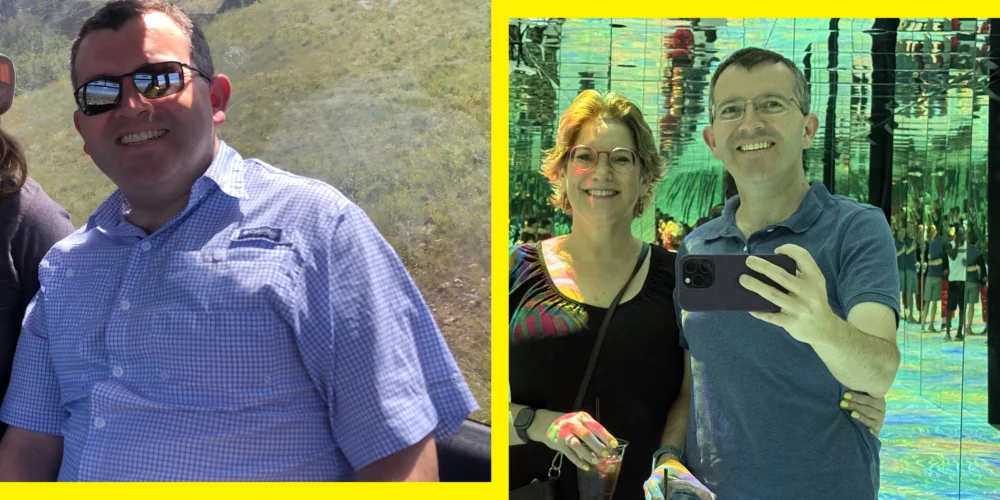
The weight loss was steady and consistent, a welcome departure from the yo-yo dieting I’d experienced in the past. Over the course of a year, I successfully shed 45 pounds. There were plateaus, periods of 30 to 45 days where the scale seemed to stubbornly refuse to budge. These moments, while sometimes frustrating, were eventually overcome, and I would then see another drop of a few pounds. For the last seven months, I’ve maintained a weight of around 146 pounds.
In total, I’ve lost 50 pounds since initiating my weight loss efforts, marking a significant 60-pound reduction from my highest recorded weight. The physical transformation has been profound, but the internal changes are even more remarkable.
- Cardiovascular Health: Most importantly, my heart health has dramatically improved. My regular check-ups with my cardiologist and cardiometabolic specialist are now purely routine.
- Metabolic Markers: The numbers from my medical tests tell a compelling story:
- Before: On May 17, 2023, my A1C was 6.0 (pre-diabetic). My total cholesterol was 144 (HDL 45, LDL 66), and I was on statins. My triglycerides were a concerning 280 (normal is < 150). By October 17, 2023, my fasting glucose was 109, still in the pre-diabetic range.
- After: On June 3, 2025, my fasting glucose had normalized to 92. My total cholesterol was 98 (HDL 57, LDL 22), and while I remain on statins, my triglyceride levels had dropped to 103. On August 1st, 2025, my A1C was 5.4, firmly in the normal range.
- Everyday Well-being: Beyond the clinical data, the improvements in my daily life are immeasurable. I no longer snore. My energy levels have soared, making everyday tasks feel effortless. I can bend down, move with agility, and ascend stairs without gasping for air. A particularly significant and welcome change has been the complete resolution of a chronic sweating issue that had plagued me for years, causing considerable self-consciousness.
The Power of Support
This journey has been a humbling experience. While I consider myself a disciplined individual, I’ve learned that sheer discipline isn’t always enough. I needed external support, and I found it in abundance. My wife, Carey, has been an unwavering pillar of strength and encouragement. My VIRTA coach, also named Carey, provided invaluable guidance and accountability, especially during those crucial initial stages. Their support, and the willingness to lean on them, made all the difference.

The Next Frontier: Integrating Consistent Movement
While my dietary transformation has been incredibly successful, I acknowledge that consistent exercise is the next frontier in my health journey. This is an area where I’m still actively working on building sustainable habits. Motivation can ebb and flow, and I have experienced periods of inconsistency. I’m not proud of these lapses, but I’ve learned the vital importance of self-compassion. Carey’s gentle reminders to be kind to myself have been instrumental in helping me navigate these challenges and return to my goals.
My primary motivators for increasing my physical activity are clear: a desire for improved long-term health and the prospect of many more years with my wife. I also recognize the significant benefits of exercise for stress management and enhancing sleep quality.
My current aim is to build up to exercising five times per week. This would ideally include at least two days of strength training to build and maintain muscle mass, complemented by the remainder of the week dedicated to cardiovascular exercise through activities like running or rowing.
Your Blueprint for Sustainable Transformation
My experience as a math professor has taught me the value of a systematic, evidence-based approach. While my specific diet was guided by a program, the underlying principles are universally applicable:

- Embrace a Holistic View: Weight loss is rarely just about one factor. Understand the interplay of diet, stress, sleep, and activity.
- Seek Expert Guidance: Don’t hesitate to consult with healthcare professionals and registered dietitians. Their expertise can provide a safe and effective roadmap.
- Focus on Nutrition Quality: Prioritize whole, unprocessed foods that nourish your body and keep you feeling satisfied.
- Build a Support System: Share your goals with trusted friends, family, or join a community. Accountability and encouragement are powerful tools.
- Be Patient and Persistent: Sustainable weight loss is a marathon, not a sprint. Celebrate small victories and learn from setbacks without judgment.
- Find Joy in Movement: Discover physical activities that you genuinely enjoy. This will make incorporating exercise into your life far more sustainable.
My journey, fueled by data, dedication, and a supportive network, has been more rewarding than I could have imagined. It’s a testament to the fact that with the right strategy and a commitment to self-care, significant and lasting health transformations are achievable, even without setting foot in a gym. Your own precise path to a healthier, happier you awaits.