
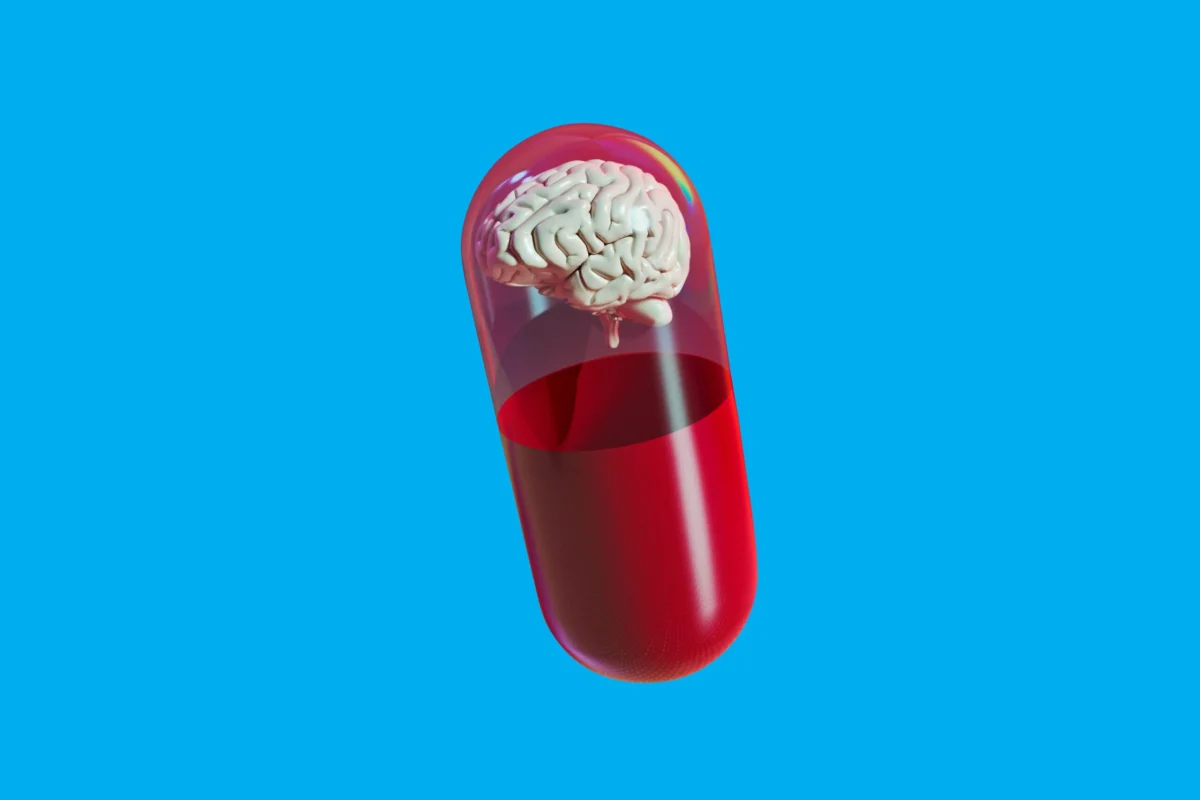
In today’s fast-paced world, the desire for enhanced mental clarity, sharper focus, and improved memory is more prevalent than ever. The market is flooded with an overwhelming array of supplements promising to be the next big thing for your brain. From catchy brand names to bold claims, it’s easy to feel lost in the noise and wonder what actually works.
The truth is, while many products on the shelf are little more than expensive placebos, a select few ingredients have demonstrated genuine potential in supporting and improving cognitive function. As fitness enthusiasts, we understand the power of diligent training and proper nutrition for our bodies. Why should our brains be any different?
This article cuts through the marketing jargon to highlight five scientifically validated supplements that can offer a tangible boost to your mental performance. We’ll delve into the research, explain how they work, and provide practical advice on how to incorporate them into your regimen. Get ready to unlock your cognitive edge and perform at your peak, both mentally and physically.
The Pillars of Cognitive Enhancement: Proven Supplements for a Sharper Mind
Navigating the world of nootropics can be daunting. The key to making informed decisions lies in understanding the active ingredients and the scientific evidence supporting their efficacy. Here, we explore five supplements that have earned their place on the list of genuine brain boosters.
1. Omega-3 Fatty Acids: The Brain’s Building Blocks
Often hailed as a cornerstone of good health, omega-3 fatty acids, specifically DHA and EPA, are crucial for brain function. These essential fats are integral components of brain cell membranes, playing a vital role in their structure and fluidity.
- How they work: Omega-3s possess potent anti-inflammatory properties, which are critical for protecting the brain from age-related damage and neurodegenerative processes. They also support neurotransmitter function, the chemical messengers that facilitate communication between brain cells.
- The science: Numerous studies have linked higher intake of omega-3s to improved cognitive performance. For individuals experiencing mild cognitive impairment, significant doses of DHA and EPA have shown promise in enhancing attention, memory, and learning capabilities.
- Practical application:
- Dietary sources: The best way to obtain omega-3s is through your diet. Fatty fish like salmon, mackerel, sardines, and anchovies are excellent sources. Aim for at least two servings of fatty fish per week.
- Supplementation: If your diet lacks sufficient omega-3s, a high-quality fish oil or algal oil supplement can be a valuable addition. Look for supplements that clearly state the amounts of DHA and EPA.
- Workout synergy: Adequate omega-3 intake can support recovery by reducing exercise-induced inflammation, indirectly benefiting your brain’s ability to function optimally during and after demanding workouts.
2. Curcumin: The Anti-Inflammatory Powerhouse
Derived from the vibrant spice turmeric, curcumin is a potent antioxidant and anti-inflammatory compound that has garnered significant attention for its brain-boosting potential.
- How it works: Curcumin’s dual action is key. Its anti-inflammatory effects can help combat chronic inflammation in the brain, a known contributor to cognitive decline. Simultaneously, its antioxidant properties protect brain cells from oxidative stress, supporting neuron health and function.
- The science: Research suggests that curcumin can significantly improve working memory and moderately enhance brain processing speed. This suggests a direct impact on the brain’s ability to process and retain information.
- Practical application:
- Dietary integration: Incorporate turmeric into your cooking. It can be added to curries, soups, stews, and even smoothies.
- Supplementation: For a more concentrated dose, curcumin supplements are available. Look for formulations that enhance bioavailability, as curcumin can be poorly absorbed on its own. Piperine (black pepper extract) is often included to improve absorption.
- Mind-body connection: When you feel mentally sharp, your physical performance often follows. Curcumin’s ability to reduce systemic inflammation can also contribute to better joint health and overall recovery, indirectly supporting your fitness goals.
3. Phosphatidylserine: The Cell Membrane Guardian
Phosphatidylserine is a type of fat, a phospholipid, that is a critical component of cell membranes, particularly abundant in the brain. It plays a crucial role in maintaining the integrity and function of neurons.
- How it works: Phosphatidylserine is essential for the structure and communication of brain cells. It helps to maintain the fluidity of cell membranes, which is vital for efficient signal transmission between neurons. This improved communication can lead to better cognitive processing.
- The science: Studies have indicated that phosphatidylserine supplementation can be beneficial for individuals experiencing age-related cognitive decline. In adults with mild cognitive impairment, taking phosphatidylserine supplements has been shown to improve short-term memory more effectively than a placebo.
- Practical application:
- Dietary sources: While found in foods like soy, organ meats, and white beans, achieving therapeutic levels through diet alone can be challenging.
- Supplementation: Phosphatidylserine supplements are widely available and can be a direct way to ensure adequate intake.
- Focus and Recall: For athletes, improved short-term memory and recall can be invaluable for remembering complex training routines, playbooks, or even intricate technical movements.
4. L-Theanine: The Calm Focus Enhancer
Found naturally in tea leaves, L-theanine is an amino acid celebrated for its ability to promote relaxation without causing drowsiness, and to enhance focus.

- How it works: L-theanine crosses the blood-brain barrier and influences brain wave activity, promoting alpha waves, which are associated with a relaxed yet alert state. It also increases levels of neurotransmitters like GABA, serotonin, and dopamine, which play key roles in mood regulation, focus, and stress reduction.
- The science: Research indicates that L-theanine can improve cognitive performance, particularly in tasks requiring sustained attention, even under conditions of sleep deprivation. Furthermore, it has been linked to faster sleep onset, better sleep quality, and reduced daytime grogginess, all of which are fundamental for optimal brain health.
- Practical application:
- Enjoy Green Tea: Consuming green tea is a natural way to ingest L-theanine, often in combination with caffeine, which can create a synergistic effect of calm focus.
- Supplementation: L-theanine is readily available as a standalone supplement. It’s often taken before mentally demanding tasks or in the evening to promote restful sleep.
- Stress Management: For athletes, managing stress and anxiety is crucial for performance. L-theanine can be a valuable tool for staying calm under pressure during competition or intense training sessions.
5. Creatine: More Than Just Muscle Fuel
Primarily known for its role in energy production for muscle cells, creatine is increasingly recognized for its significant benefits to brain health.
- How it works: Creatine plays a vital role in the brain’s energy supply by increasing the levels of phosphocreatine, a molecule that helps to replenish ATP (adenosine triphosphate), the primary energy currency of cells, including neurons. This enhanced energy availability supports cognitive processes.
- The science: A meta-analysis of studies revealed that creatine supplementation can improve memory. Other research suggests it boosts thinking abilities and processing speed, particularly after periods of sleep deprivation, possibly by mitigating stress-induced cellular damage in the brain.
- Practical application:
- Supplementation: Creatine monohydrate is the most studied and cost-effective form. It can be taken daily to maintain optimal levels.
- Workout Integration: Combine your creatine intake with your post-workout nutrition to maximize absorption and support both muscle recovery and cognitive function.
- Mental Stamina: For endurance athletes or those engaged in long, demanding workouts, creatine’s ability to support brain energy can translate to sustained mental focus and decision-making throughout prolonged exertion.
Navigating the Gray Areas: Supplements with Debatable Efficacy
While the above five supplements have strong scientific backing, some others show promise but require more robust human research to solidify their claims.
- Magnesium: While early studies in animals suggest potential benefits for brain inflammation, its primary documented impact in humans is on improving sleep and reducing anxiety. These indirect benefits can certainly contribute to feeling sharper.
- Taurine: This amino acid, found in meats and seafood, may offer a focus boost, especially when combined with caffeine. However, it’s often found in energy drinks alongside other ingredients, making it difficult to isolate taurine’s specific contribution to cognitive enhancement.
- Citicoline: This compound helps your brain build phosphatidylserine. While some studies show it can improve cognitive functions like recall in individuals with dementia when taken with medication, more research is needed to confirm its broader benefits.
- Ginkgo Biloba: Once a popular choice for memory enhancement, larger studies have yielded mixed results. Furthermore, potential side effects like headaches, dizziness, and constipation warrant caution.
Supplements to Approach with Skepticism
It’s equally important to identify supplements that lack substantial scientific evidence for brain health, despite their marketing.
- Apoaequorin: Marketed for memory improvement, regulatory bodies have ruled against its manufacturers’ claims, stating that clinical trials show no benefit over a placebo.
- Vitamin E (High Doses): While early research hinted at slowing Alzheimer’s progression, the evidence is not strong enough for a recommendation. High doses can also pose risks, such as increased bleeding.
- Nicotinamide (Form of Vitamin B3): Studies in aging mice have shown positive results, but human trials for memory loss and Alzheimer’s have not demonstrated improvements.
- Lion’s Mane or Cordyceps: While these fungi are being studied for their potential to reduce depression and anxiety, and some animal studies show promise for memory, human evidence is mixed and often limited, with other factors like fatigue and exercise also playing a role.
Beyond the Bottle: Foundational Habits for a Superior Brain
While supplements can offer a valuable edge, they are not a substitute for fundamental lifestyle practices that are paramount for cognitive health.
- Prioritize Sleep: Aim for 7-9 hours of quality sleep per night. Sleep is when your brain consolidates memories, clears out toxins, and repairs itself.
- Engage in Regular Exercise: Physical activity increases blood flow to the brain, stimulates the growth of new neurons, and releases beneficial neurochemicals. Combine cardiovascular exercise with strength training for holistic benefits.
- Nourish Your Body: A balanced diet rich in fruits, vegetables, lean proteins, and healthy fats provides the essential nutrients your brain needs to function optimally.
- Challenge Your Mind: Continuously learning new skills, engaging in puzzles, reading, and having stimulating conversations keeps your brain active and resilient.
- Manage Stress: Chronic stress can impair cognitive function. Incorporate stress-reducing techniques like mindfulness, meditation, or deep breathing exercises into your routine.
Your Brain, Your Ultimate Performance Tool
In the pursuit of peak physical and mental performance, understanding what truly works is essential. The supplements discussed – Omega-3s, Curcumin, Phosphatidylserine, L-Theanine, and Creatine – offer a scientifically supported pathway to enhancing your cognitive function.
Remember, consistency is key. Integrating these supplements into a lifestyle already committed to healthy eating, regular exercise, and sufficient sleep will amplify their benefits. Think of them not as magic pills, but as powerful allies in your quest for a sharper, more resilient, and more capable mind.
Don’t let the hype distract you from the science. By making informed choices and focusing on a holistic approach, you can cultivate a brain that not only supports your fitness goals but empowers you to excel in every aspect of your life. The journey to a better brain starts now.