In the dynamic world of fitness, where every rep counts and every session is an opportunity for growth, many enthusiasts seek an edge. For beginners looking to elevate their initial strides and intermediate lifters striving to shatter plateaus, the promise of enhanced focus, explosive energy, and improved endurance can be incredibly appealing. This is where pre-workout supplements enter the arena, touted as the ultimate fuel for peak performance.
But what exactly are these powders, and how can you navigate the vast market to make informed choices that genuinely support your fitness journey? This isn’t about chasing a fleeting buzz; it’s about strategic supplementation to optimize your effort, maximize your gains, and safely push your limits. As a professional fitness writer and an advocate for smart, sustainable progress, I’m here to demystify pre-workouts and equip you with the knowledge to use them effectively, turning potential into tangible results.
We’ll explore the science behind the most common ingredients, discuss who stands to benefit most, offer practical advice on choosing and timing your supplements, and address common misconceptions. Get ready to understand how a well-chosen pre-workout can truly ignite your training and propel you toward your strongest self.
What Exactly Is a Pre-Workout?
At its core, a pre-workout is a dietary supplement, typically in powder form, designed to be mixed with water and consumed before exercise. Its primary purpose is to enhance various aspects of your physical and mental performance during a workout session. Unlike a simple cup of coffee or a quick snack, pre-workout formulas combine multiple active ingredients, each playing a specific role in boosting your energy, focus, endurance, and strength.
Think of it as a meticulously crafted cocktail for your muscles and mind, preparing your body for the demands of intense training. The ingredients work synergistically to:
- Increase energy levels: Helping you overcome fatigue and feel more alert.
- Improve focus and mental clarity: Allowing for a stronger mind-muscle connection.
- Enhance muscular endurance: Delaying the onset of fatigue so you can push harder for longer.
- Boost strength and power output: Supporting heavier lifts and more explosive movements.
- Promote better blood flow (the "pump"): Delivering more nutrients and oxygen to working muscles.
While individual formulations vary widely, the overarching goal remains consistent: to optimize your physiological state for a more productive and impactful workout. It’s not a magic bullet, but rather a tool that, when used wisely, can amplify your efforts in the gym.
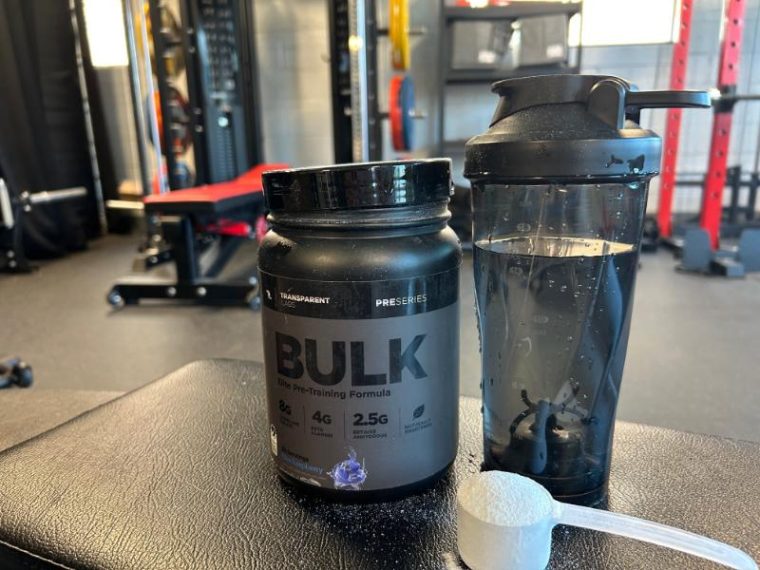
The Science Behind the Buzz: Key Ingredients and Their Roles
Understanding the ingredients in your pre-workout is crucial. It empowers you to choose products that align with your specific goals and sensitivities, moving beyond mere marketing hype. Here’s a breakdown of the most common and scientifically-backed components:
Caffeine: The Energy Driver
Undoubtedly the most ubiquitous ingredient in pre-workouts, caffeine is a central nervous system stimulant. It works by blocking adenosine receptors in the brain, which are responsible for making you feel tired. The result? Increased alertness, improved focus, and a perceived reduction in effort during exercise.
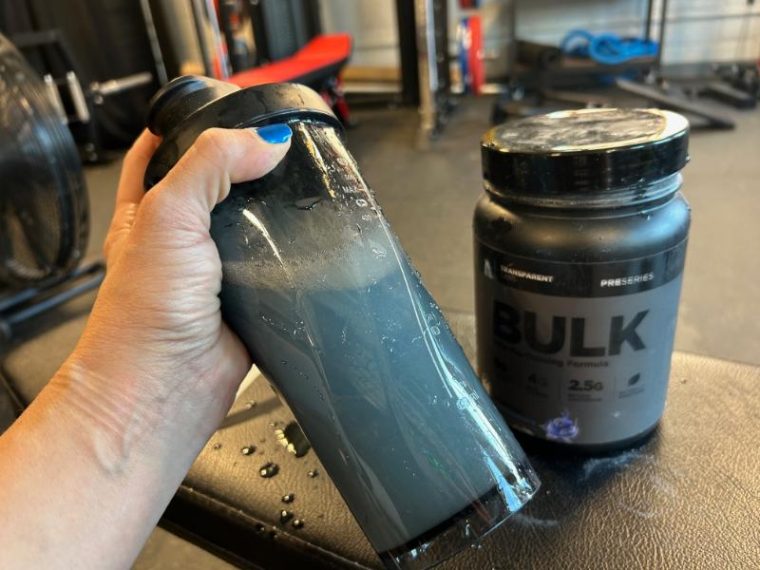
- How it works: Caffeine enhances the release of neurotransmitters like dopamine and norepinephrine, which can improve mood, vigilance, and reaction time. It also mobilizes fat stores, making them available as fuel, potentially sparing glycogen and extending endurance.
- Dosage: Effective doses typically range from 150mg to 300mg per serving. For context, a standard cup of coffee contains roughly 95mg. Beginners or those sensitive to stimulants should start with lower doses (e.g., 100-150mg) to assess tolerance.
- Practical Tip: Be mindful of your total daily caffeine intake from all sources. Exceeding 400mg per day can lead to jitters, anxiety, and sleep disturbances. If you train late in the day, consider a stimulant-free pre-workout option.
L-Citrulline: The Pump Enhancer
L-Citrulline is an amino acid that plays a vital role in nitric oxide (NO) production in the body. Nitric oxide is a vasodilator, meaning it helps to relax and widen blood vessels, leading to increased blood flow to working muscles. This increased blood flow is what gives you that satisfying "pump" sensation during and after a workout.
- How it works: When consumed, L-Ccitrulline is converted into L-arginine, which then produces nitric oxide. Enhanced blood flow delivers more oxygen and nutrients to muscles, aiding performance and recovery, and also helps remove metabolic waste products.
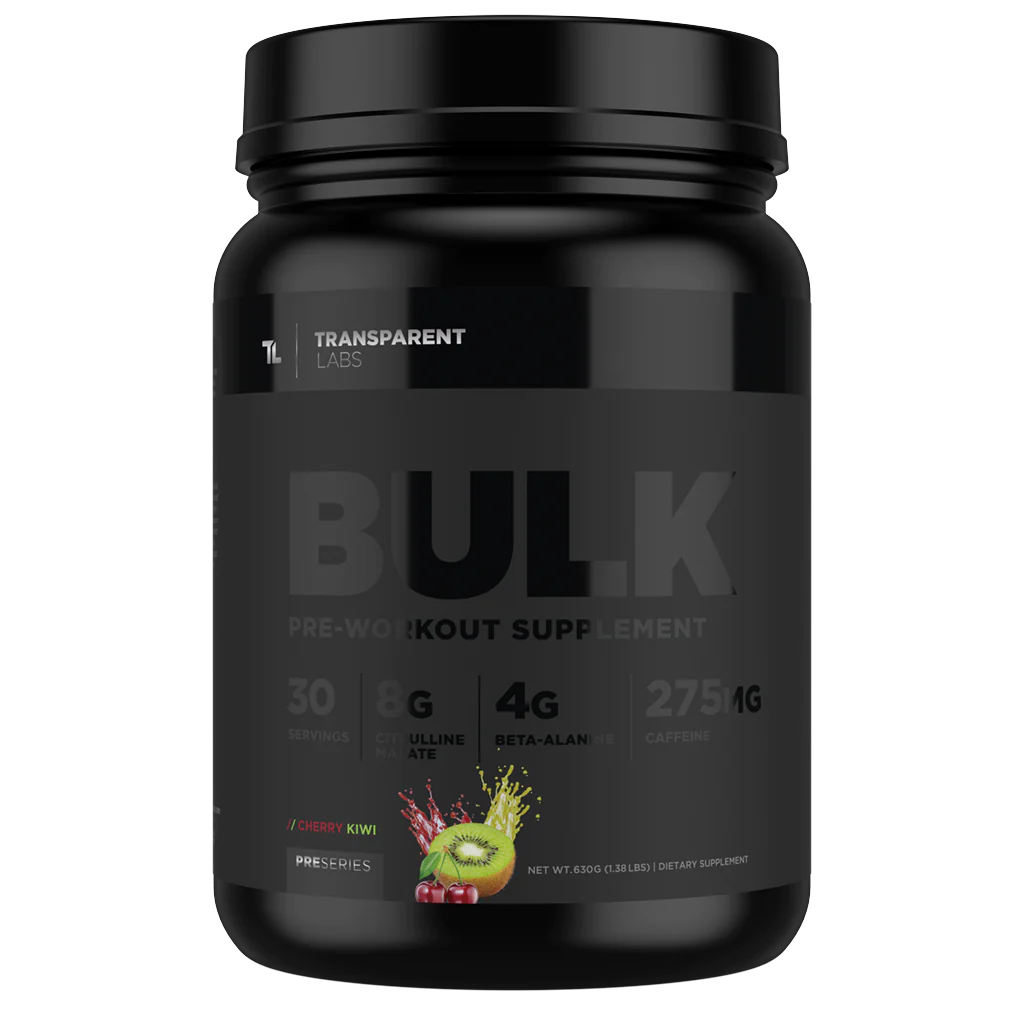
- Dosage: Research suggests that effective doses for performance enhancement range from 6-8 grams of L-citrulline malate (often 2:1 ratio, meaning 4-5.3g of pure L-citrulline) or 3-6 grams of pure L-citrulline.
- Practical Tip: If a product lists "Citrulline Malate," note the ratio. A 2:1 ratio means for every 2g of citrulline malate, there’s 1g of pure L-citrulline. Ensure you’re getting enough of the active compound.
Beta-Alanine: The Endurance Booster
Beta-alanine is a non-essential amino acid known for causing the "tingles" (paresthesia) that many pre-workout users experience. Its primary function in the body is to increase muscle carnosine levels. Carnosine acts as an intracellular buffer, helping to neutralize lactic acid buildup in muscles during high-intensity exercise.
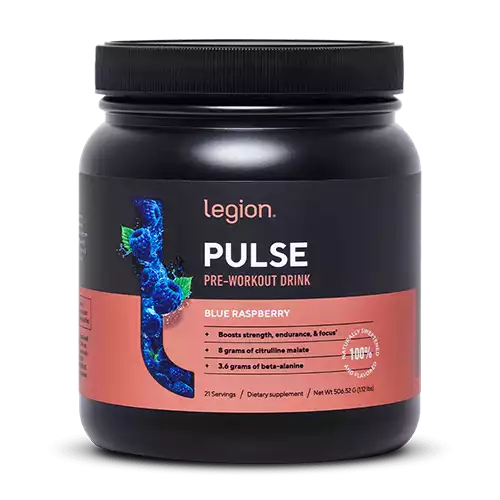
- How it works: By buffering lactic acid, beta-alanine delays muscle fatigue, allowing you to perform more reps or sustain intense activity for longer periods. This makes it particularly beneficial for activities involving bursts of effort, like weightlifting or HIIT.
- Dosage: The clinically effective dose for beta-alanine is typically 3.2-6.4 grams per day, often split into smaller doses (e.g., 1.6g twice daily) to minimize the tingling sensation.
- Practical Tip: The tingles are harmless and subside with continued use or by splitting doses. If they bother you, choose a pre-workout with a lower beta-alanine content or opt for a sustained-release form. Consistency is key for carnosine buildup, so daily intake (even on rest days) is more effective than just pre-workout use.
Creatine Monohydrate: The Strength Builder
While often taken as a standalone supplement, creatine monohydrate is a powerful ingredient that sometimes appears in pre-workout formulas. It plays a critical role in energy production, particularly during short bursts of high-intensity activity.
- How it works: Creatine helps regenerate ATP (adenosine triphosphate), which is the primary energy currency of your cells. By increasing ATP availability, creatine enhances strength, power output, and muscle growth. It also draws water into muscle cells, contributing to a fuller appearance.
- Dosage: The most common and effective dose is 3-5 grams daily, regardless of workout timing. If your pre-workout contains less than this, you may still need to supplement separately.
- Practical Tip: Creatine works through saturation, meaning consistent daily intake is more important than timing it specifically around your workout. If your pre-workout has less than 3g, consider a separate creatine supplement to ensure you’re getting enough for optimal benefits.
Other Performance Enhancers
Beyond the big four, many pre-workouts include additional ingredients that contribute to focus, endurance, and overall performance:
- L-Tyrosine: An amino acid precursor to neurotransmitters like dopamine and norepinephrine, which can enhance focus, mood, and cognitive performance, especially under stress.
- L-Theanine: Often paired with caffeine, L-theanine can promote a state of "calm alertness," reducing the jitters associated with high caffeine doses while maintaining focus.
- Betaine Anhydrous: Derived from choline, betaine has been shown to improve power output, muscular endurance, and aid in cellular hydration. Effective doses are typically around 2.5 grams.
- Taurine: An amino acid that may help with hydration, electrolyte balance, and reducing muscle damage during exercise.
- Alpha-GPC: A compound that may increase acetylcholine levels in the brain, potentially improving cognitive function, focus, and the mind-muscle connection.
- Nootropics (e.g., Huperzine A, Rhodiola Rosea): These ingredients aim to support brain function, memory, and mental energy, contributing to a sharper focus during training.
Understanding these key players allows you to critically evaluate a product’s label and determine if its formulation aligns with your fitness aspirations.
Who Can Benefit from Pre-Workouts?
Pre-workouts are not for everyone, nor are they a prerequisite for making fitness gains. However, they can be a valuable tool for specific individuals within the beginner to intermediate fitness spectrum:
- The Energy-Depleted: If you consistently find yourself dragging before or during workouts due to a demanding job, family life, or early morning sessions, a pre-workout can provide the necessary jolt to get you moving and perform effectively.
- The Focus-Seeker: For those who struggle to maintain concentration or establish a strong mind-muscle connection, ingredients like caffeine, L-tyrosine, and Alpha-GPC can help sharpen mental acuity and presence.
- The Plateau-Smasher: Intermediate lifters aiming to push past a strength or endurance plateau may find a pre-workout helps them squeeze out those extra few reps, add a little more weight, or maintain intensity for longer, fostering new adaptations.
- The Newbie Navigator: Beginners who feel overwhelmed or intimidated by intense workouts might benefit from the confidence and energy boost a pre-workout provides, helping them engage more fully and consistently in their initial training phases. However, beginners should start with lower doses and prioritize stimulant-free options until they understand their body’s response.
- The Endurance Enthusiast: Athletes involved in activities requiring sustained effort, such as long runs, cycling, or intense circuit training, can benefit from ingredients like beta-alanine and L-citrulline that delay fatigue.
It’s important to remember that pre-workouts are supplements, meaning they supplement a solid foundation of consistent training, proper nutrition, adequate sleep, and hydration. They are not a substitute for these fundamentals.
Choosing Your Ideal Pre-Workout: A Step-by-Step Approach
With an overwhelming number of pre-workout options available, making an informed decision can feel daunting. Here’s a practical, actionable guide to help beginners and intermediate fitness enthusiasts select the right product for their needs:
1. Assess Your Goals
What do you want your pre-workout to do for you?
- For pure energy and focus: Look for formulas rich in caffeine, L-tyrosine, and potentially Alpha-GPC.
- For enhanced muscle pump: Prioritize high doses of L-citrulline (or Citrulline Malate).
- For improved endurance and delayed fatigue: Seek out products with adequate beta-alanine and betaine anhydrous.
- For overall strength and power: Ensure it includes creatine monohydrate, or plan to supplement it separately.
- For a milder experience: Consider lower caffeine options or stimulant-free formulas.
Real-Life Example: Sarah, an intermediate weightlifter, wants to break her squat plateau. She’d prioritize a pre-workout with creatine and betaine anhydrous for strength, and L-citrulline for pump to help nutrient delivery to her working muscles, along with moderate caffeine for focus.
2. Understand Your Sensitivity
Everyone reacts differently to stimulants.
- Caffeine Sensitivity: If you’re sensitive to caffeine (experience jitters, anxiety, or sleep issues from coffee), start with a pre-workout containing 100-150mg of caffeine, or choose a stimulant-free version. You can always increase the dosage gradually.
- Beta-Alanine Tingling: The "tingles" from beta-alanine are harmless but can be intense. If you dislike them, look for lower doses (below 3.2g) or products that omit it.
Actionable Advice: Always start with a half-serving of any new pre-workout to gauge your body’s reaction before moving to a full dose. Pay attention to how you feel during and after your workout.
3. Prioritize Transparency and Quality
The supplement industry isn’t as tightly regulated as pharmaceuticals, making quality control paramount.
- Third-Party Testing: Look for certifications from organizations like Informed-Sport, NSF Certified for Sport, or USP. These certifications indicate that the product has been tested by an independent third party for purity, potency, and absence of banned substances. This is especially critical for competitive athletes.
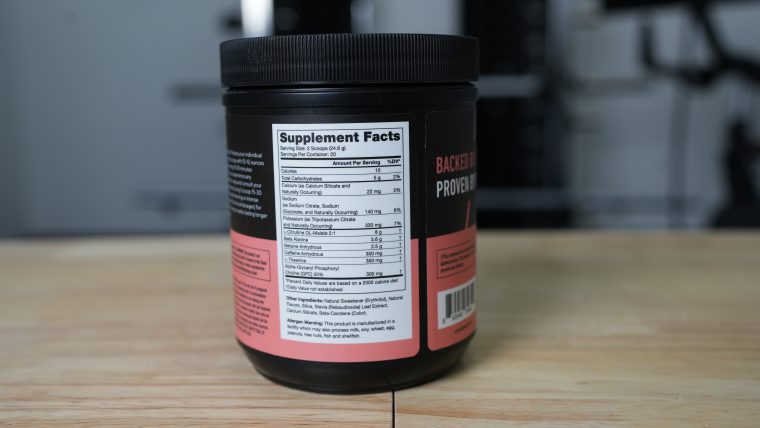
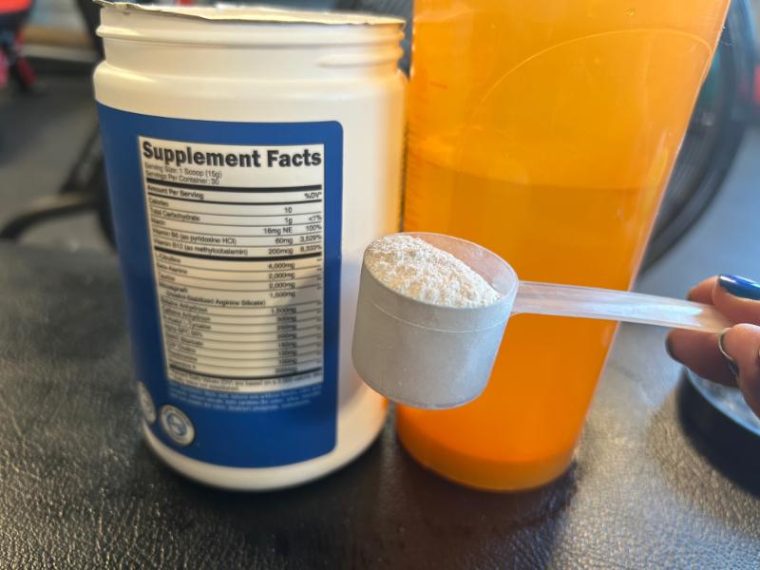
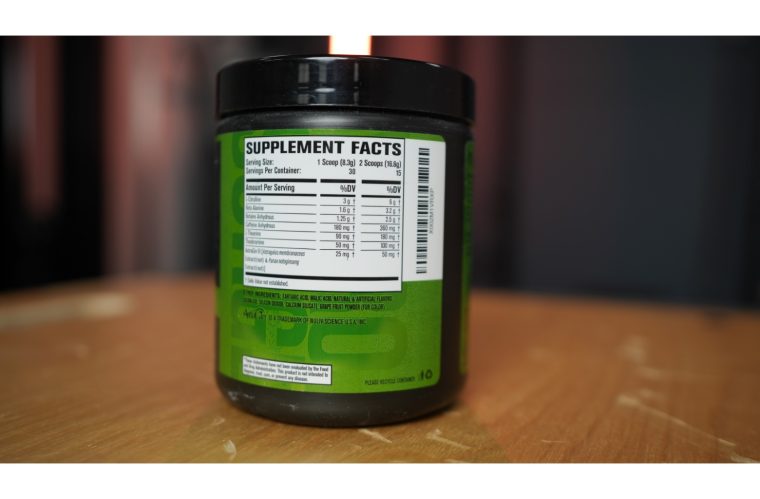
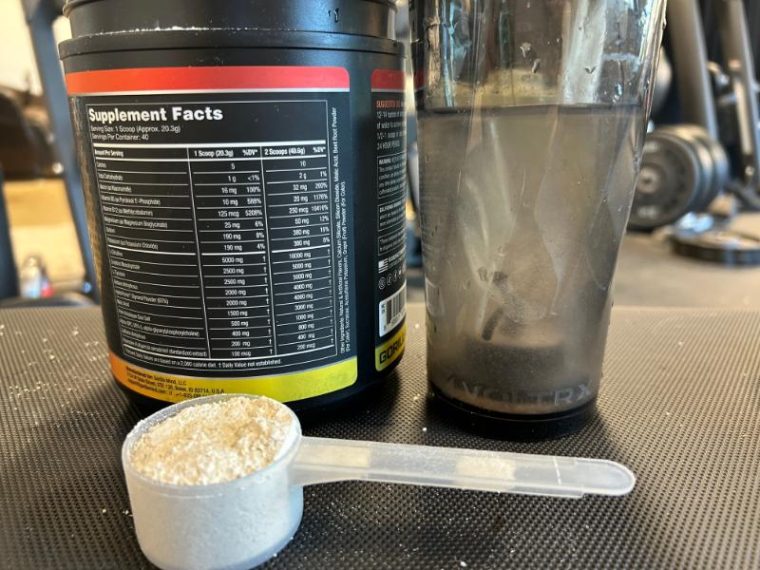
- Transparent Labeling: Avoid "proprietary blends" where individual ingredient dosages are not disclosed. You want to know exactly what and how much you’re consuming. Look for products that list each ingredient and its specific quantity.
- Reputable Brands: While avoiding brand names in reviews, when making a personal choice, research brands known for their commitment to quality and transparency.
Practical Tip: Always check the "Supplement Facts" panel thoroughly. A long list of ingredients doesn’t automatically mean a better product; adequate dosages of key ingredients are what truly matter.
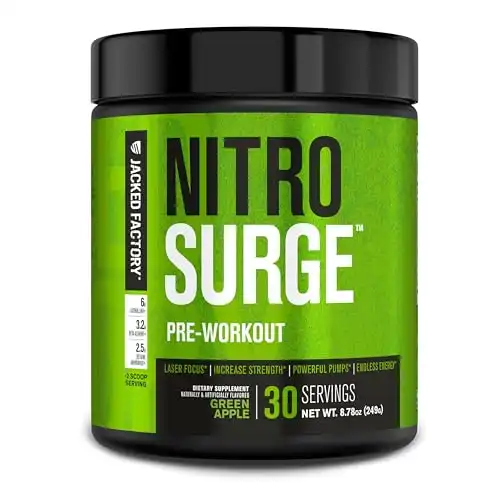
4. Consider Form and Flavor
While less about performance, these factors influence consistency.
- Powder vs. Other Forms: Most pre-workouts are powders, offering flexibility in dosage and mixability. Ready-to-drink (RTD) options are convenient but often more expensive per serving.
- Flavor Profile: If you dread drinking your pre-workout, you won’t take it consistently. Many brands offer a wide array of flavors. Read customer reviews for feedback on taste, but remember it’s subjective.
- Artificial Ingredients: If you prefer to avoid artificial sweeteners (like sucralose or acesulfame potassium), artificial colors, or flavors, seek out naturally sweetened and flavored options.
Real-Life Example: Mark, a beginner, found a highly-rated pre-workout but hated the taste. He switched to a different brand with fewer flavors but one he genuinely enjoyed, making it easier to stick to his routine.
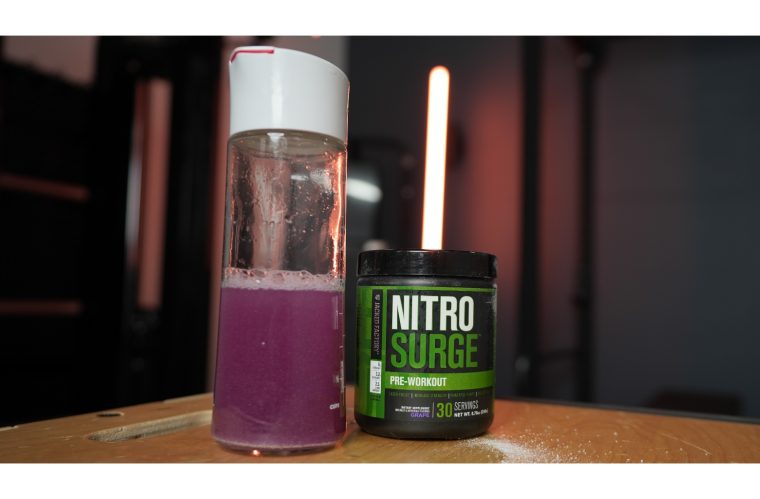
By systematically evaluating these factors, you can move beyond the marketing noise and confidently choose a pre-workout that genuinely supports your fitness journey.
Strategic Pre-Workout Timing and Dosage
Getting the most out of your pre-workout isn’t just about choosing the right one; it’s also about using it correctly.
The "When" and "How Much"
- Timing: Most pre-workouts are designed to be consumed 20-30 minutes before your training session. This allows sufficient time for the active ingredients, particularly caffeine, to be absorbed and take effect. Some ingredients, like beta-alanine, work through accumulation over time, so precise timing before a workout is less critical than consistent daily intake.
- Dosage: Always follow the manufacturer’s recommended serving size. As mentioned, if you’re new to pre-workouts or sensitive to stimulants, start with a half-serving. Gradually increase to a full serving only if tolerated and if you feel you need more of an effect. Never exceed the recommended daily dose.
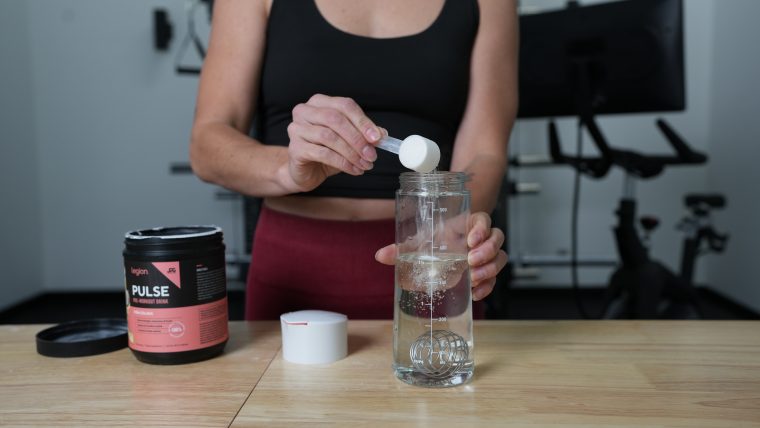
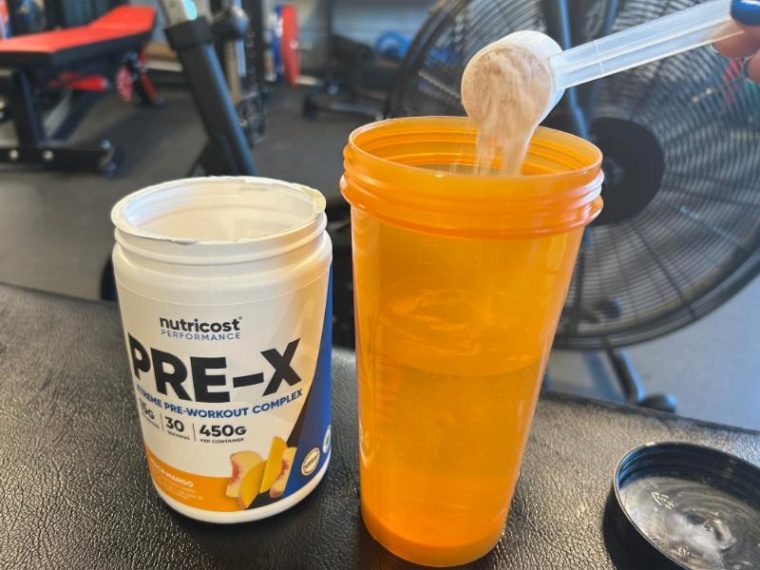
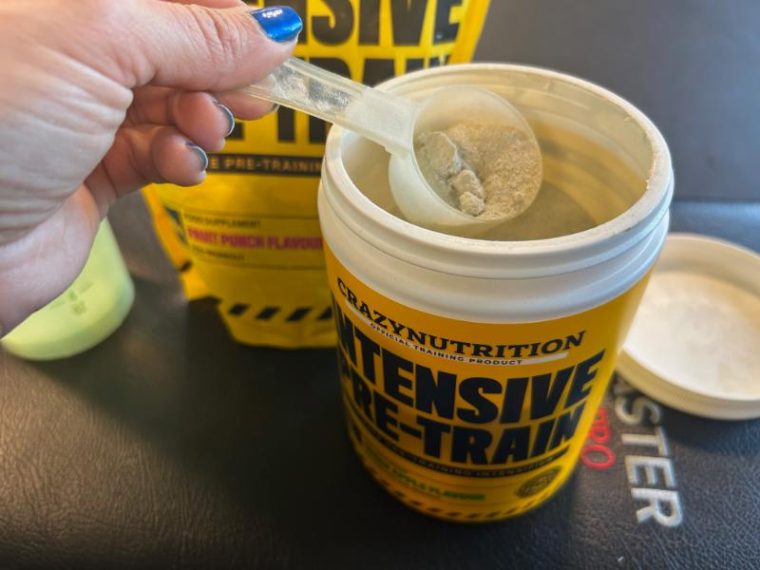
- Mixing: Mix your pre-workout powder thoroughly with the recommended amount of water (usually 8-12 ounces). Some ingredients, like glycerol, can cause clumping, so a shaker bottle is often helpful.
Cycling Your Pre-Workout
Regularly using a pre-workout, especially those high in stimulants, can lead to your body building a tolerance. This means you might need increasingly higher doses to achieve the same effects, which is neither healthy nor sustainable.
- The "Off" Period: Consider cycling your pre-workout use. A common strategy is to use it for 4-8 weeks, then take a 1-2 week break. During this break, your body’s sensitivity to the ingredients, particularly caffeine, can reset.
- When to Cycle: If you notice you’re no longer feeling the desired energy boost or focus from your usual dose, it’s a good indicator that a tolerance break is in order.
- Alternatives During Cycle: During your "off" period, you can opt for stimulant-free pre-workouts, or simply rely on a strong cup of coffee or natural energy boosters like a banana and a positive mindset.
Actionable Advice: Don’t rely on pre-workout for every single session. Save it for your most demanding workouts or days when you genuinely need an extra push. This not only helps prevent tolerance but also makes it a more effective tool when you truly need it.
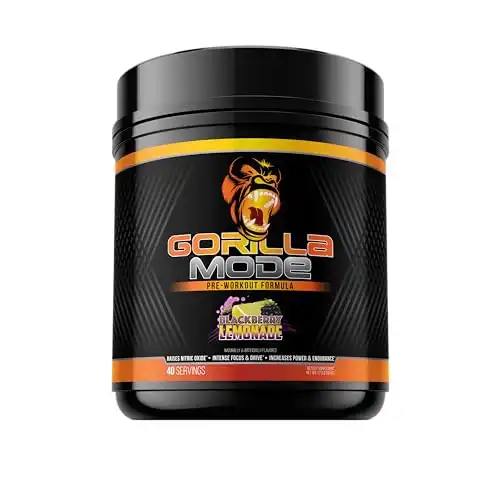
Potential Side Effects and How to Mitigate Them
While generally safe for healthy adults when used as directed, pre-workouts can cause side effects, especially if you’re sensitive to certain ingredients or exceed recommended dosages. Awareness is key to managing these.
The Jitters and Anxiety
- Cause: Primarily due to high doses of caffeine or other stimulants.
- Mitigation:
- Start with a half-serving to assess tolerance.
- Choose products with lower caffeine content (e.g., 100-150mg).
- Look for formulas that include L-theanine, which can smooth out the caffeine rush.
- Avoid consuming other caffeinated beverages (coffee, energy drinks) when taking pre-workout.
The "Tingles" (Paresthesia)
- Cause: Beta-alanine. It’s a harmless neurological response, not an allergic reaction.
- Mitigation:
- This sensation typically subsides with consistent use as your body adapts.
- Opt for pre-workouts with lower beta-alanine doses (below 3.2g).
- Split your beta-alanine intake into smaller doses throughout the day if using a standalone supplement.
Digestive Discomfort
- Cause: Some ingredients (e.g., certain artificial sweeteners, high doses of creatine in some individuals, or simply the osmotic effect of concentrated powders) can cause stomach upset, bloating, or diarrhea.
- Mitigation:
- Ensure adequate water intake when mixing and consuming.
- Experiment with different brands and ingredient profiles.
- Take your pre-workout with a small, easily digestible snack (like a banana) if an empty stomach is the issue.
- If a specific ingredient consistently causes issues, choose a product without it.
Sleep Disturbances
- Cause: Caffeine and other stimulants consumed too close to bedtime.
- Mitigation:
- Avoid taking stimulant-based pre-workouts within 6-8 hours of your intended sleep time.
- If you train in the evening, opt for a stimulant-free pre-workout.
- Pay attention to your total daily caffeine intake from all sources.
Important Note: Always consult with a healthcare professional or registered dietitian before starting any new supplement, especially if you have pre-existing health conditions or are taking medications. They can provide personalized advice based on your individual health profile.
Pre-Workout Myths Debunked
The world of fitness supplements is rife with misinformation. Let’s separate fact from fiction regarding pre-workouts:
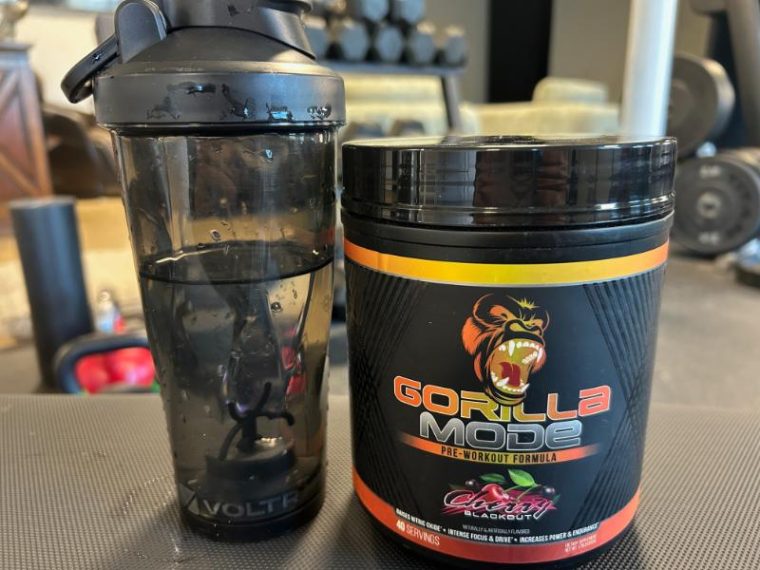
Myth 1: You Need Pre-Workout for Every Session
Reality: Absolutely not. While pre-workouts can be beneficial, they are not a magic pill for results. Consistency, proper form, progressive overload, nutrition, and recovery are far more critical. Relying on pre-workout for every session can lead to tolerance, diminishing returns, and a psychological dependence. Use it strategically on days you genuinely need a boost, rather than as a crutch.
Myth 2: More Stimulants Always Mean Better Results
Reality: This is a dangerous misconception. While stimulants like caffeine provide energy, there’s a point of diminishing returns. Excessive caffeine can lead to jitters, anxiety, increased heart rate, and impaired focus – counterproductive to a good workout. Furthermore, other non-stimulant ingredients (like L-citrulline and beta-alanine) are crucial for enhancing pump and endurance without the heavy stimulant load. A balanced formula with clinically effective doses of various ingredients is often superior to a product simply loaded with caffeine.
Myth 3: All Pre-Workouts Are Created Equal
Reality: Far from it. Pre-workouts vary wildly in their ingredients, dosages, quality of raw materials, and manufacturing standards. Some products are well-researched and transparently dosed, while others might contain proprietary blends with underdosed ingredients or even undisclosed stimulants. This highlights the importance of reading labels, understanding key ingredients, and seeking third-party tested products.
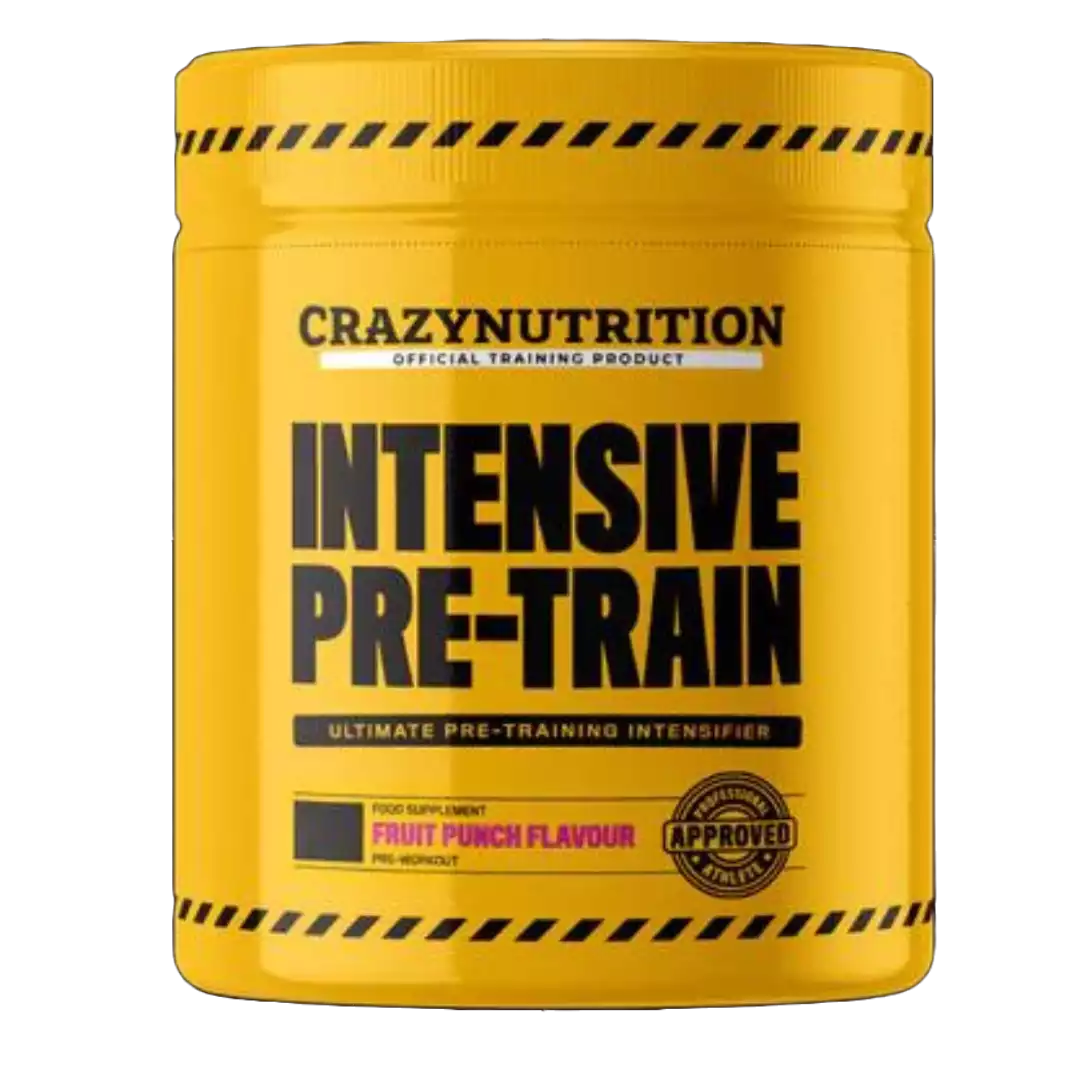
Actionable Advice: Educate yourself. Don’t fall for aggressive marketing or assume a product is good because an influencer promotes it. Your body and your goals are unique, and your pre-workout choice should reflect that.
Integrating Pre-Workouts into a Holistic Fitness Plan
A pre-workout is a tool, not a solution. Its effectiveness is amplified when integrated into a comprehensive fitness and wellness strategy.
- Nutrition First: Ensure your diet is rich in whole foods, adequate protein, complex carbohydrates for sustained energy, and healthy fats. A pre-workout can’t compensate for poor dietary habits.
- Hydration is Key: Water is essential for every bodily function, including nutrient transport and muscle performance. Sip water consistently throughout the day, and increase intake around your workouts. Many pre-workout ingredients (like creatine and glycerol) also benefit from ample hydration.
- Prioritize Sleep: Quality sleep is non-negotiable for recovery, hormone regulation, and cognitive function. If you’re chronically sleep-deprived, a pre-workout might offer a temporary band-aid, but it won’t fix the underlying issue.
- Consistent Training: Show up, put in the work, and follow a structured program that incorporates progressive overload. The pre-workout simply helps you perform better during the work you’re already doing.
- Listen to Your Body: Pay attention to how you feel. If you’re constantly feeling run down, excessively reliant on pre-workout, or experiencing negative side effects, it might be a sign to re-evaluate your overall lifestyle, not just your supplement choice.
Real-Life Example: David, an avid runner, found his pre-workout boosted his long-distance endurance. However, he noticed he was often crashing later in the day. After reviewing his diet, he realized he wasn’t eating enough complex carbs. By improving his nutrition, his energy became more stable, and his pre-workout felt more effective without the subsequent crash.
The Bottom Line: Smart Supplementation for Sustainable Progress
Pre-workouts, when chosen wisely and used strategically, can be a powerful ally in your quest for enhanced fitness. They offer the potential for increased energy, sharper focus, greater endurance, and improved strength, helping you make the most of your time and effort in the gym.
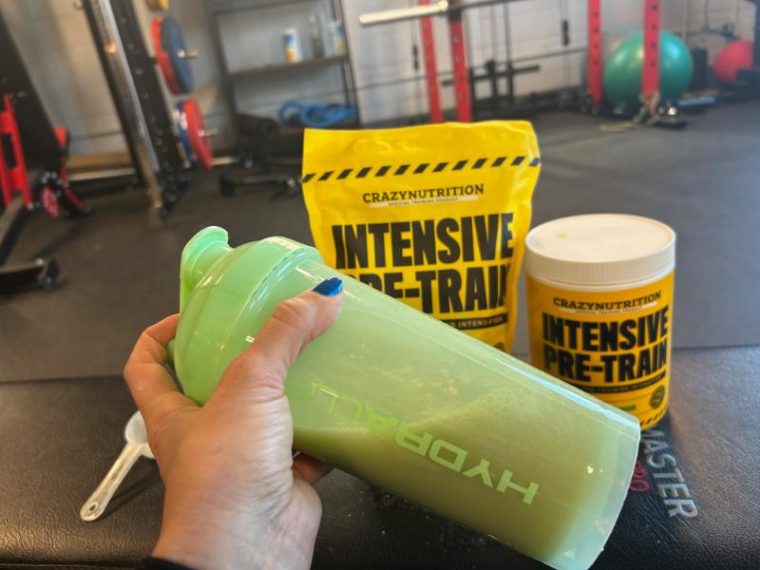
However, the true secret to unlocking your fitness potential lies not in a powder, but in the dedication you bring to your entire lifestyle. Supplements should support your journey, not define it. Prioritize foundational elements like a balanced diet, consistent training, adequate rest, and proper hydration.
Conclusion: Your Journey to Peak Performance
You are the architect of your fitness journey, and every choice you make contributes to the masterpiece that is your strongest self. Pre-workouts are merely one of the many high-quality tools available in your arsenal. Used intelligently, they can help you overcome those moments of inertia, push past perceived limits, and tap into reserves you didn’t know you had.
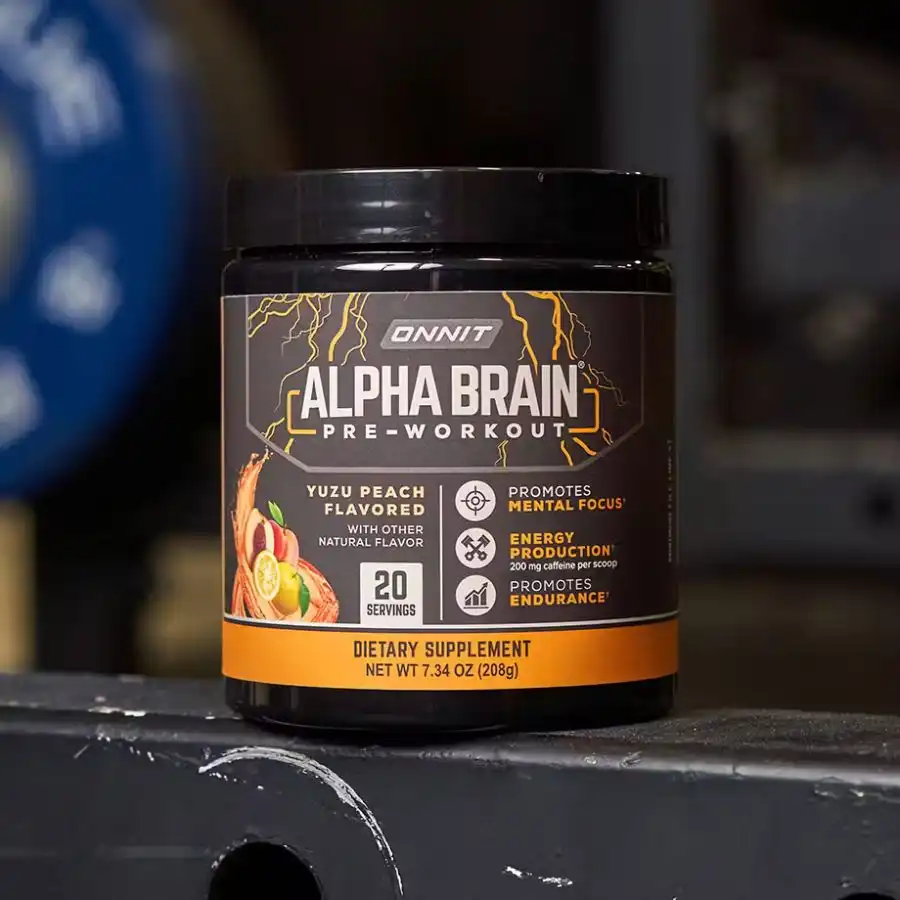
Remember, the goal isn’t just to feel energized, but to perform better, to grow stronger, and to become more resilient both physically and mentally. Embrace the process, educate yourself, listen to your body, and never stop striving for improvement. The path to peak performance is a continuous evolution, fueled by smart decisions, unwavering effort, and the powerful belief in your own incredible potential. Go forth, train hard, and unleash the strength within you!