In the pursuit of a stronger, more resilient physique, countless hours are spent honing technique, pushing limits, and meticulously planning nutrition. Yet, for many fitness enthusiasts—from those just starting their journey to seasoned lifters looking to break through plateaus—there remains a powerful, scientifically-backed ally often misunderstood or underutilized: creatine.
Far from being a supplement solely for elite bodybuilders, creatine is a natural compound with a profound impact on muscle performance, growth, and recovery. It’s a cornerstone for anyone serious about optimizing their physical potential, providing a tangible edge in the gym and beyond. This comprehensive guide will demystify creatine, delve into its undeniable science, illuminate its myriad benefits, and equip you with the practical knowledge to integrate it effectively into your fitness regimen. Prepare to unlock a new level of strength, endurance, and recuperation, transforming your fitness aspirations into tangible achievements.
Understanding Creatine: The Science Behind Your Strength
To truly appreciate the power of creatine, it’s essential to grasp its fundamental role within the human body. It’s not a magic pill, but rather a potent natural compound that optimizes your body’s existing energy systems.
What Exactly Is Creatine?
Creatine is an organic compound derived from amino acids—specifically arginine, glycine, and methionine. While our bodies naturally produce creatine, primarily in the liver, kidneys, and pancreas, about 95% of it is stored in our skeletal muscles. A smaller amount is also found in the brain and testes. We also consume creatine through our diet, with red meat and fish being particularly rich sources. However, dietary intake alone often isn’t enough to fully saturate muscle creatine stores for optimal athletic performance, which is where supplementation becomes beneficial.
How Creatine Fuels Your Muscles: The ATP-PC System
At the heart of creatine’s effectiveness lies its critical involvement in the body’s energy production system, specifically the adenosine triphosphate-phosphocreatine (ATP-PC) system. Think of ATP as the direct fuel currency for all cellular activity, including muscle contractions. When your muscles perform intense, short-burst activities—like lifting heavy weights, sprinting, or jumping—they rapidly deplete their ATP stores.
This is where creatine steps in. Within your muscles, creatine is converted into phosphocreatine (PCr). When ATP levels drop during intense exercise, PCr quickly donates its phosphate group to adenosine diphosphate (ADP), regenerating ATP. This rapid regeneration of ATP means your muscles can sustain high-intensity efforts for longer periods, allowing you to squeeze out those crucial extra reps, sprint faster, or jump higher. Essentially, creatine acts as a readily available reserve energy source, delaying fatigue and extending your capacity for peak performance.
Unlocking Your Potential: The Proven Benefits of Creatine
The scientific community has extensively studied creatine, making it one of the most researched and validated supplements on the market. The evidence consistently points to a range of significant benefits for fitness enthusiasts aiming for superior results.
Amplified Muscle Growth (Hypertrophy)
One of creatine’s most celebrated benefits is its ability to significantly enhance muscle growth. This occurs through several mechanisms:
- Increased Cell Volumization: Creatine draws water into your muscle cells. This "cell volumization" or hydration makes muscles appear fuller and can signal anabolic pathways, stimulating protein synthesis and reducing protein breakdown.
- Enhanced Training Volume and Intensity: By enabling more ATP regeneration, creatine allows you to perform more reps, lift heavier weights, or complete more sets during your workouts. This increased training stimulus is a primary driver of muscle hypertrophy.
- Satellite Cell Activation: Some research suggests creatine can increase the activity of satellite cells, which are crucial for muscle repair and growth. These cells fuse with existing muscle fibers to help them regenerate and grow larger.
Real-life example: Imagine you’re consistently hitting 8 reps on your bench press. With creatine, you might find yourself pushing for 9 or even 10 reps, or increasing the weight by a small margin while maintaining your rep count. Over time, these consistent increases in training volume and intensity translate directly into greater muscle mass.
Boosted Strength and Power Output
Directly related to its role in ATP regeneration, creatine is a formidable ally for boosting raw strength and explosive power. If your goal is to lift heavier, jump higher, or sprint faster, creatine can provide a noticeable advantage.
- Enhanced ATP Availability: More readily available ATP means more fuel for powerful muscle contractions. This is particularly evident in movements requiring maximal effort over short durations.
- Improved Neuromuscular Efficiency: Creatine may also play a role in improving the communication between your brain and muscles, leading to more efficient and forceful contractions.
Practical tip: Keep a workout journal to track your progress. You’ll likely observe an increase in your 1-rep max (1RM) on compound lifts like squats, deadlifts, and bench press, as well as improved performance in explosive exercises like box jumps or power cleans.
Accelerated Recovery and Reduced Soreness
The journey to fitness isn’t just about the work you put in; it’s also about how effectively you recover. Creatine plays a vital role in this often-overlooked aspect:
- Reduced Muscle Damage: Studies indicate that creatine supplementation can help mitigate muscle cell damage and inflammation that typically occur after intense resistance training.
- Faster Glycogen Resynthesis: While not directly involved, creatine’s role in energy metabolism can indirectly support faster replenishment of muscle glycogen stores, which are crucial for subsequent workouts.
- Decreased Delayed Onset Muscle Soreness (DOMS): By reducing muscle damage and inflammation, creatine can lead to a quicker bounce-back and less severe muscle soreness, allowing you to maintain consistency in your training schedule.
Potential Cognitive Enhancements
Beyond the physical, emerging research suggests creatine may offer cognitive benefits. The brain, like muscles, requires a significant amount of ATP for optimal function. Creatine can help support brain energy metabolism, potentially leading to:
- Improved Memory and Processing Speed: Some studies indicate better performance in tasks requiring quick thinking and memory, especially under stressful conditions or sleep deprivation.
- Neuroprotective Effects: Creatine may also exhibit neuroprotective properties, though more research is needed in this area.
While the primary focus for fitness enthusiasts is physical, these potential cognitive boosts are an interesting added dimension to creatine’s profile.
Supporting Bone Health and Anti-Aging
As we age, maintaining muscle mass and bone density becomes increasingly important for overall health and functional independence. Creatine has shown promise in this area:
- Increased Muscle and Bone Density: Research, particularly in older adults, suggests that long-term creatine supplementation combined with resistance training can have favorable effects on both muscle mass and bone mineral density, contributing to greater resilience against age-related decline.
This makes creatine a valuable consideration not just for peak performance, but for lifelong health and vitality.
Navigating the Creatine Landscape: Forms and Dosages
With creatine’s popularity, the market has seen an explosion of different forms. Understanding which one to choose and how to dose it is crucial for maximizing benefits and avoiding unnecessary expense.
Creatine Monohydrate: The Gold Standard
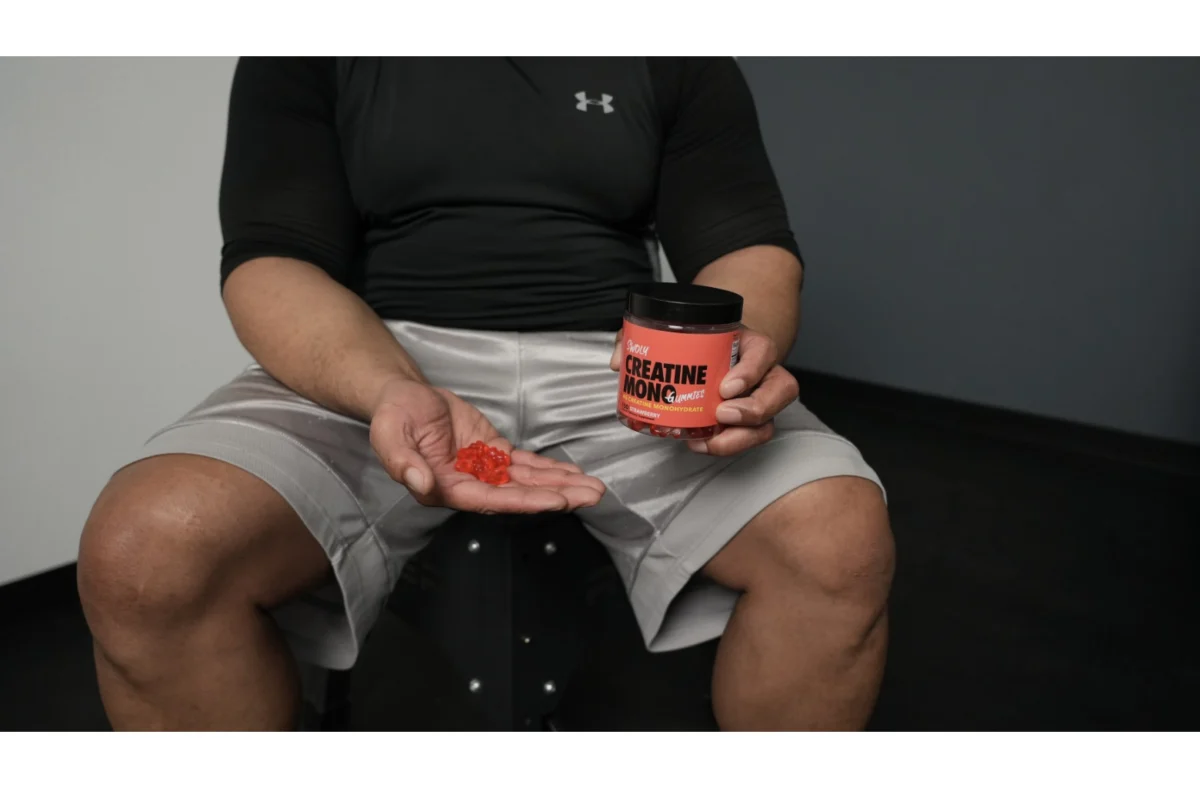
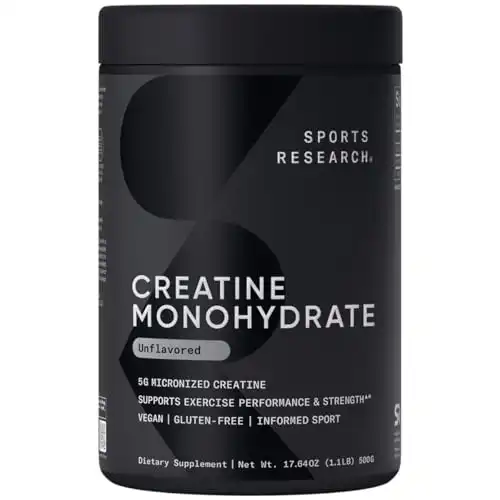
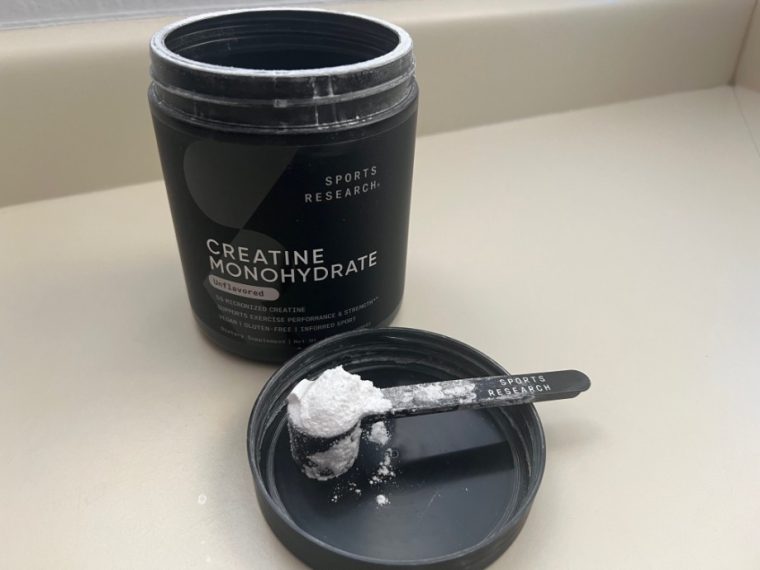
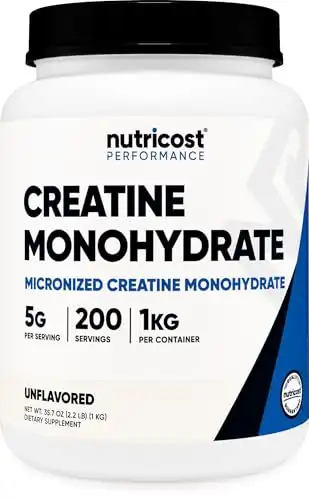
Without a doubt, creatine monohydrate is the most researched, effective, and cost-efficient form of creatine available. Its efficacy is backed by decades of scientific studies consistently demonstrating its ability to improve strength, power, and muscle mass. When considering creatine, prioritize high-quality creatine monohydrate. Look for products that are "micronized," meaning the particles have been ground into a finer powder. While micronization doesn’t necessarily improve absorption or bioavailability, it significantly enhances solubility, making it mix better in liquids and potentially reducing stomach discomfort for some individuals.
Other Forms: Are They Better?
While various other forms of creatine exist, such as creatine ethyl ester, creatine hydrochloride (HCL), buffered creatine (Kre-Alkalyn), and creatine nitrate, the scientific consensus largely points back to monohydrate as the superior choice.
- Creatine Ethyl Ester: Marketed as having better absorption, research has actually shown it to be less effective than monohydrate.
- Creatine HCL: Claimed to be more soluble and require smaller doses, but robust research comparing its efficacy to monohydrate is still lacking, and it often comes at a higher price point.
- Buffered Creatine: Purported to be more stable and cause less bloating due to higher pH, studies have found no significant difference in performance or side effects compared to monohydrate.
- Creatine Nitrate: Some suggestions of improved solubility and bioavailability, but more definitive research is needed, and its FDA-approved daily dose is lower.
For beginners and intermediate users, sticking with creatine monohydrate is the most reliable, evidence-based, and economical approach. Don’t be swayed by marketing claims for alternative forms without substantial scientific backing.
The Right Dose: How Much Creatine Do You Need?
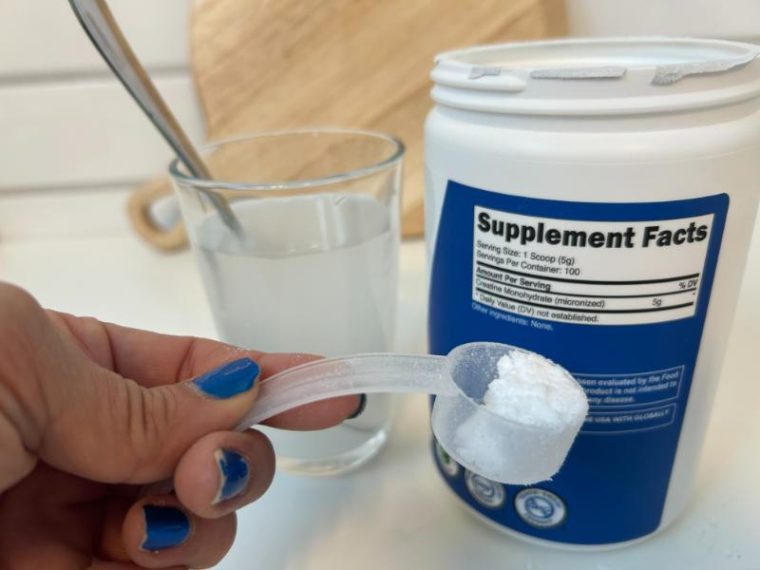
For most healthy adults, a daily maintenance dose of 3-5 grams of creatine monohydrate is sufficient to fully saturate muscle stores over time.
- Body Weight Considerations: For larger individuals, a more precise recommendation is 0.1 grams of creatine per kilogram of body weight (e.g., a 100 kg person might aim for 10g). However, for the vast majority, the 3-5g range is effective.
- Consistency is Key: The most important aspect of creatine supplementation is consistency. Daily intake ensures your muscle creatine stores remain saturated, allowing you to continually reap its benefits. Missing a day or two won’t negate progress, but regular, daily use is optimal.
To Load or Not to Load? Understanding Creatine Loading
A "creatine loading phase" is a strategy some individuals employ to rapidly saturate their muscle creatine stores.
- The Loading Protocol: This typically involves consuming a higher dose, usually 20-25 grams of creatine per day, divided into 4-5 smaller servings (e.g., 5g four times a day), for 5-7 days. Following this, you transition to the standard maintenance dose of 3-5g daily.
- Pros of Loading: A loading phase can lead to faster muscle saturation, potentially accelerating the onset of benefits (e.g., increased strength) by a few days or a week.
- Cons and Considerations: Some individuals may experience mild gastrointestinal discomfort (bloating, stomach upset) during a loading phase due to the higher intake. It’s also not strictly necessary for long-term gains. Studies show that a consistent daily dose of 3-5g will eventually achieve the same level of muscle saturation, just over a slightly longer period (around 3-4 weeks).
Actionable Advice: The choice to load or not is largely personal preference. If you’re eager to see results quickly and your stomach tolerates it, a loading phase can be effective. If you prefer a gentler approach or are sensitive to digestive issues, simply starting with the 3-5g daily maintenance dose will yield the same benefits over time. Regardless of your chosen method, consistency remains paramount.
Maximizing Your Creatine Experience: Practical Application
Creatine is a powerful tool, but like any tool, its effectiveness is amplified when used intelligently and integrated into a holistic fitness strategy.
When to Take Creatine for Optimal Results
The good news is that the timing of creatine intake is not as critical as its consistent daily use. Your muscle stores are accumulated over time, not just from a single dose. However, there are some nuanced considerations:
- Post-Workout is Often Recommended: Taking creatine after your workout, especially when combined with carbohydrates and protein, may offer a slight advantage. Exercise increases blood flow to muscles, and insulin, triggered by carb intake, can help transport creatine into muscle cells more efficiently. This makes a post-workout shake an ideal vehicle for your daily creatine dose.
- Anytime Works: If post-workout isn’t convenient, don’t stress. Taking creatine at any other time of day—with breakfast, before bed, or with another meal—is perfectly acceptable, as long as you take it consistently every day. The goal is to maintain saturated muscle stores.
Hydration is Non-Negotiable
Given that creatine draws water into your muscle cells, adequate hydration is absolutely essential.
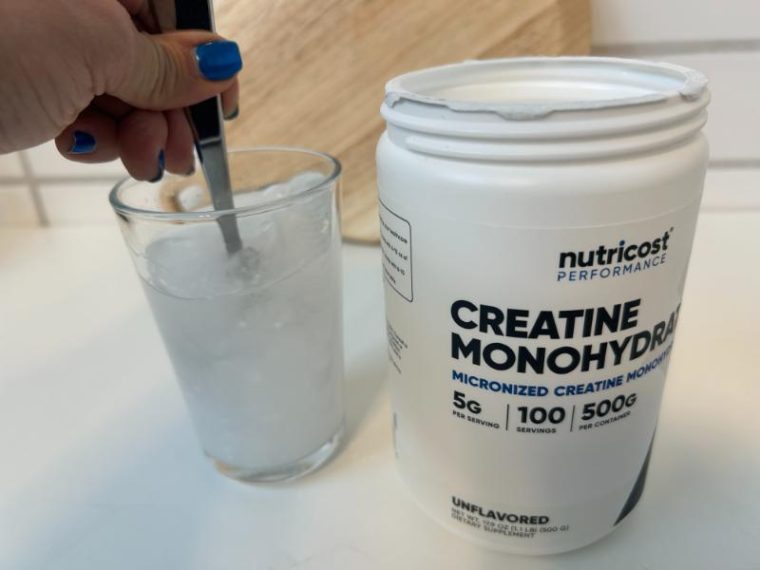
- Increased Water Intake: Make a conscious effort to increase your daily water intake when supplementing with creatine. This helps prevent dehydration, supports cellular function, and can mitigate potential side effects like cramping (which are often linked to insufficient hydration, not creatine itself).
- Listen to Your Body: Pay attention to your thirst levels and urine color. Aim for light yellow urine throughout the day.
Combining Creatine with Your Training & Nutrition
Creatine is a powerful supplement, but it’s crucial to remember it’s a supplement to your efforts, not a substitute for them.
- Resistance Training is Paramount: Creatine’s benefits are primarily realized when paired with consistent, progressive resistance training. It helps you train harder, which in turn stimulates muscle growth and strength gains. Without the training stimulus, creatine alone won’t magically build muscle.
- Adequate Protein Intake: For muscle repair and growth, sufficient protein intake is non-negotiable. Ensure your diet provides ample protein (e.g., 1.6-2.2 grams per kg of body weight) to support the muscle protein synthesis that creatine helps to enhance.
- Balanced Diet: A balanced diet rich in micronutrients and sufficient calories is fundamental for overall energy, recovery, and hormonal balance, all of which contribute to your fitness goals.
What to Expect: Real-Life Experiences
When you start taking creatine, you might notice a few things:

- Initial Weight Gain: Don’t be alarmed if the scale ticks up by a pound or two in the first week. This is primarily due to the increased water retention within your muscle cells, a sign that the creatine is working. This is intramuscular water, contributing to fuller, more hydrated muscles, not subcutaneous "bloat" (though some may experience mild temporary bloating during a loading phase if not adequately hydrated).
- Gradual Increase in Performance: You’ll likely start feeling stronger, able to push out those extra reps, or sustain high-intensity efforts for slightly longer. These improvements are often subtle at first but accumulate over weeks.
- Patience and Consistency: Like any aspect of fitness, results with creatine aren’t instant. Consistent daily intake, combined with dedicated training and nutrition, is what yields significant, sustainable benefits.
Addressing Common Concerns and Safety
Despite its proven efficacy, creatine has been the subject of various myths and misconceptions. It’s important to separate fact from fiction and understand its safety profile.
Is Creatine Safe? Separating Fact from Fiction
The overwhelming body of scientific evidence affirms that creatine supplementation is safe and well-tolerated for healthy individuals when used at recommended dosages.

- Kidney Damage Myth: One of the most persistent myths is that creatine damages the kidneys. Numerous studies have debunked this, showing no adverse effects on kidney function in healthy individuals, even with long-term use (up to five years). For those with pre-existing kidney conditions, caution is advised (see below).
- Dehydration and Cramping Myth: Another common misconception is that creatine causes dehydration and muscle cramps. This is largely unfounded. In fact, by drawing water into muscle cells, creatine can improve hydration within the muscle. Any reports of cramping are typically linked to insufficient overall fluid intake, not creatine itself.
- Hair Loss: There’s limited and inconclusive evidence linking creatine to hair loss, with only one specific study often cited, which has not been widely replicated or confirmed. The general consensus is that creatine is not a primary cause of hair loss.
Who Should Exercise Caution?
While safe for most, certain individuals should approach creatine with caution or avoid it entirely:
- Individuals with Pre-existing Kidney or Liver Conditions: If you have a history of kidney disease, liver disease, or impaired kidney/liver function, it is crucial to avoid creatine supplementation unless explicitly advised and monitored by a qualified healthcare professional.
- Those on Specific Medications: If you are taking medications that affect kidney function (e.g., certain blood pressure medications, NSAIDs regularly), consult your doctor before starting creatine.
- Adolescents: While some research suggests it may be safe for adolescents, long-term effects are not as fully understood as in adults. It’s generally advised for those under 18 to consult a pediatrician or sports medicine specialist before using creatine.
- Pregnant or Breastfeeding Women: Due to a lack of sufficient research in these populations, creatine supplementation is generally not recommended.
Always Consult a Healthcare Professional: Before starting any new supplement regimen, especially if you have underlying health conditions or are taking medications, it is always best to consult with your doctor or a registered dietitian.
The Importance of Quality and Third-Party Testing
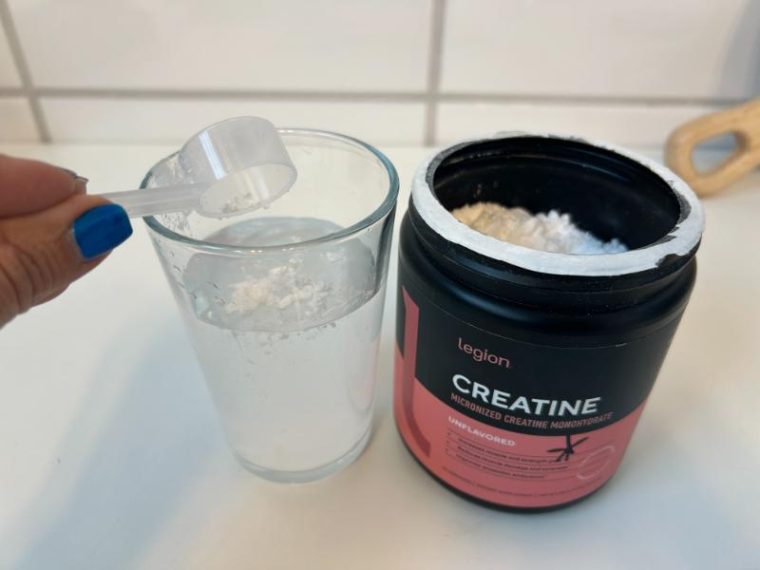
The supplement industry is not regulated by the FDA in the same way pharmaceuticals are. This means the quality and purity of products can vary widely. To ensure you’re getting a safe, effective, and pure product:
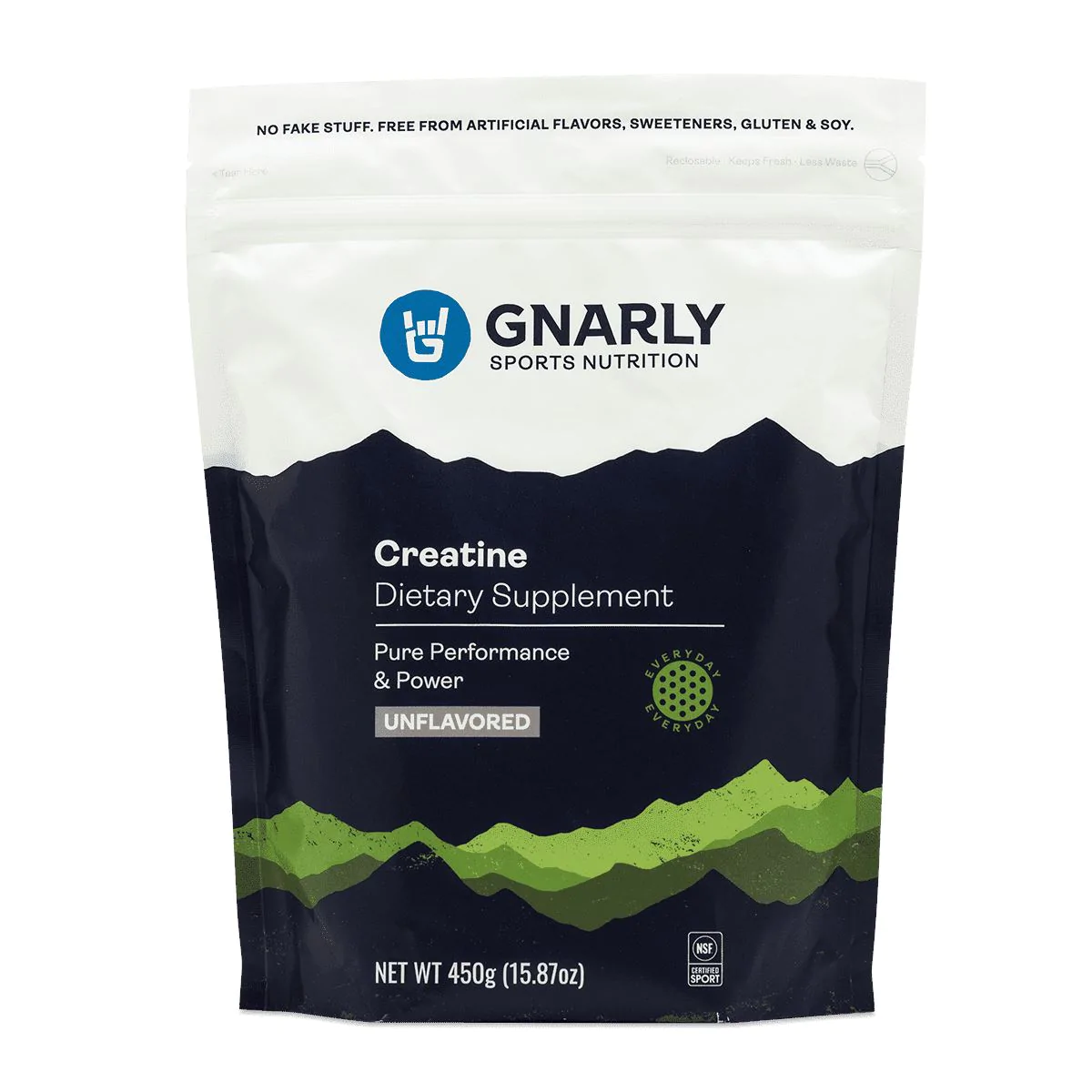
- Look for Third-Party Certifications: Prioritize creatine supplements that have undergone third-party testing by independent organizations. Certifications like Informed Sport Certified or NSF Certified for Sport are excellent indicators. These certifications verify that the product contains what it claims, is free from harmful contaminants (heavy metals, microbes, pesticides), and is free of banned substances—a crucial consideration for competitive athletes subject to drug testing.
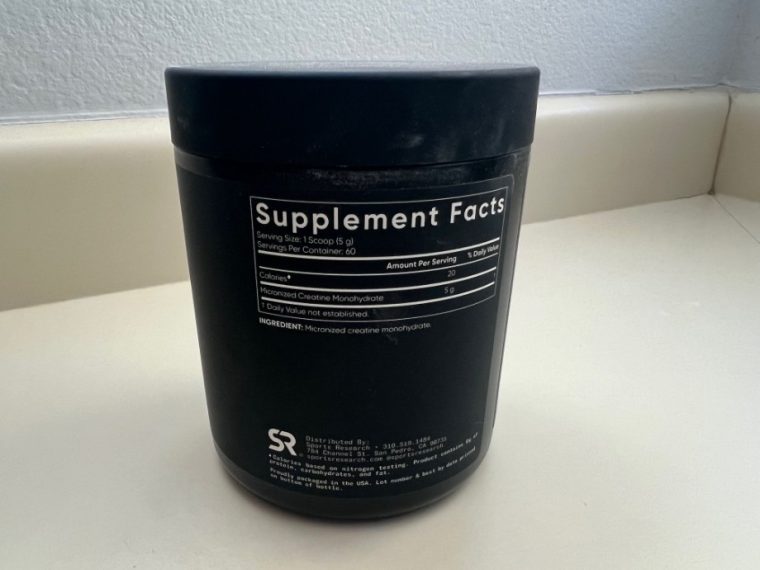
- Check Ingredient Lists: Opt for products with minimal ingredients, ideally just creatine monohydrate. Avoid unnecessary fillers, artificial colors, or excessive sweeteners if purity is a priority.
Unleash Your Inner Titan: Final Thoughts
Creatine is not merely a trend; it is a scientifically proven, safe, and highly effective supplement that stands as a cornerstone for anyone committed to enhancing their physical performance. From amplifying muscle growth and boosting strength to accelerating recovery and potentially even sharpening cognitive function, its benefits are vast and well-documented.
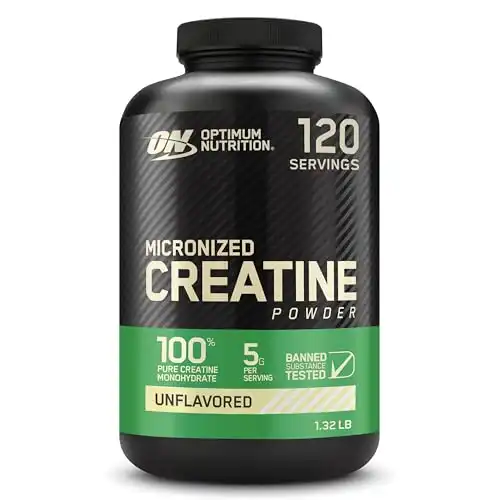
For the beginner taking their first steps into the gym or the intermediate enthusiast striving to shatter new personal bests, creatine offers a strategic advantage. It empowers you to train harder, recover faster, and ultimately, build a more robust and capable physique.
Your fitness journey is yours to define, fueled by dedication, intelligent training, and smart nutritional choices. By integrating high-quality creatine monohydrate into your routine, you’re not just adding a supplement; you’re investing in your potential, giving your body the edge it needs to consistently perform at its peak. So, embrace the science, commit to the process, and prepare to unleash a stronger, more resilient version of yourself. The path to unstoppable gains and rapid recovery is clearer than ever—it’s time to seize it.
FAQs
What is micronized creatine?
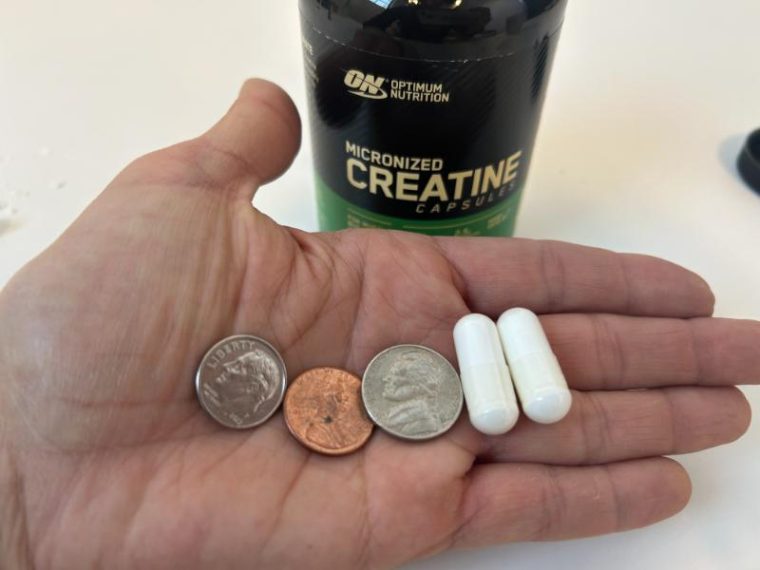
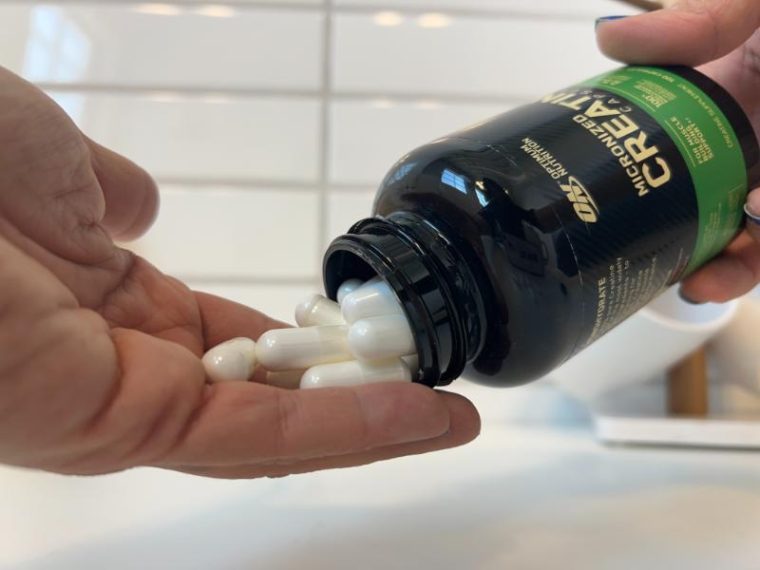
Micronized creatine is creatine monohydrate that has been processed to create finer particles. This enhanced fineness improves its solubility in liquids, making it mix more easily and potentially reducing stomach discomfort for some users. However, research indicates that micronized creatine is not significantly more bioavailable or absorbed faster than standard creatine monohydrate.
When is the best time to take creatine?
While consistency is more important than precise timing, taking creatine post-workout, especially with a meal or shake containing carbohydrates and protein, may offer a slight advantage. The increase in blood flow to muscles after exercise and the insulin response from carbohydrates can help facilitate creatine uptake into muscle cells. However, daily intake at any convenient time is effective for maintaining saturated muscle stores.
Is creatine bad for you?
In short, no. Extensive scientific research, spanning decades, has consistently shown that creatine monohydrate is safe for healthy individuals when taken at recommended dosages, both in the short and long term. It does not cause kidney damage, dehydration, or cramping in healthy users. However, individuals with pre-existing kidney or liver conditions should avoid it, and consulting a healthcare professional is always advised before starting any supplement.
How much creatine should I take?
For most healthy adults, a daily maintenance dose of 3-5 grams of creatine monohydrate is recommended to fully saturate muscle stores. Larger individuals might consider a dose closer to 0.1 grams per kilogram of body weight. Some individuals opt for a "loading phase" of 20-25 grams per day for 5-7 days to accelerate muscle saturation, followed by the maintenance dose. Both approaches are effective, with the loading phase simply speeding up the initial benefits.
Does creatine lead to weight gain?
Creatine can lead to a slight increase in body weight, typically 1-3 pounds, especially during the initial weeks of supplementation. This weight gain is primarily due to increased water retention within the muscle cells, which is a positive physiological effect indicating that creatine is effectively hydrating your muscles and contributing to cell volumization. This is not fat gain, and in fact, creatine supplementation can contribute to an improved body composition by increasing lean muscle mass.