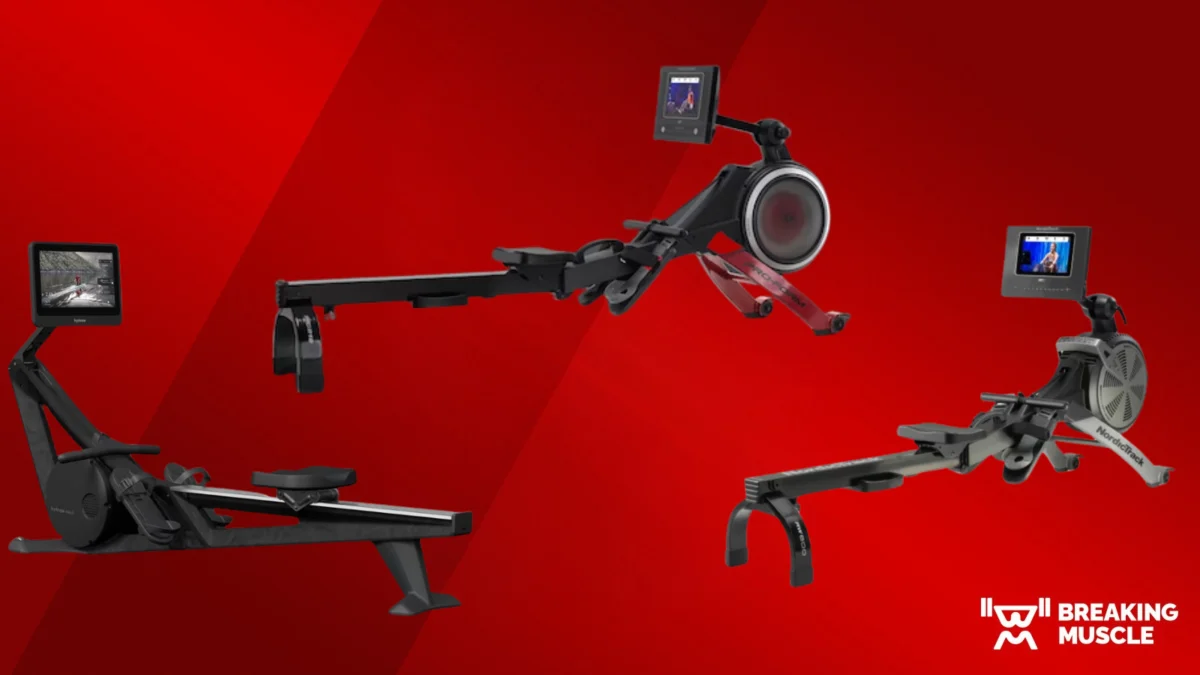
In a world that constantly demands more of our time and attention, the pursuit of health and fitness often feels like an uphill battle. Gym memberships can be costly, commutes can be lengthy, and the sheer intimidation of a bustling fitness center can deter even the most determined individual. Yet, the desire to build strength, enhance stamina, and cultivate a healthier lifestyle remains a universal aspiration. What if the solution wasn’t found in a sprawling commercial gym, but within the comfort and convenience of your own home?
The home fitness revolution is here, transforming how we approach physical well-being. No longer confined to bulky, single-purpose machines or endless infomercial gadgets, today’s home gym solutions are intelligent, efficient, and incredibly effective, even for those with limited space. This comprehensive guide will empower beginners and intermediate fitness enthusiasts alike to carve out a powerful, full-body routine without sacrificing an entire room. We’ll explore how to optimize your personal space, select versatile equipment, and craft a sustainable fitness journey that builds both physical prowess and unwavering confidence.
Why Home Fitness is Your Ultimate Advantage
Embracing a home-based fitness regimen offers a multitude of benefits that extend far beyond mere convenience. It’s an investment in your personal well-being that pays dividends in time, energy, and mental clarity.
- Unparalleled Time Efficiency: Eliminate travel time to and from the gym. Your workout starts the moment you step into your dedicated space, allowing you to seamlessly integrate exercise into even the busiest schedules. A quick 30-minute session becomes genuinely 30 minutes, not an hour and a half commitment.
- Privacy and Comfort: For many, the gym environment can be a source of anxiety or self-consciousness. Working out at home provides a private, judgment-free zone where you can focus entirely on your form, push your limits, and experiment with new movements without feeling observed.
- Cost-Effectiveness in the Long Run: While there’s an initial investment in equipment, it quickly outweighs recurring gym fees, transportation costs, and potentially expensive fitness attire. Over months and years, your home gym becomes a remarkably economical choice.
- Personalized Environment: Control your music, lighting, temperature, and even your workout attire. Create an atmosphere that truly motivates and inspires you, free from the distractions and compromises of a shared public space.
- Flexibility and Consistency: Life is unpredictable, but your workout doesn’t have to be. Whether it’s an early morning session before work, a quick break during lunch, or a late-night stress reliever, your home gym is always open. This adaptability fosters greater consistency, which is the cornerstone of long-term fitness success.
By leveraging these advantages, home fitness isn’t just an alternative; it’s a powerful strategy to achieve and maintain your health goals on your own terms.
The Full-Body Powerhouse: Embracing Rowing for Complete Conditioning
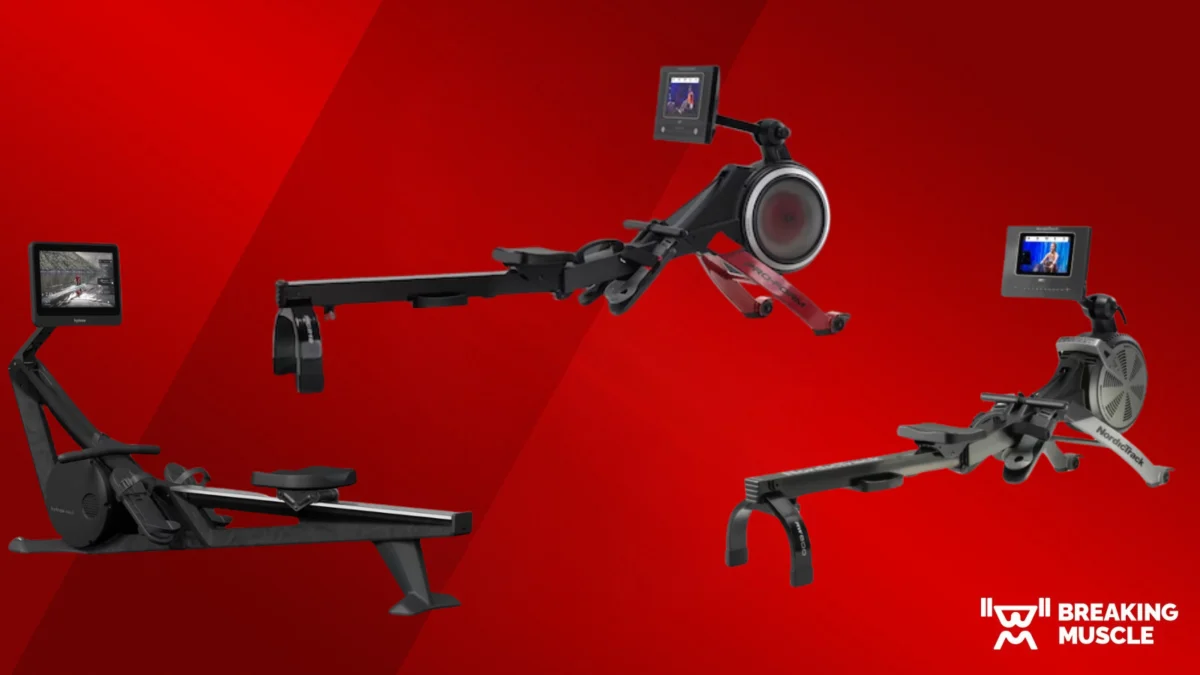
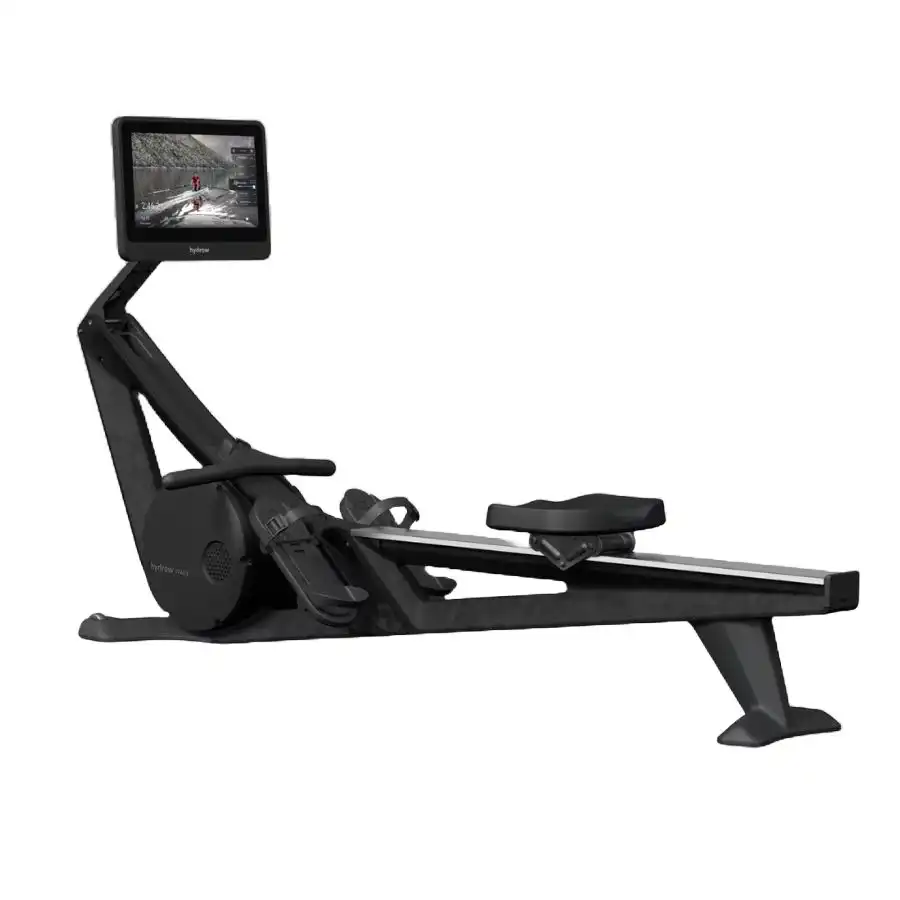
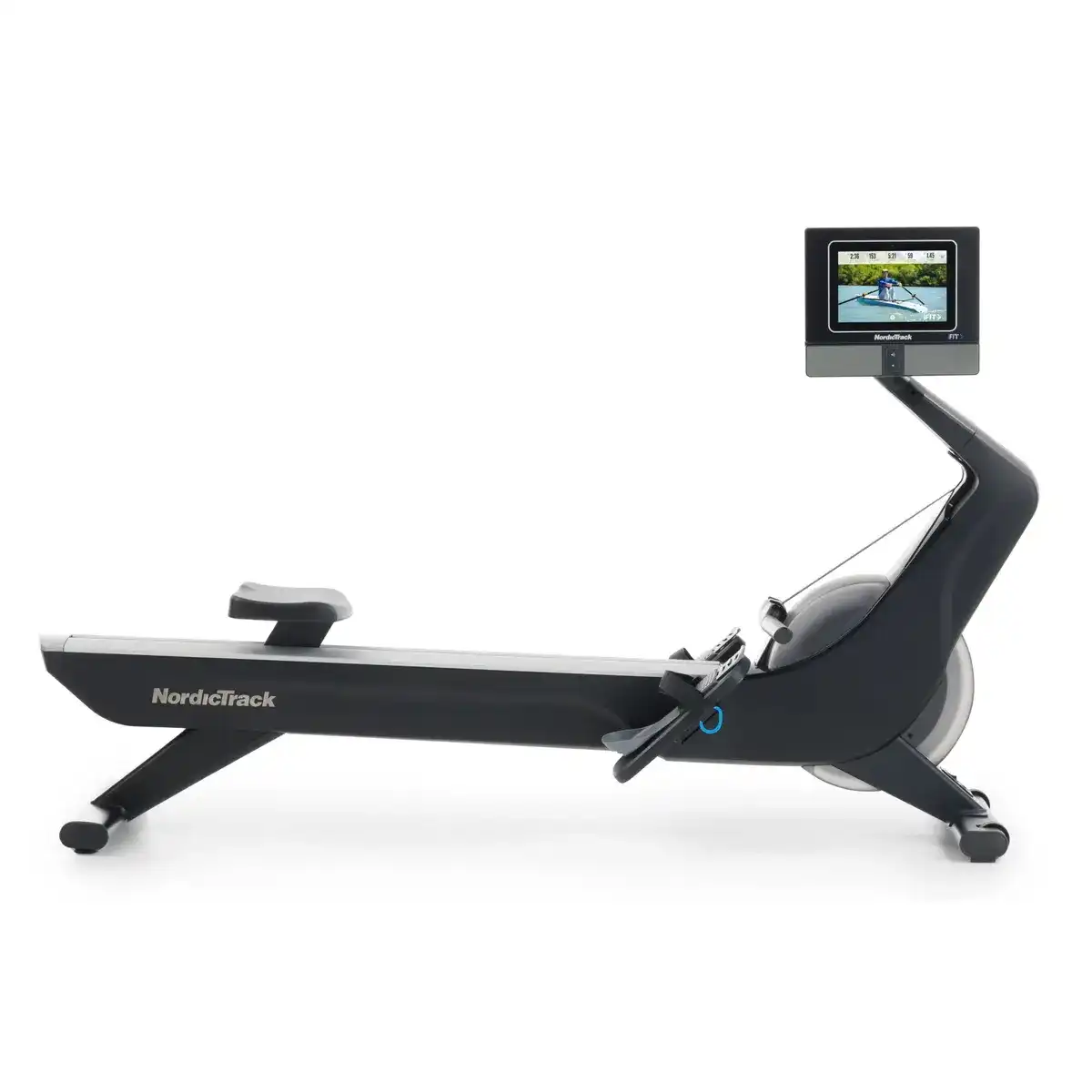
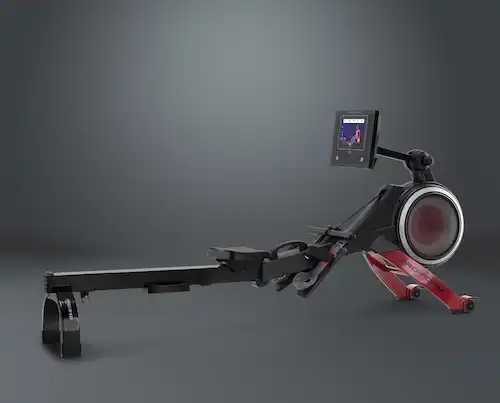
When we talk about maximizing fitness in minimal space, one piece of equipment consistently rises to the top for its unparalleled efficiency and full-body engagement: the rowing machine. Often underestimated, a rower offers a comprehensive workout that targets nearly every major muscle group while delivering exceptional cardiovascular benefits.
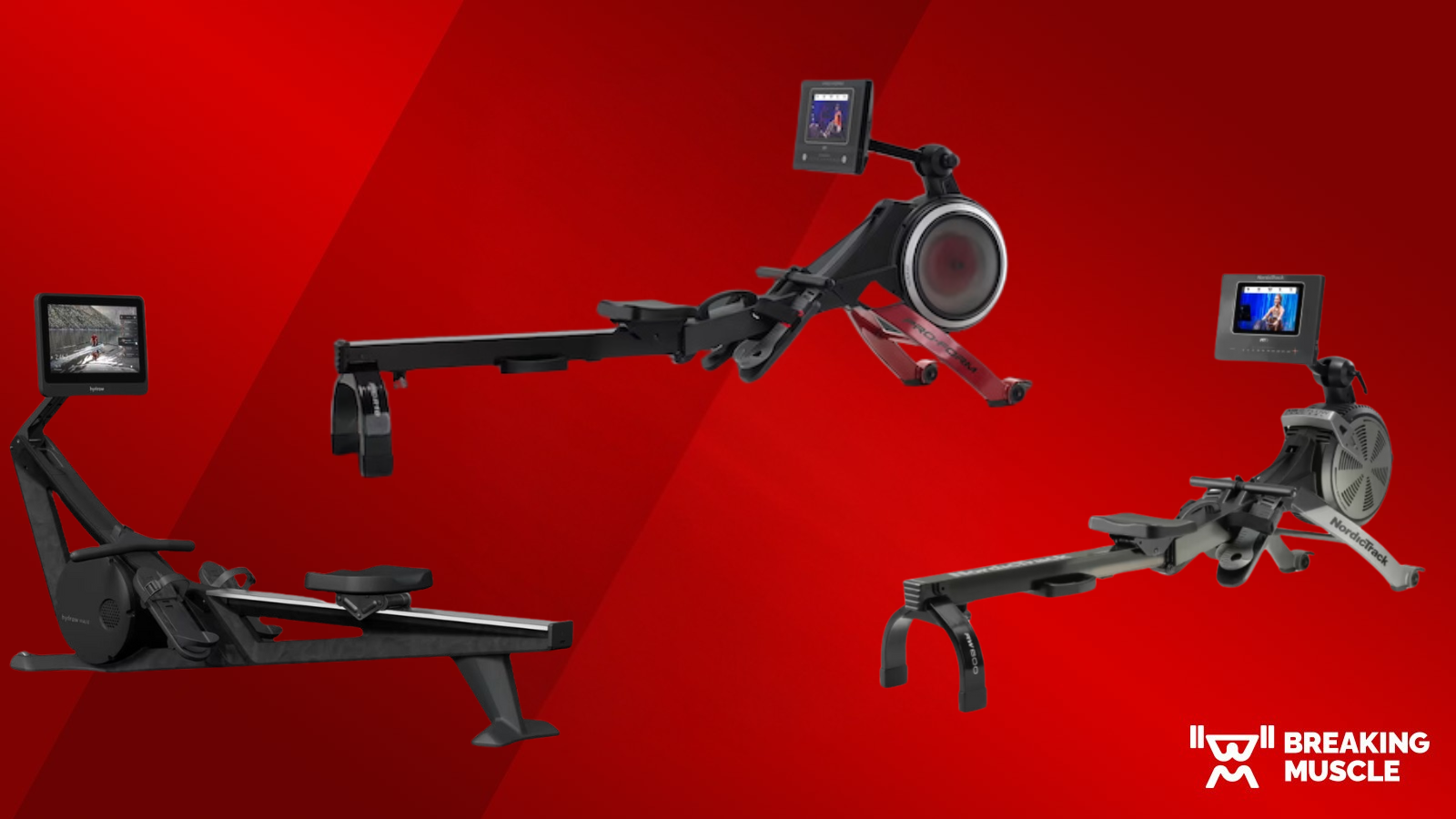
Unpacking the Benefits of Rowing
Rowing is far more than just an arm workout; it’s a symphony of coordinated movement that engages the entire kinetic chain.
- Full-Body Engagement: A single rowing stroke effectively works an astounding 85-86% of your body’s muscles.
- Legs (60%): Quadriceps, hamstrings, glutes, and calves drive the initial powerful push away from the footrests. This makes rowing an excellent lower-body strength builder.
- Core (20%): Your abdominal muscles and lower back are crucial for stabilizing your torso throughout the stroke, transferring power from your legs to your upper body, and protecting your spine. A strong core is fundamental for overall functional fitness.
- Upper Body (10%): Lats, rhomboids, trapezius, biceps, and triceps are engaged as you pull the handle towards your body. Your shoulders and chest also play supporting roles.
- Cardiovascular Health: Rowing is an incredibly efficient cardio workout. It elevates your heart rate, improves lung capacity, and strengthens your heart muscle, leading to better endurance and overall cardiovascular well-being.
- Strength Building: By adjusting resistance levels, you can transform a cardio session into a powerful strength workout. The concentric and eccentric contractions of muscles throughout the stroke build lean muscle mass and improve muscular endurance.
- Low-Impact Nature: Unlike running or jumping, rowing places minimal stress on your joints. The seated position and smooth, gliding motion make it an ideal choice for individuals recovering from injuries, those with joint pain, or anyone looking for a sustainable, joint-friendly exercise option.
- Mental Benefits: The rhythmic, repetitive motion of rowing can be incredibly meditative. It requires focus and coordination, providing a mental escape and stress relief. The feeling of power and grace as you execute each stroke can be deeply satisfying.
Mastering the Stroke: A Guide to Proper Rowing Form
To truly harness the power of rowing and prevent injury, proper form is paramount. Think of rowing as a fluid, four-phase movement: the Catch, the Drive, the Finish, and the Recovery.
1. The Catch (Starting Position):
- Action: Shins are vertical, knees bent, arms extended forward, shoulders relaxed.
- Body Position: Lean slightly forward from your hips, core engaged, back straight. Your hands grip the handle with a relaxed overhand grip, wrists flat.
- Analogy: Imagine preparing to push off a wall with your feet.
2. The Drive (The Power Phase):
- Action: This is where the power comes from your legs. Push strongly through your heels, extending your legs.
- Body Position: As your legs extend, hinge back slightly from your hips (to about an 11 o’clock position), and then pull the handle towards your sternum.
- Sequence: Legs, then core, then arms. Your arms only pull after your legs have done most of the work.
- Common Mistake: Pulling with your arms too early (the "arm-puller"). This wastes energy and can strain your back.
3. The Finish (End of the Stroke):
- Action: Legs are fully extended, body is leaning back slightly, handle is pulled to your sternum (just below your chest).
- Body Position: Shoulders are down and relaxed, elbows are close to your body.
- Analogy: The moment you’ve fully propelled the boat forward.
4. The Recovery (Returning to the Catch):
- Action: This is the reverse of the drive, but in a specific sequence: arms, then core, then legs.
- Body Position: Extend your arms forward first, then hinge forward from your hips, and finally, allow your knees to bend as you slide back towards the catch position.
- Common Mistake: Rushing the recovery or letting your knees bend too early (crashing into your hands). This disrupts rhythm and power.
Practical Tips for Optimal Rowing:
- Power from the Legs: Always initiate the drive with your legs. Think 60% legs, 20% core, 10% arms.
- Smooth Transitions: Aim for a fluid, continuous motion rather than jerky movements. The recovery should take about twice as long as the drive.
- Engage Your Core: Throughout all phases, keep your abdominal muscles engaged to support your spine and transfer power efficiently.
- Relax Your Grip: A death grip on the handle will fatigue your forearms quickly. Keep your grip firm but relaxed.
- Look Forward: Keep your gaze fixed forward, not down at your feet, to maintain a neutral spine.
By focusing on these principles, you’ll not only maximize the effectiveness of your rowing workouts but also safeguard your body from potential strain.
Beyond the Rower: Curating Your Compact Home Gym Arsenal
While the rowing machine is a star player, a truly comprehensive home gym utilizes a variety of compact, versatile equipment to target different muscle groups and provide diverse training stimuli. The key is intelligent selection – choosing items that offer maximum utility for their minimal footprint.
Smart Choices for Small Spaces
Consider these essential pieces that pack a punch without taking over your living area:
- Adjustable Dumbbells/Kettlebells: These are game-changers. A single pair of adjustable dumbbells can replace an entire rack of traditional weights, saving immense space. They are perfect for strength training, allowing you to perform exercises like squats, lunges, presses, rows, and curls. Adjustable kettlebells offer similar benefits for dynamic movements.
- Resistance Bands: Inexpensive, lightweight, and incredibly versatile, resistance bands are a must-have. They come in various strengths and can be used for warm-ups, strength training (especially for glutes, shoulders, and arms), stretching, and rehabilitation exercises. They take up virtually no space.
- Suspension Trainers: These strap systems (like TRX) anchor to a doorframe or ceiling hook and leverage your body weight for a full range of exercises. From rows and squats to planks and chest presses, they offer scalable resistance and excellent core engagement, all from a small, portable package.
- Yoga Mat/Stability Ball: Essential for floor exercises, stretching, yoga, Pilates, and core work. A stability ball can also double as an unstable surface for push-ups or even a temporary office chair to engage your core.
- Jump Rope: A fantastic, ultra-compact cardio tool. Just a few minutes of jumping rope can be an intense cardiovascular workout, improving coordination and agility.
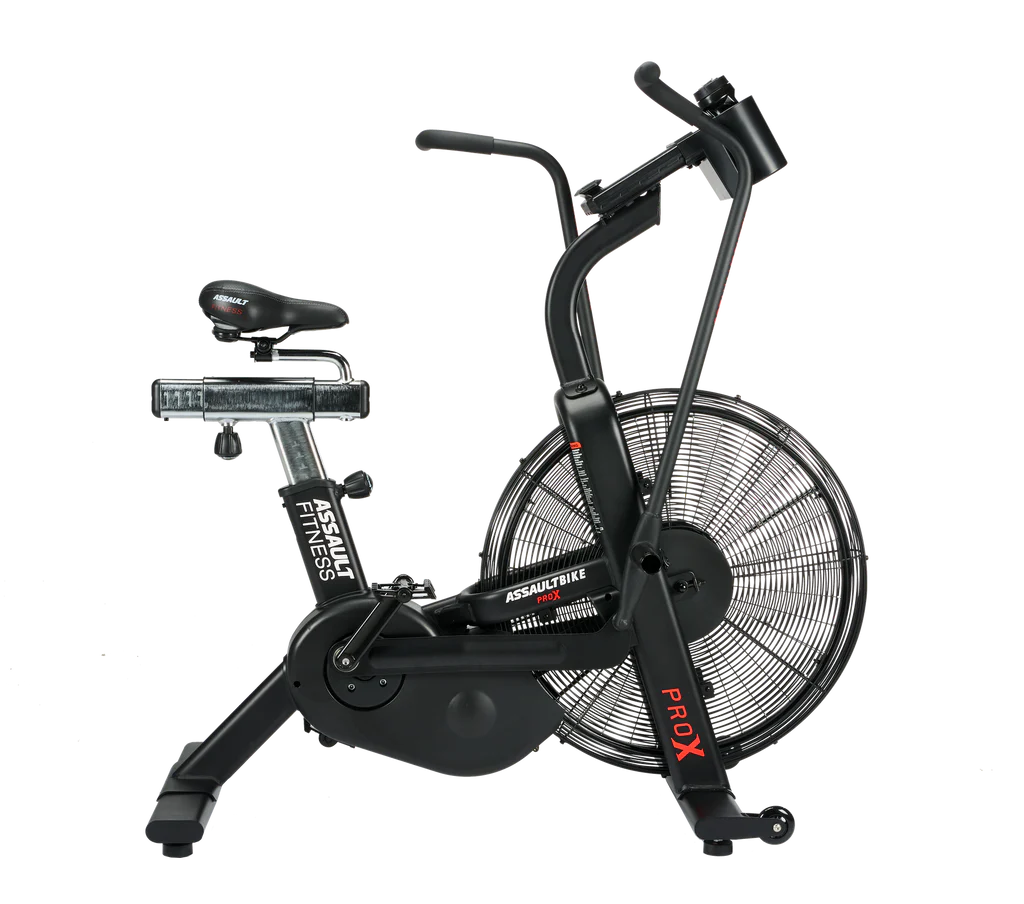
- Foldable Cardio Equipment (e.g., Treadmills, Bikes – brief mention): If space allows for a second larger item, look for models specifically designed for folding or vertical storage. Many exercise bikes and even some treadmills now offer innovative designs that shrink their footprint when not in use.
Prioritizing Versatility and Storage
When selecting any piece of home fitness equipment, keep these principles in mind:
- Multi-functional is Key: Can this item be used for more than one exercise or muscle group? For instance, a stability ball can be used for crunches, back extensions, hamstring curls, and even as a prop for stretching.
- Space-Saving Design: Look for features like folding mechanisms, built-in transport wheels, or the ability to store vertically. Many rowing machines, for example, can be folded or stood upright against a wall.
- Durability and Quality: Even in compact equipment, don’t compromise on quality. Investing in well-built pieces ensures safety, longevity, and a better workout experience. Check reviews for construction materials, stability, and ease of assembly.
- Ease of Movement: If you need to frequently move equipment in and out of a shared space, prioritize items with smooth-rolling transport wheels and manageable weight.
By thoughtfully curating your home gym with these versatile and space-efficient tools, you can create a powerful fitness hub that adapts to your life, not the other way around.
Crafting Your Home Workout Regimen: Structure and Strategy
Having the right equipment is only half the battle; knowing how to use it effectively is where the real transformation begins. A well-structured workout regimen is crucial for continuous progress, preventing plateaus, and maintaining motivation.
Designing an Effective Weekly Schedule
Variety is the spice of life, and also of a successful fitness plan. Aim for a balanced mix of strength training, cardiovascular exercise, and flexibility/mobility work.
Sample Weekly Plan for Beginners/Intermediates:
- Monday: Full Body Strength (30-45 minutes)
- Warm-up: 5-10 minutes light cardio (e.g., jump rope, bodyweight movements)
- Workout:
- Goblet Squats (with adjustable dumbbell/kettlebell) – 3 sets of 10-12 reps
- Dumbbell Rows (single arm) – 3 sets of 10-12 reps per arm
- Push-ups (on knees or full) or Dumbbell Chest Press – 3 sets of 8-12 reps
- Dumbbell Romanian Deadlifts – 3 sets of 10-12 reps
- Plank – 3 sets, hold for 30-60 seconds
- Cool-down: 5-10 minutes stretching
- Tuesday: Rowing Endurance (30-40 minutes)
- Warm-up: 5 minutes easy rowing
- Workout: Steady-state rowing at a moderate intensity. Focus on consistent power and good form. Aim to cover a certain distance (e.g., 5000m) or duration.
- Cool-down: 5 minutes easy rowing and stretching
- Wednesday: Active Recovery & Flexibility (20-30 minutes)
- Light walk, yoga flow, foam rolling, or static stretching. Focus on improving range of motion and aiding muscle recovery.
- Thursday: Full Body Strength or Circuit Training (30-45 minutes)
- Warm-up: 5-10 minutes
- Workout (Option 1 – Strength): Focus on different exercises than Monday, or slightly heavier weight/fewer reps for Monday’s exercises.
- Workout (Option 2 – Circuit):
- Rowing Intervals (1 min hard, 1 min easy x 5 rounds)
- Bodyweight Lunges – 12 reps per leg
- Dumbbell Overhead Press – 10-12 reps
- Mountain Climbers – 30-45 seconds
- Repeat circuit 3-4 times with minimal rest between exercises.
- Cool-down: 5-10 minutes stretching
- Friday: Rowing Intervals (20-30 minutes)
- Warm-up: 5 minutes easy rowing
- Workout: High-intensity interval training (HIIT). Example: 1 minute hard effort, 2 minutes easy recovery x 6-8 rounds. This significantly boosts cardiovascular fitness and burns calories.
- Cool-down: 5 minutes easy rowing and stretching
- Saturday/Sunday: Rest or Light Activity
- Enjoy a leisurely walk, hike, bike ride, or simply rest and recharge. Listen to your body.
Leveraging Technology for Motivation and Guidance
The digital age has brought an explosion of resources to enhance your home workouts:
- Fitness Apps: Many apps offer guided workouts, personalized plans, and progress tracking for various modalities, including strength training, cardio, yoga, and meditation. Look for apps that provide clear demonstrations and audio cues.
- Online Platforms: Access a vast library of on-demand classes led by professional trainers. Whether you’re looking for a challenging HIIT session, a calming yoga flow, or a simulated scenic row, there’s a program for every preference and fitness level.
- Wearable Technology: Smartwatches and fitness trackers can monitor your heart rate, calories burned, distance covered, and even sleep quality. This data provides valuable insights into your progress and helps you stay accountable.
Progressive Overload in Your Personal Space
To continually build strength and stamina, your body needs to be progressively challenged. This principle, known as progressive overload, is just as crucial at home as it is in a commercial gym.
- Increase Resistance: If using adjustable weights or resistance bands, gradually increase the weight or band tension.
- Increase Reps/Sets: Perform more repetitions within a set, or add an extra set to your workout.
- Decrease Rest Time: Shorten the rest periods between sets or exercises to increase intensity and cardiovascular demand.
- Improve Form: While not directly progressive overload, perfecting your form allows you to engage muscles more effectively and safely lift heavier or perform more reps.
- Increase Duration/Distance: For cardio, row for a longer period or cover a greater distance.
- Add Complexity: For bodyweight exercises, move from basic squats to jump squats, or from knee push-ups to full push-ups, or even decline push-ups (feet elevated).
- Incorporate Unilateral Movements: Exercises like single-leg Romanian deadlifts or single-arm rows challenge stability and correct muscular imbalances.
By strategically applying these methods, you’ll ensure your body is constantly adapting and growing stronger, even with a compact setup.
Fueling Your Progress: Nutrition and Recovery Essentials
Your fitness journey doesn’t end when your workout does. What you consume and how you recover are just as vital as the exercises you perform.
Eating for Performance and Health
- Balanced Macronutrients: Ensure your diet includes a healthy balance of carbohydrates (for energy), proteins (for muscle repair and growth), and healthy fats (for hormone function and satiety).
- Prioritize Whole Foods: Opt for fruits, vegetables, lean proteins, whole grains, and healthy fats over processed foods. These provide essential vitamins, minerals, and fiber.
- Hydration is Key: Drink plenty of water throughout the day, especially before, during, and after your workouts. Proper hydration is critical for performance, recovery, and overall bodily function.
- Timing Matters: Consume a balanced meal or snack containing protein and carbohydrates within a couple of hours after your workout to replenish glycogen stores and kickstart muscle repair.
The Art of Recovery
- Prioritize Sleep: Quality sleep is non-negotiable for muscle repair, hormone regulation, and cognitive function. Aim for 7-9 hours of uninterrupted sleep per night.
- Active Recovery: Light activities like walking, gentle stretching, or foam rolling can improve blood flow, reduce muscle soreness, and enhance flexibility.
- Listen to Your Body: Don’t push through sharp pain. Take rest days when needed, and adjust your intensity if you’re feeling overly fatigued. Overtraining can lead to injury and burnout.
Overcoming Obstacles: Staying Consistent and Motivated
The path to fitness is rarely linear. There will be days when motivation wanes, and challenges arise. Cultivating strategies to overcome these hurdles is essential for long-term success.
Setting Realistic Goals
- SMART Goals: Ensure your goals are Specific, Measurable, Achievable, Relevant, and Time-bound. Instead of "I want to get fit," try "I will row 5000 meters in under 25 minutes by the end of three months."
- Celebrate Small Victories: Acknowledge and celebrate every milestone, no matter how small. Finishing a tough workout, increasing your reps, or simply showing up on a day you didn’t feel like it are all wins worth recognizing.
- Focus on the Process, Not Just the Outcome: Enjoy the journey of becoming stronger and healthier. The daily discipline and effort are just as rewarding as reaching a specific goal.
Creating a Dedicated Workout Environment
Even in a small space, designating a specific area for your workouts can make a huge difference:
- Make it Inviting: Keep your workout area clean, organized, and free of clutter. A pleasant environment makes you more likely to use it.
- Minimize Distractions: If possible, choose a quiet corner. Put away your phone or use it only for workout tracking.
- Set the Mood: Use motivating music, good lighting, or even a small plant to create an energizing atmosphere.
The Power of Accountability
- Workout Buddy (Virtual or In-Person): Share your goals with a friend or family member. Even a virtual check-in can provide encouragement and hold you accountable.
- Online Communities: Join online fitness groups or forums. The shared experience and support from like-minded individuals can be incredibly motivating.
- Track Your Progress: Keep a workout journal or use a fitness app to log your sessions. Seeing how far you’ve come is a powerful motivator.
Final Thoughts: Your Fitness Journey, Unconfined
The home fitness revolution isn’t just about compact equipment; it’s about empowering you to take control of your health, on your terms, from any space you call your own. Whether you’re a beginner taking your first steps or an intermediate enthusiast looking to deepen your commitment, the potential for growth and transformation is limitless.
Embrace the versatility of tools like the rowing machine, combine it with smart, space-saving accessories, and commit to a structured, progressive workout plan. Fuel your body wisely, prioritize recovery, and arm yourself with strategies to overcome inevitable challenges. Remember, consistency, not perfection, is the key to enduring success.
Your journey to a stronger, healthier, and more vibrant you begins now, right where you are. Sculpt your space, forge your strength, and unlock the incredible fitness potential that resides within you. The power to transform your body and mind is not confined by gym walls; it thrives wherever you choose to make it happen. Step into your personal fitness revolution, and let the journey unfold.