Embarking on a fitness journey, whether you’re taking your first steps or pushing past plateaus, often involves strategic nutrition. In the vast landscape of dietary supplements, one ingredient consistently rises to the top for its proven efficacy and versatility: whey protein. More than just a powder you mix with water, whey protein is a nutritional powerhouse capable of significantly impacting your muscle growth, recovery, and overall body composition.
For beginners, the world of supplements can seem daunting, filled with jargon and conflicting advice. Intermediate enthusiasts, while familiar with the basics, might still wonder how to truly optimize their protein intake for peak performance. This comprehensive guide is designed to demystify whey protein, empowering you with the knowledge to make informed choices and integrate this remarkable supplement effectively into your active lifestyle. We’ll cut through the noise, providing practical insights and actionable advice to help you unlock your full potential and achieve the results you’ve been striving for.
Decoding Whey Protein: What Exactly Is It?
At its core, whey protein is a natural byproduct of cheesemaking, derived from cow’s milk. When milk is curdled, it separates into curds (used for cheese) and liquid whey. This liquid whey then undergoes various processing steps to remove water, fat, and lactose, leaving behind a concentrated protein powder.
What makes whey protein particularly valuable in the fitness community is its status as a "complete protein." This means it contains all nine essential amino acids (EAAs) that your body cannot produce on its own and must obtain from food. Among these EAAs are the crucial branched-chain amino acids (BCAAs)—leucine, isoleucine, and valine—which play a pivotal role in muscle protein synthesis (MPS), the process by which your body repairs and builds new muscle tissue. Leucine, in particular, is often highlighted as the primary trigger for initiating MPS, making whey an incredibly efficient fuel for muscle recovery and growth.
The Three Faces of Whey: Concentrate, Isolate, and Hydrolysate
When you venture into the world of whey protein supplements, you’ll quickly notice there isn’t just one type. Understanding the differences between whey protein concentrate, isolate, and hydrolysate is crucial for selecting the product best suited to your specific dietary needs, goals, and sensitivities. The primary distinction lies in their processing methods, which affect their nutritional profiles and absorption rates.
Whey Protein Concentrate (WPC)
Whey protein concentrate is the least processed form of whey. It undergoes a basic filtration process that removes some water and non-protein components. As a result, WPC typically contains:
- 70-80% protein by weight.
- Higher levels of lactose (milk sugar).
- More fat and carbohydrates compared to isolates and hydrolysates.
- Beneficial nutrients such as immunoglobulins and lactoferrin, which may offer immune-boosting properties.
Who is it for? WPC is an excellent, cost-effective option for most individuals, especially beginners, who are looking to increase their daily protein intake without strict dietary restrictions. If you don’t have issues with lactose and appreciate a slightly creamier texture, WPC can be a great choice. It’s also ideal for adding to smoothies or baked goods where a little extra fat or carbs won’t derail your goals.
Whey Protein Isolate (WPI)
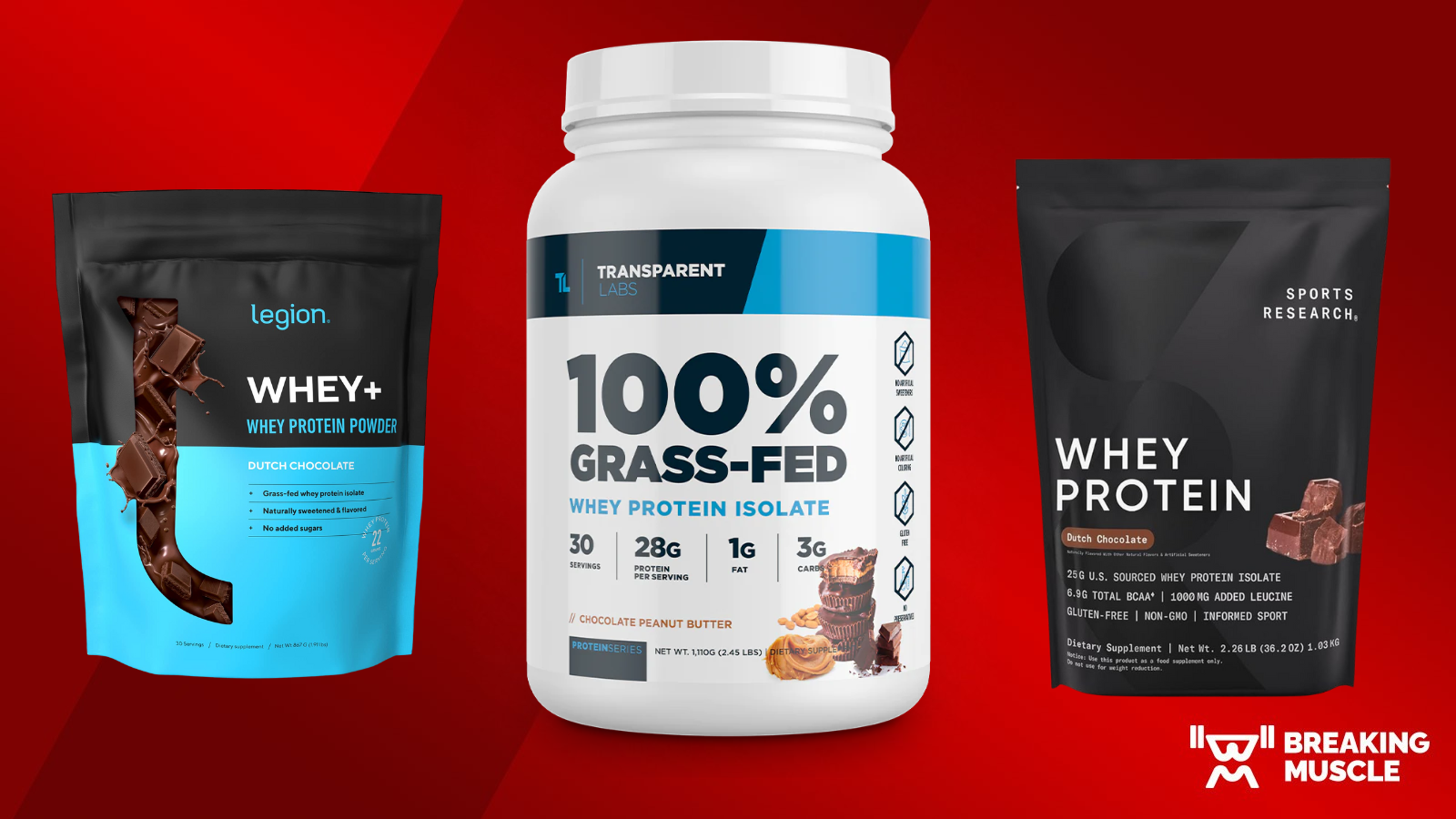
Whey protein isolate undergoes further processing, involving more rigorous filtration methods (like cross-flow microfiltration) to remove a greater percentage of non-protein elements. This results in a purer protein product:
- 90% or more protein by weight.
- Significantly lower in lactose (often negligible amounts).
- Very low in fat and carbohydrates.
- Fewer beneficial compounds like immunoglobulins, due to the extensive filtration.
Who is it for? WPI is perfect for individuals who are:
- Lactose intolerant or have mild lactose sensitivity.
- Following very strict diets that require minimal fat and carbohydrate intake (e.g., during cutting phases).
- Seeking the highest protein concentration per serving.
While often slightly more expensive than WPC, the purity and lower allergen potential make WPI a preferred choice for many intermediate and advanced fitness enthusiasts.
Whey Protein Hydrolysate (WPH)
Whey protein hydrolysate is considered the "pre-digested" form of whey. It undergoes a process called hydrolysis, where enzymes break down the larger protein molecules into smaller peptides (shorter chains of amino acids). This makes WPH:
- Absorbed the fastest by the body.
- Potentially less allergenic due to the broken-down protein structures.
- Often has a slightly bitter taste due to the hydrolysis process, which some manufacturers try to mask with strong flavorings.
- May cause a more significant insulin spike compared to WPC or WPI, which can be beneficial post-workout for nutrient delivery but a consideration for others.
Who is it for? WPH is typically favored by:
- Elite athletes who require extremely rapid nutrient absorption for immediate post-workout recovery.
- Individuals with impaired digestion or specific allergies who need the most easily digestible form of protein.
- Those who prioritize speed of delivery above all else for recovery.
While WPH offers rapid absorption, it’s generally the most expensive option. For most beginners and intermediate users, the benefits of WPC or WPI are sufficient, and the cost-effectiveness is often a deciding factor.
Actionable Tip: Consider your budget, any dietary sensitivities (especially lactose), and your specific macro goals when choosing. If you’re just starting, WPC is a great entry point. If lactose is an issue or you’re meticulously tracking macros, WPI is your best bet.
The Transformative Benefits of Whey Protein for Your Fitness Journey
Whey protein isn’t just a trend; it’s a staple for a reason. Its unique composition offers a cascade of benefits that directly support the goals of anyone committed to a fitness lifestyle.
Fueling Muscle Growth and Repair (Hypertrophy)
This is arguably whey protein’s most celebrated benefit. Intense physical activity, particularly resistance training, creates microscopic tears in muscle fibers. To repair these tears and grow stronger, your body requires a steady supply of amino acids. Whey protein, with its rich EAA profile and high leucine content, provides these building blocks in abundance.
- Rapid Amino Acid Delivery: When consumed, whey protein is quickly digested and absorbed, leading to a rapid rise in blood amino acid levels. This "amino acid spike" signals the body to kickstart muscle protein synthesis, effectively repairing damaged muscle tissue and laying down new protein structures for growth.
- Optimizing the Anabolic Window: While the concept of a strict "anabolic window" immediately post-workout has been broadened to emphasize total daily protein intake, consuming whey after training still offers advantages. It replenishes amino acid stores when your muscles are most receptive to nutrients, initiating the recovery process without delay.
Practical Example: Imagine you’ve just completed a strenuous leg workout. Your quads and hamstrings are screaming. Mixing a scoop of whey protein with water or milk provides your fatigued muscles with the immediate fuel they need to begin rebuilding, priming them for the next challenge. Without adequate protein, this recovery process would be slower and less efficient, potentially hindering your progress.
Preserving Lean Muscle Mass During Weight Loss
When you’re in a caloric deficit—consuming fewer calories than you burn—your body will inevitably tap into its energy reserves. The goal during weight loss is to minimize muscle loss and maximize fat loss. This is where whey protein shines.
- Satiety and Appetite Control: Protein is the most satiating macronutrient. Consuming adequate protein, including whey, helps you feel fuller for longer, reducing cravings and overall caloric intake. This makes adhering to a calorie-restricted diet much more manageable.
- Muscle Protection: In a deficit, if protein intake is too low, your body might break down muscle tissue for energy. High protein intake, supported by whey, signals your body to preserve precious muscle mass, ensuring that the weight you lose is primarily fat.
Real-life Example: Sarah, an intermediate exerciser, wants to shed body fat while maintaining her strength. She replaces her usual high-carb afternoon snack with a whey protein shake. This keeps her feeling full until dinner, prevents her from reaching for unhealthy options, and ensures her muscles are adequately fed even as she reduces her overall calorie intake. The result? She loses fat while preserving the lean muscle she’s worked hard for.
Enhanced Recovery and Reduced Soreness
Beyond just building muscle, whey protein plays a vital role in recovery, allowing you to train harder and more consistently.
- Faster Tissue Repair: The rapid influx of amino acids from whey accelerates the repair of muscle micro-tears, reducing the downtime needed between workouts.
- Potential Reduction in DOMS: While individual responses vary, consistent high-quality protein intake can contribute to less severe delayed onset muscle soreness (DOMS), making your post-workout experience more comfortable and enabling you to get back to the gym sooner.
Example: Mark, an active individual, used to struggle with crippling DOMS after intense sessions, sometimes delaying his next workout. By consistently incorporating whey protein post-workout, he noticed a significant reduction in soreness, allowing him to maintain a more consistent training schedule and see faster progress.
Boosting Overall Nutritional Intake
In our busy lives, meeting daily nutritional requirements, especially protein, can be challenging. Whey protein offers a convenient and efficient solution.
- Convenience: A quick shake takes minutes to prepare, making it ideal for busy mornings, post-gym fuel, or a healthy snack on the go.
- Filling Protein Gaps: For those who struggle to consume enough protein through whole foods alone due to dietary preferences, time constraints, or appetite, whey protein powder acts as an invaluable bridge.
- Nutrient Density: While primarily a protein source, many whey powders also contain small amounts of calcium and other micronutrients, contributing to overall health.
Integrating Whey Protein into Your Daily Routine: Practical Applications
Understanding the "why" behind whey protein is essential, but knowing "how" to effectively incorporate it into your daily routine is where the real transformation happens. It’s not about magic; it’s about strategic application.
Determining Your Protein Needs
Before you even open a tub of protein powder, it’s crucial to understand your individual protein requirements. These needs vary significantly based on your:
- Body Weight: A common starting point.
- Activity Level: Sedentary vs. highly active.
- Fitness Goals: Maintenance, muscle gain, fat loss.
- Age: Older adults often benefit from higher protein intake.
General Guidelines for Active Individuals (Beginners to Intermediate):
- For muscle maintenance or moderate activity: Aim for 0.5-0.7 grams of protein per pound of body weight (1.2-1.6 grams per kilogram).
- For muscle gain or intense training: Target 0.7-1.0 grams of protein per pound of body weight (1.6-2.2 grams per kilogram).
Actionable Tip: Simple Calculation Method
Take your current body weight in pounds. If you weigh 150 lbs and your goal is muscle gain, aim for 105-150 grams of protein per day. If you struggle to hit this target through whole foods alone, a scoop of whey (typically 20-30g protein) can easily help you bridge the gap. Remember, whey protein is a supplement to your diet, not a replacement for nutrient-dense whole foods.
When to Take It: Timing Your Intake
While total daily protein intake is paramount, specific timing can offer additional benefits.
- Post-Workout: The classic timing. Consuming whey protein within an hour or two after your workout is excellent for initiating muscle repair and growth, taking advantage of your muscles’ heightened sensitivity to nutrients.
- First Thing in the Morning: Kickstart your day with a protein boost. This can help stabilize blood sugar, reduce morning cravings, and ensure you’re on track to meet your daily protein target early.
- Between Meals: If you have long gaps between meals, a whey protein shake can serve as a healthy, satiating snack, preventing muscle breakdown and keeping your energy levels stable.
- Before Bed: While slower-digesting proteins (like casein) are often recommended before sleep, a whey protein shake can still contribute to your overall daily protein intake, supporting overnight muscle recovery.
Key Takeaway: Don’t stress excessively about hitting a precise "anabolic window." Focus on consistently distributing your protein intake throughout the day, aiming for 20-40 grams per meal or snack, to maximize muscle protein synthesis.
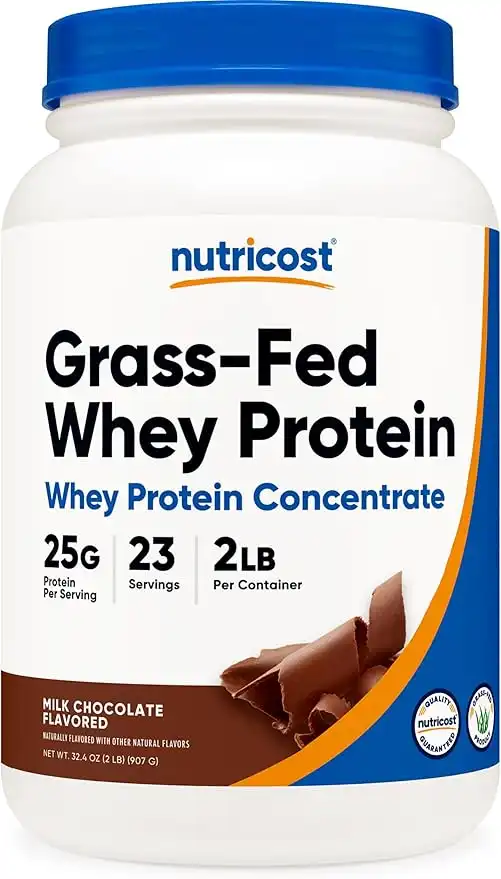
Creative Ways to Consume Whey Protein
Beyond the basic water-and-powder shake, whey protein is incredibly versatile. Experiment to find ways you genuinely enjoy, making it a sustainable part of your routine.
- Classic Shakes: Mix with water for a low-calorie option, milk for added creaminess and nutrients, or plant-based milks (almond, soy, oat) for different flavors and textures.
- Power Smoothies: Blend with fruits (berries, banana), vegetables (spinach), healthy fats (avocado, nut butter), and liquid for a nutrient-dense meal replacement or snack.
- Oatmeal Booster: Stir a scoop into your morning oatmeal after it’s cooked to thicken it and add a significant protein punch.
- Yogurt or Cottage Cheese Mix-in: Enhance the protein content and flavor of these dairy staples.
- Baking & Cooking: Incorporate unflavored or complementary flavored whey into pancake batter, muffins, protein bars, energy balls, or even savory dishes like soups (though be mindful of heat, which can denature proteins).
Practical Tips:
- Start with basic flavors: Vanilla and chocolate are versatile and mix well with many ingredients.
- Invest in a good shaker bottle: Prevents clumps and ensures smooth consistency.
- Pre-portion: Measure out powder into small containers for easy grab-and-go shakes.
- Experiment: Don’t be afraid to try different combinations of liquids, fruits, and spices (like cinnamon or cocoa powder) to keep things interesting.
Navigating Potential Pitfalls: Side Effects and Considerations
While generally safe and beneficial for most healthy adults, it’s important to be aware of potential side effects and considerations when incorporating whey protein into your diet. Responsible usage is key to maximizing benefits and avoiding discomfort.
Digestive Issues
For some individuals, whey protein can lead to digestive discomfort.
- Lactose Intolerance: Whey protein concentrate contains lactose, which can cause bloating, gas, and stomach cramps in those who are lactose intolerant.
- Advice: If you experience these symptoms, consider switching to a whey protein isolate or hydrolysate, which have significantly reduced or almost no lactose. Alternatively, a plant-based protein powder might be a better fit.
- Overconsumption: Taking excessively large doses of any protein, including whey, can overwhelm your digestive system, leading to similar symptoms like bloating, gas, and indigestion.
- Advice: Stick to recommended serving sizes (typically 20-30 grams per scoop) and distribute your protein intake throughout the day rather than consuming huge amounts at once.
Over-reliance on Supplements
Whey protein is a supplement, meaning it’s designed to supplement your existing diet, not replace it entirely.
- Whole Foods First: Always prioritize whole, unprocessed foods as your primary source of protein, carbohydrates, and fats. Lean meats, fish, eggs, dairy, legumes, and nuts provide a broader spectrum of nutrients, fiber, and micronutrients that supplements cannot fully replicate.
- Nutrient Deficiencies: Relying too heavily on protein shakes can inadvertently lead to deficiencies in other essential vitamins, minerals, and fiber found in whole foods.
- Advice: Use whey protein to fill gaps or for convenience, but ensure your diet remains balanced and rich in fruits, vegetables, and diverse whole food protein sources.
Kidney and Liver Concerns (Debunking Myths)
A common misconception is that high protein intake, especially from supplements, damages the kidneys or liver.
- For Healthy Individuals: Extensive scientific research has shown that high protein diets (even above typical recommendations) are generally safe for healthy individuals with normal kidney and liver function. These organs are designed to process protein.
- Pre-existing Conditions: If you have a pre-existing kidney or liver condition, then high protein intake could be problematic.
- Advice: Always consult with a healthcare professional or registered dietitian before making significant dietary changes or adding supplements, especially if you have any underlying health issues.
Additives and Sweeteners
Many protein powders include various additives for flavor, texture, and shelf life.
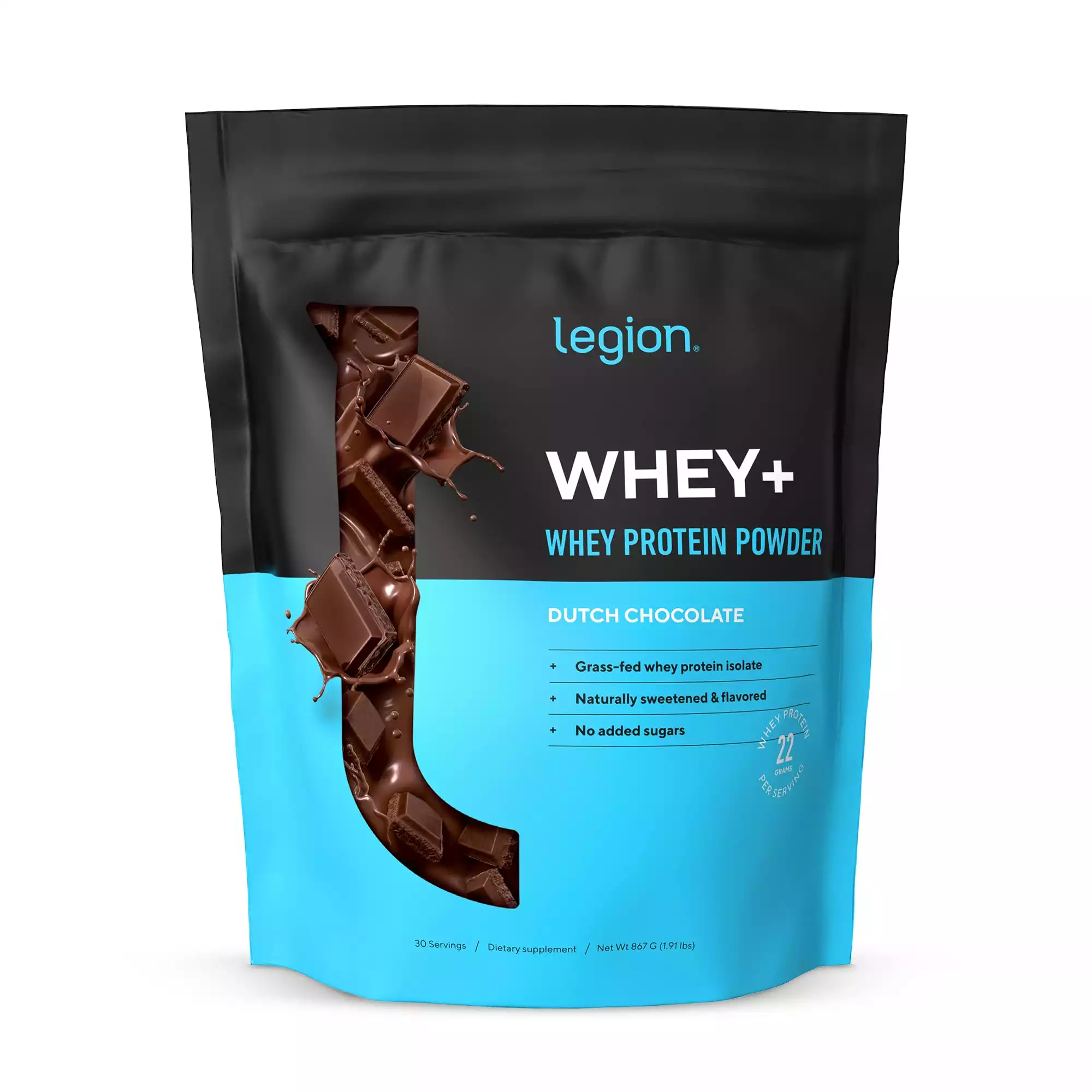
- Artificial Sweeteners: Ingredients like sucralose, aspartame, or acesulfame potassium are common. While generally recognized as safe, some individuals may prefer to avoid them due to personal preference or potential sensitivities.
- Fillers and Gums: Some cheaper brands might use excessive fillers, gums (like xanthan gum), or artificial colors.
- Advice: Read the ingredient label carefully. If you prefer a more natural product, look for brands that use natural sweeteners (like stevia or monk fruit), minimal ingredients, or offer unflavored options.
By being mindful of these considerations, you can enjoy the significant benefits of whey protein while minimizing any potential downsides, ensuring it supports your health and fitness goals safely and effectively.
Who Stands to Gain the Most from Whey Protein?
While almost anyone can benefit from ensuring adequate protein intake, certain groups of individuals will find whey protein particularly advantageous in supporting their unique physiological demands and fitness objectives.
Active Individuals and Athletes
This is the most obvious and largest beneficiary group. Whether you’re a bodybuilder, a strength athlete, a cross-trainer, or an endurance runner, intense physical activity places significant demands on your muscles.
- Increased Demand for Recovery: Workouts cause muscle breakdown. Athletes require more protein to repair this damage and build stronger, more resilient muscles. Whey’s rapid absorption makes it an ideal post-workout fuel.
- Optimizing Performance: Consistent muscle repair and growth lead to improved strength, power, and endurance over time.
Individuals Aiming for Weight Management
For those looking to lose fat, maintain a healthy weight, or even gain weight healthily, whey protein is a powerful ally.
- Satiety for Fat Loss: As discussed, protein helps you feel full, making it easier to stick to a calorie-controlled diet and reduce unhealthy snacking.
- Muscle Preservation During Calorie Deficit: High protein intake is crucial to prevent muscle loss when cutting calories, ensuring that weight loss comes primarily from fat.
- Healthy Weight Gain: For individuals struggling to consume enough calories and protein to gain muscle mass, whey shakes offer a convenient way to boost caloric and protein intake without feeling overly full.
Older Adults
As we age, our bodies undergo significant changes, including a natural decline in muscle mass and strength, a condition known as sarcopenia. Older adults also become less efficient at absorbing protein from food.
- Combating Sarcopenia: Higher protein intake is critical for preserving muscle mass and strength in older adults, which is vital for maintaining mobility, independence, and overall quality of life.
- Ease of Consumption: For some older adults, chewing or digesting large amounts of solid protein can be challenging. A protein shake offers an easily consumable and digestible source of high-quality protein.
Busy Professionals and Those with Dietary Gaps
Modern lifestyles often make it challenging to prepare and consume nutrient-dense meals consistently.
- Convenience: A whey protein shake is a quick, portable, and fuss-free way to get a significant protein dose when time is short. This can prevent skipping meals or resorting to less healthy, processed options.
- Bridging Nutritional Gaps: For individuals who might struggle to meet their daily protein targets due to dietary preferences (e.g., vegetarian diets that include dairy but limited other protein sources), appetite issues, or simply a lack of planning, whey protein can be an excellent supplement to ensure adequate intake.
In essence, if your lifestyle involves physical activity, if you have specific body composition goals, or if you simply find it challenging to consistently hit your protein targets through whole foods, whey protein can be a game-changer.
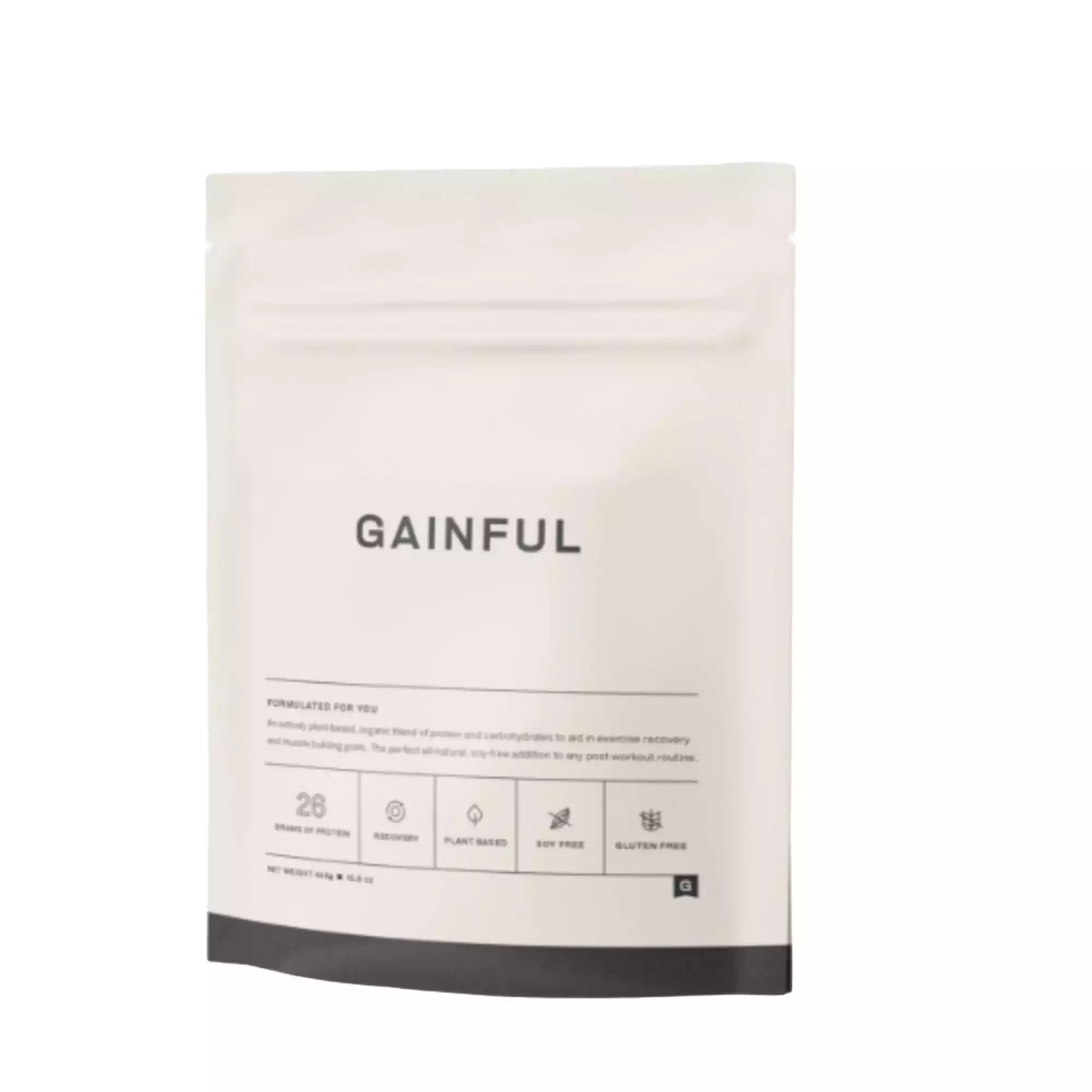
Choosing Your Ideal Whey Protein: A Smart Buyer’s Guide
With countless whey protein products on the market, selecting the right one can feel overwhelming. A smart buyer focuses on a few key factors to ensure they get a high-quality product that aligns with their needs and values.
1. Protein Type: Concentrate, Isolate, or Hydrolysate
Revisit the distinctions between WPC, WPI, and WPH.
- WPC: Best for general use, budget-conscious, no lactose issues.
- WPI: Ideal for lactose sensitivity, very low-carb/fat diets, highest protein concentration.
- WPH: For rapid absorption, potentially less allergenic, often higher cost.
Choose based on your digestive tolerance, dietary restrictions, and budget.
2. Nutritional Profile
Always examine the "Nutrition Facts" panel on the label.
- Protein Content per Serving: Aim for 20-30 grams of protein per scoop, which is generally considered an optimal dose to stimulate muscle protein synthesis.
- Carbohydrates and Fats: For those watching their macros, look for lower numbers. Isolates typically have the least.
- Sugar Content: Opt for products with minimal added sugars.
- Amino Acid Profile: High-quality whey will naturally be rich in essential amino acids, particularly BCAAs (leucine, isoleucine, valine). Some labels might explicitly list these.
3. Ingredients and Additives
The "Ingredients" list tells you exactly what you’re consuming.
- Minimal Fillers: Look for a short, clear ingredient list. Avoid products with a long list of unfamiliar chemicals, excessive gums, or unnecessary fillers.
- Sweeteners: Decide if you prefer natural sweeteners (like stevia leaf extract or monk fruit) or are comfortable with artificial sweeteners (like sucralose). Unflavored options are available if you want to avoid all sweeteners and add your own.
- Allergens: Check for common allergens like soy (often used as lecithin for mixability), gluten, or warnings about being processed in facilities that handle nuts. If you have specific allergies, this step is non-negotiable.
4. Third-Party Testing and Certifications
This is a critical indicator of quality and safety, especially for athletes.
- Purity and Potency: Independent third-party organizations (like Informed-Sport, NSF Certified for Sport, or Labdoor) test supplements to verify that the ingredients listed on the label are accurate and that the product is free from contaminants, heavy metals, and banned substances.
- Consumer Confidence: These certifications provide an extra layer of assurance that you’re getting a safe and effective product.
5. Taste and Mixability
While subjective