In the evolving landscape of fitness, where home gyms are becoming as common as commercial facilities, certain pieces of equipment consistently stand out for their utility and versatility. Among them, the Smith machine often sparks debate but undeniably offers a unique pathway to strength, safety, and progressive overload. Far from being just a staple in crowded gyms, this robust apparatus has found its place in countless home setups, empowering individuals to pursue their fitness goals with confidence and control.
Whether you’re just beginning your strength journey or you’re an intermediate lifter looking to diversify your routine and push your limits safely, the Smith machine presents a compelling case. It’s a tool designed to guide your movements, reduce the need for a spotter, and help you hone your form, making complex lifts more accessible. This article will cut through the noise, offering a professional, authoritative, and motivational guide to effectively integrating the Smith machine into your training regimen. We’ll explore its benefits, demystify its use, detail a range of exercises, and provide actionable advice to help you sculpt strength and confidence right from your home gym.
The Undeniable Advantages of the Smith Machine
The Smith machine often gets a bad rap from proponents of free weights, but overlooking its distinct benefits means missing out on a valuable training asset. For the right individual and the right application, it’s an incredibly effective tool.
Enhanced Stability and Safety
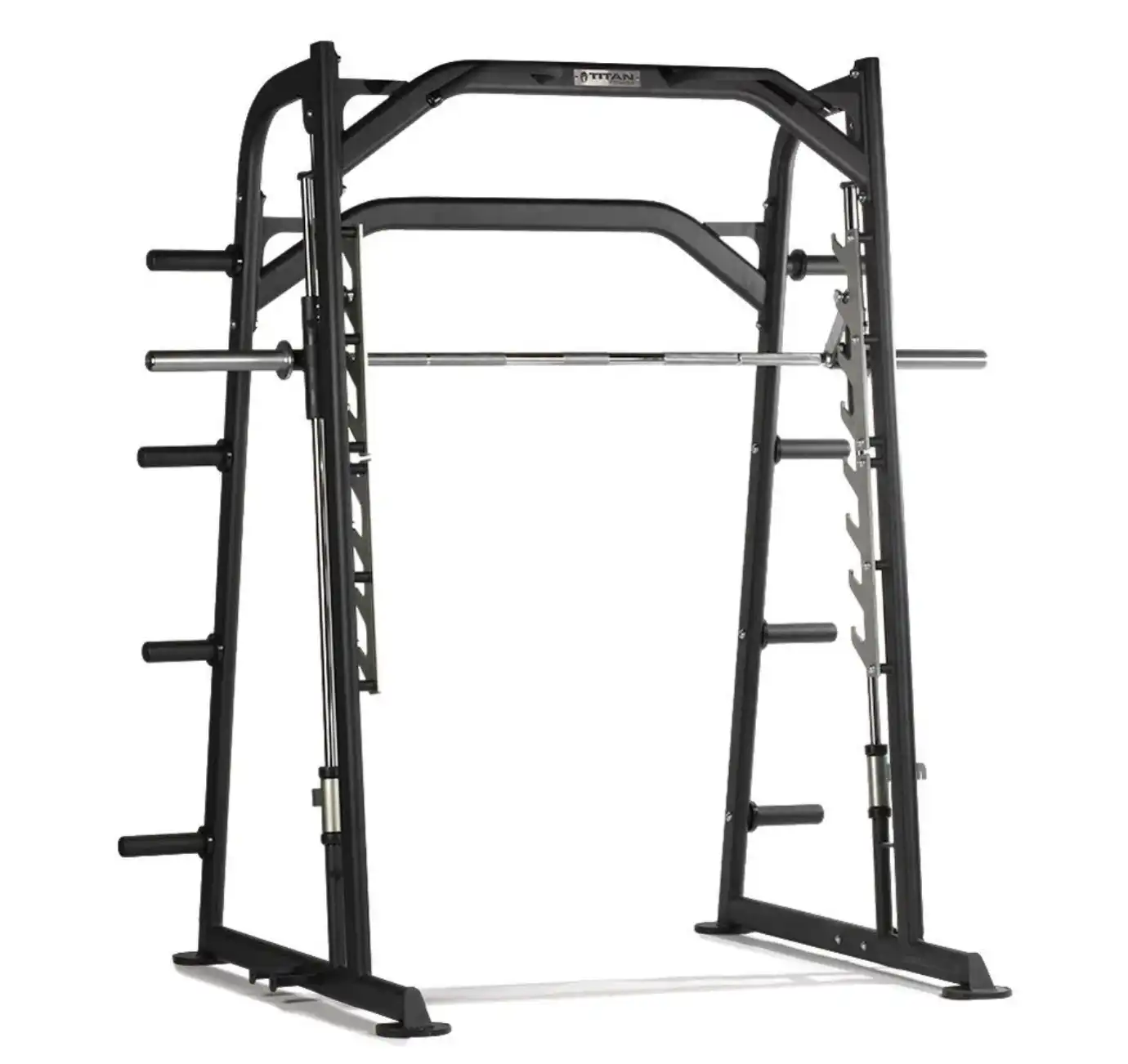
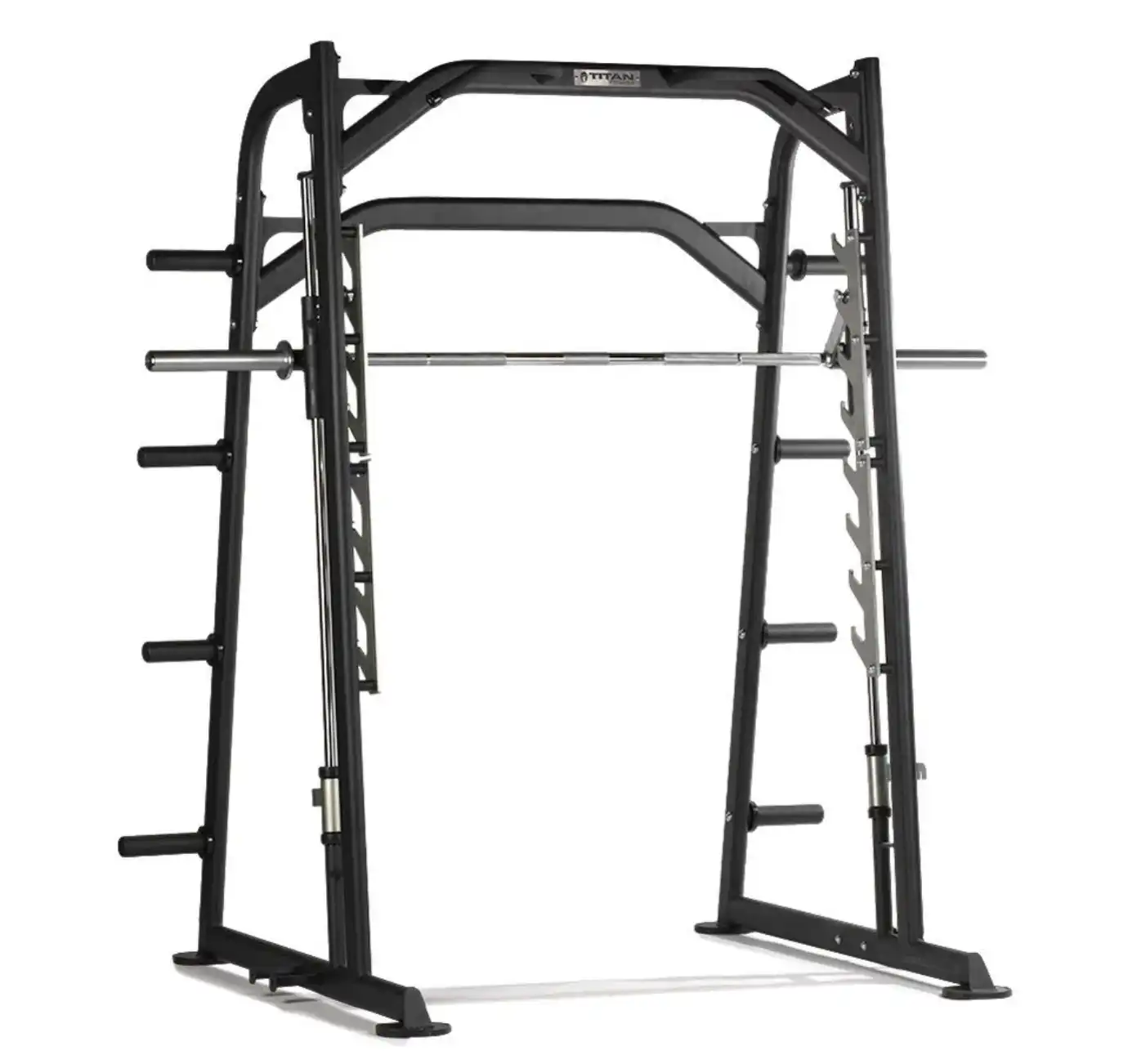
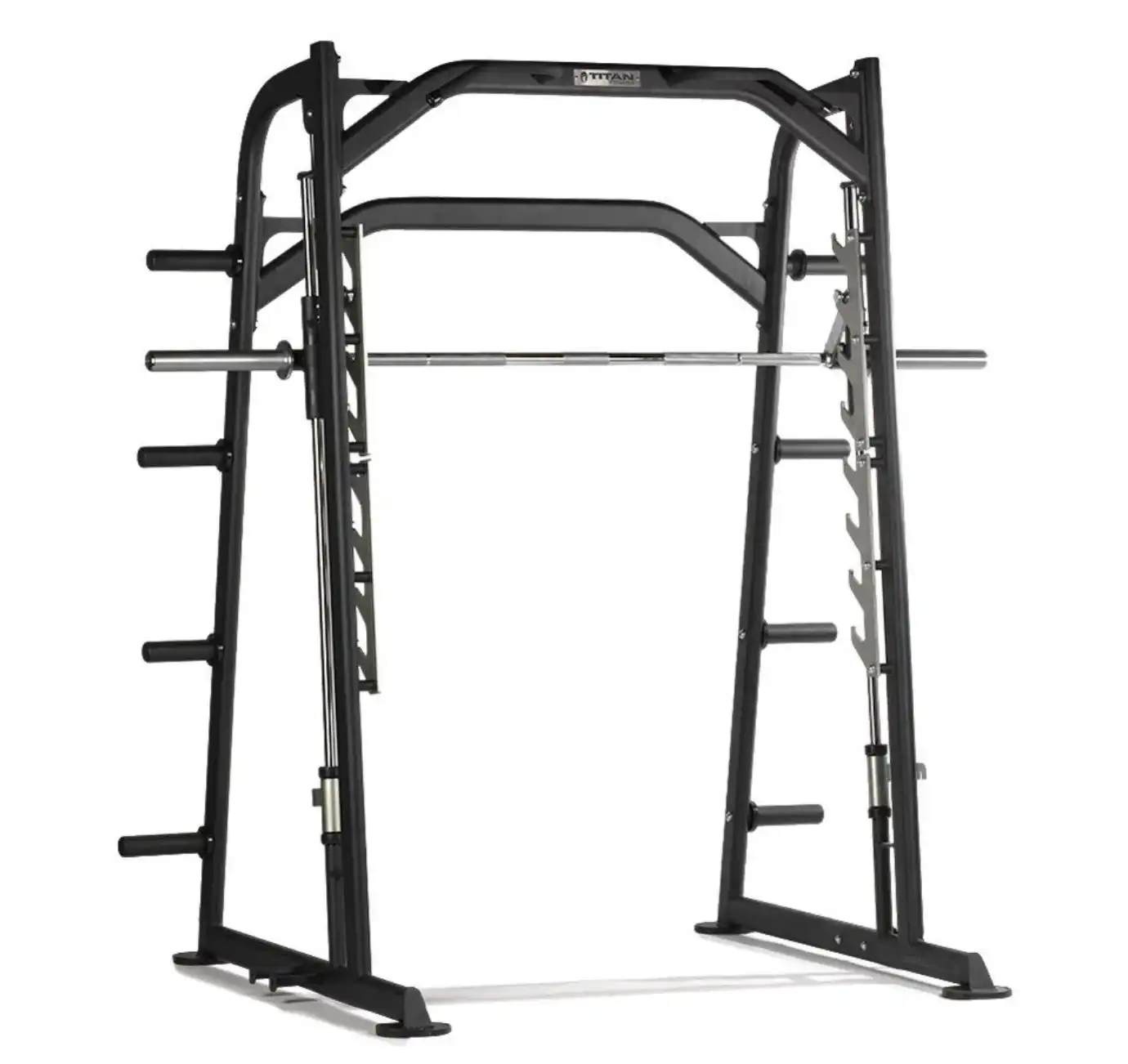
Perhaps the most significant advantage of the Smith machine is the inherent stability it offers. The barbell is fixed within steel rails, allowing only vertical (or sometimes slightly angled) movement. This fixed path significantly reduces the need for stabilizing muscles to control the bar’s trajectory, letting you focus intensely on the primary muscle groups you’re targeting.
- Reduced Injury Risk: For beginners, the guided path minimizes the chance of losing balance or mishandling heavy weights, which are common causes of injury with free weights.
- Confidence in Lifting Heavy: Intermediate lifters can approach heavier loads with greater confidence, knowing the bar is locked into a predictable path.
- Built-in Safety Catches: Most Smith machines feature adjustable safety stoppers that can be set to prevent the bar from descending below a certain point. This acts as an automatic spotter, allowing you to push to muscular failure without fear of being trapped under the weight.
- Twist-and-Lock System: The ability to quickly rack the bar at any point in the lift by rotating it backward makes bailing out of a lift incredibly straightforward and secure.
Ideal for Solo Training
Working out alone, especially at home, often means sacrificing the ability to push your limits on exercises like the bench press or squats due to the absence of a spotter. The Smith machine entirely bypasses this limitation. Its integrated safety features mean you can perform these compound movements with maximum effort, knowing that help is just a twist of the wrist away. This independence empowers you to maintain consistent progress without relying on a training partner’s schedule.
Perfect for Form Development and Muscle Isolation
The fixed plane of motion makes the Smith machine an excellent tool for learning and refining exercise form. When you don’t have to worry about balancing the weight, you can dedicate all your attention to executing the movement pattern correctly, feeling the target muscles engage, and understanding your body’s mechanics.
- Focus on Mind-Muscle Connection: By removing the stability challenge, you can truly concentrate on contracting the working muscle, leading to a stronger mind-muscle connection.
- Targeted Muscle Growth: This focused isolation can be particularly beneficial for addressing muscle imbalances or emphasizing specific parts of a muscle group that might be lagging.
- Rehabilitation Aid: For those recovering from injuries or needing to work around specific mobility limitations, the controlled environment of the Smith machine allows for safe, progressive strengthening within a defined range of motion.
Versatility for Diverse Workouts
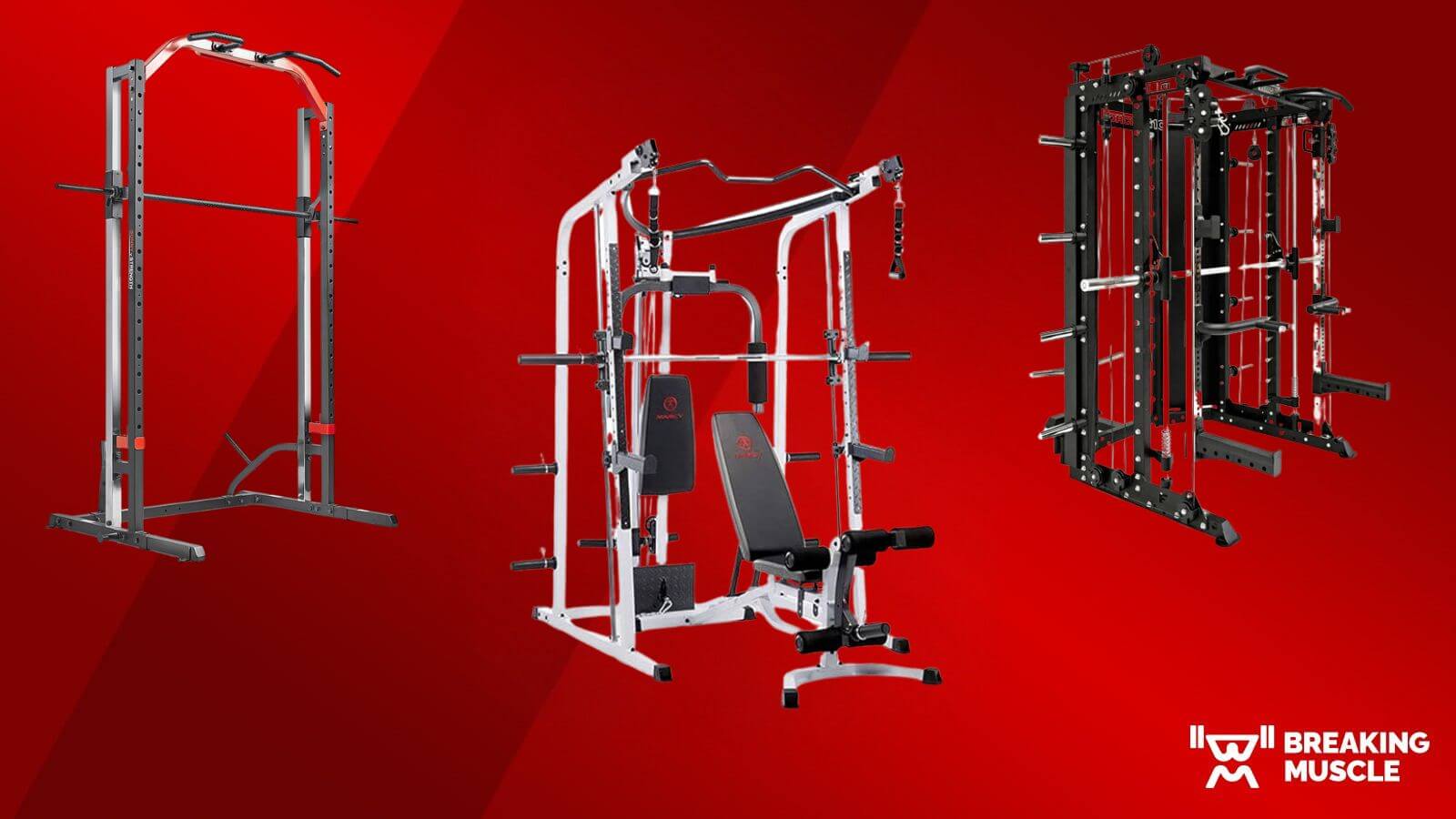
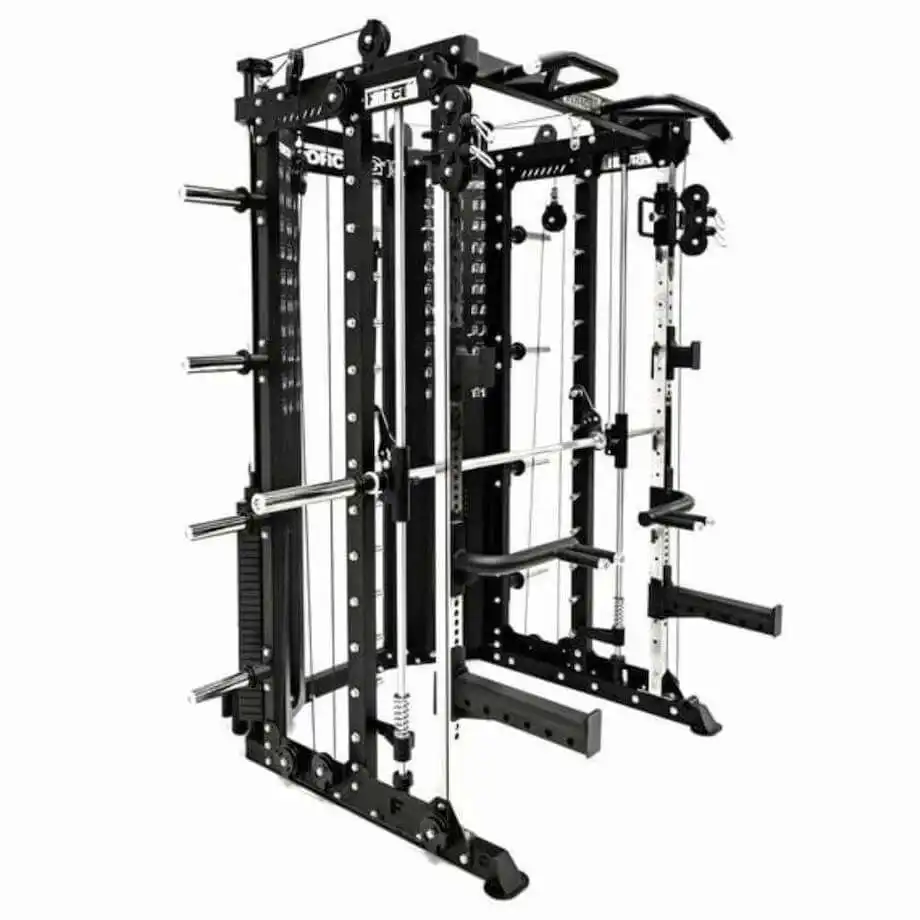
Despite its fixed path, the Smith machine is surprisingly versatile. It can facilitate a wide array of exercises targeting virtually every major muscle group. From fundamental compound movements to more isolated accessory work, it offers a robust platform for a complete strength training program. Many modern home gym Smith machines also integrate additional features like cable pulleys, pull-up bars, and dip stations, further expanding their functional utility.
Navigating the Fixed Path: Addressing Common Criticisms
While the Smith machine offers distinct advantages, it’s important to acknowledge and understand its limitations. The primary criticism revolves around its fixed bar path, which differs from the natural, slightly variable arc of free-weight movements.
- Less Engagement of Stabilizer Muscles: Because the machine provides stability, the smaller, intrinsic stabilizer muscles that work hard during free-weight exercises are less engaged. This can be a drawback for developing overall functional strength and coordination.
- Potentially Unnatural Movement Patterns: Depending on your body mechanics, the strictly vertical path might feel unnatural for certain exercises, potentially placing stress on joints if not properly managed.
- Compromised Proprioception: The reduced need for balance and spatial awareness can mean less development of proprioception (your body’s sense of position in space), which is vital for athletic performance and injury prevention.
How to Mitigate These Concerns:
- Don’t Exclusively Rely on the Smith Machine: For a well-rounded physique and optimal functional strength, incorporate free-weight exercises (dumbbells, kettlebells, barbells in a power rack) into your routine alongside Smith machine work. View the Smith machine as a complementary tool, not a replacement for all free-weight training.
- Adjust Your Stance: For exercises like squats, experiment with your foot placement. Moving your feet slightly forward can help mimic a more natural squat pattern, allowing for a more vertical torso and reduced shear force on the knees.
- Focus on Proper Form: Always prioritize strict, controlled form. The fixed path doesn’t excuse sloppy technique; in fact, it highlights it. Ensure your joints are aligned, and the target muscles are doing the work.
- Incorporate Unilateral Work: Balance your bilateral (both limbs working together) Smith machine exercises with unilateral (single-limb) free-weight movements (e.g., dumbbell lunges, single-leg RDLs) to develop balance and address asymmetries.
Essential Smith Machine Exercises for Beginners and Intermediates
The Smith machine is a powerhouse for targeting various muscle groups. Here’s a selection of effective exercises, complete with setup and execution tips, tailored for individuals looking to maximize their strength and safety.
Lower Body Power
-
Smith Machine Back Squat
- Target Muscles: Quadriceps, Glutes, Hamstrings.
- Setup: Position the bar at shoulder height. Step under the bar, centering it on your upper traps. Place your feet slightly in front of the bar, about shoulder-width apart, toes pointed slightly out. Unlock the safety catches.
- Execution: Initiate the movement by pushing your hips back and bending your knees, as if sitting into a chair. Keep your chest up, core engaged, and back neutral. Descend until your thighs are parallel to the floor (or lower if comfortable and mobile). Drive through your heels to return to the starting position, rotating the bar to re-rack if needed.
- Tips: Experiment with foot placement. A slightly forward stance often feels more natural and helps maintain an upright torso. Focus on controlled eccentric (lowering) movement.
-
Smith Machine Front Squat
- Target Muscles: Quadriceps (emphasized), Glutes, Core.
- Setup: Position the bar at shoulder height. Rack the bar across your front deltoids (shoulders), crossing your arms to hold it in place or using a clean grip if flexible enough. Feet slightly forward, shoulder-width apart. Unlock the safety catches.
- Execution: Keep your elbows high throughout the movement. Descend into a squat, maintaining an upright torso. Drive back up through your heels.
- Tips: This variation puts more emphasis on the quads and demands greater core stability. Keep your gaze forward.
-
Smith Machine Romanian Deadlift (RDL)
- Target Muscles: Hamstrings, Glutes, Lower Back.
- Setup: Position the bar at hip height. Stand close to the bar with feet hip-width apart. Grip the bar with an overhand or mixed grip, hands slightly wider than shoulders. Unlock the safety catches.
- Execution: Keeping a slight bend in your knees, hinge at your hips, pushing your glutes backward. Maintain a straight back and let the bar slide down your thighs. Lower until you feel a strong stretch in your hamstrings, typically around mid-shin or just below the knees. Squeeze your glutes to pull the bar back up to the starting position.
- Tips: This is not a conventional deadlift. The focus is on hip hinge, not a deep squat. Keep the bar close to your body. Avoid rounding your back.
-
Smith Machine Lunges (Split Squats)
- Target Muscles: Quadriceps, Glutes, Hamstrings, Core.
- Setup: Place the bar on your upper traps. Step one foot forward, creating a staggered stance. The front foot should be far enough forward that your knee doesn’t go past your toes when you lunge. Unlock the safety catches.
- Execution: Lower your back knee towards the floor, keeping your torso upright. Ensure your front knee tracks over your mid-foot. Push through your front heel to return to the starting position. Complete all reps on one leg before switching.
- Tips: The Smith machine provides excellent stability for this balance-challenging exercise, allowing you to focus on muscle activation.
-
Smith Machine Calf Raises
- Target Muscles: Calves (Gastrocnemius and Soleus).
- Setup: Place the bar on your upper traps. Position the balls of your feet on a low step or weight plate, with your heels hanging off. Unlock the safety catches.
- Execution: Lower your heels to feel a stretch in your calves, then push up onto the balls of your feet, squeezing your calves at the top. Control the movement both up and down.
- Tips: Go for a full range of motion. Hold the peak contraction for a second to maximize engagement.
Upper Body Pushing Strength
-
Smith Machine Bench Press (Flat, Incline, Decline)
- Target Muscles: Chest (Pectorals), Shoulders (Deltoids), Triceps.
- Setup: Lie on a flat, incline, or decline bench positioned directly under the Smith machine bar. Adjust the bench so the bar is aligned with your mid-chest (for flat), upper chest (for incline), or lower chest (for decline). Grip the bar slightly wider than shoulder-width. Unlock the safety catches.
- Execution: Lower the bar slowly and controllably to your chest. Press the bar back up to the starting position, fully extending your arms without locking your elbows.
- Tips: The fixed path is excellent for pushing heavy weight safely. For flat and incline, ensure your elbows tuck slightly, not flaring out too wide. Focus on a strong chest contraction.
-
Smith Machine Overhead Press (Seated or Standing)
- Target Muscles: Shoulders (Deltoids), Triceps.
- Setup: Sit on a bench with back support or stand with your feet shoulder-width apart, directly under the bar. Position the bar at shoulder height, gripping it slightly wider than shoulder-width with palms facing forward. Unlock the safety catches.
- Execution: Press the bar straight overhead until your arms are fully extended. Control the descent back to shoulder height.
- Tips: For standing, engage your core tightly to prevent your lower back from arching excessively. For seated, ensure your back is firmly against the bench.
Upper Body Pulling & Accessory Work
-
Smith Machine Bent-Over Row
- Target Muscles: Back (Lats, Rhomboids, Traps), Biceps.
- Setup: Position the bar at mid-shin height. Stand with your feet hip-width apart, hinge at your hips (similar to RDL), keeping a slight bend in your knees and a straight back. Grip the bar with an overhand grip, slightly wider than shoulder-width. Unlock the safety catches.
- Execution: Pull the bar towards your lower chest/upper abdomen, squeezing your shoulder blades together. Control the descent back to the starting position.
- Tips: Maintain a flat back throughout the movement. Focus on pulling with your back muscles, not just your biceps.
-
Smith Machine Inverted Row (Bodyweight)
- Target Muscles: Back (Lats, Rhomboids, Traps), Biceps.
- Setup: Set the bar at a height that allows you to hang underneath it with your body straight. Lie on your back under the bar. Grip the bar with an overhand or underhand grip, slightly wider than shoulder-width. The lower the bar, the harder the exercise.
- Execution: Keeping your body straight (like a plank), pull your chest towards the bar, squeezing your shoulder blades. Slowly lower yourself back down.
- Tips: This is an excellent bodyweight exercise for developing horizontal pulling strength. Engage your core and glutes to keep your body rigid.
Programming Your Smith Machine Workouts
Integrating the Smith machine effectively into your routine requires thoughtful planning. Here’s how beginners and intermediate lifters can structure their workouts for optimal results.
Principles of Progressive Overload
To build muscle and strength, you must continually challenge your muscles. The Smith machine excels here due to its safety features.
- Increase Weight: Gradually lift heavier loads over time.
- Increase Reps: Perform more repetitions with the same weight.
- Increase Sets: Add more sets to your workout.
- Decrease Rest Time: Reduce the time between sets to increase intensity.
- Improve Form: While not directly progressive overload, perfecting your technique allows you to lift more effectively and safely.
Sample Workout Structure (Beginner/Intermediate)
Warm-up (5-10 minutes): Light cardio (jogging in place, jumping jacks), dynamic stretches (arm circles, leg swings, torso twists).
Workout (45-60 minutes):
- Compound Movement (Smith Machine): Choose one major lift (e.g., Squats, Bench Press).
- 3-4 sets of 8-12 repetitions. Focus on controlled movement.
- Secondary Compound Movement (Smith Machine or Free Weight): Choose another major lift (e.g., RDLs, Overhead Press).
- 3 sets of 10-15 repetitions.
- Accessory Exercise 1 (Smith Machine or Free Weight): Target a specific muscle group (e.g., Lunges, Bent-Over Rows).
- 3 sets of 12-15 repetitions.
- Accessory Exercise 2 (Smith Machine or Free Weight): Another isolation movement (e.g., Calf Raises, Inverted Rows).
- 2-3 sets of 15-20 repetitions.
Cool-down (5-10 minutes): Static stretches, holding each stretch for 20-30 seconds.

Training Frequency
For beginners, 2-3 full-body workouts per week are a great starting point, allowing for adequate recovery. Intermediate lifters might opt for 3-4 sessions, potentially using a split routine (e.g., upper/lower, push/pull/legs) where the Smith machine can feature prominently.
Maximizing Safety and Form: Essential Tips
Even with the built-in safety of a Smith machine, proper technique and adherence to safety protocols are paramount.
- Always Warm Up: Never skip your warm-up. It prepares your muscles and joints for the work ahead, reducing injury risk.
- Understand the Bar Path: Be aware if your Smith machine has a perfectly vertical path or a slight angle. Adjust your body position accordingly.
- Set Safety Stops Correctly: Before starting any lift, always set the safety stoppers to a height that will catch the bar if you fail, without interfering with your full range of motion.
- Use a Controlled Tempo: Avoid explosive, jerky movements. Lift and lower the weight with control, especially during the eccentric (lowering) phase, which is crucial for muscle growth.
- Maintain a Neutral Spine: For squats, RDLs, and rows, keep your back straight and your core braced. Avoid rounding your back, especially under load.
- Listen to Your Body: Pay attention to any pain or discomfort. If an exercise feels unnatural or causes pain, stop immediately and reassess your form or choose an alternative movement.
- Start Light: Especially when learning new exercises, begin with very light weights (or just the bar) to master the movement pattern before adding significant load.
- Proper Foot Placement: For lower body exercises, experiment to find the foot position that feels most natural and allows for optimal muscle activation without joint strain. Often, a slightly forward stance helps.
- Keep Hydrated and Fuelled: Proper nutrition and hydration are as critical as the workout itself for performance and recovery.
Smith Machine vs. Free Weights: A Balanced Perspective
The "Smith machine vs. free weights" debate often frames them as mutually exclusive. However, a more productive approach is to view them as complementary tools in your fitness arsenal.
-
When to Favor the Smith Machine:
- Safety and Solo Training: When working out alone, particularly with heavy compound lifts.
- Form Refinement: To isolate specific muscle groups and focus purely on the movement pattern without stability challenges.
- Rehabilitation: For controlled, progressive loading during injury recovery.
- Targeted Weaknesses: To specifically overload a muscle that might be a weak link in free-weight movements.
-
When to Favor Free Weights:
- Functional Strength: To develop real-world strength, balance, and coordination.
- Stabilizer Muscle Engagement: To activate a broader range of muscles, including those crucial for joint stability.
- Athletic Performance: For movements that mimic sports-specific actions or daily life activities.
- Greater Range of Motion: Sometimes, free weights allow for a more natural, unrestricted movement path.
Ultimately, the most effective training program often incorporates both. Use the Smith machine to safely push intensity and refine specific muscle activation, and balance it with free-weight exercises to build holistic functional strength and coordination.
Choosing a Smith Machine for Your Home Gym (General Considerations)
If you’re considering adding a Smith machine to your home gym, focusing on key features rather than specific brands will help you make an informed decision.
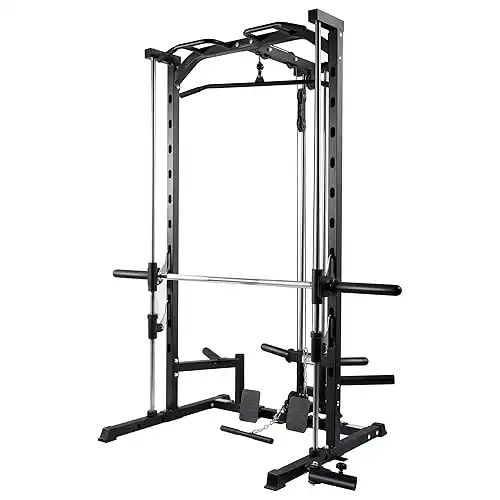
- Size and Footprint: Measure your available space carefully. Smith machines can range from compact standalone units to extensive all-in-one trainers that combine a power rack, cable system, and Smith machine.
- Build Quality and Durability: Look for heavy-gauge steel construction. A sturdy frame will ensure stability and longevity, especially if you plan to lift heavy.
- Bar Smoothness: The quality of the bearings and guide rods directly impacts the smoothness of the bar’s movement. A smooth, frictionless glide is essential for a good workout experience.
- Weight Capacity: Ensure the machine’s stated weight capacity exceeds your current and projected lifting capabilities.
- Additional Features: Many Smith machines come with integrated cable pulleys, a pull-up bar, dip handles, or even a half-rack component. These add tremendous versatility and value, potentially saving space by consolidating multiple pieces of equipment.
- Ease of Adjustability: Check how easy it is to adjust the safety stops and the bar racking mechanism. Quick and secure adjustments are crucial for efficient and safe training.
- Assembly: Consider if you’re comfortable with DIY assembly or if professional installation is an option/necessity.
By focusing on these practical considerations, you can select a Smith machine that perfectly aligns with your home gym’s needs and your fitness aspirations.
Conclusion: Your Path to Empowered Strength
The Smith machine is more than just a piece of gym equipment; it’s an opportunity. An opportunity to build strength safely, to master your form, and to push your boundaries without the constant need for a spotter. For beginners, it provides a supportive environment to learn foundational movements. For intermediate lifters, it offers a pathway to break plateaus, focus on muscle isolation, and explore advanced training techniques with confidence.
Embrace the Smith machine not as a shortcut, but as a strategic tool in your journey to a stronger, more confident self. Integrate its unique benefits with other forms of training, listen to your body, and commit to consistent effort. Your home gym, equipped with this versatile apparatus, is a powerful sanctuary where you can forge not just physical strength, but also the mental fortitude that comes from disciplined, intelligent training. Step up to the bar, unlock your potential, and let the controlled path of the Smith machine guide you toward achieving your fitness goals. The power to transform is within your grasp – seize it.